
The Ultimate Pizza Oven Comparison: Elevate Your Outdoor Gastronomy in 2026
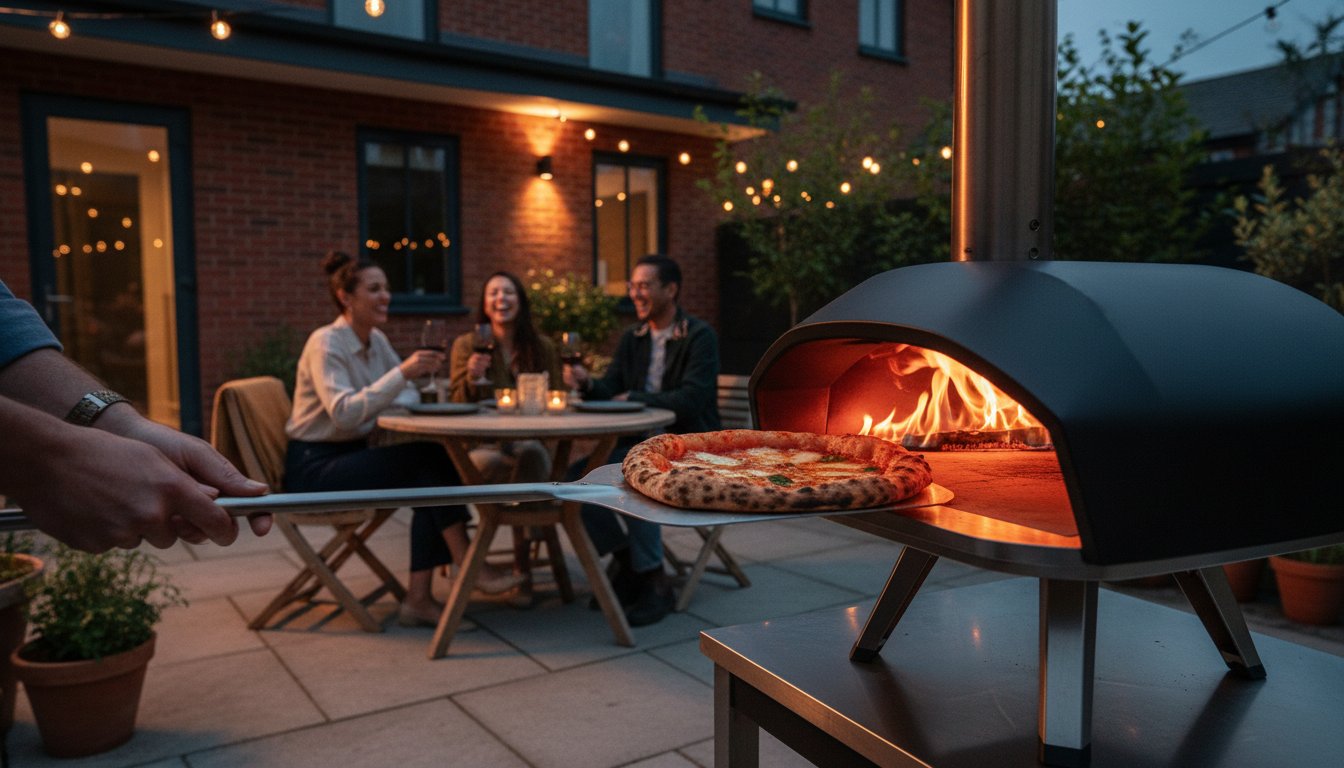
Imagine a Saturday evening where the scent of charred oak and bubbling mozzarella draws your guests toward a shimmering stone hearth, turning your garden into the most exclusive table in town. You already understand that the secret to a perfect crust isn’t just the hydration of your dough; it’s the raw, uncompromising heat that only a professional-grade pizza oven can provide. Whether you’re craving that 60-second Neapolitan leopard spotting or a slow-roasted Mediterranean feast, the right equipment is the heartbeat of your outdoor sanctuary.
Choosing between the smoky romance of wood and the turn-key precision of gas can feel like a daunting task, especially when poor heat retention in inferior models leads to soggy bases and disappointment. We’ve analysed the 2026 market to bring you a definitive guide on fuel efficiency, material durability, and thermal performance. This expert comparison will help you navigate the nuances of portable versus built-in designs, ensuring your choice becomes a social hub that stands the test of time. Discover how to elevate your outdoor cooking with a masterpiece that delivers unrivaled results every single time you light the fire.
Key Takeaways
- Learn why a professional-grade pizza oven must reach 450°C+ to truly transform your garden into a year-round culinary sanctuary.
- Compare the sensory depth of traditional wood-fired cooking with the unrivaled precision and convenience of gas-powered engineering.
- Uncover the essential materials, such as cordierite stone and ceramic insulation, that define a masterpiece and ensure a flawless, searing crust.
- Apply our bespoke selection framework to determine the perfect capacity and fuel type for your unique hosting requirements.
- Elevate your outdoor cooking by mastering the professional dough and seasoning techniques that turn every gathering into a gastronomic masterpiece.
The Ascent of the Pizza Oven in Modern Outdoor Gastronomy
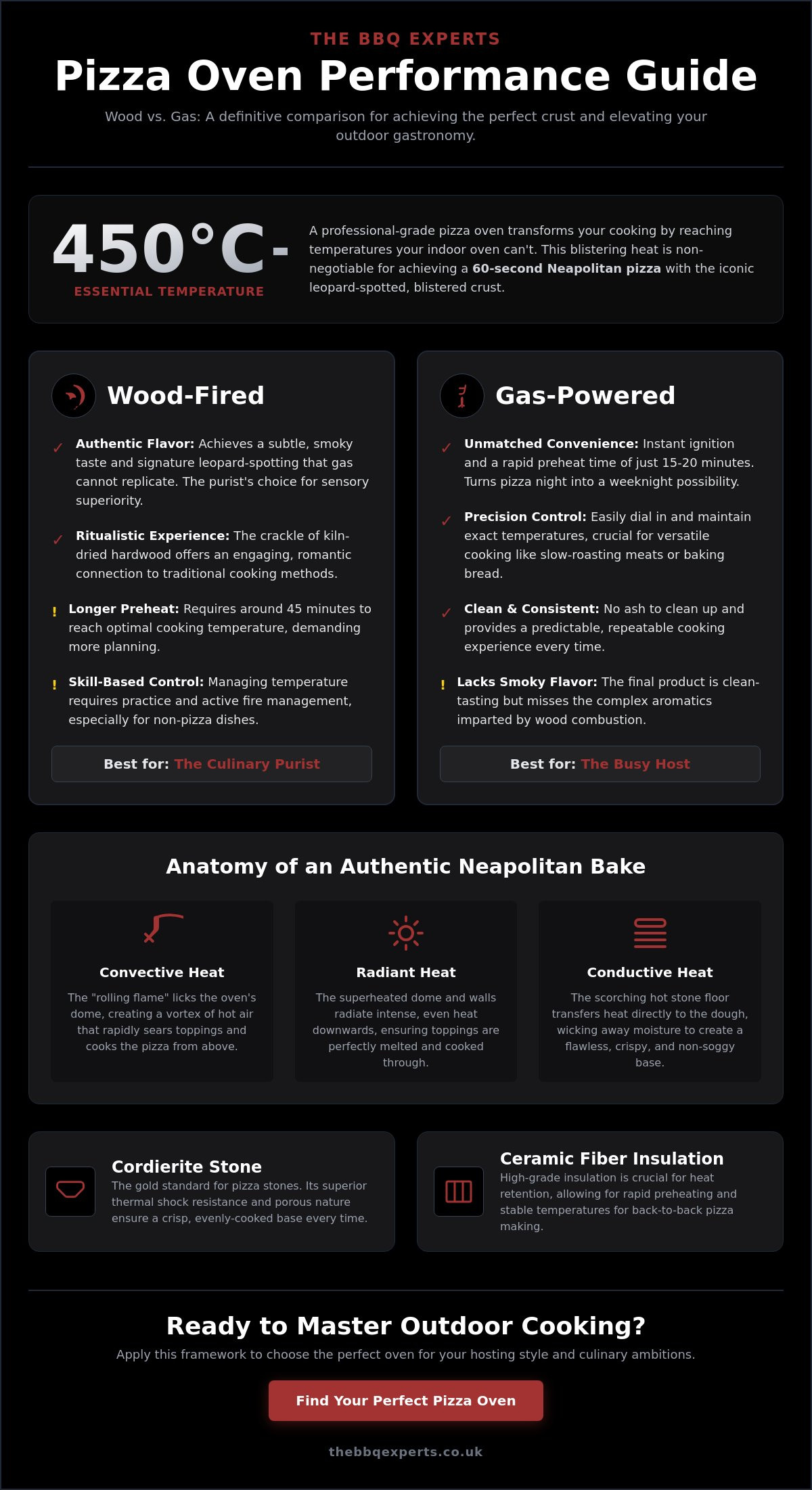
The British garden has undergone a radical transformation. Since 2020, we’ve seen a 35% increase in homeowners investing in permanent outdoor structures, signaling a departure from the humble charcoal grill. This shift marks the end of the era of simple barbecuing and the dawn of true outdoor gastronomy. At the center of this revolution sits the professional-grade history and types of pizza ovens, a tool designed to reach temperatures exceeding 450°C. Your indoor appliance, which peaks at around 250°C, simply cannot replicate the blistering heat required for artisan results. It’s the difference between a soggy, domestic bake and a leopard-spotted masterpiece. We’re moving toward a lifestyle where the garden is a year-round sanctuary for culinary precision.
The Anatomy of an Authentic Neapolitan Bake
Achieving the perfect 60-second cook relies on a specific “rolling flame” that licks the ceiling of the dome. This isn’t just for show; it creates a vortex of convective heat that sears the toppings while radiant heat from the roof and conductive heat from the stone base work in harmony. High-performance models prioritize thermal mass, using thick refractory bricks or high-grade insulation to retain heat. This ensures your fifth pizza is just as crisp and succulent as the first, allowing for seamless, back-to-back baking during a social gathering. Without this thermal stability, the floor temperature drops, resulting in a “pale bottom” that fails the authenticity test.
Pizza Ovens as the Heart of the Outdoor Kitchen
Integrating a high-performance pizza oven into your bespoke counter space creates a visual and functional anchor for your garden. Whether you choose the sleek, modern lines of brushed stainless steel or the timeless, rustic appeal of a traditional stone finish, it commands attention. These units integrate beautifully into custom layouts, creating a focal point for guests to gather around while the chef works. They also complement other live-fire tools perfectly; while you’re Mastering the Fire Pit BBQ for your main proteins, the oven handles the artisanal breads and sides. This combination of tools transforms a simple patio into a professional-grade kitchen, elevating the entire cooking experience into a curated event that defines the modern luxury home.
Wood-Fired vs. Gas: Comparing the Pillars of Pizza Performance
Choosing your primary fuel source defines your entire outdoor culinary experience. It’s the fundamental choice between a meditative ritual and immediate gratification. While wood offers a connection to ancient traditions, gas provides the surgical precision required for a busy host. Your decision impacts everything from the crust’s texture to how often you’ll actually use the appliance on a weeknight.
The Sensory Superiority of Wood and Charcoal
There’s an unrivaled romance in the crackle of a live flame. For the purist, a pizza oven fueled by kiln-dried hardwoods is the only way to achieve that signature leopard-spotting and a delicate hint of smoke. High-density Oak Briquettes are a secret weapon for the dedicated cook; they provide a consistent, intense heat that lasts for 3 to 4 hours without constant refueling. If you’re planning a long afternoon of hosting, starting with a base of premium lumpwood charcoal ensures your stone temperature remains at a steady 450°C. Gas simply cannot replicate the complex aromatics released as wood oils vaporise, a factor highlighted in many reviews of 2026’s best pizza ovens.
Gas Efficiency: When Convenience is King
Modern life doesn’t always allow for a 45-minute preheat. Gas-fired models offer instant ignition and reach cooking temperatures in approximately 15 to 20 minutes. This efficiency transforms the pizza oven from a weekend project into a Tuesday night staple. Beyond speed, the ability to dial the flame down to a whisper is vital for non-pizza dishes. You can roast a succulent shoulder of lamb at a controlled 160°C for 6 hours, something that requires significant skill to manage with wood. While electric hybrids like the Ninja Woodfire offer incredible ease for smaller balconies, a dedicated gas oven remains the gold standard for high-capacity outdoor kitchens.
The serious enthusiast often gravitates toward dual-fuel versatility. These units allow you to preheat with gas for speed, then toss in a few splits of cherry or applewood for the final cook to infuse flavour. It’s a pragmatic approach to luxury. When you consider fuel consumption, gas is undeniably more cost-effective for frequent use, costing roughly £1.50 to £2.00 per hour of high-heat cooking. In contrast, premium kiln-dried oak might run closer to £4.50 for a similar session. Ultimately, your choice reflects your lifestyle goals. If you’re ready to curate your garden sanctuary, you might want to explore our curated range of professional-grade hardware.
Engineering Excellence: Materials that Define a Masterpiece
The cooking surface is where the magic happens. While firebrick offers a traditional aesthetic, Cordierite has become the connoisseur’s choice for its superior thermal shock resistance. It won’t crack during rapid temperature shifts, and its porous nature pulls moisture from the dough to create that signature crispness. In the British climate, where humidity levels often exceed 80%, material durability is non-negotiable. Marine-grade 304 stainless steel offers unrivaled resistance to corrosion. While powder coating provides a bespoke aesthetic, it must be high-temperature rated to withstand the 156 days of rain the UK averages annually without flaking or rusting.
Thermal Mass and Heat Retention
Heavy ovens are the true workhorses of the outdoor kitchen. A substantial thermal mass acts as a battery, storing heat to ensure your tenth pizza cooks as perfectly as your first. Recovery time is the metric that defines your hosting success; premium models allow you to launch your next creation within 60 seconds of removing the last. Thermal saturation is the point where the stone floor holds enough energy for consistent browning. This state ensures the base of your pizza chars beautifully without the top burning before the dough is set.
Portability vs. Permanent Installations
Your choice of pizza oven should reflect the rhythm of your lifestyle. Tabletop models, often weighing between 15kg and 30kg, offer versatile garden placement, letting you move your cooking station to follow the evening sun. They’re the ideal solution for those who value agility or have limited storage space. Conversely, a permanent built-in stone structure or a heavy fire cage becomes the architectural heart of your outdoor sanctuary. These installations provide a sense of permanence and luxury, though they require a reinforced base. For terrace or balcony cooking, always verify the load-bearing capacity of your decking, as even compact premium models can concentrate significant weight in a small footprint.
The Connoisseur’s Selection Framework: Finding Your Match
Choosing your pizza oven is a pivotal moment in designing your outdoor sanctuary. It is an investment in future memories, scenting the air with charred oak and melting mozzarella. To ensure your selection matches your lifestyle, follow this four-step framework refined by years of outdoor culinary expertise.
- Step 1: Define your capacity. A 12-inch oven is a nimble choice for couples or solo artisans. However, if you envision hosting vibrant garden parties, a 16-inch model provides the surface area needed for family-sized feasts and easier crust rotation.
- Step 2: Select your fuel. This choice dictates your “prep-to-plate” rhythm. Gas offers unrivaled convenience, reaching searing temperatures in under 15 minutes. Kiln-dried wood provides the romantic ritual of fire management and a subtle, smoky depth that many connoisseurs find essential.
- Step 3: Evaluate the opening height. Look beyond the stone. A generous opening allows you to slide in cast iron skillets for searing succulent ribeye steaks or roasting whole sea bass, transforming your oven into a versatile roasting powerhouse.
- Step 4: Assess the accessory ecosystem. A high-performance oven requires a supporting cast. Ensure your chosen brand offers bespoke covers, precision-engineered peels, and stable stands designed to withstand the British elements.
Sizing Up Your Culinary Ambition
Small, portable ovens are fantastic for coastal trips or intimate balconies, but they lack the thermal mass required for high-volume baking. Large domes excel at retaining heat, allowing you to launch pie after pie without waiting for the stone to recover. The 14-inch pizza oven has become the definitive “sweet spot” for UK gardens. It offers enough room to maneuver a 12-inch pizza comfortably while remaining compact enough for most patio configurations. Don’t overlook internal height; extra clearance is vital if you plan on baking artisan sourdough loaves that need room to bloom.
Budgeting for Quality, Not Just the Label
In a market flooded with “faux-luxury” imports, look for genuine engineering. Professional-grade hardware often features 304-grade stainless steel and thick ceramic fiber insulation. These materials ensure your oven survives a decade of British winters rather than just two seasons. A 5-year warranty is a hallmark of quality you should demand. Be mindful of the total investment. Beyond the unit itself, factor in £150 to £300 for essentials like a UK-spec gas regulator, heavy-duty weather covers, and premium fuel storage. These aren’t extras; they’re the guardians of your investment’s longevity.
Are you ready to create a culinary masterpiece in your own garden? Browse our unrivaled collection of premium pizza ovens and elevate your outdoor cooking today.
Beyond the Peel: Elevating Your Pizza Artistry with The BBQ Experts
Owning a world-class pizza oven is just the beginning of your journey into true outdoor gastronomy. While the precision engineering of a premium oven provides the canvas, your technique and choice of ingredients provide the masterpiece. Mastering high-hydration dough, often aiming for 65% to 70% moisture, and respecting long fermentation periods turns a simple garden meal into a professional-grade experience. We believe the oven is the heart of your sanctuary, but the soul comes from the artisan behind the peel. It’s about more than just heat; it’s about the sensory joy of the perfect char.
Flavour Enhancers and Professional Seasoning
Don’t limit your creativity to flour and water. You can transform standard ingredients by learning how to use Angus & Oink rubs to create bespoke pizza toppings that pop with complexity. Whether it’s a dusting of “Tex Mex” on a spicy chorizo base or using “Dirty Cow” to season thin-sliced steak toppings, these professional blends add layers of depth that standard spices cannot match. Apply the low-and-slow logic of the “bark” to your high-heat roasting; a well-seasoned crust edge develops a caramelised, savoury crunch that mimics the best brisket. Finish your creations with wood-smoked salts or a drizzle of cold-pressed truffle oil to truly elevate your outdoor cooking.
The Complete Outdoor Sanctuary
Culinary excellence thrives in a versatile environment. Many of our clients find that pairing their pizza oven with a high-performance gas BBQ creates a comprehensive outdoor kitchen capable of handling any scale of entertainment. While the oven handles the intense 450°C heat for Neapolitan crusts, your BBQ manages the delicate sides or slow-roasted proteins. To ensure your sanctuary lasts for decades, maintenance is vital. Wipe down stainless steel surfaces with a specialised cleaner after every use and never use soap on your cooking stone. Scrape away debris at peak temperatures to maintain a pristine surface. We’re here to serve as your expert mentors, offering the support you need to refine your skills. Join our community of UK enthusiasts and transform your garden into the ultimate social hub of your home.
Claim Your Place as a Master of Outdoor Gastronomy
Transforming your garden into a culinary sanctuary in 2026 requires a deliberate focus on heat retention and fuel quality. You’ve seen how the choice between the primal roar of wood-fired flames and the surgical precision of gas determines the character of your crust. Investing in professional-grade materials ensures your equipment withstands the British elements while hitting the 450°C temperatures necessary for authentic results. As UK outdoor cooking specialists, we don’t just sell hardware; we provide the blueprint for a transformed lifestyle.
Our expertise extends from the bespoke engineering of Hibachi Grills and Fire Cages to the high-performance consistency of Oak Briquettes and Big Eds Charcoal. Choosing the perfect pizza oven is about more than just searing dough; it’s about anchoring your home’s social life around the raw joy of fire. Let’s move beyond the basics and refine your craft with tools that match your ambition. For those who want to extend their flat-top cooking mastery beyond the oven, exploring what a plancha can bring to your outdoor gastronomy is a natural next step in building a truly complete garden kitchen.
Elevate your outdoor cooking with our curated Pizza Oven collection
The garden you’ve always envisioned is ready for its first masterpiece. We’re excited to help you light the match.
Frequently Asked Questions
What is the best fuel for a pizza oven to get authentic flavour?
Kiln-dried hardwood like oak or ash is the gold standard for achieving that authentic, smoky Neapolitan flavour. These woods burn consistently at temperatures exceeding 450°C, providing the intense heat required for a 60-second leopard-spotted crust. While gas offers convenience, the aromatic profile of hardwood transforms your pizza oven into a true culinary sanctuary. Ensure your wood has a moisture content below 20% to avoid bitter smoke and maintain a clean, searing flame.
Can I use a pizza oven in the UK during winter?
You can absolutely use your oven during a British winter; in fact, the contrast of the biting cold and a 500°C hearth is truly exhilarating. Be prepared for your pizza oven to take 15 to 20 minutes longer to reach temperature when the ambient air is near 0°C. High-grade insulation, like that found in Gozney or DeliVita models, is essential to retain heat against the frosty wind. Always store your stones in a dry place to prevent thermal shock from moisture.
How long does it take for a pizza oven to reach 450 degrees?
A premium oven typically reaches the 450°C mark in 20 to 30 minutes depending on the fuel source and insulation quality. Gas burners often hit this target slightly faster, around the 20-minute mark, whereas wood fires require a steady build-up of embers over 30 minutes. Use an infrared thermometer to verify the stone temperature accurately. This ensures your base crisps instantly rather than sticking to a tepid surface, guaranteeing professional results every time.
Do I need a special stand for my outdoor pizza oven?
A dedicated, heat-resistant stand is vital for safety and to position the mouth of the oven at a comfortable chest-height of roughly 100cm to 110cm. Placing a heavy 30kg unit on a standard wooden garden table is a fire risk and will likely lead to structural failure. Choose a bespoke stainless steel or powder-coated trolley with lockable castors. This allows you to pivot your cooking station to shield the flame from the 15mph gusts common in UK coastal gardens.
Is a wood-fired pizza oven better than a gas one?
Wood-fired ovens offer unrivaled depth of flavour, while gas provides the precision and speed required for effortless mid-week entertaining. Many enthusiasts now opt for multi-fuel models, which accounted for 45% of premium sales in 2024, giving you the flexibility of both worlds. If you value the ritual of the fire, choose wood. If you prefer a 15-minute start-up time and total flame control with a simple dial, gas is your ideal companion.
What is the difference between cordierite and clay pizza stones?
Cordierite stones are engineered to withstand extreme thermal shock better than traditional clay, making them less likely to crack at 500°C. While clay is a classic material, cordierite’s unique mineral composition allows it to expand and contract rapidly without fracturing. This durability is why 90% of high-end portable ovens utilise cordierite. It absorbs moisture from the dough effectively, ensuring your crust achieves that coveted, succulent crunch without the risk of mid-bake stone failure.
Can I cook things other than pizza in an outdoor oven?
Your oven is a versatile masterpiece capable of searing 35-day aged ribeye steaks, roasting Mediterranean vegetables, or baking artisanal sourdough. The falling heat after a pizza session is perfect for slow-roasting lamb shoulder for 4 to 6 hours. Cast iron skillets are your best friend here. They harness the intense radiant heat to create a bespoke crust on meats that a standard kitchen oven simply cannot replicate. It truly elevates your garden into a full-scale gastronomy hub. If you want to further expand your outdoor cooking repertoire, learning about the precision searing capabilities of a plancha can help you master delicate proteins like sea bass fillets that would otherwise be lost through a standard grill.
How do I clean the stone floor of my pizza oven?
Clean your stone floor by cranking the heat to its maximum for 30 minutes to carbonise any spilled cheese or flour. Once the residue turns to grey ash, simply sweep it away with a long-handled brass or stainless steel wire brush. Never use soap or water, as the porous stone will absorb the liquid and potentially crack during the next firing. This pyrolytic cleaning method keeps your cooking surface pristine and ready for your next culinary creation.
Disclaimer
This article was produced with AI assistance. We use AI and Third Parties to help deliver more content to our BBQ website and community, but we always aim to ensure accuracy and quality as much as we can. If you spot anything that doesn't seem right, we'd love to hear from you

Recent News & Updates

Our Story, Values and Beliefs
Here at the BBQ experts we have a passion for BBQ food, outdoor living and spending time with family and friends. We offer you; A...
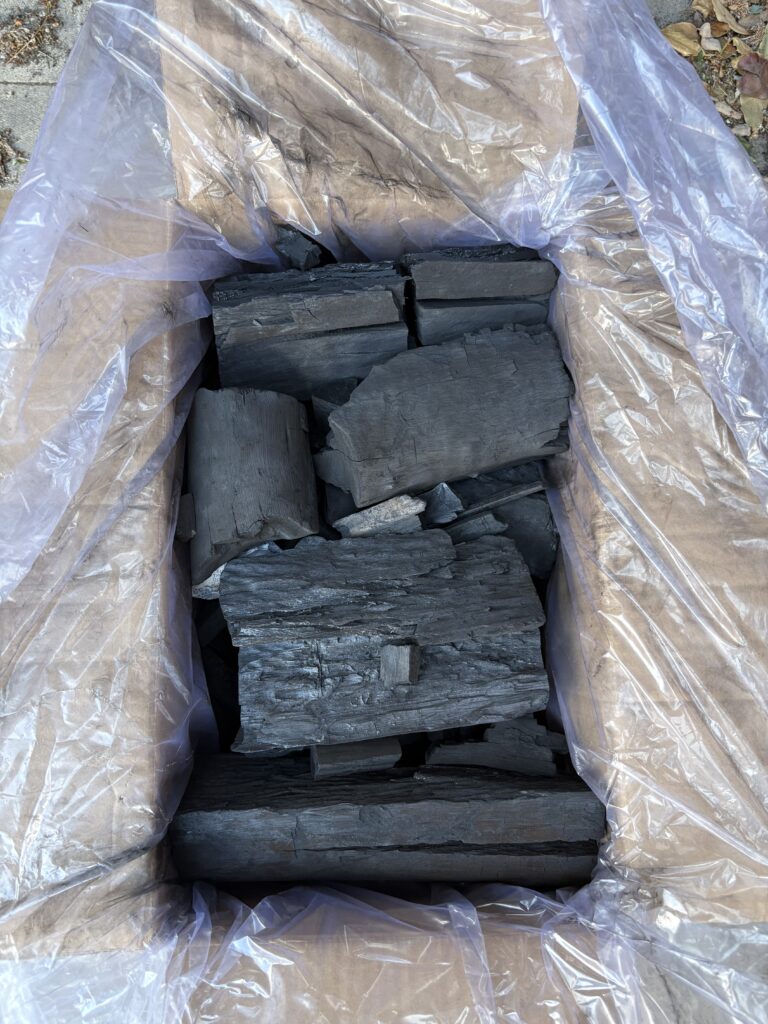
FAQ: Why does Big Ed’s Charcoal have a mix of big and small lumps?
Big Ed’s is all about top-quality, long-burning charcoal, made from a mix of Eucalyptus and Mangrove wood. Each 10kg box is packed with...