
Mastering the Fire Pit BBQ: The Ultimate How-To Guide for Live-Fire Cooking
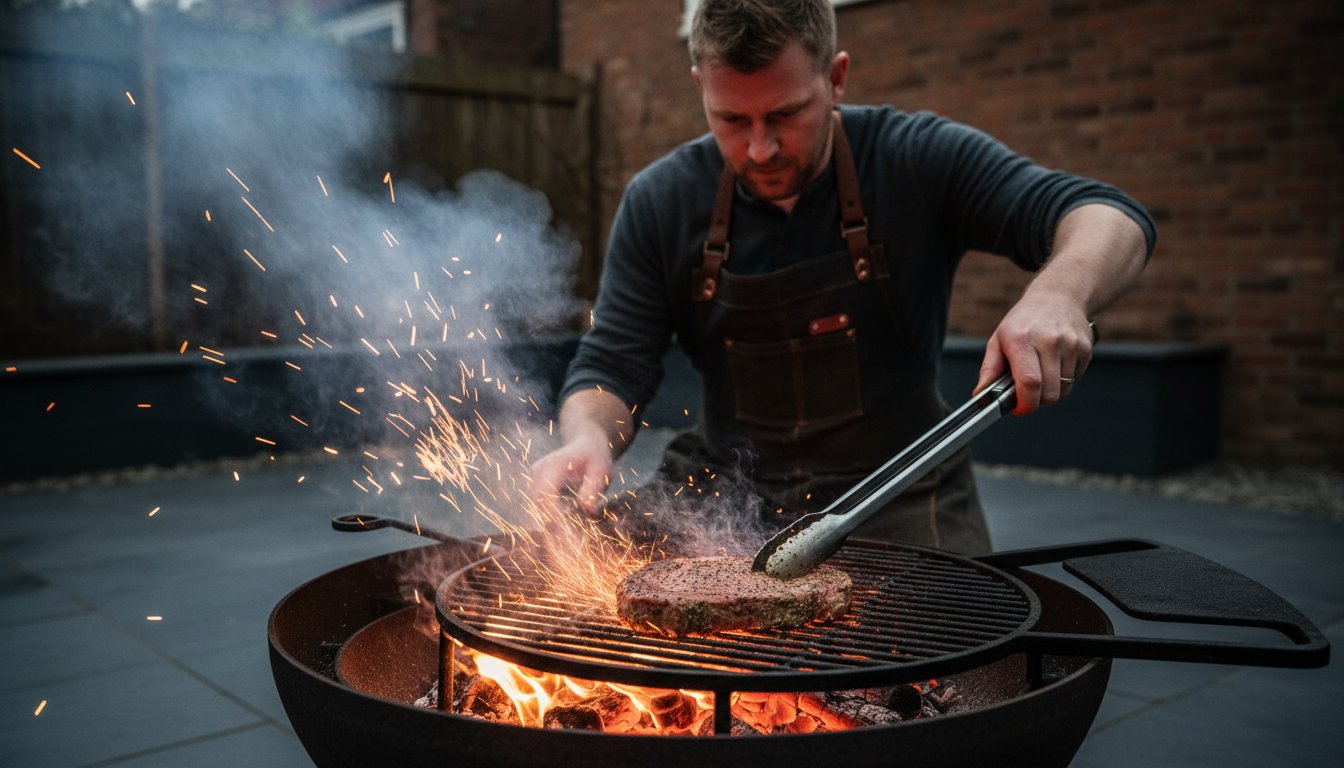
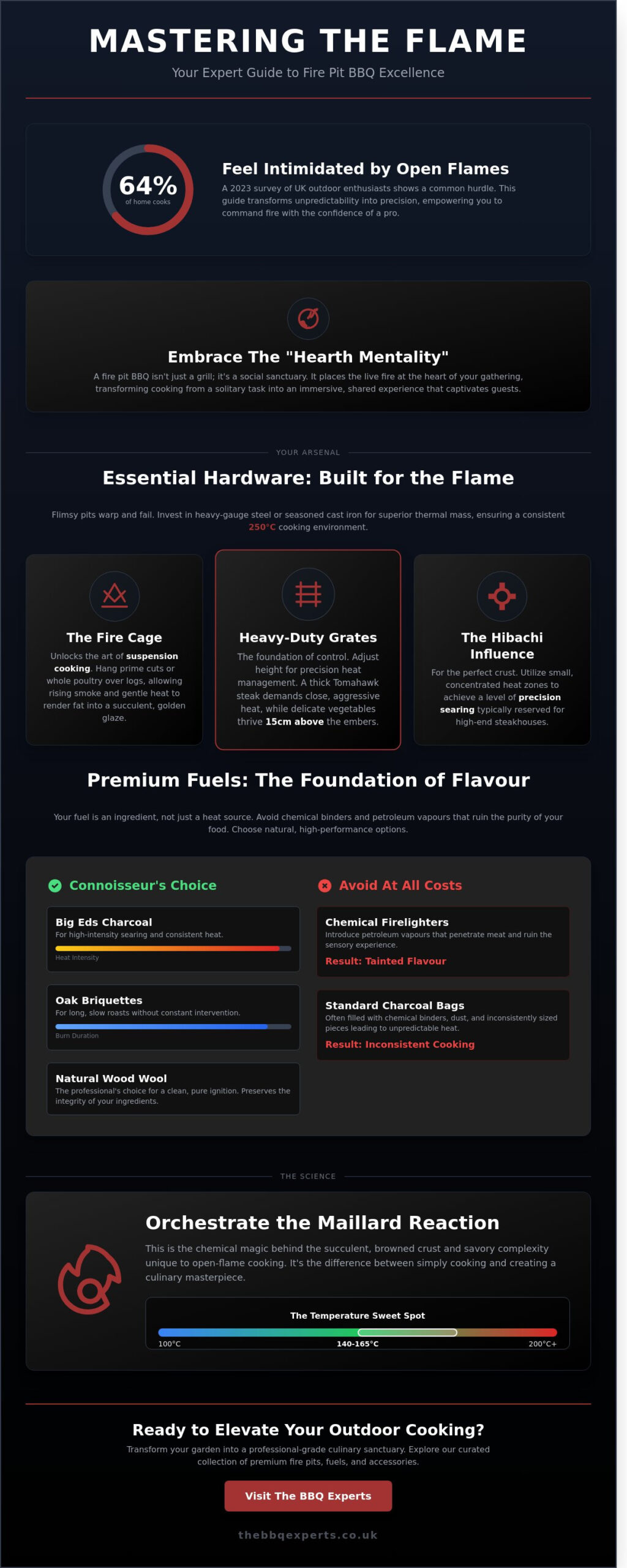
What if the most sophisticated kitchen in your home isn’t actually inside your house, but glowing at the center of your terrace? You’ve likely felt the frustration of a beautiful evening dampened by flares of inconsistent heat or the disappointment of a premium ribeye sticking to a cold grate. It’s a common hurdle. A 2023 survey of UK outdoor enthusiasts revealed that 64% of home cooks feel intimidated by the unpredictable nature of open flames. Transitioning to a true fire pit bbq setup requires more than just a match and some charcoal; it demands an understanding of thermal dynamics and the sensory art of live-fire cooking.
This guide will show you how to command your flame with the precision of a Michelin-starred chef, turning your garden into a sanctuary of succulent, wood-fired flavours. We’ll explore the science of heat zones, the secrets of kiln-dried hardwoods, and the bespoke techniques needed to host an unrivaled dinner party under the British stars. Discover how to elevate your outdoor cooking from a simple hobby to a refined culinary masterpiece.
Key Takeaways
- Transform your garden into a sophisticated culinary sanctuary by mastering the “Hearth Mentality” and selecting heavy-gauge hardware for unrivaled heat control.
- Learn the essential science behind live-fire heat management, including the specific fire-stacking methods needed to maintain a clean, consistent, and searing burn.
- Discover how to achieve professional-grade bark and succulent depth of flavour on your fire pit bbq using industry-standard rubs and bespoke searing techniques.
- Master the post-cook rituals and seasoning secrets that protect your investment, ensuring your outdoor kitchen remains a high-performance masterpiece for years to come.
What is a Fire Pit BBQ? Elevating the Hearth to a Culinary Sanctuary
A What is a Fire Pit BBQ? represents a sophisticated evolution of the outdoor experience. It isn’t merely a vessel for heat; it’s a dual-purpose sanctuary that blends the primal allure of a campfire with the technical precision of a professional kitchen. While traditional grills often isolate the chef, the fire pit bbq fosters what we call the Hearth Mentality. This concept places the flickering flames at the very center of the social circle, inviting guests to gather around the warmth while witnessing the transformation of raw ingredients into a bespoke feast.
The transition from a basic wood-burning pit to a professional-grade cooking station has redefined British garden culture. Modern designs utilize high-grade materials like 304 stainless steel or weathered Corten steel to withstand the unpredictable UK climate. The sensory rewards of this setup are immediate. As the wood burns, it releases complex aromatic compounds that infuse your food with unrivaled depth. You aren’t just cooking; you’re orchestrating the Maillard reaction, a chemical process occurring between 140°C and 165°C that creates the succulent, browned crust and savory complexity found only on an open flame.
The Versatility of the Modern Fire Pit
Contrast this experience with a standard gas grill. While gas offers convenience, it lacks the soul and nuanced flavour profile of burning oak, birch, or cherry wood. The modern fire pit bbq is a modular masterpiece. By integrating heavy-duty stainless steel grates, rotisseries, or even cast-iron planchas, you transform a simple heat source into a multi-functional outdoor hub. This shift creates a lifestyle where your garden becomes the primary social sanctuary of the home, moving the focus from indoor dining to an immersive, alfresco experience that lasts long after the sun sets. Many outdoor cooking enthusiasts who master the fire pit also find that adding a wood-fired pizza oven to their outdoor kitchen setup takes their garden gastronomy to an entirely new level.
Why Live-Fire Cooking is the Ultimate BBQ Skill
Mastering live fire is the hallmark of a seasoned connoisseur. Unlike the “set and forget” nature of digital smokers, fire pit cooking requires you to manage a non-static heat source. You must learn to read the embers and understand the nuances of airflow. This challenge builds a profound connection with your ingredients through techniques that feel primitive yet remain incredibly refined. It’s about patience and precision; it’s the difference between simply feeding people and providing a masterclass in outdoor gastronomy. You’re no longer just a cook; you’re an expert mentor guiding your guests through a sensory journey that celebrates quality craftsmanship and raw, culinary joy. For those who crave wood-smoked flavour without the commitment of a full open-flame setup, the Ninja Woodfire electric grill offers a compelling alternative worth exploring.
Selecting Your Arsenal: Essential Hardware and Premium Fuels
Mastering the fire pit bbq requires more than just a spark and a prayer. You’re building a sanctuary for outdoor gastronomy, and that starts with hardware capable of withstanding the intense thermal stress of an open flame. Flimsy, thin-walled pits warp and degrade within a single season. Instead, we champion heavy-gauge steel and seasoned cast iron. These materials offer the thermal mass needed to hold heat at a steady 250°C, providing the consistent environment required for truly artisanal cooking.
The Hardware: Fire Cages, Grates, and Hibachis
Professional chefs often turn to the Fire Cage to unlock the secrets of suspension cooking. This tool allows you to hang prime cuts or whole poultry directly over the logs, letting the rising smoke and gentle heat render fat into a succulent, golden glaze. For those who crave the perfect crust, the Hibachi influence is vital. By using small, concentrated heat zones, you can achieve a level of precision searing usually reserved for high-end steakhouses. You’ll find that investing in premium equipment transforms your garden into a professional-grade kitchen. Remember to adjust your grate height based on the cook; delicate vegetables thrive 15cm above the embers, while a thick Tomahawk steak demands a closer, more aggressive heat.
The Fuel: Big Eds Charcoal and Oak Briquettes
Your fuel isn’t just a heat source; it’s the foundation of your flavour profile. We move beyond supermarket bags filled with chemical binders and dust. Big Eds Charcoal is the connoisseur’s choice, offering high-intensity heat that stays clean and consistent for hours. If you’re planning a long-duration roast, Oak Briquettes provide a slow, rhythmic burn that maintains temperature without constant intervention. Avoid chemical firelighters at all costs. They introduce petroleum vapours that penetrate the meat and ruin the sensory experience. Stick to natural wood wool or kindling to preserve the purity of your ingredients.
Essential Accessories for the Fire Pit Chef
Safety and precision go hand in hand when managing a live fire. You’ll need a robust set of tools to stay in control of the fire pit bbq environment:
- Long-handled Tongs: Choose heavy-duty stainless steel to manage heavy joints without getting too close to the 400°C core.
- Heat-Resistant Gloves: Look for certified materials that allow you to handle hot grates or adjust logs safely without burns.
- Digital Meat Probe: In the unpredictable world of open-air cooking, a probe provides the data you need to hit an exact 52°C for a perfect rare finish.
- Snuffer or Lid: This is your primary safety tool. A well-fitted lid allows you to dampen the oxygen supply, instantly cooling the pit or extinguishing the fire once the feast is over.
How to Master Live-Fire Heat Management: A Step-by-Step Guide
Mastering a fire pit bbq requires more than just a match and some patience. It’s a sophisticated art form that begins with a pristine environment. Before you strike a single spark, clear away any residual ash from your previous session. This ensures the air vents remain unobstructed, allowing oxygen to circulate freely. Proper airflow is the secret to achieving that clean, blue smoke every seasoned connoisseur seeks for their outdoor kitchen.
Your fuel architecture determines your culinary results. Choose the Log Cabin method for a sustained, even burn that supports long-form roasting. Stack your kiln-dried hardwoods in a square formation, which allows air to tunnel through the centre for a consistent temperature. If you require a rapid, intense heat for a quick lunch, the Tepee method is superior. Lean your logs together in a cone shape to direct the energy upward, creating a concentrated pillar of fire that quickly transitions to usable embers.
Patience is your most valuable ingredient. Follow the 20-Minute Rule religiously. Never place your meat over active flames, as this leads to acrid soot and uneven cooking. Wait until the logs have collapsed into a bed of glowing embers coated in a delicate layer of white ash. At this stage, the temperature is stable and the flavour profile is pure, ready to elevate your ingredients.
Creating Culinary Heat Zones
Precision cooking on a fire pit bbq relies on spatial awareness rather than a digital readout. Use a heavy-duty fire poker to bank your coals into specific regions. The Searing Zone should feature a high-density bed of coals directly under the grate for that perfect Maillard reaction on thick steaks. Move delicate items to the Indirect Zone, where there are fewer coals, to allow the internal temperature to rise without charring the exterior. Finally, use the outer perimeter as a Warming Zone. This is the ideal sanctuary for resting succulent joints of meat, ensuring the juices redistribute perfectly before you serve your guests.
Controlling Temperature Without a Dial
You don’t need a thermostat to achieve professional results. Adjust your heat by physical movement and oxygen control. If the fire is too fierce, use a Fire Cage to contain the fuel or spread the embers thinner to reduce intensity. You can gauge the surface temperature using the Hand Test. Hold your palm roughly 15 centimetres above the grate. If you must pull away after two seconds, you’ve reached a searing heat of approximately 230°C. If you can hold it for five seconds, you’re at a medium heat suitable for poultry. When flare-ups occur from dripping fats, don’t douse the flames with water. Simply move the food to a cooler zone until the fire subsides. This protects the integrity of your bespoke ingredients and keeps your cooking surface performing at its peak.
Elevating Flavour: Professional Seasoning and Searing Techniques
Mastering a fire pit bbq requires more than just heat; it demands an understanding of how fire transforms protein. When you apply a dry rub to meat, you aren’t just adding taste. You’re initiating a complex chemical reaction. As the heat rises, the spices and proteins bond with the wood smoke to create a complex exterior layer. This process relies on the Maillard reaction, where sugars and amino acids create that distinctive, savoury depth that defines high-end outdoor cooking.
For those seeking a professional finish, Angus & Oink Rubs have become the undisputed industry standard. These blends offer a depth of profile that homemade mixes often lack, using high-quality ingredients that withstand the intense, dry heat of an open flame without burning into bitterness. They provide the necessary friction for smoke particles to adhere to the meat, ensuring every bite carries the essence of the wood fire.
Matching Rubs to Your Fire Pit Proteins
Beef and game require bold, peppery rubs that can stand up to heavy smoke. Look for blends containing brisket black pepper, garlic, and sea salt to complement the iron-rich flavours of venison or a thick-cut picanha. For poultry and pork, opt for sweet and savoury profiles. These rubs often contain maple or turbinado sugar, which caramelise over the embers to create a sticky, translucent glaze that locks in moisture.
Bark is the flavorful, dark crust formed by spice and smoke.
The Art of the Sear
The “Reverse Sear” is the definitive technique for achieving a perfect thick-cut steak on a fire pit bbq. Start by placing your meat on the cooler edge of the grill, away from the direct flame. Once the internal temperature reaches approximately 10 degrees below your target, move it directly over the white-hot coals. This final, high-heat blast creates a professional-grade crust without overcooking the delicate interior. If you’re looking to cook delicate ingredients like fish or vegetables with the same precision, a plancha’s flat-top surface delivers unrivalled heat distribution that open grates simply cannot match. If you cook in a space where open flames aren’t always practical, the Ninja Woodfire grill’s precision temperature control can replicate this reverse sear method with impressive accuracy.
- The Smoke Kiss: Drop a few fresh hickory or cherry wood chunks onto the coals 60 seconds before pulling the meat off to add a final, aromatic layer of flavour.
- Basting and Mopping: Use a traditional mop sauce or a herb-infused butter to baste the meat every 15 minutes. This prevents the exterior from drying out in the 100% convection environment of an open fire.
- The Essential Rest: Never cut into your meat immediately. A 15-20 minute rest off the heat allows the muscle fibres to relax and reabsorb juices, ensuring the succulent texture you’ve worked to achieve.
Elevate your outdoor cooking by exploring our curated selection of premium grilling accessories and professional-grade seasonings.
Caring for Your Fire Pit: Longevity and Expert Maintenance
Your fire pit bbq is an investment in your lifestyle, a focal point where memories are seared into the evening air. Protecting this masterpiece begins the moment the last ember fades. You should never leave ash in the pit overnight. Ash is hygroscopic, meaning it draws moisture from the damp UK air. Within 24 hours, this creates a corrosive acidic paste that can degrade even high-grade steel. Clear the basin once the temperature drops to ensure the metal remains pristine for your next gathering.
Treat your cooking grates with the same reverence you’d show a vintage cast iron skillet. After every session, scrub away residue while the metal is still warm. Apply a thin layer of high-smoke point oil, such as grapeseed or flaxseed, to create a polymerised barrier. This seasoning process prevents oxidation and ensures a non-stick surface that delivers those coveted, succulent sear marks every time you cook. It’s a five-minute ritual that adds years to the life of your equipment.
The British weather is famously unpredictable. With the UK seeing an average of 150 rainy days a year according to recent climate data, a high-quality, breathable cover isn’t optional; it’s a necessity. Bespoke covers prevent water pooling and allow internal moisture to escape, stopping rust before it starts. Without this protection, the structural integrity of your outdoor sanctuary is at the mercy of the elements.
Deep Cleaning and Rust Prevention
Accumulated carbon buildup acts as an insulator, preventing even heat distribution across your fire pit bbq. Use a plastic scraper or a stiff-bristled brush to remove flakes without gouging the substrate. If you spot orange flecks of oxidation, sand the area lightly and immediately re-apply food-grade oil. Regularly inspect high-heat zones for thinning metal or warping. Catching these structural shifts early preserves the safety and performance of your setup.
The Expert Advantage
Mastering the flame requires more than just hardware; it requires a partnership with those who live and breathe outdoor gastronomy. At The BBQ Experts, we provide bespoke guidance that goes far beyond a generic product description. We understand how your setup needs to evolve as your culinary skills sharpen. You might start with the raw allure of timber and eventually desire the precision of a premium gas bbq for mid-week entertaining. We’re here to bridge that gap. Elevate your outdoor sanctuary today and invest in equipment that performs as beautifully as it looks.
Begin Your Live-Fire Legacy
Mastering the fire pit bbq isn’t just about cooking; it’s about reclaiming the garden as a culinary sanctuary. You’ve learned that precision starts with selecting professional-grade hardware and premium fuels. Managing live-fire heat requires patience, but the reward is a level of succulent flavour that standard grills simply can’t replicate. By applying expert searing techniques and maintaining your equipment with care, you’re not just making dinner. You’re crafting a lifestyle centered around quality and craft.
At The BBQ Experts, we bridge the gap between home enthusiasts and professional pitmasters. Our team provides specialist advice from seasoned BBQ connoisseurs to ensure your setup is unrivaled. We are proud stockists of professional-grade Fire Cages and Hibachis from world-class brands like Napoleon and Kamado Joe. Whether you need premium charcoal or bespoke rubs, we offer UK-wide delivery to your doorstep. It’s time to transform your outdoor space into a masterpiece of gastronomy. Every evening spent by the hearth is an opportunity to refine your skills and create memories that linger long after the embers fade. If you’re looking to expand your outdoor cooking repertoire beyond the grill, our ultimate pizza oven comparison guide for 2026 will help you find the perfect complement to your fire pit setup.
Elevate your outdoor cooking with our expert-curated Fire Pit range. Your journey toward becoming a live-fire master starts today.
Frequently Asked Questions
Can I use any type of wood in my fire pit BBQ?
You must only use seasoned hardwoods with a moisture content below 20% to achieve a clean, searing heat. Avoid softwoods like pine or any pressure-treated timber, as these release bitter resins and toxic chemicals that ruin your fire pit bbq experience. Oak and ash are the gold standard, providing a consistent burn that imparts a delicate, smoky essence to your ingredients.
How do I prevent food from sticking to the fire pit grates?
Ensure your grates are meticulously cleaned and preheated for at least 10 minutes before the food touches the metal. Apply a thin layer of high-smoke point oil, such as rapeseed oil, to both the grates and your meat to create a non-stick barrier. This technique guarantees those coveted, professional sear marks while keeping your succulent cuts intact.
Is a fire pit BBQ better than a traditional charcoal grill?
A fire pit bbq offers an unrivaled sensory experience that a standard charcoal grill cannot match. While a traditional grill provides controlled heat for quick meals, a fire pit creates a 360-degree social sanctuary where the cooking becomes the evening’s entertainment. It’s a bespoke approach to outdoor gastronomy that blends high-end performance with the raw beauty of an open flame.
What is the best way to light a fire pit for cooking?
Use the top-down method or a dedicated chimney starter for a reliable, chemical-free light. Place your larger hardwood logs at the base, followed by smaller kindling and 2 natural wood-wool firelighters on top. This method produces less smoke and reaches a stable cooking temperature 25% faster than traditional pile lighting, allowing you to focus on the culinary craft.
Can I leave my fire pit outside all year round in the UK?
You can leave high-quality stainless steel or Corten steel pits out, but a bespoke weather-resistant cover is essential in the UK’s 150+ rainy days per year. Moisture is the primary enemy of iron components, leading to oxidation that compromises the structural integrity of your investment. Invest in a heavy-duty 600D polyester cover to ensure your outdoor sanctuary remains pristine through the winter months.
How do I control the temperature on an open fire pit?
Control your heat by managing the distance between the embers and your food. Move your ingredients to the outer edges of the grate for a gentle 120°C roast, or place them directly over the glowing heart of the fire for a 300°C sear. Adjusting the fuel density allows you to master the thermal zones, ensuring every cut reaches its peak potential.
Do I need special tools for fire pit cooking?
Yes, you require long-handled stainless steel tongs and heat-resistant leather gauntlets rated for temperatures up to 500°C. Standard kitchen utensils are insufficient for the intense radiance of an open fire and pose a safety risk. These professional-grade tools provide the precision and reach needed to manipulate your feast without compromising your comfort or safety.
What are the best meats to cook on a fire pit for beginners?
Thick-cut ribeye steaks and skin-on chicken thighs are the perfect starting point for your fire pit journey. These cuts have a higher fat content, which makes them more forgiving under the fluctuating heat of an open flame. A 32mm thick steak allows you enough time to develop a deep, caramelised crust while maintaining a tender, succulent interior that will impress any guest.
Disclaimer
This article was produced with AI assistance. We use AI and Third Parties to help deliver more content to our BBQ website and community, but we always aim to ensure accuracy and quality as much as we can. If you spot anything that doesn't seem right, we'd love to hear from you

Recent News & Updates

Our Story, Values and Beliefs
Here at the BBQ experts we have a passion for BBQ food, outdoor living and spending time with family and friends. We offer you; A...
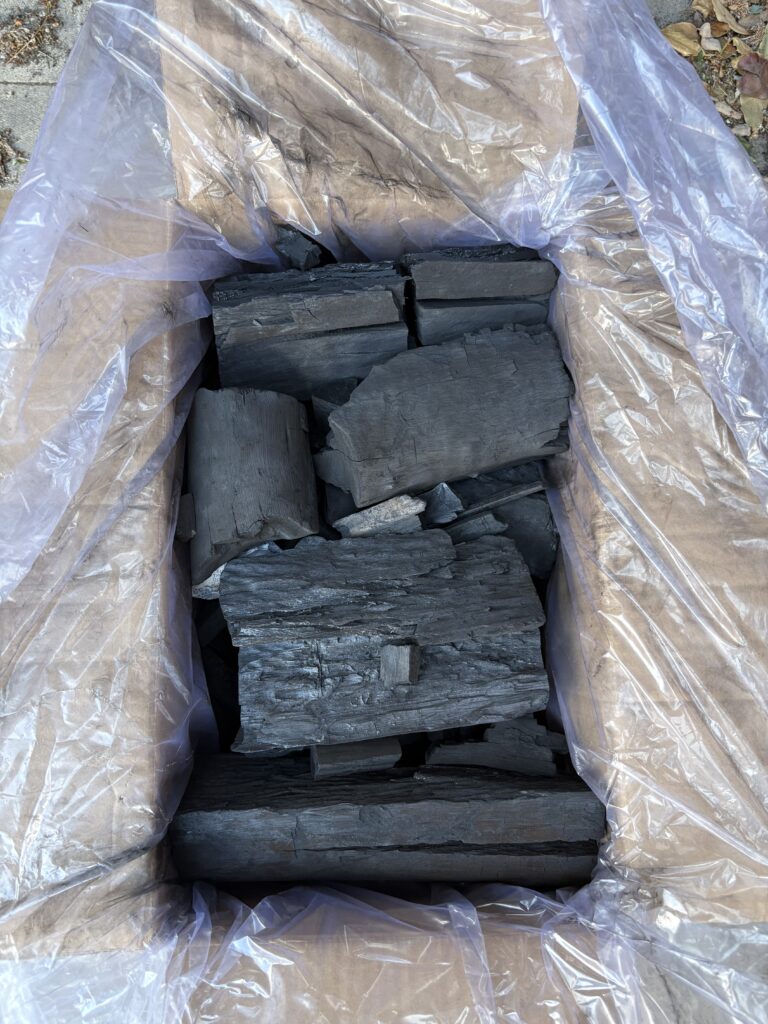
FAQ: Why does Big Ed’s Charcoal have a mix of big and small lumps?
Big Ed’s is all about top-quality, long-burning charcoal, made from a mix of Eucalyptus and Mangrove wood. Each 10kg box is packed with...