
The Connoisseur’s Guide to Cleaning and Maintaining a Fire Cage
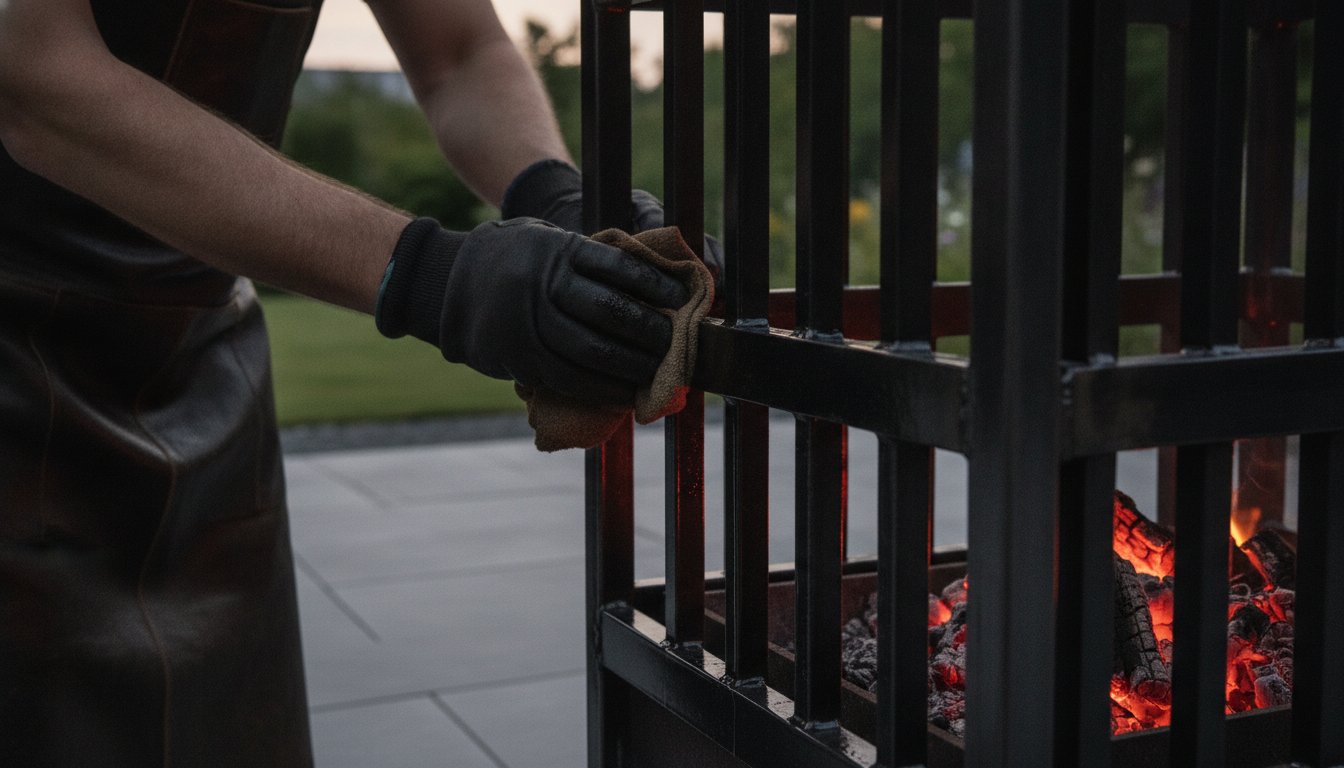
Your fire cage is a precision culinary instrument, not merely a pit for burning logs. With the new UK steel trade measures as of July 1, 2026, pushing tariffs on out-of-quota steel to 50 percent, your professional hardware is now a more significant financial investment than ever before. Mastering the art of cleaning and maintaining a fire cage is the only way to protect that investment while ensuring professional-grade thermal performance. You likely know the frustration of stubborn grease clinging to hanging racks or the creeping fear that a single season of neglect might invite ruinous rust to your premium steel.
We understand that you demand excellence from every cook, which is why we’ve curated this guide to help you achieve a perfectly seasoned finish and superior heat distribution. By following these connoisseur-level techniques, you’ll extend the lifespan of your steel components and eliminate the ash blockages that cause inconsistent temperatures. We’ll walk you through the essential steps of deep cleaning, proper oiling, and the importance of using certified “Ready to Burn” fuels with under 20 percent moisture to keep your outdoor sanctuary pristine and performing at its peak.
Key Takeaways
- Discover why structural cleanliness is the secret to thermal precision and the cornerstone of professional-grade outdoor gastronomy.
- Master the disciplined rituals of cleaning and maintaining a fire cage to ensure your hardware remains a pristine social hub for years to come.
- Learn to apply a seasoning philosophy that treats high-grade steel like fine cast iron, creating a natural barrier against the British climate.
- Minimise soot and carbon buildup by pairing your equipment with premium fuels such as Big Eds Charcoal or dense Oak Briquettes.
- Execute a comprehensive deep-clean and oiling routine before seasonal storage to protect the integrity of your steel components.
The Architecture of Open-Fire Cooking: Why Fire Cage Maintenance Matters
A fire cage is the heart of a refined outdoor kitchen; it’s a sophisticated structure designed for the master of flame. Unlike a standard garden fire pit, this is a modular system engineered for Gaucho-style cooking and precise thermal control. It demands a level of discipline that matches the quality of the ingredients you place upon its racks. Cleaning and maintaining a fire cage isn’t just about aesthetics; it’s about preserving the physics of fire. When your steel is pristine, it responds to heat with predictable expansion and radiant efficiency. This precision is what separates a backyard hobbyist from a true outdoor gastronome.
Understanding Your Fire Cage Components
The main frame is the structural backbone of your culinary retreat. Heavy-duty steel undergoes intense thermal stress, expanding and contracting with every high-heat session. Without regular inspection, carbon deposits can hide early signs of warping or structural fatigue. Your hanging racks and crossbars are the high-contact areas where food safety is non-negotiable. These components require a meticulous surface to prevent old, carbonised proteins from tainting fresh cuts. Finally, the fire box and base are the engine room. This is where airflow meets your fuel, such as Big Eds Charcoal, to create the steady, glowing ember bed required for precision roasting.
The Risks of Neglect: Performance vs. Longevity
Neglect is the silent enemy of culinary excellence. Layered carbon acts as an unintended insulator, forcing you to burn through more fuel just to achieve your target ambient temperature. This inefficiency disrupts the delicate thermal distribution that makes open-fire cooking so rewarding. There’s also a significant sensory cost. Rancid grease from previous cooks releases a stale smoke that clings to your meat, masking the complex, aromatic profiles of premium rubs. Soot accumulation restricts oxygen flow and kills your fire.
Safety considerations are equally vital. A build-up of liquefied fat in the base can ignite unexpectedly, leading to dangerous grease fires that threaten both your meal and your surroundings. Given that new UK steel trade measures as of July 2026 have significantly increased the replacement cost of professional hardware, your fire cage is now a legacy asset. A dedicated approach to cleaning and maintaining a fire cage ensures that every gathering is defined by superior heat and the pure, clean taste of the fire.
The Master’s Cleaning Ritual: From Ash Removal to Surface Care
True mastery of the flame concludes long after the last ember has dimmed. For the serious outdoor gastronome, the process of cleaning and maintaining a fire cage is a meditative ritual that ensures the next gathering begins with a pristine canvas. By establishing a disciplined post-cook routine, you transform what could be an arduous chore into a brief, effective act of preservation. This attention to detail protects the raw steel aesthetic and ensures that your equipment remains the sophisticated social hub of your home.
Your choice of tools defines the longevity of the finish. While heavy-duty wire scrapers are necessary for removing aggressive carbonised build-up on the fire box, they can be abrasive on more delicate components. The seasoned expert often prefers natural fibre brushes for sweeping away fine particulate matter. This approach respects the material integrity of the steel, allowing a natural patina to develop without the deep scoring that invites moisture and oxidation. If you require specific advice on the metallurgy of your setup, don’t hesitate to reach out for a professional consultation.
Managing Ash and Debris for Optimal Airflow
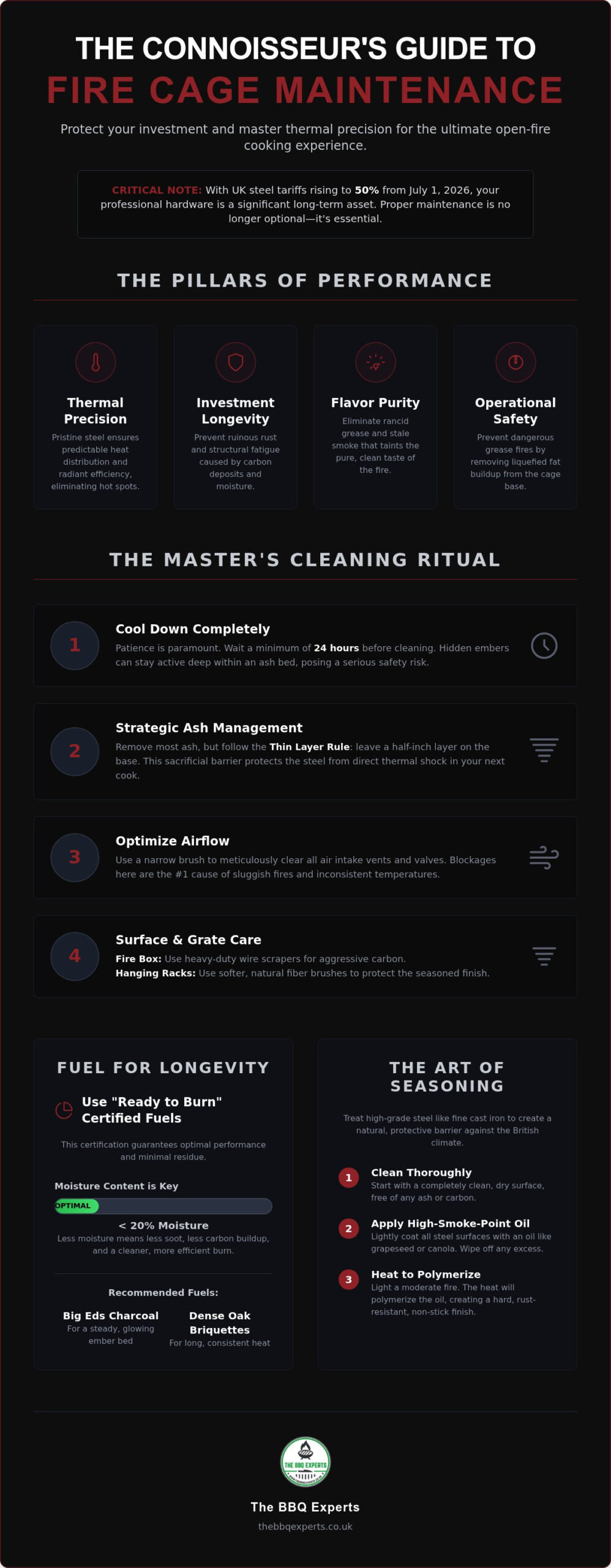
Patience is your most valuable asset when handling combustion by-products. You should wait at least 24 hours before attempting to clear the base; hidden embers can remain active deep within an ash bed long after the surface appears cold. Once safe, follow these steps for optimal airflow:
- The Thin Layer Rule: Resist the urge to scrub the base to a mirror finish. Leaving a half-inch layer of old ash provides a sacrificial barrier that protects the floor of the cage from direct thermal shock during your next high-heat session.
- Vents and Intakes: Use a narrow brush to clear any obstructions from the air intake valves. Obstructions here are the primary cause of sluggish fires and inconsistent temperatures.
- Disposal: Ensure ash is placed in a dedicated metal bin, away from any combustible structures.
Degreasing Crossbars and Hanging Racks
Unlike standard garden grills, a professional fire cage requires a seasoning approach similar to a fine cast iron skillet. Avoid the common mistake of using harsh chemical degreasers or excessive soapy water, which can strip the metal and encourage rust. Instead, use heat to your advantage. A “burn-off” at the end of your cook carbonises most residue, making it easy to sweep away. For stubborn spots, rub a halved lemon over the warm bars; the natural acidity cuts through grease without introducing synthetic odours. Finish the ritual by wiping the racks with a thin coat of food-grade oil while the metal is still tactilely warm. This creates a non-stick surface and a protective seal that guards against the humid British air, ensuring your next cook is as effortless as the last.
Combating Corrosion: Preserving High-Grade Steel in the UK Climate
The British climate presents a unique challenge for the outdoor gastronome. With high humidity and frequent rainfall, the risk of oxidation is a constant threat to your professional hardware. Understanding the chemistry of steel is essential for anyone serious about cleaning and maintaining a fire cage. Raw steel is a porous material; it wants to bond with oxygen. When moisture enters those microscopic pores, it creates iron oxide, or rust. To prevent this, we move beyond simple cleaning and embrace a philosophy of preservation through seasoning.
A well-protected fire cage possesses a deep, bronze-black lustre. This isn’t just an aesthetic preference; it’s a visual indicator of a successful molecular bond between heat and oil. This carbonised layer acts as a hydrophobic shield, repelling the damp UK air and protecting the structural integrity of your investment. In an era where new UK steel trade measures as of July 2026 have significantly increased the cost of high-grade materials, this maintenance ritual is a financial necessity as much as a culinary one.
Identifying and Treating Surface Rust
Distinguishing between a harmless patina and destructive pitting is a vital skill. A patina is a thin, stable layer of oxidation that can actually protect the underlying metal. Pitting, however, is an aggressive form of corrosion that creates small holes in the steel. If you spot orange, flaky textures, you must act quickly. Reach for fine-grade steel wool and a liberal amount of food-grade oil to gently lift the rust from the surface. You should never use power tools like angle grinders or wire wheels to clean professional cooking hardware. These tools are too aggressive; they strip away the base metal and create deep grooves that invite future corrosion.
The Professional Seasoning Protocol
Seasoning is the process of polymerising oils onto the steel surface. You should select oils with high smoke points, such as grapeseed or flaxseed oil, to create a durable, non-stick finish. Apply the oil in paper-thin layers using a lint-free cloth while the cage is slightly warm. Once coated, introduce a controlled heat source to bake the oil into the pores of the metal. This barrier does more than just stop rust; it creates a superior cooking environment. A properly seasoned surface ensures that the complex spices in your Angus & Oink Rubs caramelise perfectly against the meat rather than sticking to the metal. This ritual transforms your fire cage from a mere tool into a seasoned masterpiece, ready for a lifetime of culinary excellence.
Fuel Selection: How Your Choice of Charcoal and Wood Affects Longevity
The secret to cleaning and maintaining a fire cage effectively begins long before you strike a match. Your choice of fuel dictates the volume of soot and creosote that will eventually cling to your steel racks. Lower-grade charcoals often contain binders and fillers that release heavy particulate matter, coating your equipment in a sticky, grey residue. Conversely, high-carbon fuels achieve a more complete combustion, reaching temperatures that effectively “self-clean” the cage by vaporising organic drippings before they can polymerise into stubborn carbon layers.
Moisture is the silent architect of maintenance fatigue. Under UK law, wood sold in volumes under 2m³ must be certified “Ready to Burn,” indicating a moisture content of 20 percent or less. Burning unseasoned or “wet” wood releases thick, black creosote. This tar-like substance glazes your hanging racks and crossbars, requiring aggressive scrubbing that can inadvertently strip away your hard-earned seasoning. By selecting only the driest, most dense hardwoods, you ensure that the energy of the fire goes into radiant heat rather than the production of corrosive smoke.
The Clean-Burning Benefits of Oak Briquettes and Binchotan
Opting for high-density fuels is a hallmark of the seasoned outdoor chef. Professional-grade Oak Briquettes are engineered for a steady, predictable burn that produces significantly less fly-ash than standard lumpwood. This reduction in airborne debris keeps your fire box cleaner and prevents ash from settling on your food. Similarly, Big Eds Charcoal offers a consistent burn profile that maintains the high ambient temperatures needed to keep the steel pores sealed. By using 100 percent natural sources, you eliminate the chemical residues that can cloud the aesthetic brilliance of your raw steel finish.
Avoiding Chemical Contaminants
The use of liquid accelerants or paraffin-based lighter fluids is a cardinal sin in the world of professional gastronomy. These substances don’t just ruin the flavour profile of your cook; they actively degrade your steel. Chemical accelerants can penetrate the pores of the steel and taint future meals, leaving behind a persistent, acrid aftertaste. To preserve the integrity of your seasoning and the purity of your fire, always use Natural Firelighters. These provide a clean, odourless start that respects the material longevity of your equipment. If you’re looking to refine your fuel strategy to protect your investment, we invite you to speak with our specialists for a tailored recommendation.
Seasonal Storage and Protection for Your Culinary Investment
The transition from the golden embers of autumn to the damp, biting air of a British winter marks a critical phase for the outdoor connoisseur. While active use keeps the steel warm and the oils polymerised, dormancy invites the stealthy approach of moisture. Cleaning and maintaining a fire cage during these months is an act of foresight. It ensures that when the first warmth of spring arrives, your equipment is a ready sentinel rather than a restoration project. A disciplined approach to storage preserves the structural integrity and the aesthetic lustre of your professional hardware, protecting your legacy investment from the elements.
Airflow remains your most potent ally during the off-season. Many enthusiasts make the mistake of sealing their equipment too tightly, which creates a micro-climate of trapped humidity. This moisture accelerates oxidation, even on seasoned surfaces. Instead, your goal should be a balance of protection and ventilation. A well-maintained cage should be stored with the same level of care as a fine musical instrument; it requires a stable environment where air can circulate freely around the fire box and hanging components.
Proper Sheltering and Protective Covers
Selecting the right cover is a technical decision. You should avoid cheap, non-breathable plastic tarpaulins that sweat in the sun and trap condensation against the steel. Opt for high-grade, breathable fabric covers specifically designed for professional outdoor kitchens. If you have the space, indoor storage in a dry garage or shed is the gold standard. For those keeping their setup outdoors, elevation is non-negotiable. Use bricks or a dedicated stand to keep the base of the cage off wet stone or grass. This simple step prevents “rising damp” from attacking the lower welds and the fire box floor.
Preparing for Long-Term Dormancy
The final ritual before winter is the “Deep Clean and Oil” session. After removing all ash and carbonised debris, apply a significantly heavier layer of food-grade oil than you would during the cooking season. This thick barrier acts as a sacrificial shield against the humid air. We recommend removing modular components such as hooks, crossbars, and racks to store them separately in a climate-controlled environment. For a complete guide on preparing your entire outdoor station, consult our BBQ Master Checklist. A final inspection of the bolts and expansion joints will give you peace of mind, knowing that the art of cleaning and maintaining a fire cage has been executed to the highest professional standard.
Mastering the Legacy of the Flame
Your fire cage is more than a culinary tool; it’s a lifetime investment in the art of open-fire gastronomy. By mastering the disciplined rituals of cleaning and maintaining a fire cage, you ensure that every gathering is defined by precision heat and the pure, aromatic essence of the smoke. You’ve discovered that the secret to longevity lies in the synergy between high-carbon fuels and a meticulous seasoning protocol that shields your steel from the British elements. These small, deliberate acts of preservation transform a simple cooking area into a refined social retreat.
Frequently Asked Questions
How often should I deep clean my fire cage?
You should perform a deep clean every three to four months if you’re an active outdoor chef. While daily ash removal is essential for airflow, a quarterly deep clean prevents the permanent carbonisation of fats on the main frame. This schedule ensures you’re effectively cleaning and maintaining a fire cage to preserve its professional-grade thermal precision. Always conclude these sessions with a fresh application of oil to maintain the steel’s protective barrier.
Can I use a pressure washer to clean my fire cage?
You should avoid using a pressure washer on your professional hardware. The high-pressure stream is far too aggressive; it can force moisture into the welds and strip away the hard-earned seasoning that protects the raw steel. Instead, use the natural power of heat to carbonise residue. A stiff natural fibre brush and a little patience will preserve the material integrity much better than any mechanical blast.
What is the best oil for seasoning a steel fire cage?
Is it safe to leave my fire cage outside during a UK winter?
Leaving your equipment exposed to the full force of a UK winter is not recommended. The high humidity and persistent rain will eventually find the pores in the steel, leading to aggressive corrosion. If you must store it outdoors, use a breathable, high-quality cover and ensure the base is elevated off the damp ground. Proper sheltering is a vital part of cleaning and maintaining a fire cage during the dormant months.
Why is my fire cage turning orange, and is it ruined?
An orange hue indicates surface oxidation, but it certainly doesn’t mean your hardware is ruined. This is often just a sign that the seasoning layer has thinned. You can easily restore the finish by gently lifting the rust with fine steel wool and a liberal amount of oil. Once the orange flaking is removed, re-season the area with heat to re-establish the protective carbonised shield and prevent deeper pitting.
How do I remove burnt-on BBQ rub from the hanging racks?
The most effective way to remove stubborn, burnt-on rubs is the traditional burn-off method. Raise the heat at the end of your cook to carbonise the sugars and proteins until they turn to ash. Once the racks have cooled slightly, use a halved lemon or a stiff brush to sweep away the debris. This technique respects the steel’s surface while ensuring your next meal isn’t tainted by the ghost of previous seasonings.
Does the type of charcoal I use really affect how much I have to clean?
Your choice of fuel is the single biggest factor in determining your maintenance workload. Premium fuels like Big Eds Charcoal or Oak Briquettes are engineered for high-carbon purity, meaning they produce significantly less fly-ash and soot. Lower-grade charcoals often contain binders that create a sticky, chemical residue on your racks. By investing in clean-burning fuels, you spend less time scrubbing and more time perfecting your culinary craft.
Can I use soapy water on my fire cage if it is seasoned?
You should steer clear of soapy water for regular maintenance. Dish soaps are designed to break down fats, which is exactly what your seasoning layer is made of. If you use soap, you’ll strip away the protective barrier and leave the raw steel vulnerable to the air. Stick to heat, steam, and natural abrasives to keep your cooking surfaces hygienic without compromising the molecular bond of your seasoning.
Disclaimer
This article was produced with AI assistance. We use AI and Third Parties to help deliver more content to our BBQ website and community, but we always aim to ensure accuracy and quality as much as we can. If you spot anything that doesn't seem right, we'd love to hear from you

Recent News & Updates

Our Story, Values and Beliefs
Here at the BBQ experts we have a passion for BBQ food, outdoor living and spending time with family and friends. We offer you; A...
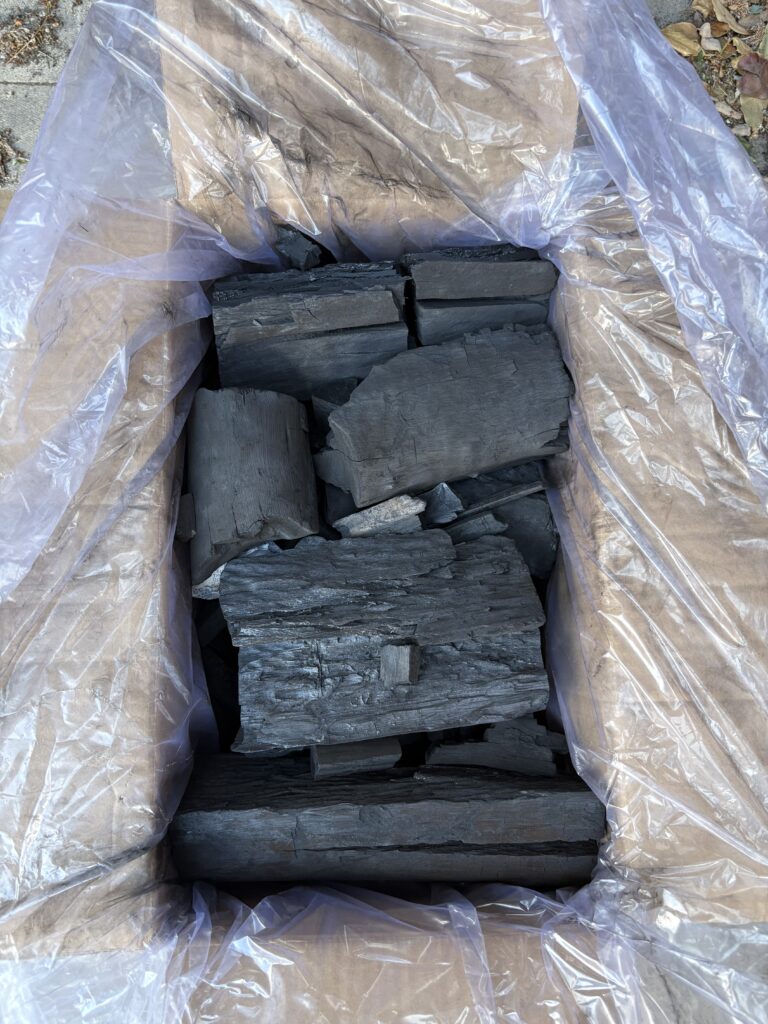
FAQ: Why does Big Ed’s Charcoal have a mix of big and small lumps?
Big Ed’s is all about top-quality, long-burning charcoal, made from a mix of Eucalyptus and Mangrove wood. Each 10kg box is packed with...