
The Art of Cooking a Whole Chicken Over Fire: The Ultimate Masterclass (2026)
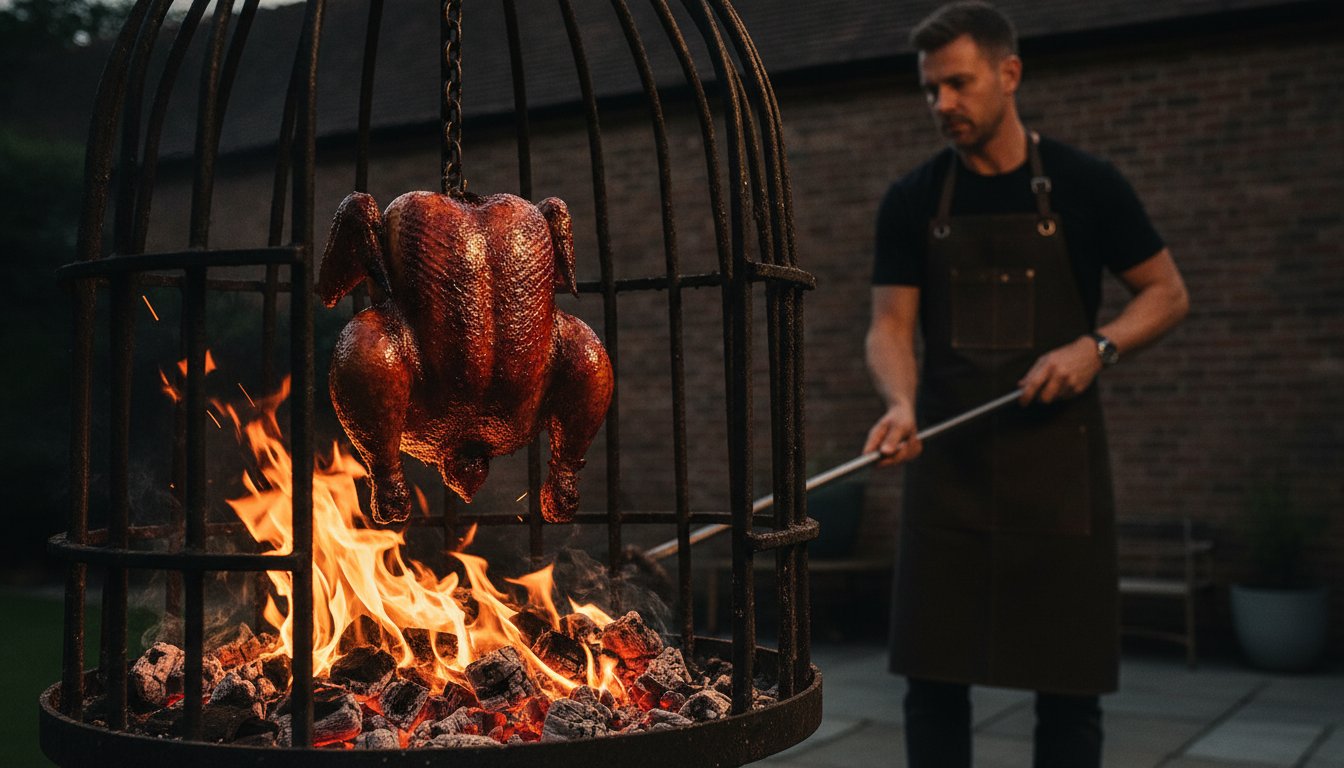
The secret to a perfect bird isn’t the intensity of the flame, but the precise architecture of the air surrounding it. Most enthusiasts approach cooking a whole chicken over fire as a battle against the heat, yet true mastery lies in orchestrating the radiant zones that bridge the gap between a raw joint and a scorched breast. You’ve likely felt the frustration of pulling a bird from the spit only to find the skin blackened while the deep thigh meat remains dangerously undercooked. It’s a common hurdle in the pursuit of outdoor culinary excellence, but it shouldn’t define your gastronomic journey.
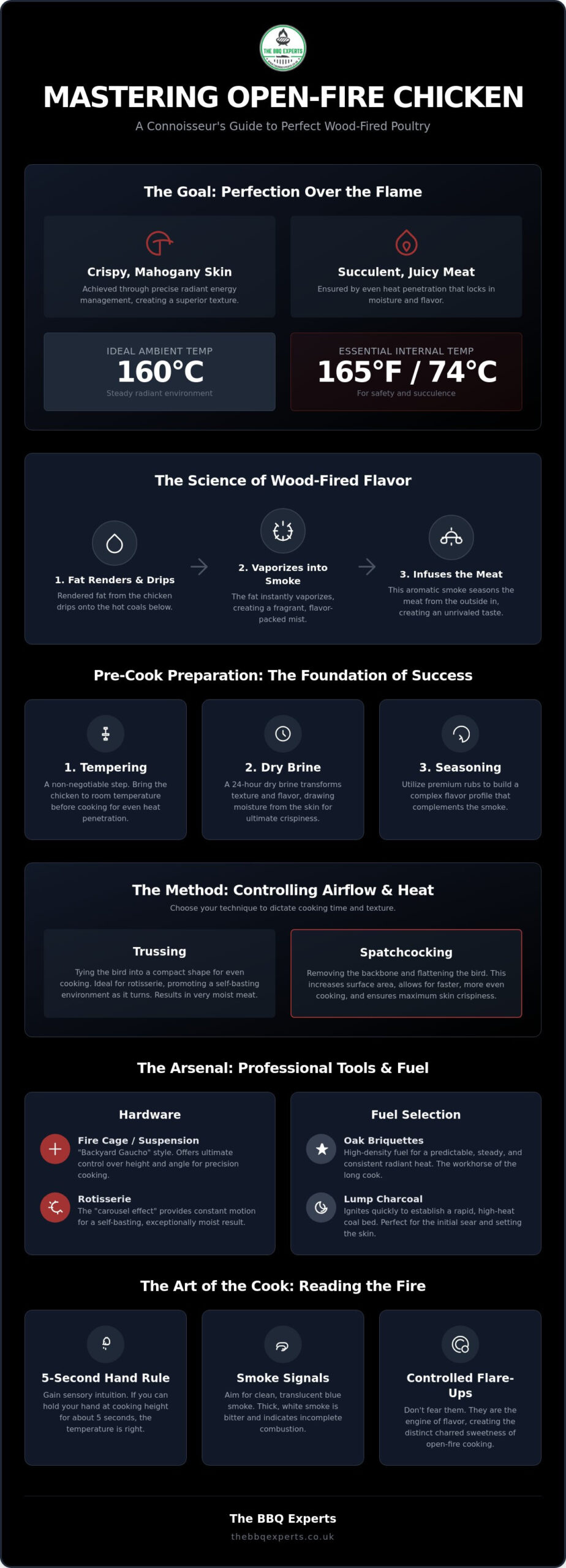
This masterclass will transform your outdoor space into a refined sanctuary of wood-fired flavor. We’ll guide you through the primal techniques of hanging, rotisserie, and open-fire suspension to ensure you achieve that coveted mahogany skin and succulent meat every single time. You’ll learn how to manage high-density fuel like oak briquettes to maintain a steady 160°C radiant environment, ensuring your chicken reaches the essential 165°F internal temperature without compromise. From selecting premium seasonings like Angus & Oink rubs to mastering the backyard gaucho style with a fire cage, this guide provides the specialized knowledge you need to elevate your craft to a professional standard.
Key Takeaways
- Discover how the chemical reaction between wood-fire smoke and rendered fat creates a texture and flavor profile unattainable in a standard kitchen.
- Master the art of cooking a whole chicken over fire by establishing precise radiant zones that guarantee succulent meat and crispy, mahogany skin.
- Learn to utilize professional tools like the Fire Cage and high-density Oak Briquettes to maintain the consistent 160°C environment required for perfect poultry.
- Uncover the transformative power of a 24-hour dry brine and the technical benefits of choosing between trussing or spatchcocking for airflow control.
- Gain the sensory skills to gauge temperature using the 5-second hand rule, allowing you to manage charcoal and wood with the intuition of a seasoned connoisseur.
Why Open Fire is the Ultimate Frontier for Whole Chicken
Cooking a whole chicken over fire is more than a culinary task; it’s a sophisticated exercise in patience and precision that rewards the senses in ways a conventional kitchen cannot match. When you suspend a bird over glowing embers, a unique chemical reaction occurs. Rendered chicken fat drips onto the coals, vaporising into a fragrant mist that adheres to the skin and seasons the meat from the outside in. This cycle of fat-to-flame creates the quintessential wood-fired aroma that defines high-end outdoor gastronomy. It’s a transformation that turns a simple meal into a centerpiece of a refined, outdoor lifestyle.
Unlike the dry, stagnant air of a convection oven, Roasting techniques over an open flame rely on intense radiant energy. This energy seals the exterior almost instantly, creating a superior “crunch” that shields the juices within. Your objective is clear: achieving a 74°C internal temperature while the exterior develops a deep, mahogany glaze. This shift from basic grilling to managed thermal distribution allows your exterior environment to become the primary social hub of your home, where the process is as much a part of the luxury as the result.
The Flavour Profile of Fire
The fuel you choose dictates the aromatic narrative of your dish. Utilizing a premium Oak charcoal provides a classic, robust backbone, whereas Coffee charcoal offers a more nuanced, earthy profile that pairs exquisitely with poultry. Clean smoke is a translucent, blue tinted wisp that indicates complete combustion and pure flavour, whereas dirty smoke is thick, white, and bitter. Controlled flare-ups from fat-to-flame contact aren’t something to fear; they’re the engine of that distinct charred sweetness that defines the cooking a whole chicken over fire experience.
Overcoming the “Raw Middle” Fear
Penetrating the dense thermal mass of a whole bird requires a different approach than searing individual cuts. Heat penetration is a gradual journey, not a race. You must never start with a cold bird; bringing the chicken to room temperature before it meets the flame is non-negotiable. This tempering process ensures the heat travels evenly to the deep joints before the skin reaches its limit. By mastering this balance, you eliminate the risk of charred exteriors hiding undercooked centers, ensuring every slice is as safe as it is succulent. This methodical preparation is the hallmark of a seasoned connoisseur who values culinary precision.
Selecting the Tools and Fuel for Professional Results
Achieving excellence in cooking a whole chicken over fire requires a fundamental shift from standard backyard hardware to professional-grade tools. While a basic kettle grill might suffice for smaller cuts, a whole bird demands equipment that allows for nuanced distance management and superior thermal stability. The Fire Cage is the definitive tool for the modern connoisseur, transforming the bird into a suspended masterpiece. This “backyard gaucho” method provides unmatched versatility, allowing you to adjust the height and angle with precision as you respond to the fire’s shifting temperament.
For those working with smaller heritage birds or looking for a more intimate experience, a Hibachi Grill offers intense, focused heat. This setup is perfect for creating an incredible initial sear before moving the bird to a cooler radiant zone. Fuel selection is where the science of outdoor gastronomy truly shines. To establish a rapid, high-heat coal bed, Big Eds Charcoal is the industry standard. It ignites with purpose, providing the initial surge needed to set the skin. However, for the steady endurance required to reach safe cooking temperatures without scorching the exterior, Oak Briquettes are indispensable. Their high-density composition ensures a predictable thermal curve, radiating a consistent heat that protects the bird’s delicate fats.
Hardware: Cages vs. Spits
A Fire Cage offers a tactile, primal connection to the process. It allows you to flip and rotate the bird to face the heat exactly where the joints require it most. Conversely, a rotisserie setup utilizes the “carousel effect,” where constant motion creates a self-basting environment. As the bird turns, the juices migrate around the meat rather than dripping away, resulting in an exceptionally moist finish. Professional-grade accessories are non-negotiable here. Invest in heavy-duty, heat-resistant gloves and long-reach tongs to manage your artistic creation with the confidence of a seasoned mentor.
The Fuel Hierarchy for Poultry
Success lies in layering your energy sources. Use lumpwood for that initial aromatic smoke and high-intensity heat that creates the first layer of flavour. Once the base is established, introduce briquettes to provide the “low and slow” stability required for a substantial 1.5kg bird. This dual-fuel approach ensures you have the power to sear and the patience to roast. If you’re looking to upgrade your setup, our experts can help you refine your equipment list to match your culinary ambitions.
Preparation Techniques: Trussing, Spatchcocking, and Seasoning
The transition from a standard roast to a masterpiece of outdoor gastronomy begins long before the bird meets the embers. Your choice of preparation method dictates how the heat interacts with the meat. If you are cooking a whole chicken over fire using a suspension method like the Fire Cage, trussing is your primary tool. It creates a compact, aerodynamic shape that ensures even radiant heat absorption. Conversely, spatchcocking involves removing the backbone to lay the bird flat. This technique is superior for the focused, intense heat of a Hibachi, as it exposes the legs and breasts to the fire simultaneously, significantly reducing your cook time without sacrificing moisture.
Regardless of the shape, the dry brine is the connoisseur’s secret. Salting your poultry 24 hours in advance is vital for fire cooking. By drawing moisture out through osmosis and then reabsorbing the seasoned brine, you denature the proteins for a tender result. This process also dehydrates the skin. A dry exterior is the only way to achieve that sought-after mahogany crunch, as the fire’s energy can immediately begin the Maillard reaction rather than wasting time evaporating surface moisture.
The Art of the Truss
Precision trussing is about more than aesthetics; it’s about thermal protection. By securing the wings and legs tightly against the body, you prevent these thinner extremities from charring before the deep thigh meat reaches safety. A professional butcher’s knot provides the tension needed to create a balanced centre of gravity. This balance is essential for hanging or spit-roasting, as it prevents the bird from “flopping” and ensures a steady, rhythmic rotation through the heat zones. It turns the bird into a singular thermal mass that roasts with predictable consistency.
Flavour Elevation with Angus & Oink
Selecting the correct seasoning requires an understanding of how ingredients react to high-intensity radiant heat. Utilizing the Angus & Oink range allows you to choose between salt-forward rubs for high-heat searing or sugar-balanced blends for longer, slower roasts. Bark on a fire-cooked chicken is the intricate, savoury crust formed when smoke particles bond with the seasoning and rendered fats during the Maillard reaction. For maximum impact, use the “under-skin” technique. Carefully separating the skin from the breast meat allows you to apply rubs directly to the flesh, shielding the spices from the direct flame while ensuring the flavour penetrates deep into the muscle.
Mastering the Cook: Heat Management and Airflow
The true artistry of cooking a whole chicken over fire is revealed in the quiet moments of heat management. To achieve a result that rivals the finest rotisseries of Europe, you must establish a two-zone fire. Position your primary coal bed to create a “Direct Sear” zone for the initial Maillard reaction, while maintaining a larger “Radiant Roasting” area where the bird can absorb gentle, consistent energy. This spatial arrangement allows you to move the bird between intensities, responding to the visual cues of the skin and the structural changes in the meat. It turns your outdoor space into a sanctuary of culinary precision.
Gauging this heat requires more than just a thermometer; it requires the 5-second hand rule. By holding your palm at the exact distance of the chicken, you should feel a compelling need to withdraw after precisely five seconds. This indicates a temperature range that facilitates deep heat penetration without incinerating the exterior. If flare-ups occur, resist the urge to use a water spray. Water is the enemy of a pristine coal bed, creating steam and introducing bitter ash to your bird. Instead, manage the flame through airflow or by momentarily shifting the bird to your cooler zone. In the final ten minutes, execute the “Zorch” finish. By adding a small amount of fresh lumpwood, you create a brief surge of intense heat that crisps the skin to a glass-like texture, providing that superlative “crunch” that defines a masterclass performance.
The Radiant Timeline
In the first hour, your focus is on building internal temperature and allowing the rub to set into a resilient bark. This is where the foundation of flavour is solidified. As you enter the second hour, monitor the heat differential between the thighs and the breasts. The legs require more intense energy to break down connective tissue, so adjust your fire or the bird’s orientation accordingly. Once the core reaches the recommended internal temperature, a 20-minute rest is non-negotiable. This pause allows the muscle fibres to relax and reabsorb the juices, ensuring every slice is succulent rather than dry.
Troubleshooting Common Fire Issues
If the skin begins to darken too rapidly, a simple foil shield can protect the exterior while the interior continues to cook. Wind interference is a common challenge in open-fire setups; use a windbreak or adjust your fuel load to compensate for the cooling effect. When adding fuel mid-cook, always use pre-lit Oak Briquettes or coals from a chimney starter. This avoids the “dirty smoke” of unlit fuel, ensuring your chicken remains smoke-kissed rather than soot-stained. For a tailored consultation on mastering these advanced techniques, speak with our specialist team today.
Elevate Your Gastronomy: The BBQ Experts Essential Kit
Mastering the art of cooking a whole chicken over fire is a journey that begins with knowledge and culminates in the selection of superior hardware. High-end outdoor gastronomy demands more than just skill; it requires tools that provide the precision and durability a connoisseur expects. By investing in professional-grade equipment, you significantly reduce the risk factors associated with open-fire cooking, such as structural failure or uneven thermal distribution. The Fire Cage, for instance, is not merely a tool for poultry. Its robust design allows for the suspension of pork shoulders, legs of lamb, or even seasonal vegetables, making it the versatile heart of your outdoor kitchen.
To sustain this level of excellence throughout the year, consistency in your energy source is paramount. Securing Bulk Buy Fuel ensures that you have the same high-density oak and charcoal at hand for every session. This allows you to develop a deep, intuitive understanding of your fire’s behaviour across multiple cooks. This commitment to quality transforms your garden from a simple exterior space into a high-end social hub where the process of preparation is as celebrated as the final meal. It’s an investment in a lifestyle that values craftsmanship and culinary precision above all else.
The Connoisseur’s Choice
Our UK-sourced Fire Cages are engineered for those who value longevity and performance. These are not disposable items; they are heirloom-quality instruments designed to withstand the intense radiant heat of a professional coal bed. To protect the delicate flavour profile of your bird, always initiate your fire with Natural Firelighters. These avoid the chemical taints associated with paraffin-based alternatives, ensuring the only aroma present is the clean, wood-fired scent of your chosen fuel. We invite you to join our growing community of UK fire-cooking experts who refuse to compromise on their equipment or their results.
Your Next Step in BBQ Mastery
To further refine your flavour profiles, explore the full Angus & Oink Rub Collection. Each blend is a curated masterpiece designed to complement the unique characteristics of fire-cooked meats. Embracing the “Backyard Gaucho” lifestyle is an upward move in both your capability and your prestige. It represents a shift towards a more patient, sensory-driven way of living. As you stand before your next fire, remember the techniques of radiant zones and thermal mass we’ve discussed. Trust the fire, trust your tools, and enjoy the most succulent chicken of your life.
Master Your Flame and Transform Your Lifestyle
The journey to mastering the art of cooking a whole chicken over fire is a pursuit of culinary precision that rewards the patient and the prepared. You now have the specialized knowledge to move beyond the unpredictability of open flames and embrace the controlled elegance of radiant heat zones. By prioritising meticulous preparation, such as the 24 hour dry brine, and selecting high density fuels like our Oak Briquettes, you ensure every bird is a masterpiece of texture and flavour. This transition represents more than a new skill; it is an invitation to curate your exterior environment as a refined social hub.
With the right professional tools and a seasoned mentor’s approach, the fear of uneven cooking is replaced by the quiet confidence of a master. To begin your own transformation, Elevate your outdoor gastronomy with professional Fire Cages and Angus & Oink Rubs at The BBQ Experts. As a specialist UK retailer, we provide the authoritative guides and hardware needed to secure your status as a connoisseur of the flame. Trust your instincts, respect the embers, and enjoy the sensory joy of the perfect roast.
Frequently Asked Questions
How long does it take to cook a whole chicken over an open fire?
Expect the process to take between 90 minutes and two hours for a standard 1.5kg bird. This timeframe depends heavily on your distance from the embers and the environmental temperature. Maintaining a steady radiant zone is the secret to ensuring the deep thigh joints reach safety without the breast meat becoming dry.
Can I use regular supermarket charcoal for open-fire chicken?
You can, but it isn’t recommended for those seeking professional results. Supermarket charcoal often contains fillers that produce inconsistent heat and can impart unpleasant chemical taints to the meat. Investing in Big Eds Charcoal or high-density Oak Briquettes provides the stable thermal output and clean aromatic profile required for true outdoor gastronomy.
What is the “hand test” for checking fire temperature?
The “hand test” is a primal yet effective way to gauge radiant heat by holding your palm at the same distance as the bird. For the ideal roasting temperature when cooking a whole chicken over fire, you should feel a compelling need to withdraw your hand after precisely five seconds. If you have to pull away sooner, the heat is too intense for a whole bird.
Do I need to baste the chicken while it is cooking over fire?
Basting isn’t strictly necessary if you’ve followed a proper dry-brining process, as the bird will self-baste as the fats render. However, many connoisseurs use a herb brush dipped in clarified butter or a light mop sauce to add layers of flavour. This technique helps build a more complex mahogany skin while keeping the exterior supple during a long cook.
What is the best wood to use for smoking chicken over an open flame?
Oak is the gold standard for its robust, classic profile and steady burn rate. If you desire a more nuanced sweetness, fruitwoods like apple or cherry are excellent choices. For a sophisticated and earthy depth, utilizing Coffee charcoal as a fuel source can elevate the flavour profile to a level found in the finest professional kitchens.
How do I prevent the chicken skin from burning before the inside is cooked?
Success lies in managing your radiant zones rather than fighting the flames. If the skin is browning too rapidly, increase the distance between the bird and the fire or move it to a cooler roasting area. You can also use a temporary foil shield to protect the exterior while the internal temperature continues to rise steadily towards the target.
Is it safe to cook a whole chicken over a fire pit?
It is perfectly safe provided you manage the fire effectively and reach the necessary internal temperatures. Using professional hardware like a Fire Cage ensures the bird remains suspended at a safe distance from the fuel. Always follow the four steps of food safety: clean, separate, cook to temperature, and chill promptly after the meal.
What internal temperature should a whole chicken reach on the BBQ?
A whole chicken must reach a minimum internal temperature of 74°C (165°F) to be safe to eat. You should always verify this by inserting a digital thermometer into the thickest part of the breast and the innermost part of the thigh. Don’t rely on the colour of the meat or juices; only a temperature reading ensures a safe and succulent result.
Disclaimer
This article was produced with AI assistance. We use AI and Third Parties to help deliver more content to our BBQ website and community, but we always aim to ensure accuracy and quality as much as we can. If you spot anything that doesn't seem right, we'd love to hear from you

Recent News & Updates

Our Story, Values and Beliefs
Here at the BBQ experts we have a passion for BBQ food, outdoor living and spending time with family and friends. We offer you; A...
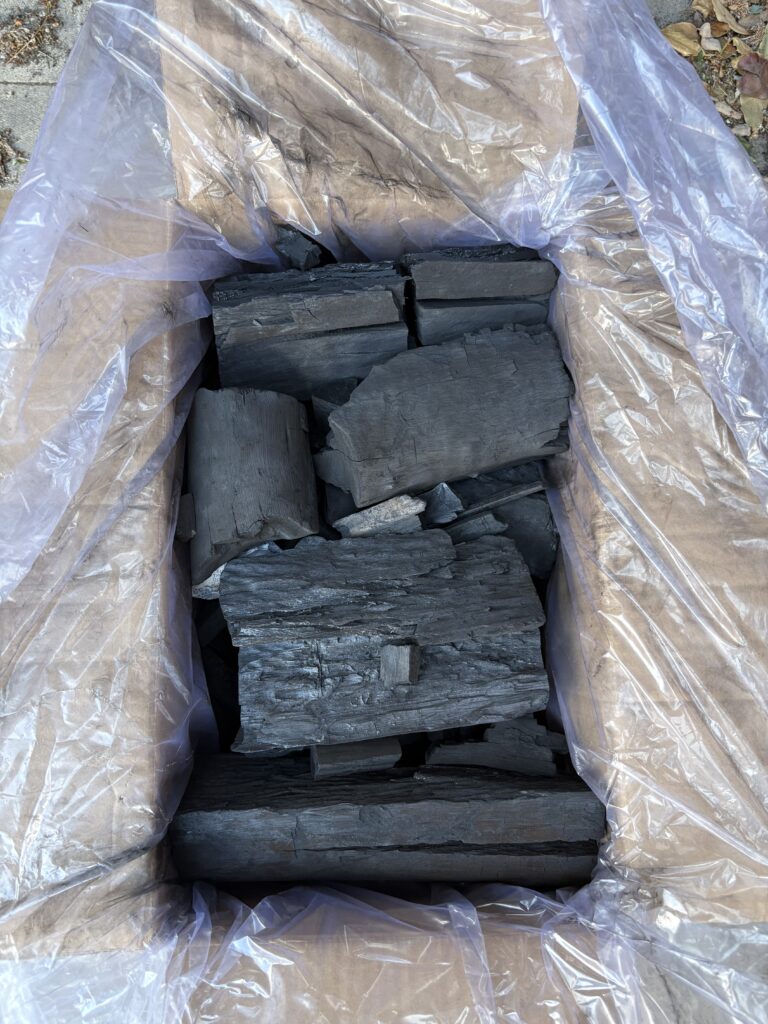
FAQ: Why does Big Ed’s Charcoal have a mix of big and small lumps?
Big Ed’s is all about top-quality, long-burning charcoal, made from a mix of Eucalyptus and Mangrove wood. Each 10kg box is packed with...