
How to Cook Skewers on a Konro Grill: The Definitive Masterclass
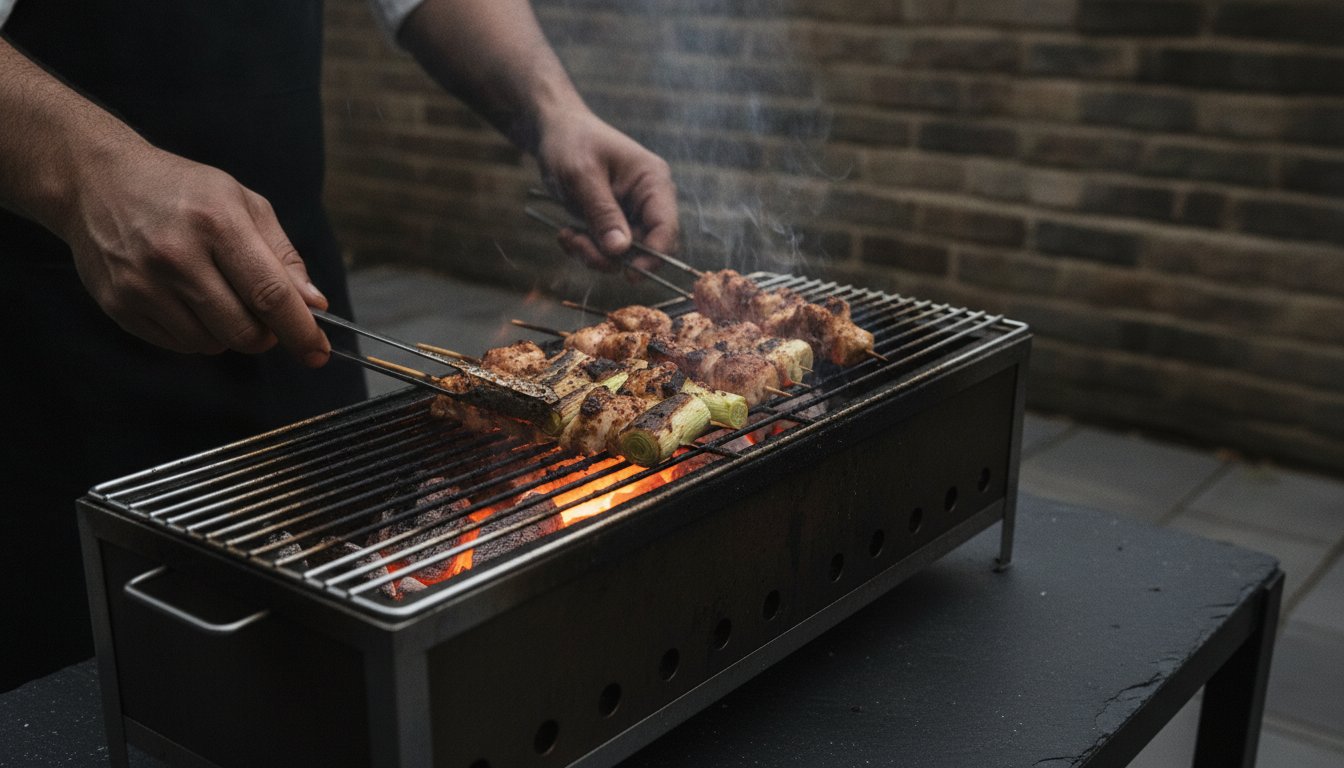
In the world of high-end Japanese gastronomy, the charcoal isn’t just a heat source; it’s a vital ingredient that defines the final character of your dish. Mastering the intense, clean infrared heat of a Japanese charcoal grill requires more than just fire. It demands a deep respect for the craft and the right tools. You’ve likely experienced the frustration of delicate meat sticking to the bars or the disappointment of a skewer that’s charred on the outside while remaining stubbornly raw at the center. These hurdles often discourage enthusiasts from exploring the raw, sensory joy of outdoor cooking at its most refined.
This definitive masterclass will teach you exactly how to cook skewers on a konro grill with the precision of a seasoned connoisseur. We’ll show you how to banish uneven cooking and manage high-performance fuels like King Khaya or Coffee charcoal for a steady, aromatic burn. You’ll learn to use Angus & Oink rubs to elevate your flavor profiles and gain the confidence to transform your patio into a private retreat for social gastronomy. From selecting the right Hibachi grill to perfecting your seasoning, we’re providing the bridge between professional-grade equipment and your home sanctuary.
Key Takeaways
- Discover why the rectangular geometry of a Japanese charcoal grill is the secret to effortless skewer management and superior heat control.
- Learn how the Far-Infrared heat from Binchotan-style charcoal penetrates deep into the protein for a juicy interior and perfectly charred exterior.
- Master the architecture of the perfect skewer by utilizing uniform sizing and the bold, fusion flavor profiles of Angus & Oink rubs.
- Gain professional confidence as you learn how to cook skewers on a konro grill by identifying precise visual cues like fat rendering and protein contraction.
- Elevate your outdoor space into a social hub by investing in a premium Hibachi grill and high-performance fuels like King Khaya or Coffee charcoal.
Understanding the Konro: A New Dimension of Outdoor Gastronomy
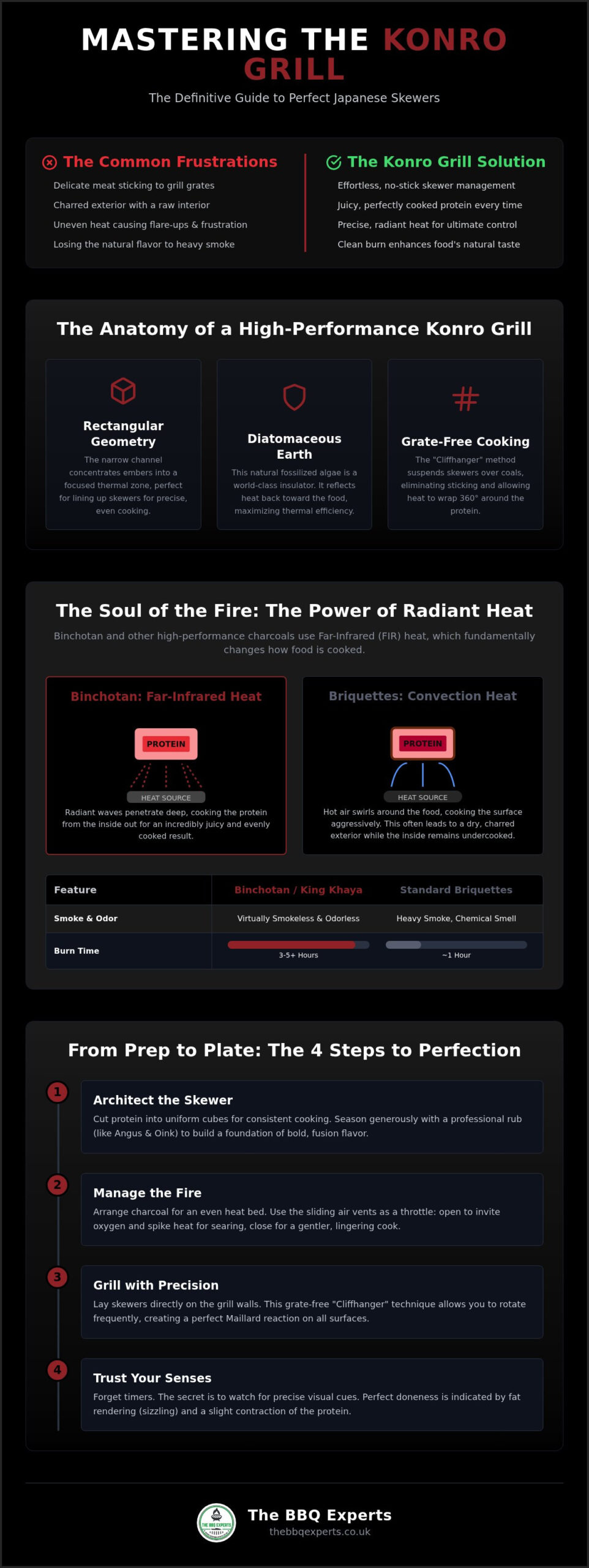
Stepping away from the billowing smoke of a traditional kettle grill and toward a Japanese charcoal grill is a transition from brute force to culinary finesse. The Konro experience is deeply sensory. You aren’t just flipping burgers; you’re orchestrating a performance of radiant heat and searing aromas. The rectangular geometry isn’t merely an aesthetic choice. It’s a functional masterpiece. By concentrating the embers into a narrow channel, you create a focused thermal zone that allows for the precise management of every single skewer. This geometry is what separates a cluttered grill surface from an organized, high-output cooking station.
Traditional Konros are carved or molded from diatomaceous earth, a fossilized algae that acts as a world-class insulator. This material doesn’t just hold heat; it reflects it back toward the food. This means you can achieve blistering temperatures inside the grill while the exterior remains relatively manageable. It’s this thermal efficiency that makes learning how to cook skewers on a konro grill such a rewarding pursuit for the home enthusiast. You’re moving beyond the “low and slow” or “hot and fast” American BBQ mindset. You’re entering a world of precision heat where every millimeter of distance between the coal and the meat matters.
The Anatomy of a High-Performance Konro
A true Hibachi grill or Konro relies on airflow as much as it does on fuel. Small sliding doors at the base act as your throttle. Opening them invites oxygen to the embers, spiking the heat for a quick sear. Closing them down allows for a gentle, lingering cook. While modern styles might incorporate stainless steel frames for durability, the heart remains the same: a vessel designed to maximize the energy of premium fuels like Coffee charcoal or King Khaya charcoal. This thermal mass ensures that once the grill is hot, it stays hot with minimal fuel consumption.
Why Skewers are the Ultimate Konro Canvas
The “Cliffhanger” method is where the Konro truly shines. By resting the skewers across the narrow walls, you suspend the meat directly over the glowing coals without the need for a metal grate. This eliminates the risk of sticking and allows the heat to wrap entirely around the protein, triggering a spectacular Maillard reaction. It transforms dinner into a social, “cook-as-you-eat” event. Guests gather around, watching the fat render and drip onto the coals, creating that signature aromatic smoke that defines the experience. It’s a refined artistic creation that turns your outdoor space into a private culinary retreat.
The Soul of the Fire: Binchotan Charcoal and Radiant Heat
If the Konro is the stage, then Binchotan is the lead actor. Often referred to as “White Charcoal” due to the pale, ash-dusted appearance it takes on after its intense production process, this is not your standard backyard fuel. It’s a ceramic-like material. Traditional Binchotan is produced by firing oak at nearly 1000 degrees Celsius before rapidly cooling it with sand and ash, a process that gives it a signature metallic clink and incredible density. This density is the key to mastering how to cook skewers on a konro grill. Unlike standard briquettes that rely on convection, Binchotan emits Far-Infrared (FIR) heat. This radiant energy penetrates deep into the protein, cooking it from the inside out while simultaneously searing the surface. It’s the only way to avoid the common pitfall of serving skewers that are charred on the outside but remain raw at the center.
Purity is the hallmark of a high-end grilling experience. Because premium charcoal is carbonized so thoroughly, it burns with almost zero smoke and no unpleasant chemical odors. This allows the natural integrity of your ingredients to shine. You aren’t masking the meat with heavy soot; you’re enhancing it with clean, intense heat. This sustainable approach to fire management ensures a long, consistent burn that can last for hours, making it as efficient as it is effective. If you’re unsure which fuel suits your specific menu, reach out to our team of connoisseurs for a tailored recommendation.
Choosing Your Fuel: From Coffee to Eucalyptus
While traditional oak Binchotan is the gold standard, modern alternatives offer unique benefits for the home chef. Coffee Charcoal is a favorite for long sessions, known for its incredible heat retention and endurance. For those working with delicate proteins like seafood or poultry, Eucalyptus Binchotan provides a clean, high-performance burn that respects the subtle flavors of the dish. You can explore our professional charcoal ranges to find the perfect match for your next gathering.
Lighting and Managing the Embers
Never use chemical accelerants. They will taint the porous diatomaceous earth of your grill and ruin your food. Instead, use a chimney starter or natural firelighters for a clean start. Once the coals are glowing, you can manage your heat zones by stacking the embers. A deep stack creates a high-intensity searing zone, while a thinner layer on the opposite side allows you to rest skewers or finish thicker cuts gently. This spatial awareness is vital for anyone learning how to cook skewers on a konro grill with professional-level precision.
Architecting the Perfect Skewer: Prep, Pacing, and Professional Rubs
Before the first ember is lit, the success of your session is decided on the cutting board. Precision in preparation is what separates a chaotic cook from a culinary masterclass. When considering how to cook skewers on a konro grill, you must prioritize uniform geometry. Every piece of protein should be cut into identical cubes or slices. If your sizes vary, the smaller pieces will desiccate into carbon before the larger ones reach a safe internal temperature. This consistency ensures that every turn on the grill yields a synchronized result across the entire rack, allowing for that rhythmic, effortless rotation that defines the craft.
Your choice of skewer material also dictates the cooking rhythm. While stainless steel is durable and conducts heat into the center of the meat, traditional bamboo offers a superior grip for delicate items like chicken skin or *tsukune* meatballs. Don’t fall for the myth that soaking bamboo for hours prevents burning; the intense infrared heat of a Konro will eventually char any exposed wood regardless of its moisture content. Instead, focus on your meat-to-fat ratio. A ratio of roughly 80% lean to 20% fat provides a self-basting effect, where the rendering fat drips onto the coals to create that signature aromatic flare-up. Always allow your proteins to reach room temperature before they hit the heat. Cold meat shocks the embers and leads to the very raw centers you’re trying to avoid.
Elevating Flavour with Angus & Oink Rubs
While traditionalists might stick to simple salt, the modern connoisseur looks for a “fusion” edge that transforms a meal into an event. High-quality seasonings like those found in our Angus & Oink guide offer complex profiles that generic supermarket options simply cannot match. These rubs are designed to withstand high heat without turning bitter. When pairing a rub with Binchotan, look for profiles that include dehydrated citrus, toasted garlic, or exotic peppers. These elements bloom under radiant heat, creating a sophisticated crust that complements the clean, mineral notes of the charcoal.
The Secret of the Glaze (Tare)
The “dip-grill-dip” cycle is the heartbeat of professional skewer work. You shouldn’t just brush on a glaze at the end. Instead, sear the meat until it’s roughly 70% cooked, then submerge the entire skewer into your *tare* or glaze. Return it to the heat to caramelize, then dip again. This builds microscopic layers of umami and creates a lacquered finish that is visually stunning. Be cautious with timing. High-sugar glazes burn quickly. Apply your final layer only in the last sixty seconds of the cook to ensure a glossy finish without a bitter, scorched aftertaste. It’s a delicate dance that defines the expert approach to how to cook skewers on a konro grill.
Mastering the Heat: Step-by-Step Grilling Techniques for Success
Grilling on a Konro is not a passive pursuit. It is a rhythmic orchestration often called the “Dance of the Cook.” When you are managing twenty skewers at once, your focus must remain on the subtle transitions of the protein. You aren’t looking at a clock; you’re looking for visual cues. Watch for the moment the fat begins to render and bubble on the surface. Observe the protein contraction as the meat firms up. These are the indicators of perfect doneness that a timer simply cannot capture. If a flare-up occurs from dripping fat, resist the urge to use water. Water creates steam and sends ash onto your food. Instead, use the “Fan and Flip” method. A quick flick of a hand fan pushes oxygen away or moves the heat, while a rapid flip of the skewer protects the meat from the flame. This maintains the dry, intense heat environment that makes how to cook skewers on a konro grill so unique.
Even these small bites require a moment of repose. Resting your skewers for sixty seconds after they leave the heat allows the internal juices to redistribute. This ensures that every bite is as succulent as the last. If you are ready to master this level of precision in your own outdoor space, get in touch with our experts for a personal consultation on the best hardware for your lifestyle.
The Essential 5-Step Grilling Process
- Step 1: Temper and Pre-heat. Ensure your meat is at room temperature and your Konro has reached a steady, glowing equilibrium.
- Step 2: The Initial Sear. Place skewers directly over the hottest zone to lock in moisture and initiate the Maillard reaction.
- Step 3: Frequent Rotation. Turn the skewers every thirty to forty seconds. This ensures even thermal distribution and prevents the exterior from scorching before the center is cooked.
- Step 4: The Final Seasoning. Apply your final glaze or a pinch of high-quality finishing salt in the last minute of cooking.
- Step 5: Monitor the Embers. Keep an eye on your fuel levels. If the heat dips, add fresh bulk-buy fuel to maintain a consistent output throughout your session.
Common Pitfalls and How to Avoid Them
The “Spinning Skewer” is a frequent frustration for beginners. If a piece of meat or a cherry tomato rotates freely on the stick, it won’t cook evenly. The solution is simple: double-skewer the item with two parallel sticks to lock it in place. If flare-ups become aggressive, don’t panic. Simply move the skewers to the cooler edges of the grill until the flames subside. To prevent delicate items from sticking to the bars, use a small paper towel dipped in oil to lightly coat the grill surface before you begin. These small adjustments are what define the expert approach to how to cook skewers on a konro grill.
Curation for the Connoisseur: Investing in Professional-Grade Equipment
Choosing a professional-grade Hibachi grill is a statement of intent. It signals a move away from disposable outdoor hardware toward a lifetime of culinary precision. While mass-market alternatives often crumble under the extreme thermal stress of Binchotan, a high-quality Konro is built to endure. These tools are the bridge between a simple backyard meal and a refined artistic creation. A genuine Hibachi grill is a legacy piece. It’s designed to withstand thousands of cycles of intense heat while maintaining the superior thermal retention that defines the craft.
The relationship between your fuel and your hardware is symbiotic. Using premium, low-ash fuels like King Khaya or Coffee charcoal doesn’t just improve the flavor of your food; it protects the structural integrity of your grill. Cheap briquettes containing chemical binders can leave residues that degrade the insulating properties of diatomaceous earth over time. When you understand how to cook skewers on a konro grill with professional-grade fuel, you’re ensuring your investment remains the centerpiece of your outdoor kitchen for decades. This is about more than just cooking. It’s about creating a social hub where the exterior environment becomes the primary destination of the home.
Bulk Fuel Strategy for the Frequent Griller
For the frequent griller, consistency is the ultimate luxury. Switching between different charcoal brands leads to unpredictable heat profiles and wasted preparation time. Adopting a bulk strategy is the most logical path for the serious enthusiast. By securing professional Binchotan pallet deals, you guarantee a standardized, high-performance burn for every session. Remember to store your charcoal in a bone-dry environment. Even a small amount of ambient moisture can cause Binchotan to “pop” or crackle, disrupting the serene, focused atmosphere of your cooking session.
Next Steps: Expanding Your Outdoor Repertoire
Mastering the skewer is only the beginning of your journey into Japanese-style grilling. The radiant heat of a Konro is equally transformative for whole fish, scallops in the shell, or salt-crusted seasonal vegetables. As you refine your skills, consider how this compact powerhouse integrates into a wider outdoor kitchen design. It becomes the retreat where guests gather to witness the sensory joy of open-fire gastronomy. Your journey toward mastery is supported by a clear standard of excellence. Elevate your craft with the specialized knowledge and premium tools curated by The BBQ Experts. It’s time to transform your lifestyle and embrace the raw, sophisticated power of the Konro.
Elevate Your Outdoor Gastronomy to Masterclass Standards
Mastering the art of Japanese grilling is a journey of sensory discovery that transforms your outdoor space into a refined culinary retreat. You’ve learned that success lies in the balance of radiant infrared heat, uniform preparation, and the rhythmic “dip-grill-dip” method. By understanding exactly how to cook skewers on a konro grill, you’re no longer just hosting a meal; you’re orchestrating a high-precision performance that celebrates ingredient integrity and craftsmanship.
Achieving these professional results requires a partnership with tools that match your ambition. We are specialists in professional-grade Hibachi hardware and serve as an exclusive UK stockist for Angus & Oink premium rubs. Whether you need expert advice on thermal distribution or national delivery on restaurant-grade bulk fuel, we’re here to bridge the gap between the enthusiast and the seasoned connoisseur. The transition to a more sophisticated lifestyle starts with a commitment to quality and a passion for the fire.
Elevate your outdoor gastronomy with our curated Konro and Fuel ranges
The path to culinary mastery begins with a single, glowing ember. We can’t wait to see how you redefine your outdoor social hub.
Frequently Asked Questions
What is the best type of charcoal for a Konro grill?
Binchotan is the gold standard for any serious connoisseur because of its intense radiant heat and clean, smokeless burn. If you are planning a longer social session, Coffee Charcoal is a professional favorite that offers incredible endurance and a steady temperature. Both options ensure that the natural integrity of your ingredients remains the focal point of the meal.
Can I use regular supermarket charcoal in a Japanese Konro?
You should avoid using regular supermarket charcoal in a professional-grade Japanese charcoal grill. These mass-market products often contain chemical binders and fillers that produce excessive smoke and can taint the delicate flavor of your skewers. More importantly, the inconsistent heat of cheap charcoal can fail to trigger the Maillard reaction properly, leaving you with lackluster results.
How do I stop my bamboo skewers from burning on the grill?
The most effective way to protect your skewers is to use the “Cliffhanger” method, suspending the meat directly over the embers while the wood rests on the grill’s edges. While some suggest soaking bamboo in water, the intense infrared heat of a Konro will eventually dry out and char the wood regardless of moisture. Positioning is the only reliable way to keep the handles pristine.
How long does it take to cook chicken yakitori on a Konro?
Most chicken yakitori skewers take between five and eight minutes to reach perfection when you are learning how to cook skewers on a konro grill. This brief window allows the high-intensity heat to create a lacquered, caramelized exterior while the interior remains succulent. Frequent rotation every thirty seconds is vital during this process to ensure even thermal distribution across the protein.
Is a Konro grill safe to use on a wooden table?
Diatomaceous earth Konros are world-class insulators, meaning the exterior stays relatively manageable while the inside reaches blistering temperatures. However, you should always place your grill on a heat-resistant board or the stand provided by the manufacturer. This precaution protects your wooden surfaces from heat transfer and any stray embers that might escape during the “Dance of the Cook.”
How do I extinguish Binchotan charcoal so I can reuse it?
You can reuse your Binchotan by placing the glowing embers into a metal container with a tight-fitting lid to starve the fire of oxygen. It is critical that you never use water to extinguish coals inside the grill. The resulting thermal shock can cause the diatomaceous earth to crack or shatter, destroying your investment. Once cooled in a sealed container, the charcoal is ready for your next session.
What are the most popular Angus & Oink rubs for skewers?
For those looking to add a fusion edge to their how to cook skewers on a konro grill masterclass, the Angus & Oink “Shawarma” and “Korean BBQ” rubs are exceptional choices. These blends are engineered to withstand high heat without turning bitter. They offer a sophisticated lexicon of flavor that blooms under radiant heat, providing a complex crust that complements the clean notes of the charcoal.
Do I need to clean my Konro grill with water?
You must never use water to clean a Konro grill. Because the material is highly porous, it will absorb moisture which can cause the structure to fail or explode when next heated. Instead, wait for the unit to cool completely and use a stiff, dry brush to sweep away ash and residue. This methodical maintenance ensures your Hibachi grill remains a functional piece of art for a lifetime.
Disclaimer
This article was produced with AI assistance. We use AI and Third Parties to help deliver more content to our BBQ website and community, but we always aim to ensure accuracy and quality as much as we can. If you spot anything that doesn't seem right, we'd love to hear from you

Recent News & Updates

Our Story, Values and Beliefs
Here at the BBQ experts we have a passion for BBQ food, outdoor living and spending time with family and friends. We offer you; A...
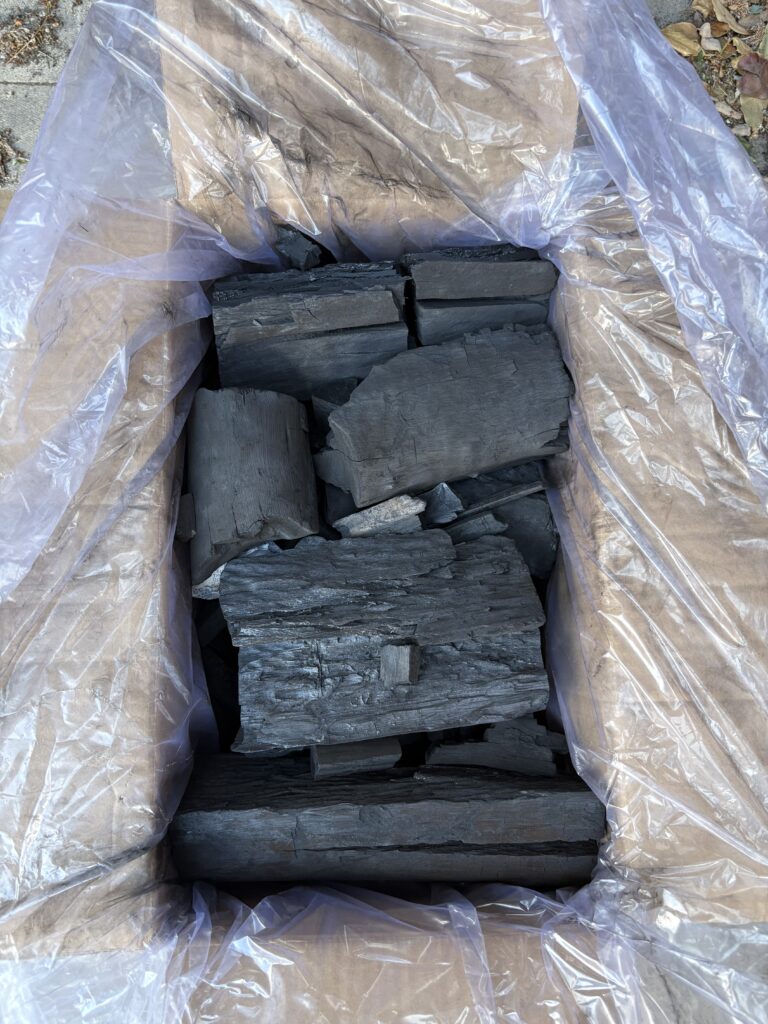
FAQ: Why does Big Ed’s Charcoal have a mix of big and small lumps?
Big Ed’s is all about top-quality, long-burning charcoal, made from a mix of Eucalyptus and Mangrove wood. Each 10kg box is packed with...