
Mastering the Flame: A Connoisseur’s Guide to Managing BBQ Temperature with Vents
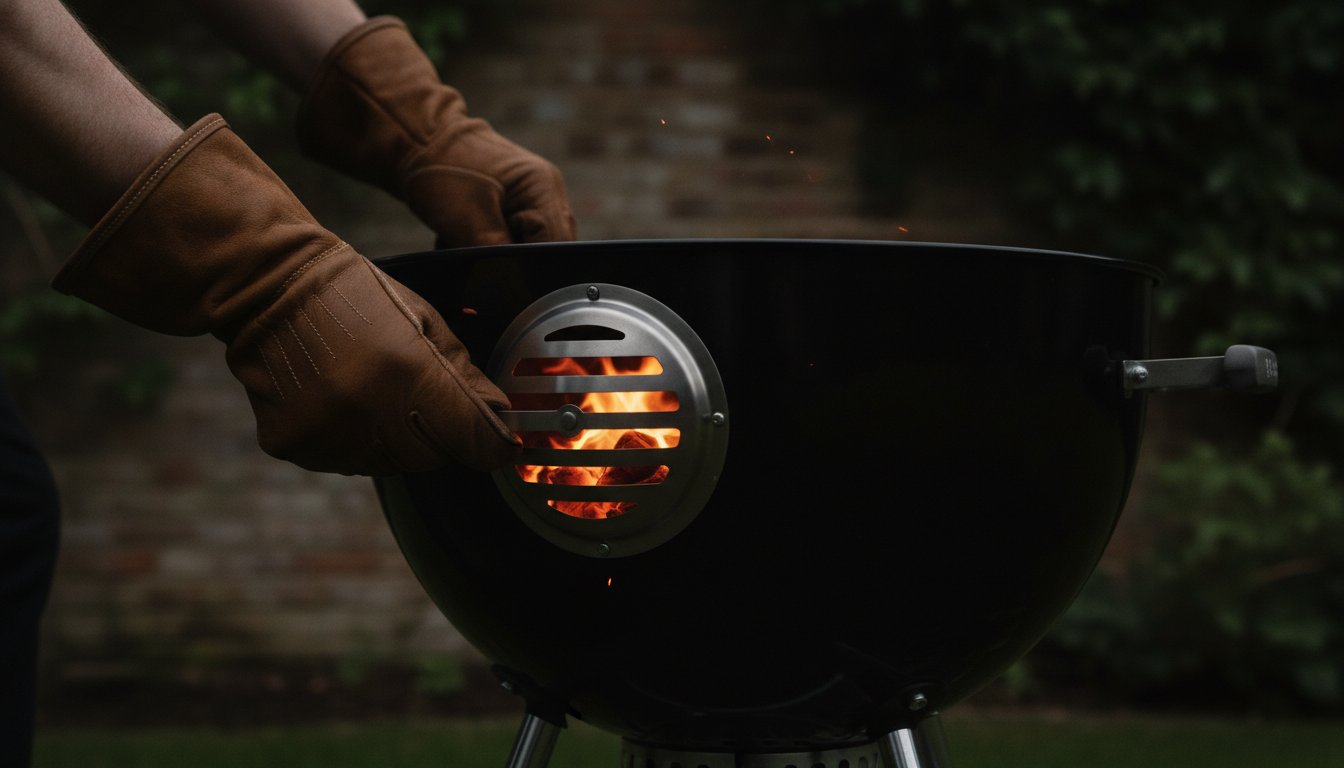
What if the most sophisticated tool in your outdoor kitchen isn’t a wireless probe, but the silent, deliberate slide of a steel vent? While many modern cooks rely on apps, the true connoisseur knows that managing bbq temperature with vents is the masterstroke that separates a hobbyist from a seasoned pitmaster. It’s frustrating when a premium cut is compromised by wild temperature swings or the acrid, bitter tang of “dirty” smoke. You’ve likely felt the sting of wasting high-quality Oak Briquettes because the fire ran away from you, burning through fuel without purpose. We agree that outdoor gastronomy demands more than luck; it requires absolute precision and an intimate understanding of the elements.
This guide will transform your relationship with the flame by exploring the precise physics of airflow. You’ll learn how to hold a steady “low and slow” environment for hours or achieve a searing Hibachi-style heat on demand. We’ll examine the “why” behind every adjustment, ensuring your fuel burns with maximum efficiency and flavour. By mastering thermal distribution, you’ll move from guesswork to a disciplined culinary art, turning your garden into a refined retreat for social excellence and professional-grade results.
Key Takeaways
- Master the fundamental physics of combustion by treating oxygen as your fire’s accelerator pedal to achieve absolute thermal precision.
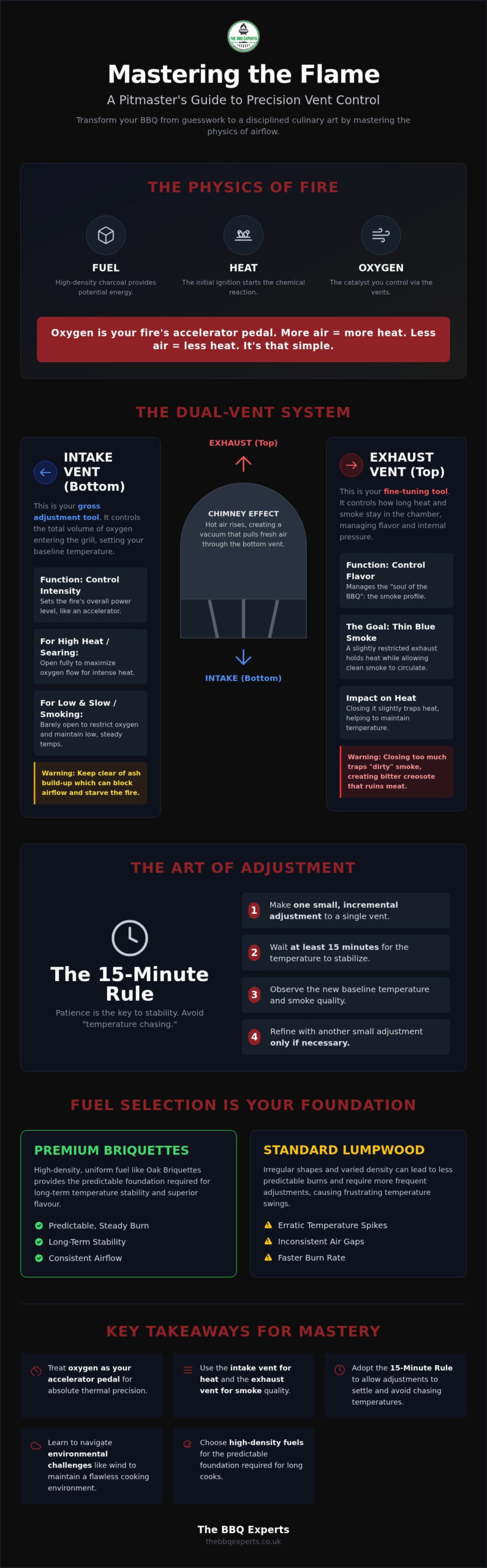
- Decipher the dual-vent system, using the intake for gross baseline adjustments and the exhaust to fine-tune smoke quality and internal pressure.
- Adopt the “15-Minute Rule” for managing bbq temperature with vents, allowing your adjustments to settle before making further refinements to avoid temperature chasing.
- Learn to navigate environmental challenges like wind and the “stall” to maintain a flawless, professional-grade cooking environment in any weather.
- Understand how choosing high-density fuels like Oak Briquettes provides the predictable foundation required for long-term temperature stability and superior flavour.
The Fundamental Physics of Airflow and Combustion
Fire is a chemical dialogue between fuel and atmosphere. To the uninitiated, a charcoal fire is a wild, unpredictable element; to the connoisseur, it’s a finely tuned engine. Understanding the Fire Triangle, the delicate balance of fuel, heat, and oxygen, is the first step toward mastery. While your charcoal provides the potential energy, oxygen acts as the accelerator pedal. Managing bbq temperature with vents is the process of regulating carbon oxidation. Every molecule of oxygen that enters the chamber reacts with the fuel to release energy measured in British Thermal Units (BTUs). On high-end hardware, airtight seals ensure that this reaction occurs only through your deliberate inputs, rather than through parasitic air leaks that ruin a slow cook.
Oxygen as the Primary Catalyst
Oxygen molecules interact directly with the surface of glowing charcoal to sustain the burn. This process is known as glowing combustion, which is far more stable and controllable than the erratic flaming combustion of raw wood. When you restrict the vents, you’re effectively “choking” the fire. This is a far more sophisticated method of control than attempting to “drown” a fire with water, which creates steam and ash. By mastering this restriction, you can achieve the precision required for the fundamentals of smoking, ensuring a clean, blue smoke profile instead of a thick, bitter cloud that ruins expensive cuts.
Thermal Mass and Heat Retention
The material of your grill dictates how quickly it responds to your commands. A heavy ceramic grill possesses immense thermal mass, acting like a heat battery that resists sudden changes. Conversely, a precision-engineered steel grill, such as a Thuros or a compact Hibachi, offers immediate responsiveness to every slider movement. To create a truly stable environment, the choice of fuel is paramount. High-density Oak Briquettes provide a superior thermal base compared to standard lumpwood. Their uniform shape and density offer predictable resistance to airflow, allowing for a steady release of radiant heat. This radiant energy works in tandem with convective heat, the hot air circulating through the vents, to cook your meat evenly from the inside out without the frantic temperature swings of lesser fuels.
Intake vs. Exhaust: Navigating the Dual Vent System
To master the flame, one must understand that a grill is a pressurized vessel. Managing bbq temperature with vents requires a coordinated dance between the intake at the base and the exhaust at the summit. This relationship creates a natural draw known as the chimney effect. As hot gases rise and escape through the top, they create a vacuum that pulls fresh, oxygen-rich air through the bottom. This cycle is the engine of your cook, governed by The Thermodynamics of Cooking, where convection carries heat and smoke across your ingredients.
The Bottom Vent: Controlling the Intensity
The intake vent is your gross adjustment tool. It dictates the baseline temperature by limiting the total volume of oxygen available to your charcoal. If you are seeking a high-intensity sear on a Hibachi Grill, you want this vent wide open to invite a torrent of air. For a delicate, twelve-hour brisket cook, you might leave only a sliver of an opening. Many experts use “clock positions” or etched markings on their hardware to ensure repeatable results; a setting at “half-past” on one day should yield the same heat on the next. Be vigilant about ash management. A build-up of spent fuel can physically block the intake, starving your fire and causing frustrating temperature drops just when stability is most critical.
The Top Vent: Flavour and Backpressure
While the bottom vent sets the heat, the top vent manages the soul of the BBQ: the smoke. This exhaust controls the “residence time” of the aromatic gases. If you close the top vent too far, you create excessive backpressure. This traps “dirty” smoke inside the chamber, leading to the development of creosote. This bitter, oily substance can ruin even the finest cuts of meat. The goal is always a “thin blue smoke” profile, which indicates clean, efficient combustion. By slightly restricting the exhaust, you can hold heat inside the dome without choking the fire. This balance ensures your Angus & Oink rubs develop a perfect bark without becoming acrid. If you find yourself struggling to find the “sweet spot” for your specific setup, you can always consult with our specialists for tailored advice on your outdoor kitchen configuration.
In specialized environments like a Fire Cage, airflow is more ethereal. Without a lid to create a chimney effect, managing bbq temperature with vents isn’t an option. Instead, you manage the height of the fuel and the proximity of the meat. However, for the majority of premium ceramic and metal grills, the dual-vent system remains the gold standard for culinary precision. Mastering the lag time between a vent adjustment and the resulting temperature shift is what truly separates the enthusiast from the expert mentor.
The Art of the Adjustment: Timing and Incremental Changes
Managing bbq temperature with vents is less about the adjustment itself and more about the silence that follows. The “15-Minute Rule” is the cornerstone of professional fire management. When you slide a vent, you aren’t just moving metal; you’re altering a complex thermal system that takes time to recalibrate. If you adjust again before the system has settled, you’ll find yourself “temperature chasing,” a frustrating cycle of over-correction that leads to erratic heat and compromised results. Patience is your most critical tool.
The “Small Moves” Philosophy
Precision requires restraint. You should think in 1/8th or 1/4 increments rather than sweeping gestures. As you make these adjustments, visualise the oxygen molecules navigating the path from the base through the fuel bed. A tiny movement can significantly alter the velocity of the air without extinguishing the core of the fire. Thermal equilibrium is the state where the energy produced by intake oxygen perfectly matches the energy lost through exhaust and vessel walls. Achieving this balance allows you to step away from the grill, confident that your environment is stable.
The volume of fuel in your chamber dictates how quickly the BBQ reacts to air. A full bed of Big Eds Charcoal acts as a massive heat sink; it reacts more slowly than a small pile, but it offers far greater stability once locked in. Use your digital probe to monitor the “rate of change” rather than just the current temperature. If the heat is climbing by two degrees every minute, don’t wait for it to hit your target. Start narrowing the vents early to “catch” the rise before it overshoots your desired window.
Establishing a Baseline
Every environment is unique. A humid morning in a coastal breeze requires different settings than a dry, still afternoon. We recommend creating a “logbook” of vent positions for your specific grill and fuel type. Note down the ambient conditions and the corresponding vent openings that held your target temperature. This data creates a shortcut for future cooks, moving you closer to a repeatable masterclass in outdoor gastronomy.
Before you light your first firelighter, ensure the ash bed is pristine. A clean grate ensures a consistent draw, which is the foundation of thermal control. Even the most sophisticated technique for managing bbq temperature with vents will fail if the intake is choked by the remnants of yesterday’s cook. By starting with a clear path for oxygen, you ensure that every adjustment you make is reflected accurately in the performance of the flame.
Advanced Troubleshooting: Weather, Flare-ups, and Stalls
Even the most seasoned connoisseur must eventually contend with the caprice of the elements. Nature doesn’t always cooperate with your culinary timeline, and managing bbq temperature with vents becomes a tactical exercise when the weather shifts. Wind direction is particularly influential; a stiff breeze hitting your intake vents acts as a forced induction system, pushing oxygen into the chamber and causing sudden, unwanted temperature spikes. To counter this, position your grill so the intake faces away from direct gusts or employ a dedicated windbreak to maintain a consistent, predictable draw.
Humidity and rain present their own unique thermal hurdles. When rain hits the exterior of a hot grill, it steals energy through rapid evaporation, effectively cooling the vessel from the outside. In these conditions, you’ll need to be more aggressive with your intake, opening it wider than your usual baseline to compensate for the loss. Similarly, you must recognise the “stall”—that frustrating plateau where the meat’s internal temperature stops rising due to evaporative cooling. While patience is usually the answer, a slight increase in airflow can help push the environment through this barrier without compromising the moisture of the cut.
The Impact of Wind and External Elements
In an exposed garden, the atmosphere is never truly still. A sudden gust can disrupt the delicate chimney effect we discussed previously, causing smoke to linger or temperatures to plummet. If you’re grilling in winter, the cold air is denser, meaning your fire has access to more oxygen per cubic foot of air. You might find that your usual “low and slow” vent positions result in a much hotter fire than expected. Always adjust for the ambient density of the air to keep your thermal equilibrium intact.
Managing Flare-ups with Air Control
Flare-ups are often misunderstood as mere grease fires, but they’re actually a failure of oxygen management. When fat drips onto glowing charcoal, it seeks a catalyst to ignite. If your lid is open, you provide a limitless supply of fuel for the flame. The “Lid Down” method is the only professional way to kill a flare-up instantly by starving the grease fire of oxygen. Don’t be tempted to “check” the progress every few seconds; lifting the lid creates an oxygen flash that can turn a small flame into a dangerous inferno.
This level of control is especially critical when using high-sugar Angus & Oink Rubs. While these blends create an exquisite, caramelised crust, the sugars will scorch if an oxygen rush causes a sudden spike. By balancing your exhaust vent to maintain backpressure, you keep the environment stable and protect the integrity of your flavour profile. If you find your current hardware is struggling to maintain this level of precision in challenging conditions, you can speak with our specialists about professional-grade hardware designed for year-round reliability.
Fuel Selection: How Premium Charcoal Enhances Thermal Control
The choice of fuel is not merely a logistical detail; it’s the fundamental variable in the equation of fire. While we’ve discussed the mechanics of managing bbq temperature with vents, those adjustments only work if your fuel is predictable. If you use generic charcoal filled with chemical binders or uneven pieces, your vents will never behave the same way twice. High-performance fuels like Big Eds Charcoal provide a consistent carbon density that responds immediately to oxygen changes. This allow you to steer your cook with surgical precision rather than fighting against an erratic flame.
Consistency is Key
Premium fuels are defined by their carbon purity and uniform sizing. When pieces are of a similar scale, they settle into the firebox without creating massive air pockets or dense cold spots. Cheap charcoal often contains fillers that produce excessive ash, which can physically block your intake vents and starve the fire. By choosing a high-purity fuel, you ensure that your vent adjustments translate directly into heat changes rather than fighting against a collapsing fuel bed. This reliability is why many connoisseurs opt for a bulk buy fuel strategy. Using the same consistent source allows you to develop an instinctive feel for your hardware’s reaction times across every season.
For those seeking the pinnacle of thermal stability, specialized options like Binchotan represent the gold standard. This traditional charcoal burns at an incredibly steady rate for hours, offering a near-perfect thermal profile that requires minimal vent intervention. It is particularly effective in Japanese Charcoal Grills, where the vertical column design utilizes airflow with maximum efficiency to sustain intense, radiant heat for delicate skewers and premium wagyu.
Selecting Fuel for the Mission
Your choice of wood species also dictates how you approach managing bbq temperature with vents. Oak charcoal provides the intense BTUs required for high-heat searing, while Eucalyptus varieties often excel in the long, patient environment of a smoker. Regardless of the mission, the journey must begin with a clean ignition. Using natural firelighters ensures you aren’t introducing petroleum odours into your ceramic dome or firebox. A clean start leads to a clean burn, making the task of temperature management a pleasure rather than a chore. When your fuel is as refined as your technique, the outdoor environment truly becomes a private retreat for culinary excellence and social prestige.
Elevating Your Garden to a Masterclass Arena
Mastery over the flame is the definitive hallmark of a true outdoor connoisseur. We’ve explored how treating oxygen as a primary catalyst and respecting the lag time of adjustments can turn a chaotic fire into a disciplined culinary tool. By understanding the interplay between intake and exhaust, you move beyond guesswork and into a world of repeatable excellence. Managing bbq temperature with vents is not just a technical requirement; it’s a dialogue with the elements that ensures every expensive cut of meat is treated with the respect it deserves.
Our curated selection of high-density charcoals provides the stable thermal mass required for professional-grade results. These are the same fuels trusted by leading UK pitmasters to maintain flawless bark formation and steady heat. If you’re ready to apply this specialist knowledge and transform your outdoor space into a refined culinary retreat, our experts are ready to guide your selection. Upgrade your fuel for ultimate control with Big Eds Restaurant Grade Charcoal and begin your journey toward total thermal mastery. Your next social gathering isn’t just a meal; it’s an artistic statement of skill and prestige.
Frequently Asked Questions
Should the top vent be open or closed when starting a BBQ?
Both vents should be fully open when starting your fire to invite a torrent of oxygen for rapid ignition. This ensures your charcoal reaches the glowing combustion stage efficiently. Once you’ve achieved a stable base, you can begin the process of managing bbq temperature with vents by gradually narrowing the openings to reach your target window. Closing the exhaust too early can trap acrid smoke and starve the fledgling flame.
How long does it take for a temperature change to happen after moving vents?
You should expect a noticeable shift in temperature within 10 to 15 minutes of making an adjustment. This lag time is necessary for the thermal mass of your grill and the fuel bed to react to the new oxygen levels. Rushing this process leads to the “temperature chasing” cycle. Using high-density Oak Briquettes can slightly increase this response time but offers far greater stability once the target is reached.
Why is my charcoal BBQ not getting hot enough even with vents open?
Insufficient heat usually stems from a lack of oxygen or low-quality fuel. Check for ash build-up blocking the intake vents, as this physically prevents air from reaching the fire. Alternatively, using charcoal with high moisture content or cheap fillers can hinder performance. Switching to restaurant-grade Big Eds Charcoal ensures a higher carbon purity, providing the intense BTUs required for high-heat searing on a Hibachi Grill.
Can I use the vents to put out the fire when I am finished cooking?
Yes, closing all vents completely is the most effective way to extinguish your BBQ and preserve any unspent fuel for your next cook. By totally starving the fire of oxygen, you “choke” the combustion process safely without the mess of water. High-end grills with airtight gaskets are particularly efficient at this, often snuffing out the embers within 30 to 60 minutes, allowing you to reuse premium lumpwood.
Does wind affect my BBQ vents and temperature control?
Wind acts as a forced induction system, pushing air into your vents and causing sudden heat spikes. If your grill is positioned in an exposed garden, a stiff breeze can disrupt the natural chimney effect. To maintain precision, you might need to close your intake vents further than usual or use a windbreak. Understanding this environmental factor is a key part of managing bbq temperature with vents during unpredictable weather.
What is the “sweet spot” vent setting for low and slow smoking?
The “sweet spot” for low and slow smoking typically involves leaving the intake vent open by only 1/8th to 1/4th of its capacity. This restriction keeps the fire at a steady, smouldering pace ideal for long cooks. You’ll want the exhaust vent slightly more open to ensure clean smoke flow. Every grill is unique, so we recommend recording these positions in a logbook to ensure repeatable, professional-grade results.
Is it better to control temperature with the top vent or the bottom vent?
Use the bottom vent for gross temperature adjustments and the top vent for fine-tuning and smoke quality. The bottom intake dictates the total intensity of the fire by controlling oxygen volume. The top exhaust manages backpressure and the “residence time” of smoke over your food. For the ultimate precision, set your baseline with the bottom vent and use tiny movements of the top vent to lock in your final degree.
How do I stop my BBQ from stalling at 160°F (71°C) using the vents?
To push through the stall at 160°F (71°C), you can slightly open your intake vents to increase the internal temperature and speed up evaporation. This phase occurs when the meat’s moisture evaporates at the same rate the grill provides heat. A small boost in airflow provides the extra energy needed to overcome this evaporative cooling. This technique ensures your Angus & Oink rubs develop a beautiful bark without the cook grinding to a halt.
Disclaimer
This article was produced with AI assistance. We use AI and Third Parties to help deliver more content to our BBQ website and community, but we always aim to ensure accuracy and quality as much as we can. If you spot anything that doesn't seem right, we'd love to hear from you

Recent News & Updates

Our Story, Values and Beliefs
Here at the BBQ experts we have a passion for BBQ food, outdoor living and spending time with family and friends. We offer you; A...
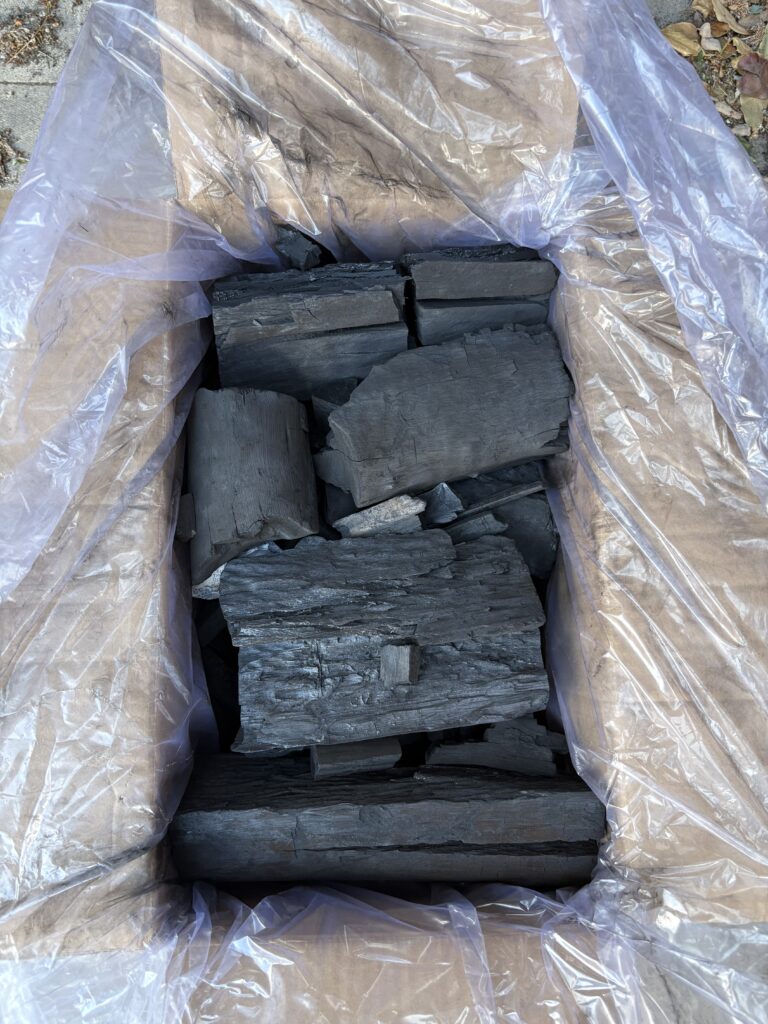
FAQ: Why does Big Ed’s Charcoal have a mix of big and small lumps?
Big Ed’s is all about top-quality, long-burning charcoal, made from a mix of Eucalyptus and Mangrove wood. Each 10kg box is packed with...