
Mastering the Art of Yakitori: The Ultimate Kimstone Ceramic Konro Grill Guide 2026
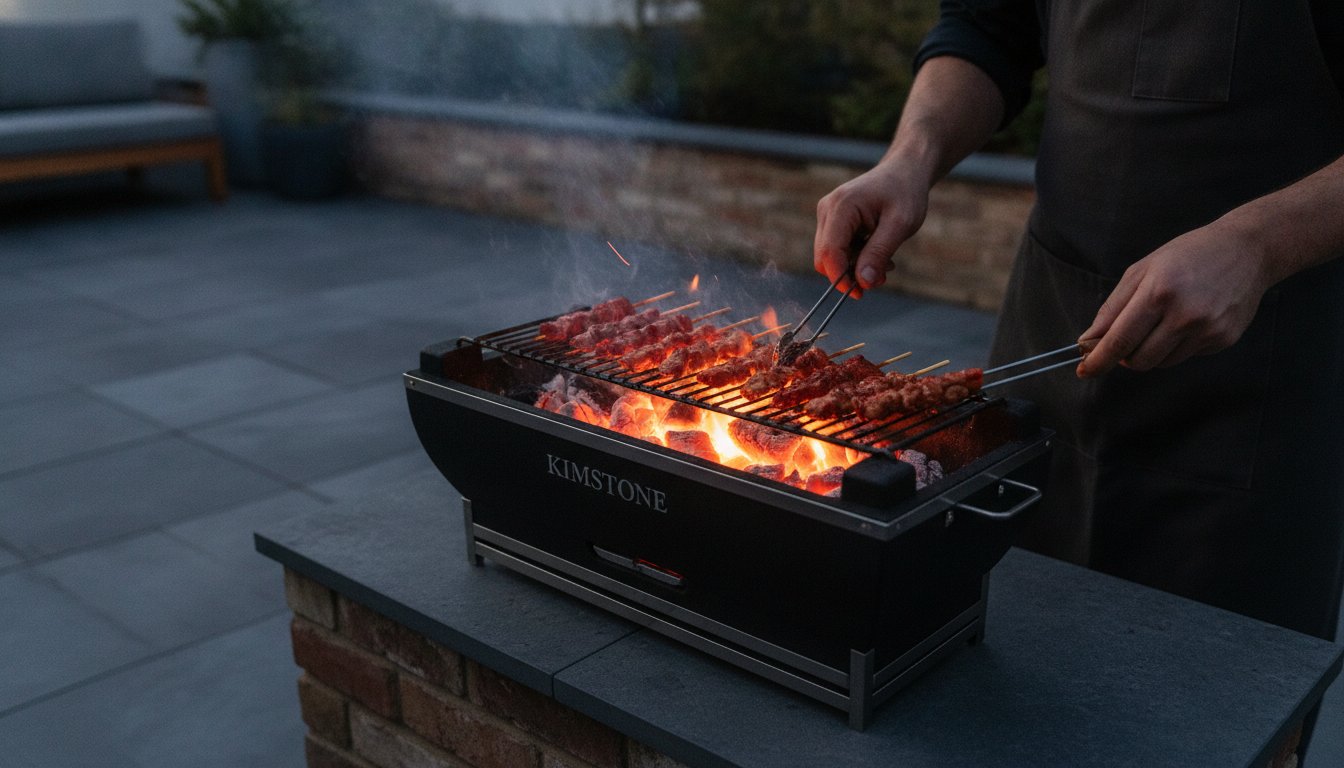
What if the secret to that perfect, glass-like yakitori glaze isn’t actually in your sauce, but in the thermal physics of your grill? You’ve likely felt the frustration of traditional diatomaceous earth grills cracking after only a few uses, or perhaps you’ve struggled to maintain the intense, steady heat required for authentic Japanese skewers. This Kimstone ceramic konro grill guide is your invitation to leave those compromises behind and step into the world of professional-grade outdoor gastronomy. We understand that for the serious connoisseur, a grill is more than a tool; it’s a precision instrument that defines the social rhythm of the home.
You already know that achieving restaurant-quality results requires more than just high-quality ingredients. It demands a mastery of fire and material. In this guide, we promise to show you how to harness the precision of Japanese-style grilling by pairing the superior longevity of Kimstone ceramics with the clean, high-carbon power of Binchotan charcoal. We will walk you through the technical advantages of high-density ceramic materials that withstand 1000°C temperatures, the art of fuel management, and the specific techniques needed to transform your garden into a private, high-end yakitori retreat.
Key Takeaways
- Learn how the Konro functions as a precision infrared instrument rather than a standard grill to elevate your outdoor culinary repertoire.
- Follow this Kimstone ceramic konro grill guide to understand the material science behind superior heat retention and thermal durability.
- Discover the transformative power of authentic Binchotan charcoal and why it is the non-negotiable fuel for restaurant-quality flavor.
- Gain professional techniques for lighting and managing airflow to maintain the perfect searing temperature for hours at a time.
- Master the essential maintenance protocols to preserve the integrity of your ceramic hardware for a lifetime of elite performance.
Understanding the Konro: A Masterclass in Japanese Precision
To the untrained eye, a Konro might look like a simple rectangular box. To the seasoned connoisseur, it’s a sophisticated thermal instrument designed for one thing: the perfect sear. This specialized tool functions as an infrared cooker, using its dense walls to focus energy with surgical precision. The long, narrow geometry isn’t an aesthetic choice. It’s a functional necessity. This shape allows skewers to bridge the gap perfectly, ensuring the meat is suspended exactly where the heat is most intense while the handles remain cool to the touch. It’s a masterclass in efficiency.
The history of the konro grill is deeply intertwined with the evolution of Japanese street food. Originally derived from the shichirin, these portable clay stoves were once used for simple home heating. As the art of yakitori flourished during the Edo period, the design was refined into the professional hardware we recognize today. This Kimstone ceramic konro grill guide explores how that ancient wisdom has been upgraded with modern material science to meet the demands of the contemporary outdoor chef who values both tradition and durability.
The Role of Infrared Heat in Japanese Grilling
Traditional barbecues often rely on convection, or the movement of hot air, to cook food. The Konro operates differently. Its ceramic walls are engineered to reflect infrared heat back toward the center of the grill. This radiation penetrates the food deeply and evenly, creating a crust that locks in juices without desiccating the interior. You get a clean flavour profile because the focused heat source minimizes the acrid smoke often caused by fat dripping onto metal burners. It is the difference between simply cooking meat and performing a culinary transformation that respects the integrity of the ingredients.
Kimstone vs. Diatomaceous Earth: The Durability Debate
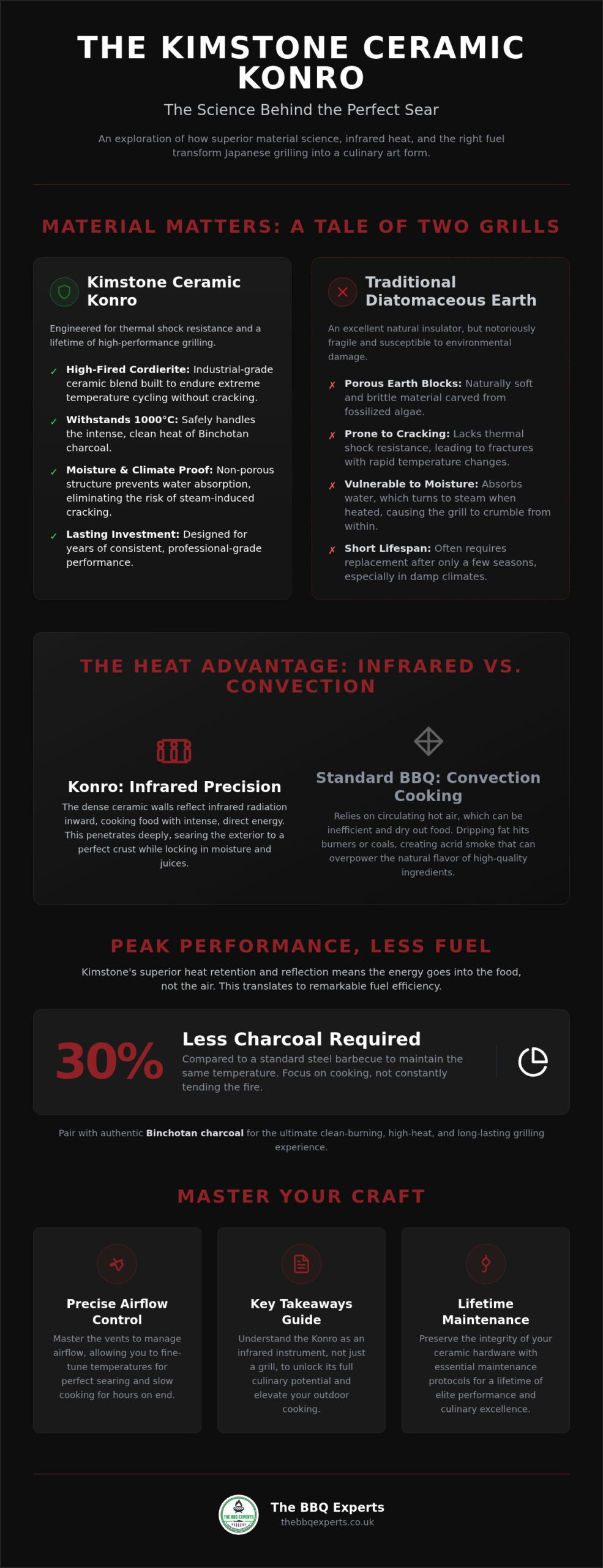
For centuries, traditional grills were carved from blocks of diatomaceous earth. While these are excellent insulators, they are notoriously fragile. They don’t handle the erratic UK climate well. Moisture seeps into the porous structure, and when the temperature rises, the steam causes the blocks to crack or even crumble. This is where Kimstone changes the narrative. It is a high-fired cordierite-ceramic blend specifically engineered for thermal shock resistance and longevity.
Kimstone offers the same legendary heat retention as traditional earth but with a structural integrity that lasts for years. By housing this ceramic core in a sturdy metal frame, the manufacturer creates a piece of hardware that is both beautiful and resilient. It’s a professional-grade solution for those who view their outdoor cooking area as a refined artistic retreat rather than just a place to flip burgers. Choosing Kimstone means investing in a tool that won’t shatter under the pressure of a high-heat service, ensuring your focus remains on the craft of the grill.
The Science of Kimstone Ceramic: Why Material Matters
To master the art of the perfect skewer, you must first master the physics of your equipment. This Kimstone ceramic konro grill guide wouldn’t be complete without a deep dive into the molecular resilience of cordierite, the high-performance ceramic that forms the heart of our hardware. While traditional grills often suffer from uneven heat or structural fatigue, Kimstone is engineered to thrive under the most demanding culinary conditions. It’s not just a cooking surface; it’s a thermal engine designed to provide consistent, radiant energy for the professional home chef.
While research into the thermal properties of diatomaceous earth highlights its natural insulating capabilities, Kimstone takes these principles further by introducing industrial-grade stability. Efficiency isn’t just a buzzword here; it’s a measurable benefit. Because the ceramic walls reflect nearly all generated energy back into the cook zone, you’ll typically require 30% less charcoal than you would in a standard steel barbecue. This means your core temperature remains stable for hours, allowing you to focus on the delicate timing of your yakitori rather than constantly tending the coals.
Cordierite Technology in Modern BBQ
The secret to Kimstone’s longevity lies in its cordierite-ceramic blend. This is the same material used in industrial kilns that endure constant high-temperature cycling without cracking. It’s built to handle rapid temperature changes, meaning you can go from a cold start to a thousand-degree glow without fearing for the structural integrity of your investment. Kimstone’s high material density creates a non-porous barrier that prevents moisture absorption, protecting your grill from the destructive freeze-thaw cycles common in northern climates.
Maximized Reflectivity for Even Cooking
Eliminating cold spots is the hallmark of a professional kitchen. A uniform ceramic surface ensures that every skewer receives the same radiant energy, whether it’s placed at the edge or the center. The internal air vents are precisely positioned to create a natural convection current, feeding oxygen to the Binchotan while the ceramic walls bounce infrared waves directly into the meat. This synergy locks in moisture instantly, creating that coveted contrast between a crisp exterior and a succulent interior. If you’re unsure which size fits your specific outdoor kitchen layout, our team can provide a personalized recommendation to ensure your setup is flawless.
Fueling Your Ambition: The Synergy of Binchotan and Ceramic
The most sophisticated hardware in the world is merely a cold vessel without the right energy source. While this Kimstone ceramic konro grill guide has detailed the structural mastery of the unit, the fuel you choose represents 50% of the culinary equation. In the world of high-end yakitori, Binchotan is the legendary standard. This “white charcoal,” traditionally crafted from Japanese oak, is prized for its nearly pure carbon content. It burns with a steady, intense heat that can reach 1000°C, providing the infrared energy required to transform simple proteins into gastronomic art.
Purity is paramount when cooking over an open flame. Because the Konro design brings the food into close proximity with the coals, any chemical additives in your fuel will immediately taint the flavour of your meat. To preserve the integrity of your ingredients, avoid standard firelighters at all costs. Using Natural Firelighters ensures a clean, odourless start that lets the natural aroma of the charcoal take centre stage. This is the hallmark of a seasoned connoisseur: respecting the raw materials from the first spark to the final bite.
Binchotan vs. Restaurant Grade Lumpwood
The difference between standard charcoal and professional fuel is found in the density. While restaurant-grade lumpwood is an excellent choice for general barbecuing, it lacks the endurance required for a dedicated Konro service. Consider these performance metrics:
- Burn Time: Binchotan provides a consistent 4 to 6 hours of cook time, whereas standard lumpwood often expires after 60 to 90 minutes.
- Ash Production: High-density fuels produce minimal ash, preventing the internal air vents of your Kimstone from becoming blocked during long sessions.
- Scent Profile: Binchotan offers a virtually smoke-free, “flavourless” heat. This allows the subtle nuances of your marinades and the quality of the meat to shine without being overwhelmed by acrid wood smoke.
Specialist Fuel Pairings for the Kimstone Konro
Achieving restaurant-quality results requires matching your fuel to your specific culinary goals. For those seeking absolute consistency and a predictable heat map, Bincho Professional Hexagonal Briquettes are the ideal companion for the Kimstone’s reflective walls. Their uniform shape allows for precision stacking, ensuring no cold spots emerge during your service.
If you wish to introduce a subtle, sophisticated aroma to your skewers, Coffee Restaurant Charcoal provides a unique sensory profile that pairs beautifully with richer meats like duck or beef. For high-heat searing that demands an immediate crust, Eucalyptus Binchotan offers the aggressive thermal output needed for thin-cut pork or delicate seafood. By selecting the right fuel, you aren’t just lighting a fire; you’re dialing in the soul of your outdoor kitchen.
Culinary Technique: Mastering Heat Management
Precision in the kitchen is about control. This Kimstone ceramic konro grill guide has already established the “what” and the “why” of professional hardware, but the “how” is where your culinary artistry truly takes shape. Unlike a standard gas barbecue where you simply turn a dial, mastering a Konro requires an intuitive understanding of airflow and thermal energy. You aren’t just cooking meat; you’re managing a live infrared environment. By manipulating the sliding vents at the base of your Kimstone, you can dial in the oxygen flow to maintain a steady glow for hours, ensuring every skewer receives the same focused intensity.
To truly elevate the sensory experience of your cook, consider the complex flavour profiles of Angus & Oink Rubs. These curated seasonings are designed to withstand intense infrared heat without burning, adding a depth of bark that complements the clean Binchotan heat. We recommend a 2-zone setup for maximum versatility. Pile your coals higher on one side for aggressive searing and leave a thinner layer on the other for a gentle resting area. This allows you to move skewers between zones, ensuring thick-cut thighs are cooked through while the skin remains perfectly crisp.
Lighting Your Binchotan for Success
A slow start is the secret to a long service. Pre-heating the ceramic prevents thermal stress, so avoid the temptation to blast the unit with heat immediately. Use a chimney starter to get your coals glowing, then transfer them to the Konro. The “Stacking” technique is essential here. Arrange your Binchotan in a tight, overlapping pattern to maximize the infrared output. Your charcoal is active and ready for cooking when it’s covered in a fine layer of white ash and emits a steady, shimmering heat without visible flames or smoke.
The Art of the Skewer: Yakitori and Beyond
Distance is everything. The sweet spot for most skewers is exactly 2 to 3cm from the coals. This proximity allows the infrared waves to penetrate the meat instantly. If fat flare-ups occur, don’t use water, as this can damage the ceramic. Instead, move the skewer to the resting zone for a moment until the flame subsides. For the traditional “Tare” dip method, sear the meat for 70% of the cook time before the first dip. This creates a protein “seal” that prevents the sauce from soaking in and becoming soggy. Dip, return to the heat for a quick glaze, and repeat. This method keeps your ceramic walls clean and your skewers perfectly lacquered. If you’re looking to refine your technique or need help choosing the right size for your outdoor retreat, get in touch with our experts today.
Maintenance and Longevity: Preserving Your Culinary Investment
Your Kimstone Konro isn’t just a piece of equipment; it’s a legacy tool. To ensure it remains the centerpiece of your outdoor culinary retreat for decades, you must respect its material science. The golden rule of ceramic maintenance is absolute: never use water. Because the ceramic is designed to retain heat through its specialized density, introducing liquid can lead to catastrophic failure. Water seeps into the microscopic structure, and when the grill is next lit, that moisture turns to steam, expanding rapidly and potentially cracking the cordierite core. For a broader view on maintaining your entire outdoor kitchen, consult our Ultimate BBQ Master Checklist to keep your gear in peak condition.
Following this Kimstone ceramic konro grill guide ensures that your hardware performs with the same precision on its thousandth cook as it did on its first. While the metal frame is resilient, it requires a different touch than the ceramic interior. You can wipe the exterior frame with a damp cloth to remove grease or “tare” splashes, but you must be surgical in your movements to ensure no moisture migrates to the Kimstone core. It’s about protecting the structural integrity of a tool that facilitates your lifestyle as a seasoned connoisseur of fire and flavour.
Post-Cook Care and Ash Removal
Patience is the final ingredient in every cook. Once your service is complete, allow the grill to cool down naturally. Never attempt to force-cool the ceramic with fans or cold air, as rapid temperature drops can induce thermal stress. Once the unit is cold to the touch, use a soft-bristled brush to clear the internal vents. This preserves the airflow path for your next session. If you have remaining Binchotan, don’t let it burn away. Use a specialized metal extinguishing pot to starve the coals of oxygen. This allows you to re-use this premium fuel, maximizing the value of your high-carbon investment.
Seasonal Storage and Protection
The British climate presents unique challenges for high-end ceramic hardware. Humidity and frost are the primary enemies of longevity. During the winter months, indoor storage in a garage or dry shed is essential. Even if you use a high-quality cover, ambient moisture can still settle within the ceramic walls. If you decide to grill on a crisp winter afternoon, ensure the unit is 100% dry before lighting. Start with a very small, gentle fire to “temper” the ceramic and drive out any residual dampness. Regularly inspect the frame for any debris and check the ceramic for signs of wear. This disciplined approach ensures your grill remains a precision instrument, ready to deliver restaurant-quality results year after year.
Elevate Your Culinary Retreat
Mastering the art of yakitori is a journey that begins with the right tools and ends with the sensory joy of a perfect sear. By understanding the thermal resilience of cordierite and the uncompromising purity of Binchotan charcoal, you’ve transitioned from a casual griller to a serious outdoor chef. This Kimstone ceramic konro grill guide has provided the technical foundation you need to transform your exterior environment into a private retreat of high-end gastronomy. You now possess the knowledge to manage infrared heat with surgical precision while preserving your hardware for a lifetime of service.
As a specialist retailer of professional-grade Japanese hardware and curators of an authoritative guide on premium charcoal pairings, we are here to support your upward move in status and skill. We offer an expert-curated selection of hardware and specialist UK-wide delivery on bulk fuel orders to ensure your kitchen is always ready for service. Upgrade your outdoor kitchen with our professional Kimstone Konro range and start your journey toward restaurant-quality results today. Your masterpiece of fire and flavour awaits.
Frequently Asked Questions
Can I use a Kimstone Konro grill indoors?
No, you must only use your Konro grill in well-ventilated outdoor environments. Burning charcoal, particularly high-carbon Binchotan, produces carbon monoxide, which is a colorless and odorless gas that can be lethal in enclosed spaces. Even with professional kitchen extraction, the risk of gas accumulation is significant. Keep your grilling to your garden or patio to ensure a safe and enjoyable culinary experience.
How do I light Binchotan charcoal without a chimney starter?
You can ignite Binchotan using a high-powered gas torch or by nestling the sticks within a bed of pre-lit, high-quality lumpwood charcoal. Because Binchotan is incredibly dense, it requires a sustained heat source to catch fire. Avoid using liquid firelighters, as these chemicals will permeate the ceramic and taint the clean flavor of your yakitori. Natural firelighters are the preferred choice for a pure start.
Is the Kimstone ceramic grill fragile?
Kimstone is engineered for exceptional durability compared to traditional earth models, but it still requires the respect due to any professional instrument. The high-fired cordierite blend is designed to withstand intense thermal cycling without crumbling. However, it can still crack if dropped or subjected to heavy physical impact. Treat your grill as a lifetime investment in your outdoor kitchen and it will serve you for decades.
What is the difference between Kimstone and standard Hibachi grills?
The distinction lies in the superior thermal efficiency and material longevity of the cordierite-ceramic core. Standard Hibachi grills are often made of thin metal or basic clay that loses heat rapidly. As detailed in this Kimstone ceramic konro grill guide, our units reflect infrared energy back into the food rather than absorbing it. This creates a stable, high-heat environment that is essential for achieving restaurant-quality results at home.
Do I need to season my ceramic Konro grill before first use?
There is no need to season your ceramic grill before its inaugural use. Unlike cast iron, the Kimstone ceramic does not require a layer of oil or a specialized burn-in period to function correctly. You can begin cooking immediately. We simply recommend starting with a smaller fire for your first session to allow the material to settle into its first thermal cycle gradually, ensuring long-term structural integrity.
Can I use normal supermarket charcoal in a Konro grill?
While you can use standard supermarket charcoal, it is highly discouraged for those seeking a professional result. Basic charcoal often contains chemical additives and sparks excessively, which can ruin the delicate flavour profile of your ingredients. To truly follow the advice in this Kimstone ceramic konro grill guide, you should use high-density fuels like Binchotan. These provide the clean, smoke-free heat necessary for authentic Japanese grilling.
How long does a Kimstone Konro grill take to heat up?
Expect a heat-up time of approximately 15 to 20 minutes for the ceramic walls to reach their optimal reflective state. While the charcoal itself may glow sooner, the ceramic needs this time to absorb and begin radiating infrared energy. This pre-heating phase is vital for creating a uniform cooking surface, ensuring that your first skewer sears just as perfectly as your last one of the evening.
What happens if my ceramic Konro grill gets wet?
Moisture can cause catastrophic structural failure if the grill is lit while damp. Water settles into the ceramic structure and turns to steam when heated, which leads to internal pressure and cracking. If your grill does get wet, allow it to air-dry completely in a warm, dry place for several days. Never use a fire to “dry out” the unit, as this will only accelerate the damage.
Disclaimer
This article was produced with AI assistance. We use AI and Third Parties to help deliver more content to our BBQ website and community, but we always aim to ensure accuracy and quality as much as we can. If you spot anything that doesn't seem right, we'd love to hear from you

Recent News & Updates

Our Story, Values and Beliefs
Here at the BBQ experts we have a passion for BBQ food, outdoor living and spending time with family and friends. We offer you; A...
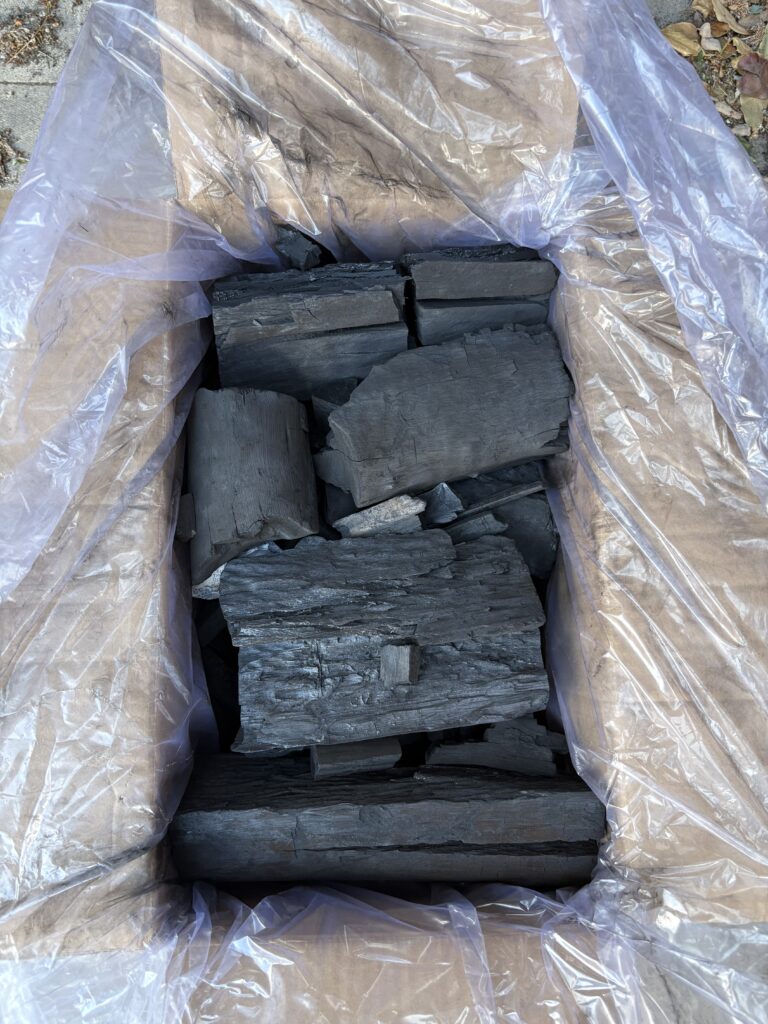
FAQ: Why does Big Ed’s Charcoal have a mix of big and small lumps?
Big Ed’s is all about top-quality, long-burning charcoal, made from a mix of Eucalyptus and Mangrove wood. Each 10kg box is packed with...