
Japanese Tabletop BBQ Grill: How to Choose the Right One
The best japanese tabletop bbq grill isn’t necessarily the smallest or the most traditional-looking one. It’s the grill that suits the way you cook, the fuel you want to use and the space where you’ll gather around it. If Hibachi and Konro names have left you unsure what you’re comparing, focus on each grill’s intended use, fuel guidance and cooking surface rather than its label alone.
Choosing well means thinking beyond appearance. Consider how much you want to cook at once, whether charcoal grilling suits your meals and how you’ll set up the grill safely outdoors. Fuel affects how you prepare and manage the heat, so check that it suits the grill’s instructions. In this guide, you’ll learn what sets Japanese tabletop grills apart, how to compare styles, and what to consider when choosing a size and fuel. You’ll also find practical ways to plan a safe outdoor setup.
Key Takeaways
- A japanese tabletop bbq grill brings cooking closer to the table, creating a more hands-on experience than a larger freestanding barbecue.
- Choose fuel with its format and lighting needs in mind, and match it to the grill’s instructions and the way you want to cook.
- Compare grill styles by cooking method, food, usable surface and storage footprint rather than assuming a larger grill is always better.
- Plan your outdoor setup before lighting charcoal: follow the grill instructions, use a stable heat-resistant surface and keep the grill clear of flammable materials.
- Explore Japanese charcoal grill and Hibachi Grill options, alongside suitable charcoal, as you shape an outdoor cooking setup around your space and preferences.
What makes a Japanese tabletop BBQ grill different?
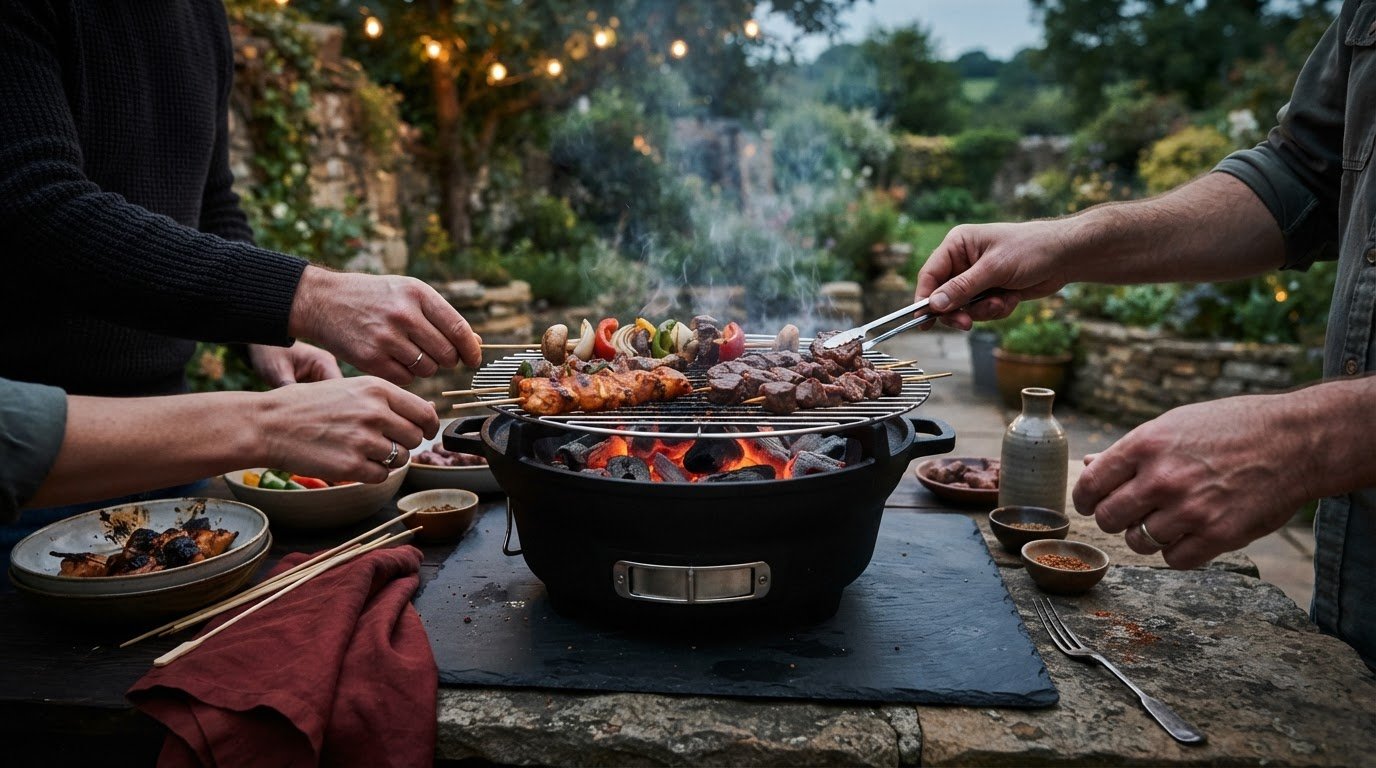
A Japanese tabletop grill brings charcoal cooking into the centre of the meal. Unlike a larger freestanding barbecue, it has a compact cooking area designed for tabletop-style use. That can bring the cook and guests closer together, rather than placing the grill apart from the dining space.
A Japanese tabletop BBQ grill is a compact, charcoal-fired cooking appliance designed for tabletop-style use, bringing focused cooking within reach instead of placing it in a larger freestanding barbecue. Always follow the individual grill’s instructions for placement and use. “Tabletop” describes the format, not permission to set a hot grill on any surface.
That closeness changes the rhythm of cooking. You can turn skewers as they colour, add ingredients in small batches and share in the preparation. The compact cooking area encourages you to stay attentive to what’s on the grate. It’s a different experience from loading a large barbecue and stepping away while the food cooks.
The format suits meals where grilling is part of the gathering, not a separate task at the edge of the garden. It also calls for a little preparation: arrange the ingredients before lighting, leave room to turn them and keep an eye on the heat as you cook.
Konro, Hibachi and Shichirin: what do the names mean?
These terms overlap in everyday retail language, but they don’t describe identical specifications for every grill. Konro commonly refers to a Japanese charcoal grill associated with concentrated, controlled cooking. Shichirin is another term for a compact Japanese charcoal grill, while “hibachi” is often used more loosely in English-language markets. Naming can vary by seller and tradition, so assess a grill’s intended use and instructions rather than relying on the label alone. The Shichirin: The Traditional Japanese Charcoal Grill article offers further context on the term and its use.
What is a Japanese tabletop grill best suited to cooking?
Yakitori skewers are a familiar match for focused charcoal cooking: small portions are easy to tend and turn over the heat. Seafood, vegetables and smaller cuts can also suit the format, depending on the grill and how you prepare them. A compact grill is best approached as a tool for attentive, direct cooking, rather than as a substitute for the space and setup used for long, slow barbecue.
Think about the meals you enjoy making. If they involve searing smaller portions and serving them as they’re ready, the format may suit your style. If you mainly want to cook large joints slowly or prepare food for a crowd in one go, compare the usable surface with those plans before choosing.
The defining difference is as much about the meal as the equipment: charcoal heat, a compact cooking area and people gathered close. Understanding that format makes it easier to compare Japanese charcoal grill and Hibachi Grill options by purpose, rather than assuming similar names mean identical designs or cooking capacity.
How charcoal and heat shape the Japanese tabletop grilling experience
Charcoal choice shapes how you prepare for a cook, but the grill’s design and the way you manage the fuel matter just as much. Food sits close to the heat on a compact cooking surface, so small changes in position, portion size and timing can affect how quickly it cooks. Stay attentive, turn food as needed and avoid filling the surface so heavily that you can’t move items or judge how they’re cooking.
Fuel choice influences how you manage heat, so consider its format and lighting needs alongside your grill’s instructions rather than expecting a guaranteed cooking result. Charcoal comes in different forms, including pieces and briquettes. Their shape affects how they fit within a fire area, so check that the fuel format is suitable for the grill and follow the maker’s guidance on loading it. The BBQ Experts offers charcoal options including Big Eds Charcoal, Oak Charcoal and Oak Briquettes.
Choosing charcoal for a Japanese-style tabletop grill
Binchōtan is a recognised Japanese term for charcoal. When comparing fuels, consider their format, the steps needed to light them and the instructions for your grill, rather than choosing by name alone. The BBQ Experts also offers Eucalyptus Charcoal, alongside other charcoal options, to consider when selecting fuel for your outdoor cooking setup.
Check whether your grill’s guidance specifies a particular fuel type or loading method. Don’t assume every charcoal format is suitable for every compact grill. Matching the fuel to the instructions helps you use the equipment as intended.
Managing heat for skewers and other quick-cooking foods
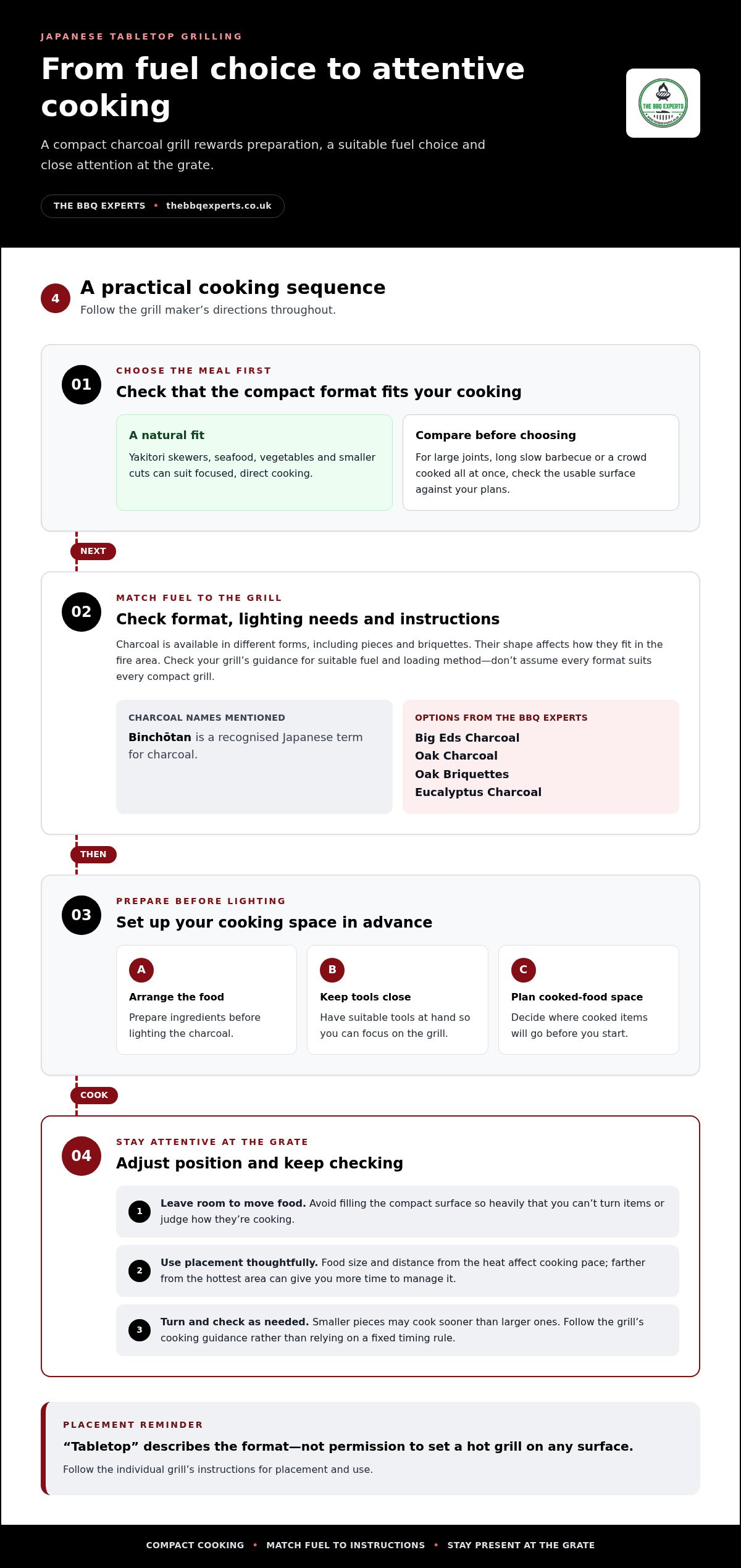
Set yourself up before lighting. Prepare and arrange the food, keep suitable tools close at hand and decide where cooked items will go. This simple preparation means you can focus on the grill instead of reaching across the cooking area while food is over the coals.
Food size and distance from the heat affect cooking pace. Smaller pieces may cook sooner than larger ones, while placing food farther from the hottest area can give you more time to manage it. Use the grill’s instructions to guide placement and cooking, and keep checking rather than relying on a fixed timing rule.
Always follow the maker’s specific directions for lighting, fuel loading and cooking. If you’re choosing fuel for a japanese tabletop bbq grill, get in touch with The BBQ Experts to discuss your outdoor cooking setup.
Which Japanese tabletop grill suits your cooking style and space?
Start with the meals you want to cook, then consider where the grill will live between uses. A japanese tabletop bbq grill is designed around a compact cooking area, so choose based on how you’ll use that surface, not just which design catches your eye. The guide below helps you compare intended use without assuming a particular model’s dimensions or capacity.
Choose by cooking style, not appearance alone
Prioritise what you’ll cook most often: skewers, seafood, vegetables or a mix. A focused surface can make cooking in small batches feel interactive, while a large family barbecue is often chosen to cook more food at once. The difference is about cooking rhythm, not a promise that one format will work better for every dish.
| Cooking pattern | Typical food | Surface to consider | Storage footprint |
|---|---|---|---|
| Frequent skewering | Yakitori and other skewered foods | Consider how the usable cooking area accommodates skewers and makes them easy to turn. | Allow for the grill and any accessories you use with it. |
| Varied grilling | A selection of seafood, vegetables and smaller cuts | Look for a layout that suits the different shapes and amounts you plan to cook. | Factor in where the grill and cooking tools will be stored. |
| Occasional outdoor meals | A small selection prepared outdoors from time to time | Choose a surface that fits your intended menu without taking up more space than you can use. | Consider how often you’ll move and store the grill after cooking. |
Check your table, outdoor space and storage
Before choosing a format, picture the whole setup: the grill, food, tools and people cooking around it. Plan for a stable outdoor surface with clear space around the hot grill, and follow the manufacturer’s placement guidance. Check the selected grill’s dimensions against your intended position instead of estimating from product photos.
Storage is part of the decision too. Consider where the grill will sit when it’s not in use, how you’ll move it to your cooking spot and how you’ll handle it after cooking. Follow the maker’s instructions for moving, cleaning and storing it, and don’t plan to pack it away while hot. A convenient cooking position is only practical if you can also manage the equipment safely afterwards.
Looks matter, but fit comes first: match the cooking surface to your usual food, then check that its dimensions and care instructions work for your outdoor space. For help thinking through fuel options, explore guidance from The BBQ Experts.
How to prepare and use a Japanese tabletop BBQ grill safely
A well-prepared setup lets you focus on the food instead of reaching over hot charcoal for something you’ve forgotten. Charcoal grills must be used outdoors: burning fuel can produce carbon monoxide, a dangerous gas that can build up indoors or in enclosed spaces. Never use one inside a home, garage, shed or other enclosed area.
Before lighting, work through this sequence and follow the instructions supplied with your grill:
- Read the maker’s instructions. Check how the grill should be assembled, positioned, lit and loaded with fuel. Follow its specific guidance rather than assuming every model works the same way.
- Choose a suitable outdoor position. Set the grill on a stable, heat-resistant surface that can support it securely. Keep it clear of combustible materials, including items above or beside it, and maintain the surrounding space specified by the manufacturer.
- Prepare fuel and food. Organise the charcoal according to the grill’s instructions. Prepare ingredients, skewers and cooking tools before lighting so you can stay focused once the grill is hot.
- Keep the cooking area controlled. Make sure the grill remains stable and unobstructed, and keep people and loose items clear of hot surfaces. Don’t leave lit charcoal unattended.
Set up the grill before lighting charcoal
Give the setup a final check before you light the fuel. Confirm the grill is assembled or positioned as directed, the surface is level and stable, and there’s clear space around it. Keep the tools you’ll need close at hand, but not resting against the grill or where they could be knocked into it. An organised station makes attentive cooking easier.
Cook attentively and let the grill cool fully
Stay with the grill while charcoal is lit or still hot. Handle the grill and any hot components carefully, using the method and tools recommended by its maker. Follow the instructions for fuel quantities, lighting and ash disposal. Don’t improvise with fuel or move the grill while it’s hot unless the manufacturer specifically directs you to do so.
After cooking, allow the grill and charcoal to cool fully before cleaning, handling for storage or putting the equipment away. Warm-looking ash can still contain hot embers, so follow the maker’s disposal guidance and keep the grill in a safe position as it cools. Never rush this stage to clear the table.
For help planning a safe setup around your japanese tabletop bbq grill, speak with The BBQ Experts.
Bring Japanese tabletop grilling into your outdoor cooking setup
A satisfying setup starts with a clear match between your cooking habits and the space available. Think about what you’ll grill most often, how much room you can dedicate to cooking, which charcoal format suits the grill’s instructions and where you can place it safely outdoors. A japanese tabletop bbq grill can make cooking part of the occasion, but the right choice depends on how you plan to use it.
The BBQ Experts specialises in outdoor cooking equipment, including Japanese charcoal grills and Hibachi Grills, alongside charcoal and seasonings such as Angus & Oink Rubs. These options can help you build a focused grilling setup around the equipment, fuel and flavours you enjoy. Consider the whole experience you want: ingredients prepared nearby, tools within reach and a suitable place for the grill to stand while in use.
Build a focused tabletop grilling kit
Keep your kit purposeful. Pair the grill with fuel that follows the manufacturer’s guidance, then organise the skewers and heat-safe cooking tools that suit your intended food. For frequent skewering, make room for skewers and a clear place to set cooked food. For varied grilling, think about the different ingredients and tools you’ll want close by. Angus & Oink Rubs can add seasoning to your preparation; let your menu guide what you keep at hand rather than adding equipment you’re unlikely to use.
Plan for the complete cooking routine, too. Choose an outdoor position that gives the grill a stable base and clear surrounding space, and consider where the equipment will go once it’s fully cool. A well-arranged station feels composed and practical, whether you’re preparing a few skewers or a broader selection of ingredients.
Choose specialist guidance for your next step
Grill, fuel and cooking style work together, so considered planning can make the setup easier to use. The BBQ Experts’ range of grills, charcoal and outdoor cooking equipment gives you a place to compare Japanese charcoal grill and Hibachi Grill options. Keep the decision anchored to your available space, the foods you enjoy and the grill’s own instructions for fuel and care.
Ready to shape your outdoor cooking area? Discuss your Japanese tabletop grill setup with The BBQ Experts and take the next step towards bringing charcoal cooking into your outdoor routine.
Make your next outdoor meal a Japanese grilling experience
Let your first cook shape the way you build the setup. Choose a menu you’re excited to prepare, keep the kit focused on that meal and give yourself room to learn the rhythm of cooking over charcoal. A japanese tabletop bbq grill can become more than another piece of equipment: it can be the centre of an outdoor gathering where preparation and conversation happen side by side.
The BBQ Experts offers outdoor cooking equipment and charcoal, including Japanese charcoal grills and Hibachi Grills. Its range also includes Angus & Oink Rubs, so you can consider both equipment and seasoning as you shape your outdoor cooking routine.
Start with the cooking you enjoy. Build from there, one meal and one thoughtful choice at a time. Discuss your Japanese tabletop grill setup with The BBQ Experts and begin planning an outdoor cooking experience that feels distinctly your own.
Frequently Asked Questions
What is a Japanese tabletop BBQ grill?
A japanese tabletop bbq grill is a compact charcoal grill intended for close, interactive outdoor cooking. Names such as Konro, Hibachi and Shichirin are used in this category, but their meanings can vary between sellers and traditions. When comparing grills with different labels, focus on their stated construction, fuel requirements and setup instructions. Those details are more useful than assuming the names guarantee identical features.
Is a Japanese tabletop grill suitable for cooking yakitori?
Yes, Japanese-style tabletop grills are commonly used for yakitori, or grilled chicken skewers. For a first cook, keep the skewer portions consistent so they’re easier to turn and judge as they cook. Have a clean plate ready for cooked food, and keep raw chicken separate from ready-to-eat ingredients. Cooking results depend on the grill, fuel, food size and heat management, so use the maker’s guidance for lighting and cooking distance.
Can you use a Japanese charcoal tabletop grill indoors?
No. Use a charcoal grill outdoors only: burning charcoal can produce carbon monoxide, a dangerous gas that opening a window cannot make safe. Don’t use the grill in a home, garage, conservatory or other enclosed space. Outdoors, choose a stable, heat-resistant surface and keep the grill away from combustible materials. Follow the manufacturer’s directions for positioning and supervision, and take care around hot parts throughout cooking.
What charcoal should you use in a Japanese tabletop grill?
Use only fuel suited to the specific grill, as directed by its manufacturer. Binchōtan is a Japanese charcoal term associated with this style of cooking, but the name alone doesn’t establish that a particular product is right for your grill. Compare the fuel’s form with the grill’s instructions before buying, and avoid assuming that charcoal pieces or briquettes can be substituted freely.
How do you clean a Japanese tabletop BBQ grill?
Wait until the grill and charcoal are completely cool before cleaning or moving the equipment. Then follow the care instructions for your particular grill, since suitable cleaning methods can depend on its construction and materials. Remove ash only as directed, and ensure it’s fully cool before disposal. Before putting the grill away, check the maker’s storage guidance; keeping it dry as instructed can help protect it between uses.
What can you cook on a Japanese tabletop BBQ grill besides skewers?
Depending on its design and cooking surface, a Japanese tabletop grill may also suit seafood, vegetables and smaller cuts of meat. For example, you could prepare sliced vegetables alongside fish portions, arranging them to suit the usable surface. Keep pieces manageable and monitor them as they cook. Check the grill’s instructions for appropriate cooking methods and any limits on its surface.
How do you choose the right size Japanese tabletop grill?
Choose by matching the cooking surface to the food you plan to make, then check the grill’s actual dimensions against your outdoor space and storage area. Mark out the stated footprint where you intend to cook and consider the clear space required around it. Review the manufacturer’s stated use and capacity rather than inferring them from the product name or appearance.
Disclaimer
This article was produced with AI assistance. We use AI and Third Parties to help deliver more content to our BBQ website and community, but we always aim to ensure accuracy and quality as much as we can. If you spot anything that doesn't seem right, we'd love to hear from you

Recent News & Updates

Our Story, Values and Beliefs
Here at the BBQ experts we have a passion for BBQ food, outdoor living and spending time with family and friends. We offer you; A...
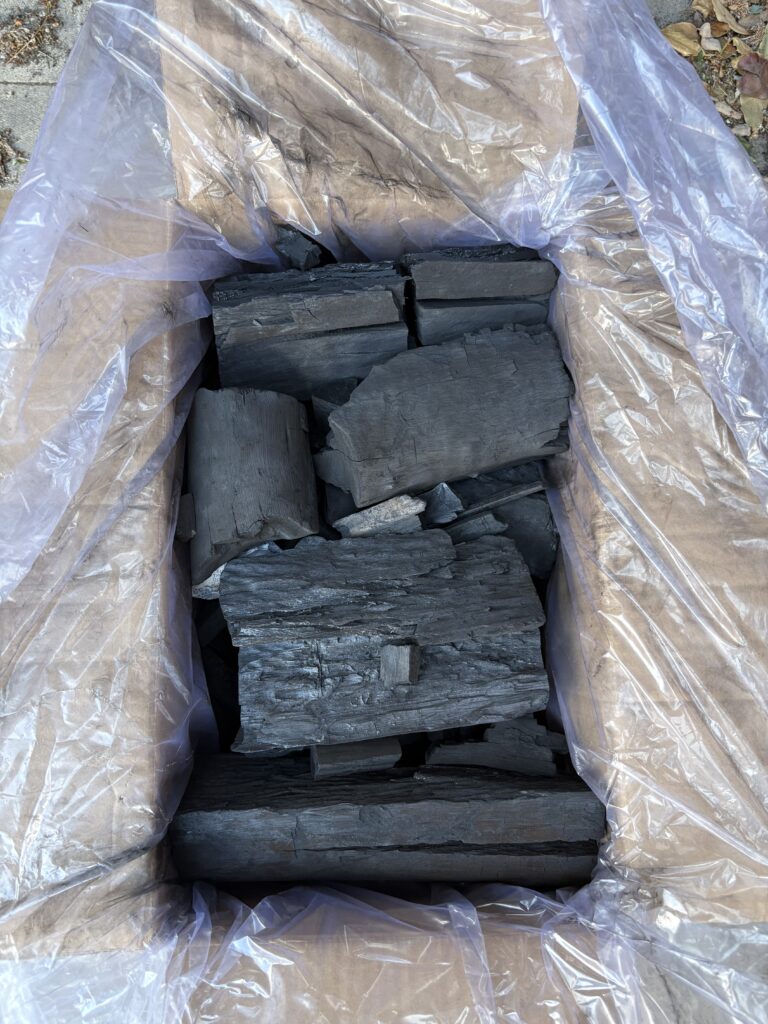
FAQ: Why does Big Ed’s Charcoal have a mix of big and small lumps?
Big Ed’s is all about top-quality, long-burning charcoal, made from a mix of Eucalyptus and Mangrove wood. Each 10kg box is packed with...