
How to Cook on a Fire Cage: The Masterclass in Live-Fire Gastronomy
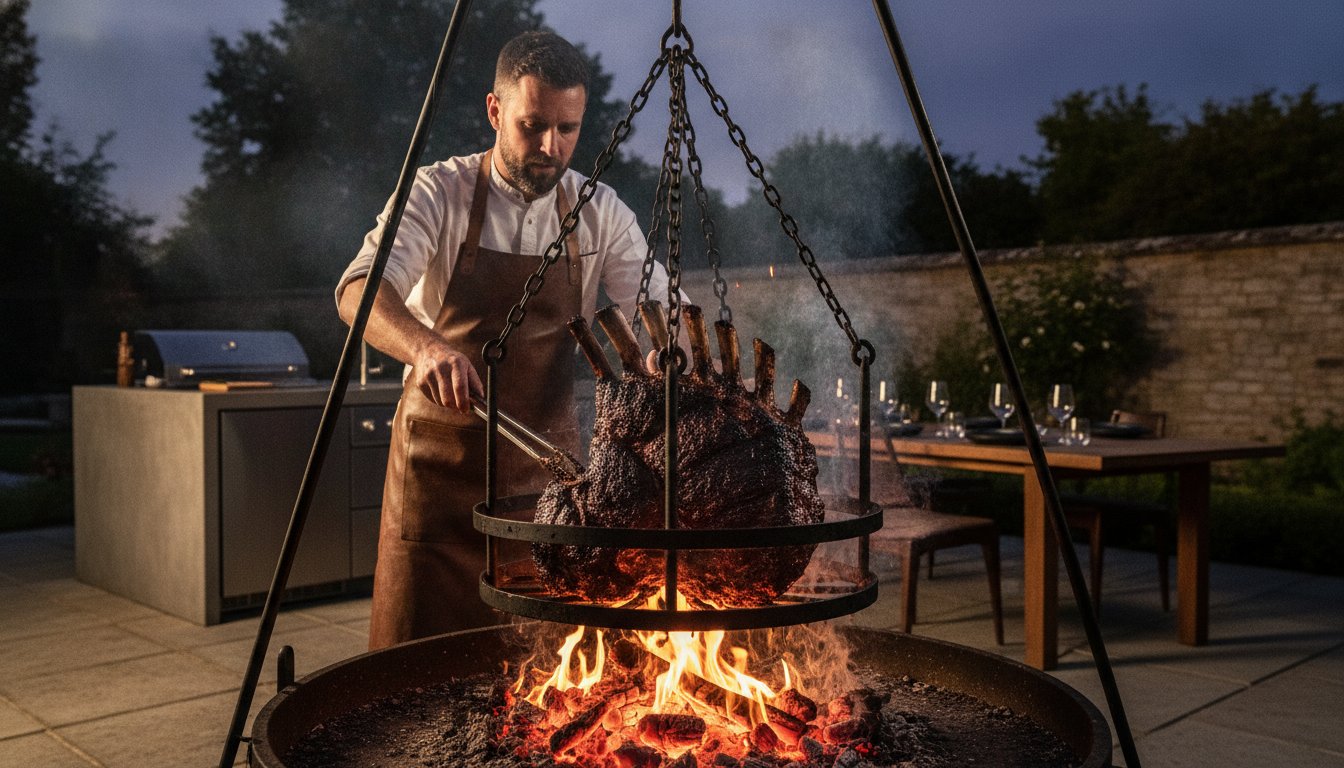
Most outdoor cooks believe the lid is their only defense against uneven heat, but true mastery of the flame requires you to step away from the kettle grill and into the vertical theatre of the fire cage. You’ve likely felt that familiar anxiety when suspended over an open flame, watching a beautiful primal cut and wondering if the core will ever reach perfection before the exterior chars. It’s a common struggle to manage thermal distribution without the safety of a closed lid, and the fear of ruining a premium piece of meat is enough to make anyone hesitant. This guide provides the technical specifications and fire cage recipes uk pitmasters use to achieve culinary excellence, ensuring you have the confidence to tame the elements.
We’re here to bridge the gap between professional-grade live-fire gastronomy and your home sanctuary. You’ll learn the expert techniques required to command temperature and airflow with absolute precision, turning every meal into a refined artistic creation. We will explore the science of fuel selection, from the high-density heat of Oak Charcoal to the nuanced performance of Big Eds, while mastering the art of suspension and ember management. By the time you’ve finished reading, you’ll be ready to transform your outdoor space into a sophisticated retreat where the fire is your most versatile tool.
Key Takeaways
- Understand why the ember bed is the true engine of your cook, using high-density fuels like Big Eds Charcoal for consistent thermal output over several hours.
- Master the technical nuances of vertical and horizontal suspension to achieve flawless 360-degree heat distribution on even the largest primal cuts.
- Learn to develop a professional-grade bark by pairing robust Angus & Oink Rubs with the specific fire cage recipes uk pitmasters rely on for open-air cooking.
- Implement a meticulous cleaning and seasoning regime for your stainless steel or iron equipment to ensure longevity and a natural non-stick surface.
- Transform your garden into a high-end gastronomic hub by bridging the gap between raw flame and culinary precision.
Mastering the Art of the Fire Cage: An Introduction to Live-Fire Gastronomy
The Fire Cage represents the pinnacle of outdoor culinary engineering. It is not merely a grill; it’s a professional-grade tool designed for the meticulous art of open-fire suspension. By elevating your ingredients, you unlock the ability to achieve 360-degree cooking, where radiant heat and moving air work in perfect harmony. This method demands patience and precision, yet it rewards the chef with results that a standard lidded barbecue simply cannot replicate. For those exploring the sophisticated fire cage recipes uk pitmasters frequently turn to, the journey begins with mastering this vertical theatre.
There is a raw, primal joy in this style of preparation. The visual theatre of a whole lamb or a collection of poultry suspended over glowing embers creates an evocative focal point for any social gathering. It connects us to the ancient history of outdoor cooking, where the scent of rendering fat and aromatic wood smoke defines the atmosphere. This is asado-style gastronomy at its finest, where the slow-and-low philosophy meets the intense, direct energy of a managed fire bed. A well-placed Fire Cage becomes the undisputed centrepiece of a high-end outdoor kitchen, transforming a simple garden into a private retreat for the seasoned connoisseur.
The Anatomy of a Professional Fire Cage
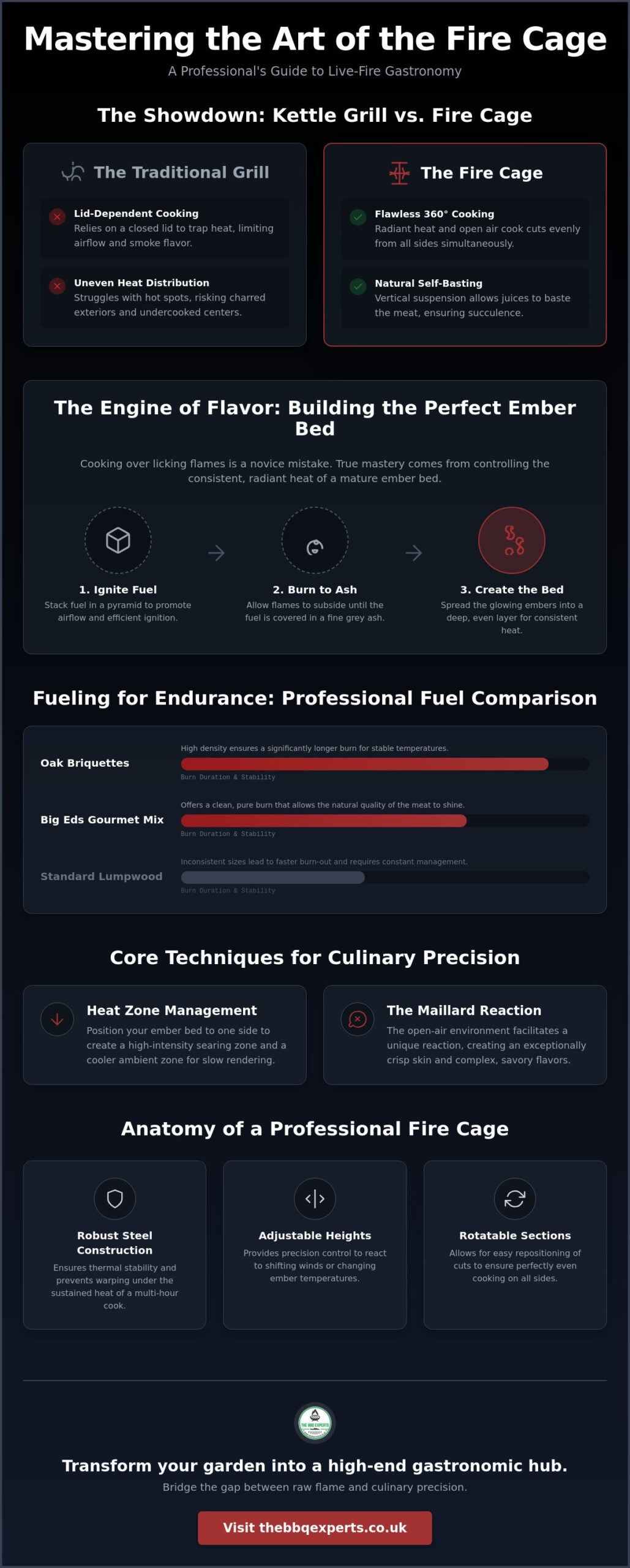
Success in live-fire cooking relies heavily on the quality of your hardware. A professional cage must feature robust steel construction to ensure thermal stability. Thinner materials often warp under the sustained heat of a six-hour cook, leading to uneven results. Look for designs with adjustable heights and rotatable sections. These features provide the precision heat control needed to react to shifting winds or changing ember temperatures. Unlike a closed grill, the open structure of the cage allows for superior smoke circulation, ensuring every inch of the meat is kissed by the fire without becoming acrid.
Why Suspension Cooking Changes the Flavour Profile
The magic of the Fire Cage lies in the “basting effect.” As the meat hangs vertically, juices and rendered fats travel down the cut, naturally basting the protein as it cooks. This constant internal and external moisture creates a succulent texture that is difficult to achieve on a flat grate. Simultaneously, the open-air environment facilitates a unique Maillard reaction. The skin becomes exceptionally crisp while the interior remains tender, a hallmark of the fire cage recipes uk experts champion. To ensure your station is fully prepared for this level of cooking, refer to our Ultimate BBQ Master Checklist for all the essential gear and setup tips.
Building the Perfect Ember Bed: Fuel and Temperature Control
The engine of your fire cage isn’t the dancing flame; it’s the glowing heart of the ember bed. Cooking directly over active, licking flames is a novice mistake that results in soot-stained meat and scorched exteriors. To execute professional fire cage recipes uk enthusiasts admire, you must wait for your fuel to transform into a steady source of radiant energy. This “taming” process involves lighting your fuel in a pyramid, allowing it to burn until it’s covered in a fine grey ash, and then spreading it into a deep, even layer. Only then do you have the consistent thermal output required for a long-duration cook.
Managing a fire for six hours or more requires a strategic approach to heat zones. Instead of centering your fire, try feeding the fuel to one side of the base. This creates a high-intensity radiant zone for searing and a gentler ambient zone for the slow rendering of fats. You can further refine this by using a chapa or a simple metal shield to protect delicate sections of the meat from excessive heat. If you’re finding the physics of thermal distance a challenge, speak with our specialist team for tailored advice on your specific outdoor setup.
Selecting Your Fuel: Charcoal vs. Briquettes
For the endurance required in live-fire gastronomy, Oak Briquettes are the superior choice. Their high density ensures they burn for significantly longer than standard lumpwood, maintaining a stable temperature without constant intervention. If your goal is absolute flavour purity, Big Eds Gourmet Mix offers a clean burn that lets the natural quality of the meat shine. You can explore the specific science behind these choices in our Ultimate Guide to Charcoal.
Managing Heat Without a Lid
Without a lid to trap heat, you must rely on the “Hand Test” to estimate temperatures at the cage level. Carefully hold your hand where the meat will hang; if you can only hold it there for 2 to 3 seconds, you’re at a high heat suitable for initial browning. A 5 to 8-second window indicates the medium-low heat ideal for long-term roasting. Monitoring this is crucial to ensure all proteins reach safe cooking temperatures without drying out. Adjust the cage height or move the suspension point horizontally to respond to shifting UK winds, ensuring your fire cage recipes uk results remain consistent regardless of the weather.
Essential Techniques for Cooking on a Fire Cage
Securing a ten-kilogram lamb or a massive brisket within the steel lattice of a fire cage requires more than just luck; it demands engineering. This is the foundation upon which all successful fire cage recipes uk are built. You must ensure the meat is held under constant tension, using food-grade stainless steel wire or heavy-duty hooks to prevent any movement during the cook. A common fear for beginners is the meat falling into the embers, but proper safety wiring and double-tensioning the cage panels eliminate this risk entirely. It’s about creating a stable, secure environment where the protein can undergo its transformation undisturbed.
In this open environment, traditional cooking times become secondary to internal temperature monitoring. Because you’re dealing with shifting winds and ambient UK temperatures, a professional-grade wireless probe is your most valuable ally. This interaction between the heat and the wood smoke is where the science of smoky flavor truly comes alive, as chemical compounds like guaiacol develop within the meat’s crust. You aren’t just cooking; you’re managing a complex chemical reaction that requires constant, data-driven attention.
The Art of the Vertical Hang
Choosing a vertical hang is ideal for whole poultry or legs of lamb, as gravity becomes a culinary tool. As the meat hangs, the internal fats render and travel down the length of the cut, naturally basting the protein and keeping the interior succulent. You’ll need to rotate the cage every thirty to forty-five minutes to ensure an even bark develops across the entire surface area. Patience is the secret ingredient here. Mastery of the vertical hang means resisting the urge to move the meat too close to the heat; let the rising warmth do the work slowly.
Managing Large Primal Cuts
When handling massive beef ribs or whole-animal cooks, you’ll inevitably face “the stall.” In an open-fire setting, the lack of a lid means evaporation happens more rapidly, which can extend the stall period. Resist the temptation to wrap in foil immediately. Instead, adjust your thermal distance to push through the plateau while maintaining that professional-grade bark. Once the target temperature is reached, the rest period is non-negotiable. Allow large cuts to rest for at least forty-five minutes in a warm, draught-free space. This allows the muscle fibres to relax and reabsorb those precious juices, ensuring the final texture is as refined as the process itself. If you’re looking for inspiration on which cuts to start with, many fire cage recipes uk enthusiasts begin with a bone-in rib of beef to practice these suspension techniques.
Fire Cage Recipes: Elevating Flavour with Rubs and Smoke
Seasoning for the fire cage requires a bolder approach than your average kitchen roast. Because you’re cooking in an open-air environment with high air circulation, moisture evaporates rapidly, and subtle flavours can easily be lost to the wind. To execute the most successful fire cage recipes uk pitmasters recommend, you must apply your seasoning with a heavy hand. This isn’t just about heat; it’s about creating a structural barrier. A thick layer of quality rub acts as a foundation for the smoke particles to cling to, eventually hardening into that coveted, professional-grade bark that defines high-end live-fire gastronomy.
Over a 6 to 12-hour cooking window, you have the opportunity to layer flavours with surgical precision. The interaction between the dry rub and the steady stream of clean smoke from your ember bed creates a complex chemical profile. To maintain surface moisture without washing away your hard-earned seasoning, use a mop sauce. A simple blend of apple cider vinegar, beer, or beef stock applied with a long-handled brush every hour will keep the exterior supple. This allows the smoke to continue penetrating the meat rather than bouncing off a dried-out, leathery surface. If you’re unsure which flavour profiles suit your specific cut, enquire about our professional flavour consultations.
Why Angus & Oink Rubs are the Professional Choice
In the demanding world of open-fire suspension, not all seasonings are equal. We exclusively recommend the Angus & Oink range because their profiles are engineered for endurance. Their specific sugar-to-salt ratio is designed to handle high-intensity radiant heat without scorching or becoming bitter. For beef, look for rubs with heavy black pepper and garlic bases; for lamb, lean towards herbaceous, savoury blends. To ensure the rub adheres during the long suspension process, apply a light binder like mustard or oil and allow the meat to “sweat” for twenty minutes before it ever touches the cage.
Infusing Flavour with Specialty Charcoals
Your choice of fuel is your primary seasoning. Using Coffee Restaurant Charcoal provides an incredible earthy depth that complements the rich fats of a brisket or beef rib. As the cook nears its conclusion, you can introduce Eucalyptus charcoal to the bed. It provides an intense, clean heat that’s perfect for the final searing phase to crisp up the exterior. For those seeking specific aromatic notes, adding chunks of seasoned Oak or Cherry wood to your embers will provide the final layer of complexity that separates a hobbyist cook from a masterclass performance. This tailored approach to fuel is what makes fire cage recipes uk truly stand out in the global outdoor cooking scene.
Maintaining Your Equipment and Planning Your Next Cook
The performance of your fire cage is directly linked to the care you afford it between gatherings. After the theatre of the cook has concluded and the embers have cooled, maintenance becomes the ritual of the true connoisseur. Whether your setup is high-grade stainless steel or traditional iron, preventing rust and degradation is paramount to ensuring your hardware remains a lifetime investment. A well-maintained cage doesn’t just last longer; it performs better, allowing for the precise tensioning and heat distribution required for the most ambitious fire cage recipes uk enthusiasts can imagine. Treat your equipment with the same respect you show your ingredients, and it will reward you with decades of culinary excellence.
Post-Cook Maintenance and Storage
Ready to Upgrade Your Outdoor Kitchen?
Your Journey to Live-Fire Excellence Begins Now
You’ve now transitioned from a casual griller to a student of live-fire gastronomy. By mastering the vertical theatre of the fire cage, you’ve unlocked the ability to transform raw ingredients into sophisticated artistic creations. True mastery relies on the patience of the ember bed and the surgical application of flavour through high-end rubs and smoke. Whether you’re perfecting a bone-in rib or exploring new fire cage recipes uk, your outdoor space has become a private retreat for culinary precision.
As a specialist UK retailer of professional-grade Fire Cages and an award-winning Angus & Oink Rubs stockist, we’re dedicated to your success. We offer national delivery on bulk restaurant-grade charcoal pallets to ensure you have the high-density fuel required for every masterclass. Contact our experts today to find the perfect Fire Cage and premium fuels for your outdoor kitchen. It’s time to step away from the standard grill and embrace the raw, sensory joy of the flame. We can’t wait to see what you create.
Frequently Asked Questions
How long does it take to cook a whole lamb in a fire cage?
A whole lamb typically requires between six and eight hours of sustained, gentle heat to reach perfection. This duration allows the connective tissues to break down slowly while the exterior develops a refined, crisp texture. Factors like the animal’s weight and the specific UK weather conditions on the day will influence the final timeline. Always use a professional probe to ensure you’ve reached the desired internal temperature before carving.
What is the best type of charcoal for fire cage cooking?
High-density fuels like Oak Briquettes or Big Eds Charcoal are the superior choices for the long-duration sessions required for fire cage recipes uk pitmasters. These fuels provide a consistent, clean thermal output that lasts for several hours without the need for constant refuelling. This stability is essential for maintaining the delicate balance of radiant heat needed for suspension cooking over an open ember bed.
Do I need to flip the meat while it is in the fire cage?
You must rotate the fire cage every thirty to forty-five minutes to ensure even thermal distribution across the entire surface of the cut. Since the heat source is directional, failing to rotate will result in one side being charred while the other remains undercooked. This rhythmic rotation is part of the sensory joy of live-fire gastronomy, allowing you to monitor the bark development in real time.
Can I use a fire cage in a standard fire pit?
You can use a fire cage with a standard fire pit as long as there is sufficient clearance for the cage to stand securely and for airflow to circulate. The pit acts as the vessel for your ember bed, but you must ensure the base is stable enough to support the weight of the cage and the protein. Proper positioning is key to managing the thermal distance effectively in this setup.
How do I prevent the meat from drying out during an open-fire cook?
Preventing moisture loss involves a combination of maintaining proper thermal distance and using mop sauces to hydrate the surface regularly. Applying a simple basting liquid every hour creates a barrier that slows evaporation without stripping away your Angus & Oink Rubs. A long rest period after the cook is equally vital for allowing juices to redistribute within the muscle fibres for a succulent result.
Is fire cage cooking safe in windy conditions?
Cooking in windy conditions is safe but requires active management of the cage’s height and horizontal distance from the embers. UK gusts can accelerate the burn rate of your fuel and shift the heat path, so you’ll need to stay vigilant and adjust accordingly. Ensure your meat is secured with double-tensioned safety wiring to prevent any movement caused by strong breezes during the suspension process.
What internal temperature should I aim for when cooking large beef cuts?
For large primal beef cuts, you should aim for an internal pull temperature of 52°C to 54°C to achieve a perfect medium-rare result after resting. In an open-fire environment, the meat will continue to rise in temperature once removed from the radiant heat. This methodical approach ensures you don’t overcook expensive cuts, preserving the luxury texture and deep flavour profile expected from fire cage recipes uk mastery.
How do I clean a fire cage after a heavy cook?
Cleaning your fire cage is best done while the metal is still warm, using a stiff wire brush to remove carbon buildup and fat residue. Avoid using harsh detergents that might strip the protective patina you’ve worked hard to build through repeated use. Once the cage is clear of debris, apply a light coating of food-grade oil to season the metal, protecting it from the elements until your next gathering.
Disclaimer
This article was produced with AI assistance. We use AI and Third Parties to help deliver more content to our BBQ website and community, but we always aim to ensure accuracy and quality as much as we can. If you spot anything that doesn't seem right, we'd love to hear from you

Recent News & Updates

Our Story, Values and Beliefs
Here at the BBQ experts we have a passion for BBQ food, outdoor living and spending time with family and friends. We offer you; A...
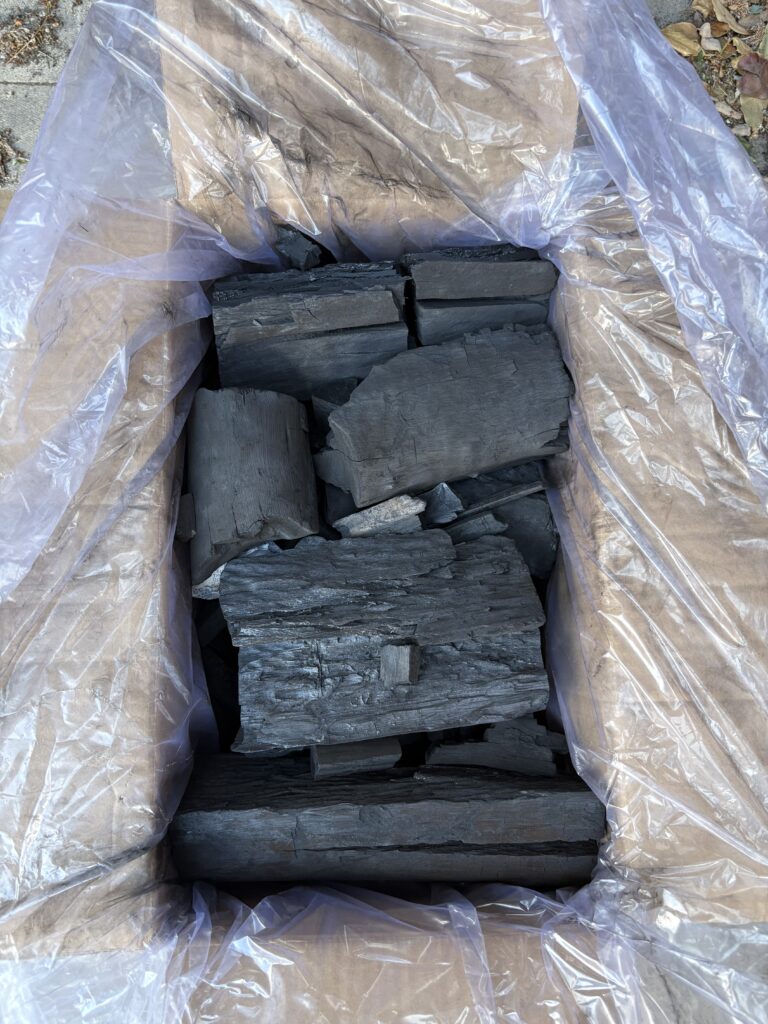
FAQ: Why does Big Ed’s Charcoal have a mix of big and small lumps?
Big Ed’s is all about top-quality, long-burning charcoal, made from a mix of Eucalyptus and Mangrove wood. Each 10kg box is packed with...