
Best Charcoal for Hibachi Grill: 2026 Guide
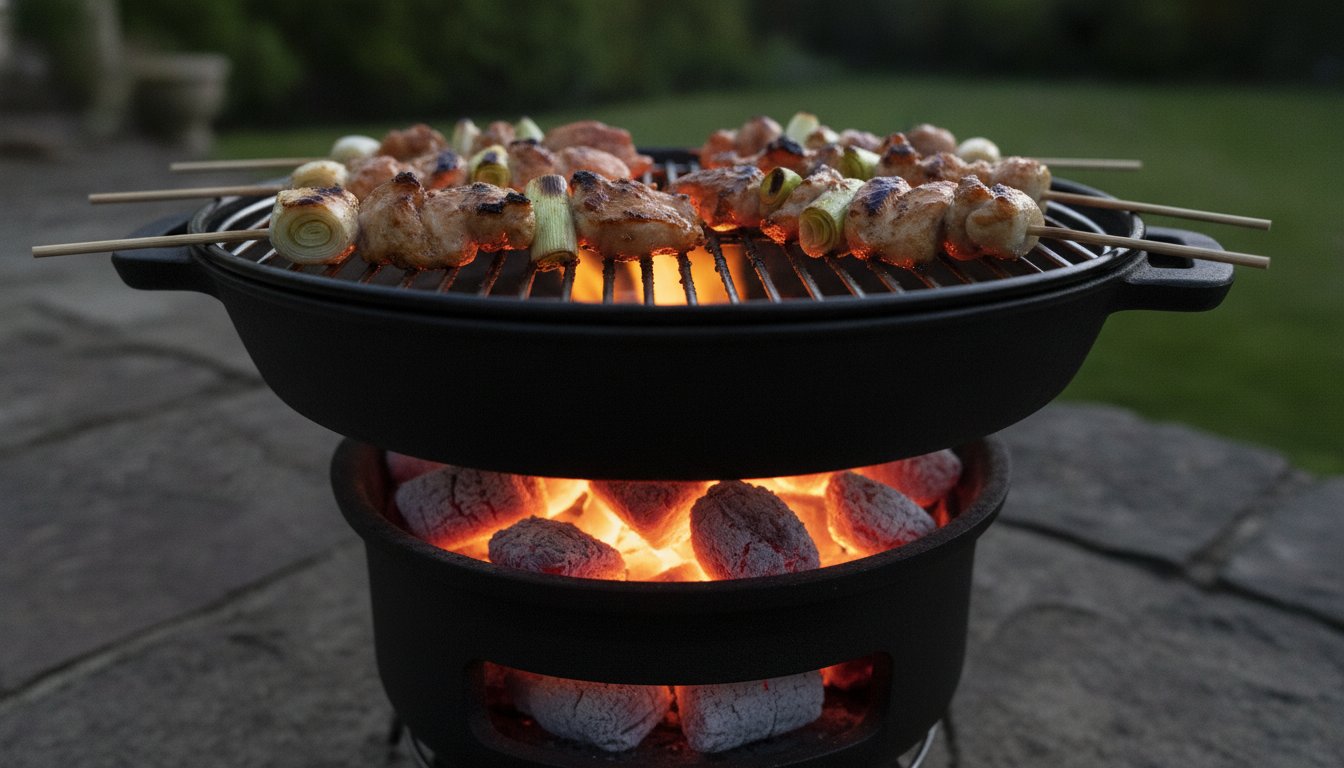
Your Hibachi grill isn’t a miniature fireplace; it’s a precision instrument designed to harness invisible infrared energy. Most backyard chefs in the UK struggle with flare-ups and acrid smoke because they’re using standard supermarket fuel for a tool that demands pure, searing carbon. You’ve likely felt the frustration of watching premium Wagyu or delicate chicken skewers char on the outside while remaining raw within, or worse, seeing your bamboo sticks catch fire before the meat develops a crust.
Mastering the art of Japanese skewer cooking requires more than just technique; it requires the right energy source. Finding the best charcoal for hibachi grill is the single most important step in elevating your outdoor gastronomy into a refined social experience. We’ll show you how to discover high-performance fuels that deliver authentic infrared heat and professional flavour. This guide explores everything from the robust, restaurant-grade baseline of Big Eds Charcoal to the legendary longevity of Binchotan; ensuring your next session delivers consistent heat and that elusive, perfect crust.
Key Takeaways
- Understand why radiant infrared energy, rather than open flame, is the essential secret to achieving a restaurant-quality crust on your skewers.
- Discover the unique properties of Binchotan and how to identify the best charcoal for hibachi grill by its signature high-density metallic ring.
- Explore high-performance alternatives like Big Eds Charcoal and specialist woods to maintain intense heat and flavour during extended social gatherings.
- Master the “flip and baste” technique to build complex layers of flavour while ensuring your delicate ingredients cook evenly.
- Learn the proper lighting rituals and fuel selection strategies to protect your hardware and prevent chemical taints from ruining your meal.
The Science of Searing: Why Your Hibachi Charcoal Choice Matters
To master the art of Japanese skewer cooking, you first need to understand the vessel. What is a Hibachi? Traditionally, it’s a compact, ceramic-lined grill designed to hold heat with incredible efficiency. Unlike a wide-set barbecue, the Hibachi focuses every joule of energy upward through a narrow opening. This design demands a specific type of fuel. Selecting the best charcoal for hibachi grill becomes a matter of culinary precision; if you use standard, spark-heavy lumpwood, you’ll find the heat is too volatile for the delicate balance required for Yakitori.
Infrared Energy: The Invisible Ingredient
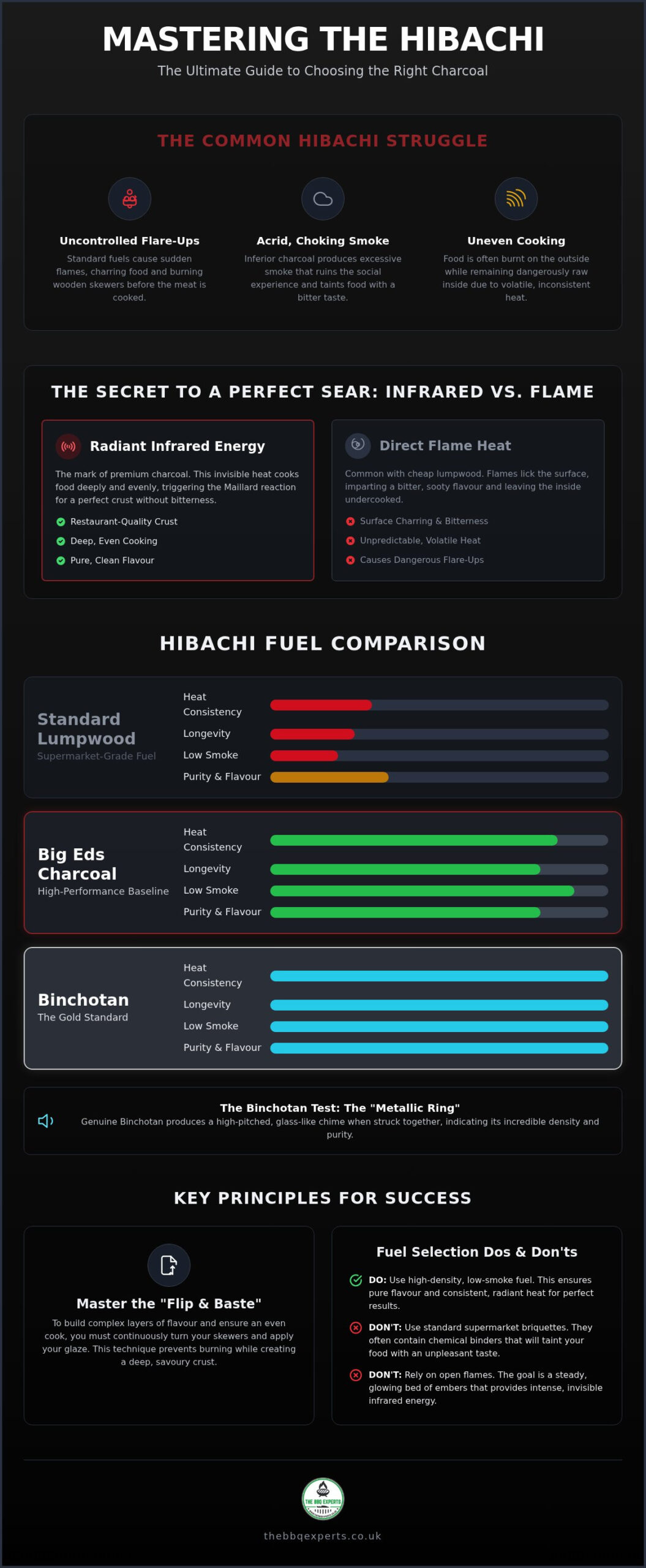
The best charcoal for hibachi grill doesn’t just burn; it glows with intense infrared energy. This invisible spectrum is the secret to that perfect restaurant-quality crust. While open flames often lick the meat and leave an acrid, soot-filled taste, infrared waves penetrate the muscle fibres deeply. This cooks the ingredient from the inside out while simultaneously triggering the Maillard reaction on the surface. You get that deep, savoury umami without the bitterness of cheap, fast-burning fuels. It’s this steady radiation that prevents burnt skewer sticks while ensuring the meat reaches a safe temperature.
Fuel Density and Airflow Management
Space is a luxury inside a Hibachi. The ceramic walls are built to insulate, but they also restrict oxygen flow. Standard charcoal burns too fast in these conditions, often choking itself with ash. High-density fuels like Big Eds Charcoal are engineered for this exact environment. Because the carbon is so pure and the density so high, these pieces don’t require massive amounts of oxygen to stay lit. They provide a steady, even thermal distribution across the entire bed, eliminating the cold spots that ruin a social grilling session. Choosing Big Eds Charcoal ensures your focus remains on the guest and the gastronomy, not on managing a temperamental fire.
The Hibachi is more than a tool; it’s a social centerpiece that transforms your exterior space into a private retreat. When you’re hosting table-side, the sensory experience is paramount. Low-smoke fuel isn’t just a technical preference; it’s a necessity for comfort. You want your guests to be mesmerised by the glowing embers and the aroma of searing proteins, not blinded by a cloud of grey smoke from inferior wood. This is the difference between a simple meal and a refined artistic creation.
Binchotan: The Gold Standard of Japanese Grilling
Binchotan isn’t just fuel; it’s the pinnacle of carbon craftsmanship. Known as “White Charcoal” due to the pale ash residue left by its unique cooling process, it represents a tradition of purity that dates back centuries. Unlike standard charcoal, Binchotan is fired at temperatures exceeding 1,000 degrees Celsius before being smothered in a mixture of sand, soil, and ash. This intense process creates a substance so dense it’s virtually pure carbon. If you’ve ever held a piece of genuine Binchotan, you’ll know the “Metallic Ring”. When two pieces strike each other, they produce a high-pitched, glass-like chime rather than a dull thud. This sound is the ultimate indicator of the best charcoal for hibachi grill, signalling a density that promises hours of unwavering heat.
Because it’s nearly pure carbon, Binchotan is almost entirely smokeless and odourless. This allows the natural profile of your ingredients, from aged beef to fresh scallops, to take centre stage. Understanding the science of searing reveals that while smoke provides flavour, too much acrid smoke from low-quality fuel masks the delicate nuances of the food. Binchotan provides the heat without the interference, allowing the Maillard reaction to develop a clean, sweet crust that’s free from the chemical taints of lesser coals.
Bincho Hexagonal Briquettes: The Professional Choice
While traditional branch-style Binchotan is beautiful, many UK enthusiasts find Bincho Professional Charcoal Hexagonal Briquettes more practical for regular use. These precision-engineered briquettes offer the same high-carbon performance but in a uniform shape that stacks perfectly within the narrow confines of a Hibachi. This uniformity ensures there are no gaps in your heat bed, allowing for a perfectly consistent cook across every skewer. It’s why these are the preferred choice for professional kitchens where consistency is non-negotiable and every millimetre of grill space must be utilised effectively.
Managing the High-Heat Burn
Binchotan can reach temperatures of 800 degrees Celsius, yet it remains one of the safest fuels for smaller garden spaces because it doesn’t spark or pop. While the initial investment is higher than supermarket bags, the longevity is unmatched. One load can easily burn for four to five hours, outlasting standard lumpwood three times over. When you break it down by cost-per-hour, this premium fuel is surprisingly economical. If you’re unsure which grade suits your specific setup, feel free to reach out to our specialists for tailored advice on fuel pairing.
Premium Alternatives for Intense Heat and Flavour
While traditional Binchotan charcoal remains the ultimate benchmark, your journey into Hibachi mastery doesn’t end there. The pursuit of the best charcoal for hibachi grill often leads to specialized woods that offer distinct thermal profiles and aromatic nuances. For those hosting larger social gatherings, relying solely on ultra-dense logs can be a challenge. You need versatility without sacrificing the intense infrared energy that defines this style of cooking. These alternative fuels provide a bridge between professional performance and the practical needs of the home enthusiast.
Coffee and Eucalyptus: The High-Heat Contenders
Coffee wood is a revelation for the Hibachi enthusiast. It burns at an incredibly high temperature while producing significantly less ash than domestic hardwoods. This is critical for ceramic-lined grills where ash buildup can quickly choke the airflow and dampen your fire. Our A Grade Finest Coffee Restaurant Charcoal provides a steady, searing heat that is perfect for fast-cooking skewers like chicken skin or fatty pork belly. It offers a clean burn that lets the quality of your ingredients speak for themselves.
If sustainability is your focus, Eucalyptus Binchotan offers a compelling alternative. It mimics the thermal properties of traditional Japanese oak but utilizes fast-growing, managed timber. It delivers that signature long burn, allowing you to sustain a social session for hours. These high-energy fuels are often denser than what you’ll find in a local garden centre. A technical tip for success is to mix your fuels. Use a handful of more porous charcoal to help ignite the denser premium logs, ensuring a smooth transition to peak temperature without the frustration of a cold start.
Oak Briquettes for Consistent Social Grilling
For sessions where the conversation flows as freely as the drinks, consistency is king. Turkish Oak is prized for its superior aromatic profile, particularly when paired with beef skewers. It produces a clean, “blue smoke” that gently seasons the meat without overpowering the natural fats. Our Turkish Oak Charcoal for amazing flavour is a reliable workhorse for these longer afternoons, providing a predictable heat that makes timing your courses effortless.
Big Eds Charcoal serves as the robust, restaurant-grade baseline for any outdoor kitchen. It offers the density required for professional results while remaining approachable for those still perfecting their lighting technique. Whether you’re searing delicate seafood or building a complex crust on a ribeye skewer, these premium alternatives ensure your Hibachi remains the social hub of your home. By choosing the right fuel, you’re not just cooking; you’re creating a refined retreat in your own exterior space.
Mastering the Hibachi: Techniques and Seasoning Synergy
Precision begins long before the first ember glows. While selecting the best charcoal for hibachi grill provides the raw energy, your knife skills dictate the final texture. Uniformity is the non-negotiable rule; each piece of protein must be cut to an identical thickness to ensure the radiant heat penetrates every skewer at the same rate. This consistency prevents the common pitfall of serving one charred cube alongside a raw one. By arranging your coals to create a slight gradient, you can manage the intense heat of the narrow bed, effectively creating thermal zones that allow you to sear at one end and rest delicate vegetables at the other.
Elevating Flavour with Angus & Oink Rubs
Your journey doesn’t end with purchasing the best charcoal for hibachi grill; it continues with the stewardship of your equipment and the respect you show your fuel. High-performance charcoal is a direct investment in flavour. Treating it with the same care as a fine chef’s knife ensures you extract every ounce of its thermal potential. Because Hibachi grills are often ceramic-lined, they’re sensitive to thermal shock and moisture. Using the wrong lighting method or leaving ash to sit in the bed can degrade the insulation, eventually leading to hairline cracks that compromise your grill’s efficiency and longevity.
The lighting ritual is your first opportunity to protect the purity of your gastronomy. Avoid chemical starters at all costs. These liquids leave a lingering petro-chemical taint that ruins the subtle aromatics of premium woods like Coffee or Turkish Oak. Instead, use natural firelighters for a clean start. These odourless, wood-based alternatives provide a steady, clean flame that coaxes the charcoal to life without interfering with the delicate Maillard reaction you’ve worked so hard to achieve.
The Lighting and Extinguishing Process
Patience is a virtue when igniting ultra-dense carbon. For Binchotan, a chimney starter is your most effective tool. Place the logs vertically to encourage airflow and wait until they glow with a deep, uniform orange. This process takes longer than lighting supermarket briquettes, but the reward is a heat that lasts for hours. Once your social session concludes, don’t let that precious carbon turn to ash. Use the “Water Dip” method: carefully remove the glowing pieces with long tongs and submerge them in a bucket of water. Once dry, this high-density fuel can be reused for your next session, making it one of the most sustainable secrets in outdoor cooking.
Why Buy From The BBQ Experts?
We position ourselves as the bridge between professional-grade equipment and the home enthusiast. Our curated selection of Hibachi hardware and premium fuels isn’t just about retail; it’s about providing the tools for a transformed lifestyle. We only recommend products we’ve tested in the heat of battle, ensuring your investment is backed by seasoned connoisseurship. If you’re ready to elevate your skills and status, consult our experts for the perfect Hibachi setup. We’ll help you select the best charcoal for hibachi grill tailored to your specific hardware and culinary ambitions.
Ignite Your Private Culinary Retreat
Mastering the Hibachi is about more than just high-end hardware; it’s about harnessing the invisible energy that transforms a simple skewer into a culinary masterpiece. You now understand that the secret to that perfect, restaurant-quality crust lies in the radiant infrared heat produced by high-density carbon. Whether you choose the legendary, glass-like chime of Binchotan or the robust, reliable performance of Big Eds Charcoal, selecting the best charcoal for hibachi grill is the foundation of every successful session. When you pair these elite fuels with the bold, caramelising profiles of Angus & Oink Rubs, you aren’t just cooking; you’re curating a sensory experience that defines the social hub of your home.
Our specialists are ready to guide you through our curated range of professional-grade hardware and premium fuels. Upgrade your outdoor gastronomy with our expert Hibachi range and receive the mentor support you need to refine your craft. Your journey toward becoming a seasoned connoisseur of the grill starts with a single glowing ember. We look forward to helping you create your next social masterpiece.
Frequently Asked Questions
What is the best type of charcoal for a Japanese skewer grill?
Binchotan is widely regarded as the best charcoal for hibachi grill due to its pure carbon content and intense infrared radiation. It burns at exceptionally high temperatures for hours without sparking. For larger sessions, high-density restaurant-grade fuels like Big Eds Charcoal offer a robust alternative. These professional fuels ensure you achieve a restaurant-quality crust without the acrid smoke associated with standard supermarket lumpwood found in most UK shops.
Do I need to soak bamboo skewers before using them on a Hibachi?
You should soak bamboo skewers in cold water for at least 30 minutes to prevent them from splintering or catching fire. However, the true secret lies in your grill technique. By keeping the exposed handles over the cool ceramic edges of your Hibachi, you protect the wood from the direct path of the infrared waves. This dual approach ensures your skewers remain structurally sound while the meat sears to perfection.
What is the difference between a Hibachi and a Konro grill?
Historically, a Hibachi was a room heater, while a Konro was specifically for cooking. In the modern UK market, these terms are often used interchangeably to describe ceramic-lined, rectangular grills. Both designs excel at insulating heat and focusing energy upward. Whether you call it a Hibachi or a Japanese Charcoal Grill, the performance depends entirely on using high-carbon fuel that maintains steady thermal distribution within its compact, efficient frame.
How do I light Binchotan charcoal without a gas burner?
You can light Binchotan effectively using a chimney starter and natural firelighters. Place the denser logs vertically inside the chimney to create a concentrated heat tunnel. It requires more patience than standard coal, often taking 20 to 30 minutes to reach a deep orange glow. Avoid using chemical accelerants; these will ruin the clean, odourless profile that makes premium Japanese grilling so unique and aspirational for home enthusiasts.
Can I reuse Binchotan charcoal after it has been used once?
Yes, the high density of Binchotan makes it incredibly sustainable. Once you’ve finished cooking, use long tongs to submerge the glowing embers into a bucket of water. This “water dip” method extinguishes the core immediately. After the pieces have thoroughly air-dried, they’re ready for your next session. This reusability significantly lowers the cost-per-hour, making it a logical investment for anyone serious about their outdoor culinary journey.
Why is my Hibachi grill smoking so much?
Excessive smoke is usually a sign of low-quality fuel or unrendered fat hitting the coals. Standard lumpwood often contains uncarbonised wood or resins that produce thick grey smoke. To maintain a refined, table-side atmosphere, you must use the best charcoal for hibachi grill, such as a high-purity Binchotan or Oak Charcoal. These fuels burn cleanly, ensuring that any smoke produced is a light, flavourful vapour from the meat itself.
What are the best meats to use for Japanese skewer grilling?
Fatty proteins are the champions of the Hibachi. Chicken thighs, pork belly, and highly marbled beef like Wagyu thrive under intense infrared heat. The fat renders quickly, dripping onto the coals to create a flavour-filled mist that seasons the meat. To elevate these cuts further, apply Angus & Oink Rubs. These professional seasonings are designed to caramelise beautifully without burning under the high-thermal energy of a ceramic grill.
How long does it take for a Hibachi grill to be ready for cooking?
Preparation time depends on your choice of fuel. If you’re using Oak Briquettes or standard restaurant-grade charcoal, you’ll be ready in approximately 20 minutes. However, professional Binchotan requires a more patient, methodical approach, often taking 45 minutes to fully saturate with heat. This deliberate pace is part of the ritual, allowing you to prepare your skewers and workspace before the intense social session begins in your private retreat.
Disclaimer
This article was produced with AI assistance. We use AI and Third Parties to help deliver more content to our BBQ website and community, but we always aim to ensure accuracy and quality as much as we can. If you spot anything that doesn't seem right, we'd love to hear from you

Recent News & Updates

Our Story, Values and Beliefs
Here at the BBQ experts we have a passion for BBQ food, outdoor living and spending time with family and friends. We offer you; A...
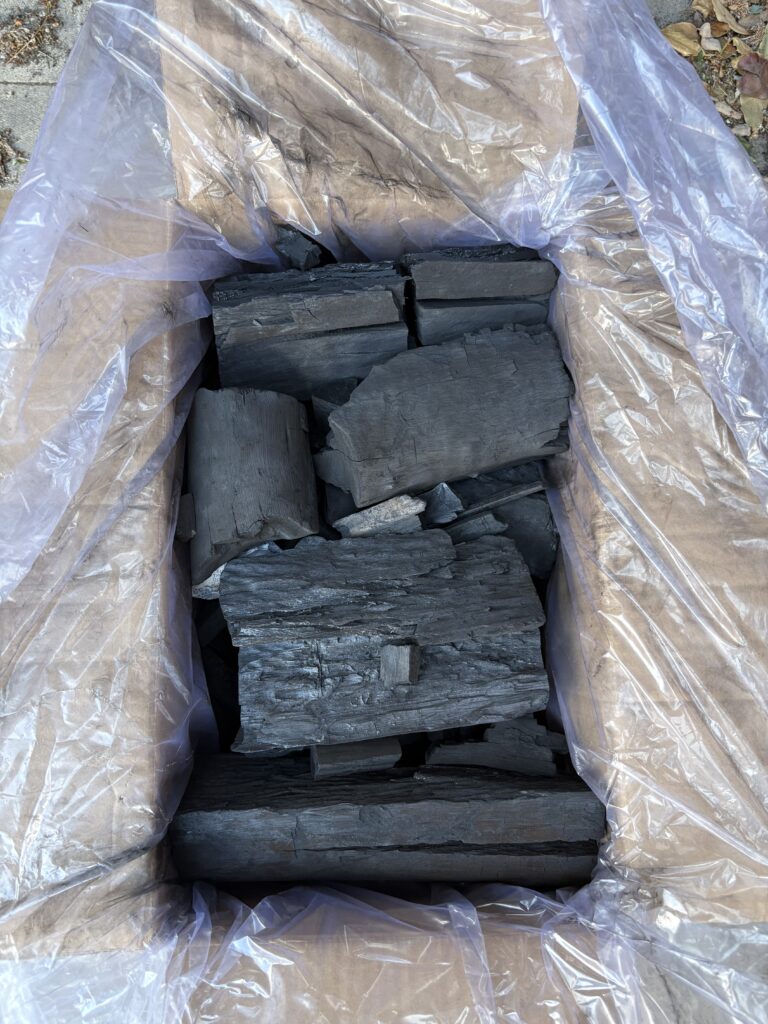
FAQ: Why does Big Ed’s Charcoal have a mix of big and small lumps?
Big Ed’s is all about top-quality, long-burning charcoal, made from a mix of Eucalyptus and Mangrove wood. Each 10kg box is packed with...