
Mastering Picanha Steak: The Connoisseur’s Guide to the Brazilian Rump Cap
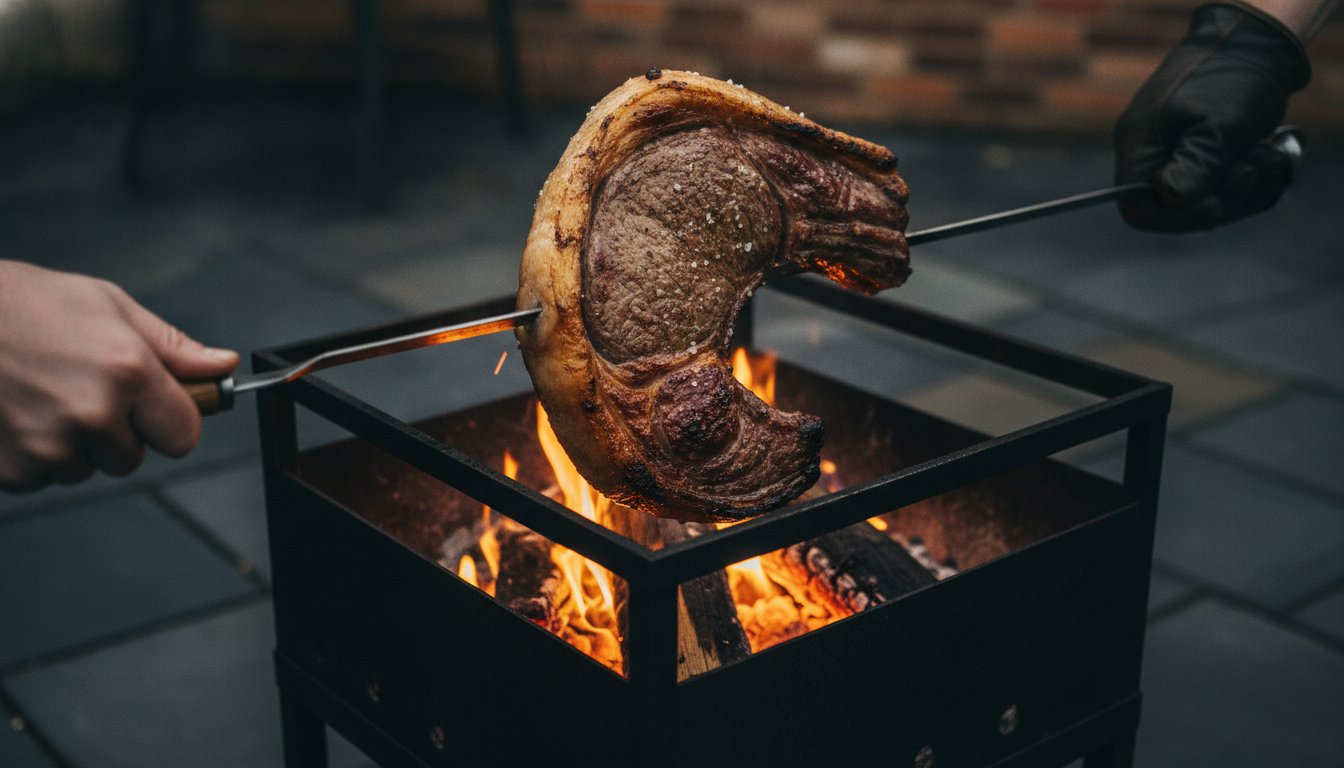
The secret to the world’s most succulent steak isn’t found in the fillet or the ribeye; it’s hidden within the thick, ivory fat cap of the picanha. While many British grillers are accustomed to trimming away fat, the Brazilian rump cap demands the opposite approach, treating that buttery layer as the primary fuel for flavour. You’ve likely felt the frustration of a beautiful cut turning into a charred mess due to aggressive flare-ups, or perhaps you’ve struggled to source the best steak rub uk provides to complement such a rich profile. We understand that pursuit of the perfect, smoky crust and the disappointment when a tough texture or a mislabelled supermarket “rump” lets you down.
This guide promises to transform your outdoor cooking into a high-end gastronomic experience. You’ll discover the technical secrets to selecting the finest beef and mastering thermal distribution on a Hibachi grill or Fire Cage. We will explore the precise anatomy of the sirloin cap and the art of slicing against the grain for a melt-in-the-mouth finish. Prepare to elevate your next gathering with a picanha that boasts a perfectly rendered crust and a deep, complex profile that only professional-grade techniques and premium fuels can achieve.
Key Takeaways
- Identify the authentic picanha at your UK butcher by looking for the Rump Cap or Sirloin Cap with its signature, un-trimmed fat layer.
- Master the “C-shape” skewering method and learn to slice against the grain to guarantee a buttery, tender texture in every bite.
- Optimise your thermal distribution using high-intensity Big Eds Charcoal to achieve a deep, smoky crust without causing fat-cap flare-ups.
- Enhance the natural richness of the beef by selecting the best steak rub uk connoisseurs recommend, such as the specialist blends from Angus & Oink.
- Implement the non-negotiable 15-minute resting rule to ensure juice redistribution for a professional-grade serving experience.
What is Picanha Steak? Understanding the Sirloin Cap
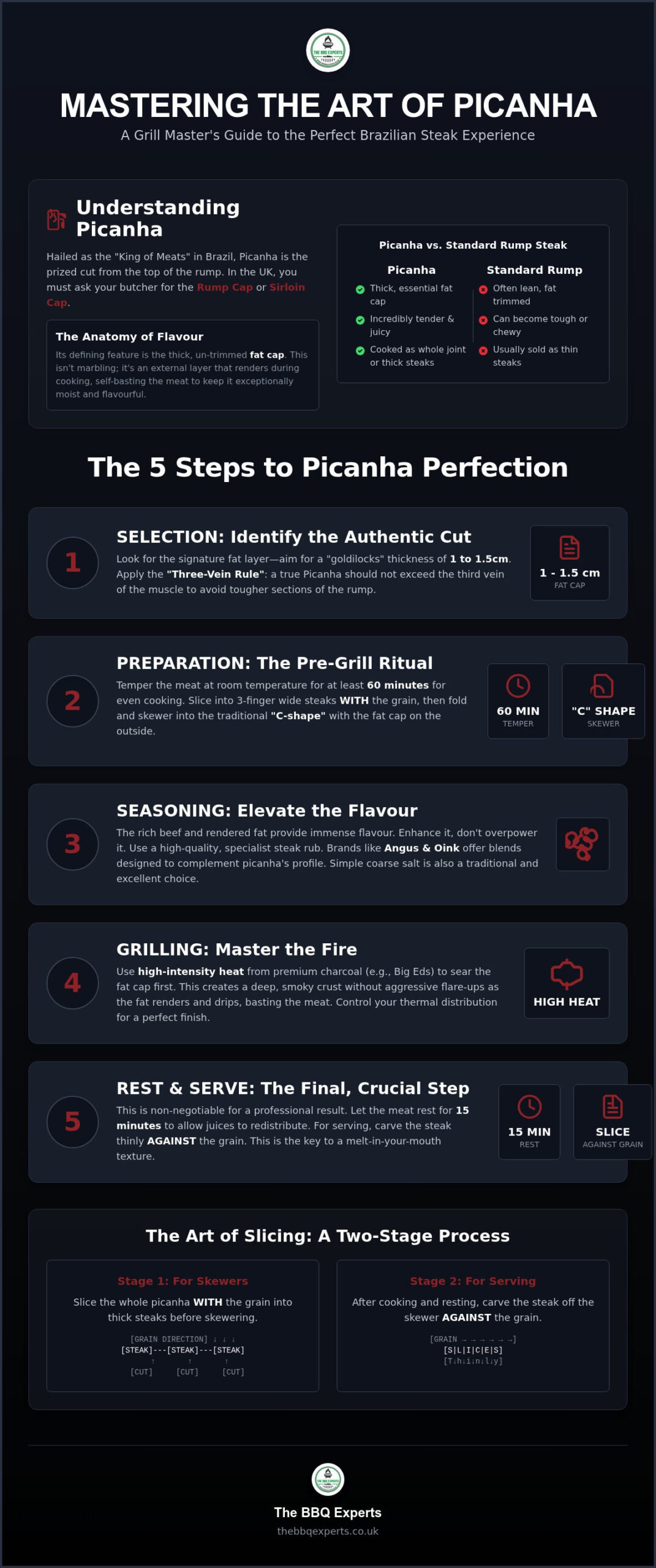
To understand the soul of Brazilian outdoor gastronomy, you must first pay homage to the picanha. In the vibrant Churrascarias of Brazil, this cut is hailed as the “King of Meats,” holding a prestige that far outweighs the fillet or ribeye. While it has recently gained a cult following among British fire-cooking enthusiasts, it’s a cut that requires a connoisseur’s eye to identify correctly. Picanha is the crescent-shaped cut from the rump prized for its fat-to-meat ratio. In the United Kingdom, you’ll rarely find it labelled as picanha in a standard supermarket; instead, you must ask your butcher for the Rump Cap or Sirloin Cap.
Technically known as the biceps femoris muscle, this triangular piece of beef sits atop the rump. It’s distinct from the rest of the animal due to its lack of heavy work, which preserves a tenderness often missing from other hard-working hindquarter cuts. If you’re looking to achieve that authentic South American bark, pairing this cut with the best steak rub uk specialists offer is essential, but the real magic begins with the anatomy of the meat itself. What is Picanha Steak? It is a masterclass in balance, offering the deep, mineral flavour of rump with the succulent texture of a premium roast.
The Anatomy of Flavour: Why the Fat Cap Matters
The hallmark of a true picanha is its substantial, un-trimmed fat cap. This isn’t just a garnish. It’s a functional component that protects the lean muscle from the intense heat of an open fire. Unlike marbling, which is the intramuscular fat found within the meat, the picanha’s fat cap sits externally. As the beef sears over high-intensity heat, this layer renders down, effectively basting the exterior while keeping the interior moist. To ensure you’re getting the genuine article, apply the “three-vein rule.” A true picanha should not exceed the third vein of the muscle; any further and you’re into the tougher, less desirable parts of the rump. This precision in selection is what separates a casual cook from a seasoned master.
Picanha vs. Rump Steak: The Crucial Differences
While picanha is technically part of the rump, it’s a world apart from the standard British rump steak you might find at a local shop. Standard rump is often lean, fibrous, and cut into thin steaks that can easily become chewy. In contrast, picanha is best handled as a whole joint or sliced into thick steaks and threaded onto skewers in a traditional “C-shape.” This method exposes the fat cap to the fire first, creating a decadent, smoky crust. Because the grain runs at a specific angle, picanha remains exceptionally tender when sliced correctly. Before you light your coals, consult The Ultimate BBQ Master Checklist to ensure your setup is ready for this elite cut. Using the right tools and the best steak rub uk market provides will ensure your picanha rivals the finest Brazilian steakhouses.
Preparation Mastery: From Butcher to Grill
Success with a picanha begins long before the first spark of charcoal. To achieve the buttery texture synonymous with high-end Churrascarias, you must treat the preparation as a ritual. The first rule is temperature tempering. Never take a cold rump cap straight from the fridge to the fire. Allow the meat to rest at room temperature for at least 60 minutes. This ensures the internal fibres relax, allowing for even heat penetration and preventing the meat from “shocking” and tightening when it hits the grill. While the meat tempers, inspect the fat cap. Aim for a “goldilocks” thickness of 1 to 1.5cm. If it’s too thick, it won’t render fully; too thin, and you lose the protective barrier that keeps the steak succulent.
The traditional Brazilian method involves the “C-shape” technique. Slicing the picanha into thick steaks, roughly three fingers wide, you fold them into a crescent with the fat on the outside before threading them onto heavy-duty skewers. This geometry is intentional. It forces the fat to be the first point of contact with the heat, allowing it to drip down and baste the meat. If you’re unsure which equipment best supports these professional cooking techniques, our team can help you select the ideal tools for your setup.
Slicing for Tenderness: With or Against the Grain?
Identifying the grain direction is the single most important technical skill you’ll master. When preparing picanha for skewers, you actually slice with the grain. This might seem counterintuitive, but it’s a two-stage process. By slicing with the grain initially, the final carve at the table will naturally be against the grain, resulting in short muscle fibres that melt away. Look for the long, linear lines of the muscle; if you slice parallel to these for your raw steaks, you’re on the right path. Thicker slices, around 5 to 7cm, are preferable as they allow the fat cap enough time to crisp up while the centre remains a perfect medium-rare.
The Dry Brine Secret
To unlock a truly superior crust, you must harness the power of a dry brine. Applying a high-quality salt or the best steak rub uk artisans produce 2 to 4 hours before cooking is transformative. This process triggers protein denaturation, where the salt draws out moisture, dissolves into a brine, and is then reabsorbed into the meat. This deep seasoning doesn’t just improve flavour; it dries the surface of the fat cap, which is essential for a rapid Maillard reaction. A dry surface sears instantly, creating that iconic mahogany crust without the grey, boiled appearance often seen in amateur attempts. If you’re looking to refine your technique further, reach out to our expert mentors for personalised advice on your outdoor kitchen journey.
Mastering the Fire: Grilling Techniques and Fuel Choice
Fire management is the defining skill of a steak connoisseur. While generic advice suggests “high heat,” the reality of picanha requires a sophisticated approach to thermal distribution. The primary fuel choice dictates the success of your fat rendering. We recommend Big Eds Charcoal for its ability to maintain a consistent, high-intensity glow without the excessive smoke that can taint the meat. This professional-grade fuel allows you to sear the exterior rapidly, locking in juices while the fat cap begins its transformation into a crispy, golden crust. Using inferior fuels often results in a bitter aftertaste that masks the beef’s natural richness.
Mastering the fire also means respecting the fat. When that thick layer hits the heat, it will drip, and it will flare. Instead of fearing these flames, use them. By setting up a two-zone grill, you create a safety net. Move the picanha to the indirect side if the flare-ups become too aggressive, then return it to the direct heat of a Hibachi Grill for that final, intense finish. This hardware is particularly effective for picanha because it places the meat in close proximity to the coals, mimicking the traditional open-fire environments described by Certified Angus Beef experts. Even the best steak rub uk has to offer requires this level of heat control to truly caramelise rather than simply burn.
The Reverse Sear Method for Whole Picanha
For a whole rump cap joint, the reverse sear is the gold standard for edge-to-edge pink perfection. Start by using Oak Briquettes on the indirect side of your grill. These provide a steady, long-lasting heat that gently warms the meat through without the volatility of lumpwood. Aim for an internal temperature of 52°C to 54°C. Once you hit this target, let the meat rest briefly before moving it directly over the hottest part of the fire for a 60-second blast. This final sear creates a mahogany bark that is the hallmark of a master griller.
Traditional Skewer Grilling on Open Fire
If you’re using a Fire Cage or open pit, the ‘Fat-First’ rule is non-negotiable. Position your skewers so the fat cap faces the heat initially. This starts the rendering process, allowing the liquid gold to baste the muscle naturally as it drips. Applying the best steak rub uk specialists recommend before skewering ensures that as the fat renders, it carries those complex spices deep into the meat. Constant rotation is the secret here; by keeping the meat moving every few minutes, you ensure the juices stay suspended within the fibres rather than pooling on one side. This methodical pace creates a depth of flavour that a kitchen stove simply cannot replicate.
The Art of Seasoning: Elevating Flavour with Professional Rubs
Traditional Brazilian churrasco relies on the visceral simplicity of coarse rock salt. It draws out moisture and creates a mineral-heavy crust that has defined the picanha experience for generations. However, the modern connoisseur knows that while salt is the foundation, true gastronomic depth requires layers of complexity. When you’re searching for the best steak rub uk specialists recommend, you’re looking for a blend that respects the beef’s integrity while adding aromatic depth. We frequently point our clients toward the Angus & Oink range. These rubs are crafted for professional results, specifically avoiding the fillers and excess sugars that often ruin high-heat sears.
Sugar-free rubs are non-negotiable for picanha. Because the fat cap requires intense, direct heat to render properly, any rub containing sugar will carbonise and turn bitter long before the meat reaches its target temperature. By selecting a savoury, pepper-forward profile, you ensure the Maillard reaction creates a rich mahogany bark. This approach highlights the cut’s natural fat-to-meat ratio without the acrid distraction of burnt additives. It’s about enhancing the beef, not masking it with artificial sweetness.
Choosing the Right Rub Profile
A professional-grade rub profile starts with a robust foundation of garlic, onion, and cracked black pepper. This trio enhances the picanha’s deep, beefy character. To achieve flawless coverage, use the “one hand dry, one hand wet” technique. Keep your left hand for handling the raw meat and your right hand for applying the spices. This prevents clumping and ensures the best steak rub uk has to offer is distributed evenly across the entire surface, particularly on the fat cap where the seasoning will bond during the rendering process.
When to Season: Pre-Cook vs. Post-Rest
Timing dictates the final flavour profile. While your initial salt brine happens hours earlier, applying the final rub should occur just before the steak meets the fire. This keeps the spices vibrant and prevents them from over-hydrating. Once the cook is finished, the seasoning ritual continues. Resting your picanha with a finish of aromatic butter, crushed garlic, and fresh herbs allows the meat to reabsorb moisture as the fibres relax. For a final textural contrast, finish with a sprinkle of Maldon sea salt to provide a clean, crystalline crunch. If you’re looking to elevate your spice game, get in touch with our team for a personalised recommendation.
Serving and Gastronomy: Completing the Picanha Experience
The final act of a picanha masterpiece occurs away from the heat of the Fire Cage. Once you’ve achieved that mahogany bark, the mandatory 15-minute rest becomes your most vital tool. This period allows the muscle fibres, which tightened under the intense thermal distribution of the coals, to relax and reabsorb the internal juices. If you’ve utilised the best steak rub uk connoisseurs recommend, this resting phase is when those aromatic spices truly bond with the rendered fat. Slicing too early is a cardinal sin; it results in a dry steak and a board flooded with the very moisture you worked so hard to preserve.
Presentation is where the transition from cook to luxury host is realised. Use professional Japanese knives to ensure every slice is effortless and clean. These blades allow for surgical precision, which is essential when you’re performing the final carve against the grain. A jagged cut doesn’t just look amateur; it ruins the mouthfeel of the fat cap you’ve spent time meticulously rendering. Serving the picanha alongside traditional Farofa provides a textural contrast that absorbs the rich juices, while a vibrant Chimichurri offers the necessary acidity to balance the decadence of the beef.
The Ultimate Chimichurri Recipe
A world-class Chimichurri is defined by its ability to cut through the richness of the picanha’s fat. The secret lies in the ratio of red wine vinegar to fresh flat-leaf parsley. While some prefer an aged sauce where the garlic has mellowed, a fresh, vibrant blend is often the superior choice for high-heat outdoor cooking. The sharp acidity of the vinegar acts as a palate cleanser, ensuring that each bite of the beef feels as indulgent as the first. Avoid using a food processor; hand-chopping the herbs preserves the essential oils and provides a rustic, artisanal texture that complements the raw joy of open-fire gastronomy.
Wine and Beverage Pairings
A cut as bold as the picanha requires a beverage with equal structure. A high-altitude Malbec or a robust Tannat are the traditional choices, as their firm tannins stand up to the intense fat content of the rump cap. For those seeking expert curation, independent merchants such as Mosse and Mosse offer a selection of structured reds that complement the rich, smoky profile of grilled beef. If you’re a craft beer enthusiast, look toward a bitter, resinous IPA. The hop profile provides a sharp counterpoint to the smoky, savoury notes of the best steak rub uk market leaders provide. As an Expert Mentor tip, always serve chilled sparkling water alongside your wine. The carbonation cleanses the palate, allowing the complex flavour profile of the beef and the nuances of your chosen fuel to shine through with every mouthful.
Mastering picanha is more than a culinary skill; it’s a commitment to precision and the raw joy of open-fire cooking. You’ve learned that success hinges on treating the fat cap as a vital fuel source and respecting the technical nuances of thermal distribution. Whether you’re threading skewers into the traditional C-shape or performing a flawless reverse sear, the right tools and fuels make the difference. Identifying the best steak rub uk market leaders provide, like our curated Angus & Oink range, ensures your crust is as complex as it is delicious.
By combining high-intensity Big Eds Charcoal with the surgical precision of the right carve, you move beyond simple grilling into the realm of the true connoisseur. As specialist stockists, we provide the expertly curated hardware and premium flavour enhancers required to achieve professional results at home. Elevate your steak game with the ultimate BBQ fuels and rubs at The BBQ Experts. Your outdoor kitchen is ready to become the primary social hub of your home. Pick up your tongs, light the coals, and prepare to serve a picanha that your guests will never forget.
Frequently Asked Questions
What is picanha steak called in the UK?
In the United Kingdom, picanha is most commonly known as the Rump Cap or Sirloin Cap. You won’t typically find “picanha” on a standard supermarket shelf, so it’s best to ask your local butcher for the un-trimmed cap of the rump. This cut is defined by its thick external fat layer and triangular shape. Ensuring you get the genuine article is the first step toward achieving a professional-grade Brazilian feast in your own garden.
Should I remove the fat cap from picanha before cooking?
You should never remove the fat cap before cooking picanha. This layer is the primary source of the steak’s legendary flavour and serves as a natural basting agent as it renders. It also acts as a thermal shield, protecting the lean muscle from the intense heat of an open fire. For the best results, keep the fat at a thickness of 1 to 1.5cm to ensure it crisps up beautifully without overwhelming the meat.
How do I prevent flare-ups when grilling picanha on charcoal?
Preventing flare-ups requires active fire management and a two-zone grill setup. Using a high-performance fuel like Big Eds Charcoal provides the consistent, intense heat needed for searing while minimising excessive smoke. If the rendering fat causes the flames to jump, simply move the meat to the indirect, cooler side of the grill until the fire subsides. This methodical approach ensures a perfect mahogany crust without the bitter taste of scorched meat or soot.
Can I cook picanha steak on a gas BBQ?
While you can cook picanha on a gas BBQ, you’ll miss the deep, smoky profile that only open-fire cooking provides. To truly elevate the experience, we recommend using a Hibachi Grill or a Fire Cage with premium charcoal. These tools allow for the intense, close-range heat that is essential for rendering the fat cap properly. If you do use gas, ensure you use a heavy-duty cast iron grate to mimic the thermal distribution of a traditional grill.
What is the best internal temperature for picanha?
The ideal internal temperature for picanha is between 52°C and 54°C for a perfect medium-rare. Because the rump cap is a lean muscle protected by a fat layer, overcooking it beyond 57°C will cause the fibres to tighten and become dry. Always use a digital probe to monitor the temperature during the cook. Remember that the temperature will continue to rise by a few degrees during the mandatory 15-minute resting period.
Why is my picanha steak tough?
Toughness usually stems from incorrect slicing or poor seasoning. If you don’t slice against the grain, you’re left with long, chewy muscle fibres. Additionally, using the best steak rub uk experts recommend, such as those from Angus & Oink, helps break down surface proteins through the dry-brining process. If you skip the resting phase, the juices won’t redistribute, leading to a fibrous texture. Always prioritise the 15-minute rest to ensure every slice is buttery and tender.
Do I need special skewers to cook picanha?
You don’t strictly need special skewers, but using heavy-duty stainless steel ones is the traditional way to achieve the iconic “C-shape” presentation. Skewering allows for constant rotation over the coals, which keeps the juices suspended within the meat. If you prefer not to use skewers, you can cook the picanha as a whole roast or individual steaks. For an authentic experience, a Fire Cage setup provides the perfect environment for skewer-based open-fire cooking.
How do I slice picanha for maximum tenderness?
Slicing for tenderness is a two-stage process. When cutting the raw picanha for skewers, you should slice with the grain. This ensures that when you perform the final carve at the table, you are slicing against the grain. This technique results in short muscle fibres that melt away on the palate. Use a professional Japanese knife to make clean, effortless cuts that preserve the integrity of the meat and that perfectly rendered fat cap.
Disclaimer
This article was produced with AI assistance. We use AI and Third Parties to help deliver more content to our BBQ website and community, but we always aim to ensure accuracy and quality as much as we can. If you spot anything that doesn't seem right, we'd love to hear from you

Recent News & Updates

Our Story, Values and Beliefs
Here at the BBQ experts we have a passion for BBQ food, outdoor living and spending time with family and friends. We offer you; A...
Mastering Picanha Steak: The Connoisseur’s Guide to the Brazilian Rump Cap
The secret to the world’s most succulent steak isn’t found in the fillet or the ribeye; it’s hidden within the thick, ivory fat cap of...