
How to Use a Ceramic Konro Grill: The Masterclass in Japanese Grilling
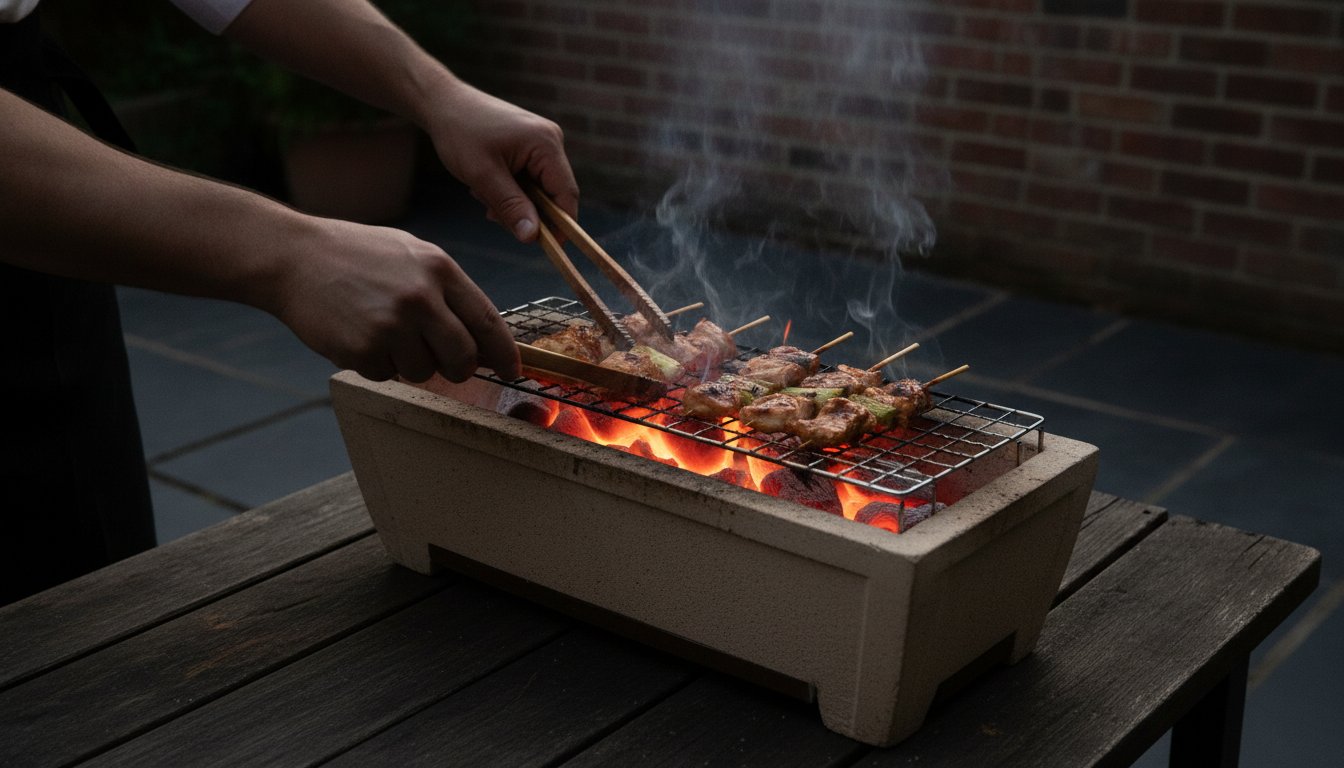
What if the secret to the world’s most succulent yakitori isn’t the marinade, but the ancient thermal engine sitting on your table? Most outdoor cooks are used to the brute force of gas or common briquettes; however, the Japanese konro operates on a different plane of culinary precision. Learning how to use a ceramic konro grill is about more than just lighting a fire; it’s about harnessing a specialized tool crafted from diatomaceous earth. We understand that the fear of a hairline crack or an uneven sear can hold you back from truly experimenting with this high-end hardware.
This guide will show you how to master the art of precision charcoal cooking from the very first spark. You’ll learn the expert secrets to lighting dense fuels, managing airflow for perfect temperature control, and maintaining your grill’s integrity for years of service. We’ll walk through everything from the initial light using Big Eds Charcoal to the final, careful storage of your equipment. By the end, you’ll possess the confidence to turn your terrace into a refined gastronomic retreat where every skewer is a masterpiece of smoke and fire.
Key Takeaways
- Understand the thermal science of diatomaceous earth and how its insulating properties transform raw heat into a precise culinary tool.
- Identify the critical differences between standard charcoal and professional Binchotan to ensure your fire burns longer, cleaner, and more intensely.
- Master the professional sequence of how to use a ceramic konro grill, from the initial chimney light to strategic charcoal stacking for perfect airflow.
- Develop the dexterity needed for authentic Yakitori, including skewer management and the active flipping techniques used by seasoned masters.
- Guarantee the longevity of your hardware by learning the essential “no-water” cleaning protocols and safe ash management for ceramic surfaces.
The Anatomy and Science of the Ceramic Konro Grill
The Konro is far more than a simple vessel for fire; it’s a masterfully engineered thermal engine with roots deep in the history of the konro grill. While many casual observers might mistake it for a standard barbecue, the true ceramic Konro is defined by its construction from diatomaceous earth. This extraordinary material, formed from fossilised algae, possesses natural insulating properties that are virtually unmatched in the culinary world. These grills are often hand-carved from solid blocks or pressed into bricks, creating a porous structure that traps heat with incredible efficiency. Understanding this unique anatomy is the first step in mastering how to use a ceramic konro grill, as the hardware itself dictates the rhythm of your cooking.
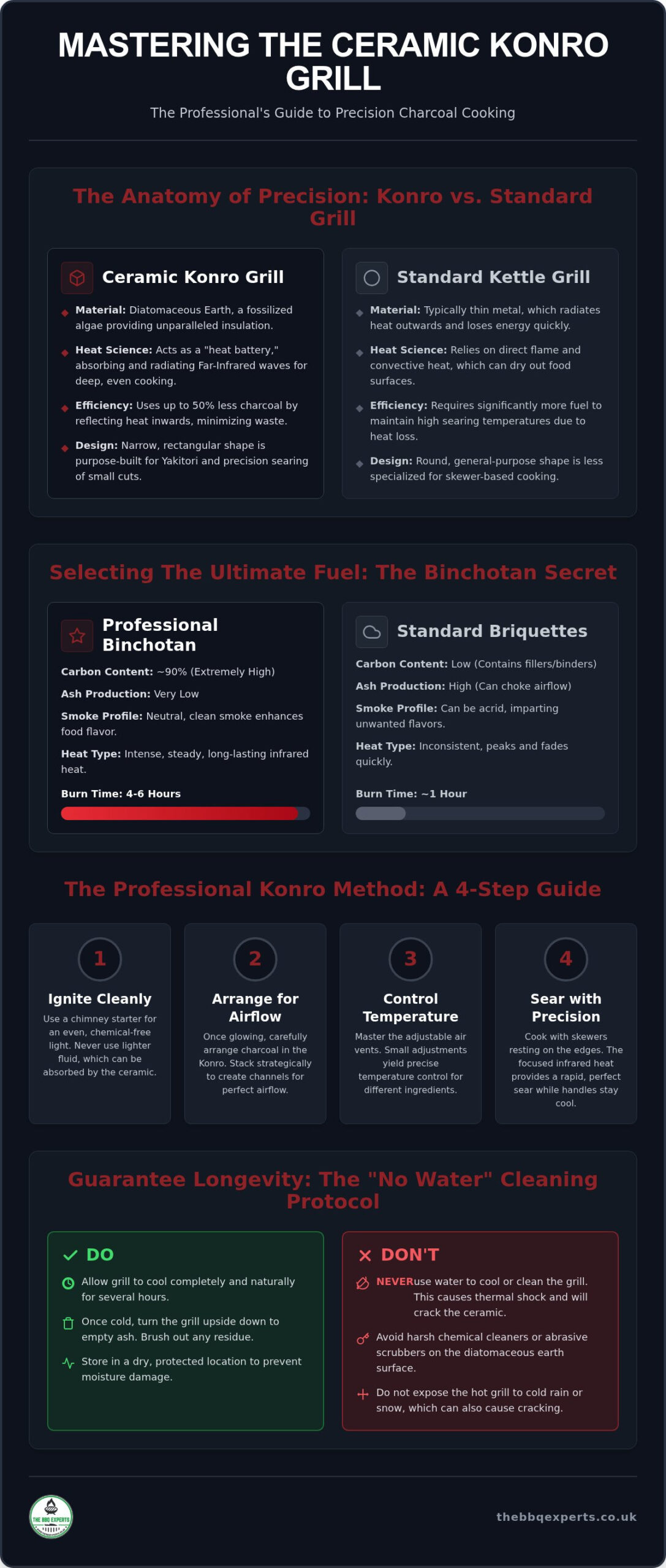
Unlike a standard metal Hibachi, which loses heat rapidly through its thin walls, the ceramic Konro acts as a heat battery. It absorbs the energy from the charcoal and radiates it back toward your food with focused intensity. This reflection ensures that every gram of fuel is used to its maximum potential, creating a cooking environment where the core can reach staggering temperatures while the base remains surprisingly stable. It’s a delicate balance of raw power and sophisticated insulation.
Why Ceramic Material Matters for Flavour
The porous nature of diatomaceous earth does more than just save fuel; it actively enhances the flavour profile of your ingredients. These pores allow for subtle moisture retention within the cooking chamber, preventing the dry, parching heat often associated with metal grills. The real secret, however, lies in “Far-Infrared” radiation. As the ceramic walls become saturated with heat, they emit infrared waves that penetrate deep into the proteins. This allows for a rapid, even caramelisation of the exterior while the interior remains succulent and tender. It’s the reason why a skewer cooked on a Konro has a depth of flavour that a gas grill simply cannot replicate.
Konro vs. Standard Charcoal Grills
Efficiency is the hallmark of the Japanese design. Because the ceramic walls reflect heat so effectively, a Konro typically uses 50% less charcoal than a traditional kettle grill to achieve the same searing temperatures. Its iconic rectangular silhouette is purpose-built for the art of the skewer. This narrow design allows you to suspend meat directly over the glowing embers while the bamboo handles rest safely on the cool edges. This focused heat zone makes it the ultimate tool for precision searing and small, high-quality cuts. To truly elevate this experience, pairing the right grill with premium fuel is essential. You can learn more about selecting the perfect heat source in our Ultimate Guide to Charcoal. Mastering how to use a ceramic konro grill starts with respecting this science, allowing the material to do the heavy lifting while you focus on the craft of the sear.
Selecting the Ultimate Fuel: The Binchotan Secret
Choosing your fuel is as critical as the cut of Wagyu you place on the grate. While standard supermarket charcoal might suffice for a quick burger, it’s a poor companion for a precision instrument like the Japanese Konro. Standard briquettes burn too fast and produce excessive ash. This can choke the airflow and potentially damage the delicate diatomaceous earth interior. To truly understand how to use a ceramic konro grill, you must embrace the “clean smoke” philosophy. This means using fuel with high carbon purity so you taste the mineral notes of the meat, not the chemical residue of the charcoal. Using premium fuel ensures that your outdoor kitchen remains a refined space for culinary artistry rather than a source of acrid smoke.
The Power of Professional Binchotan
Professional Binchotan is the undisputed gold standard for high-end grilling. Often referred to as “white charcoal,” it’s fired at extreme temperatures to achieve nearly 90% fixed carbon content. When you strike two pieces together, they produce a distinct metallic ring. This is a hallmark of the incredible density that allows for a burn time of 4 to 6 hours. This steady, intense heat is why Bincho Professional Hexagonal Pro Briquettes are the preferred choice for serious enthusiasts. Because of its density, requires patience and a chimney starter. The reward is a heat source that glows with surgical precision without sparking or popping, providing the perfect canvas for your ingredients.
Alternative High-Performance Fuels
Not every session requires a six-hour burn. For shorter evening meals or quick searing, Big Eds Grade Finest Lumpwood provides a robust alternative. It ignites faster while maintaining the high thermal output your grill demands. For those seeking even more intense heat, Eucalyptus Binchotan offers a unique aromatic profile and incredible energy density. Regardless of your choice, never introduce lighter fluid or chemical starters to your grill. The porous ceramic will absorb these odours. This taints your food and potentially compromises the material’s integrity forever. If you want to ensure your setup is truly professional, get in touch with our experts for advice on matching fuel to your specific Konro model and cooking style.
Step-by-Step: How to Light Your Konro Like a Pro
If 2026 is the year you’ve finally invested in a professional-grade setup, your very first cook should be a deliberate, gentle warm-up. This “First Fire” rule is essential for tempering the diatomaceous earth blocks, allowing any residual moisture to escape slowly without causing stress fractures. Mastering how to use a ceramic konro grill begins with this patient approach. You aren’t just lighting a fire; you’re seasoning the environment to become a vessel for flavour. By starting with a medium heat, you ensure the longevity of your investment while familiarising yourself with its unique thermal response.
The most effective and safest way to ignite dense Japanese fuels is the chimney starter method. It provides a concentrated updraft that coaxes even the most stubborn Binchotan into a steady glow. Avoid the temptation to use accelerants or paper that produces excessive flying ash. Instead, focus on the “stacked log” technique when you transfer the coals to the grill bed. By criss-crossing the charcoal pieces, you create a lattice that promotes natural convection, ensuring the fire breathes and remains consistent throughout your session.
The Chemical-Free Ignition Ritual
Purity is the cornerstone of Japanese grilling. We recommend using Natural Firelighters placed beneath your chimney starter to avoid any chemical taint. Once you’ve lit the firelighters, wait for the charcoal to develop a delicate layer of white ash. This visual cue tells you the coals are “active” and ready for the grill bed. This transition usually takes 20 to 30 minutes depending on the density of your fuel. It’s a meditative process that builds anticipation for the meal ahead. Don’t rush this stage; the steady development of heat is what creates the perfect searing environment.
Temperature Zoning and Airflow
The narrow, rectangular frame of the Konro is deceptively versatile. By concentrating your active coals at one end, you create a high-intensity “hot zone” and a gentler “cool zone” for resting proteins. Learning how to use a ceramic konro grill effectively means becoming an expert in air management. You’ll manage this thermal landscape using the sliding windows at the base. These aren’t just decorative; they are your primary tools for precision. Open them wide to invite oxygen for a fierce sear, or slide them nearly shut to dampen the flame. This level of control is fundamental to , where chefs constantly manipulate airflow to prevent flare-ups. Remember that external factors like wind and ambient temperature will affect the ceramic’s heat retention, so stay attentive to the vents as you cook.
Precision Cooking Techniques: From Yakitori to Seared Perfection
Once your coals reach that signature white glow, the transition from fire management to culinary artistry begins. Mastering how to use a ceramic konro grill requires a shift in mindset; this is an active, tactile style of cooking that demands your full attention. Unlike a traditional oven or a closed-lid barbecue, the Konro is designed for constant interaction. You aren’t just monitoring a timer; you’re responding to the sizzle of fat and the changing hue of the protein. This hands-on approach is what separates a standard meal from a true gastronomic event, turning your terrace into a private retreat for high-end gastronomy.
The “Flip” is the most fundamental skill you’ll develop. Because the infrared heat from the ceramic is so intense, proteins require frequent rotation to ensure an even cook without scorching. This is particularly vital for the skewer method. By resting the bamboo ends on the cool outer lip of the grill, you can suspend the meat directly over the embers while keeping the handles safe from the flames. For larger cuts like steaks, this same infrared energy creates a peerless crust, locking in juices while the interior remains perfectly tender. Even vegetables benefit from this rapid caramelisation, as the high heat draws out natural sugars for a complex, charred sweetness that standard grills often miss.
Elevating Flavour with Professional Rubs
To truly bridge the gap between Japanese precision and bold flavour, the application of high-quality seasonings is essential. We often recommend Angus & Oink Rubs to complement the clean heat of Binchotan. For beef, a salt-heavy profile stands up to the intense searing, while sweet and savoury blends are better suited for poultry. A unique phenomenon of Konro cooking is the “Drip and Smoke” effect. As fat from the seasoned meat hits the white-hot coals, it vaporises instantly, sending a plume of aromatic smoke back into the protein. This self-basting cycle seasons the meat from the inside out, creating a depth of flavour that is impossible to achieve through heat alone.
Essential Konro Tools
Your dexterity is only as good as your equipment. While the mesh wire grate is excellent for small cuts or vegetables, many purists prefer cooking skewers directly over the open channel for maximum heat exposure. To manage this safely, a pair of long metal tongs and heat-resistant gloves are non-negotiable. These tools allow you to manipulate the coals and the food with the precision of a seasoned connoisseur. For a complete list of the gear needed to transform your outdoor space, consult The Ultimate BBQ Master Checklist. If you’re looking to refine your technique or upgrade your hardware, consult with our team to ensure you have the best tools for your next session.
Maintenance and Longevity: Caring for Your Ceramic Investment
Your Konro isn’t just a piece of outdoor hardware; it’s a legacy tool designed for a lifetime of service. The final, and perhaps most vital, lesson in how to use a ceramic konro grill is the art of preservation. Diatomaceous earth is a miraculous insulator, but it’s also a delicate geological formation that requires respect. The “Golden Rule” is absolute: never, under any circumstances, use water to extinguish your coals or clean the interior. Introducing liquid to a hot ceramic grill triggers immediate thermal shock. This causes the material to contract unevenly, leading to structural cracks that can render the unit useless. Patience is your greatest tool here. Let the fire die naturally or use a dedicated ceramic extinguisher pot to smother the embers safely.
Ash management is equally deliberate. You must wait until the grill is completely cold to the touch before attempting to empty it. This usually takes several hours after the last ember has faded. Use a small brush or a dedicated ash tool to clear the base, ensuring the sliding vents remain unobstructed. This meticulous care ensures that your next session starts with the same precision as your first, maintaining the airflow necessary for that signature Binchotan glow.
Cleaning the Ceramic and Mesh
Maintaining the functional integrity of your grill doesn’t require harsh chemicals. At the end of a session, the residual heat from the charcoal will often “burn off” grease or food particles. For the mesh wire grate, a stiff wire brush is perfect for removing carbonised remains while the metal is still warm. However, keep that brush away from the ceramic walls. Over time, your Konro will develop a “seasoned” appearance, with darkened patches and a weathered patina. This is not a sign of neglect; it’s a badge of honour that reflects your journey as a master of the craft. Embrace this evolution as part of the grill’s unique character and culinary history.
Safe Extinguishing and Storage
To maximise the value of your premium fuel, use the “Oxygen Starvation” method. By closing the sliding windows completely, you can often extinguish the coals and save the remaining Binchotan for your next cook. Once cooled, storage becomes the priority. The UK’s damp climate and winter frosts are the natural enemies of porous ceramic. Absorbed moisture can expand when frozen, causing the blocks to flake or split. Always store your Konro in a dry, indoor environment such as a shed or garage. If your grill does happen to get wet, do not light a large fire immediately. Follow a “slow dry” protocol by placing it in a warm room for several days before starting a very small, low-heat fire to evaporate the remaining moisture. Learning how to use a ceramic konro grill properly includes this final stage of stewardship, ensuring your outdoor sanctuary remains ready for years of exceptional gastronomy.
Master the Flame and Elevate Your Lifestyle
Embracing the art of Japanese grilling is a journey that begins with understanding your hardware and respecting the fuel that powers it. By mastering how to use a ceramic konro grill, you’ve moved beyond simple outdoor cooking into the realm of professional gastronomy. You now understand that the thermal efficiency of diatomaceous earth and the carbon purity of Binchotan are the keys to unlocking flavours that standard barbecues cannot reach. Whether you’re perfecting a delicate Yakitori skewer or achieving a surgical sear on a prime steak, your terrace has officially become a refined sanctuary for culinary excellence.
To ensure your journey continues with the finest tools and fuels available, lean on the expertise of those who share your passion. Our expertly curated selection of professional-grade fuels is designed for the discerning cook who refuses to compromise on quality. Take advantage of our specialist advice from seasoned outdoor gastronomes and enjoy free delivery on all 2-box charcoal deals to keep your fires burning bright through 2026. Explore our range of Professional Japanese Charcoal Grills and Binchotan Fuel today and transform your exterior space into a premier social hub. Your next masterpiece is just a spark away.
Frequently Asked Questions
Can I use regular supermarket charcoal in my ceramic Konro?
You can use standard charcoal, but it’s far from ideal for this precision hardware. Common supermarket lumpwood burns too rapidly and produces excessive ash, which often chokes the airflow required for consistent temperatures. To truly respect the design of your Japanese Charcoal Grill, we recommend using Big Eds Charcoal or Binchotan. These premium fuels provide the steady, clean heat necessary to protect the delicate ceramic while delivering superior flavour results.
How long does it take for a Konro grill to heat up?
Expect a total preparation time of 30 to 45 minutes for the unit to reach its thermal peak. This includes roughly 20 minutes for the charcoal to activate in a chimney starter and another 15 minutes for the ceramic walls to absorb the energy. Learning how to use a ceramic konro grill effectively means allowing this time for the diatomaceous earth to begin reflecting infrared heat back into your food.
Is it safe to use a ceramic Konro grill indoors?
No, you must only use these grills outdoors in well-ventilated environments. Burning any form of charcoal releases carbon monoxide, a dangerous and odourless gas that can be fatal in enclosed spaces. Even with professional extraction, domestic kitchens aren’t equipped for the concentrated emissions of a Konro. Always prioritise safety by keeping your culinary sessions in the open air, positioned on a stable, heat-resistant surface away from flammable materials.
What should I do if my ceramic grill develops a small crack?
Small hairline fractures are often a natural consequence of thermal expansion and rarely impact the grill’s performance. These are common in authentic diatomaceous earth blocks due to the extreme temperatures they endure. If a crack appears, continue to monitor it, but avoid using water to clean the area as this will worsen the damage. To prevent future structural issues, always ensure the grill is stored in a dry, frost-free environment.
Why is my Binchotan charcoal sparking or popping?
Popping occurs when residual moisture trapped within the dense charcoal fibres expands rapidly into steam. This is usually a sign that the fuel has absorbed dampness from the air during storage. To ensure a silent, professional glow, store your charcoal in a bone-dry location. High-quality Binchotan is fired at temperatures exceeding 1000 degrees Celsius to minimise impurities, but even the best fuel requires protection from the UK’s humid climate.
How many times can I reuse Binchotan charcoal?
You can typically reuse professional-grade Binchotan two or three times if you extinguish it properly. By using the oxygen starvation method, closing the vents completely, you preserve the unburnt core of the charcoal for your next session. Once the grill is cold, carefully remove the remaining pieces and store them in a dry container. This durability makes premium fuel a surprisingly cost-effective choice for the serious outdoor gastronome.
Can I cook a full steak on a Konro or is it just for skewers?
A Konro is an exceptional tool for searing full steaks, providing an intense infrared crust that standard grills can’t match. While the rectangular frame is purpose-built for skewers, placing a mesh wire grate over the coals allows you to handle larger proteins with ease. The concentrated heat seals the exterior almost instantly. For the best results, apply one of our Angus & Oink Rubs to the beef before it hits the fire.
How do I stop my bamboo skewers from burning on the grill?
The secret is to utilise the cool outer edges of the ceramic walls rather than soaking the wood. Position your ingredients so they sit directly over the glowing coals while the bamboo handles rest on the insulating lip of the grill. Because the ceramic doesn’t conduct heat like metal, the handles remain safe and easy to turn. This technique is essential for anyone mastering the art of authentic, Michelin-style yakitori at home.
Disclaimer
This article was produced with AI assistance. We use AI and Third Parties to help deliver more content to our BBQ website and community, but we always aim to ensure accuracy and quality as much as we can. If you spot anything that doesn't seem right, we'd love to hear from you

Recent News & Updates

Our Story, Values and Beliefs
Here at the BBQ experts we have a passion for BBQ food, outdoor living and spending time with family and friends. We offer you; A...
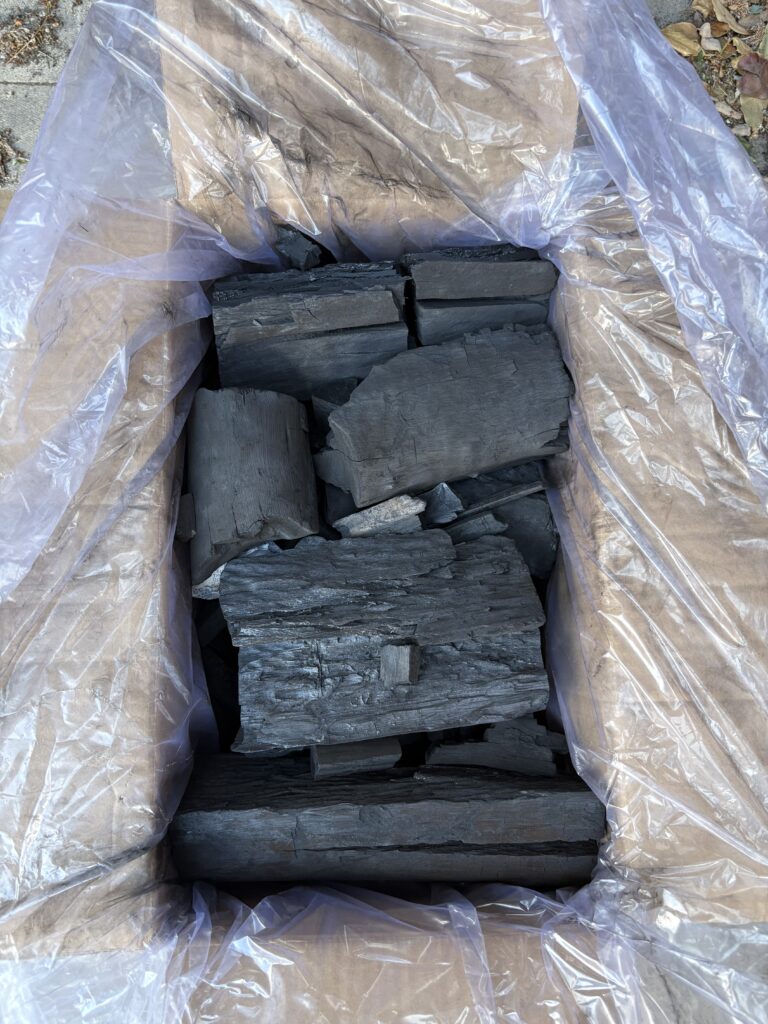
FAQ: Why does Big Ed’s Charcoal have a mix of big and small lumps?
Big Ed’s is all about top-quality, long-burning charcoal, made from a mix of Eucalyptus and Mangrove wood. Each 10kg box is packed with...