
Best Rubs for Pulled Pork UK: Professional Flavour Guide
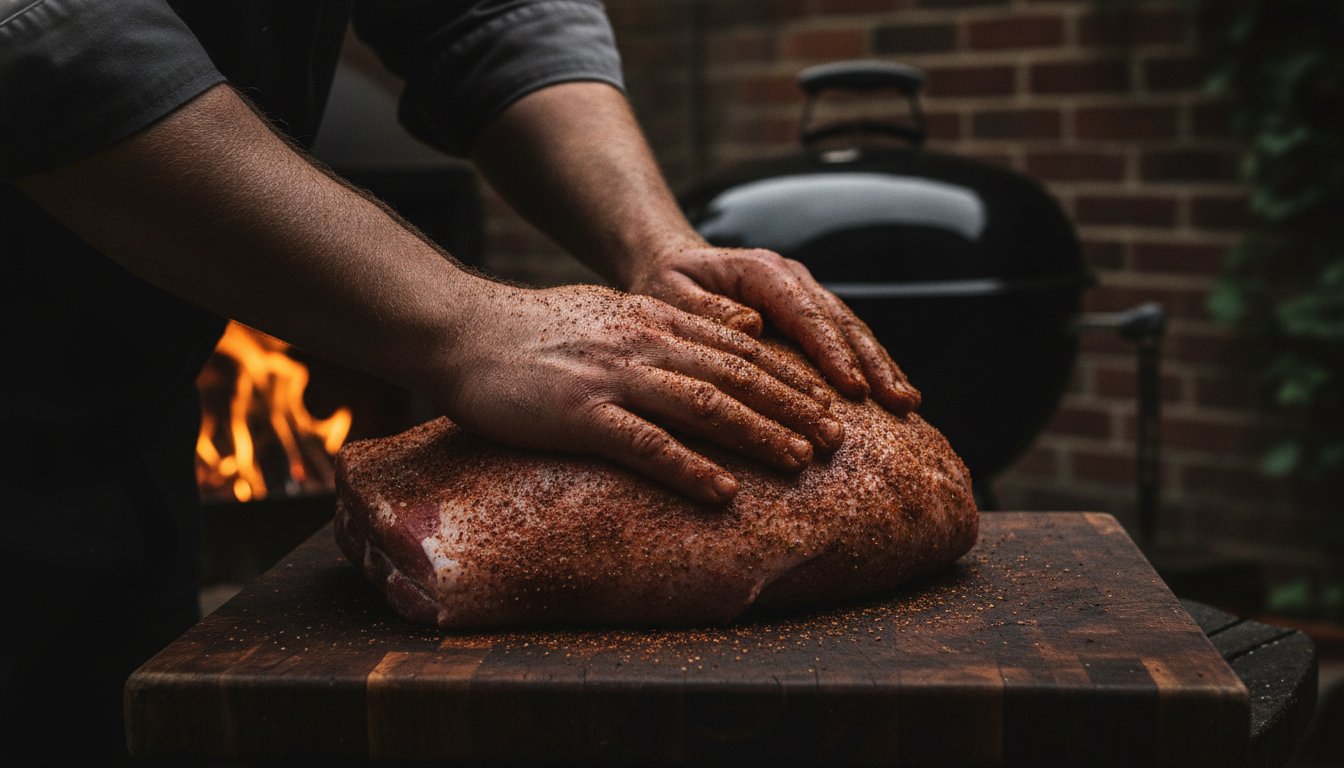
Your backyard isn’t just a patio; it’s a private retreat where the alchemy of smoke and spice transforms a humble shoulder into a culinary masterpiece. Most enthusiasts have experienced the frustration of “bark envy,” where a rub is either too salty or fails to produce that deep, mahogany crust we all crave. You want a flavour profile that mirrors the legendary pits of the American South, yet finding the best rubs for pulled pork uk pitmasters actually use often feels like a search for a well-kept secret.
We understand that achieving a succulent, competition-standard result requires more than just patience. It demands a synergy between high-end seasoning and premium, clean-burning fuel. In this professional flavour guide, you’ll discover how to master the “low and slow” process using industry-leading blends like Angus & Oink. We’ll show you how to move beyond inconsistent results and secure a reliable go-to seasoning that delivers a perfect balance of sweet and heat every single time. From understanding spice longevity to selecting the right charcoal base, we are here to elevate your outdoor gastronomy to a truly professional level.
Key Takeaways
- Master the essential chemistry of seasoning to achieve a thick, mahogany bark through precise salt and sugar ratios.
- Identify your signature profile by exploring the three pillars of pork flavour: the delicate balance of sweetness, savoury depth, and refined heat.
- Discover why professional pitmasters trust Angus & Oink as the best rubs for pulled pork uk to deliver consistent, competition-standard results.
- Perfect your application technique by learning how to use binders and proper trimming to ensure your rub integrates seamlessly with the meat.
- Understand the vital connection between your seasoning and your heat source, ensuring clean-burning fuels like Big Eds Charcoal enhance rather than mask your flavour profile.
The Anatomy of the Perfect Pulled Pork Rub
A professional rub is far more than a simple spice blend; it’s a strategic architectural layer designed to withstand twelve hours or more of thermal exposure. When you’re sourcing the best rubs for pulled pork uk enthusiasts recommend, you are looking for a formula that survives the forge of the smoker. Pulled pork, a quintessential American barbecue dish, relies on this exterior crust to protect the tender interior from drying out. This crust, known as “bark,” is the result of the Maillard reaction. This is a complex chemical dance where heat transforms proteins and sugars into hundreds of new, savoury flavour compounds. Unlike high-heat searing, the low-and-slow process allows these reactions to develop gradually, creating a deep, mahogany complexity that defines professional-grade gastronomy.
The Role of Salt and Sugar
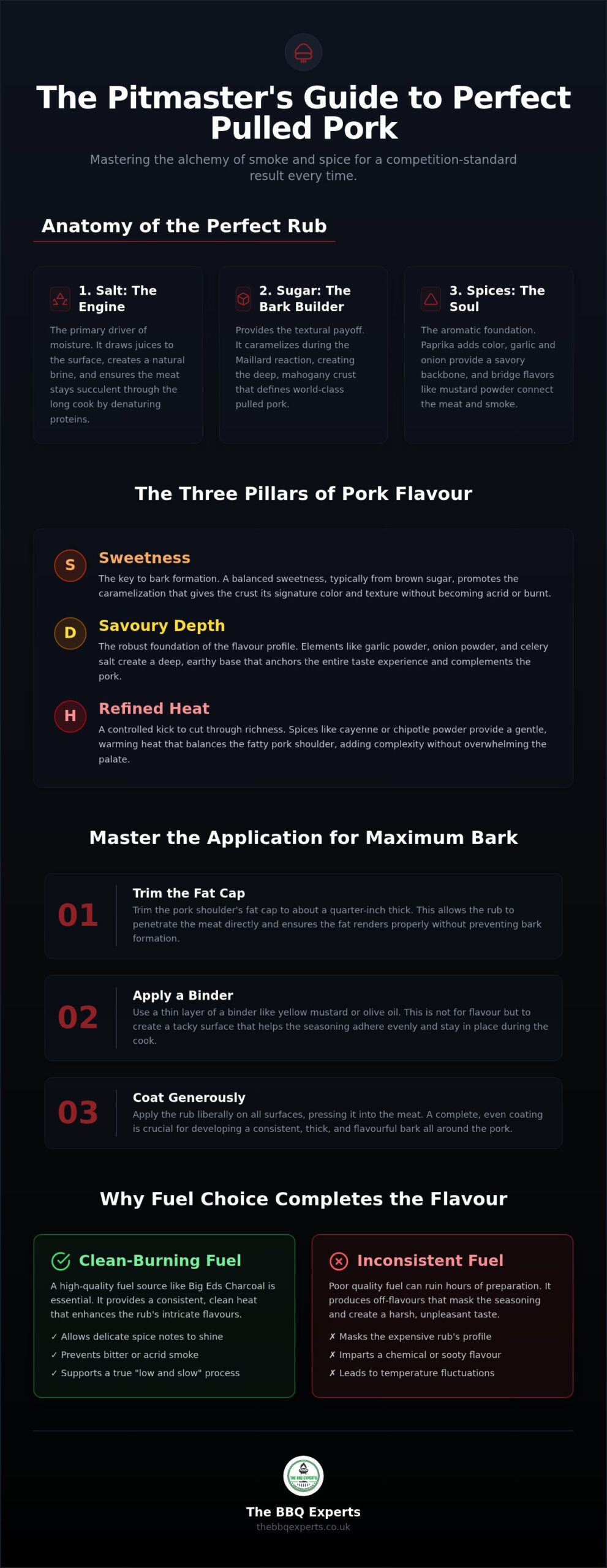
Salt acts as the primary engine of moisture management. It draws natural juices to the surface, dissolves into a brine, and then re-enters the meat to denature proteins. This process ensures the muscle fibres retain moisture rather than squeezing it out during the cook. We prefer high-quality sea salt or kosher salt because the larger, irregular grains distribute more evenly and won’t over-salt the meat as easily as fine table salt. Sugar provides the aesthetic and textural payoff. It melts and caramelises to create that coveted mahogany finish, but precision is vital. If the temperature exceeds the sugar’s burning point, your bark turns from sweet to acrid. Balancing salt for savoury depth and sugar for vibrant colour is the hallmark of a master blender.
Spices and Aromatics for Depth
If salt and sugar are the foundation, spices are the soul of the seasoning. Paprika is the visual heavy lifter in any elite blend, providing the iconic reddish-brown hue without overwhelming the natural sweetness of the pork. Beneath this visual layer, garlic and onion powder form a robust savoury backbone that anchors the entire profile. To truly elevate your cook, look for “bridge flavours” like mustard powder or cumin. These ingredients act as a transition, connecting the rich sweetness of the pork fat with the sharp, aromatic notes of the wood smoke. Achieving this delicate balance is why many pitmasters opt for professional blends; the ratios are calibrated for total consistency. To ensure these intricate spices perform at their peak, always pair them with a clean heat source like Big Eds Gourmet Mix, which allows the rub’s nuances to shine without the interference of bitter fuel smoke.
Sweet, Smoky, or Spicy? Choosing Your Flavour Profile
Your journey into professional-grade barbecue begins with a fundamental decision: what is the final sensory experience you wish to create? Flavour is an architectural choice. While many beginners reach for the first bottle they see, seasoned pitmasters understand that the best rubs for pulled pork uk markets offer are those that align with a specific regional philosophy. To achieve a truly balanced result, you must navigate the three pillars of seasoning: sweetness to promote bark formation, savoury notes to provide depth, and a controlled heat to cut through the richness of the pork shoulder fat. Layering these elements is what separates a simple weekend cook from a connoisseur’s masterpiece.
Regional styles offer a proven blueprint for these choices. For instance, the vinegar-heavy Carolina tradition demands a rub with higher acidity and less sugar to complement a sharp finishing sauce. If you are following a comprehensive guide to perfect pulled pork, you will likely encounter these distinctions early in your preparation. Choosing your profile isn’t just about the rub itself; it’s about how that seasoning will interact with your wood smoke and your final serving style. Whether you’re aiming for a classic sandwich or a sophisticated plated dish, the rub must serve as the bridge between the raw ingredient and the fire.
The Classic Memphis Style
Memphis-style rubs are often considered the purist’s choice, favouring a savoury-forward profile that allows the quality of the meat and the nuance of the smoke to take centre stage. These blends rely heavily on celery salt, garlic, and onion powder to create a robust, earthy foundation that stands up to hours of heat. Because they contain significantly less sugar than other styles, they are less prone to scorching over long durations. This makes them a reliable “go-to” for those who prefer a darker, more textured bark. We recommend pairing this style with a light vinegar and apple juice spritz every hour to maintain surface moisture without compromising the integrity of the seasoning layer.
The Sweet Kansas City Profile
If you desire a thick, sticky, and deeply indulgent exterior, the Kansas City profile remains the gold standard of the barbecue world. These rubs utilise dark brown sugar and smoked paprika to encourage a rapid, mahogany caramelisation that provides a luscious mouthfeel. This profile is particularly effective for social gatherings where a familiar, comforting sweetness is the desired outcome. Success with this style requires a precise sweet-heat balance where the sugar provides the initial impact while a subtle back-end spice prevents the profile from becoming cloying over a twelve-hour smoke. If you’re unsure which profile suits your specific grill setup, feel free to reach out to our specialist team for a tailored recommendation.
The Best Angus & Oink Rubs for Pulled Pork in 2026
While understanding the chemistry of a rub is essential, the execution relies entirely on the quality of your ingredients. For those seeking the best rubs for pulled pork uk retailers currently stock, Angus & Oink has established itself as the undisputed gold standard. These professional-grade blends eliminate the guesswork of home mixing, where inconsistent salt ratios or settling spices can ruin a twelve-hour investment. By choosing a pre-calibrated blend, you ensure that every square inch of your pork shoulder receives the same depth of flavour and bark-forming potential. These rubs are designed for the rigours of long-term smoke exposure, maintaining their integrity where homemade versions often turn bitter or lose their aromatic punch.
Top Pick: Angus & Oink Porky White Chick
If you are looking for a classic, competition-standard profile, Porky White Chick is the definitive choice. This blend moves away from the aggressive heat of some traditional rubs, opting instead for a sophisticated layer of honey, garlic, and a subtle hint of ginger. The genius of this rub lies in its exceptionally fine texture. Unlike coarse homemade mixes that can fall off during the initial stages of the cook, this fine grind adheres to the meat’s surface, creating a smooth, consistent foundation for the smoke to latch onto. It creates a beautiful, translucent glaze that eventually hardens into a world-class bark. For a deeper look at how this fits into their wider range, explore our Ultimate Guide to Angus & Oink Rubs.
The “Wildcard” Options
For the pitmaster who wants to move beyond traditional boundaries, Angus & Oink offers several experimental alternatives. Cherry Bomb is a standout for visual impact; it utilises cherry powder to provide a unique fruit-forward sweetness and a stunning, deep red colour that is impossible to achieve with paprika alone. On the opposite end of the spectrum, Texas Steak or Dirty Cow can be used as bold “wildcard” options. While often associated with beef, these rubs provide a heavy pepper and savoury backbone that creates a rugged, dark bark perfect for those who prefer a less sugary finish. Using these across different cuts, like a pork collar or a full shoulder, allows you to customise the sensory experience for your guests.
The primary advantage of these professional blends is consistency. In a homemade mix, heavier particles like salt and sugar often settle at the bottom of the jar, meaning your first cook tastes different from your last. Angus & Oink utilises precise industrial blending techniques to ensure every teaspoon contains the exact ratio of aromatics to colourants. When you’re investing in premium meat and high-quality fuel, this reliability is the final piece of the puzzle for a successful weekend cook.
Master the Application: How to Rub Your Pork for Maximum Bark
Selecting the best rubs for pulled pork uk pitmasters recommend is only the first step in your journey toward outdoor culinary excellence. The application process is where your technical precision truly meets the raw potential of the meat. Before you even reach for your seasoning, you must prepare the surface. Professional-grade results require trimming the fat cap to a uniform 6mm thickness. While some believe leaving a thick layer of fat adds moisture, it actually creates a barrier that prevents your rub from reaching the muscle fibres. By thinning the fat, you allow the seasoning to integrate with the rendering juices, creating the foundation for a world-class bark.
Binders and Adhesion
Adhesion is the secret to a thick, mahogany crust. To ensure your rub stays exactly where you want it throughout a twelve-hour cook, you need a binder. Yellow mustard is the industry standard for a reason. The vinegar helps the rub penetrate the meat, while the mustard solids provide a sticky surface for the spices. Don’t worry about the flavour; the mustard notes vanish completely during the smoking process. If you want to introduce a subtle, hidden layer of heat, consider using a high-quality hot sauce as your binder instead. For a standard 3kg shoulder, your rub application should be thick enough to completely obscure the pink of the meat while remaining a singular, uniform layer.
The “Dry Brine” Advantage
Timing is everything when you’re aiming for perfection. While you can apply your rub immediately before the cook, the most successful results come from a “dry brine” period of 12 to 24 hours. This duration allows the salt in your seasoning to draw out moisture, dissolve, and then be reabsorbed into the meat. This process seasons the shoulder deeply while leaving the surface dry, which is essential for rapid bark formation once the meat hits the heat. When dry brining, keep your seasoned meat in the refrigerator, loosely covered with foil or butcher paper to allow for slight air circulation. This ensures the surface remains tacky rather than wet.
The final golden rule is simple: pat, don’t rub. Despite the name, rubbing your seasoning onto the meat often leads to clumping and an uneven, patchy finish. Patting the spices firmly into the binder ensures total coverage and a consistent texture. If you’re looking to refine your technique or need specific advice on seasoning ratios for your next event, speak with our expert mentors for a professional consultation. This level of attention to detail is what transforms a simple meal into an evocative social experience that defines the modern outdoor lifestyle.
Beyond the Seasoning: Why Fuel Choice Completes the Flavour
Even the most sophisticated seasoning blend is merely a blueprint until it meets the fire. A rub is only as good as the smoke it absorbs; without a clean heat source, those intricate layers of garlic, honey, and ginger are easily overwhelmed by acrid chemical taints. When you have invested in the best rubs for pulled pork uk enthusiasts can buy, you owe it to the meat to provide an equally premium fuel source. The goal is a translucent, blue smoke that seasons the bark without burying it under a layer of soot. This synergy between fuel and spice is what separates a standard barbecue from a refined gastronomic experience.
The choice of wood smoke acts as a finishing spice. Fruitwoods like apple or cherry are the natural partners for the sweeter Kansas City profiles, enhancing the vibrant red hues of the bark. Conversely, heavier woods like hickory or oak provide the robust, punchy aromatic profile required for savoury Memphis-style cooks. Using high-quality fuel ensures that these smoke notes remain subtle and complementary rather than dominant and bitter.
Pairing Rubs with Big Eds Charcoal
For the pitmaster who values flavour clarity, Big Eds Finest Lumpwood provides the essential neutral heat base. Unlike inferior briquettes that contain fillers and binders, this restaurant-grade charcoal burns incredibly clean. This allows the delicate nuances of an Angus & Oink blend to shine through without interference. Its impressive longevity is another critical factor; a twelve-hour “low and slow” session requires a fuel that maintains a steady temperature from the first hour to the last. For those who cook frequently, our Bulk Buy Fuel options ensure you always have a professional-grade foundation ready for your next shoulder.
The Importance of Oak Briquettes
When your flavour profile leans toward the savoury and earthy, Oak Briquettes offer unparalleled temperature control and a classic smoke profile. Oak smoke is a traditional staple that perfectly complements the celery salt and garlic notes found in savoury rubs. These briquettes provide a dense, consistent heat that is vital for the gradual rendering of pork fat. Managing your airflow is the final piece of the puzzle. By maintaining a steady, oxygen-rich burn, you prevent the formation of “creosote,” a bitter byproduct of smouldering wood that can turn a beautiful mahogany bark into an unpalatable, blackened mess. Precision in your fuel management ensures that every bite of your pulled pork is as clean and vibrant as the day the rub was blended.
Elevate Your Outdoor Gastronomy
Achieving a competition-standard result is about more than just a recipe; it’s about the synergy between technical precision and premium ingredients. We’ve explored how the right salt-to-sugar ratios create that iconic mahogany bark and why professional pitmasters trust Angus & Oink for their unwavering consistency. Finding the best rubs for pulled pork uk pitmasters actually use ensures your next shoulder is a sensory triumph rather than a culinary gamble.
Your seasoning is only as refined as your heat source. Pairing these world-class rubs with clean-burning fuels like Big Eds Charcoal or Oak Briquettes guarantees a vibrant finish, free from the acrid notes of inferior alternatives. As an official stockist of professional-grade BBQ seasonings and specialist fuels, we’re dedicated to helping you transform your backyard into the primary social hub of your home. Our team of seasoned outdoor gastronomes is ready to guide you through the technical nuances of the craft. Elevate your next cook with our range of Angus & Oink Rubs and discover the raw joy of professional-grade smoking. Your journey to barbecue mastery starts with the right tools; embrace the process and enjoy the rewards.
Frequently Asked Questions
How long should I leave the rub on the pork before smoking?
You should ideally leave your rub on the pork for 12 to 24 hours before it hits the smoker. This duration allows the salt to penetrate deep into the muscle fibres, seasoning the meat internally while the surface remains dry for superior bark formation. If you are short on time, even 30 minutes will help. However, the full overnight rest is what separates a standard weekend cook from professional-grade gastronomy.
Can I use too much rub on my pulled pork?
You can certainly over-apply rub, which often leads to a gritty, unappealing texture or an overly salty exterior. The goal is a uniform, singular layer that completely obscures the pink of the meat without creating thick, dry patches. Finding the balance is key when using the best rubs for pulled pork uk retailers provide. A heavy hand can block smoke penetration, resulting in a shallow smoke ring and muted flavour.
Do I need to use a binder like mustard for the rub to stick?
You don’t strictly need a binder, but using yellow mustard or a light coating of oil significantly improves seasoning adhesion. A binder ensures your rub stays in place during the initial stages of the cook when the meat begins to sweat. You won’t taste the mustard after a twelve-hour smoke; it simply acts as a glue. This small step is essential for creating the thick, mahogany bark that defines high-end outdoor cooking.
What is the best sugar to use in a homemade pulled pork rub?
Dark brown sugar is the superior choice for homemade blends because its high molasses content encourages deep caramelisation and a rich colour. It has a lower melting point than white sugar, which helps create a tacky surface for smoke to cling to. Be careful with your temperature management, as sugar can turn acrid if it burns. Many enthusiasts prefer professional Angus & Oink blends because they use precisely calibrated sugar ratios.
Should I put rub on the fat cap of the pork shoulder?
You should apply rub to the fat cap, but only after trimming it down to a thickness of approximately 6mm. Thick fat will not allow the seasoning to reach the meat, but a thin layer will render down, carrying the spices into the shoulder. Seasoning the fat ensures that every bite of the finished pulled pork contains a balanced hit of salt, sugar, and aromatics. This creates a cohesive sensory experience for your guests.
What happens if my rub contains too much salt?
If your rub is too salty, it can overpower the natural sweetness of the pork and draw out excessive moisture, leaving the meat dry. Salt is a powerful tool for denaturing proteins, but in excess, it creates a harsh, one-dimensional profile. This is a common issue with cheaper, mass-market seasonings. Using the best rubs for pulled pork uk stockists offer ensures a professional balance where salt enhances the savoury notes without dominating the palate.
Can I use a pork rub on other meats like chicken or ribs?
Most pork rubs are incredibly versatile and perform exceptionally well on chicken and ribs. The sweet and savoury profile of a traditional pork seasoning complements the richness of dark poultry meat and the tender texture of baby back ribs. Blends like Porky White Chick are designed as all-purpose seasonings that elevate various cuts. Just be mindful of the sugar content when cooking chicken at higher temperatures, as it can burn quickly.
How do I store leftover Angus & Oink rubs to keep them fresh?
You should store your Angus & Oink rubs in a cool, dry, and dark environment to maintain the potency of the volatile oils in the spices. Exposure to heat, moisture, or direct sunlight will cause the aromatics to fade and the sugars to clump. Ensure the lid is sealed tightly after every use. A well-stored rub can retain its competition-standard flavour profile for several months, allowing you to maintain consistency across multiple weekend cooks.
Disclaimer
This article was produced with AI assistance. We use AI and Third Parties to help deliver more content to our BBQ website and community, but we always aim to ensure accuracy and quality as much as we can. If you spot anything that doesn't seem right, we'd love to hear from you

Recent News & Updates

Our Story, Values and Beliefs
Here at the BBQ experts we have a passion for BBQ food, outdoor living and spending time with family and friends. We offer you; A...
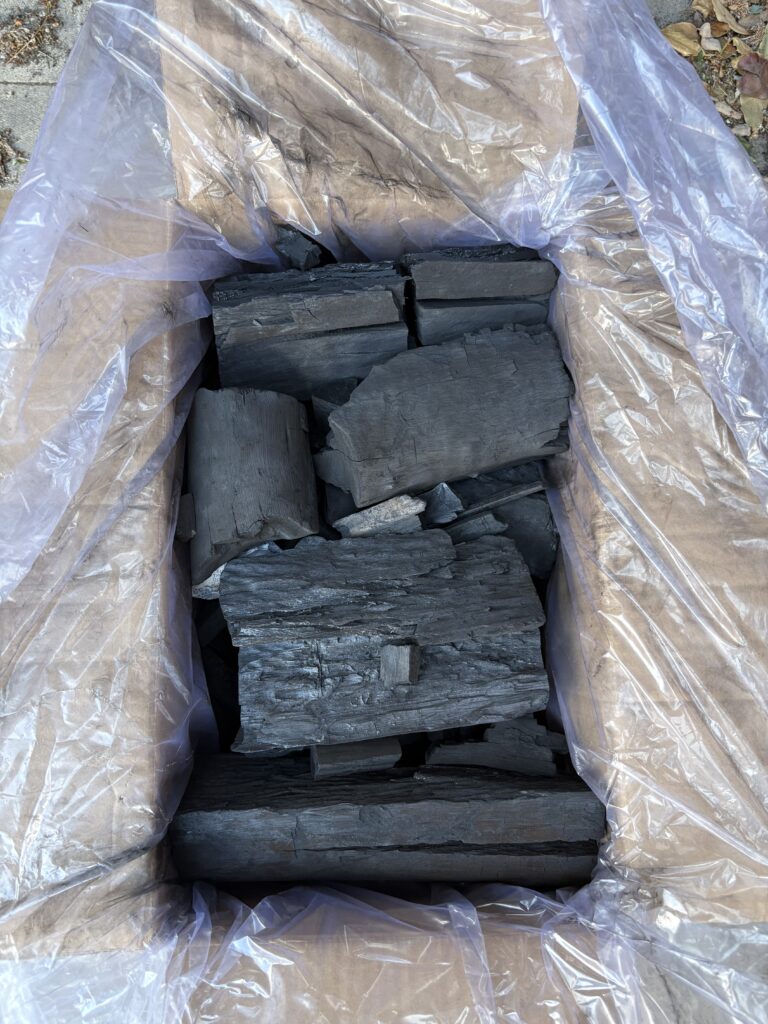
FAQ: Why does Big Ed’s Charcoal have a mix of big and small lumps?
Big Ed’s is all about top-quality, long-burning charcoal, made from a mix of Eucalyptus and Mangrove wood. Each 10kg box is packed with...