
Fire Cage Safety Regulations UK: The 2026 Guide to Compliant Outdoor Cooking
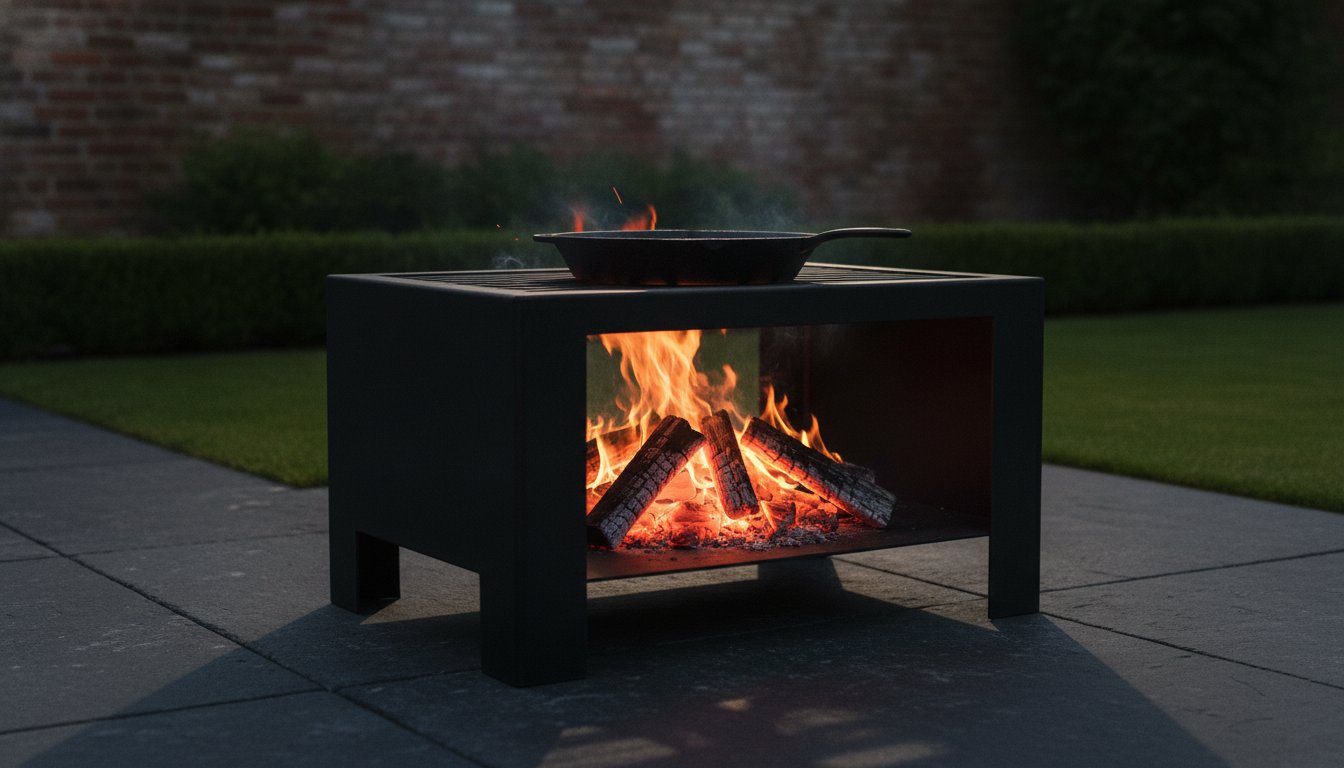
What if the very fire cage that defines your outdoor sanctuary is secretly operating outside the law? You’ve likely felt that flicker of uncertainty while positioning your hearth, wondering if local council inspectors or insurance adjusters would approve of your setup. Mastering fire cage safety regulations uk is not merely a box-ticking exercise; it’s the vital foundation for any serious connoisseur who values the raw, sensory joy of open-fire gastronomy without the shadow of liability.
We understand the frustration of navigating vague guidelines and the fear of invalidating a home policy. You deserve to cook with the confidence of a professional chef. This guide promises to clarify the legal requirements of the Regulatory Reform (Fire Safety) Order 2005 and the critical BS EN 1860-1:2024 standards that govern high-end outdoor equipment today. It’s time to bridge the gap between professional-grade hardware and the safety protocols that protect your investment.
You’ll learn how to conduct a rigorous self-led risk assessment and identify the safest distances for your installation. We also dive into the technical excellence of fuels like King Khaya charcoal and oak briquettes, ensuring your pursuit of culinary precision is backed by the highest safety standards in the UK.
Key Takeaways
- Understand your legal obligations under the Fire Safety Order 2005 to ensure your outdoor cooking sanctuary remains fully compliant and protected.
- Learn to conduct a professional-grade risk assessment that identifies potential hazards before they impact your refined culinary experience.
- Master the latest fire cage safety regulations uk and the transition to BS EN 1860-1:2024 standards for precise equipment positioning and boundary safety.
- Discover why premium fuels like Oak Briquettes and King Khaya charcoal are essential safety tools for reducing unpredictable sparks and flare-ups.
- Identify the structural hallmarks of professional-grade fire cages that offer superior thermal distribution and long-term durability compared to budget alternatives.
Understanding the UK Legal Framework for Fire Cages
Achieving a professional outdoor culinary experience requires more than just a mastery of flame and salt. It demands an intimate understanding of the legal architecture that surrounds your hearth. While the UK doesn’t have a single specific law for fire cages, the fire cage safety regulations uk are woven into broader legislation designed to protect life and property. Understanding these rules ensures your pursuit of gastronomic excellence remains a private retreat rather than a legal liability.
The Regulatory Reform (Fire Safety) Order 2005
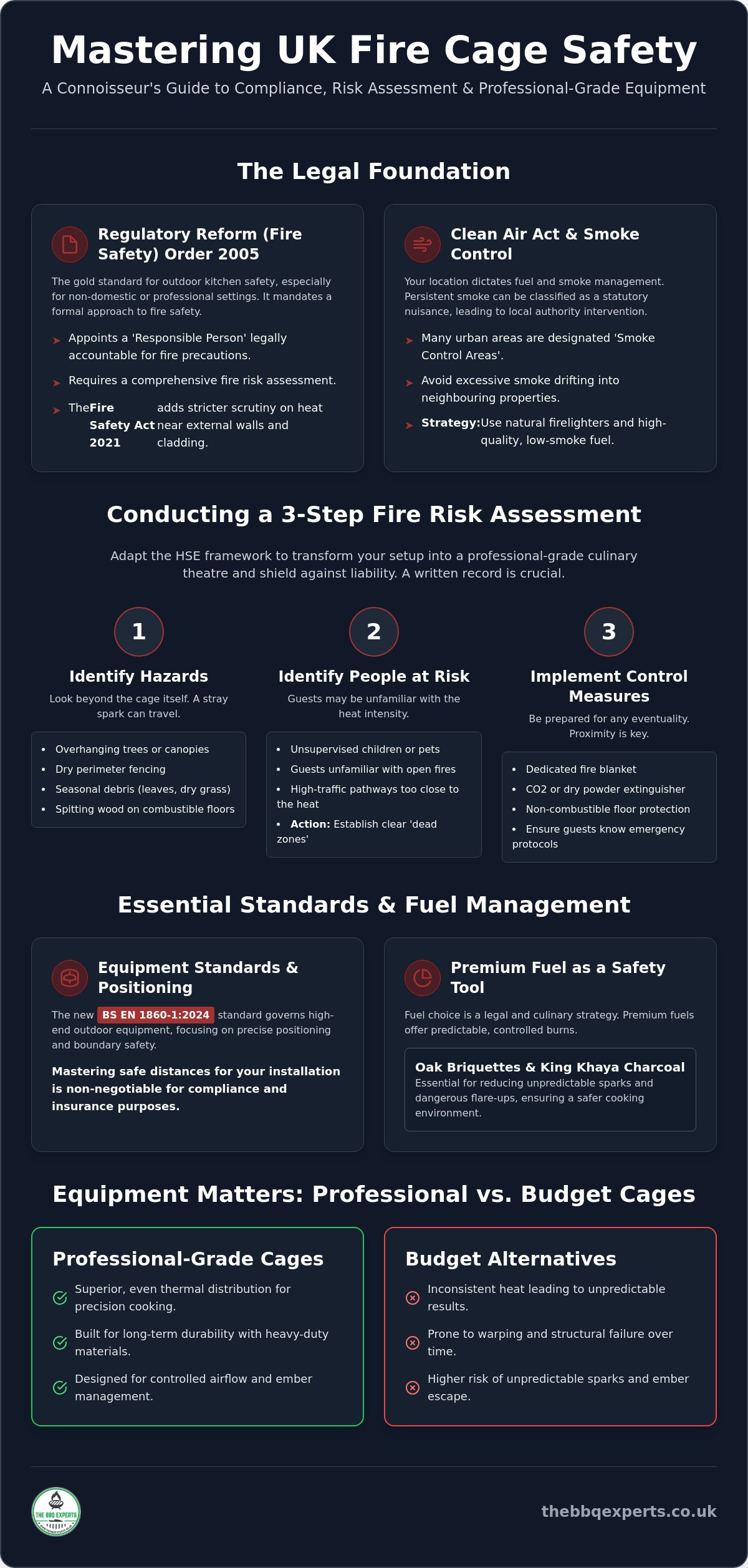
The Regulatory Reform (Fire Safety) Order 2005 serves as the gold standard for your outdoor kitchen safety. It applies to all non-domestic premises, including the terraces of luxury hotels and the curated gardens of high-end eateries. Even in residential settings, if you host ticketed events or professional catering, the FSO takes precedence over standard home safety advice. The Responsible Person is the individual legally accountable for fire precautions. This person must ensure that foundational fire safety principles are applied to every element of the cooking area, including:
- Conducting a comprehensive fire risk assessment.
- Implementing measures to reduce the risk of fire spreading.
- Ensuring all staff or guests are aware of emergency protocols.
Recent updates through the Fire Safety Act 2021 have sharpened the focus on external walls. If your fire cage sits near a building’s facade, you’re now under stricter scrutiny regarding how heat interacts with cladding and structural materials. It’s a move toward total transparency in risk management that every connoisseur should embrace.
Smoke Control Areas and the Clean Air Act
Your geographic location often dictates the sensory profile of your cook. Under the Clean Air Act, many UK urban centres are designated as Smoke Control Areas. In these zones, you can’t emit smoke from a chimney unless you’re using an ‘Exempt Appliance.’ While a fire cage is typically an open-air tool, persistent smoke that drifts into a neighbour’s property can be classed as a statutory nuisance. Using natural firelighters instead of chemical accelerants is a simple way to stay within the spirit of clean air bylaws while protecting the flavour of your meat. Persistently interfering with a neighbour’s enjoyment of their property through excessive smoke can lead to local authority intervention, making fuel choice a legal strategy as much as a culinary one.
Conducting a Professional Fire Risk Assessment for Open-Fire Cooking
A seasoned connoisseur knows that the dance of the flame is only enjoyable when it is controlled. To align with fire cage safety regulations uk, you must move beyond casual observation and adopt a structured approach to risk. Adapting the Health and Safety Executive (HSE) five-step framework transforms your outdoor kitchen from a potential hazard into a professional-grade culinary theatre. It is not just about avoiding accidents; it is about demonstrating a standard of excellence that satisfies both local authorities and insurance underwriters. A written record of this assessment is your primary shield against liability and a requirement for many premium home insurance policies.
Step-by-Step Assessment for Fire Cages
The first step involves identifying ignition hazards that extend beyond the cage itself. Look for overhanging canopy structures, dry perimeter fencing, or seasonal debris that could catch a stray spark. Next, identify the people at risk. During a curated social gathering, guests may be unfamiliar with the raw intensity of a professional fire cage. You must establish ‘dead zones’ where foot traffic is prohibited to prevent accidental contact with the heavy-duty steel. Finally, implement control measures. This includes having a dedicated fire blanket and a CO2 or dry powder extinguisher within reach, ensuring that the UK government’s Fire Kills campaign safety standards are met in every corner of your retreat.
Ember Management and Secondary Hazards
Review your assessment with every change of the season. A setup that was safe in a damp British spring may pose a higher risk during a parched July heatwave. By maintaining this methodical approach, you ensure your equipment operates at its peak performance while remaining fully compliant with the spirit of the law. If you need bespoke advice on integrating professional hardware into a complex garden design, please contact our expert team for a consultation on safe installation practices.
Essential Safety Standards and Positioning Requirements
Evolution in the industry has led to a significant shift in fire cage safety regulations uk. We have moved beyond the aging BS 476 framework toward the more rigorous BS EN 1860-1:2024. This modern standard, published in early 2025, sets the current requirements for materials and construction of solid fuel appliances. For the seasoned connoisseur, this means your equipment must be built to withstand intense thermal distribution without compromising structural integrity. Compliance is no longer just a legal hurdle; it is a hallmark of quality craftsmanship.
Safe Distance and Clearance Zones
Positioning is the silent guardian of your outdoor retreat. The ‘3-metre rule’ is the accepted standard for balancing culinary convenience with structural safety. This buffer zone ensures that stray embers or intense radiant heat cannot ignite timber fences, dry shrubs, or garden furniture. When you are mapping out your primary social hub, this distance is a non-negotiable safety perimeter. It allows the fire to breathe while protecting the boundaries of your home.
Overhead risks require even greater scrutiny. If your fire cage sits beneath a pergola, awning, or overhanging foliage, you must account for the concentrated column of heat that rises from the hearth. The UK Government Fire Safety Outdoors guidance highlights the danger of open flames in semi-enclosed spaces. Proper ventilation is essential to prevent the accumulation of toxic gases and to manage the thermal load on overhead structures. Getting this right is the most critical step in your BBQ Master Checklist.
Surface Materials and Non-Combustible Bases
The foundation of your cooking area must be technically superior to standard garden paving. Porcelain, natural stone, and concrete are favoured for their luxury finish, but they must also possess high thermal shock resistance. A non-combustible hearth is a legal necessity under modern safety protocols. It acts as a thermal break, protecting the sub-structure from the intense energy of a professional-grade fire. Without this protection, heat can transfer through the stone and damage the underlying layers of your patio.
BS 9991:2024 is now the benchmark for residential fire safety. This standard provides the necessary framework for integrating fire-using appliances into residential environments safely. By ensuring your base material meets these criteria, you avoid the risk of ‘spalling’, where moisture in the stone expands and causes the surface to crack or shatter. Investing in a professional-grade, non-combustible base is the final touch in creating a compliant, high-end outdoor kitchen.
Best Practices for Safe Operation and Fuel Management
Safety in the outdoor kitchen is often dictated by what you feed the flame. While many focus solely on the hardware, a seasoned connoisseur understands that fuel quality is a primary safety feature. Choosing inferior, moisture-laden wood or low-grade coal leads to unpredictable spitting and aggressive flare-ups that can easily breach your safety perimeter. Adhering to the spirit of fire cage safety regulations uk means selecting fuels that behave predictably under high thermal loads, ensuring your social retreat remains both elegant and secure.
Choosing Safe, Predictable Fuels
Consistency is the hallmark of a professional setup. Using Big Eds Charcoal provides a steady, reliable heat source that minimizes the risk of sudden temperature spikes. Unlike found wood, which often contains hidden pockets of sap or moisture that explode when heated, kiln-dried alternatives or premium charcoals offer a clean, controlled burn. For a deeper dive into how material density impacts your safety margins, refer to our Ultimate Guide to Charcoal. This knowledge transforms your fuel choice from a simple purchase into a calculated safety strategy.
Lighting and Extinguishing Procedures
The method you use to awaken the flame is just as critical as the fuel itself. Liquid accelerants are volatile and unpredictable; they create dangerous vapour clouds that can ignite with explosive force. Instead, utilize natural firelighters to ensure a gentle, progressive start to your cook. These provide the necessary heat to ignite your charcoal without the risk of chemical flare-ups that could damage nearby structures or harm guests.
Managing the burn-down phase is the most overlooked period of fire safety. Never leave a fire cage unattended while embers are still glowing. While it’s tempting to douse the cage with water, this can cause thermal shock to the metal and create a scalding steam cloud. It’s far safer to let the fuel burn out naturally within the cage or use a dedicated metal lid to starve the fire of oxygen. Always follow the 24-hour cooling rule: ash should remain in a non-combustible metal bin for a full day before final disposal. If you’re unsure about the best extinguishing methods for your specific environment, reach out to our specialists today for professional guidance.
In the rare event that a fire exceeds the cage, immediate action is required. Having a pre-defined emergency protocol, including the use of fire blankets or extinguishers, is essential for maintaining your status as a responsible person under fire cage safety regulations uk. Preparation is the bridge between a minor incident and a total loss of property.
Elevating Your Setup: The BBQ Experts Professional Fire Cage
Compliance is ultimately a choice of craft. While we have explored the intricate landscape of fire cage safety regulations uk, the physical manifestation of safety lies in the quality of the steel you choose. A professional-grade fire cage isn’t merely a vessel for flame; it’s a precision-engineered instrument designed to withstand the brutal thermal loads of high-end gastronomy. By investing in hardware that exceeds standard expectations, you transform your outdoor space into a sanctuary of both luxury and total security.
Engineering for Safety and Performance
Completing the Professional Outdoor Hub
A truly refined outdoor kitchen functions as a cohesive system. You might pair your primary cage with a Hibachi Grill to create a sophisticated multi-zone cooking environment. This allows for precise heat management across different culinary tasks, reducing the need to push a single heat source to its absolute limit. Consistency is another pillar of safety. Maintaining a stock of high-quality fuel through a bulk buy fuel arrangement ensures that every cook behaves exactly like the last. You eliminate the variable of unpredictable wood and replace it with the predictable, clean burn of professional-grade charcoal.
Our role is to act as your expert mentor, bridging the gap between professional-grade equipment and the home enthusiast. We take immense pride in our curation, ensuring that every tool we recommend serves the dual purpose of culinary excellence and rigorous safety compliance. Your journey to mastering the raw joy of open-fire cooking should be supported by the best hardware available. It’s time to upgrade your lifestyle and secure your status as a master of the craft. Explore our professional Fire Cage and fuel ranges to begin your transformation today.
Master the Art of the Compliant Hearth
The journey to a refined outdoor lifestyle is paved with both culinary passion and rigorous standards. You now possess the specialized knowledge to navigate fire cage safety regulations uk with the poise of a seasoned connoisseur. By mastering the legal nuances of the Fire Safety Order and implementing a professional five-step risk assessment, you’ve transformed your cooking area from a simple garden feature into a secure, artistic retreat. Your commitment to safety is the ultimate expression of respect for the craft.
It’s time to claim your status as a master of the open flame. We invite you to invest in a professional-grade Fire Cage from The BBQ Experts and begin your journey toward a truly elite outdoor experience. Your transformed lifestyle and the raw joy of perfect gastronomy await.
Frequently Asked Questions
Do I need planning permission to use a fire cage in my garden?
Is it legal to use a fire cage in a Smoke Control Area?
It’s legal to use a fire cage in a Smoke Control Area provided you burn authorized smokeless fuels. While the cage itself isn’t an exempt appliance, using high-performance fuels like Oak Briquettes or King Khaya charcoal significantly reduces particulate emissions. This allows you to comply with the Clean Air Act while maintaining the raw, evocative intensity of your outdoor culinary sanctuary without creating a nuisance.
How far should a fire cage be from my house or fence?
You should position your fire cage at least 3 metres away from any building, fence, or overhanging foliage. This distance is the industry standard for fire cage safety regulations uk to prevent radiant heat transfer and stray embers from igniting nearby structures. Maintaining this clear perimeter ensures your social hub remains a safe, controlled environment where the beauty of the flame is never a liability.
What type of fire extinguisher is best for an outdoor fire cage?
A multi-purpose dry powder extinguisher is the most effective choice for managing a professional outdoor hearth. It’s capable of suppressing solid fuel fires and any grease flare-ups that occur during high-heat cooking. Keep a fire blanket nearby for immediate suppression of smaller incidents. Avoid using a garden hose directly on the hot metal cage to prevent thermal shock and the creation of dangerous, scalding steam clouds.
Can I use a fire cage on a wooden deck if I use a heat mat?
Using a fire cage on a wooden deck is generally discouraged, even with a professional heat mat. The intense radiant heat from a high-end cage can still cause timber to desiccate and ignite over time. For total security and peace of mind, place your hearth on a non-combustible base like stone, porcelain, or concrete. This protects your deck’s structural integrity and aligns with the highest safety standards.
What are the legal consequences of a ‘smoke nuisance’ complaint?
A persistent smoke nuisance can lead to an abatement notice from your local council. Failure to comply with this notice can result in a fine of up to £5,000 for residential properties. Choosing low-smoke, premium fuels like Big Eds Charcoal is a practical way to prevent these complaints. It ensures you can enjoy the deep aromas of your craft without infringing on the comfort of your neighbours.
Does my home insurance cover the use of professional fire cages?
Your home insurance usually covers the use of professional fire cages as long as you’ve followed standard safety protocols. It’s vital to disclose the use of open-fire cooking equipment to your provider to ensure your policy remains valid. Adhering to fire cage safety regulations uk and maintaining a written record of your risk assessment provides the evidence insurers require to support your claim in an emergency.
Are there specific regulations for using fire cages in commercial pub gardens?
Disclaimer
This article was produced with AI assistance. We use AI and Third Parties to help deliver more content to our BBQ website and community, but we always aim to ensure accuracy and quality as much as we can. If you spot anything that doesn't seem right, we'd love to hear from you

Recent News & Updates

Our Story, Values and Beliefs
Here at the BBQ experts we have a passion for BBQ food, outdoor living and spending time with family and friends. We offer you; A...
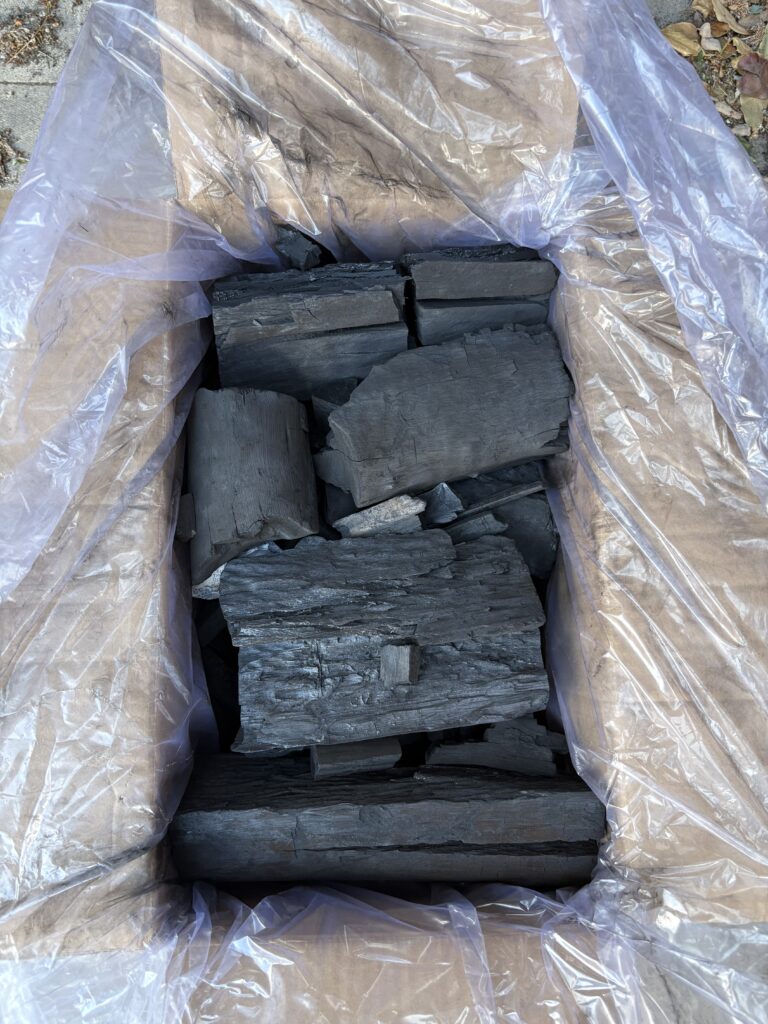
FAQ: Why does Big Ed’s Charcoal have a mix of big and small lumps?
Big Ed’s is all about top-quality, long-burning charcoal, made from a mix of Eucalyptus and Mangrove wood. Each 10kg box is packed with...