
Master Yakitori Recipes for Hibachi: The Ultimate Guide to Japanese Grilling in 2026
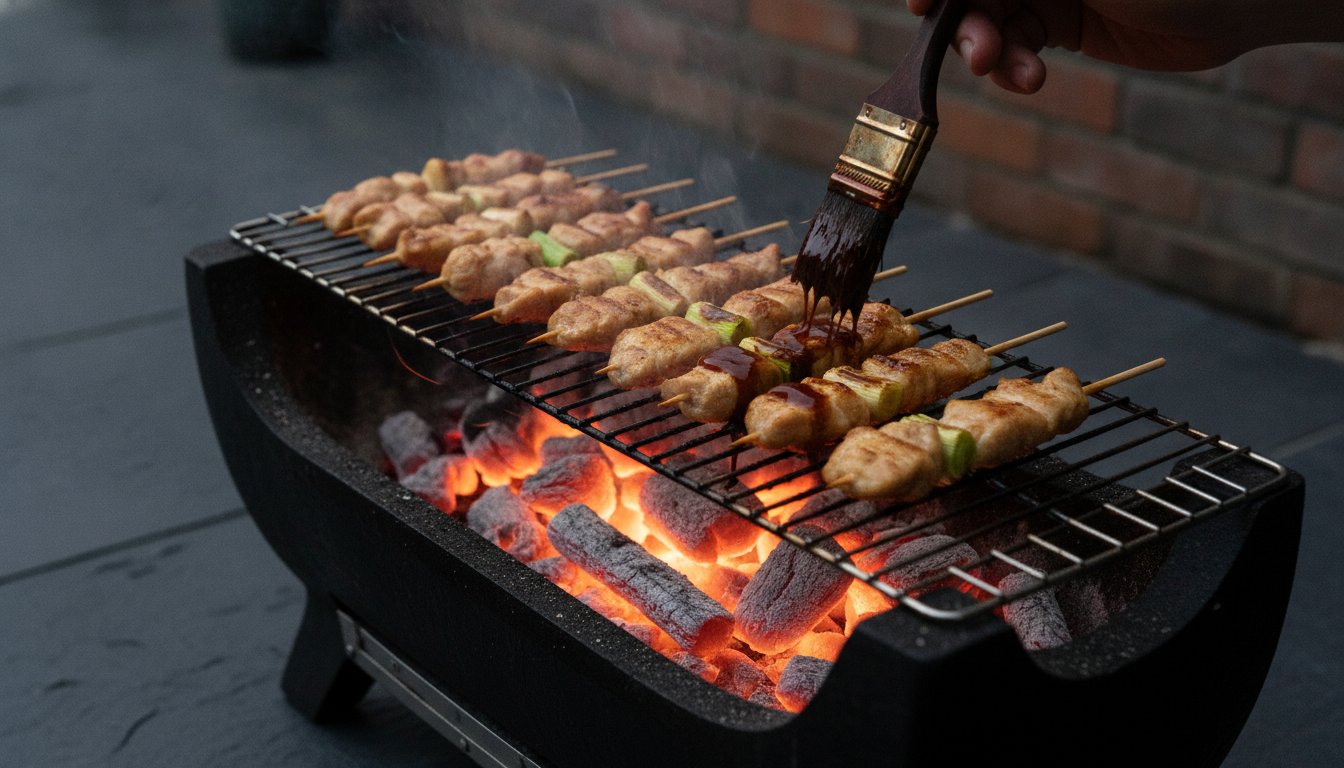
Can a compact ceramic vessel truly transform your terrace into a refined sanctuary of smoke and salt? Many enthusiasts struggle with skewers that burn or stick to the grate, losing that elusive, authentic smoky flavor that defines the world’s best izakayas. You know the frustration of a charcoal bed that fades just as the evening begins. This guide provides the definitive yakitori recipes for hibachi alongside the professional techniques required to master high-density heat.
Whether you prefer the sweet glaze of a traditional tare or the minimalist purity of shio, which currently splits Japanese popularity at an even 50/50, we’ll help you achieve a perfect char every time. You’ll discover how to manage premium fuels like Big Eds Charcoal to maintain consistent, searing temperatures throughout your session. We’ll explore advanced heat zones and the art of timing your seasoning to ensure every bite remains succulent. By the end, you’ll have the specialized knowledge to host a professional-grade Japanese grilling experience that elevates your outdoor lifestyle into a private culinary retreat.
Key Takeaways
- Learn why the precision of a Japanese Charcoal Grill is essential for replicating the intense, infrared heat of a traditional yakitori-ya.
- Discover how to select high-density fuels like Big Eds Charcoal to ensure a long, clean burn that enhances flavor without unpleasant smoke.
- Master authentic yakitori recipes for hibachi including classic Negima and gourmet Tsukune, focusing on uniform preparation for a perfect, juicy finish.
- Explore the balance between traditional salt and sauce glazes, or elevate your skewers with modern flavor profiles using Angus & Oink Rubs.
- Gain the technical skills to manage a two-zone heat system, allowing you to sear with intensity while preventing flare-ups from delicate fats.
The Art of Yakitori: Why Hibachi Grilling is the Pinnacle of Outdoor Gastronomy
The sound is unmistakable; a rhythmic hiss as rendered fat meets incandescent coal, releasing a perfume of smoke and salt that lingers in the air. This isn’t just cooking. It is the meticulous craft of yakitori, a discipline where chicken is skewered with architectural precision and transformed over a live flame. While many attempt these techniques on standard grills, the true connoisseur knows that a Japanese Charcoal Grill is the only tool capable of achieving the necessary intensity. Understanding the history and design behind The Art of Yakitori: Why Hibachi Grilling is the Pinnacle of Japanese outdoor gastronomy allows you to transform your garden into a private retreat. It becomes a social hub where the fire is the centerpiece of the evening, inviting guests to gather around the glow of the embers for a shared culinary journey.
Understanding the Hibachi Advantage
The rectangular design of a Hibachi isn’t merely aesthetic; it is functional brilliance. This specific shape supports bamboo skewers perfectly, allowing the meat to hover directly over the coals while the handles remain safely away from the heat. The walls, often crafted from diatomite or high-grade ceramic, offer superior thermal distribution. These materials retain heat with incredible efficiency, creating the searing temperatures required for a flawless Maillard reaction. This intense infrared heat penetrates the meat deeply while keeping the exterior crisp and caramelized. Because these units are portable and compact, you can bring the intimate ‘chef’s table’ experience directly to your outdoor seating area, making the preparation as engaging as the meal itself.
Yakitori vs. Western BBQ: A Philosophical Difference
Transitioning to yakitori requires a fundamental shift in mindset. Western BBQ often prioritizes bulk and a “low and slow” or “set and forget” approach. In contrast, yakitori is a game of precision and active fire mastery. You are managing smaller, targeted heat zones, requiring your constant presence and refined intuition to rotate each skewer at the exact moment of perfection. This is the difference between simply feeding a crowd and practicing curated excellence. For those seeking authentic results, using professional fuel like Big Eds Charcoal ensures the clean, consistent heat needed for complex yakitori recipes for hibachi. For the UK enthusiast, the ‘Yakitori-ya’ experience represents the ultimate marriage of high-end culinary precision and the raw, sensory joy of an evening spent mastering the coals.
Setting the Stage: Choosing the Best Charcoal and Fuel for Authentic Flavour
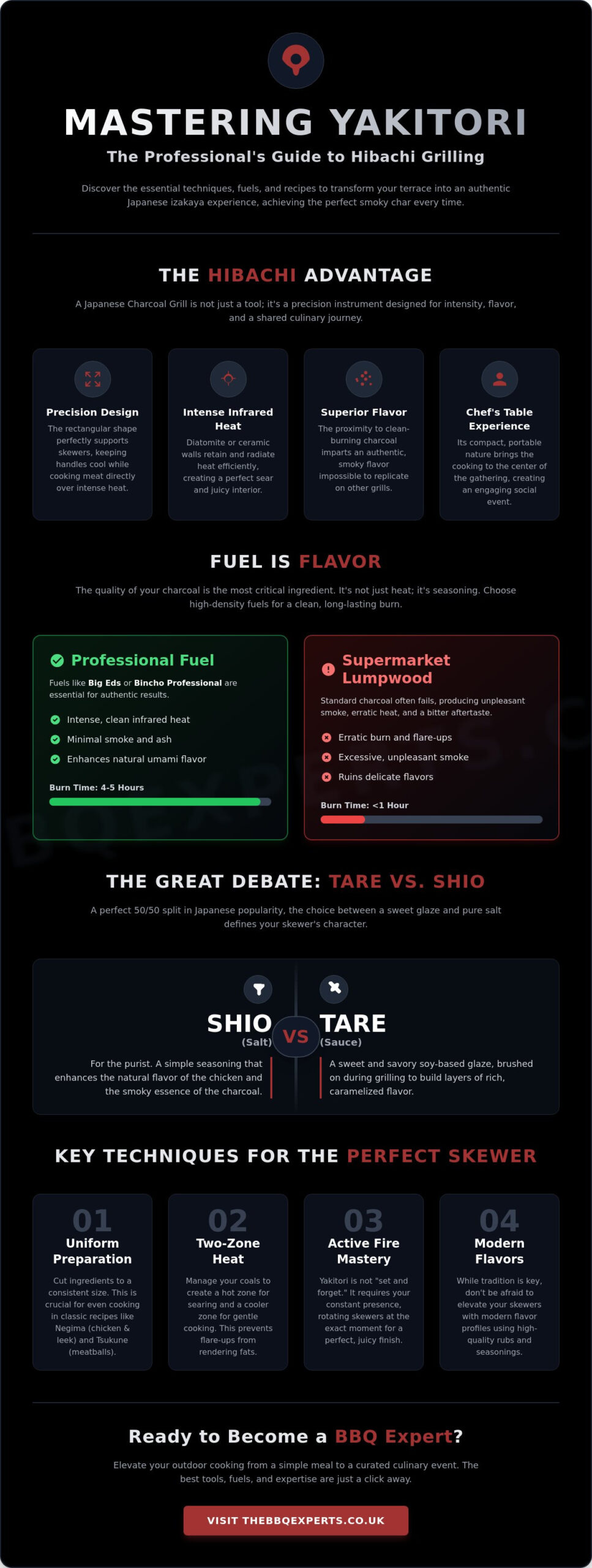
In the pursuit of the perfect skewer, many enthusiasts overlook the most critical ingredient: the fuel. To successfully execute authentic Essential Yakitori Recipes: From Classic Negima to Gourmet Tsukune, you must view charcoal not just as a heat source, but as a seasoning agent. High-density fuels produce intense infrared heat. This specific type of energy penetrates the muscle fibers quickly, locking in moisture before the exterior has a chance to dry out. Supermarket lumpwood often fails this test. Its erratic burn, excessive smoke, and tendency to spark can ruin a delicate skewer in seconds, leaving you with a bitter aftertaste instead of a clean, umami-rich finish.
For those seeking a professional Binchotan-style experience, Bincho Professional Charcoal Hexagonal Pro Briquettes are the definitive choice. They offer the steady, radiant heat required for complex yakitori recipes for hibachi, ensuring your cooking surface remains at a constant temperature. If you prefer a more nuanced, layered aroma, incorporating Big Eds Gourmet Mix allows you to introduce a unique flavor profile that sets your home izakaya apart from the rest.
The Science of High-Density Fuels
The hexagonal design of professional briquettes isn’t just for show. This shape allows for central airflow, which regulates the combustion process to provide a steady 4-5 hour burn. This longevity is vital for a relaxed evening of hosting where you don’t want to be constantly refuelling. Additionally, these fuels produce minimal ash. In the compact environment of a Hibachi, excessive ash can choke the air vents and kill your heat. To ensure your fire remains pure from the start, always use Natural Firelighters. They ignite your coals without the chemical taints associated with paraffin-based alternatives, protecting the integrity of your ingredients.
Alternative Woods for Exotic Aromas
Once you’ve mastered the basics, you can begin to experiment with the aromatic properties of different wood species. Coffee Restaurant Charcoal is a secret weapon for many pitmasters, offering a heavy, slightly sweet smoke that pairs beautifully with darker poultry meats. Alternatively, Eucalyptus charcoal provides a clean, high-heat sear that mimics the performance of traditional Japanese hardwoods. By layering these different fuels, you can create a ‘signature’ house smoke that defines your personal grilling style. If you’re unsure which fuel profile suits your specific outdoor setup, reach out to our connoisseurs for a tailored recommendation on building the ultimate fire.
Essential Yakitori Recipes: From Classic Negima to Gourmet Tsukune
Precision is the soul of the Japanese kitchen. When preparing your ingredients, the Golden Rule is absolute: uniformity. Every piece of chicken must be cut to an identical size to ensure they all hit the ‘sweet spot’ of the coals simultaneously. If your cuts are uneven, you’ll find yourself with charred edges and raw centers; a compromise no connoisseur should accept. Mastering these foundational yakitori recipes for hibachi allows you to move beyond simple grilling and into the sphere of culinary artistry where every skewer is a balanced composition of texture and heat.
The Perfect Negima: Step-by-Step
Negima is the essential entry point for every enthusiast. While some suggest breast meat, the seasoned chef knows that thigh meat is far superior for this style of cooking. Its higher fat content provides the resilience needed to withstand the intense heat of a Japanese Charcoal Grill without drying out. The architecture of the skewer is vital. You should alternate 2cm cubes of thigh with sections of ‘Tokyo Negi’ or thick spring onions. The onion chars and softens, releasing a sweetness that perfectly balances the savory richness of the meat. The ideal internal temperature for succulent yakitori thigh meat is 74°C, ensuring the juices remain locked within while the outside achieves a deep, enticing char.
Tsukune: The Connoisseur’s Choice
Tsukune, or Japanese chicken meatballs, offers a more complex challenge for the home chef. Authenticity often lies in the texture of the grind. Many traditional izakayas mix in finely chopped cartilage, known as nankotsu, to provide a satisfying crunch that contrasts with the tender meat. If you prefer a softer finish, high-quality panko breadcrumbs are an excellent alternative. To prevent your meatballs from falling off the skewer into the coals, ensure the meat mixture is well-chilled before shaping and use two parallel skewers for each portion to provide extra stability.
The double-dip glaze technique is essential for a professional finish. Grill the meat until it’s almost cooked, then dip the entire skewer into your tare sauce. Return it to the high heat of the Hibachi to caramelize the sugars, then dip it one final time just before serving. This creates a glass-like, umami-rich coating that is the hallmark of a master. Finally, don’t overlook Tebasaki. Butterflying chicken wings increases the surface area, allowing the high heat to render the fat and create an incredibly crisp skin. These yakitori recipes for hibachi are designed to showcase the power of your equipment while rewarding your patience and precision.
Elevating the Skewer: Professional Seasoning and the Tare vs. Shio Debate
The choice between salt and sauce is the fundamental crossroads of the yakitori-ya. While some purists insist on Shio (salt) to celebrate the natural profile of the chicken, others crave the complex, lacquered finish of a well-aged Tare (sauce). When executing your yakitori recipes for hibachi, you must decide which path serves the ingredient best. A fatty chicken skin skewer might demand the sharp, mineral bite of a high-quality finishing salt to cut through the richness, whereas a lean meatball finds its soul in a deep, soy-based glaze. This decision is not merely about flavor; it is about how the heat of the coals interacts with the surface of the meat.
To push your craft into the territory of a ‘Modern Master’, consider integrating Angus & Oink Rubs into your preparation. These blends offer an instant ‘Umami Bomb’ that traditional methods sometimes lack, providing a sophisticated depth that resonates with the smoky environment of the grill. By utilizing Miso or Soy-based dry rubs, you can create a professional bark on your skewers that traps moisture while providing a concentrated hit of savory goodness. This fusion approach respects Japanese tradition while utilizing the best of contemporary BBQ science to elevate every bite.
Crafting the Ultimate Tare
A superior Tare is a reduction of soy sauce, mirin, sake, and sugar, simmered until it reaches a syrupy consistency that clings to the skewer. Many master chefs embrace the ‘Master Sauce’ concept, where the tare is fortified with the juices of grilled chicken over multiple sessions, creating a legacy of flavor. When you are at the grill, follow the 70/30 rule: cook your meat to 70 percent completion before applying the first dip. This prevents the sugars from burning and turning bitter, ensuring a glass-like finish that remains sweet and savory rather than acrid.
Using Angus & Oink for Japanese Fusion
For delicate cuts like ‘Sasami’ (chicken breast), which are notoriously prone to drying out, dry rubs are transformative. They form a protective, flavorful crust that shields the lean meat from the intense infrared heat of the Hibachi. You can even create a ‘Shichimi’ inspired rub by selecting Angus & Oink profiles that feature citrus, chili, and sesame for a floral heat. This level of customization allows you to develop a signature profile that sets your home ‘izakaya’ experience apart. If you are ready to curate your own professional spice library, consult with our experts to find the perfect pairing for your next session.
Mastering the Heat: Advanced Hibachi Techniques for the Home Connoisseur
The final step in perfecting your craft isn’t found in the marinade, but in the fire itself. True mastery of yakitori recipes for hibachi requires a deep, intuitive relationship with heat management. You aren’t just cooking; you’re conducting a symphony of infrared energy. Professional yakitori chefs don’t just grill. They manipulate oxygen, carbon, and fat to create a result that is impossible to replicate in a standard kitchen. This stage of the journey transforms your outdoor space into a sanctuary of precision, where every movement at the coals serves a specific culinary purpose.
Creating a ‘Two-Zone’ setup within the compact 12-inch footprint of a Hibachi is a hallmark of the expert. By banking your coals more heavily on one side, you create a searing station for initial caramelization and a cooler resting zone for the meat to finish cooking through. This is essential when handling fat-heavy skewers like pork belly or chicken skin. When rendered fat drips and causes a flare-up, don’t reach for water. Instead, use the ‘flip and tap’ method. Quickly rotate the skewer and tap it against the grate to shake off excess oil, moving it to the cooler zone until the flame subsides. This preserves the temperature of your coal bed and prevents the acrid taste of burnt grease.
To further refine the environment, embrace the ‘Fan Technique’. Using a traditional Uchiwa fan allows you to boost oxygen levels instantly, clearing away settled ash and spiking the temperature for a final sear. It is a rhythmic, deliberate action that keeps the coals at their peak performance throughout the session. This active participation in the fire’s lifecycle is what separates a simple meal from a true izakaya experience.
Controlling the Airflow
The sliding vents on your Hibachi are your primary tools for micro-managing the environment. Opening them wide invites oxygen to surge, boosting the heat for a final sear. Closing them slightly allows for a more controlled, steady glow. To create a concentrated ‘heat core’, stack your Big Eds Restaurant Charcoal in a pyramid shape. This focuses the thermal energy directly beneath your skewers. As an expert mentor tip, if you’re working with particularly delicate items, use a second grate to elevate the skewers an extra inch from the fire, providing a more diffused heat that prevents scorching.
The Finish: Resting and Presentation
Unlike a thick ribeye, yakitori requires a very brief resting period. Too long, and you lose the contrast between the crisp, shattered skin and the juicy interior. A rest of sixty to ninety seconds is usually sufficient to let the juices settle while maintaining that vital crunch. Presentation is the final act of this lifestyle transformation. Serve your creations on a warmed ceramic platter to maintain the luxury aesthetic of a high-end Japanese retreat. This attention to detail ensures the sensory joy of the experience remains at its peak from the first hiss of the fire to the final bite. Ready to upgrade your setup? Explore our full range of specialist charcoal and rubs to ensure you have the professional tools needed for the job.
Transform Your Garden into a Private Izakaya Sanctuary
Mastering the art of the Japanese Charcoal Grill is a journey of precision, patience, and premium ingredients. You’ve discovered how high-density fuels like Bincho and Big Eds provide the consistent infrared intensity needed to lock in moisture, and how uniform skewer assembly ensures every bite is a culinary masterpiece. By balancing traditional tare glazes with modern fusion profiles, you can create a signature experience that defines your personal outdoor retreat. These yakitori recipes for hibachi are just the beginning of your evolution as a home connoisseur.
As a specialist UK retailer, we pride ourselves on curating the finest tools and fuels. We are your dedicated source for Angus & Oink rubs, premium Big Eds charcoal, and expert-led outdoor cooking advice. Whether you’re refining your fan technique or selecting the perfect fuel for a weekend gathering, we are here to support your pursuit of excellence. Elevate your Hibachi game with our professional-grade charcoal and rubs. The coals are glowing and the skewers are ready; it’s time to bring the authentic taste of Japan to your home.
Frequently Asked Questions
What is the best charcoal for a Hibachi grill?
Big Eds Charcoal or Bincho Professional Charcoal are the definitive choices for a Hibachi grill. These high-density fuels provide the intense, clean-burning heat required for professional results. Unlike supermarket alternatives, they offer a consistent burn time of up to five hours. This allows you to focus on your grilling technique rather than constantly managing the fire bed.
How do I stop my bamboo skewers from burning on the Hibachi?
Soak your bamboo skewers in water for at least 30 minutes before threading your ingredients to prevent them from igniting. The rectangular design of a Japanese Charcoal Grill also helps. You should position the skewers so the handles rest on the ceramic edge, away from the direct glow of the coals. This architectural placement is a simple but effective way to protect your tools.
Can I use a Hibachi grill indoors?
You must never use a charcoal Hibachi grill indoors because of the severe risk of carbon monoxide poisoning. These units are designed exclusively for outdoor use in well-ventilated environments. Even a small amount of charcoal produces odorless gases that can be lethal in enclosed spaces. Always prioritize safety by keeping your culinary sessions in the fresh air of your garden or terrace.
What is the difference between a Hibachi and a Konro grill?
A Hibachi is historically a traditional Japanese heating device, while a Konro is a specific type of cooking grill designed for high-heat skewers. In the modern culinary world, the terms are often used interchangeably to describe ceramic or diatomite grills. Both vessels prioritize thermal efficiency, ensuring your yakitori recipes for hibachi benefit from the intense infrared heat that only these specialized tools can provide.
How do I clean a ceramic Hibachi after cooking yakitori?
You should never use water or chemical detergents to clean a ceramic Hibachi after your session. Once the unit has completely cooled, simply use a soft brush to remove the residual ash. Ceramic and diatomite are highly porous materials; moisture can penetrate the walls and cause the grill to crack during its next use. Maintaining a dry environment is the key to the longevity of your equipment.
How many skewers can I cook at once on a standard Hibachi?
A standard rectangular Hibachi usually accommodates between 8 and 12 skewers at a single time. This capacity depends on the width of your ingredients and how closely you space them over the coals. For a seamless hosting experience, it’s best to cook in small, frequent batches. This ensures every skewer receives the focused attention required to achieve that perfect, professional-grade char.
Is yakitori healthy compared to other BBQ styles?
Yakitori is a remarkably healthy style of outdoor gastronomy because it prioritizes lean protein and allows excess fat to render away. By using thigh or breast meat and avoiding heavy oils, you create a meal that is high in flavor but lower in calories than traditional fried alternatives. When you master yakitori recipes for hibachi, you are embracing a refined lifestyle that values both culinary excellence and physical well-being.
What should I serve with yakitori for an authentic izakaya meal?
Disclaimer
This article was produced with AI assistance. We use AI and Third Parties to help deliver more content to our BBQ website and community, but we always aim to ensure accuracy and quality as much as we can. If you spot anything that doesn't seem right, we'd love to hear from you

Recent News & Updates

Our Story, Values and Beliefs
Here at the BBQ experts we have a passion for BBQ food, outdoor living and spending time with family and friends. We offer you; A...
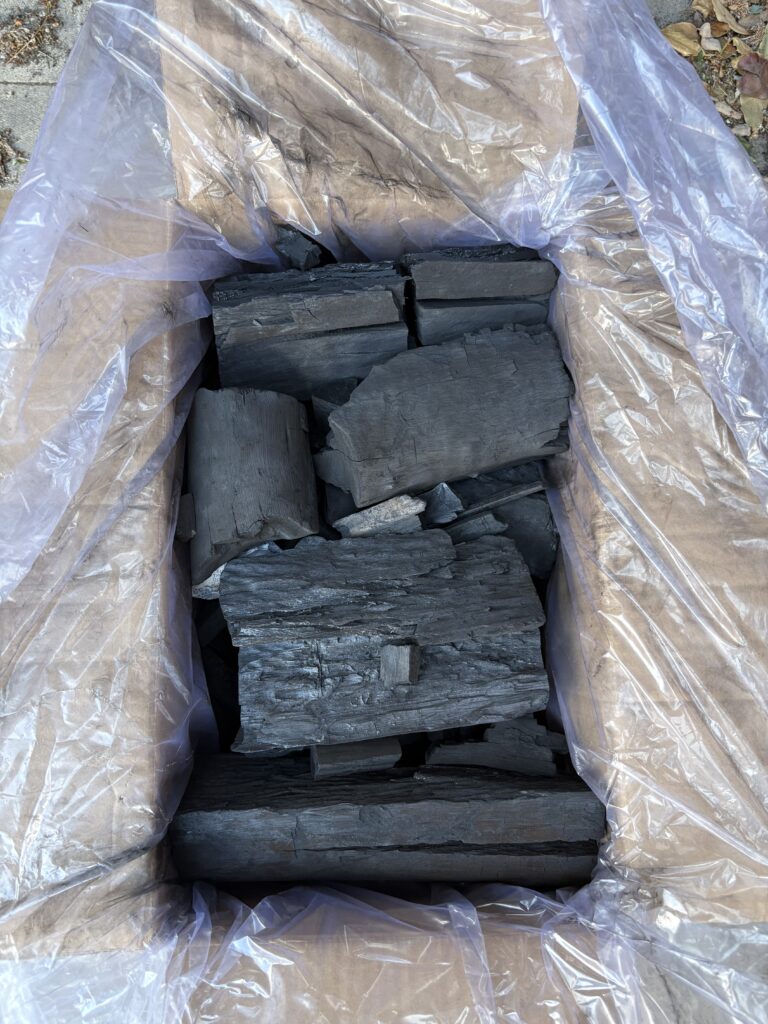
FAQ: Why does Big Ed’s Charcoal have a mix of big and small lumps?
Big Ed’s is all about top-quality, long-burning charcoal, made from a mix of Eucalyptus and Mangrove wood. Each 10kg box is packed with...