
Mastering the Flame: How to Season a New Hibachi Grill for Professional Results in 2026
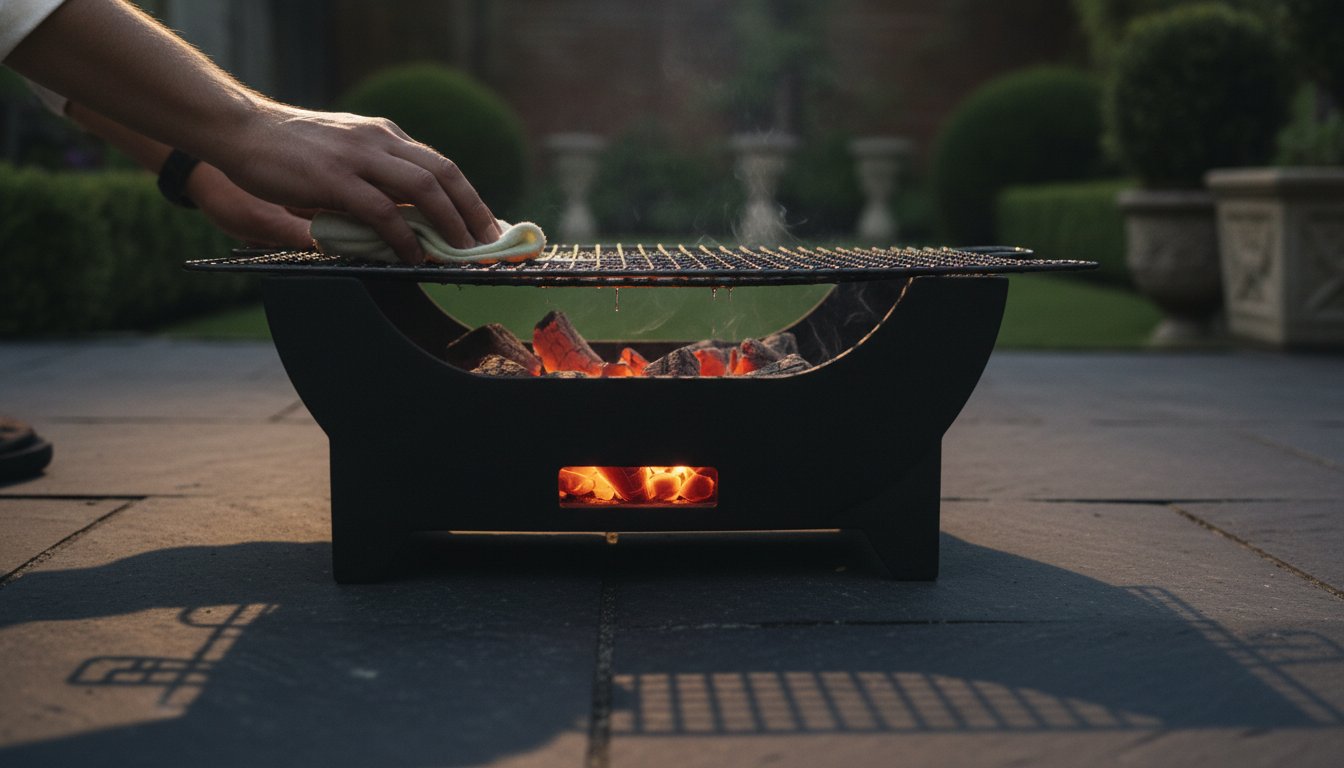
The global hibachi grill market is projected to reach $4.9 billion by 2034, proving that more enthusiasts are finally embracing the precision of high-end outdoor gastronomy. Your new equipment is more than just hardware; it’s a raw, unrefined canvas awaiting its first layer of culinary history. Many enthusiasts feel a surge of anxiety when they unbox their premium Japanese Charcoal Grill, fearing a single mistake might ruin the surface before the first ember is lit. Mastering the art of seasoning a new hibachi grill is the definitive bridge between owning an expensive tool and wielding a professional instrument. It’s the essential ritual that transforms cold iron into a slick, non-stick surface capable of producing the searing perfection you crave.
You’ve likely spent hours researching the perfect setup, yet the conflicting advice on oils and temperatures can leave even a seasoned connoisseur feeling uncertain. We understand that you want to protect your investment while unlocking the deep, sensory joy that only authentic charcoal cooking provides. This guide will teach you the exact professional techniques used by masters to ensure a lifetime of superior performance. We’ll walk through the initial deep clean, the selection of ideal bonding oils, and the precise heat management required to build a resilient patina that only gets better with time.
Key Takeaways
- Discover why polymerising high smoke point oils like flaxseed or grapeseed is the secret to creating a resilient, non-stick patina.
- Master the “Thin is King” technique for seasoning a new hibachi grill, applying multiple micro-layers to build a professional-grade cooking surface.
- Learn how to manage steady, medium heat during the initial burn to ensure your protective coating bonds perfectly to the metal.
- Preserve your hard-earned finish by adopting the professional cleaning method that uses only hot water and a stiff brush.
- Elevate your culinary results by pairing your seasoned grill with premium fuels like Big Eds Gourmet Mix for consistent thermal distribution.
The Science of Seasoning: Why Your New Hibachi Needs a Protective Patina
Seasoning is the fundamental rite of passage for any serious outdoor cook. It’s the moment you transition from being a consumer of high-end hardware to a curator of a living culinary tool. At its core, The Science of Seasoning involves the process of polymerization. This occurs when fats and oils are heated to their smoke point, causing them to break down and reform into a hard, plastic-like film that bonds directly to the metal surface. When you begin seasoning a new hibachi grill, you aren’t just greasing a pan; you’re creating a permanent, carbonised shield that protects against the elements and enhances every sear.
A well-developed patina serves as a natural barrier against oxidation. Without this layer, the raw iron of your new grill is vulnerable to the moisture in the air, leading to rapid rust formation that can degrade your equipment in a single season. Beyond protection, this slick surface provides the non-stick performance required for delicate Japanese-style grilling. It allows for the effortless release of marinated meats and vegetables, ensuring that the beautiful crust you’ve worked to build stays on the food rather than sticking to the grate.
Understanding Your Hardware: Cast Iron vs. Ceramic
Success starts with identifying your material. While many use the terms interchangeably, a traditional cast iron Hibachi Grill requires a meticulous oil-based patina, whereas ceramic Konro-style grills must remain entirely dry. Applying oil to the porous diatomaceous earth of a ceramic grill is a critical error. The material will absorb the fats, leading to rancid odours and potential structural damage when heated. You can distinguish them easily: cast iron is heavy, metallic, and cool to the touch; ceramic feels like compressed stone or clay and is significantly lighter for its size. Only the metal components of your setup should ever undergo the seasoning process.
The Culinary Benefits of a Mature Patina
A mature patina is the secret weapon of the professional chef. This seasoned layer acts as a thermal buffer, ensuring that heat is distributed evenly across the cooking surface. This consistency is vital when working with high-quality fuel like Big Eds Gourmet Mix, where the goal is a precise, controlled sear rather than erratic hot spots. Additionally, a seasoned surface prevents the leaching of metallic off-flavours into your ingredients. Instead of fighting the equipment, you’re working in harmony with it. The result is a cleaner taste, a superior crust, and a cleanup process that requires nothing more than a quick brush and a wipe. Mastering seasoning a new hibachi grill ensures your investment performs at its peak for decades to come.
Essential Preparation: The Best Oils and Tools for the Job
Before the first spark touches your Japanese Charcoal Grill, the preparation phase dictates the longevity of your patina. You’re setting the stage for a sophisticated chemical transformation. This is the moment where precision meets passion, ensuring your hardware is ready to handle the intense heat of professional outdoor cooking. Rushing this stage is the most common mistake made by enthusiasts, but as a connoisseur, you know that excellence requires a methodical approach.
Choosing Your Fat: Smoke Points Explained
The choice of oil is the difference between a resilient, glass-like finish and a gummy, uneven mess. You need fats that can withstand the intense thermal output of high-grade charcoal. Flaxseed oil is widely regarded as the gold standard because it’s a drying oil that hardens into a tough, durable film. Grapeseed and rapeseed oils are also excellent contenders due to their high smoke points and clean finish. When selecting the best oils for seasoning, you’re looking for high levels of polyunsaturated fats that facilitate the cross-linking of molecules during heat exposure.
Conversely, stay away from butter, lard, or extra virgin olive oil. These fats have low smoke points and contain water or solids that will burn away at hibachi temperatures, leaving behind a carbonised residue that flakes off. Using rancid or improper fats is the fastest way to compromise the structural integrity of your seasoning. The goal is a molecular bond, not a temporary coating of grease.
Stripping the Factory Coating
Most premium manufacturers apply a thick layer of industrial wax or mineral oil to prevent rust during transit and storage. This is a protective measure for shipping, not a base for cooking. Seasoning a new hibachi grill effectively requires you to strip this away completely. Use warm water and a mild dish soap for this initial wash. This is the only time soap should ever touch your grill’s surface. Scrub thoroughly with a stiff brush to ensure every bit of factory residue is gone, revealing the raw, thirsty metal beneath.
Once washed, drying is your immediate priority. Even a small amount of residual moisture can cause flash rusting as the metal heats up. Use a lint-free microfibre cloth to wipe it down, then place it in a warm, dry area to ensure every pore of the metal is bone-dry. You’ll need high-quality tools for the next step: a silicone brush or a lint-free cloth ensures an even, razor-thin coat of oil. Thick layers lead to dripping and pooling, which results in a sticky, ineffective finish. If you’re unsure about the specific requirements of your premium setup, our team is always available for a bespoke consultation to help you protect your investment.
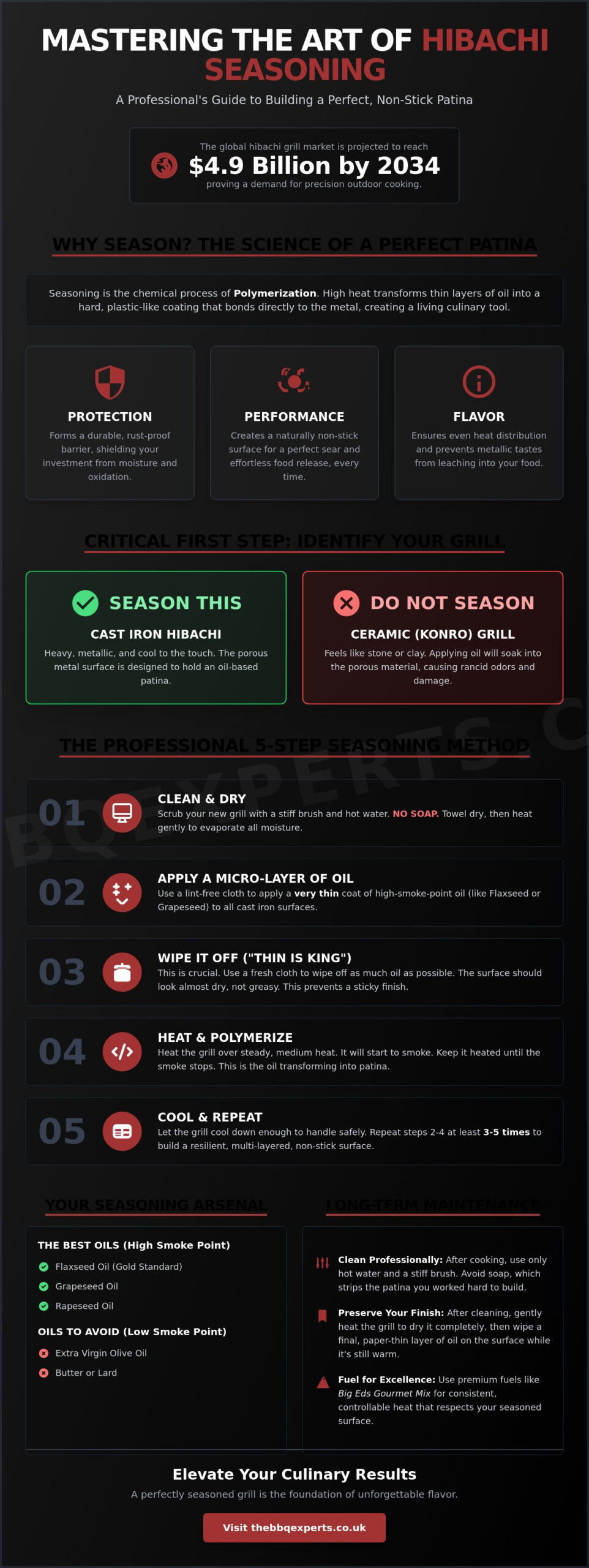
The Step-by-Step Guide to Seasoning a New Hibachi Grill
The transition from a raw, silvered metal to a deep, obsidian patina is where the soul of your grill is forged. This is a methodical dance between carbon and heat. When seasoning a new hibachi grill, your goal is to build a foundation that will serve as a lifetime non-stick surface. Rushing this process with excessive heat or thick oil will only lead to a sticky, uneven finish that flakes under the pressure of a real cook. Instead, embrace the patience of a master, focusing on the precision of each individual layer.
The Initial Burn-Off and Heat Management
Your first fire must be clean and controlled. Avoid using liquid starters or chemical-laden briquettes that can taint the metal pores. Instead, use natural firelighters to ignite a small bed of charcoal. You’re aiming for a steady, medium heat. If you don’t have an infrared thermometer, use the hand-hover method: hold your palm about six inches above the grate. You should be able to keep it there for three to four seconds before the heat becomes too intense. Never shock cold cast iron by dumping a roaring chimney of white-hot coals into a freezing grill; gradual temperature increases prevent structural stress and potential cracking.
Applying and Curing the Oil Layers
Once the metal is warm to the touch, it’s time to apply your first layer of fat. The “Thin is King” rule is your mantra here. Dip a lint-free cloth into your chosen oil and buff it into every centimetre of the metal. The secret is to keep wiping until the surface looks nearly dry. You want a microscopic film, not a visible coating. As the temperature rises, watch for the “smoke point.” This wispy blue smoke is the visual signal that polymerisation is occurring, turning the liquid oil into a solid, protective plastic. For a truly professional result, consult these expanded resources on how to season and maintain cast iron to understand the molecular bonding involved.
A single coat is never enough for a Japanese Charcoal Grill destined for greatness. After the first layer has stopped smoking, let the grill cool slightly before repeating the process. While some enthusiasts stop after two cycles, a seasoned connoisseur knows that three to five micro-layers are necessary to create that signature dark, resilient finish. This repetitive cycle of heating, smoking, and cooling builds a multi-dimensional barrier that is far tougher than any single thick coat could ever be. By the final cycle, your grill will possess a bronze-to-black sheen that is ready to face the most demanding sears with effortless release.
Maintenance and Troubleshooting: Keeping Your Patina Perfect
Your journey doesn’t end once the initial patina is set. Preserving that glass-like finish is a continuous act of stewardship. In the world of high-end outdoor gastronomy, a well-maintained Hibachi Grill is the mark of a true connoisseur. Proper care ensures that the effort you invested in seasoning a new hibachi grill pays dividends for decades, providing a reliable, non-stick surface for every social gathering. If you treat your grill with respect, it will reward you with unparalleled culinary precision.
Cleaning Without the Chemicals
Dish soap is designed to break down fats. While that’s a necessity for your dinner plates, it’s catastrophic for a seasoned surface. Soap will aggressively strip the hard-earned lipid layers you’ve carefully polymerised. Instead, use only hot water and a stiff, natural-fibre brush while the grill is still warm. For stubborn, burnt-on residues, rely on coarse sea salt. It acts as a powerful, natural abrasive that lifts proteins without compromising the metal’s integrity. Once the surface is clear, always place the grill back over a low heat for several minutes. This ensures total evaporation of moisture, which is the only way to prevent the silent creep of rust.
Dealing with Rust and Flaking
The damp UK climate is a constant threat to raw iron and steel. If you notice a dull, orange hue or a rough texture, oxidation is starting to take hold. Catching this early is vital for material longevity. A simple “Scrub and Re-season” technique usually suffices for minor spots. Use a small piece of steel wool to remove the surface rust, wipe the area clean, and immediately apply a micro-layer of oil. However, if your patina starts flaking like old paint, it’s often a sign that the oil was applied too thickly during the initial process. In these cases, a full strip back to the raw metal and a fresh start on seasoning a new hibachi grill is the only path back to professional results.
If your surface feels “sticky” or tacky to the touch, you’ve likely encountered the most common troubleshooting issue: excess oil that hasn’t fully polymerised. This happens when the heat wasn’t high enough or the layers were too heavy. To fix this, simply place the grill over a high-heat fire until the stickiness disappears and the surface turns matte. Before storing your equipment, apply a final, microscopic layer of oil while the metal is still warm. This “Oil and Store” routine is your best defence against the elements. If you encounter persistent issues with your patina or need professional advice on restoring your setup, speak with our expert mentors for tailored guidance.
Beyond the Seasoning: Fueling Your Hibachi for Culinary Excellence
The ritual of seasoning a new hibachi grill is merely the foundation of your outdoor sanctuary. Once you’ve forged that resilient, obsidian-dark patina, your attention must shift to the energy source that will dance upon it. Choosing a low-grade, chemical-laden supermarket charcoal is a disservice to your craftsmanship. These inferior fuels often burn at erratic temperatures, reaching spikes that can actually degrade your hard-earned seasoning or leave behind a gritty, chemical residue that taints your ingredients. True culinary precision requires a fuel that respects the metal and the meat alike.
With the global hibachi market projected to reach $4.9 billion by 2034 and a compound annual growth rate of 6.4%, the standard for home gastronomy is rapidly rising to meet commercial expectations. To achieve these professional results, we recommend Big Eds Gourmet Mix. This premium blend provides the steady, long-lasting thermal distribution necessary to maintain the integrity of your seasoned surface. It burns clean and consistent, ensuring that your patina stays intact rather than being scorched by the unpredictable flare-ups common with lesser lumpwood.
The Binchotan Advantage
Professional chefs worldwide gravitate toward Binchotan for a reason. This high-purity charcoal is the gold standard for hibachi cooking because it produces an incredibly clean heat with minimal ash buildup. Excess ash is more than just a nuisance; it’s an abrasive that can slowly wear down your non-stick layer over time. By using a refined fuel, you’re protecting the microscopic bond between the oil and the iron. For a deeper exploration of how different fuels interact with your equipment, check our ultimate guide to charcoal, which details the specific thermal properties of professional-grade fuels.
Seasoning the Food: Angus & Oink Rubs
While the metal is now perfectly prepared, the final layer of excellence comes from the ingredients themselves. There’s a profound synergy between a well-seasoned Japanese Charcoal Grill and the development of a perfect bark. High-quality Angus & Oink rubs are designed to work in harmony with high-heat environments, providing the complex flavour profiles that define a master’s work. When applying these rubs to your hibachi-style meats, remember that balance is key. Excessive sugar content in a rub can caramelise too quickly on a new patina, potentially leaving stubborn deposits. Apply your seasonings evenly and allow them to set on the meat before it touches the grate. This careful approach ensures that your first cook is a sensory triumph that honours the patient work you’ve invested in your grill.
Forging a Legacy of Flavour
You’ve moved beyond the realm of the casual enthusiast. By understanding the molecular bond of polymerisation and the “Thin is King” rule, you’ve ensured your equipment is a precision tool rather than just a piece of hardware. Remember that seasoning a new hibachi grill is a patient investment that pays dividends in every perfectly seared bite. The synergy between a resilient patina and premium fuel is what separates the home cook from the seasoned connoisseur. You now possess the knowledge to maintain a surface that only improves with age.
As an official stockist of Angus & Oink premium rubs and a specialist in restaurant-grade charcoal and Binchotan, we take pride in our expertly curated range for the serious outdoor cook. We’re here to be the bridge between professional equipment and your personal retreat, providing only the tools that meet our exacting standards. Your journey doesn’t end with a seasoned surface; it begins with the first ember. Upgrade your outdoor setup with professional grade fuels and rubs and transform your exterior space into a refined culinary hub. It’s time to light the fire and claim your status as a master of the flame.
Frequently Asked Questions
What is the best oil for seasoning a new hibachi grill?
Flaxseed oil is the superior choice because it’s a drying oil that creates the hardest, most durable patina. Grapeseed and rapeseed oils are excellent alternatives with high smoke points that can withstand the intense thermal output of a Japanese Charcoal Grill. Avoid fats like butter or extra virgin olive oil because they burn off too quickly and leave a carbonised, flaky residue on your cooking surface.
How often should I re-season my hibachi?
You should perform a light re-seasoning every 5 to 10 uses or whenever you notice the surface becoming dull. A professional patina is built over time, so applying a microscopic layer of oil after each cleaning session is a good habit. If food begins to stick or the metal looks grey rather than black, it’s time for a dedicated heat-and-oil cycle.
Can I use soap to clean a seasoned cast iron hibachi?
Never use dish soap on a seasoned surface because it’s chemically designed to dissolve the very fats that make up your patina. Stick to hot water and a stiff, natural-fibre brush for routine cleaning. If you encounter stubborn, burnt-on proteins, use coarse sea salt as a natural abrasive to lift the residue without compromising the integrity of the metal.
Why is my hibachi grill sticky after seasoning?
Stickiness is caused by applying the oil too thickly or failing to reach the smoke point required for polymerisation. This is the most common hurdle when seasoning a new hibachi grill for the first time. To fix this, place the grill over a high-heat fire until the tacky residue stops smoking and transforms into a hard, matte finish.
Do I need to season a ceramic or Konro hibachi grill?
You must never apply oil to a ceramic or Konro-style grill because the porous diatomaceous earth will absorb the fat and become rancid. Seasoning is a process reserved exclusively for metal surfaces like cast iron or steel. Keep your ceramic hibachi dry and only clean the removable metal grates using the methods described for cast iron hardware.
How do I stop my hibachi from rusting during a UK winter?
Prevent rust by applying a thin, protective layer of oil before storing your grill in a dry, indoor space during the damp months. Moisture is the primary enemy of raw iron and steel. If you must store it in a shed, ensure it’s wrapped in a breathable cloth and never left directly on a cold, damp floor where condensation can settle.
Can I season my hibachi in a kitchen oven instead of with charcoal?
Yes, you can season the removable metal components of your hibachi in a kitchen oven set to 230°C for a very controlled environment. This is an excellent way to build the initial base layers before moving to charcoal. Just ensure your kitchen is well-ventilated, as the polymerisation process will produce a significant amount of smoke as the oil cures.
What happens if I forget to season my new grill before the first use?
Failing to season your grill will lead to immediate oxidation and food sticking aggressively to the raw metal surface. Additionally, you risk contaminating your food with the industrial factory coatings used for protection during shipping. If you’ve already used it, give the metal a thorough scrub with salt and start seasoning a new hibachi grill immediately to restore the surface.
Disclaimer
This article was produced with AI assistance. We use AI and Third Parties to help deliver more content to our BBQ website and community, but we always aim to ensure accuracy and quality as much as we can. If you spot anything that doesn't seem right, we'd love to hear from you

Recent News & Updates

Our Story, Values and Beliefs
Here at the BBQ experts we have a passion for BBQ food, outdoor living and spending time with family and friends. We offer you; A...
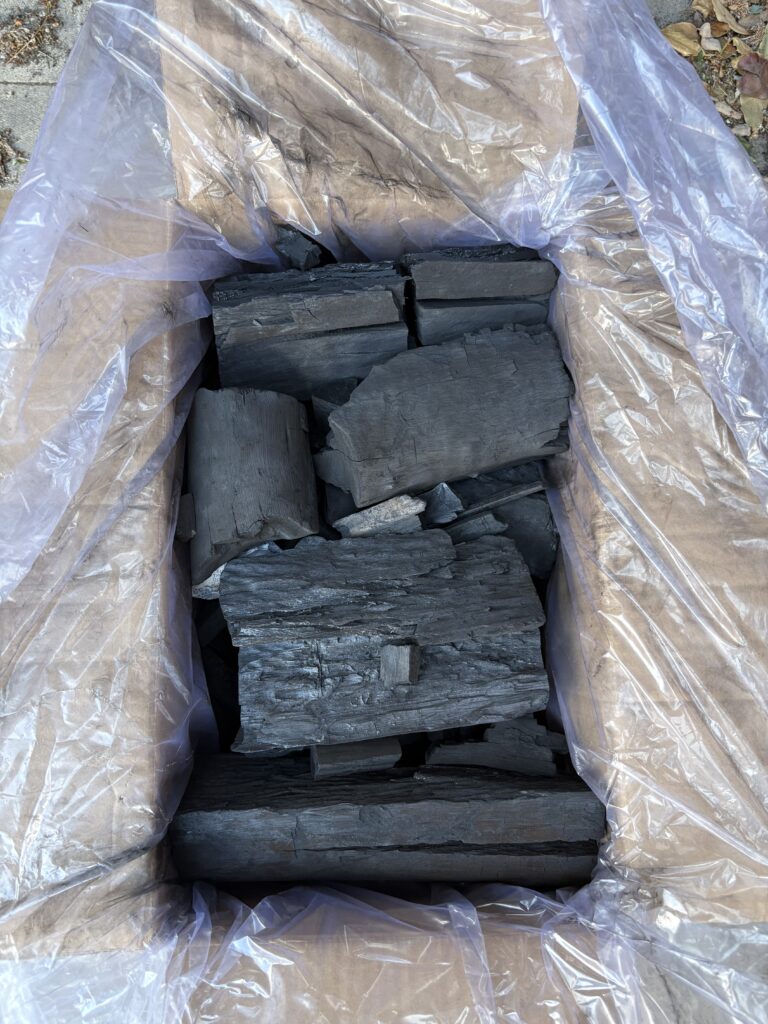
FAQ: Why does Big Ed’s Charcoal have a mix of big and small lumps?
Big Ed’s is all about top-quality, long-burning charcoal, made from a mix of Eucalyptus and Mangrove wood. Each 10kg box is packed with...