
What is a Plancha? The Expert Guide to Elevating Your Outdoor Gastronomy
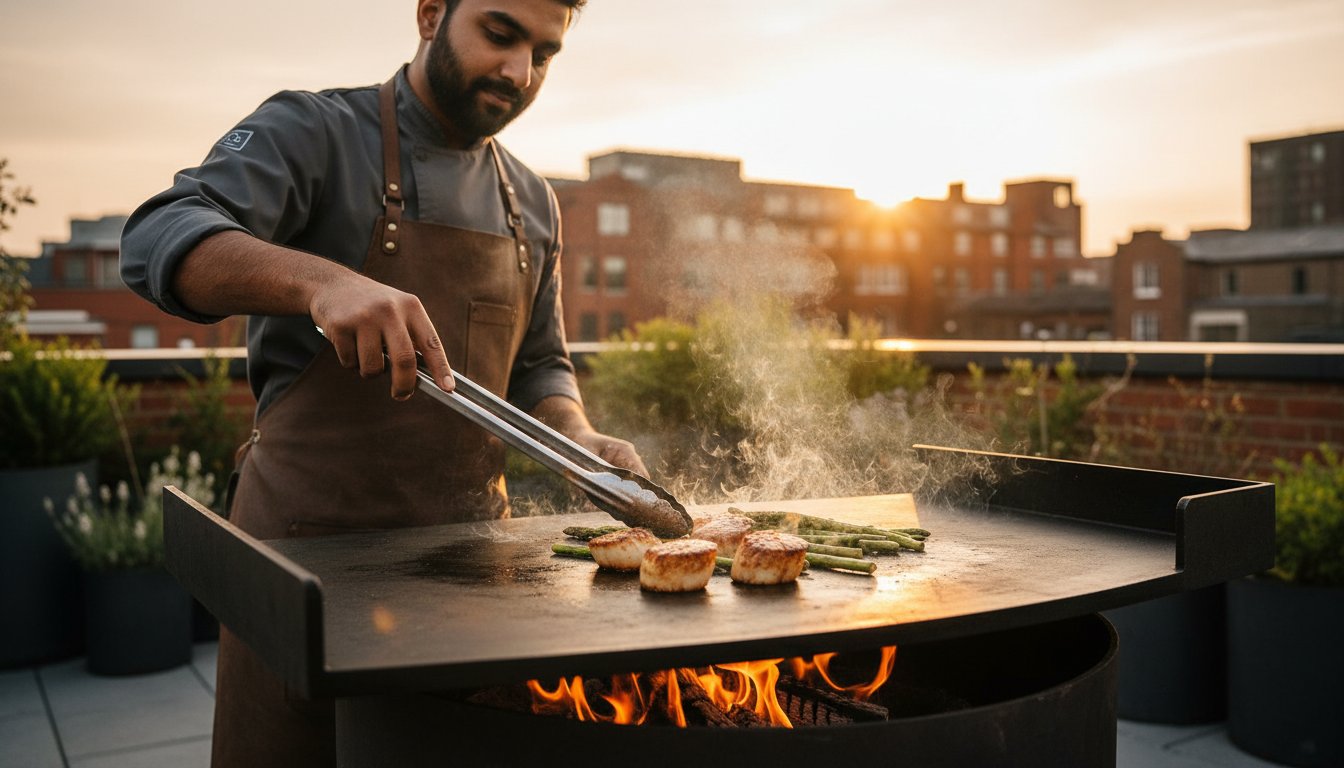
The traditional barbecue grate is often the single biggest barrier between a passionate home cook and true culinary mastery. You’ve likely felt the frustration of watching a delicate sea bass fillet tear on the metal bars or losing a charred spring onion to the depths of the glowing coals. It’s a common struggle for those of us who view the garden as more than just a place to eat, but as a bespoke sanctuary for high-end gastronomy. We believe your equipment should never limit your creativity; that’s exactly where the plancha transforms your entire approach to fire and food.
By embracing the art of flat-top precision, you can finally achieve the unrivalled searing and consistent heat distribution that professional chefs demand, often reaching temperatures exceeding 300 degrees Celsius across the entire surface. We’re going to show you how to elevate your outdoor cooking by mastering high-heat techniques that standard grills simply can’t replicate. This guide explores how to integrate this versatile tool into your setup, allowing you to craft everything from succulent seafood to theatrical smash burgers. You’ll discover how to create a more versatile cooking space that ensures every summer gathering becomes a sophisticated, high-performance event for your guests.
Key Takeaways
- Unlock the secrets of the Maillard reaction to achieve an unrivaled, succulent crust that only 100% surface contact can provide.
- Discover how the plancha elevates your garden into a high-end culinary sanctuary, bridging the gap between professional precision and home entertaining.
- Compare the benefits of gas, charcoal, and wood-fired heat sources to find the bespoke setup that matches your specific outdoor cooking style.
- Learn the “Ice Cube Trick” and expert seasoning methods to ensure your premium hardware remains a pristine centerpiece for years to come.
- Embrace the theatrical joy of open-air gastronomy, turning every meal into a social masterpiece that places you at the heart of the party.
What is a Plancha? Defining the Pinnacle of Flat-Top Cooking
The word “plancha” translates simply to “plate” in Spanish, but this humble origin belies its status as a revolutionary tool in modern outdoor gastronomy. Originally used in 19th-century Spanish coastal regions to cook large quantities of food over open fires, it has transitioned from a rustic necessity into a high-end essential for the British garden. Unlike the standard Flattop grill found in American diners, a true plancha is engineered for intense, localized heat that frequently exceeds 350°C. This extreme temperature creates a unique cooking style where ingredients are seared instantly, locking in moisture while developing a crisp, golden crust that a traditional barbecue simply cannot replicate.
In the United Kingdom, the demand for sophisticated outdoor living has surged, with market data from 2023 indicating a 35% increase in bespoke outdoor kitchen installations. The plancha has become the undisputed centerpiece of these spaces. It offers a level of control and versatility that bridges the gap between professional restaurant kitchens and the home enthusiast. While Japanese Teppanyaki focuses on theatrical, refined movements at lower temperatures, this Spanish-inspired hardware is built for raw searing power and high-capacity entertaining.
Plancha vs. Traditional BBQ Grates
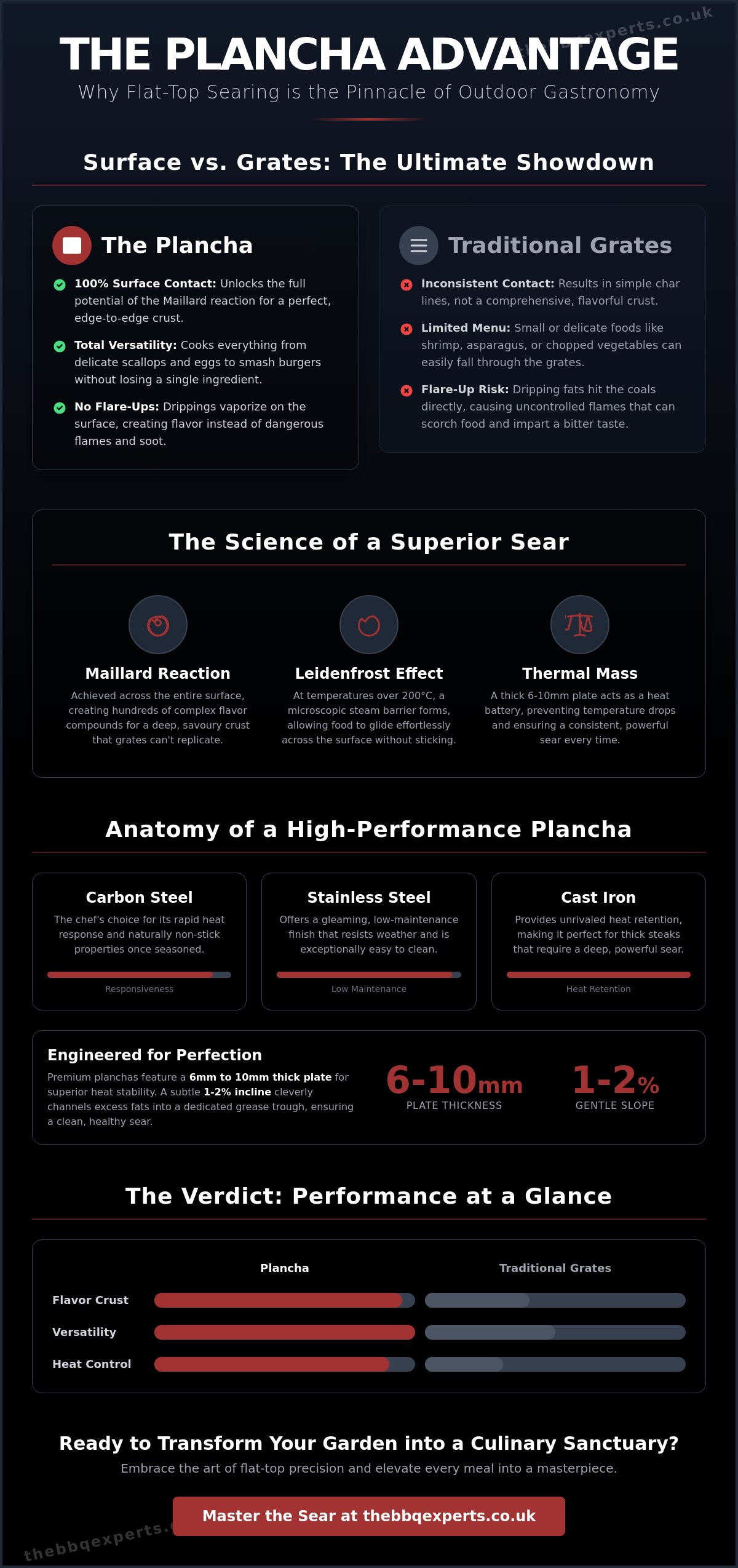
Open grates have their place in the ritual of the fire, but they possess inherent limitations. When you cook on a solid surface, you eliminate the risk of flare-ups caused by dripping fat. Those precious juices don’t vanish into the coals; instead, they stay on the plate, caramelising into a rich “fond” that coats your food in deep, complex flavour. This solid surface expands your culinary repertoire significantly. You can effortlessly sear hand-dived scallops, char delicate asparagus spears, or even fry a duck egg alongside a dry-aged ribeye. It transforms your garden into a versatile sanctuary where the only limit is your imagination.
The Anatomy of a Premium Plancha
Precision engineering defines the modern cooking plate. Professional-grade models typically feature a plate thickness between 6mm and 10mm. This mass is vital for heat retention, ensuring the temperature doesn’t plummet when you add a cold piece of protein. Material choice dictates your daily cooking experience:
- Carbon Steel: The chef’s choice for its rapid response to temperature adjustments and natural non-stick properties once seasoned.
- Stainless Steel: Offers a gleaming, low-maintenance finish that resists the British weather and remains easy to clean after a heavy session.
- Cast Iron: Provides unrivaled heat soak for thick steaks, though it requires more diligent maintenance to prevent corrosion.
Many premium designs incorporate a subtle 1% to 2% incline. This clever geometry allows excess fats to migrate toward a dedicated grease trough, ensuring your sear remains clean and your lifestyle remains healthy.
The Science of Searing: Why the Plancha Surface is Superior
Elevating your outdoor gastronomy requires more than just high heat; it requires the precise application of physics. The plancha transforms your garden into a professional-grade kitchen by mastering the transfer of energy through direct contact. While traditional grills rely on radiant heat and convection, this solid surface provides a consistent platform for culinary excellence.
The secret to that world-class crust lies in the Maillard reaction. Because the plancha offers 100% surface contact, every millimetre of your protein undergoes this chemical transformation. Amino acids and reducing sugars react to create hundreds of different flavour compounds, resulting in a deep, mahogany finish that is impossible to achieve on thin wire grates. This isn’t just browning; it’s the development of a complex, savoury profile that defines luxury outdoor cooking.
- The Leidenfrost Effect: At temperatures above 200°C, moisture from your food creates a microscopic steam barrier. This allows delicate ingredients like scallops to glide across the steel without sticking.
- Thermal Mass: High-end plates, often crafted from 6mm to 10mm carbon steel, act as a heat reservoir. This prevents the temperature from plummeting when you add cold steaks, ensuring the searing process never falters.
- Bespoke Heat Zones: By concentrating your fuel source, you can create a 300°C searing station at the centre and a 150°C warming zone at the edges for simultaneous cooking.
Contact Searing vs. Convection
Direct conduction is significantly more efficient than the hot air used in standard BBQ convection. Thermal conductivity represents the rate at which heat energy flows through the carbon steel plate to reach your food. This immediate energy transfer is how professional chefs achieve a glassy, translucent sear on sea bass skin. The intense heat sets the proteins instantly, locking in natural juices while the exterior becomes remarkably crisp and uniform.
Temperature Control and Recovery
Planchas recover their cooking temperature almost instantly after food is added. While open grates lose energy to the surrounding air, the solid mass of the plate holds its heat with tenacity. Managing the sweet spot for perfect caramelisation depends heavily on your choice of fuel. Using high-density Oak Briquettes provides the sustained, intense thermal output required to keep the plate at an optimal 250°C. This consistency allows you to focus on the artistry of the cook rather than constantly adjusting your vents. If you want to refine your setup further, you can browse our selection of professional outdoor cooking equipment to see these principles in action.
Choosing Your Heat Source: Gas, Charcoal, or Fire Pit Inserts
The foundation of your outdoor sanctuary rests on how you choose to harness heat. While the plancha is defined by its solid cooking surface, the energy source beneath that plate dictates the rhythm of your evening and the depth of flavour you achieve. Whether you seek the surgical precision of a professional kitchen or the primal allure of a crackling fire, your choice will transform how you engage with your garden space.
The Case for Gas Planchas
Gas-powered units are the gold standard for those who value performance without the wait. Imagine hosting a spontaneous weekend brunch; with high-grade stainless steel burners, you can reach searing temperatures exceeding 300°C in under 10 minutes. This speed allows you to transition from a cold start to a full English breakfast for a dozen guests before the kettle has even finished boiling.
- Zonal Control: Independent burners allow you to create distinct heat reservoirs. You can flash-sear scallops on one side while keeping delicate asparagus warm on the other.
- Consistency: Gas eliminates the variables of wind and fuel quality, providing a stable platform for culinary perfection.
- Convenience: It’s the ultimate choice for the busy enthusiast who wants to elevate their midweek dining without the cleanup associated with ash.
The Soul of Live-Fire Planchas
For the purist, nothing rivals the sensory theatre of wood and coal. Using a Fire Cage or a dedicated fire bowl to heat a circular plate introduces a rustic, charred aroma that gas cannot replicate. The wood-smoke licks the edges of the steel, subtly seasoning your ingredients as they sizzle. This method turns cooking into a social event, drawing guests toward the warmth of the flames.
To maintain the intense, steady heat required for a 6mm or 8mm steel plate, the quality of your fuel is non-negotiable. We recommend using Big Eds Charcoal to ensure a clean burn and a consistent temperature profile. This premium lumpwood provides the longevity needed for extended sessions, ensuring the centre of your plate remains a blistering hot spot for perfect caramelisation.
If you aren’t ready to invest in a standalone station, you can still join the revolution. Many enthusiasts choose to transform their existing gas bbq by swapping a traditional grate for a heavy-duty plancha insert. This hybrid approach offers the best of both worlds, giving you the ability to smash burgers or sauté onions on a flat surface while retaining your grill’s original footprint. More recently, the trend has shifted toward the fire pit bbq, where integrated rings allow you to cook 360 degrees around the fire, turning your heat source into the literal and metaphorical heart of the home.
Mastering the Surface: Seasoning, Maintenance, and Technique
A professional plancha is more than a simple slab of metal; it’s a precision instrument that requires a bespoke approach to care. To achieve that signature non-stick surface used by Michelin-starred chefs, you must first master the art of the seasoning ritual. This process creates a polymerised layer of oil that protects the steel and ensures your scallops or smash burgers release with effortless grace. It’s the difference between a frustrating cleanup and a seamless culinary performance.
The Seasoning Ritual
Your journey begins with selecting a high smoke point oil. We recommend organic flaxseed or grapeseed oil, as these bond effectively at temperatures exceeding 200°C. Apply a thin, almost invisible layer of oil across the entire surface. Heat the plate until it smokes and turns a deep, dark bronze. Repeat this process three to five times to build a professional-grade finish. If you notice the surface flaking, it’s likely because the oil layer was too thick; simply scrape it back and start again with a lighter touch. A well-seasoned plate becomes a dark, lustrous heirloom that only improves with every garden gathering.
Advanced Plancha Techniques
Once your surface is primed, you can explore the technical nuances of outdoor gastronomy. The “Cloche Method” is a secret weapon for any serious host. By placing a stainless steel dome over your ingredients, you trap steam and heat, allowing you to melt Gruyère perfectly or cook through thick gambas while the bottom maintains a crisp, golden sear. You can also deglaze the plate mid-cook. Pour a splash of dry white wine or rich beef stock onto the hot surface to lift the caramelised bits, creating an instant, intense sauce that coats your vegetables and meats.
Maintenance is equally vital for longevity. The legendary “Ice Cube Trick” is the most efficient way to clean between courses. Toss a handful of ice onto the scorching plate; the thermal shock lifts carbonised residue instantly, allowing you to sweep it into the grease trap with a heavy-duty scraper. For the ultimate burger crust, use a heavy stainless steel press to “smash” your meat, maximising the Maillard reaction for an unrivaled flavour profile.
- Heavy-duty scraper: Essential for removing debris and managing the surface mid-service.
- Long-handled spatulas: These provide the leverage needed for delicate flips and aggressive scrapes.
- The Cloche: A must-have tool for moisture control and rapid melting.
Preventing rust in the British climate is straightforward. After cleaning, apply a final, light coating of oil while the plate is still warm. This creates a protective barrier against humidity, ensuring your outdoor kitchen remains a sanctuary of culinary excellence for years to come. By treating the metal with respect, you ensure it remains the centerpiece of your social hub.
Ready to transform your garden into a professional-grade kitchen? Explore our curated range of premium plancha accessories and start your journey toward culinary mastery.
The Plancha Lifestyle: Elevating Your Social Sanctuary
Owning a plancha isn’t just about adding a piece of hardware to your patio. It’s about adopting a lifestyle where the garden becomes your primary social sanctuary. This solid plate of steel acts as a magnetic hub, drawing guests away from the house and into the heart of the action. You’ll find that people don’t just wait for their food; they watch the process, captivated by the sizzle and the aromatic steam. This is theatrical cooking at its finest, bringing the energy of a professional kitchen into the intimacy of your home.
The transition from dawn till dusk is seamless. You can start the day at 9 am with a bespoke breakfast of eggs and smoked bacon before moving to a late-night picanha for a more sophisticated crowd at 10 pm. To truly master this craft, you need more than just heat. Precision seasoning is essential. We recommend pairing your cuts with professional Angus and Oink seasonings. Their rubs are designed to withstand intense contact heat without burning, creating a succulent crust that locks in every drop of moisture.
Curating a Plancha Menu
Creating the Atmosphere
Elevate your outdoor cooking with our curated range and transform your garden into a professional-grade gastronomic retreat today.
Master the Art of the Outdoor Sanctuary
You’ve explored how this specialized flat-top surface delivers a superior sear by maximizing contact and heat retention. Whether you choose the precision of gas or the raw intensity of a fire pit insert, you’re investing in a tool that turns every meal into a theatrical event. It’s about more than hardware. It’s about creating a social sanctuary where quality craftsmanship meets culinary precision. As a specialist UK retailer of premium Hibachi and Fire Cages, The BBQ Experts provide the seasoned knowledge you need to master live-fire gastronomy. We also stock award-winning Angus & Oink rubs to ensure your succulent results are paired with unrivaled flavor. Our team brings years of technical expertise in gas and wood-fired systems to help you select the perfect setup for your garden.
Elevate your outdoor cooking with our expert-curated plancha range and transform your home into a bespoke culinary destination. Your next masterpiece is waiting to be seared.
Frequently Asked Questions
Is a plancha better than a traditional BBQ?
A plancha isn’t necessarily better than a traditional BBQ, but it offers a distinct culinary experience focused on high-heat contact searing. Planchas reach temperatures between 300°C and 350°C rapidly, triggering the Maillard reaction for a perfect crust without the flare-ups caused by dripping fats. While a charcoal grill provides smoky depth, the plancha is unrivaled for delicate seafood, chopped vegetables, and smash burgers that would fall through standard grates.
Can I use a plancha on top of my existing gas grill?
You can certainly use a plancha on your gas grill by purchasing a universal cast iron plate or a bespoke insert designed for your specific model. Premium manufacturers like Napoleon and Kamado Joe offer heavy-duty plates that sit directly on the cooking grids. This addition creates a versatile dual-zone setup, allowing you to sear scallops on the flat surface while roasting larger cuts of meat on the adjacent grill bars.
How do I clean a plancha after cooking?
Cleaning a plancha is a simple 2 minute process that involves deglazing the hot surface with water or ice cubes immediately after you finish cooking. The resulting steam lifts food residue, which you then scrape into the integrated grease trap using a wide stainless steel spatula. Once the plate cools to roughly 60°C, a quick wipe with a damp cloth and a light coating of oil keeps the surface pristine for your next gathering.
What is the best material for a plancha plate?
Carbon steel and enamelled cast iron are the premier choices for those seeking professional-grade results in their outdoor kitchen. Carbon steel plates, typically 6mm to 10mm thick, offer the most responsive temperature control for precise cooking. Enamelled cast iron provides a durable, non-stick finish that resists the rust often associated with the UK’s 80 percent average humidity, ensuring your investment lasts for decades of service.
Do I need to season my plancha before the first use?
You must season your plancha if it features a natural carbon steel or raw cast iron surface to build a protective, non-stick patina. Apply a thin layer of high-smoke point oil and heat the plate until it darkens and stops smoking. This essential ritual protects the metal from the British weather and ensures your first succulent meal releases perfectly. Enamelled versions don’t require this step and are ready for immediate use.
What kind of oil should I use on a plancha?
Use oils with a high smoke point, such as refined rapeseed, avocado, or grapeseed oil, which remain stable at temperatures exceeding 200°C. These oils create a slick barrier without breaking down into acrid smoke that can ruin the flavour of your ingredients. Avoid extra virgin olive oil for the initial sear, as its low smoke point of 160°C is unsuitable for the intense heat a plancha generates during a typical session.
Can I cook breakfast on a plancha?
How long does a plancha take to heat up?
A high-performance gas plancha typically reaches its optimal searing temperature of 300°C in just 8 to 12 minutes. Electric models are slightly more deliberate, often requiring 15 minutes to fully saturate the heavy metal plate with heat. This rapid ignition time makes it the perfect tool for spontaneous evening meals, helping you elevate your outdoor cooking with minimal preparation time compared to traditional charcoal methods.
Disclaimer
This article was produced with AI assistance. We use AI and Third Parties to help deliver more content to our BBQ website and community, but we always aim to ensure accuracy and quality as much as we can. If you spot anything that doesn't seem right, we'd love to hear from you

Recent News & Updates

Our Story, Values and Beliefs
Here at the BBQ experts we have a passion for BBQ food, outdoor living and spending time with family and friends. We offer you; A...
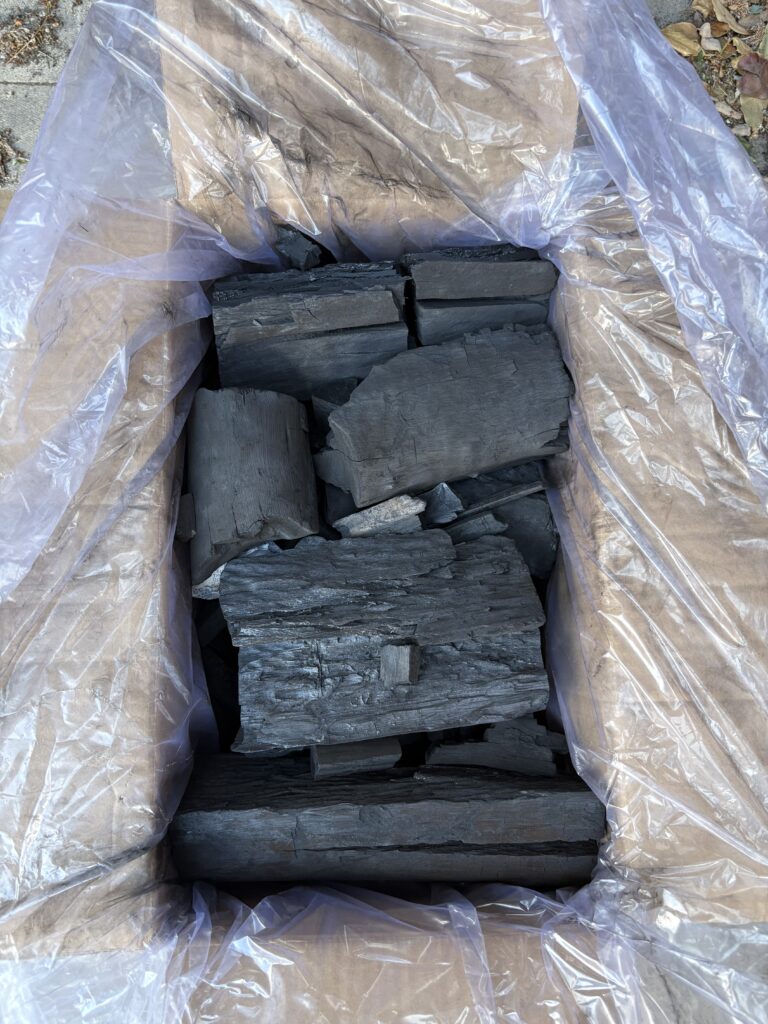
FAQ: Why does Big Ed’s Charcoal have a mix of big and small lumps?
Big Ed’s is all about top-quality, long-burning charcoal, made from a mix of Eucalyptus and Mangrove wood. Each 10kg box is packed with...