
The Ultimate BBQ Master Checklist: Elevate Your Outdoor Gastronomy in 2026
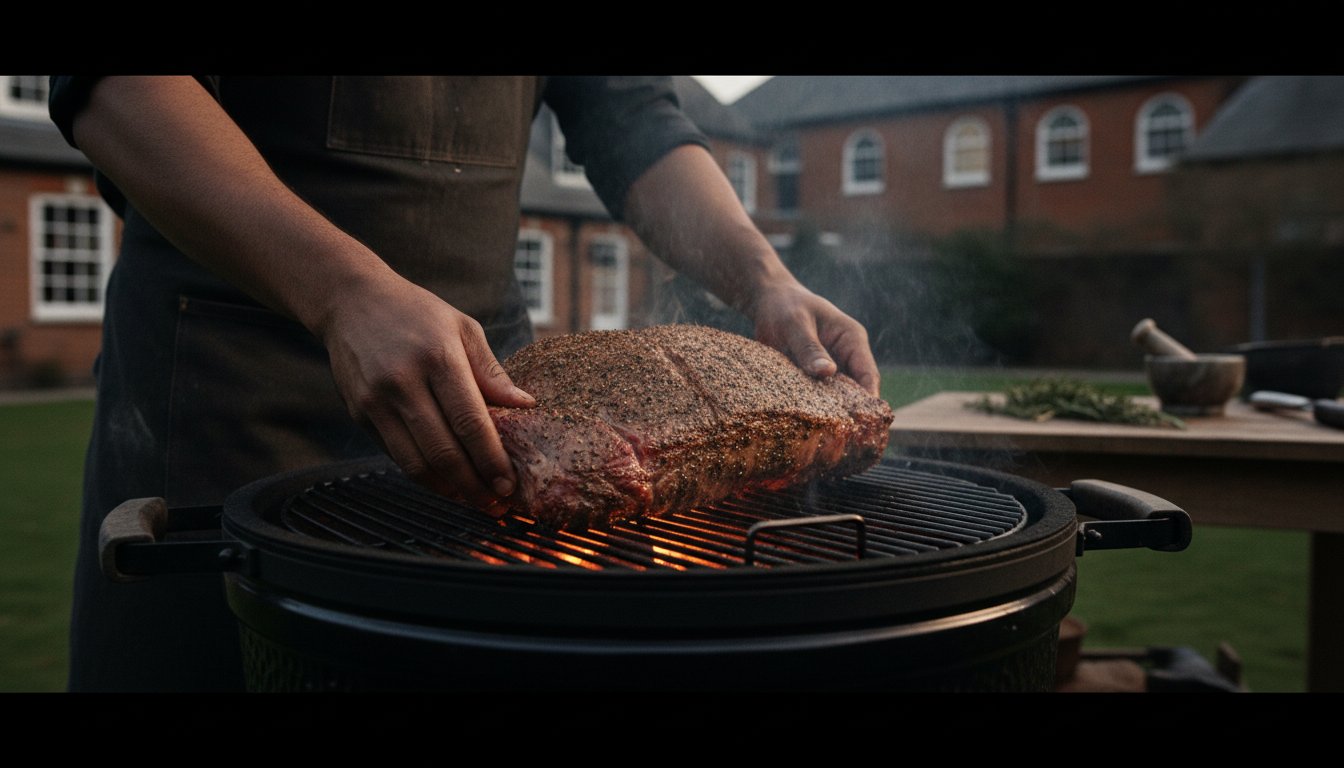
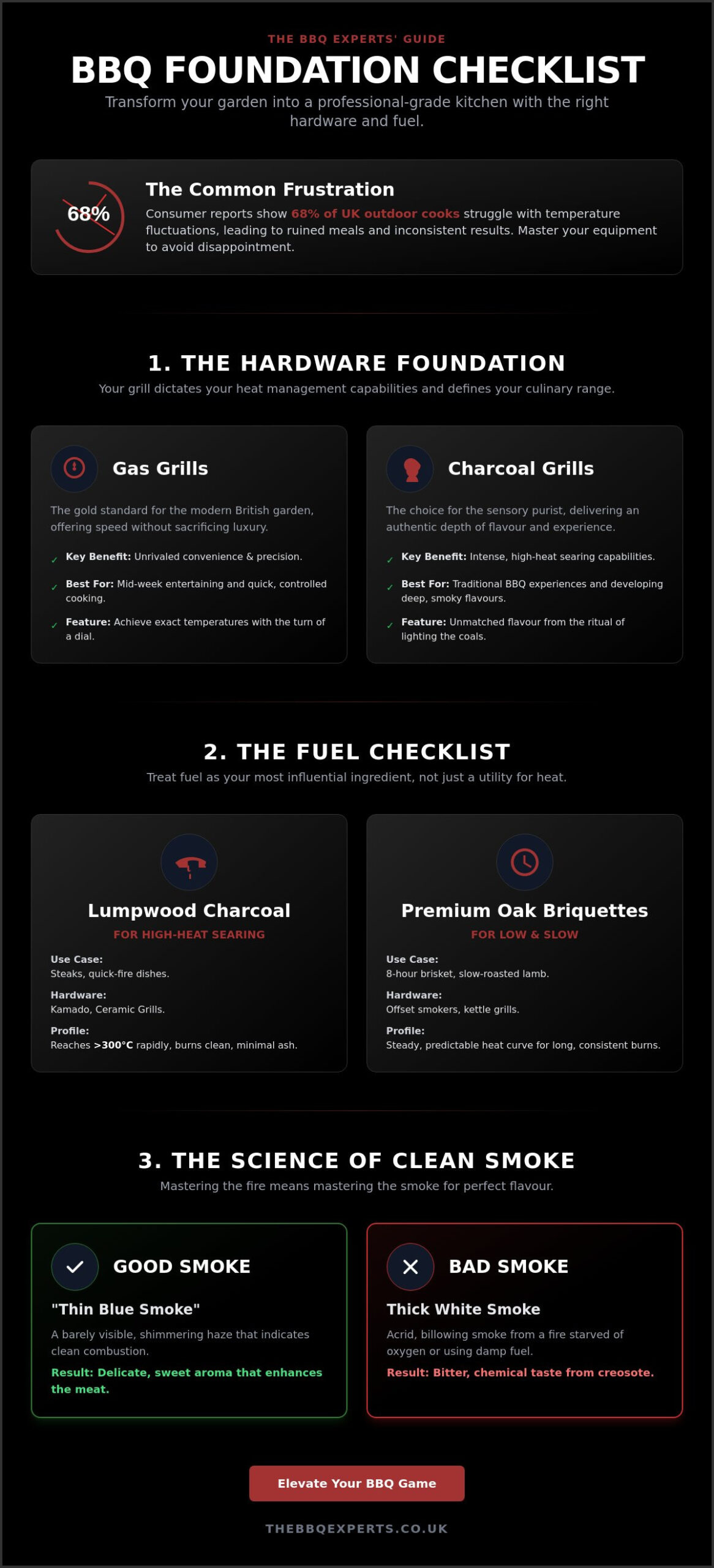
What if the difference between a standard Sunday lunch and a world-class culinary event is simply the choice of fuel? Data from 2025 consumer reports suggests that 68% of UK outdoor cooks struggle with temperature fluctuations that ruin expensive cuts of meat. You’ve likely felt that disappointment of a dry steak or a charcoal bed that refuses to hold a steady 110 degrees for a long smoke. It’s a common frustration when you want to master the bbq but feel overwhelmed by hardware choices. We agree that your garden should be a sanctuary of flavour, not a source of technical stress.
This guide promises to transform your outdoor space into a professional-grade kitchen by providing the technical precision you need for restaurant-quality results. We’ll walk you through our 2026 checklist, covering everything from the unrivaled heat retention of premium ceramic grills to the specific wood profiles that create a deep, mahogany bark. You’re about to discover the expert secrets behind fuel selection and temperature control that elevate your outdoor cooking from a simple meal to a high-end gastronomic art form.
Key Takeaways
- Transform your garden into a culinary sanctuary by selecting a multi-functional hardware foundation that extends your professional gastronomic range.
- Understand why premium fuel is a vital ingredient for your bbq, ensuring consistent heat and the deep, sensory aroma of restaurant-grade charcoal.
- Unlock the secrets of flavour architecture to achieve a perfect, succulent bark using professional seasoning techniques and precise acidity.
- Discover why elite preparation is the cornerstone of success, requiring high-quality cutlery and an expert inventory for unrivaled precision.
- Master the transition from fire management to serving with a chronological execution guide designed for the modern outdoor connoisseur.
The Hardware Foundation: Selecting Your Primary BBQ Grill
Your garden is no longer just an outdoor space; it’s a culinary sanctuary. The modern bbq has evolved from a basic charcoal pit into a sophisticated, multi-functional cooking station that rivals any indoor kitchen. Understanding the global history of barbecue reveals a journey from primitive fire pits to the precision-engineered masterpieces we curate today. Choosing your hardware isn’t a mere purchase. It’s a strategic decision that dictates your heat management capabilities and defines your entire culinary range.
While mass-market grills found in high-street DIY stores often succumb to rust and uneven heat within two seasons, professional-grade equipment offers a lifetime of service. Brands like Napoleon or Kamado Joe use heavy-gauge 304 stainless steel and thick ceramics to ensure thermal stability. This durability is the cornerstone of elevated outdoor cooking. It allows you to maintain a steady 110°C for a twelve-hour brisket or surge to 350°C for a perfect pizza. The difference lies in the craftsmanship. Professional hardware retains moisture and flavour, ensuring every cut of meat is succulent and every vegetable is perfectly charred.
Gas vs. Charcoal: Finding Your Cooking Style
Gas grills provide unrivaled convenience for mid-week entertaining. You can achieve precise temperature control with the turn of a dial, making it the perfect choice for those who value speed without sacrificing luxury. If you’re looking to upgrade your setup, The Ultimate Gas BBQ Buying Guide explores how these machines have become the gold standard for the modern British garden. Charcoal remains the choice for the sensory purist. The ritual of lighting the coals and the intense, high-heat searing capabilities provide a depth of flavour that defines the traditional bbq experience.
Specialist Grills: Hibachi and Fire Cages
Expanding your repertoire requires specialist tools. The Hibachi grill brings a sense of intimacy to your gathering, allowing for precision searing and table-side interaction that turns a meal into a performance. It’s perfect for bespoke Yakitori or delicate seafood. For those who crave a more rustic, theatrical approach, the Fire Cage offers an open-fire experience that connects you to the raw elements of heat and smoke. Having multiple hardware options means your menu is never limited. You can slow-roast a joint of beef in a ceramic egg while simultaneously searing delicate scallops over a Hibachi, creating a truly diverse outdoor banquet.
The Fuel Checklist: Powering Your Fire for Maximum Flavour
Think of your fuel as the most influential ingredient in your pantry. It is not merely a utility to generate heat; it is the foundation of the flavour profile you are building. Selecting the wrong fuel can ruin a premium cut of Wagyu just as easily as overcooking it. Achieving a masterful bbq experience requires an understanding of how different carbon sources interact with your ingredients. Clean combustion ensures that the natural fats and juices of your meat are enhanced, not masked by chemical aftertastes or bitter soot.
Lumpwood Charcoal vs. Oak Briquettes
Your choice of fuel should be dictated by your hardware and your culinary objective. For high-heat searing in a Kamado Joe or a traditional ceramic grill, Big Eds Charcoal stands unrivaled. This restaurant-grade lumpwood is crafted from dense hardwoods, allowing it to reach temperatures exceeding 300°C rapidly. It burns clean and leaves minimal ash, making it the superior choice for steaks and quick-fire dishes that demand a pure, wood-fired essence. To understand the full science behind selecting and managing premium charcoal for professional outdoor cooking results, our dedicated guide covers everything from carbonisation to heat management.
When your bbq plans involve an eight-hour brisket or a slow-roasted shoulder of lamb, oak briquettes become your greatest ally. Unlike the cheap, chemical-laden versions found in supermarkets, premium oak briquettes provide a steady, predictable heat curve. They offer the density required for long-lasting burns, ensuring you don’t have to disturb the cooking chamber to refuel. This consistency is vital for maintaining safe grilling temperatures throughout the entire duration of a low-and-slow cook.
The Science of Clean Smoke
Mastering the fire means mastering the smoke. You are looking for “thin blue smoke,” a barely visible, shimmering haze that imparts a delicate, sweet aroma to the meat. If your chimney is belching thick, acrid white smoke, your fire is starving for oxygen or your fuel is too damp. This white smoke contains creosote, which creates a bitter, numbing sensation on the tongue and can lead to digestive discomfort.
Moisture content is the silent enemy of professional outdoor cooking. Whether you are using wood pellets or split logs, ensure the moisture level is below 20%. High moisture forces the fire to spend energy evaporating water rather than combusting wood, resulting in a smouldering, inefficient burn. Clean combustion is the chemical process where fuel burns completely at high efficiency to produce heat, carbon dioxide, and water vapour without leaving behind harmful residues. To ensure you have the right tools for the job, explore our curated selection of professional-grade fuels and smoking woods to transform your next gathering into a gourmet event. For those ready to take their low-and-slow cooking to the next level, The Ultimate Guide to BBQ Smokers provides an in-depth look at selecting and mastering the finest dedicated smoker hardware available in 2026.
Flavour Architecture: The Expert Guide to Rubs and Seasoning
While sea salt and cracked black pepper are the foundation of any great cook, 2026 demands a more sophisticated approach to the bbq experience. You aren’t just seasoning meat; you’re engineering a sensory masterpiece. A complex rub acts as a catalyst for the Maillard reaction, where proteins and sugars transform under heat to create that coveted, mahogany bark. This crust is more than just texture; it’s a concentrated layer of umami that defines world-class outdoor gastronomy. Achieving this requires a precise balance of salt to draw out moisture, sugar to encourage caramelisation, and acidity to cut through the richness of the fat.
The synergy between smoke and seasoning is where the magic happens. As the wood smoke rolls over the surface, it binds with the spices, creating a chemical bond that deepens the colour and flavour profile. To ensure even penetration, apply your rubs from a height of at least 30 centimetres. This technique prevents clumping and ensures every square millimetre of the protein is coated, allowing the seasoning to fuse perfectly with the rendering fats during the long, slow cook.
Mastering the Angus & Oink Range
Angus & Oink has redefined the British outdoor cooking scene with profiles that travel from the deep south of America to the vibrant markets of Korea. Their rubs aren’t mere seasonings; they’re professional-grade tools for the serious pitmaster. For a deep, authentic brisket, the “Big Cowberry” or “Texas Steak” profiles offer an unrivaled depth that stands up to heavy oak smoke. If you’re working with pork or poultry, the sweeter, fruit-forward notes of “Glazed & Confused” create a succulent finish. For a deeper dive into these bespoke blends, explore The Ultimate Guide to Angus & Oink Rubs to find your signature profile.
Timing Your Seasoning
Precision in timing separates the amateur from the connoisseur. Applying your rub 24 hours in advance, a process known as dry-brining, allows salt to penetrate deep into the muscle fibres. This changes the protein structure, ensuring your meat remains juicy even during long, low-and-slow sessions. Before applying your rub, consider a “slather.” A thin coating of yellow mustard or cold-pressed rapeseed oil acts as a binder, ensuring even coverage. When preparing your feast, always adhere to the official BBQ food safety guidelines to ensure your gathering is as safe as it is delicious.
Be mindful of sugar content in your seasonings. If you’re cooking at temperatures above 135°C, sugar-heavy rubs can scorch and become bitter. Apply these glazes or high-sugar rubs during the final 30 minutes of the cook to achieve a glossy, professional sheen without the burnt aftertaste. This level of control is what defines the modern bbq expert, turning a simple garden meal into a curated culinary event.
The Prep and Precision Tool Inventory
Mastering the bbq is a performance where the rehearsal is just as vital as the opening night. We consider professional preparation to represent 70% of the effort required for a successful cook. Without the right inventory, you’re merely guessing. Precision tools transform a stressful afternoon into a seamless, sensory experience where every cut is deliberate and every temperature is verified. When you approach the grill with ingredients that have been expertly trimmed and seasoned, you’re not just cooking; you’re executing a culinary vision.
Safety is the silent partner of precision. Investing in heat-resistant gloves rated for temperatures up to 500°C allows you to handle hot deflectors or cast iron cookware with confidence. Pair these with 45cm long-reach tongs to maintain a safe distance from the searing heat of the coals. These aren’t just accessories; they’re the essential kit that allows you to focus on the craft rather than the hazards.
The Role of Japanese Knives in BBQ Prep
Precision cutting is vital for even cooking and a bespoke presentation that rivals the finest steakhouses. A jagged cut leads to uneven searing, whereas a clean slice preserves the juices within the muscle fibres. For those seeking the pinnacle of performance, Japanese Knives for BBQ: The Expert’s Guide details why these blades are unrivaled in the outdoor kitchen.
- The Gyuto: This is your primary multi-purpose powerhouse, perfect for slicing through large briskets or dicing vegetables with effortless grace.
- The Honesuki: A specialist poultry knife with a stiff, triangular blade designed to navigate joints and bone with surgical accuracy.
Temperature Control and Monitoring
To achieve a succulent result every time, you must move beyond guesswork. Instant-read thermometers provide a digital readout in under two seconds, which is the only way to guarantee a perfect medium-rare finish. For long, slow cooks like pulled pork or beef ribs, ambient probes are indispensable. These sensors monitor the internal temperature of your grill without requiring you to lift the lid, ensuring the cooking environment remains stable and efficient.
Understanding the physics of the meat is equally important. Carry-over cooking refers to the phenomenon where the internal temperature of meat continues to rise by 3 to 5 degrees Celsius after it has been removed from the heat source. By accounting for this rise during the resting phase, you ensure the final result is exactly as intended, rather than overdone. This level of control is what separates the enthusiast from the true connoisseur.
Ready to master your next cook with professional-grade equipment? Elevate your outdoor cooking with our bespoke range of precision tools today.
The Master BBQ Execution Checklist
Many aspiring pitmasters hesitate because they believe a premium bbq experience requires an exhausting time commitment. This is a fallacy. By adopting a structured, professional workflow, you transform your garden into a sanctuary of culinary precision rather than a site of frantic guesswork. Efficiency is the hallmark of the connoisseur, ensuring you spend less time hovering over the grates and more time engaging with your guests in your outdoor haven.
Pre-Fire Preparation (T-Minus 24 Hours)
Success is engineered long before the first spark. Dedicate 20 minutes the evening before to prepare your proteins. Trim excess fat to a consistent 6mm thickness to ensure even rendering and a perfect bark. Apply your chosen Angus & Oink rubs liberally; the complex spice profiles require this lead time to penetrate the muscle fibres deeply. Verify your inventory to avoid mid-cook shortages. Ensure you have at least 5kg of Big Eds Charcoal or a fresh bag of Oak Briquettes ready. Finally, calibrate your digital thermometers in ice water to ensure 100% accuracy during the cook.
The Cooking Window (The Big Day)
Ignite your fuel 30 to 45 minutes before you intend to place food on the grill. This window allows the volatile compounds to burn off, leaving a clean, glowing ember bed that provides stable, predictable heat. Establish a “two-zone” setup by banking coals to one side. This creates a high-heat searing station and a gentle convection zone for indirect roasting. Once the internal temperature of your meat reaches 5 degrees Celsius below your final target, remove it from the heat. Resting is the non-negotiable final act. A 20-minute rest for steaks or up to four hours in an insulated box for larger briskets allows juices to redistribute, guaranteeing a succulent result that justifies your investment in quality hardware. If you are planning an extended low-and-slow session, pairing your setup with a dedicated BBQ smoker built for sustained temperature precision will elevate your results significantly.
Post-BBQ Maintenance
Preserving your bespoke cooking suite is vital, especially given the unpredictable UK climate. Follow these specific steps to ensure your equipment remains in peak condition for years of service:
- Carbon Removal: Use a stainless steel brush on the grates while they remain at approximately 150 degrees Celsius. This strips away residue before it can polymerise and harden.
- Fuel Conservation: Close all airtight vents on your Kamado Joe or Napoleon grill. This starves the fire of oxygen and can save up to 40% of your charcoal for the next session.
- Rust Prevention: Apply a thin, even layer of high-smoke-point oil to all cast iron components. This creates a hydrophobic barrier that prevents oxidation during damp British nights.
By following this chronological discipline, you eliminate the chaos often associated with outdoor cooking. You aren’t just making a meal; you’re mastering an art form that rewards patience and preparation with unrivaled flavour. This structured approach ensures your bbq remains the centerpiece of a sophisticated lifestyle, allowing you to host with the quiet confidence of a seasoned expert.
Master Your Outdoor Sanctuary
Your garden is more than a lawn; it’s a sanctuary for culinary precision. By 2026, the standard for outdoor gastronomy has shifted from simple grilling to a bespoke experience defined by unrivaled hardware and sensory depth. You’ve now got the blueprint for success, from selecting heavy-duty grills for heat retention to layering complex flavour profiles with Angus & Oink or Big Eds. Precision is the result of combining professional-grade tools with the right fuel to achieve a succulent sear every time. As a specialist UK retailer founded by experts, we provide the authoritative advice needed for a serious bbq enthusiast to make a high-quality investment. Our curated range bridges the gap between professional equipment and your home kitchen. It’s time to transform your next gathering into a masterpiece that your guests won’t forget. Elevate your outdoor cooking with expert-grade hardware and fuel at The BBQ Experts. The fire is ready when you are.
Frequently Asked Questions
What is the best type of BBQ for a beginner in the UK?
A ceramic kamado grill is the premier choice for UK beginners who want to master outdoor gastronomy from day one. These vessels offer unrivaled insulation, making it easy to maintain steady temperatures in the unpredictable British climate. While a basic kettle might cost £150, investing in a Napoleon or Kamado Joe ensures you have a lifetime tool. It handles everything from searing succulent steaks to slow-roasting a Sunday joint with precision.
How much charcoal do I need for a 4-hour BBQ session?
You will typically need 4kg to 6kg of high-quality fuel for a 4-hour bbq session. This quantity allows for an initial chimney starter load and subsequent top-ups to maintain a consistent 200°C heat. Ceramic grills are more efficient, often using 30% less fuel than thin-walled steel alternatives. Keep an extra 2kg bag on standby to ensure your culinary performance isn’t interrupted by a dying ember or a sudden drop in temperature.
Is it better to use gas or charcoal for a family barbecue?
Gas barbecues are the superior choice for busy families seeking immediate heat and precise control at the turn of a dial. Models like the Napoleon Rogue series ignite in seconds, allowing you to feed a hungry group of 6 people without the 30-minute wait for coals to ash over. If you crave that authentic, smoky essence, charcoal remains the gold standard. Gas offers a seamless transition from work to garden relaxation.
How do I stop my meat from sticking to the BBQ grill?
Achieving a perfect release starts with a clean, preheated grill and a light coating of high-smoke-point oil. Ensure your grates reach at least 225°C before the meat touches the metal. This creates an instant sear that naturally releases the proteins. Patting your steaks dry with a paper towel removes surface moisture. This prevents the steam that often causes stubborn sticking during the cooking process, resulting in a flawless crust.
Can I use a BBQ rub as a marinade for my meat?
You can certainly use a bbq rub as a dry marinade by applying it to your meat 2 to 24 hours before cooking. This allows the salt and spices to penetrate the muscle fibres, enhancing the deep, succulent flavours of the beef or pork. For the best results, wrap the seasoned meat in cling film and refrigerate it. This technique ensures every bite delivers a sophisticated profile that rivals any liquid-based infusion.
What are the essential safety tips for using a fire cage or hibachi?
Always place your hibachi or fire cage on a non-combustible surface like stone or paving at least 3 metres away from fences. These compact tools radiate intense heat downwards, so a dedicated heat shield or bricks are essential to protect your decking. Keep a 10-litre bucket of sand or a fire extinguisher nearby. Never leave the open flame unattended, especially in smaller UK gardens where space is a premium and safety is paramount.
How long should I let my BBQ meat rest after cooking?
Rest your meat for at least 10 minutes for smaller cuts like steaks and up to 45 minutes for large briskets. This crucial pause allows the internal juices to redistribute, ensuring your masterpiece remains tender and moist when sliced. A 500g ribeye benefits from a 15-minute rest under loose foil. Skipping this step results in a 20% loss of moisture, turning a premium cut into a dry and uninspiring disappointment.
What is the difference between lumpwood charcoal and briquettes?
Lumpwood charcoal consists of pure charred wood pieces that reach temperatures of 400°C quickly, making it ideal for searing. Briquettes are compressed blocks designed to provide a steady, uniform burn for up to 8 hours. Choose lumpwood for a 20-minute steak session to enjoy a clean, smoky aroma. Use high-quality briquettes for slow-cooking a pork shoulder where temperature stability is the primary requirement for a successful outdoor feast.
Disclaimer
This article was produced with AI assistance. We use AI and Third Parties to help deliver more content to our BBQ website and community, but we always aim to ensure accuracy and quality as much as we can. If you spot anything that doesn't seem right, we'd love to hear from you

Recent News & Updates

Our Story, Values and Beliefs
Here at the BBQ experts we have a passion for BBQ food, outdoor living and spending time with family and friends. We offer you; A...
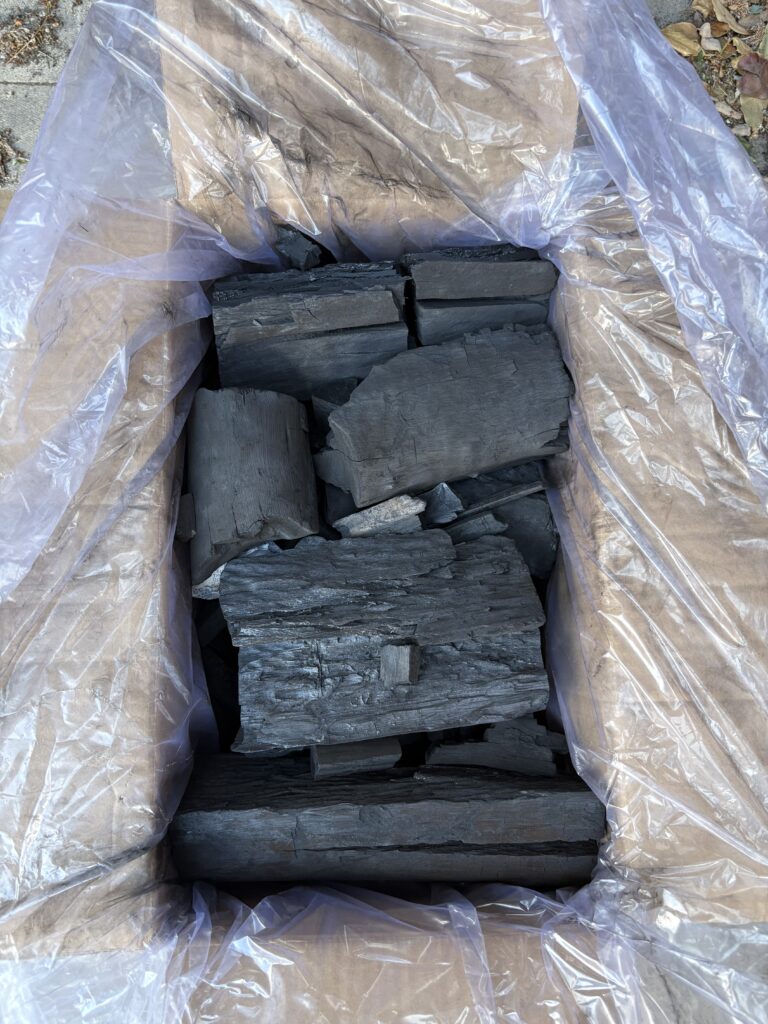
FAQ: Why does Big Ed’s Charcoal have a mix of big and small lumps?
Big Ed’s is all about top-quality, long-burning charcoal, made from a mix of Eucalyptus and Mangrove wood. Each 10kg box is packed with...