
The Ultimate Guide to Cast Iron Cookware: Master the Art of Outdoor Gastronomy
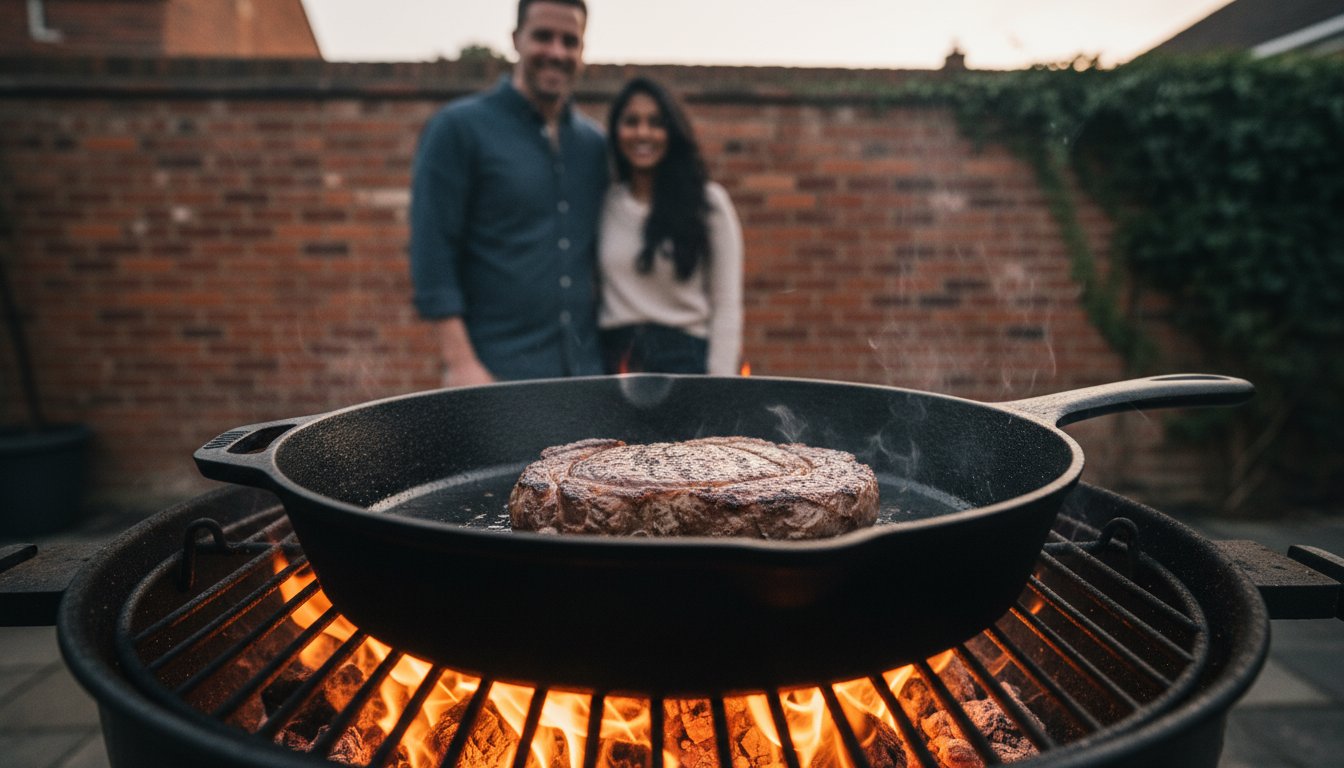
What if the most advanced piece of technology in your outdoor sanctuary isn’t a digital thermometer, but a heavy slab of molten metal perfected over 300 years ago? You likely appreciate the primal joy of a live fire, yet the prospect of maintaining cast iron cast iron cookware often feels more like a daunting chore than a culinary privilege. It’s a valid concern, especially since industry reports suggest that 60% of home cooks feel intimidated by the seasoning process or the threat of rust. You deserve tools that perform with unrivaled precision every time you light the coals.
We are here to bridge the gap between professional-grade equipment and your weekend gatherings. You’ll learn exactly how to select bespoke pieces, master the seasoning cycle, and achieve a succulent, professional sear that transforms a simple steak into a masterpiece. This guide provides a definitive blueprint for temperature control and long-term care, ensuring your kitchenware remains an heirloom for the next generation.
Key Takeaways
- Understand the unrivaled power of “Thermal Mass” and why high-carbon alloys are essential for achieving a professional, succulent sear on every cut.
- Navigate the debate between bare and enamelled finishes to choose the most resilient, high-performance tools for your open-fire sanctuary.
- Master the science of oil polymerisation to transform your cast iron cast iron cookware into a bespoke, non-stick surface that improves with every use.
- Unlock the secrets of the “Pre-Heat Ritual” and learn to manage temperature zones to achieve unrivaled precision over open flames.
- Discover why a quality cast iron pan is a 100-year investment and which three essential pieces are required to elevate your outdoor kitchen.
The Science of Searing: Why Cast Iron is Essential for Outdoor Gastronomy
To master the art of outdoor gastronomy, you need more than just heat; you need control. Cast iron is a high-carbon iron alloy, typically containing between 2% and 4% carbon. This specific metallurgical composition creates a material of immense density and strength. It isn’t just a pan; it’s a reservoir of energy. When you invest in premium cast iron cast iron cookware, you’re securing a tool designed to last a lifetime, often becoming a cherished heirloom passed down through generations of backyard chefs.
The secret to a world-class sear lies in “Thermal Mass.” While thinner materials buckle and lose temperature the moment a cold, thick-cut ribeye hits the surface, cast iron holds its ground. The temperature doesn’t plummet. Instead, it maintains a steady, ferocious heat that instantly locks in moisture. This is complemented by high emissivity. Unlike stainless steel, which primarily heats what it touches, cast iron radiates heat deep into the core of your food. This ensures your succulent cuts are cooked evenly from the inside out, rather than just scorched on the exterior. For those seeking a comprehensive guide to cast iron and its historic role in culinary excellence, the science proves its unrivaled status in the outdoor kitchen.
Heat Retention vs. Heat Conductivity
Don’t mistake slow heating for a flaw. In the unpredictable environment of a UK garden, where a sudden breeze can shift ambient temperatures, cast iron provides a vital stabilising force. Copper and aluminium conduct heat quickly but lose it just as fast, often leading to “flame-out” cooling when cooking over charcoal or wood fires. Cast iron acts as a thermal battery. It absorbs the raw power of the flame and releases it with surgical precision. This stability prevents the temperature swings that ruin a delicate sear, making cast iron cast iron cookware the essential choice for consistent results.
The Maillard Reaction and the Perfect Crust
The Maillard reaction is the chemical bridge where amino acids and reducing sugars transform under intense heat to create hundreds of complex flavour compounds. Achieving this requires a surface that can sustain high temperatures without flinching. The microscopic, slightly pebbled texture of cast iron is superior for creating a bespoke bark on meats, providing thousands of tiny contact points that build a deep, mahogany crust. This process is further enhanced by the seasoned surface. Every cook adds a layer of polymerised oils, building a “flavour memory” that seasons your food and improves the pan’s non-stick performance over time. It’s a culinary evolution that turns every meal into a masterpiece.
Choosing Your Arsenal: Bare vs. Enamelled Cast Iron Cookware
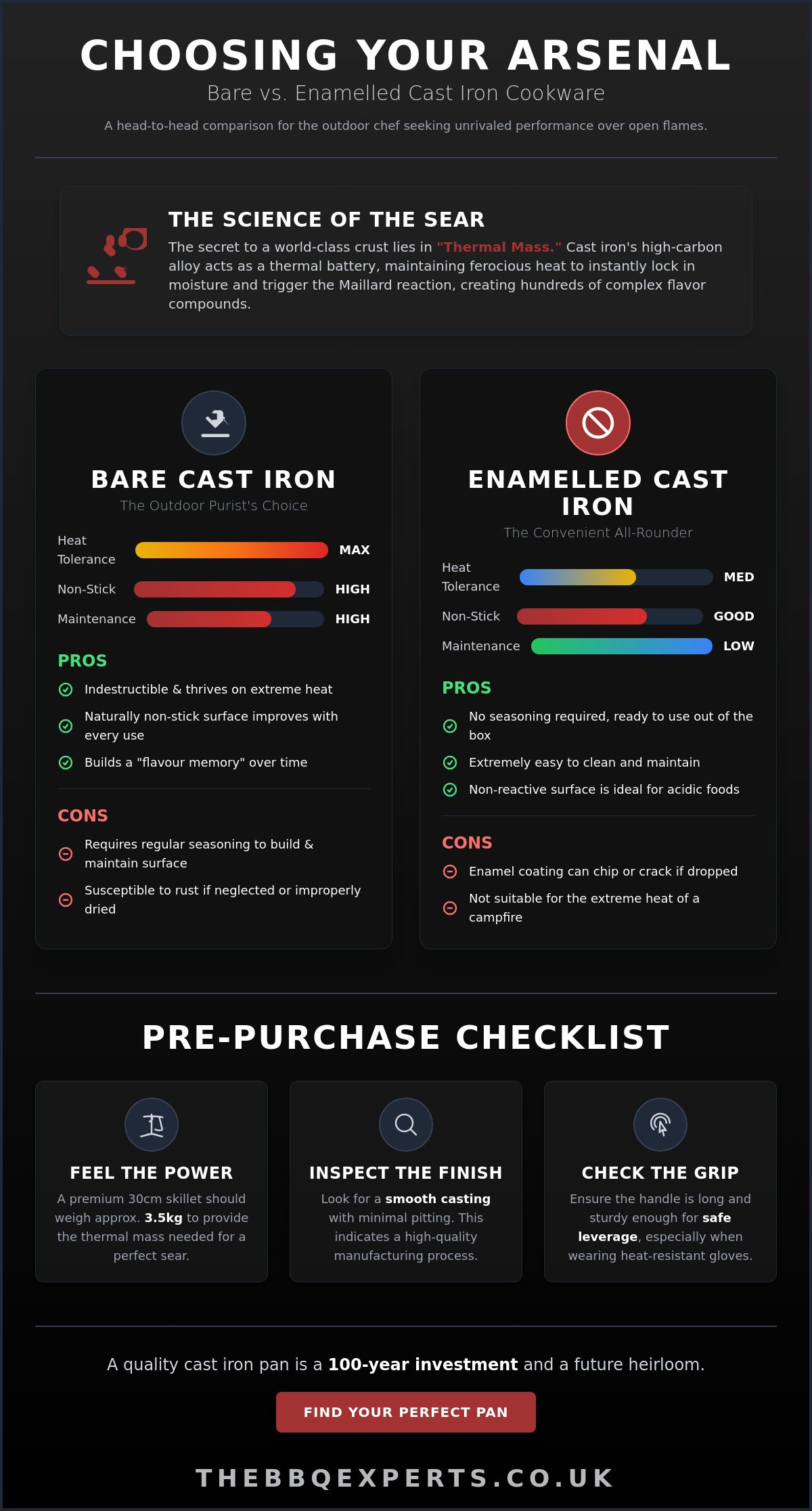
Selecting your tools defines your trajectory as an outdoor chef. The debate between raw, rugged metal and refined, glass-coated finishes isn’t just about aesthetics. It’s about how you command the fire. High-quality cast iron cast iron cookware should feel substantial in your hands. When you’re inspecting a potential addition to your kit, look for a smooth casting with minimal pitting. A premium 30cm skillet should ideally weigh approximately 3.5kg. This weight provides the thermal mass required to maintain a steady temperature when you drop a cold steak onto the surface.
Handle design is equally vital. Ensure the handle is long enough to provide leverage and sturdy enough to support the vessel’s weight when you’re wearing heavy-duty heat-resistant gloves. The density of the iron determines how well it retains heat, which is the secret behind that uniform, golden-brown crust every connoisseur craves. Choosing the right cast iron cast iron cookware ensures your garden kitchen performs with the same precision as a professional steakhouse.
Bare Cast Iron: The Outdoor Purist’s Choice
Bare iron is the unrivaled king of the campfire. It’s practically indestructible. These pans thrive on the high-intensity heat that would destroy lesser materials. Over time, your pan develops a bespoke, naturally non-stick patina through the seasoning process. While it reacts to acidic foods like tomatoes in its early life, it eventually becomes a lifelong companion that only gets better with age. According to the FDA guidelines for cast iron, this material is a safe, approved surface for food preparation, provided it’s maintained correctly to prevent oxidation.
- Pros: Indestructible, handles extreme heat, improves with every use, naturally non-stick.
- Cons: Requires regular seasoning, susceptible to rust if neglected.
- Best used for: Searing succulent ribeyes, Hibachi Grill sessions, and crusty campfire sourdough.
Enamelled Cast Iron: The Hybrid Performer
Enamelled pieces bring a touch of luxury to the outdoor sanctuary. The glass coating means no seasoning is required and the surface is entirely non-reactive. You can simmer a wine-heavy ragu for hours without any metallic aftertaste. However, these beauties have strict limits. Thermal shock is a constant threat in the outdoor arena. Exposing enamel to the 400°C+ heat of glowing charcoal can cause the coating to crack or “craze,” which permanently ruins the vessel. These are best suited for the controlled heat of a premium gas grill side burner or a kamado set to a stable temperature.
- Pros: No maintenance required, vibrant bespoke colours, excellent for slow braising.
- Cons: Enamel can chip under impact, unsuitable for direct contact with glowing embers.
- Best used for: Slow-cooked lamb stews, acidic tomato sauces, and elegant oven-to-table service.
To truly master the flame, you must match the tool to the heat source. You can elevate your outdoor cooking by selecting the material that best suits your specific culinary ambitions.
The Master’s Guide to Seasoning and Restoring Cast Iron
To the uninitiated, the dark, glossy surface of a premium pan looks like a simple coating of oil. In reality, it’s a chemical marvel called polymerisation. When you heat fats to their smoke point, they transform from liquid lipids into a hard, glass-like solid that bonds directly to the metal. This creates the non-stick surface that defines high-quality cast iron cast iron cookware. It isn’t just grease; it’s a permanent, protective shield that improves with every succulent steak you sear. Understanding this molecular transition is the first step toward mastering your outdoor kitchen.
The 5-Step Seasoning Process
Achieving a professional-grade finish requires precision and patience. Follow these steps to prepare your bare iron for a lifetime of service:
- Step 1: The Bone Dry Rule. Scrub the iron with hot water and dry it immediately. Place it over a low flame for 3 minutes to ensure every microscopic droplet of moisture evaporates.
- Step 2: Select Your Fat. Use oils with high smoke points to ensure stability. Flaxseed oil, with a smoke point of 232°C, is the gold standard for creating a durable patina, though grapeseed oil at 216°C offers a superb alternative for the home enthusiast.
- Step 3: The Ultra-Thin Layer. Apply a teaspoon of oil and rub it across the entire surface. Use a clean cloth to wipe it all off until the pan looks dry. If the surface feels sticky after heating, you’ve used too much oil.
- Step 4: The Bake. Place the pan upside down in an oven preheated to 230°C. Bake for 60 minutes to lock in the polymerisation.
- Step 5: The Cool Down. Turn off the heat and let the iron cool completely inside the oven. Repeat this cycle 3 times to build an unrivaled, deep-black finish.
Debunking the Soap Myth
Old-school wisdom often suggests that soap is the enemy of the skillet. This was true in the early 20th century when soaps contained harsh lye, but modern UK washing-up liquids are gentle enough for daily maintenance. They won’t strip your polymerised seasoning. The true villains are the dishwasher and the soaking basin, which can induce oxidation and rust in under 45 minutes. For stubborn food remnants, use a mixture of coarse sea salt and a splash of boiling water to scour the warm surface and lift debris without damaging the integrity of the iron.
If you discover a rusted treasure at a local car boot sale, don’t walk away. Restoration is a rite of passage for the outdoor gourmet. Use grade 00 steel wool to strip away the orange oxidation until you reach the raw, grey metal. Once the rust is gone, begin the 5-step seasoning process immediately. You’ll transform a forgotten relic into a culinary masterpiece that performs as well as any modern cast iron cast iron cookware on the market today. This process doesn’t just save a tool; it connects you to a tradition of craftsmanship that spans generations.
Elevating Your Technique: Cooking with Cast Iron Over Open Flames
Mastering cast iron cast iron cookware requires more than just heat; it demands an understanding of thermal momentum. When you’re cooking over a Fire Cage, the intense, flickering flames create a dynamic environment where the “hot spot” becomes your greatest asset. You don’t just place the pan and wait. You move it. Sliding the skillet toward the perimeter allows you to temper the energy, ensuring a thick ribeye develops a dark crust without burning the interior.
Patience is the foundation of the non-stick experience. You must commit to a ten-minute pre-heat ritual. This duration allows the iron molecules to expand uniformly, creating a smooth surface that releases food effortlessly. If you skip this, you’ll fight the metal all evening. Once the pan is screaming hot, use the two-zone method to achieve restaurant-grade results. Position your skillet directly over the white-hot embers for a 60-second hard sear, then migrate it to a cooler zone. This gentle finish ensures the juices remain locked within the muscle fibres.
Safety remains paramount when handling these heavy vessels. A standard 30cm skillet can weigh over 3.5kg before you even add the ingredients. Always use a firm, two-handed grip and monitor your oil levels closely. High-temperature oils like avocado or grapeseed are essential to avoid acrid smoke when the iron hits its peak temperature. Keep a lid nearby to instantly douse any unexpected flare-ups within the pan.
Cast Iron and Premium Fuels
The soul of your cook lies in the fuel you choose. We recommend pairing your cast iron cast iron cookware with Big Eds Charcoal. This premium lumpwood delivers the raw, high-intensity heat required for a perfect Maillard reaction. For longer roasting sessions, Oak Briquettes provide the steady, unwavering energy that iron thrives on. The pan acts as a protective shield, blocking direct flare-ups from dripping fats while still absorbing the immense infrared heat from the coals below.
Essential Tools for the Iron Chef
Precision prep is the precursor to a successful sear. Use Japanese Knives to create uniform cuts that cook evenly across the flat surface of the iron. Once you’re at the hearth, high-heat leather gloves and long-handled tongs are non-negotiable for managing the weight safely. Using a heavy burger press or a dedicated cast iron weight is another secret weapon. It ensures 100% surface contact, eliminating those frustrating gaps where meat curls away from the heat, resulting in a perfectly uniform, golden-brown finish.
Elevate your outdoor cooking by investing in the professional-grade tools your gastronomy deserves.
Curating Your Outdoor Kitchen: Why Quality Cast Iron Matters
The Essential Trio: Skillet, Griddle, and Dutch Oven
- The Skillet: This is your primary workhorse. A heavy 12-inch skillet handles everything from a 6:00 AM garden fry-up to a perfectly seared Picanha steak. Its ability to retain heat ensures a uniform crust that thinner materials simply can’t match.
- The Reversible Griddle: This tool is essential for those who value versatility. One side provides a flat surface for smash burgers, while the other creates those iconic, deep sear marks on large cuts of beef or Mediterranean vegetables.
- The Dutch Oven: This is the secret to mastering the slow game. Use it for outdoor artisan bread with a crackling crust or for slow-braising ribs until the meat falls away from the bone. It transforms your BBQ into a fully functional outdoor oven.
The BBQ Experts’ Standard
We only recommend heavy-gauge iron because thermal mass is the foundation of professional results. When you drop a cold steak onto a thin pan, the temperature plummets; with heavy iron, the heat remains constant. To achieve a truly world-class crust, we suggest you pair your seasoned iron with Angus & Oink Rubs. The specific sugar-to-salt ratios in these blends interact with the hot metal to create a mahogany bark that is unrivaled in depth and flavour.
Before you light the coals for your next gathering, ensure your kit is complete by consulting our Ultimate BBQ Master Checklist. Integrating cast iron cast iron cookware into your workflow isn’t just about the food. It’s about the emotional joy of heirloom cooking. These pieces carry the memories of every summer gathering. You’re seasoning the metal with history, preparing a legacy to pass down to the next generation of outdoor enthusiasts. Elevate your outdoor kitchen today with tools that match your culinary passion.
Begin Your Journey to Culinary Excellence
Mastering the flame requires more than just heat; it demands the unrivaled heat retention of premium metal. You now understand why the ritual of seasoning is non-negotiable and how to distinguish between bare and enamelled surfaces for your specific culinary needs. High-quality cast iron cast iron cookware represents a lifetime investment that transforms your garden into the primary social hub of your home.
At The BBQ Experts, we pride ourselves on being UK-based specialists in high-performance outdoor hardware. Our team serves as expert mentors in the art of outdoor gastronomy, offering a curated selection of professional-grade fuels and seasonings designed for precision. We believe every outdoor kitchen should be a masterpiece of durability and craftsmanship, providing a sanctuary for those who value the sensory joy of a perfect sear.
Elevate your outdoor cooking with The BBQ Experts’ professional gear and begin your journey toward sensory perfection. The coals are ready when you are.
Frequently Asked Questions
Can I use cast iron on a gas BBQ or only on charcoal?
You can absolutely use your cast iron cookware on both gas BBQs and charcoal grills with exceptional results. Whether you’re searing a succulent ribeye on a Napoleon gas grill or slow-roasting over lumpwood charcoal, cast iron thrives in any outdoor environment. It excels at heat retention, which is why 95% of professional chefs prefer it for high-heat applications. Just ensure you preheat the pan for at least 10 minutes to achieve that unrivaled, even thermal distribution across the entire surface.
Is it true that I should never use soap on my cast iron cookware?
It’s a common myth that soap will ruin your pan; actually, a mild dish soap is perfectly safe for modern cast iron. While historical lye-based soaps were destructive, today’s gentle detergents won’t strip away your hard-earned seasoning. After a succulent feast, simply use a drop of soap and a stiff brush to remove residue. Always dry it immediately on a warm hob to prevent any moisture from compromising the bespoke finish of your equipment.
What is the best oil to use for seasoning cast iron pans?
Grapeseed oil or flaxseed oil are the premier choices for seasoning your cast iron cast iron cookware due to their high smoke points. These oils polymerise effectively at temperatures above 200°C, creating a durable, non-stick patina that resists flaking during intense searing. Avoid using unrefined olive oil or butter for the initial seasoning process. These fats break down too quickly, leading to a sticky residue rather than the slick, professional-grade surface required for masterful outdoor gastronomy.
How do I get rid of rust if my cast iron pan has been left outside?
You can restore a rusted pan by scrubbing the affected areas with a steel wool pad and warm water. If the rust has penetrated deep into the iron, a 50/50 mixture of white vinegar and water can dissolve the oxidation within 30 to 60 minutes. Once the raw silver iron is visible, rinse it thoroughly and apply a fresh layer of seasoning immediately. This process ensures your heirloom piece returns to its former glory for your next garden gathering.
Why is my food sticking to my cast iron even though I seasoned it?
Food usually sticks because the pan wasn’t sufficiently preheated or the seasoning layer is too thin. Cast iron requires a gradual warm-up period of roughly 8 minutes to ensure the surface pores expand and bond with your cooking fats. If you find your sea bass or halloumi is still gripping the metal, try using a slightly higher volume of oil. A well-maintained pan becomes more non-stick with every succulent meal you prepare in your outdoor sanctuary.
Can I use metal utensils like spatulas on a cast iron surface?
You can confidently use metal spatulas and tongs on your cast iron surface without fear of damage. In fact, a flat-edged metal spatula helps smooth out the seasoning over time by scraping away minor imperfections. Unlike delicate non-stick coatings that flake at 260°C, cast iron is incredibly resilient. This durability is why 8 out of 10 outdoor cooking enthusiasts choose cast iron cast iron cookware for their permanent garden kitchen setups.
What should I do if my cast iron pan starts to smoke excessively?
Excessive smoke indicates your pan has exceeded the smoke point of the oil used or there is burnt-on food debris. Immediately reduce the heat on your BBQ and wipe away any pooling grease with a heavy-duty paper towel. If you’re searing at high temperatures, ensure you’re using an oil like avocado oil which stays stable up to 270°C. This prevents the bitter flavours that arise when fats break down and carbonise on the metal surface.
How do I store my cast iron cookware to prevent moisture buildup?
Store your cookware in a cool, dry cupboard with a single paper towel placed inside to absorb any ambient humidity. Moisture is the primary enemy of cast iron, leading to rust within as little as 24 hours in damp environments. If you live in a coastal area of the UK, applying a very thin layer of neutral oil before storage provides an extra barrier. This simple ritual keeps your equipment ready for your next garden masterpiece and prevents environmental degradation.
Disclaimer
This article was produced with AI assistance. We use AI and Third Parties to help deliver more content to our BBQ website and community, but we always aim to ensure accuracy and quality as much as we can. If you spot anything that doesn't seem right, we'd love to hear from you

Recent News & Updates

Our Story, Values and Beliefs
Here at the BBQ experts we have a passion for BBQ food, outdoor living and spending time with family and friends. We offer you; A...
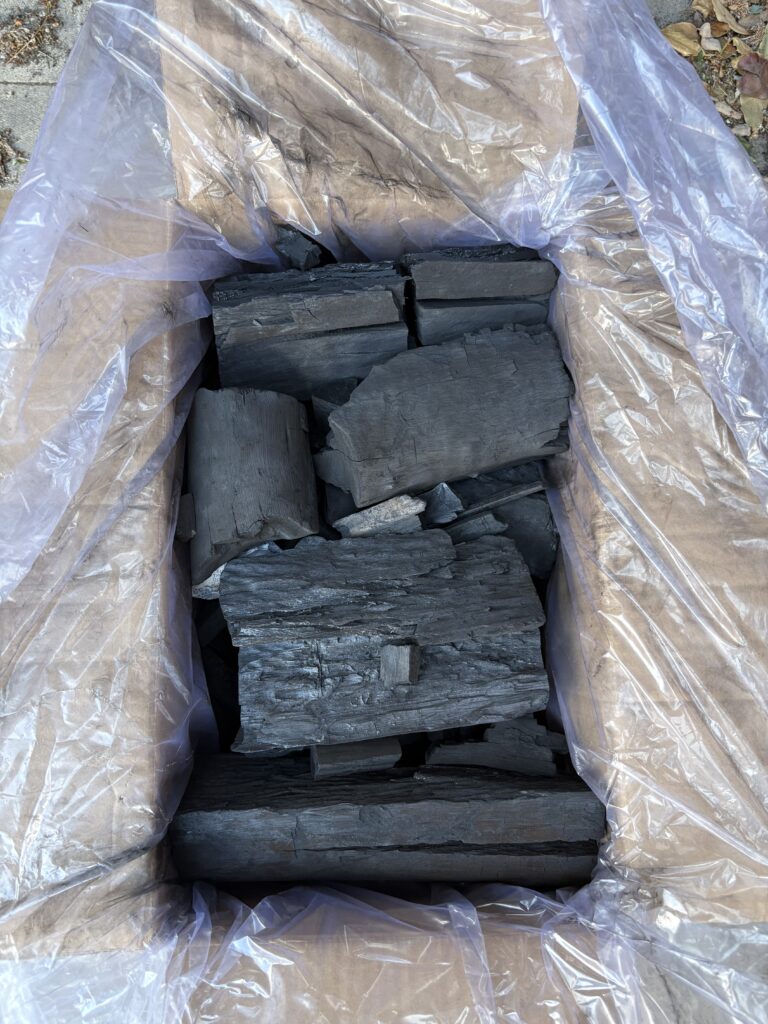
FAQ: Why does Big Ed’s Charcoal have a mix of big and small lumps?
Big Ed’s is all about top-quality, long-burning charcoal, made from a mix of Eucalyptus and Mangrove wood. Each 10kg box is packed with...