
Yakitori Grill UK: How to Choose the Right Japanese Charcoal Grill
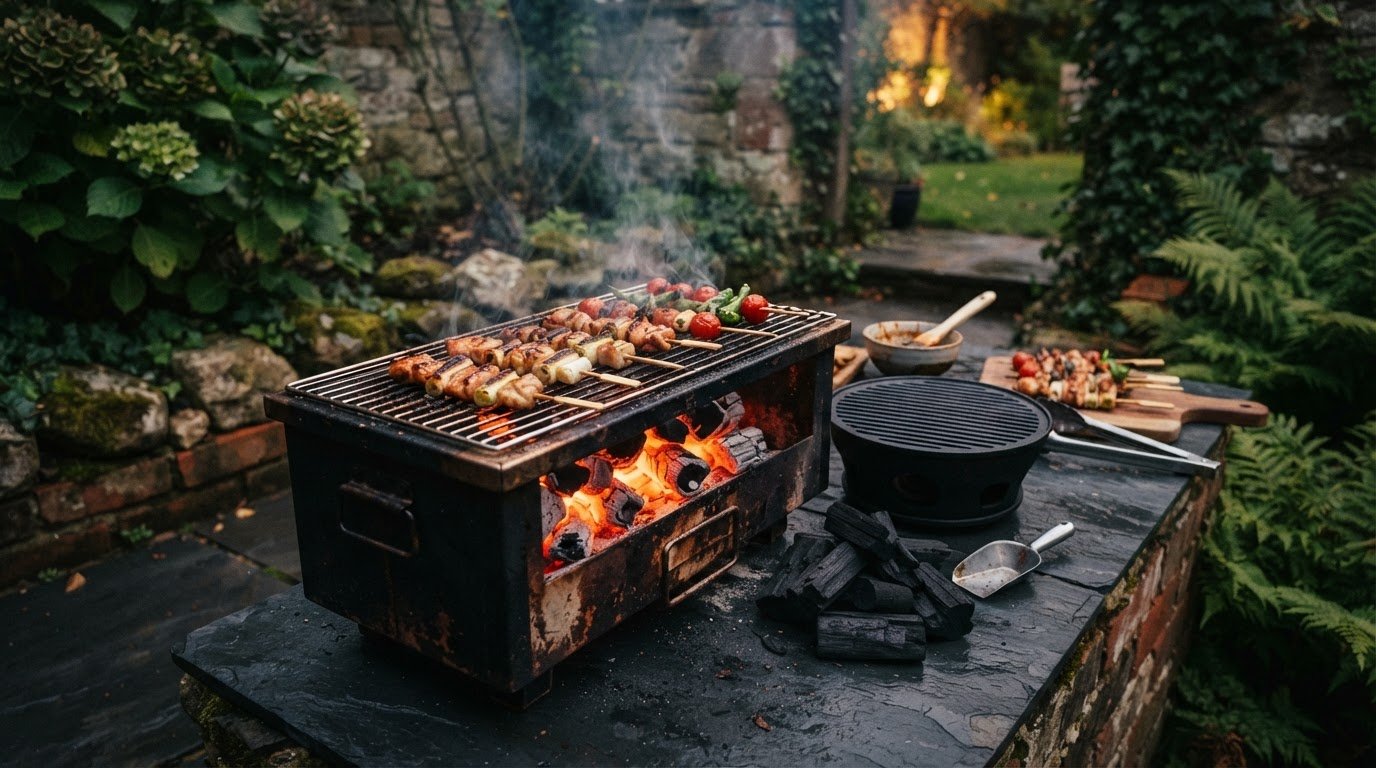
The most traditional-looking grill isn’t automatically the right one for your garden or patio. This yakitori grill UK guide starts with how you want to cook: quick skewers over intense heat, a relaxed tabletop meal, or food for a larger gathering. The format that suits your space and serving style matters just as much as the name on the grill.
Yakitori, Konro and Hibachi grills are often discussed together, but the terms don’t always describe the same format. Capacity and fuel matter too: binchotan is associated with yakitori cooking, but the right charcoal depends on your grill’s instructions and the kind of session you’re planning.
Here, you’ll learn how yakitori-style grills work, how to compare their formats and cooking areas, and what to consider when choosing charcoal. You’ll also find practical setup and safety guidance to help you choose a grill that suits the way you want to cook and serve.
Key Takeaways
- Choose a yakitori grill UK option based on your cooking style, available space and serving plans.
- Yakitori and Konro are related terms, but a grill’s design and intended use matter more than its label.
- Charcoal and airflow affect how a grill behaves. Follow the model’s instructions when preparing and managing the fire.
- Compare the usable cooking area with the number of skewers you want to cook at once, then choose suitable fuel.
- The BBQ Experts offers Japanese charcoal grills, Hibachi grills and complementary fuel options, including Big Eds Charcoal and Oak Briquettes.
What Is a Yakitori Grill? Understand the Japanese Charcoal-Cooking Style
A yakitori grill is a charcoal grill used to cook Japanese-style skewers, traditionally featuring chicken. Its straightforward design places food close to the heat, so the cook can turn and reposition each skewer as it cooks. For a broader introduction to the dish and its cultural context, see Yakitori on Wikipedia.
Yakitori cooking is hands-on: the charcoal glows beneath the grill while skewers sizzle above it. Because the food is close to the fuel, small differences in position can affect how quickly it cooks. That makes the grill’s size and design important, as well as where you’ll use it and how much food you plan to prepare.
Yakitori, Konro and Hibachi: how the terms relate
Yakitori describes the food and cooking tradition, while Konro commonly refers to a Japanese charcoal-grill format associated with this style of cooking. The terms aren’t always used consistently, so product names alone may not tell you exactly how a grill is designed or intended to be used.
Hibachi is another related grill term, but it isn’t automatically an exact synonym for yakitori or Konro. A Hibachi grill may suit similar charcoal cooking, though its format can differ. Compare the grill’s design, cooking area and instructions rather than choosing by name alone. The BBQ Experts offers Japanese charcoal grills and Hibachi grills, giving you different formats to consider for your outdoor cooking.
What makes yakitori-style cooking distinctive?
The basic approach is simple: thread bite-sized ingredients onto skewers and cook them over charcoal, paying attention to the heat and the food as it cooks. Traditionally, yakitori centres on chicken, but the same style of grill can also be used for other skewered ingredients, such as vegetables. Its focused cooking area suits tending a smaller group of skewers rather than spreading food across a broad grill surface.
Good control comes from observation and small adjustments. Turn or move skewers as needed, watching how quickly different ingredients colour and how the charcoal is behaving. The fuel arrangement and heat depend on the grill and its instructions, so there isn’t one method that suits every model or ingredient.
Picture a row of skewers over glowing charcoal: a faint curl of smoke, a soft sizzle and food served straight from the grill. This close-up style of cooking can make the cook part of the gathering. But a compact tabletop grill won’t suit every setting or serving plan. If you’re considering a yakitori grill UK option, start with its dimensions, where it will sit and how you want to cook, then compare those details with your usual meals.
How a Yakitori Grill Works: Charcoal, Heat and Cooking Control
Charcoal supplies the heat, while airflow and the amount and arrangement of fuel affect how that heat behaves. These principles apply broadly, but the way you light, load and operate a grill varies by model. Read the supplied instructions before your first cook and follow them in preference to general advice.
Once the charcoal is prepared as directed, let the grill preheat according to its guidance. There’s no universal waiting time: fuel type, arrangement and conditions all affect how quickly the grill is ready. Watch the fire and the food rather than relying on a fixed timing rule. Staying attentive makes it easier to adjust as you cook.
Managing charcoal heat while grilling skewers
Airflow and fuel placement influence heat distribution, but grills don’t all manage air in the same way. Don’t assume your model has a particular vent or adjust a feature it doesn’t have. If one skewer is cooking faster than expected, move it to another position if the grill allows, or cook a smaller batch next time. These practical adjustments help you respond without making unsupported changes to the grill.
Pay attention to the size and thickness of the ingredients, their position above the charcoal and the condition of the fire. Turn or reposition skewers as needed, and leave enough room to observe each piece. Avoid loading the grill with more food than you can comfortably monitor. Rather than chasing a precise temperature by guesswork, follow the model’s operating guidance and watch how the food responds.
A practical first cook on a yakitori grill
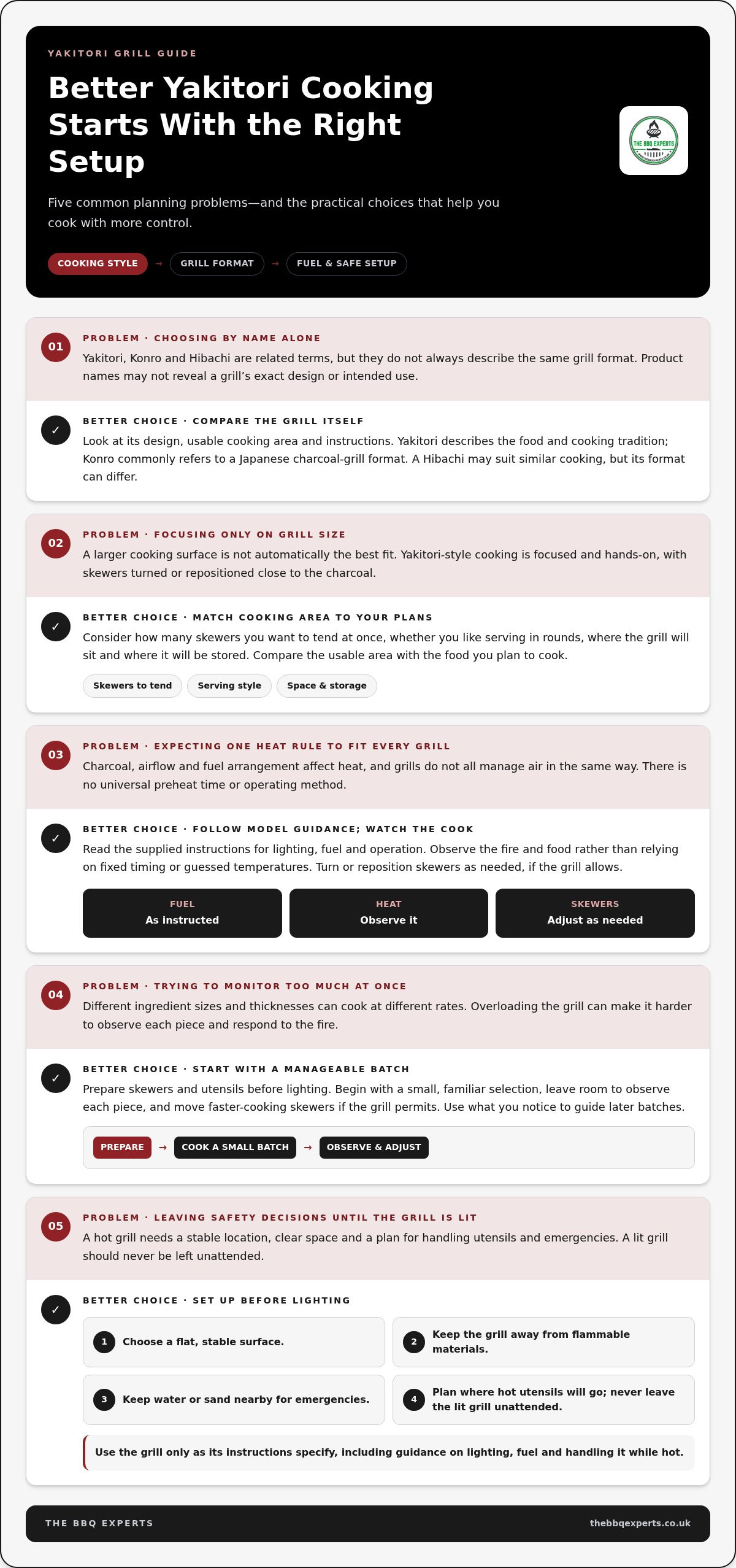
A little preparation makes a first cook easier to manage. Before lighting the charcoal, prepare your skewers, organise the ingredients and set out the utensils you’ll need. Start with a small, familiar selection rather than several different ingredients at once. Different pieces can cook at different rates, so a manageable batch gives you time to turn, observe and serve each skewer.
Set the grill on a flat, stable surface away from flammable materials, and keep water or sand nearby for emergencies. Decide where hot utensils and equipment will go before cooking begins, and never leave a lit grill unattended. Use the grill only as its instructions specify, including guidance on lighting, fuel and handling while hot.
For a first yakitori grill UK cook, treat the session as a chance to learn how your grill and charcoal work together. Notice which areas cook faster and how your ingredients respond. Use those observations to guide later batches, rather than assuming every cook will be identical. To discuss grill and fuel options for your outdoor cooking plans, get in touch with The BBQ Experts.
Which Yakitori Grill Size and Format Fits Your Cooking Plans?
The right grill is the one that suits the way you actually cook, not necessarily the one with the largest cooking surface. Consider how many skewers you want to tend at once, whether you enjoy serving food in rounds and where you’ll store the grill between uses. A compact format can work well for focused tabletop cooking, while a larger grill gives you more room to arrange food when preparing several skewers or hosting a bigger gathering.
Use the comparison below as a starting point, then check the dimensions and handling guidance for the specific model. Serving capacity varies with the usable cooking area, skewer size and how you arrange the food.
Tabletop Konro grill or a larger Japanese grill?
| Format | Cooking space and serving style | Storage and portability | A good fit if… |
|---|---|---|---|
| Compact tabletop grill | Focused cooking area; suits a small shared meal or serving skewers in several rounds. | May take up less storage space, but check the model’s dimensions and handling guidance. | You value an intimate grilling experience and are happy to cook in manageable batches. |
| Larger Japanese grill | More cooking area can make it easier to arrange several skewers at once, depending on the design. | Consider the space needed during use and for storage. Size alone doesn’t indicate weight or ease of moving. | You regularly entertain guests or prefer more room to organise a cook. |
The trade-off is practical: a smaller footprint can suit limited storage and a relaxed meal, but may mean cooking in more rounds. More cooking area can make it easier to prepare a fuller spread, though you’ll need enough suitable space to use and store the grill. Neither format has a universal serving capacity. For a specific model, use its published dimensions and capacity guidance instead of estimating from its category or appearance.
Questions to answer before choosing a format
Before choosing a yakitori grill UK shoppers can assess their plans with a few practical questions:
- How many people do you usually serve? Choose around a typical meal, not only an occasional large gathering.
- Are you comfortable cooking in rounds? Gradually serving freshly grilled skewers can suit a compact grill. Preparing more at once may call for a larger cooking area.
- Where will you use and store it? Measure the available surface and storage space, and consider how you’ll handle the grill according to its instructions.
- Do you want a dedicated yakitori setup or flexibility? A specialist format suits cooks who enjoy skewers and focused charcoal cooking. If you want a broader approach, consider how a Japanese charcoal grill or Hibachi format fits the other meals you plan to make.
A specialist grill makes sense when its style matches a cooking habit you’ll enjoy: tending charcoal, watching skewers closely and sharing food straight from the grill. If that’s part of your regular outdoor cooking, the format can be more than an occasional novelty. Choose around your serving rhythm, available space and preferred way of cooking, and the grill can become a natural centrepiece for a gathering.
Choosing Charcoal and Preparing a Yakitori Grill for Use
A well-planned yakitori session starts before you light the charcoal. Match the fuel to the grill’s instructions and your cooking plans, then prepare the area and tools so you can focus on the skewers. Charcoal types and formats vary, and fuel that suits one grill shouldn’t automatically be assumed suitable for another.
How to think about charcoal for yakitori cooking
Charcoal comes in different forms, including lump charcoal, briquettes and Japanese-style Binchotan products. These are different fuel formats, not a guarantee that every type suits every grill. Check the manufacturer’s guidance for suitable fuel and how to arrange it. Then consider the session you’re planning: a few skewers may require a different amount of fuel from a longer meal with several rounds.
If you’re exploring Binchotan-style fuel, the range includes Eucalyptus Binchotan charcoal. Use the product description and your grill’s instructions as your guide. Don’t assume that a particular charcoal size or format is compatible with every model. For a yakitori grill UK setup, choose the grill and fuel together so the fuel suits both the instructions and the cooking session.
The BBQ Experts offers Japanese charcoal grills, Hibachi grills and charcoal options including Big Eds Charcoal and Oak Briquettes, alongside other charcoal types. When comparing fuels, consider the format and the amount suited to your planned cook, then follow the instructions supplied with the grill and fuel.
A simple pre-cooking setup sequence
Prepare in a steady order. Follow your grill’s instructions for lighting and arranging fuel rather than relying on a one-size-fits-all method.
- Read the grill guidance. Check the directions for suitable fuel, lighting, operation and safe handling before preparing the charcoal.
- Prepare the area. Set the grill on a flat, stable outdoor surface away from flammable materials. Keep water or sand nearby for emergencies, and never leave a lit grill unattended.
- Gather fuel and lighting materials. Choose charcoal that follows the grill guidance, and organise any lighting materials according to their instructions.
- Set out your tools. Arrange skewers, utensils and a safe place for hot equipment before you begin cooking.
After cooking, let the grill cool fully before handling, cleaning or storing it, and follow its care instructions. Preparing the area before you light the charcoal helps you give the fire and food your attention. To explore grill and fuel options for your plans, talk to The BBQ Experts about your setup.
Find a Yakitori Grill and Fuel Setup for Your Style of Outdoor Cooking
The right setup fits your real cooking habits. Think about how often you’ll light the grill, where you’ll use and store it, and whether you prefer to serve a few skewers at a time or cook for a larger gathering. These details help you narrow down the format before comparing individual grills, and make fuel planning part of the decision rather than an afterthought.
Match your grill choice to the experience you want
If yakitori is an occasional treat, a compact format may suit your plans, particularly if storage space matters. Consider whether you’re happy to cook and serve in rounds. If you host regularly or want to prepare more skewers together, compare the available cooking area with the model’s stated dimensions and capacity guidance instead of relying on a general rule.
A dedicated yakitori grill is designed for focused charcoal cooking and skewers. It can suit you if you expect to use it often, but it won’t fit every cook or outdoor space. Consider what you’ll cook, how you want to serve it and how much room you can give the grill during use. A format that fits your routine matters more than decorative details.
Plan your grill and fuel together
The grill and charcoal form one setup. Before choosing fuel, check the grill’s instructions, the formats it supports and the session you’re planning. A short cook and a longer gathering may call for different fuel planning, but the manufacturer’s guidance should always inform your choice. Don’t assume a charcoal format suits every model simply because it’s used for Japanese-style grilling.
The BBQ Experts is a specialist retailer of Japanese charcoal grills, Hibachi grills and complementary charcoal. Its fuel selection includes Big Eds Charcoal and Oak Briquettes, alongside other charcoal options. This gives you a practical starting point for choosing a grill and fuel as a pair, with your intended cooking style at the centre of the decision.
If you’re considering a yakitori grill UK setup, ask yourself: how often will you cook, how much space can you dedicate to the grill, and do you want a focused skewer experience or a more flexible charcoal-cooking option? Answering these questions helps you choose with purpose instead of relying on appearance or assumptions about capacity. Then match the fuel to the chosen grill’s instructions and the meal you have in mind.
Ready to plan an outdoor cooking setup around Japanese charcoal grilling? Talk to our BBQ specialists about your yakitori grill and fuel plans.
Make Your First Yakitori Cook Your Own
Let your first menu shape the setup. Choose a few skewers you’re keen to prepare, picture how you’d like to serve them, and select a grill format around that experience. A yakitori grill UK choice becomes more useful when it supports a cooking ritual you’ll return to, whether that’s an unhurried meal or a lively outdoor gathering.
The BBQ Experts brings Japanese charcoal grills and Hibachi grills together with fuel options such as Big Eds Charcoal and Oak Briquettes. That range makes it easier to plan the grill and charcoal as parts of one outdoor cooking setup rather than as separate decisions.
Bring your preferred cooking style and practical requirements into the conversation. Talk to our BBQ specialists about your yakitori grill setup and take the next step towards making charcoal grilling part of your outdoor cooking. Your first skewers are a fine place to begin.
Frequently Asked Questions
What is the difference between a yakitori grill and a Konro grill?
Yakitori refers to the Japanese dish and style of cooking skewered ingredients, while Konro commonly describes a type of grill used for charcoal cooking. The terms are related, but they aren’t interchangeable in every product description. When comparing grills, look at the design, intended fuel and manufacturer’s instructions. Those details give you a clearer basis for choosing than the name alone.
Can you use a yakitori grill at home?
Yes, a yakitori grill can be used at home if you follow its instructions and use it in a suitable outdoor space. Place it on a stable, level surface away from flammable materials, and keep children and pets clear of the cooking area. Never leave a lit charcoal grill unattended. For a tabletop model, make sure the surface can safely support it during use.
What charcoal is best for a yakitori grill?
Choose the type and format recommended for your particular grill. Binchotan-style charcoal is associated with Japanese grilling, but it isn’t automatically suitable for every model. Check the grill’s fuel guidance before choosing. The BBQ Experts’ charcoal range includes Big Eds Charcoal and Oak Briquettes, alongside other options. Consider the cooking session you have planned and follow the fuel’s instructions.
How do you control the heat on a yakitori grill?
Watch how the food cooks and make small, practical adjustments. Turn or reposition skewers if one area is cooking faster, and cook fewer pieces at once if the grill becomes difficult to manage. Ingredient thickness and charcoal arrangement can affect cooking, so don’t rely on a fixed timing rule. Follow your grill’s instructions, especially for model-specific features or airflow controls.
Is a tabletop yakitori grill big enough for entertaining?
It can be if you’re happy to cook and serve food in rounds. For a small gathering, that can make for a relaxed, interactive meal, with fresh skewers arriving gradually. If you often entertain a larger group or want to cook several skewers together, compare the grill’s stated cooking area and capacity guidance with your plans. Tabletop grills don’t have a universal serving size.
Can you cook foods other than skewers on a yakitori grill?
Often, but the grill’s design and instructions determine what’s suitable. Skewered vegetables, mushrooms or other bite-sized ingredients can add variety alongside chicken. For food that isn’t on a skewer, check whether the grill guidance supports that cooking method and whether you can handle the food safely over the charcoal. Keep pieces manageable and monitor them closely, since different ingredients may cook at different rates.
How do you clean and store a yakitori grill safely?
Let the grill cool completely before cleaning, moving or storing it. Follow the manufacturer’s care instructions, because methods can vary with the grill’s materials and construction. Remove ash only as directed, and make sure it’s fully cold before disposal. Store the grill as its guidance recommends, protecting it from conditions that could damage its materials. Never pour water onto hot charcoal or a hot grill unless its instructions specifically direct you to.
Disclaimer
This article was produced with AI assistance. We use AI and Third Parties to help deliver more content to our BBQ website and community, but we always aim to ensure accuracy and quality as much as we can. If you spot anything that doesn't seem right, we'd love to hear from you

Recent News & Updates

Our Story, Values and Beliefs
Here at the BBQ experts we have a passion for BBQ food, outdoor living and spending time with family and friends. We offer you; A...
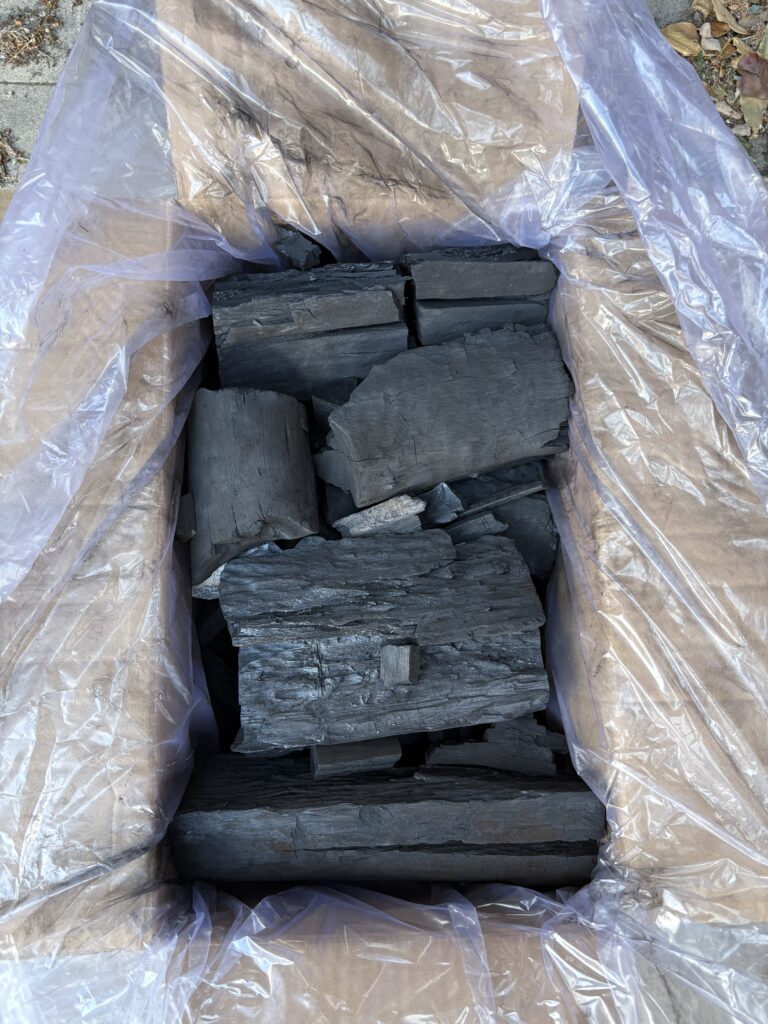
FAQ: Why does Big Ed’s Charcoal have a mix of big and small lumps?
Big Ed’s is all about top-quality, long-burning charcoal, made from a mix of Eucalyptus and Mangrove wood. Each 10kg box is packed with...