
Vortex cooking method on a charcoal grill for heat and food
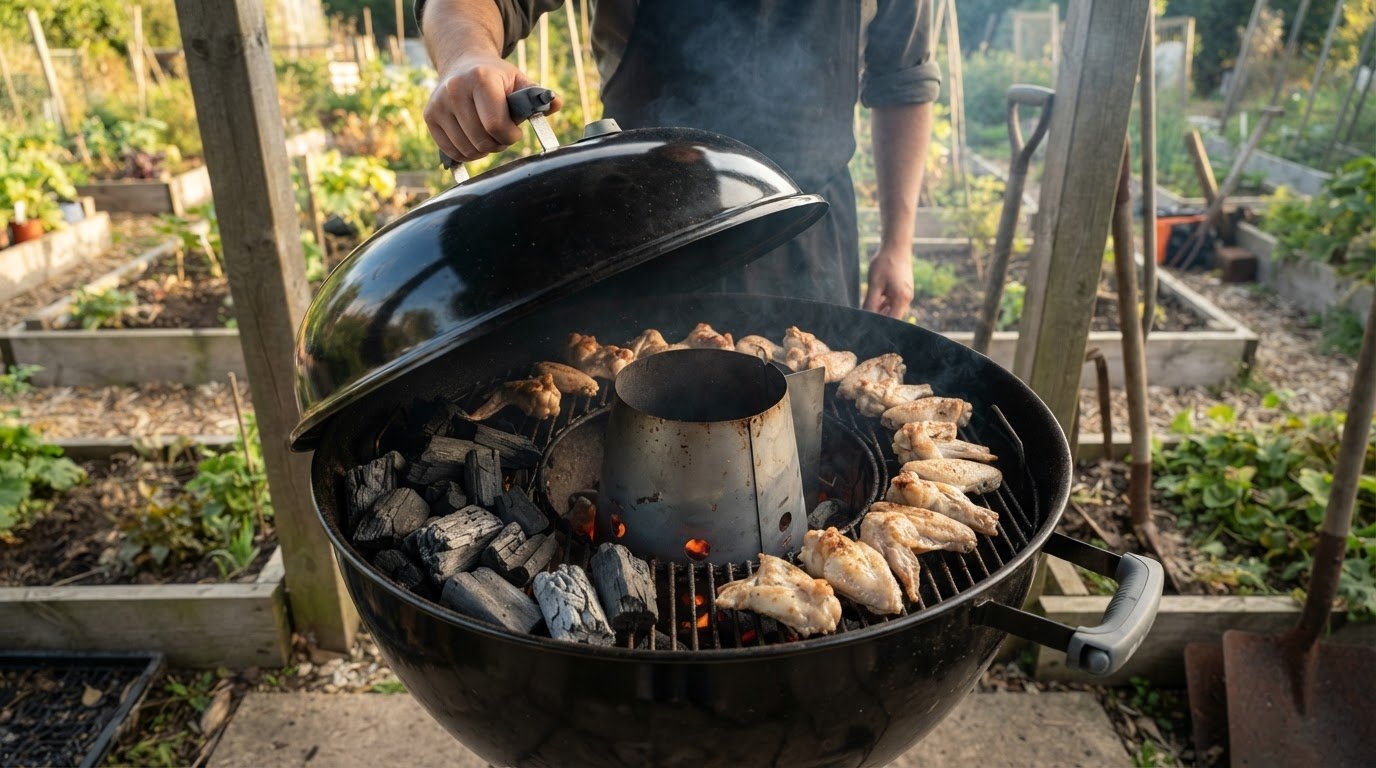
The grill beneath your Vortex matters as much as the charcoal around it. The vortex cooking method on a charcoal grill changes with the dish: for low-and-slow cooking, position the Vortex wide-end up and arrange coals around its outside; for high-heat searing, set it narrow-side up. The aim is to direct heat where the food needs it, rather than use the same setup for every cook.
You may already know the Vortex can cook crisp wings and deliver intense searing heat. The practical challenge is controlling that heat and adapting the setup to your grill. Arrange the charcoal, manage the vents and lid, and choose foods suited to indirect cooking, roasting or searing. Grill shape and the space beneath the lid can also affect your approach. A few deliberate adjustments help you cook with greater control and serve beautifully browned, flavourful food.
Key Takeaways
- Choose the Vortex’s orientation and charcoal placement to suit the cooking style, from gentle indirect heat to intense searing.
- Use the vents and rotate the lid strategically to help manage heat and reduce cold spots during cooking.
- Match foods to the technique: wings, roasts and steaks each benefit from a different heat pattern.
- Account for your grill’s shape and lid clearance, as these can affect how easily certain Vortex setups fit.
Charcoal arrangement and temperature control
The Vortex concentrates charcoal heat into a deliberate pattern, but its position and the fuel placement need to suit the food. Choose an indirect setup for slower cooking, or a focused high-heat arrangement for crisping and searing.
Charcoal Arrangement
For low-and-slow indirect smoking, arrange the coals around the Vortex’s outside, with the Vortex sitting in the centre of the charcoal layout. This directs heat around the cooking area rather than placing the fuel directly beneath the food. Spread the coals around the perimeter, then position food away from the most intense heat. Big Eds charcoal is one fuel option for this arrangement. Keep the layout consistent so the heat has a clear path around the grill.
Vortex Orientation
Match the Vortex’s orientation to the technique. For low-and-slow indirect smoking, arrange the charcoal to keep the food away from direct heat. For high-heat indirect wings, turn it narrow-side up and arrange the wings around the grate’s edges. This concentrates heat while keeping the food outside the hottest central area. For high-heat searing, use the narrow-side-up position. For roasting chicken with radiant heat, arrange the grill to direct heat around the food while managing airflow and drippings.
Temperature Control
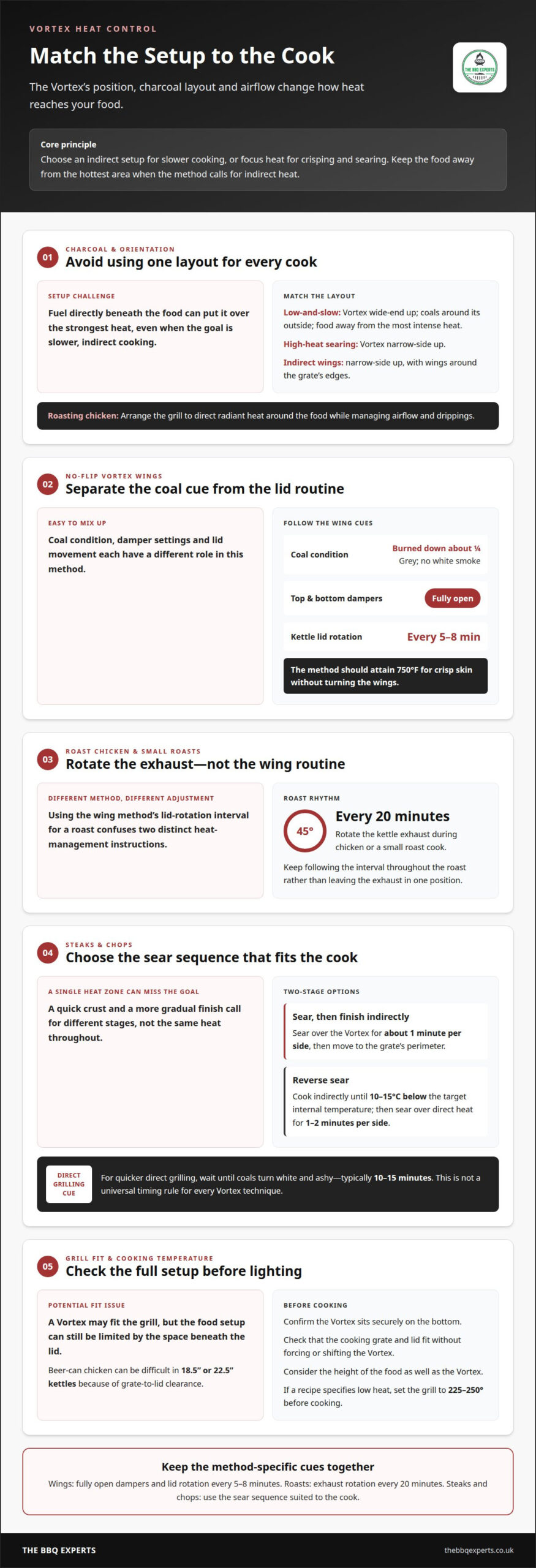
Use the charcoal’s condition as a cue, not just its arrangement. For the no-flip crispy wings method, wait until the coals have burned down about one-quarter of the way, look for a grey colour, and wait until there’s no white smoke. For a recipe that specifies a low cooking temperature, set the grill to 225-250° before cooking. Keep the Vortex orientation and food position matched to that method, because changing either alters how heat reaches the food. Avoid treating one temperature or coal condition as a universal target: wings and slow smoking call for different setups.
Managing grill vents and lid rotation
On a kettle grill, the dampers regulate airflow, while the lid position influences where heat travels. Set both deliberately for the recipe, then follow the specified lid rotations to manage cooking across the grate. Wings and roast chicken need different adjustments, so follow the steps for your method instead of relying on one fixed vent setting.
For no-flip Vortex wings, open the top and bottom dampers fully. This method should attain 750F, creating the intense heat needed for crisp skin without turning the wings. Rotate the kettle lid every 5-8 minutes to help prevent cold spots. Keep the lid rotation consistent throughout cooking, and avoid confusing lid movement with adjusting the dampers: each step has a separate role in the setup.
Roasting chicken uses a different rhythm. Rotate the kettle exhaust by 45 degrees every 20 minutes when cooking chicken or a small roast. This changes the exhaust’s position over the food as the cook progresses. For Vortex-roasted chicken, rotate the kettle exhaust every 20 minutes. Follow that interval throughout the roast, rather than leaving the exhaust in one position for the entire cook.
Think of the vents and lid as parts of one heat-management system. Fully open dampers suit the no-flip wing method, while exhaust rotation is specified for roasting chicken. Keep track of which technique you’re following, then apply its matching adjustment. A chicken roast needs exhaust rotation; wings need lid rotation every 5-8 minutes. These are distinct instructions, not interchangeable ways to manage direct heat.
Before cooking, identify the food and method, then set the dampers accordingly. During the cook, follow the relevant rotation interval: every 5-8 minutes for no-flip wings, or every 20 minutes for roast chicken. If you’re refining a charcoal-grill setup for a particular cook, talk through your cooking plans.
Suitable foods for each grilling technique
The Vortex creates a concentrated heat source with cooler space around it, giving you searing and indirect cooking zones. Two-zone grilling separates banked coals from an open side, while the Vortex centres the fire. Smoking uses indirect heat for a slower cook. Choose the method according to whether the food needs a rapid crust or gentler finishing heat.
For direct cooking, position a steak or chop over the Vortex and sear it for about a minute per side. Then move it to the grate’s perimeter to finish indirectly, where it’s away from the strongest heat. This sequence develops browning first, then allows the centre to cook more gradually. For reverse-seared meat, cook indirectly until it reaches 10-15°C below your target internal temperature, then sear over direct heat for 1-2 minutes per side.
Indirect cooking suits foods that benefit from gentler heat before a final sear, including thicker steaks and chops. The two-stage reverse-sear approach gives the centre time to warm before the surface meets the fire. For quicker direct grilling, wait until the coals turn white and ashy, typically 10-15 minutes, before cooking. That cue applies to direct grilling; it isn’t a universal timing rule for every Vortex technique.
For the common Vortex methods, place food according to the heat it needs. Put steaks or chops above the central fire for searing, then shift them to the perimeter for indirect finishing. For indirect cooking, keep food outside the hottest central area. A recipe that specifies a grill setting of 225-250° should be prepared at that temperature before cooking. Total cooking time depends on the food and cut, so use the method’s stated cues rather than applying the steak searing time to every dish.
Using a Vortex on different charcoal grills
A Vortex setup depends on the space and airflow inside your grill, not just the charcoal arrangement. Before lighting the fire, check that the Vortex sits securely on the bottom and that the cooking grate and lid fit in place without forcing or shifting it.
Kettle grills offer a familiar layout, but lid clearance can limit which food setups work. The beer-can chicken method can be difficult in 18.5” or 22.5” kettles because of the space between the grate and lid. Consider the whole cooking setup, including the chicken’s height, rather than checking the Vortex alone. If the lid won’t close naturally, choose another cooking method instead of trying to compress the food or disturb the equipment.
Grill shape affects where you can position food and how you manage airflow. On a charcoal grill, centre the Vortex securely and make sure the grate rests properly above it. Keep the vents accessible and check that the lid closes without touching the food. A compact grill may leave less room around the Vortex for wings or other perimeter cooking, while a wider grate gives you more options. Check fit and clearance first, then choose a recipe that suits the usable cooking area.
Prioritise safe handling on every grill. Set it outdoors on a stable, heat-resistant surface, keep children and pets away, and wear heat-resistant gloves when handling the lid or grate. Never leave a lit charcoal grill unattended. Let the equipment and fuel cool fully before moving or storing them.
For a practical fit check, assemble the grill cold: place the Vortex on the bottom, add the grate, and close the lid. Confirm nothing rocks, catches or blocks the vents. Then select food that fits the remaining space. If you’re planning a Vortex setup around a particular charcoal grill, discuss your grill and cooking plans.
The BBQ Experts
The BBQ Experts offers charcoal-cooking essentials to suit your chosen technique. Fuel is part of refining a Vortex setup, and the range includes Big Eds Charcoal, Oak Charcoal, Eucalyptus Charcoal, Coffee Charcoal and King Khaya Charcoal. Angus & Oink Rubs can add another layer of flavour, while the Hibachi Grill and Fire Cage offer different ways to cook over charcoal.
Choose equipment and fuel to suit the food you enjoy cooking, the heat you want to create and the space in your outdoor cooking area. Contact The BBQ Experts for help choosing charcoal-grill equipment and fuel.
Make your next cook your own
Make your next barbecue a deliberate experiment. Choose one dish and a result you want, then note how the food responds to your setup. A short cooking log can help you refine your approach: record the food, charcoal arrangement, vent position and finish. Change one element on a later cook to get a clearer sense of what made the difference.
The vortex cooking method on a charcoal grill rewards attention as much as equipment. Each session is a chance to develop your timing, judge the heat and serve food with the finish you intended. Build confidence at your own pace, and let the pleasure of cooking outdoors guide what you try next.
For a considered next step with your charcoal-grilling plans, Contact The BBQ Experts today. Your next great cook starts with a single, well-chosen experiment.
Frequently Asked Questions
What is the vortex cooking method on a charcoal grill?
The vortex cooking method on a charcoal grill uses a funnel-shaped charcoal basket to concentrate heat and create different cooking zones. Depending on the technique, food cooks over the intense central heat or around the cooler perimeter of the grate. One charcoal setup can produce crisp wings, indirect roasts or a fast steak sear, with food placement shaping the finish.
How do you set up a charcoal grill for vortex cooking?
Set the Vortex securely on the charcoal grate, then choose its orientation to suit your recipe. For low-and-slow smoking, position it wide-end up and arrange coals outside it; for high-heat cooking, the narrow-side-up position directs heat differently. Before lighting, confirm the cooking grate and lid sit properly. On an 18.5” or 22.5” kettle, beer-can chicken can be difficult because of limited space beneath the lid.
How much charcoal should you use with a grill vortex?
There isn’t one charcoal quantity for every Vortex cook. The amount depends on the grill’s capacity and whether you’re aiming for a brief, intense cook or a longer indirect session. Arrange enough fuel for the pattern your recipe requires, rather than packing charcoal into the food’s cooking area. For no-flip wings, use the coals when they’re about one-quarter burned down, grey and producing no white smoke.
How do you adjust the vents to control vortex grill temperature?
Use the dampers to manage airflow according to the cooking method. For no-flip wings on a kettle, open the top and bottom dampers fully; rotate the lid every 5-8 minutes to help prevent cold spots. For roast chicken, rotate the kettle exhaust every 20 minutes. These instructions serve different cooks, so follow the vent or lid adjustment given for your chosen recipe.
What foods work best with vortex cooking, including wings and roasts?
Wings suit the Vortex’s concentrated high heat, while roast chicken benefits from radiant heat and a setup that catches drippings. Steaks and chops can be seared above the fire, then moved away from the centre to finish more gently. For reverse searing, take meat off the indirect stage when it’s 10-15°C below its target internal temperature, then sear it over direct heat.
Disclaimer
This article was produced with AI assistance. We use AI and Third Parties to help deliver more content to our BBQ website and community, but we always aim to ensure accuracy and quality as much as we can. If you spot anything that doesn't seem right, we'd love to hear from you

Recent News & Updates

Our Story, Values and Beliefs
Here at the BBQ experts we have a passion for BBQ food, outdoor living and spending time with family and friends. We offer you; A...
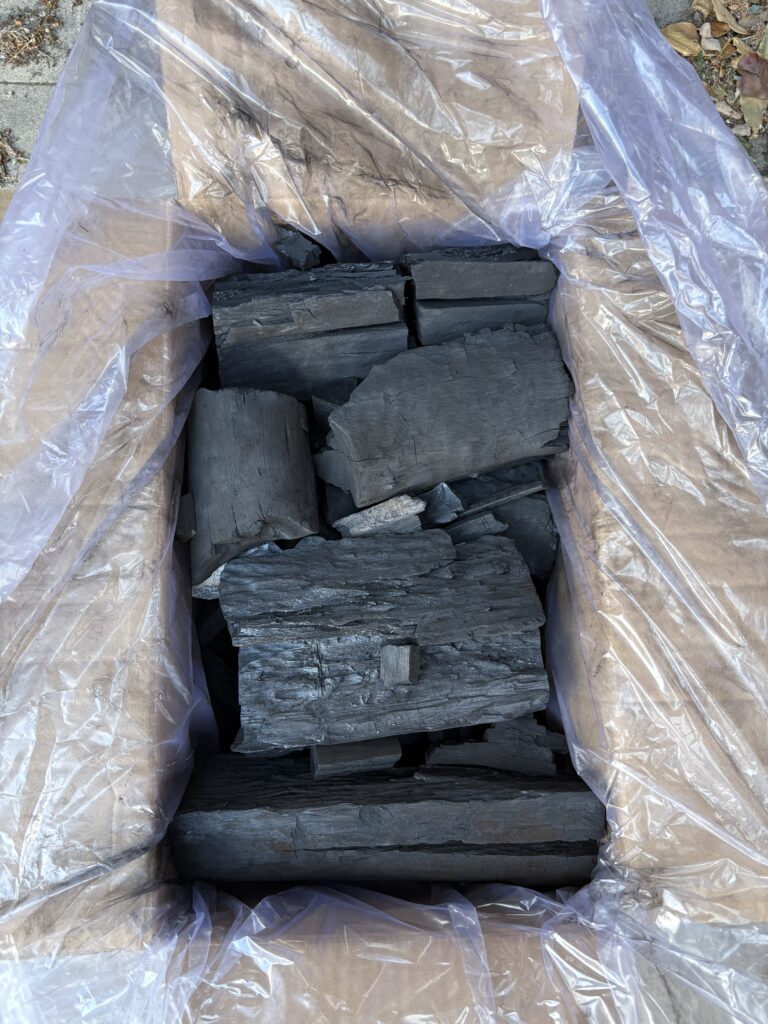
FAQ: Why does Big Ed’s Charcoal have a mix of big and small lumps?
Big Ed’s is all about top-quality, long-burning charcoal, made from a mix of Eucalyptus and Mangrove wood. Each 10kg box is packed with...