
The Ultimate Portable Charcoal Grill for Camping Guide: Gourmet Gastronomy in the Wild
Most campers settle for charred sausages and lukewarm beans, but your wilderness retreat deserves the same culinary precision as a Michelin-starred terrace. We’ve all experienced the frustration of a flimsy, supermarket-grade kit that warps under pressure or a cheap portable charcoal grill for camping that loses its heat the moment a breeze rolls in. It’s a common disappointment that often ruins the sensory joy of cooking under the stars, leaving you with ruined ingredients and acrid smoke instead of a refined meal.
This guide promises to transform your outdoor experience into a masterclass of gourmet gastronomy. You’ll discover how to move beyond basic survival cooking to achieve restaurant-quality sears and deep, smoky profiles in the most remote locations. We will explore the technical superiority of a Thuros BBQ or a Japanese Hibachi grill, the importance of high-carbon fuels like King Khaya charcoal, and the professional finishing touch of Angus & Oink rubs. You are about to learn how to curate a high-performance cooking station that turns every expedition into a private culinary retreat.
Key Takeaways
- Identify the crucial difference between flimsy travel kits and professional hardware like Thuros BBQs that maintain thermal mass in the unpredictable British wind.
- Choose the ideal tool for your menu, from the surgical precision of a Japanese Hibachi for searing to the versatile indirect heat of a travel-ready kettle.
- Elevate your results by selecting a portable charcoal grill for camping that pairs perfectly with high-density fuels like Big Eds lumpwood for a cleaner, hotter burn.
- Simplify your campsite logistics with professional-grade Angus & Oink rubs, providing a sophisticated depth of flavour that replaces an entire home spice rack.
- Master expert ash management and “Leave No Trace” techniques to ensure your high-end outdoor gastronomy remains respectful of the raw environment.
Defining the Portable Charcoal Grill: Thermal Mass vs. Portability
True outdoor gastronomy begins with a fundamental shift in perspective. While many casual hikers prioritise weight above all else, the seasoned connoisseur understands that a high-performance portable charcoal grill for camping must balance packability with thermal integrity. A “portable” grill is often little more than a thin metal box, whereas a “travel-ready” professional tool is engineered to replicate the kitchen’s precision in the heart of the countryside. The difference lies in the ability to maintain a consistent, intense heat regardless of the environment.
The primary enemy of the outdoor chef is the wind. In exposed landscapes, such as windswept hillsides or open wilderness areas, thin-gauge steel acts as a heat sink, allowing ambient temperatures to steal the energy required for a perfect sear. This is where thermal mass becomes your greatest ally. Heavier materials like thick-walled stainless steel or cast iron retain heat far more effectively, ensuring that once you reach your target temperature, it stays there. It’s the difference between a struggling ember and a professional-grade cooking surface that responds to your touch.
The Anatomy of a High-Performance Camping Grill
Selecting between the various types of portable grills requires an understanding of material science. Stainless steel offers incredible durability and rust resistance, which is vital for damp climates, while ceramic components or heavy-duty grates provide the ultimate heat retention for precision cooking. Ventilation geometry is equally critical. Top and bottom dampers allow you to master airflow, turning a compact chassis into a high-heat forge or a gentle smoker. Finally, a robust, stable base is non-negotiable on uneven campsite terrain to ensure safety and consistent oxygen flow to your fuel.
Why “Disposable” is Never the Expert Choice
The ubiquitous foil tray is a culinary and environmental disaster. These single-use items offer zero temperature control and often leave food tasting of acrid chemicals rather than the rich, smoky notes of premium Big Eds charcoal. Professional-grade portables pay for themselves through sheer longevity and fuel efficiency, as they require far less charcoal to maintain high heat. The Maillard reaction is the chemical transformation where amino acids and reducing sugars react under intense heat to create the complex, savoury crust that defines a world-class steak. You simply cannot achieve this level of excellence with a flimsy, disposable alternative that warps before the first flip.
Selecting Your Hardware: Hibachis, Kettles, and Fire Cages
Choosing the right portable charcoal grill for camping is an exercise in culinary intent. While a standard kettle offers versatility, the true epicurean looks toward specialized hardware that transforms a simple meal into an event. The Japanese Charcoal Grill represents the pinnacle of tabletop precision. It allows you to engage with your guests while managing surgical sears on high-grade wagyu or delicate yakitori skewers. Contrast this with the Fire Cage, a tool designed for those who crave the primal, tactile joy of open-flame mastery.
For those who require indirect cooking or the ability to roast larger joints, portable kettles like the Thuros BBQs are the definitive all-rounders. These systems offer the enclosed environment needed to bake or slow-cook, effectively bringing the capabilities of a full-sized garden rig to your campsite. It’s about matching the hardware to your menu. If you plan on feeding a larger group, always calculate your cooking surface area based on the simultaneous cook-time of your proteins to avoid a staggered, disjointed service.
The Hibachi Advantage for Camping
Space is a premium when venturing into the wild. A Hibachi Grill provides a compact footprint without sacrificing the intense, focused heat required for restaurant-quality results. These grills are built for incredible durability, often featuring heavy-walled construction that withstands the rigours of transport across rugged terrain. When paired with specialty fuels like Eucalyptus Charcoal, you achieve a clean, nearly smoke-free burn that is ideal for social dining. This setup allows the ingredients to speak for themselves, unmasked by the acrid soot of lesser equipment.
Open Fire Cooking with the Fire Cage
Stepping away from enclosed systems allows you to practice true fire-craft. The Fire Cage is not merely a grill; it’s a multi-level cooking station that encourages an immersive camping experience. You can manage different heat zones by adjusting the height of your grates, allowing for a slow-roasted vegetable medley alongside a fast-seared protein. This method requires a deeper understanding of ember management, turning your evening meal into a piece of gastronomic theatre. However, this raw power comes with responsibility. Managing these setups requires strict attention to campsite safety logistics, particularly when dealing with the high energy output of professional-grade coals in national parks.
Before committing to a specific rig, consider your logistics. A small Hibachi is perfect for a couple, but a larger portable charcoal grill for camping might be necessary for a family of four. If you are unsure which hardware best suits your specific vehicle setup or group size, you can reach out to our specialist team for a tailored recommendation. Every piece of equipment we curate is chosen for its ability to bridge the gap between home luxury and the beautiful, raw outdoors.
The Fuel Secret: Why Charcoal Quality Defines the Cook
For those seeking restaurant-grade results, Big Eds Grade Finest Lumpwood stands as the gold standard for the modern explorer. It offers a clean, high-intensity burn that respects the integrity of your protein. Unlike mass-market alternatives, this charcoal provides a consistent thermal output that allows for the surgical precision required in high-heat searing. To ensure you never taint your meal, always ignite your fuel using natural firelighters. They provide an odourless start, preserving the delicate aromatics of the wood and the meat without the chemical interference of liquid starters.
Lumpwood vs. Briquettes for the Road
The choice between lumpwood and briquettes depends entirely on your intended technique. Lumpwood is the purist’s choice for rapid heat and an authentic smoky aroma, making it the perfect partner for a Hibachi session. Conversely, Oak Briquettes leverage the science of density to provide a longer, more stable burn. They require fewer top-ups, which is ideal for roasting larger joints in a portable kettle. is essential for predicting how your fuel will behave under different environmental pressures. In the damp UK climate, moisture is your enemy. Always store your fuel in airtight containers or heavy-duty dry bags to prevent it from absorbing humidity, which can lead to sparking and difficult ignition during your cook.
Specialty Fuels: Coffee and Eucalyptus Charcoal
Expanding your repertoire involves experimenting with the unique characteristics of specialty woods. Coffee Charcoal offers a distinct flavour profile that complements rich, fatty meats with a subtle, earthy depth. For those demanding the absolute maximum heat duration, Eucalyptus Binchotan provides an incredibly dense structure that burns for hours. High-carbon charcoal burns more efficiently, significantly reducing the volume of ash production in compact portable grills. This efficiency is vital when operating a portable charcoal grill for camping, as it keeps your airflow vents clear and simplifies your post-cook cleanup, allowing you to focus on the experience rather than the maintenance.
Gourmet on the Go: Elevating Flavour with Professional Rubs
The seasoned traveller knows that a limited camping pantry shouldn’t dictate the complexity of the plate. While minimalist guides often suggest that salt and pepper are sufficient for the wild, the true epicurean understands that a portable charcoal grill for camping deserves a more sophisticated partner. Professional rubs serve as your secret weapon in the field. They provide a concentrated, multi-layered depth of flavour that usually requires a kitchen full of individual spice jars, all contained within a single, travel-ready bottle.
Angus & Oink rubs represent the pinnacle of this curated approach. These blends are engineered to withstand the intense heat of charcoal cooking, with sugar-to-salt ratios that encourage a perfect crust without scorching. A single bottle effectively replaces an entire spice rack, allowing you to travel light without sacrificing your culinary ambition. For a deeper understanding of how these profiles can transform your cook, explore The Ultimate Guide to Angus & Oink Rubs. Beyond the choice of blend, mastering the “dry brine” while travelling is a game-changer. Applying your rub several hours before you hit the road allows the seasoning to penetrate deep into the muscle fibres, tenderizing the meat as you travel toward your destination.
Matching Rubs to Your Campsite Menu
Precision in seasoning is just as vital as precision in temperature. For beef and game, select bold, peppery profiles that can stand up to the rich, mineral notes of the meat and the intense smoke of your fuel. When preparing pork or poultry on a Hibachi, look for a balance of sweetness and heat to create a glossy, mahogany finish. Even humble campsite greens benefit from a light dusting of a smoky rub, which adds a charred, outdoor character to vegetables that might otherwise feel like an afterthought in a rustic setting.
Prep Logistics for the Outdoor Connoisseur
Success in outdoor gastronomy is often decided before the first coal is lit. Store your rubbed meats in a high-quality cooler, ensuring they stay at a safe temperature while the seasoning works its magic. Once the cook is complete, the discipline of “resting” your meat is essential, even in the middle of a forest. This allows the juices to redistribute, ensuring every bite is as succulent as a steak served in a high-end bistro. If you’re ready to upgrade your spice game for your next expedition, Contact our experts for the perfect rub recommendation. We can help you curate a selection that perfectly complements your portable charcoal grill for camping and your specific tastes.
The Expert’s Campsite Setup: Logistics and Longevity
The performance of a portable charcoal grill for camping is only as good as the operational environment you create around it. A master of outdoor gastronomy understands that the meal doesn’t end when the final steak is pulled from the grates. Efficiency in your setup ensures that the cooking process remains a joy rather than a chore. Your “Grill Station” should be a model of ergonomic precision, featuring heat-proof gloves, long-reach stainless steel tongs, and a dedicated system for ash management. Keeping your tools within reach allows you to focus on the sensory details of the cook, ensuring your thermal management remains flawless.
Adhering to the “Leave No Trace” philosophy is a mark of a true outdoor connoisseur. Safely extinguishing your embers is paramount; never leave a grill to burn out unattended. Use a metal ash bucket or wait for the coals to cool completely before sealing them in a fireproof container for proper disposal. For a comprehensive list of the essential gear required to maintain this standard of excellence, consult The Ultimate BBQ Master Checklist. Cleaning your rig on the move requires minimal but effective tools. A high-quality wire brush and a light coating of neutral oil while the grates are still warm will prevent carbon buildup and keep the surface ready for your next expedition.
Maintenance for the Discerning Owner
Safety and Regulations
Operating high-performance hardware in the British countryside carries a responsibility toward the environment. You must stay informed about local UK fire bans, particularly during dry spells when traditional charcoal use may be restricted in certain national parks. Always maintain a safe distance of at least three metres from tents, awnings, and flammable vegetation. Positioning your grill on a stable, non-combustible surface ensures that stray sparks cannot ignite dry ground. Planning your next adventure and want to ensure your rig is up to the task? Get in touch for bespoke advice on the ultimate portable setup. Our team can help you navigate the technical specifications of our curated range to find the perfect match for your lifestyle.
Master Your Next Outdoor Culinary Expedition
Transitioning from basic campsite cooking to gourmet gastronomy requires more than just a sense of adventure; it demands a synergy between high-performance hardware and premium fuel. You’ve seen how the thermal mass of a professional-grade portable charcoal grill for camping overcomes the unpredictable British wind, and how high-carbon fuels like Big Eds charcoal provide the clean, intense heat necessary for a world-class sear. The difference between a simple meal and a lasting memory lies in this technical precision.
By integrating the surgical precision of a Hibachi or the raw power of a Fire Cage with the sophisticated profiles of Angus & Oink rubs, you transform the wilderness into your primary social hub. We are dedicated suppliers of these curated tools, ensuring every expedition you undertake is backed by equipment built for both durability and culinary excellence. Our expertise serves as the bridge between professional-grade results and your next remote adventure, allowing you to cook with confidence in any environment.
Consult the Experts for Your Professional Camping Setup today and let us help you curate a kit that lasts for years of exploration. Your next great meal is waiting just beyond the horizon.
Frequently Asked Questions
What is the best type of charcoal for a portable grill while camping?
Premium lumpwood like Big Eds is the superior choice for most camping scenarios because it ignites rapidly and burns with exceptional purity. While briquettes offer longevity for roasting, the high-carbon content of professional lumpwood ensures you achieve the intense searing temperatures required for gourmet results without the chemical aftertaste of mass-market fuels. This clean burn is essential when cooking in the close quarters of a campsite.
Can I use a Hibachi grill on a wooden campsite table?
You should always use a protective, heat-resistant barrier when placing a Hibachi on a wooden surface, even if the grill features an elevated base. While traditional Japanese charcoal grills are designed with impressive insulation, the intense thermal energy generated by specialty coals can still damage or scorch timber. A simple stone slab or a dedicated heat-proof mat provides the necessary safety for a refined tabletop dining experience.
How do I safely extinguish my charcoal grill at a campsite?
The most effective way to extinguish your portable charcoal grill for camping is to close all airflow dampers completely to starve the fire of oxygen. Avoid dousing the coals with water, as the sudden temperature shift can warp high-quality steel or crack ceramic components. Once the embers are cold to the touch, they can be safely transferred to a metal ash bin for responsible disposal according to local regulations.
Is a portable charcoal grill better than a gas camping stove for flavour?
Charcoal is undeniably superior for flavour because it introduces complex, smoky aromatics and reaches searing temperatures that gas stoves simply cannot replicate. While gas offers convenience, it lacks the ability to create the authentic crust and depth of flavour that defines true outdoor gastronomy. For the connoisseur, the sensory reward of cooking over live fire far outweighs the clinical speed of a gas burner.
How long does it take for a portable charcoal grill to be ready for cooking?
Your grill will typically be ready for cooking within 15 to 20 minutes if you use high-quality natural firelighters and proper airflow techniques. You’ll know it’s time to start when the charcoal is covered in a fine layer of grey ash and the initial smoke has cleared. This patient preparation ensures the heat is stable and the fuel is burning cleanly, providing the perfect thermal environment for your ingredients.
What are the essential tools I need for portable charcoal grilling?
Beyond the grill itself, you require long-reach stainless steel tongs, high-temperature leather gloves, and a reliable wire brush for grate maintenance. A compact chimney starter is also a valuable addition for rapid, chemical-free ignition in the wild. These tools ensure you can manage the intense heat of a portable charcoal grill for camping with the same precision and safety you’d expect in a professional kitchen.
Can I use regular supermarket charcoal in a professional portable grill?
You can use supermarket charcoal, but it’s a compromise that often leads to disappointing results and acrid flavours. These generic fuels frequently contain chemical binders and fillers that produce excessive ash and inconsistent heat profiles. To truly respect your ingredients and your hardware, always opt for restaurant-grade fuels like King Khaya or Oak charcoal which offer a far cleaner and more predictable burn.
How do I clean my portable grill without a full kitchen setup?
Cleaning in the wild is best achieved by brushing the grates vigorously with a wire brush while they are still hot to remove food debris. Once the surface is clear, apply a light coating of neutral cooking oil using a cloth to protect the metal from the damp UK air. This simple routine prevents rust and ensures your cooking surface remains seasoned and ready for your next campsite meal without the need for soap or water.
Disclaimer
This article was produced with AI assistance. We use AI and Third Parties to help deliver more content to our BBQ website and community, but we always aim to ensure accuracy and quality as much as we can. If you spot anything that doesn't seem right, we'd love to hear from you

Recent News & Updates

Our Story, Values and Beliefs
Here at the BBQ experts we have a passion for BBQ food, outdoor living and spending time with family and friends. We offer you; A...
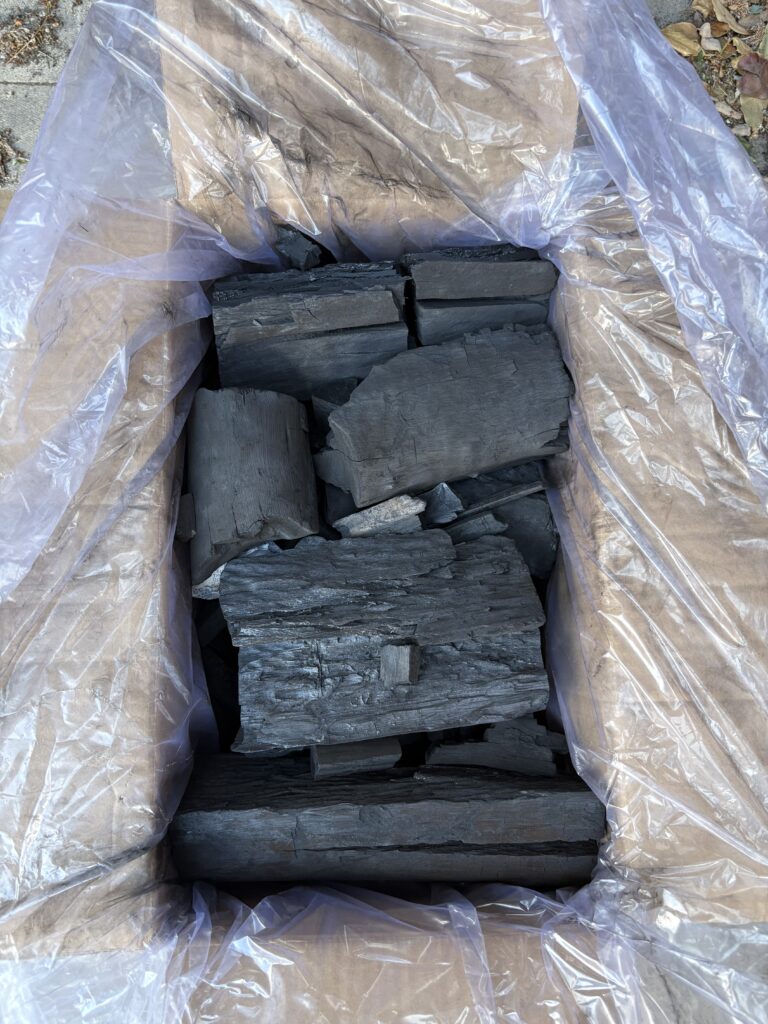
FAQ: Why does Big Ed’s Charcoal have a mix of big and small lumps?
Big Ed’s is all about top-quality, long-burning charcoal, made from a mix of Eucalyptus and Mangrove wood. Each 10kg box is packed with...