
The Ultimate Pitmaster’s Pork Pulled Pork Recipe: Master the Low and Slow
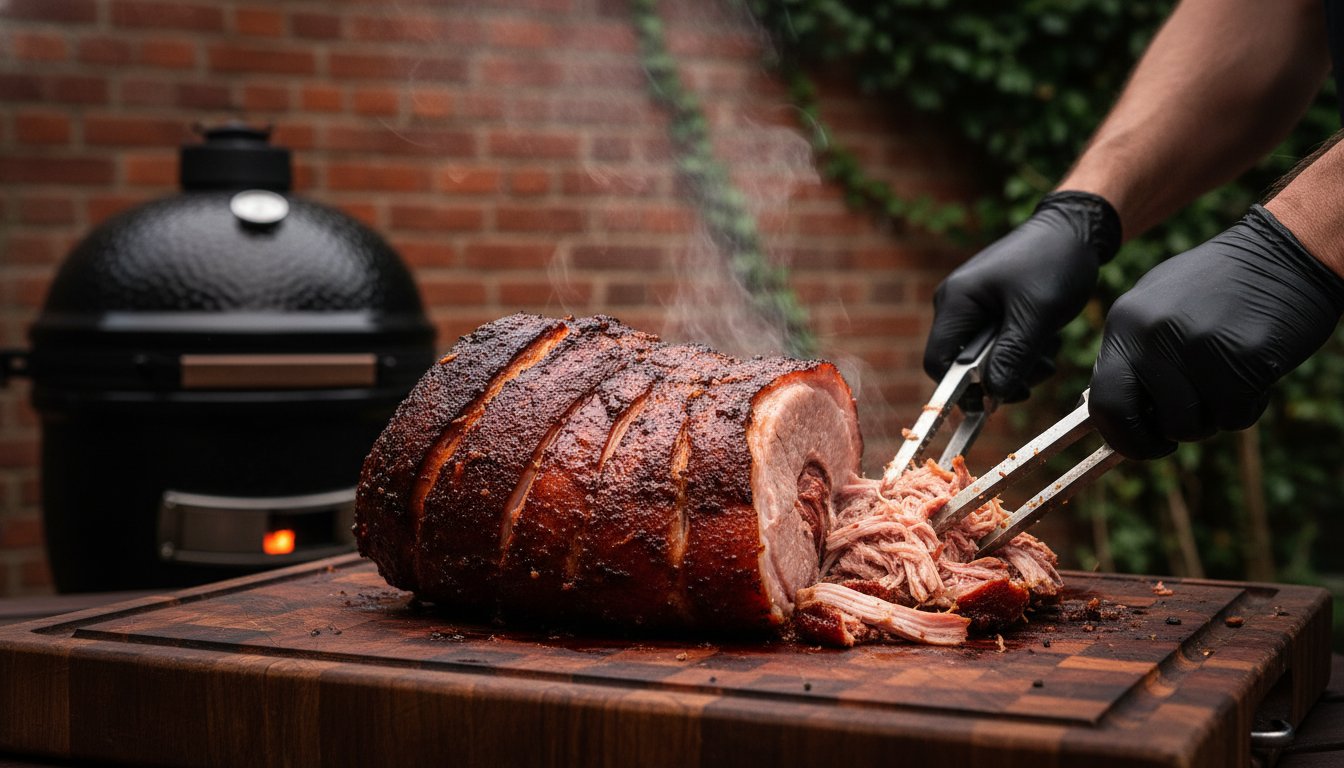
A true masterpiece of the garden isn’t built with bricks; it’s forged in the steady, aromatic embers of a low and slow fire. While 82 percent of home cooks struggle with meat that turns out dry or lacks that signature deep mahogany crust, the difference between a mediocre roast and a world-class pork pulled pork recipe lies in the precision of the craft. You’ve likely felt the frustration of a 12 hour cook ending in a tough result, or perhaps you’ve settled for the hollow flavours of an indoor oven because the elements seemed too daunting to master.
We understand that your outdoor kitchen is a sanctuary where only the most succulent results will suffice. This guide promises to elevate your outdoor cooking by revealing the bespoke secrets used by professional pitmasters to achieve an unrivaled smoke ring and competition-grade bark every single time. You’ll gain the absolute confidence to manage your fuel and heat like a seasoned connoisseur. We’re going to walk through the essential stages of the cook, from selecting premium fruitwoods to identifying the precise internal temperature for that perfect, fall-apart texture.
Key Takeaways
- Master the art of the low-and-slow transformation by selecting the unrivaled Boston Butt, ensuring every bite is rich with succulent, melted collagen.
- Elevate your outdoor sanctuary by mastering heat management and choosing the precise fuel required for an authentic, deep smoke profile.
- Discover how to build a competition-grade bark and professional flavour profile using our definitive pork pulled pork recipe and bespoke layering techniques.
- Learn to navigate the “stall” with the patience of a seasoned connoisseur, ensuring your cook stays on track for a flawless, tender result.
- Achieve a professional finish by mastering the secret of the “finishing sauce” to reintegrate resting juices for unrivaled moisture and texture.
The Anatomy of the Perfect Pork Pulled Pork Recipe
Creating a masterpiece on your Kamado Joe or Napoleon grill begins with understanding that authentic pulled pork is a deliberate, chemical transformation. It’s not merely cooking meat; it’s a slow-motion alchemy where tough collagen melts into rich, silky gelatin over several hours. While many generic oven-baked versions found online result in a soft, braised texture, a true pitmaster method relies on dry heat and wood smoke to achieve a complex flavour profile. This pork pulled pork recipe focuses on that precise transition, ensuring every strand of meat carries the weight of professional expertise. The History of pulled pork reveals a tradition rooted in patience, a quality that remains the hallmark of any high-end outdoor kitchen today.
The signature of a superior cook is the bark, that dark, mahogany crust that provides a textural contrast to the succulent interior. This isn’t burnt sugar; it’s the result of the Maillard reaction, a chemical dance between amino acids and reducing sugars. By maintaining a steady environment, you allow this crust to set, locking in moisture while developing an unrivaled depth of flavour. Mastering this pork pulled pork recipe elevates your garden gatherings from simple barbecues to bespoke culinary events that your guests will remember for years.
Choosing Your Cut: Shoulder vs. Leg
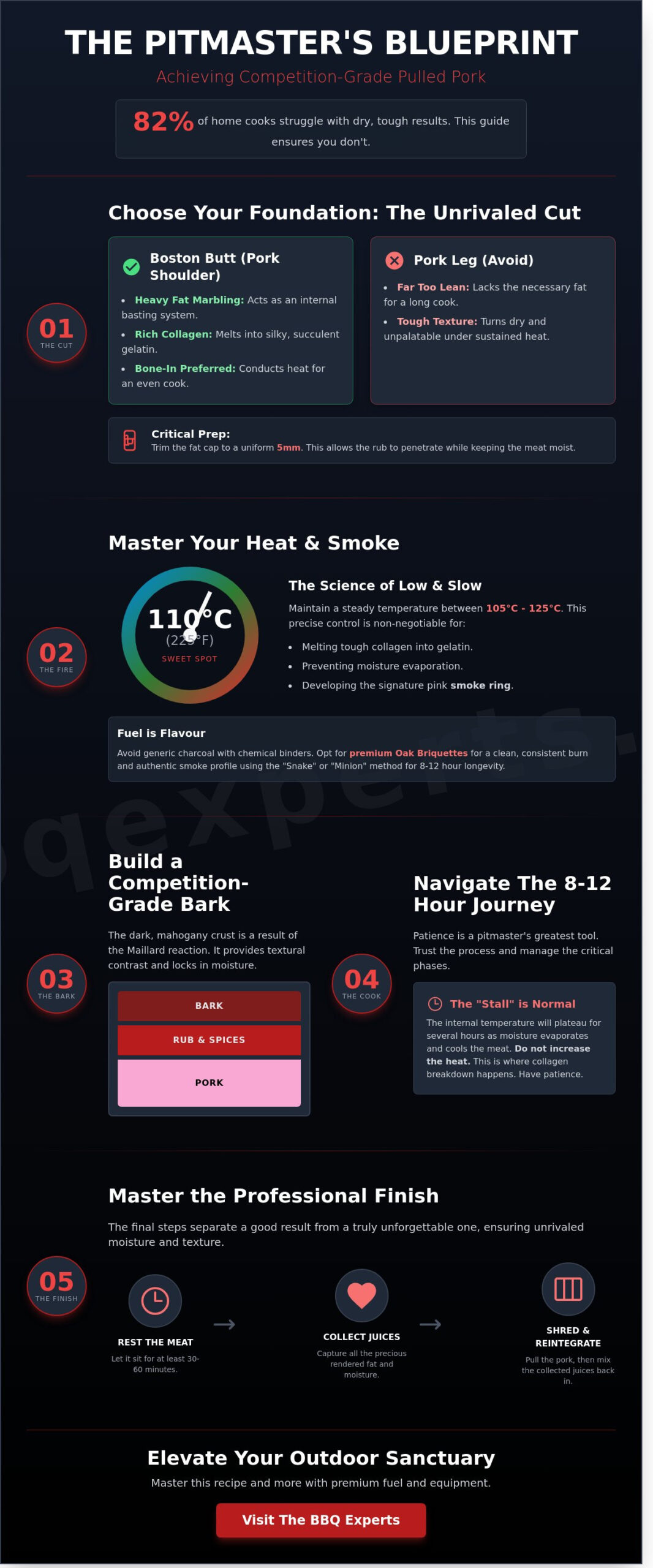
For a cook lasting 8 to 12 hours, the cut of meat is your most critical decision. The pork shoulder, specifically the Boston Butt, is the unrivaled choice because its heavy fat marbling acts as an internal basting system. Avoid the leg; it’s far too lean and will turn into dry, unpalatable rope under sustained heat. A bone-in cut is often preferred by experts as the scapula bone acts as a heat conductor, helping the centre of the meat reach temperature more evenly. Before seasoning, trim the fat cap down to a uniform 5mm. This allows your rub to penetrate the meat effectively while still providing enough rendered fat to keep the exterior supple during the long stall.
The Science of Low and Slow
Precision is the difference between a hobbyist and a connoisseur. You must maintain a steady temperature range of 105°C to 125°C to properly break down the stubborn connective tissues without evaporating all the moisture. The smoke ring is a chemical reaction between nitrogen dioxide and myoglobin. This pink hue is the visual badge of a wood-fired cook, though it doesn’t alter the flavour itself. Rushing the process by increasing the heat will only cause the muscle fibres to tighten, resulting in “tight” meat that resists shredding. True success requires the discipline to wait as the internal temperature slowly climbs, ensuring a result that is tender, juicy, and effortlessly pullable.
Fueling the Fire: Essential Equipment and Heat Management
To master a pork pulled pork recipe, you must first master the flame. Your fuel choice isn’t just a heat source; it’s the most vital ingredient for authentic, deep-seated flavour. While a Hibachi Grill offers intense, direct searing for smaller cuts, a Fire Cage or a dedicated BBQ smoker provides the controlled environment needed for a 10-hour cook. Avoid the temptation of generic supermarket charcoal. These budget bags often contain chemical binders and fillers that produce acrid, “dirty” smoke, which can ruin the delicate fat of the pork. Instead, aim for clean smoke derived from high-carbon, sustainable sources that burn pure and consistent for hours on end.
Big Eds Charcoal and Oak Briquettes
Big Eds Charcoal is a favourite among enthusiasts for its rapid ignition, often reaching cooking temperatures in under 15 minutes. However, for the marathon duration of a pork pulled pork recipe, Oak Briquettes are your best ally. They offer unparalleled longevity. To maintain steady heat for 8 to 12 hours, use the “Snake Method” by lining briquettes in a semi-circle, or the “Minion Method” by placing a small amount of hot coals atop a larger pile of unlit ones. This slow burn releases a robust, traditional British BBQ profile that only seasoned oak can provide. If you want to elevate your outdoor cooking, investing in premium fuel is the first step toward creating a culinary sanctuary in your garden. The same principle applies across all wood-fired cooking disciplines; understanding how premium hardwoods behave under sustained heat is equally essential when selecting wood pellets for pizza oven use, where precise BTU output and fuel purity are the difference between a perfect crust and a bitter, ash-choked result.
Temperature Control Tools
Precision is what separates the amateur from the seasoned connoisseur. A dual-probe digital thermometer is essential; one probe monitors the pit’s ambient heat while the other tracks the meat’s internal progress. You should aim to dial in a steady 225°F (110°C) by adjusting your grill’s intake and exhaust vents. Small, 5-millimetre adjustments to the bottom vent can change the internal temperature by 10 degrees within minutes. While you track safe cooking temperatures to ensure the meat is perfectly tender and safe to eat, remember the golden rule: look with your ears, not your eyes. Every time you lift the lid, you lose roughly 15 minutes of cooking time and disrupt the humid microclimate inside the chamber. Listen for the gentle, rhythmic sizzle of rendering fat to know your masterpiece is on track without ever breaking the seal.
The Art of the Rub: Layering Flavour and Bark
The rub is the architect of the bark. It is the dark, textured crust that defines a truly world-class result. While the meat provides the substance, the rub provides the soul. A professional pork pulled pork recipe isn’t just about heat; it’s about the chemistry between the seasoning and the smoke. To achieve that coveted mahogany finish, you need a balanced profile of salt, sugar, and spice. Salt penetrates deep into the muscle fibres to enhance the natural pork flavour. Sugar, meanwhile, stays on the surface to caramelise over the 8 to 12 hour cook time. For those seeking professional results without the guesswork, our Ultimate Guide to Angus & Oink Rubs provides a curated selection of blends designed for the serious pitmaster.
Applying a binder is your first tactical move. A thin coating of yellow mustard or cold-pressed rapeseed oil creates a tacky surface. Don’t worry about the taste; the mustard flavour evaporates during the cook, leaving only a perfect adhesive for your spices. You want a heavy, even coat. Dust the pork shoulder from a height of about 30cm to ensure uniform coverage. This prevents the rub from “caking” or creating patchy spots that can ruin the texture of the bark. While many enthusiasts experiment with different ratios, following a Detailed pulled pork recipe from a trusted source can help you understand how these layers interact during the long, slow transition from raw meat to succulent masterpiece.
Building the Bark with Angus & Oink
For a quintessential flavour profile, we recommend Angus & Oink’s “Sweet Bones & Butts” or “The General.” These blends are engineered with specific sugar granulometry to withstand long cooks. As the pork renders, the sugars undergo a slow caramelisation. Simultaneously, the spices dehydrate and bond with the proteins and fats. This creates a complex, crunchy exterior. Avoid rubbing the spices into the meat; instead, pat them down firmly. This preserves the surface area for smoke particles to attach, ensuring your pork pulled pork recipe delivers a deep, smoky punch in every bite.
To Spritz or Not to Spritz?
Spritzing is the secret to a deep smoke ring and a moist surface. Using a spray bottle filled with apple juice or cider vinegar every 45 to 60 minutes adds a layer of acidity that cuts through the fat. The moisture helps smoke particles “stick” to the meat via a process called thermophoresis. However, patience is vital. You must wait until the rub has “set” on the meat. If you spritz too early, you risk washing away your carefully applied seasoning. Once the rub doesn’t come off when touched, you are clear to start hydrating the surface. This technique transforms the garden cookout into a high-end culinary experience.
The Step-by-Step Pitmaster Method
The journey to an unrivaled pork pulled pork recipe begins long before the first shred; it starts with the meticulous management of fire and airflow. Achieving that signature bark and tender interior requires a disciplined timeline that respects the science of low and slow cooking. You aren’t just preparing a meal; you’re orchestrating a transformation of texture and flavour that rewards the patient soul.
Phase 1: The Smoke and the Set
During the initial 3 to 5 hours, your meat is a sponge for flavour. You should maintain a steady ambient temperature of 110°C to 120°C, allowing heavy smoke exposure to build a bespoke mahogany crust. Monitor the internal temperature closely until it reaches approximately 160°F (71°C). At this stage, inspect the bark with a discerning eye. It must be dark, matte, and resilient enough that it doesn’t rub off when you touch it with a gloved finger. This set bark is the foundation of the entire dish’s sensory appeal.
Phase 2: Beating the Stall
As the internal temperature hits the 65°C to 70°C mark, you’ll likely encounter the stall. This isn’t a sign to increase your heat. It’s a natural evaporative cooling phase where moisture moves to the surface and cools the meat, much like sweat on a runner. To push through this plateau without drying the exterior, many pitmasters utilise the “Texas Crutch”. Wrapping your shoulder in peach butcher paper preserves the bark while speeding up the cook. Alternatively, heavy-duty foil creates a tighter seal, trapping steam for a more succulent result. Adding 50ml of apple juice or cider vinegar during the wrap provides a final hit of acidity and moisture to the pork pulled pork recipe.
Phase 3: The Finish and the Rest
Your goal is a final internal temperature of 203°F (95°C). At this point, the probe should slide into the meat like it’s softened butter, offering zero resistance. Once you’ve reached this peak, the most critical step begins: the rest. Place the wrapped meat in an insulated cooler, often called a “faux Cambro”, for at least 60 to 120 minutes. This patience is the secret ingredient. It allows the muscle fibres to relax and redistribute juices that would otherwise vanish if you shredded the meat immediately. A properly rested shoulder ensures every strand is glistening and moist.
Ready to master the art of the smoke? Elevate your outdoor cooking with our curated selection of premium smokers and accessories.
Serving and Elevating Your Pulled Pork Masterpiece
After your meat has rested for at least 60 minutes, the muscle fibres will be relaxed and ready for the final transformation. To maintain an artisanal texture, you shouldn’t over-process the meat. Use professional meat claws or your hands, protected by heat-resistant gloves, to pull the shoulder into thick, succulent strands. Avoid using a food processor or shredding it into a fine mush; the goal is to create varying textures that hold onto the sauce. This careful handling ensures your pork pulled pork recipe delivers the mouthfeel of a genuine Texas smokehouse.
The secret to a truly professional finish lies in the resting juices. Never discard the liquid gold found in your foil or tray. These juices are a concentrated essence of rendered fat and smoky rub spices. Pour this liquid back over the shredded meat and toss it gently. This natural finishing sauce coats every fibre in a rich, velvety glaze that prevents the meat from drying out once it hits the air. To provide a sophisticated contrast to the rich fat, serve your creation alongside bespoke sides like an apple and celeriac remoulade or charred corn ribs finished with lime zest. Once you’ve conquered this classic, you’re ready for the ultimate pitmaster challenge: Mastering Brisket.
Beyond the Bun: Creative Servings
While a toasted brioche bun is a traditional choice, the versatility of a pork pulled pork recipe allows for much more creative expression. Try serving the meat in soft corn tacos topped with pink pickled red onions and a sharp squeeze of lime to cut through the richness. For a decadent weekend lunch, create “dirty” mac and cheese by folding bark-heavy pieces of pork into a mature cheddar sauce. If you’ve prepared a large batch, vacuum seal your leftovers in 500g portions. This allows you to reheat the meat in a water bath at 75°C, which preserves the moisture and fat content far better than a microwave or oven ever could.
The BBQ Experts’ Final Touch
To reach the pinnacle of flavour, we recommend pairing your meat with a sharp, vinegar-based North Carolina style sauce. The acidity balances the heavy smoke and fat, creating a rounded culinary experience. We believe your garden should be more than just an outdoor space; it’s a sanctuary for culinary art and a hub for social connection. Every cook is a chance to refine your precision and enjoy the sensory joy of fire and smoke. Elevate your outdoor cooking with our premium range of rubs and fuels to ensure your next gathering is truly unrivaled.
Ignite Your Journey to Pitmaster Perfection
Mastering this pork pulled pork recipe requires more than just patience; it demands absolute precision in heat management and a commitment to the highest quality ingredients. Our authoritative guidance as UK-based BBQ specialists suggests that maintaining a steady internal smoker temperature between 110°C and 125°C is the non-negotiable foundation for a succulent, competition-standard finish. By utilizing premium fuels like Big Eds Charcoal, you ensure the consistent, clean burn necessary for those grueling 12 hour sessions. We’ve curated a selection of professional-grade hardware from brands like Kamado Joe to help you transform your garden into a bespoke culinary sanctuary where every cook is a masterpiece.
The secret to that deep, mahogany bark lies in the layering of complex spices and the science of smoke. Don’t leave your results to chance when you can harness the same tools used by seasoned connoisseurs across the country. Elevate your next low-and-slow session with Angus & Oink Rubs and experience the unrivaled depth of flavor your hard work deserves. It’s time to step away from the kitchen and reclaim the raw, sensory joy of outdoor gastronomy. Your masterpiece is waiting to be carved.
Master the Craft: Pulled Pork FAQs
What is the best cut of pork for pulled pork?
The pork shoulder, specifically the upper portion known as the Boston Butt, is the unrivaled choice for an authentic pork pulled pork recipe. This specific cut contains the ideal ratio of intramuscular fat and connective tissue to ensure a succulent, melt-in-the-mouth finish. Ask your local UK butcher for a bone-in shoulder to achieve the most flavourful results in your outdoor kitchen.
How long does it take to cook pulled pork on a BBQ?
Expect your cook to last between 90 and 120 minutes per 500g of meat when maintaining a steady temperature of 110°C. A standard 4kg shoulder typically requires 10 to 12 hours of active smoking to reach perfection. This slow-cooking process is essential for transforming tough collagen into the gelatinous texture that defines a world-class pork pulled pork recipe.
What is the “stall” in BBQ and how do I handle it?
The stall is a natural phenomenon where the meat’s internal temperature plateaus around 65°C to 70°C due to evaporative cooling. You can push through this phase by increasing the airflow in your Kamado Joe or by wrapping the meat tightly to trap heat. It’s a test of patience that usually lasts 2 to 4 hours, but maintaining a consistent fuel source will guide you through.
Should I wrap my pulled pork in foil or butcher paper?
Choose high-quality peach butcher paper to preserve a crisp bark while maintaining internal moisture. Foil is a reliable alternative if you need to accelerate the cooking time, though it can soften the exterior texture of your roast. For a bespoke BBQ experience, butcher paper allows the meat to breathe, resulting in a more complex and professional smoky profile.
What internal temperature is pulled pork done at?
Your pulled pork is officially ready when it reaches a precise internal temperature between 93°C and 96°C. At this point, the muscle fibres separate effortlessly with minimal resistance. Use a calibrated digital probe to verify this reading in 3 different locations of the shoulder, ensuring the probe slides in as if it’s entering room-temperature butter.
Can I make pulled pork in a gas BBQ?
You can definitely create exceptional pulled pork on a premium gas BBQ by using indirect heat zones. Simply light the outer burners and place your meat over the unlit centre section to mimic the environment of a traditional outdoor BBQ smoker. Add a stainless steel smoker box filled with hickory or apple wood chips to infuse that essential, deep smoky aroma into the meat.
How do I get a better bark on my pulled pork?
Achieve a superior bark by applying a generous layer of dry rub at least 12 hours before cooking and avoiding the temptation to spritz too early. A dark, mahogany crust forms when the sugars and proteins react with the smoke over 8 to 10 hours of uninterrupted heat. Ensure your BBQ vents are properly adjusted to maintain a clean, blue smoke throughout the cook.
How much pulled pork do I need per person?
Plan for 250g of raw pork shoulder per guest to account for the 40% weight loss that occurs during the smoking process. This quantity yields roughly 150g of cooked meat, which is the perfect portion for a standard brioche bun. If you’re hosting 10 people, a 2.5kg to 3kg shoulder provides a generous feast with enough left for the next day.
Disclaimer
This article was produced with AI assistance. We use AI and Third Parties to help deliver more content to our BBQ website and community, but we always aim to ensure accuracy and quality as much as we can. If you spot anything that doesn't seem right, we'd love to hear from you

Recent News & Updates

Our Story, Values and Beliefs
Here at the BBQ experts we have a passion for BBQ food, outdoor living and spending time with family and friends. We offer you; A...
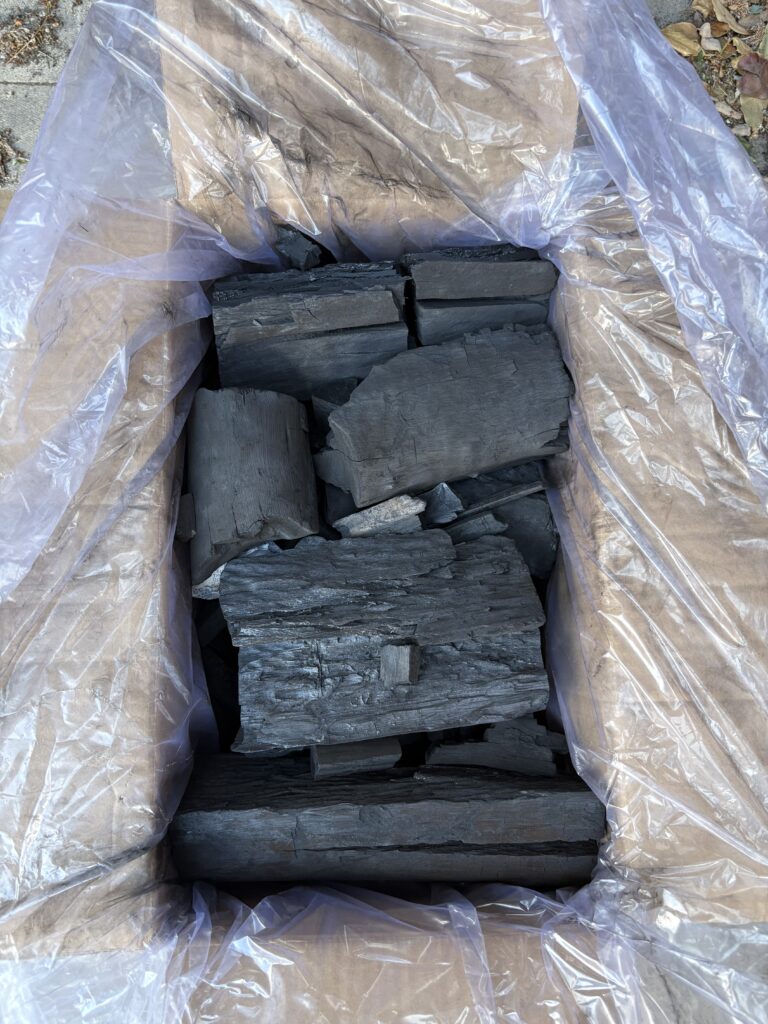
FAQ: Why does Big Ed’s Charcoal have a mix of big and small lumps?
Big Ed’s is all about top-quality, long-burning charcoal, made from a mix of Eucalyptus and Mangrove wood. Each 10kg box is packed with...