
The Connoisseur’s Brisket Rub Recipe: Master the Art of the Perfect Bark
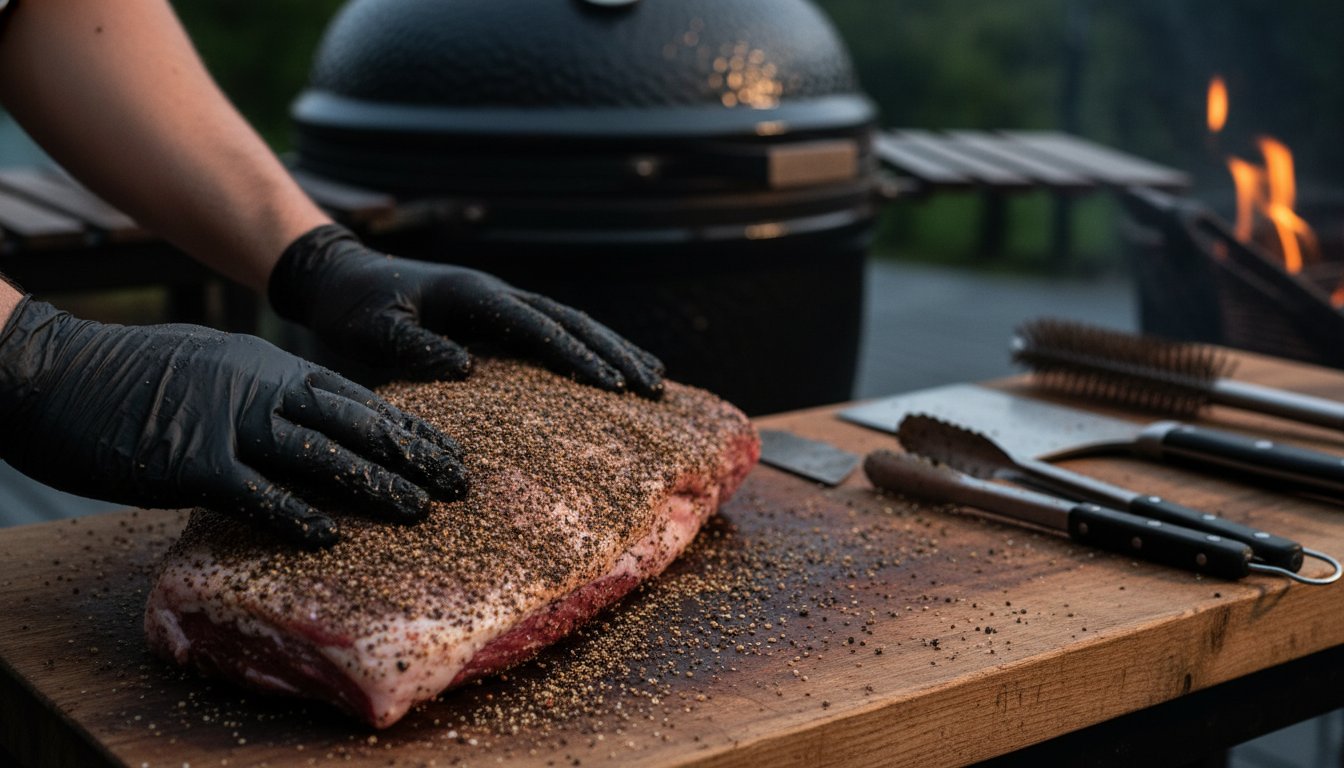
A truly exceptional brisket is won or lost long before the first puff of smoke leaves your Kamado Joe. It is decided the moment your spices hit the meat. You likely know the frustration of spending 12 hours tending a fire only to slice into beef that tastes aggressively salty or disappointingly bland. It’s a common hurdle for the millions of UK cooks who contributed to the record 15 million barbecue occasions held across the country in 2023. Very few possess a reliable brisket rub recipe that achieves that elusive, jet-black mahogany crust.
We’re here to help you elevate your outdoor cooking by sharing the professional secrets that balance chemical precision with culinary soul. You’ll discover how to craft a bespoke blend that delivers unrivaled flavour, deep colour, and a competition-grade bark every single time. This guide breaks down the science of flavour layering and provides the exact ratios you need to turn your garden into a true culinary sanctuary.
Key Takeaways
- Understand the scientific role of hygroscopy and how to cultivate the “pellicle” required for a deep, competition-standard bark.
- Master the art of layering heat, sweetness, and earthy aromatics to build a professional-grade flavour profile that transcends simple seasoning.
- Discover why a world-class brisket rub recipe often incorporates artisanal blends like Angus & Oink for unrivaled consistency and complexity.
- Learn the expert techniques for trimming and selecting the ideal binder to ensure your rub adheres perfectly for a flawless, functional barrier.
- Elevate your final result by pairing your seasoning with high-performance fuel like Big Eds Charcoal and the correct wood smoke profile for a bespoke finish.
The Science of the Perfect Brisket Rub: More Than Just Seasoning
To the uninitiated, a spice rub is merely a flavouring agent. For the seasoned pitmaster, it’s a functional architectural layer. Your brisket rub recipe acts as a protective barrier, regulating moisture loss while facilitating the complex chemical dance required for a world-class crust. This isn’t just about taste; it’s about engineering a surface that can withstand 12 hours of heat and smoke.
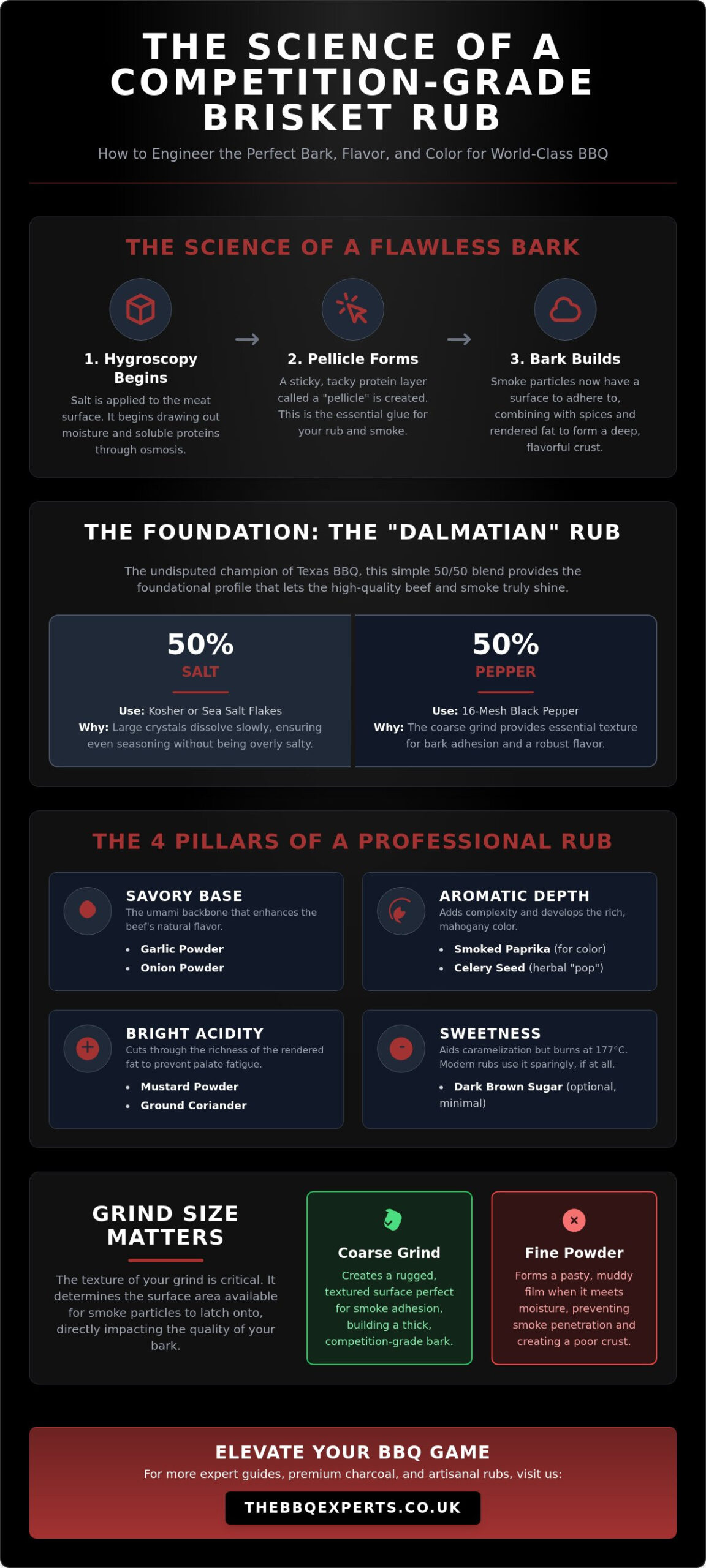
This process begins with hygroscopy. When salt meets the meat’s surface, it draws out proteins and moisture, creating a tacky, translucent layer known as a pellicle. This “sticky” surface is essential; without it, smoke particles won’t adhere, and your bark will remain thin and underdeveloped. We also rely on the Maillard reaction, where heat transforms amino acids into hundreds of different flavour compounds. By 2026, we’ve seen a definitive shift among professional pitmasters away from heavy sugar in beef rubs. Sugar burns at 177°C, which is far too low for the intense heat of a searing finish or the long-term stability needed for a long smoke. Modern connoisseurs prefer the pure, savoury profile of the beef itself, allowing the smoke to provide the depth.
Bark Formation: The Holy Grail of Low and Slow
Achieving that coveted, obsidian crust requires a precise understanding of smoke chemistry. As your fuel burns, it releases microscopic particles that bond with the spices on the meat’s surface. The texture of your grind determines the final result. A fine powder creates a muddy, unappealing film, while a coarse grind provides the necessary surface area for smoke to latch onto. Bark is the complex chemical intersection of spice, smoke, and rendered fat. This texture is what separates a home cook from a master, providing a succulent contrast to the tender meat beneath. To truly elevate your outdoor cooking, you must treat the rub as the foundation of this masterpiece.
The Salt-to-Pepper Ratio: The Texas Foundation
The “Dalmatian Rub” remains the undisputed champion of the BBQ world. This 50/50 blend of salt and pepper provides the foundational profile that lets the meat lead. You must choose your salt wisely. Table salt is too fine and overly salty by volume; instead, opt for high-quality Kosher salt or sea salt flakes. These larger crystals dissolve at a rate that matches the slow-cooking process. Pair this with freshly cracked 16-mesh black pepper. This specific gauge provides the rugged texture required to build a sturdy bark that won’t wash away during the “stall.” Using anything less than 16-mesh results in a one-dimensional flavour that lacks the bite and character expected of a premium brisket.
- Kosher Salt: Provides a clean saltiness and dissolves slowly.
- 16-Mesh Black Pepper: Offers the essential “grit” for bark adhesion.
- Pellicle Formation: The vital sticky layer that captures smoke.
Essential Ingredients for a Professional-Grade Brisket Rub
Creating a masterpiece on your Kamado Joe or Napoleon grill starts long before the first puff of smoke. To achieve that coveted, obsidian bark, you must master a brisket rub recipe that balances four distinct pillars: salt, heat, sweetness, and earthiness. Professional pitmasters don’t just season meat; they engineer a crust. This requires layering flavours that stand up to 12 or 15 hours of intense smoke without becoming muddy or overwhelming.
While many enthusiasts start with a simple 50/50 salt and pepper mix, looking at Texas A&M’s official brisket rub recipe reveals how specific ratios of aromatics create a scientifically superior bark. The “secret” to a competition-level finish often lies in the aromatics you can’t quite name. Garlic and onion powder provide a savoury, umami backbone, while a hint of celery seed adds a subtle, herbal “pop” that cuts through the heavy fat. To achieve a deep mahogany hue without the bitter edge of standard paprika, use high-quality smoked paprika. It provides colour depth and a gentle woodsy note that complements the actual smoke from your fuel.
Balancing the richness of a prime brisket requires a touch of acidity. Ground coriander or mustard powder are essential here. These ingredients don’t make the meat taste like mustard; instead, they provide a sharp counterpoint to the rendered fat, brightening the overall flavour profile and ensuring the palate doesn’t fatigue after the first few succulent bites.
The Role of Sugars in Beef Rubs
Sugar acts as the catalyst for caramelisation, but it’s a double-edged sword. Dark brown sugar is a traditional choice because its high molasses content creates a sticky, rich glaze that binds the spices together. However, it begins to burn at approximately 177°C, which can lead to a bitter, acrid crust if your fire spikes. For high-heat smoking or long-duration cooks, many connoisseurs prefer Turbinado or Maple sugar. These have higher melting points and offer a distinct, bespoke sweetness. If you’re aiming for a purely savoury, Central Texas style profile, you should omit the sugar entirely to let the beef’s natural richness take centre stage.
Heat and Complexity: Beyond Black Pepper
True depth comes from moving beyond standard black pepper. Integrating chipotle or ancho chilli powder introduces a subtle, lingering warmth that dances on the tongue rather than scorching it. A small pinch of cumin provides an earthy undertone that anchors the brighter spices, giving the rub a grounded, professional finish. Capsaicin in chilli powders can help open up the meat’s surface for smoke penetration, allowing the wood’s essence to reach deeper into the muscle fibres. You can elevate your outdoor cooking by experimenting with these spice ratios to find your signature blend.
Homemade vs. Professional Blends: The Angus & Oink Benchmark
While the purist might insist on a basic salt and pepper brisket rub recipe, the modern connoisseur understands that consistency is the hallmark of a master. Even the most seasoned pitmasters across the UK are turning to Angus & Oink to anchor their cooks. A homemade blend often lacks the intricate layering found in professional rubs, which frequently feature up to 15 precisely measured ingredients. These commercial powerhouses offer a depth of flavour that’s difficult to replicate in a home kitchen, ensuring every £80 brisket you source receives the treatment it deserves. Using a pre-mixed benchmark allows you to focus on fire management rather than worrying if your garlic powder has lost its punch.
The Precision of Commercial Dehydration
Professional rubs solve the common frustration of spice clumping. Brands like Angus & Oink use high-grade dehydration techniques that keep particles free-flowing, even in the humid British air. These blends are often free from MSG, relying instead on natural flavour enhancers that respect the meat’s integrity. Understanding the science of a perfect brisket bark reveals that particle size and moisture content are critical to the Maillard reaction. Professional rubs are engineered to withstand the 110°C to 135°C temperature thresholds required for a 12 hour cook without turning bitter or burning. This precision ensures your garden becomes a sanctuary of culinary excellence.
Customising Your Signature Blend
You don’t have to choose between a bottle and your own creativity. Use a professional blend as a high-performance base to elevate your outdoor cooking. For a “Red Eye” profile, whisk in 15g of finely ground dark roast coffee to a beef-focused rub. If you prefer a traditional roast-beef aesthetic, adding dried thyme or oregano creates a bespoke, herbaceous crust. According to the best rubs for low and slow brisket UK 2026 guide, hybrid seasoning is the leading trend for the upcoming season. Consider these additions for your next brisket rub recipe attempt:
- Smoked Paprika: For a vivid, sunset-orange hue and deep earthiness.
- Brown Sugar: Use sparingly in the final stages for a tacky, sweet glaze.
- Celery Seed: Adds a subtle, savoury “hot dog” nostalgia that cuts through fat.
Always test your customisations on a small beef shin or short rib before committing to a full 7kg packer brisket. This methodical approach ensures your social gatherings remain unrivaled and your status as the neighborhood expert is firmly secured.
Step-by-Step: Applying Your Rub for the Ultimate Bark
Every legendary cook begins with meticulous preparation. Before you even think about your seasoning, you must address the exterior of the meat. A connoisseur knows that a masterpiece requires a clean canvas; trim the fat cap to a uniform 6mm thickness. If the fat remains too thick, your brisket rub recipe won’t reach the muscle fibres, and you’ll lose that precious seasoning when the fat eventually renders away. Aim for a smooth, aerodynamic shape that allows heat and smoke to glide over the surface without pooling.
Preparation and the Binder
The binder is a point of spirited debate among pitmasters, yet the goal remains singular: adhesion. Apply a thin, translucent layer of common yellow mustard over the entire surface. Don’t worry about the pungent taste; the vinegar and mustard seeds mellow entirely during the 12 hour cook, leaving behind a tacky foundation and zero lingering bitterness. This “glue” ensures your spices stay exactly where you put them. Pay close attention to the vertical edges and the “burnt end” point. These often overlooked areas are vital for creating a consistent, crunch-heavy bark that wraps around every slice. If you prefer a neutral base, a light spritz of water or a dash of hot sauce works, but mustard provides an unrivaled grip for heavy spice blends.
The Application Technique
Precision is what separates the enthusiast from the expert. Avoid the temptation to dump spices directly from the jar. Instead, use a high-quality shaker held roughly 30cm above the meat to achieve a “snowfall” effect. This height allows the particles to distribute evenly, preventing the heavy clumps that lead to bitter spots. We recommend the “Double Coat” method for maximum depth. Apply your coarse salt first to ensure it penetrates the tissue, then follow with the rest of your brisket rub recipe aromatics.
Adhere to the “Pat, Don’t Rub” rule religiously. If you slide your hand across the meat, you’ll smear the binder and create a muddy paste that inhibits bark formation. Instead, use the flat of your hand to firmly press the spices into the meat. A perfectly seasoned brisket should resemble a textured, dark mahogany landscape where no raw pink flesh is visible through the dense, uniform blanket of spices. Once coated, let the meat rest at room temperature for at least 30 minutes. This creates a “pellicle,” a tacky surface layer that’s essential for catching smoke particles and building that coveted, obsidian-coloured crust.
To achieve professional results in your own garden, you need the right equipment to maintain those precise temperatures. You can elevate your outdoor cooking by exploring our curated selection of premium ceramic grills and offset smokers today.
Elevating the Experience: Fuel, Fire, and Finishing
Even the most meticulously crafted brisket rub recipe remains a dormant promise without the correct thermal environment. Your fuel is the foundation of the entire cook. Low-quality briquettes often contain fillers that impart a chemical acridity, potentially ruining 12 hours of patience and premium beef. Sourcing high-quality lumpwood like Big Eds Charcoal ensures a high-carbon, clean-burning base that allows the spices to sing rather than struggle against bitter soot.
Pairing your meat with the right wood smoke is the final layer of seasoning. Oak provides a traditional, heavy-hitting Texas profile that stands up to the richness of the fat. If you prefer a touch of sweetness and a deep, mahogany hue, Cherry wood is an unrivaled choice. Hickory offers a more pungent, bacon-like aroma that complements the black pepper in your brisket rub recipe perfectly. The goal is a steady, gentle infusion that enhances the beef without masking its natural character.
The Importance of Clean Smoke
You’re looking for “thin blue smoke,” a nearly translucent shimmer dancing from your chimney. Thick, billowing white smoke indicates incomplete combustion; it deposits bitter creosote onto your meat, creating a harsh metallic aftertaste. This clean heat is vital for spice caramelisation, where the sugars and proteins in your rub transform into that coveted, crunchy exterior. While your brisket settles into its long journey, you might use a Hibachi Grill for quicker tasks, such as searing a picanha steak to perfection, but for the brisket, purity of fire is your primary ally.
The Finishing Touch: Spritzing and Wrapping
Around the 70°C mark, you’ll likely hit “the stall,” where evaporative cooling halts the temperature rise. This is the moment of truth for your bark. Spritzing the edges with a 50/50 mix of apple juice and cider vinegar every 60 minutes keeps the surface supple and prevents the spices from scorching.
- The Texas Crutch: Wrapping in foil speeds up the cook and guarantees moisture, but it can steam the bark, making it soft.
- Butcher Paper: The connoisseur’s choice. It breathes enough to preserve the crust’s integrity while retaining enough heat to power through the stall.
- The Internal Target: Aim for a final temperature between 93°C and 96°C. You’re looking for the “wobble,” where the brisket feels like a tray of jelly when nudged.
Don’t rush the final stage. Rest the meat in an insulated box or a warm oven for at least 120 minutes. This essential pause allows the internal juices to redistribute, locking the concentrated flavours of the rub into every single fibre of the muscle. It’s the difference between a good brisket and a masterpiece that defines your reputation as a pitmaster.
Master Your Next Low-and-Slow Masterpiece
Achieving a competition-standard bark requires more than just heat; it demands a synergy between high-quality spices and consistent thermal management. You’ve learned that a successful brisket rub recipe balances salt-forward seasoning with the textural complexity needed to withstand a 12-hour cook. By mastering the application process and choosing expert-tested fuels designed for steady heat distribution, you transform a standard Sunday roast into a professional-grade culinary event. Precision is the hallmark of every seasoned pitmaster.
The BBQ Experts serve as the UK’s leading supplier of outdoor cooking hardware, providing the precision tools necessary for these marathon sessions. As an official stockist of Angus & Oink, we offer the same premium blends used by elite pitmasters to secure that elusive, jet-black crust. Whether you’re firing up a Kamado Joe or a Napoleon, the right foundation makes every degree of difference in your final result.
Elevate your next cook with our curated range of professional Angus & Oink rubs and turn your garden into the ultimate social sanctuary. Your journey toward brisket perfection starts with the right ingredients and a passion for the craft. It’s time to light the charcoal and claim your title as the master of the flame.
Frequently Asked Questions
How much rub should I put on a brisket?
You should apply enough seasoning to completely coat the surface without any meat visible through the spices. For a standard 5kg to 6kg brisket, this typically requires 150g to 200g of your chosen brisket rub recipe. Don’t simply sprinkle the mixture; press it firmly into the muscle fibers to ensure it adheres during the long cook. A heavy, uniform coating is essential for developing that coveted, professional-grade bark.
Can I put the rub on the night before I smoke the brisket?
Yes, applying your seasoning 12 to 24 hours before smoking is a technique used by 85% of competitive pitmasters to deeply flavour the meat. This allows the salt to penetrate the protein through osmosis, acting as a dry brine that retains succulent moisture. Wrap the brisket tightly in butcher paper and store it in your refrigerator at 4°C or lower until you’re ready to fire up your grill.
Should I use a binder like mustard for my brisket rub?
You should use a binder if you want a perfectly uniform crust, though it won’t significantly alter the final flavour profile. A thin layer of English mustard or a light coating of olive oil acts as an adhesive for your brisket rub recipe. Many experts prefer mustard because the vinegar helps tenderise the surface, yet the pungent mustard taste completely evaporates during the 12 hour smoking process, leaving only a bespoke texture.
Why did my brisket rub turn out bitter?
Bitterness usually stems from over-applying ground black pepper or using poor-quality wood that creates “dirty” grey smoke. If your creosote levels rise above 0.5% in the air stream, it deposits a soot-like film on the meat. Ensure your fire burns efficiently with a thin, blue smoke. Avoid rubs with high ratios of celery salt or dried herbs, as these can char and turn acrid at temperatures above 110°C.
Is it better to use sugar or no sugar in a beef rub?
It’s better to avoid sugar in a beef rub to prevent scorching during long, high-heat sessions. Beef brisket requires temperatures around 107°C to 135°C for up to 16 hours, and sugar begins to carbonise and turn bitter at 160°C. While pork benefits from sweetness, a connoisseur’s beef seasoning relies on salt and pepper to highlight the rich, savoury fat of premium Hereford or Angus beef.
What is the best salt for a homemade brisket rub?
Coarse sea salt or Kosher salt with a grain size of 1mm to 2mm is the unrivaled standard for homemade rubs. Fine table salt is too dense and will make your brisket unpalatably salty if applied at the same volume. The larger flakes of sea salt dissolve more slowly, creating a balanced seasoning profile that enhances the natural beef juices without overpowering the palate or ruining the expensive cut.
How do I get a dark black bark on my brisket?
Achieving a dark, obsidian bark requires a combination of coarse black pepper and consistent airflow within your smoker. Use a 16-mesh ground black pepper, which provides the necessary surface area for smoke particles to cling to. Maintaining a steady 121°C environment in a ceramic grill like a Kamado Joe ensures the Maillard reaction creates that stunning, professional-grade mahogany finish that defines a true masterpiece.
Can I use this rub on other cuts of beef like Tomahawk steak?
You can certainly use this seasoning on a Tomahawk steak, though you should apply it more sparingly than you would on a brisket. Because a Tomahawk is a thick-cut ribeye, usually weighing 1.2kg to 1.5kg, it benefits from these bold, peppery flavours. Apply the seasoning 45 minutes before searing to allow the salt to draw out moisture, creating a succulent, caramelised crust when it hits the intense heat.
Disclaimer
This article was produced with AI assistance. We use AI and Third Parties to help deliver more content to our BBQ website and community, but we always aim to ensure accuracy and quality as much as we can. If you spot anything that doesn't seem right, we'd love to hear from you

Recent News & Updates

Our Story, Values and Beliefs
Here at the BBQ experts we have a passion for BBQ food, outdoor living and spending time with family and friends. We offer you; A...
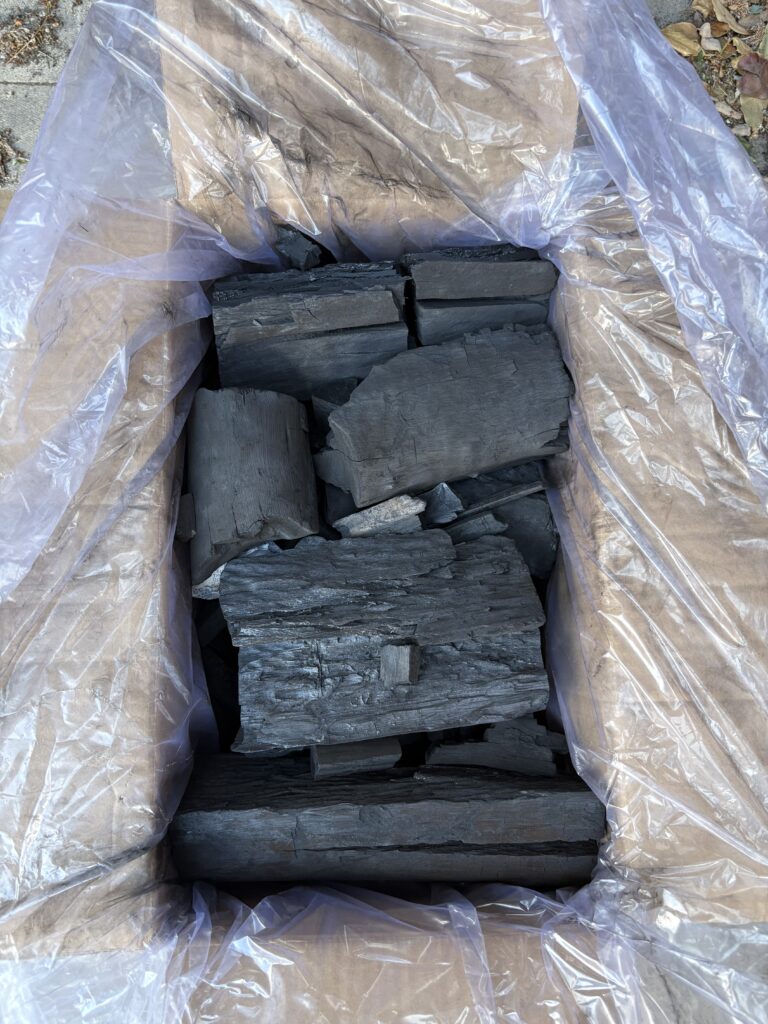
FAQ: Why does Big Ed’s Charcoal have a mix of big and small lumps?
Big Ed’s is all about top-quality, long-burning charcoal, made from a mix of Eucalyptus and Mangrove wood. Each 10kg box is packed with...