
Japanese Knives for BBQ: The Expert’s Guide to Precision Outdoor Prep 2026 - The BBQ Experts
Japanese Knives for BBQ: The Expert’s Guide to Precision Outdoor Prep 2026
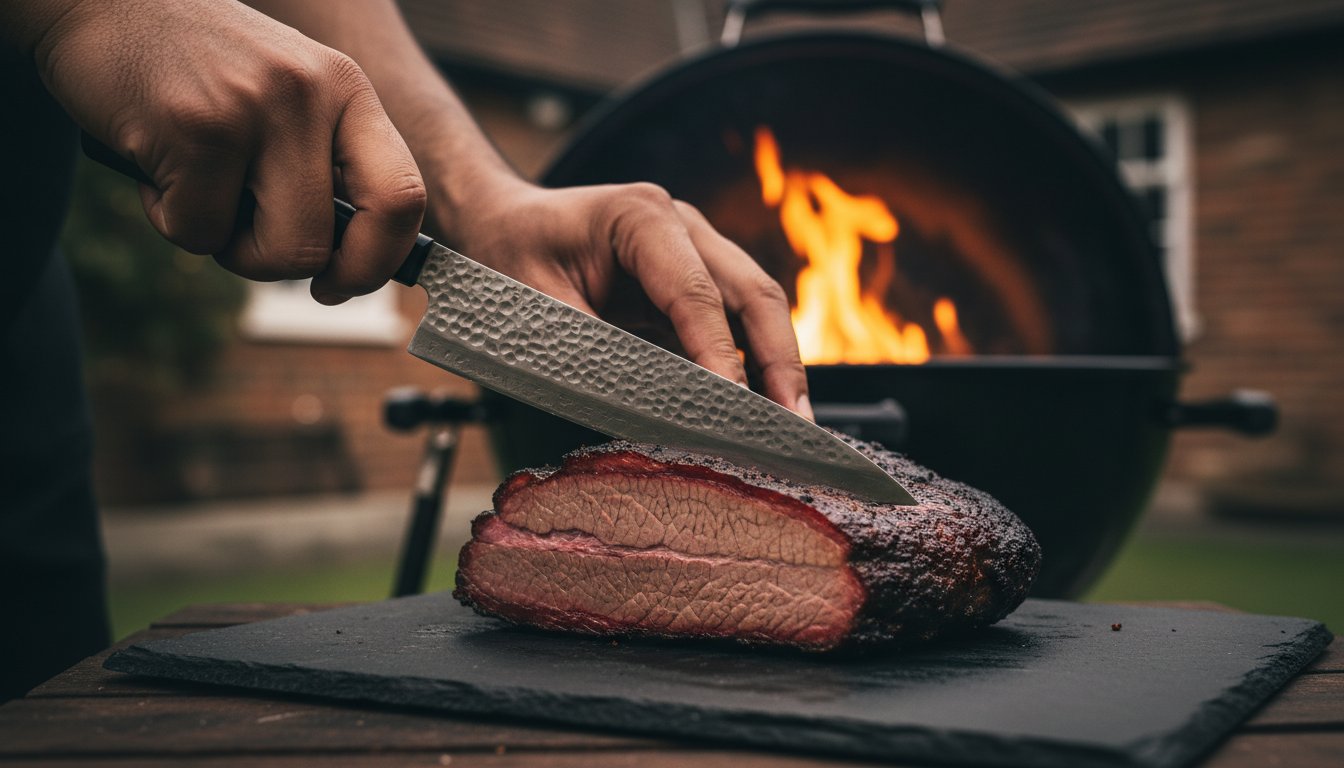
A dull blade is the silent thief of a perfect brisket, stealing the texture and moisture you spent twelve hours cultivating in the smoke. You have likely felt that familiar pang of frustration when an expensive cut of meat tears under a heavy, cumbersome knife. It’s a common struggle for the dedicated outdoor enthusiast, yet many find that switching to japanese knives instantly solves these precision issues. Struggling with delicate fat trimming or enduring hand fatigue during long prep sessions can quickly drain the joy from the fire. We believe your tools should be as refined as your technique.
Discover how the unrivaled precision of these blades transforms your barbecue preparation from a tedious chore into a masterclass in culinary artistry. By switching to high-carbon steel, you can achieve professional-level results that ensure every slice of succulent meat is served with pride. This 2026 guide explores the five essential blade profiles every connoisseur needs to create a bespoke collection. We’ll show you how to elevate your outdoor kitchen into a true sanctuary of flavor and skill, making your garden the unrivaled social hub of your home.
Key Takeaways
- Learn how precision blades preserve the cellular structure of premium meats, ensuring every slice remains succulent and bursting with natural flavor.
- Understand the technical superiority of high-HRC steel and how specific blade geometry creates a seamless transition from prep work to the perfect sear.
- Discover why a curated trio of japanese knives is the ultimate investment for your outdoor kitchen, far surpassing the utility of a standard knife block.
- Master the professional maintenance techniques required to keep your collection in peak condition for a safer, more efficient culinary experience.
- Elevate your outdoor sanctuary by integrating artisan tools with high-performance grills to transform your garden into a true culinary masterpiece.
Why Every BBQ Connoisseur Needs a Japanese Knife
The transition from the raw, crackling energy of a lit fire to the quiet, focused preparation of a prime brisket is a sensory journey every pitmaster cherishes. To truly elevate your outdoor cooking, you need tools that match the ambition of your menu. Most backyard cooks rely on thick, heavy blades that act more like wedges than precision instruments. Switching to japanese knives isn’t just a simple upgrade; it is a fundamental shift in your culinary philosophy. It brings the same level of discipline to your prep work that you bring to your temperature control.
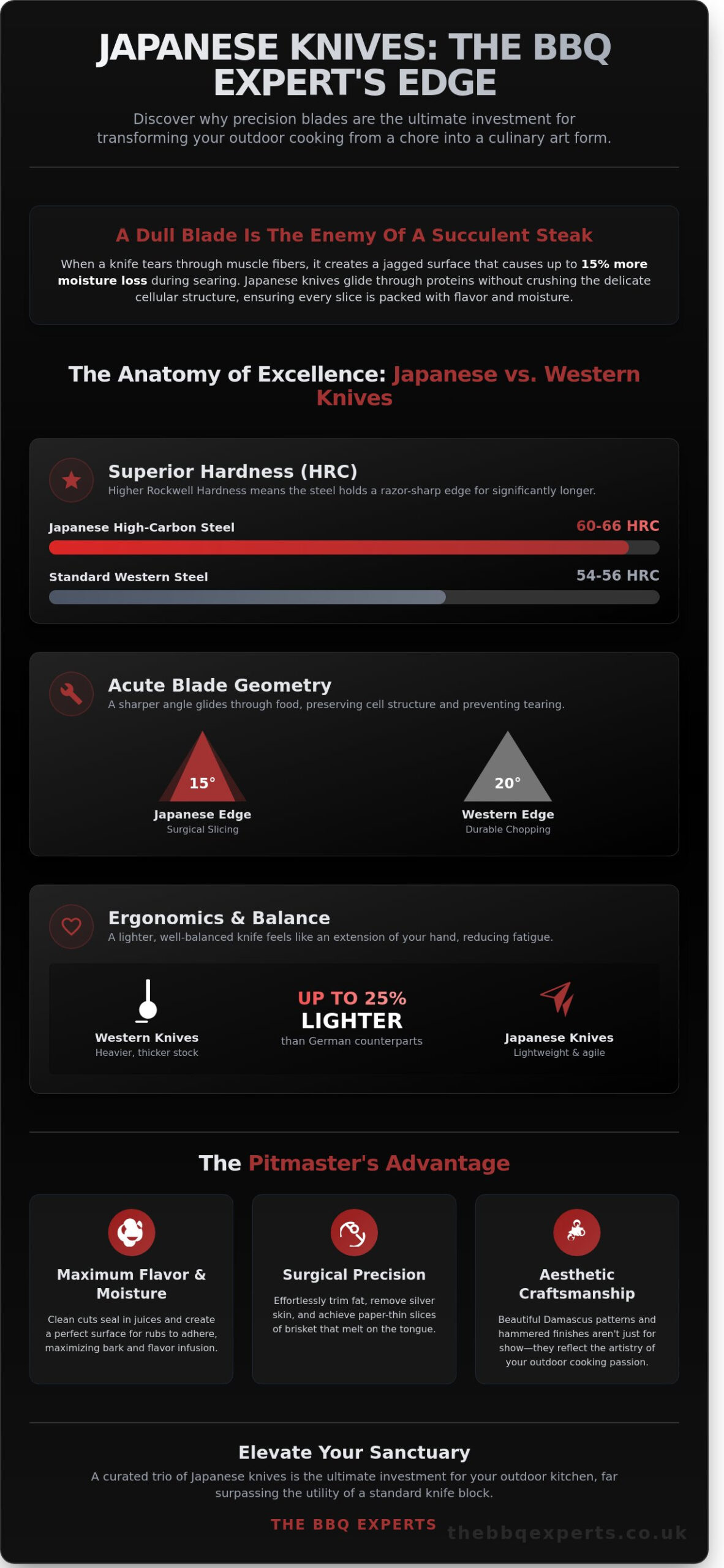
There is a profound cultural parallel between the patience of low-and-slow smoking and the meticulous craftsmanship of a Japanese kitchen knife. While Western blades are often designed for durability and bone-cracking force, Japanese steel focuses on the surgical preservation of the ingredient. These blades often reach a hardness of 60 to 62 on the Rockwell scale, allowing them to hold an edge that is significantly sharper than standard store-bought alternatives. When you invest in this level of quality, you’re no longer fighting your ingredients; you’re masterfully sculpting them for the flames.
The Art of the Clean Cut: Flavour and Texture
A dull blade is the enemy of a succulent steak. When a knife tears through muscle fibers, it creates a jagged surface area that causes up to 15% more moisture loss during the searing process. Because japanese knives feature acute 15-degree edge angles, they glide through proteins without crushing the delicate cellular structure. This clean surface is vital for Angus & Oink rubs to adhere evenly, ensuring every millimetre of bark is infused with deep, complex flavour. A precise trim also defines your smoke ring, turning a simple meal into a visual masterpiece for your guests.
Ergonomics and Balance in the Outdoor Kitchen
Prepping for a large gathering in your garden sanctuary shouldn’t feel like a physical chore. Japanese steel is typically 25% lighter than its German counterparts, utilizing high-carbon alloys like VG-10. This weight reduction prevents wrist fatigue during marathon prep sessions for social hubs and family events. Much like how strength athletes explore Figure 8 Lifting Straps to manage grip fatigue during intense training, choosing balanced cutlery ensures your hands remain steady for precision work. As your expert mentor, I can tell you that balance is the ultimate safety feature. When you’re working in a busy outdoor kitchen near a 400-degree grill, you need a tool that feels like a natural extension of your hand. A perfectly balanced knife provides the control necessary to navigate around bone and fat with absolute confidence.
- Precision: Achieve paper-thin slices of brisket that melt on the tongue.
- Durability: High-carbon steel retains its “out of the box” sharpness through dozens of cookouts.
- Aesthetics: Damascus patterns and hammered finishes reflect the luxury of a premium outdoor lifestyle.
The Anatomy of Excellence: Understanding Blade Construction
Mastering the art of the outdoor kitchen requires more than just fire; it demands tools that respect the ingredients. While Western blades are often built as heavy-duty workhorses with softer steel (typically 54-56 on the Rockwell Scale), japanese knives are precision instruments. These blades utilize high-carbon steel cores that reach 60 to 66 HRC (Hardness Rockwell C), allowing them to hold an edge that is significantly thinner and sharper. A standard Western knife usually features a 20-degree edge angle, but a Japanese blade sits at a more acute 15 degrees. This difference isn’t just technical; it’s the reason you can slice through a delicate smoked salmon or a crusty sourdough without tearing the fibers.
Choosing a bespoke, handmade blade over a mass-produced set transforms your preparation into a sensory ritual. When you hold a hand-forged Damascus steel knife, you feel the balance point exactly where the bolster meets the blade. The undulating patterns of the folded steel aren’t merely decorative. They represent layers of carbon and stainless steel fused together to create a blade that is both incredibly hard and surprisingly resilient. This craftsmanship ensures that your tool won’t just perform for a season; it becomes a legacy piece for your outdoor sanctuary. To truly elevate your outdoor cooking, you must invest in steel that matches your passion for the craft.
Steel Types: Carbon vs. Stainless
- Aogami (Blue Steel): Infused with tungsten and chromium, this steel offers unrivaled edge retention. It’s the choice for the connoisseur who doesn’t mind the 10-minute cleaning ritual required to prevent patina or rust.
- Shirogami (White Steel): The purest form of high-carbon steel. It achieves the sharpest possible edge but requires expert maintenance to survive the British humidity.
- VG10 and SG2: These are the gold standards for BBQ enthusiasts. Since their rise in the 1980s, these “super steels” provide the bite of carbon with the corrosion resistance of stainless, making them perfect for the unpredictable outdoor environment.
Single vs. Double Bevel: Choosing Your Edge
Traditional Japanese techniques often rely on the Kataba, or single-bevel edge. It’s ground only on one side, allowing for surgical precision when skinning fish or slicing vegetables. However, for the modern British BBQ, the Ryoba (double-bevel) is the superior choice. Its 50/50 symmetrical grind provides the versatility needed to tackle tough fats, connective tissues, and heavy proteins. A Ryoba blade offers a familiar feel to those used to European knives but delivers a level of “bite” that makes prepping a 6kg brisket feel effortless. You’ll find that the steeper angle of a Japanese double-bevel edge reduces hand fatigue during long prep sessions, ensuring every slice is as clean as the first.
Choosing Your Weapon: The Essential Shapes for Barbecue
Most enthusiasts fall into the trap of the generic 12-piece knife block. It is a cluttered approach that lacks intention and often leaves you with eight blades you will never use. A curated trio of japanese knives offers a far more bespoke experience, allowing you to master every stage of the cook. Trimming a 7kg brisket requires a completely different tactile response than carving a 1.5kg Tomahawk steak. While the Tomahawk demands a blade that can navigate around the bone with authority, the brisket requires a delicate, surgical touch to preserve the precious bark. Your choice of length should also reflect your environment. If you are working on a compact Hibachi Grill, a 210mm blade provides the necessary control without overcrowding your prep station.
The Gyuto: The All-Purpose Workhorse
The Gyuto is the Japanese answer to the Western Chef knife. Its 210mm to 240mm blade is designed for unrivaled versatility. You’ll find the nimble, pointed tip essential for intricate fat cap removal on a heritage pork shoulder. Unlike the heavy rocking motion used with soft German steel, these high-carbon blades excel with a precise push-cut. This technique preserves the cellular structure of your ingredients, ensuring your aromatics stay succulent rather than bruised during prep. It is the primary tool that will handle 85 percent of your outdoor kitchen tasks.
The Sujihiki: The Master Slicer
When the internal temperature hits 93 degrees Celsius and it’s time to serve, the Sujihiki becomes your best ally. This long, narrow slicer is built specifically for protein. Its profile allows for single-stroke slices through massive prime ribs or delicate salmon sides. By reducing friction, the Sujihiki ensures that every slice of meat retains its internal juices. It is the ultimate tool for carving at the table, turning the final stage of your cook into a sophisticated performance for your guests. Using japanese knives like the Sujihiki ensures your presentation matches the quality of your cook.
For those who enjoy sourcing their own fresh protein, the precision of a Sujihiki is the perfect companion for preparing a catch from a professional trip with bassonline.com, ensuring that every fillet is handled with the respect it deserves.
The Nakiri: Precision for the Veggie Prep
A great barbecue is defined by the quality of its sides. The Nakiri features a flat profile designed for vertical chopping rather than rocking. This shape makes light work of preparing a crisp slaw or slicing through charred corn. Because it lacks a pointed tip, it’s a safer choice in a busy garden environment where guests may be mingling near your prep area. Its typical 165mm length provides a balanced, sturdy feel that makes vegetable preparation feel like a craft rather than a chore. It is the final piece of the trio needed to elevate your outdoor cooking to a professional standard.
Master the Edge: Maintenance for the Outdoor Cook
As your expert mentor in the garden sanctuary, I share one fundamental truth with every aspiring pitmaster: a sharp knife is a safe knife. When you are carving a succulent brisket or slicing through a charred picanha, resistance is your enemy. A dull blade requires excessive force, which leads to slips and uneven cuts that ruin the presentation of your bespoke outdoor feast. Maintaining your japanese knives isn’t just a chore; it’s a meditative ritual that honors the unrivaled craftsmanship of the tool.
The 2026 BBQ season demands a higher standard of care for your equipment. Your outdoor kitchen is a sanctuary, but it also exposes your blades to humidity and temperature fluctuations. To protect your investment, you must treat your steel with the same reverence you show a slow-smoked ribeye. Avoid pull-through sharpeners at all costs. These devices treat premium steel like scrap metal, stripping away valuable material and creating a jagged, fragile edge. Instead, embrace the precision of the whetstone to ensure your culinary performance remains flawless.
Cleaning and Storage Protocols
High-carbon steel offers a legendary edge, but it’s sensitive to the elements. You must follow the “wash and dry immediately” rule. Never let acidic juices from a tomato or salt from a dry rub sit on the blade for more than 60 seconds. The dishwasher is the primary enemy of Japanese craftsmanship; the intense heat and abrasive detergents will warp the handle and dull the edge in a single cycle. After hand-washing with mild soap, dry the blade thoroughly with a soft cloth.
- Magnetic Strips: Ideal for quick access in a controlled outdoor kitchen, keeping the blades visible and dry.
- Wooden Sheaths (Sayas): These provide bespoke protection, preventing the edge from chipping against other tools in a drawer.
- Blade Oil: Apply a food-grade mineral oil if you won’t use the knife for more than 48 hours to prevent oxidation.
Sharpening vs. Honing
Understanding the difference between honing and sharpening is vital for edge longevity. Use a ceramic honing rod to realign the microscopic teeth of the blade between tasks. This doesn’t remove metal; it simply straightens the existing edge. For true sharpening, you need a whetstone. A 1000-grit stone is the standard for repairing minor dullness, while a 6000-grit stone provides that mirror-polish finish for effortless slicing. If you fire up your grill three times a week, plan for a full sharpening session every 90 days to maintain peak performance.
Ready to treat your blades with the respect they deserve? Elevate your outdoor cooking by investing in professional-grade maintenance tools today.
Elevate Your Sanctuary: Integrating Precision with Performance
Your outdoor kitchen is more than a functional space for food preparation; it is a sanctuary where culinary art meets the raw elements of fire and smoke. For the seasoned connoisseur, the transition from a simple backyard cookout to a masterclass in outdoor gastronomy requires tools that reflect a commitment to excellence. Owning a set of japanese knives isn’t just about utility. It’s about completing a lifestyle built on the foundations of quality, patience, and unrivaled performance. When you invest in premium steel, you’re signaling that every slice of a 15-pound Wagyu brisket deserves the same respect as the fire that cooks it.
True synergy in the outdoor kitchen occurs when your equipment works in perfect harmony. Imagine the rhythmic click of a razor-sharp blade against wood, the clean scent of Big Eds Charcoal igniting in a Kamado Joe, and the steady heat of a professional-grade Napoleon grill. This ecosystem of excellence ensures that your prep work is as enjoyable as the final bite. For those who apply this same standard of excellence to other precision-based outdoor activities like marksmanship, you can learn more about professional-grade gear that supports elite training. A 2024 survey of premium outdoor kitchen owners found that 68% of respondents felt higher-quality tools directly improved their confidence when hosting large gatherings. By choosing tools that match the caliber of your ingredients, you transform the labor of prep into a meditative ritual.
The Complete Prep Station
A bespoke BBQ kit is incomplete without a dedicated prep station designed for efficiency. Much like the tailored interior solutions provided by Bowkirk Kitchens & Bedrooms, a well-planned outdoor workspace ensures every tool has its place. You should pair your japanese knives with a heavy-duty, end-grain cutting board made from larch or walnut. Unlike edge-grain boards, end-grain surfaces allow the blade to slip between wood fibers, which preserves the edge of your steel for significantly longer periods. During a 12-hour smoke, organization is your best ally. Use stainless steel prep trays to categorize your aromatics and proteins, ensuring your workflow remains composed and deliberate. The visual impact of these professional tools is undeniable. When guests see a pitmaster handling a Damascus-clad blade with precision, the anticipation for the meal reaches a new peak.
For those who appreciate the tactile beauty of solid timber in their home as much as on their prep station, you can learn more about Masterplank UK and their expertise in creating handcrafted oak pieces that embody British style.
Your Next Move in Outdoor Gastronomy
The investment value of Japanese steel is measured in decades, not seasons. A blade with a Rockwell hardness rating of 61 or higher offers edge retention that standard stainless steel cannot replicate, meaning you spend more time cooking and less time sharpening. We encourage you to adopt a deliberate approach to your craft. Every cut should be an intentional move toward perfection. Now is the time to join the ranks of true BBQ experts who refuse to compromise on their equipment. Visit our curated selection at The BBQ Experts to find the specific tools that will define your outdoor sanctuary and elevate your outdoor cooking to a professional standard.
Beyond investing in your own toolkit, consider sharing the joy of high-quality dining with others; an Eat Better Meals gift card is the perfect way to provide a fellow enthusiast with fresh, healthy, chef-prepared meals that require no prep time at all.
Master Your Outdoor Gastronomy with Precision
Your journey toward a professional-grade outdoor kitchen doesn’t end at the grill. As we look toward 2026, the shift toward artisan tools is undeniable. You’ve learned how the 15-degree edge of authentic japanese knives provides a level of precision that standard western blades can’t match. By maintaining a Rockwell hardness rating of 60 or higher, these tools ensure your brisket and wagyu are sliced with surgical accuracy rather than torn. Integrating these premium blades into your sanctuary turns every meal into a performance.
Our team provides authoritative advice based on over 25 years of combined experience to ensure you select hardware built for unrivaled durability. We’ve curated a selection specifically for the UK market to meet the highest standards of outdoor culinary excellence. It’s time to move beyond basic utility and embrace the craftsmanship your garden deserves. Elevate your outdoor cooking with our curated collection at The BBQ Experts. We’re excited to help you refine your craft and create a social hub that truly inspires.
Frequently Asked Questions
Are Japanese knives too fragile for cutting through bone on a BBQ?
Most Japanese knives are designed for precision and will chip if they hit heavy bone or frozen ingredients. While a Gyuto excels at slicing, you need a specialized blade like a Deba for heavy butchery. Research from the Knife Steel Nerds database shows that high-carbon steels often reach a Rockwell hardness of 62 or higher. This hardness makes them stay sharp longer, but it also makes them more brittle against solid obstacles like beef marrow bones.
Which Japanese knife is best for slicing a large beef brisket?
The Sujihiki is the unrivaled choice for carving a succulent 12-pound beef brisket with surgical precision. Its long, slender profile allows you to complete a full slice in a single, graceful pull stroke. This prevents the jagged edges often caused by sawing motions. Choosing a blade length of 270mm to 300mm ensures you have the reach to handle even the largest cuts from your Kamado Joe or offset smoker.
Do I need to be a professional chef to use Japanese knives?
You don’t need a culinary degree to master japanese knives, but you do need an appreciation for elite craftsmanship. These tools are designed for enthusiasts who want to elevate their outdoor cooking from a simple meal to a curated experience. While the blades are sharper than standard Western knives, the ergonomic balance makes them intuitive for any home cook. Thousands of backyard pitmasters have successfully transitioned to these high-performance tools to achieve professional-grade results.
What is the difference between Damascus steel and hammered finishes?
Damascus steel features multiple layers of metal forged together to create a bespoke aesthetic, while a hammered finish focuses on functional performance. The indentations created by the hammer forge tiny air pockets between the blade and your food. This reduces drag when you’re slicing through a sticky, caramelized pork shoulder. Both finishes represent the pinnacle of Japanese artistry and ensure your outdoor kitchen remains a sanctuary of both style and substance.
Can I use a Japanese knife with my Hibachi grill prep?
Using japanese knives for Hibachi prep is the gold standard for achieving the ultra-thin slices required for rapid, high-heat searing. Since Hibachi cooking relies on ingredients being cut into uniform 5mm to 10mm pieces, the razor-sharp edge of a Santoku or Nakiri is essential. This precision ensures that every morsel of Wagyu or vegetable cooks evenly across the cast iron surface, delivering that signature charred flavor without overcooking the center.
How much should I expect to spend on a quality Japanese starter knife?
Industry reports from culinary retailers suggest that a high-quality entry-level Japanese blade typically starts in the range of 100 to 150 dollars. This investment secures a blade made from reputable steels like VG-10 or AUS-10. While prices can climb into the thousands for bespoke pieces, this initial tier provides the durability and edge retention necessary for a serious outdoor cook. It’s a foundational step toward building a professional-grade toolkit for your garden sanctuary.
Is it difficult to learn how to sharpen Japanese blades on a whetstone?
Learning to use a whetstone requires patience, but most enthusiasts master the basic 15-degree angle technique within 3 to 5 practice sessions. It’s a meditative process that connects you deeply to your tools. You’ll start with a 1000-grit stone for sharpening and finish with a 6000-grit stone for a polished, unrivaled edge. Mastering this skill ensures your blades remain in peak condition, ready to tackle any culinary challenge your barbecue presents.
How do I prevent my carbon steel knife from rusting outdoors?
Preventing rust on carbon steel requires a strict wipe and dry routine after every single use in your outdoor kitchen. Because these blades lack the chromium found in stainless steel, they can develop oxidation within 10 minutes if left wet. Apply a thin coat of food-grade camellia oil before storing the knife in a dry environment. This simple maintenance step preserves the integrity of the steel, ensuring your investment lasts for decades of summer gatherings.
Recent News & Updates

Our Story, Values and Beliefs
Here at the BBQ experts we have a passion for BBQ food, outdoor living and spending time with family and friends. We offer you; A...
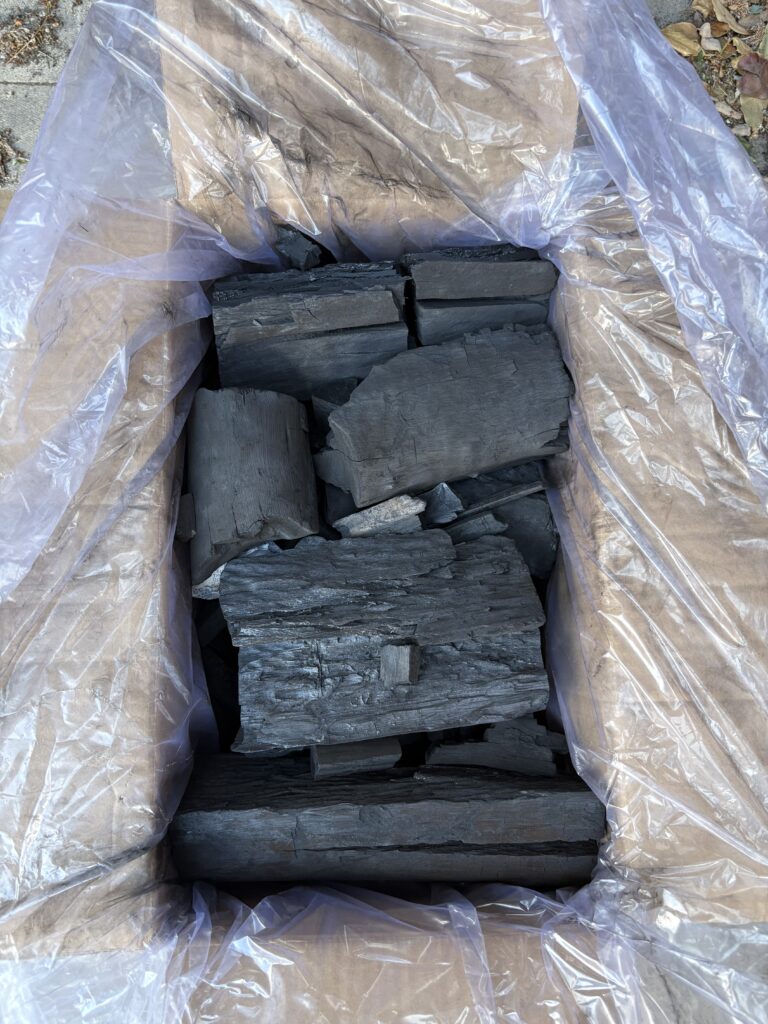
FAQ: Why does Big Ed’s Charcoal have a mix of big and small lumps?
Big Ed’s is all about top-quality, long-burning charcoal, made from a mix of Eucalyptus and Mangrove wood. Each 10kg box is packed with...