
How to Use a Hibachi Grill: The Connoisseur’s Guide to Japanese Grilling
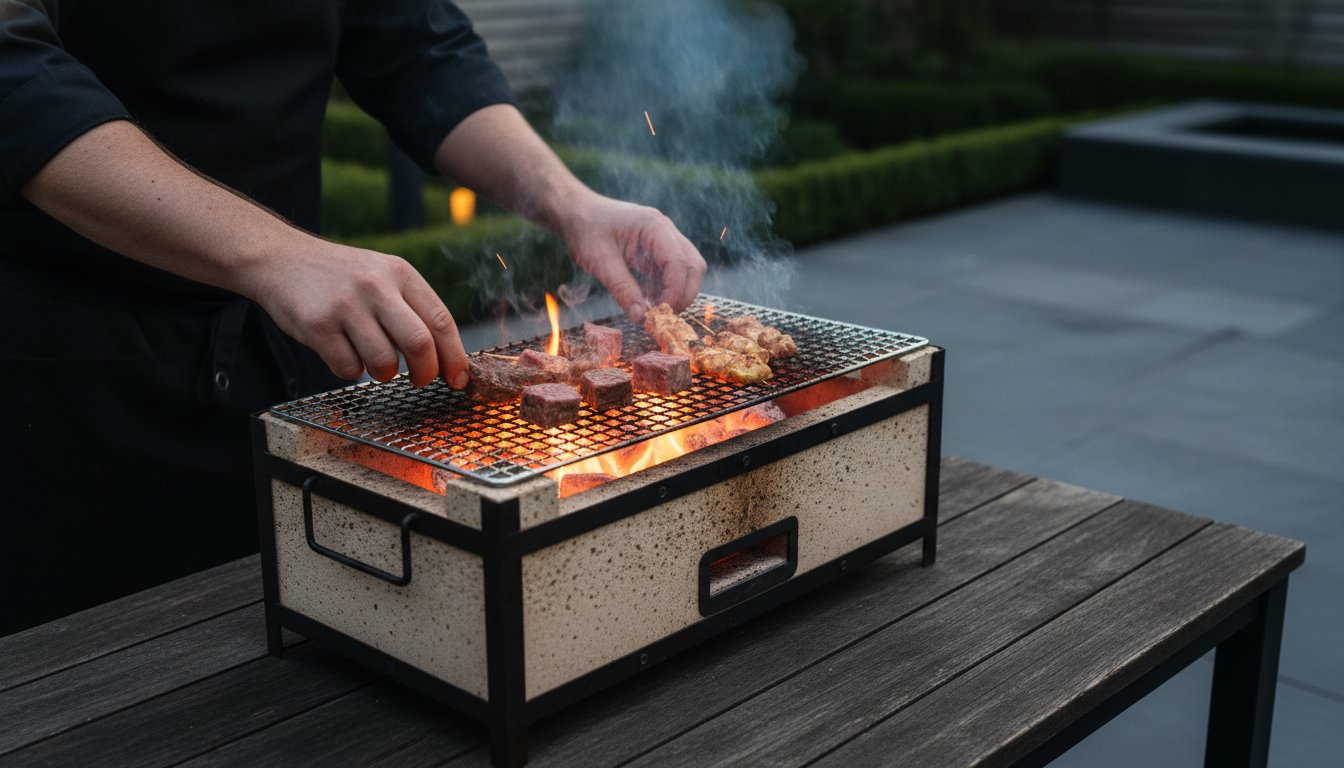
What if the secret to the most succulent, charcoal-kissed wagyu isn’t hidden in a professional kitchen, but sits right on your garden table? Mastering how to use a hibachi grill is about more than just lighting a fire; it’s an invitation to elevate your outdoor cooking into a precise, sensory masterpiece. You probably already appreciate the unrivaled flavour that only live-fire cooking can provide, yet the fear of cracking a premium diatomaceous earth body or mismanaging the intense heat of Binchotan can be daunting.
We understand that a true connoisseur values both craftsmanship and culinary precision. This guide promises to transform your garden into a sophisticated yakitori sanctuary by teaching you the exact techniques needed to harness high-heat fuel safely. You’ll gain the confidence to select the right fuel, such as Big Eds or premium Binchotan, and learn why maintaining a 3-metre clearance from buildings is essential for safety. From initial seasoning to the final, perfectly seared skewer, we’re here to bridge the gap between enthusiast and master.
Key Takeaways
- Understand why diatomaceous earth is the gold standard for insulation and how it maintains the steady heat required for authentic yakitori.
- Master the essentials of how to use a hibachi grill by pairing your vessel with premium fuel like Big Eds Charcoal to achieve a clean, professional-grade sear.
- Discover the “Two-Zone” grilling method to create distinct searing and resting stations, ensuring your wagyu and poultry reach succulent perfection every time.
- Protect your investment with proper cooling and ash management techniques that prevent thermal shock and maintain optimal airflow for future sessions.
- Elevate your garden gatherings into a social sanctuary where the art of live-fire cooking becomes the centerpiece of your outdoor gastronomy.
Mastering the Setup: Understanding Your Hibachi Grill
The hibachi is a masterpiece of Japanese engineering, far removed from the standard metal charcoal boxes found in local DIY stores. Originally used as a heating device in ancient Japan, the History of the Hibachi reveals its evolution into the precision cooking tool we celebrate today. When you learn how to use a hibachi grill, you aren’t just lighting a fire; you’re engaging with a tradition designed for intimate, high-heat gastronomy. These grills act as a bespoke centrepiece for any garden gathering, inviting your guests to witness the raw, sensory joy of searing wagyu or succulent poultry right at the table.
True connoisseurs seek out grills made from diatomaceous earth. This ancient, fossilised material offers unrivaled thermal insulation, keeping the exterior manageable while the interior reaches searing temperatures. While cast iron models are durable and offer a classic aesthetic, they lack the sophisticated heat management of ceramic bodies. Always place your grill on a heat-resistant surface, such as a thick stone slab or a dedicated stand. Even with its insulation, the base generates significant heat that can scorch timber decking or garden furniture if left unprotected.
Initial Inspection and the First Light
Before your first session, inspect the ceramic body carefully. You’ll likely notice tiny hairline fractures on the surface. Don’t panic; these are a natural result of the firing process and are expected in high-end Japanese grills. However, structural cracks that compromise the body are a different matter. Never use water to clean or cool your ceramic hibachi. The moisture will soak into the porous material and cause it to shatter during the next heat cycle. Simply wipe the grates and clear the ash once the unit has cooled naturally. Ensure your cooking area is well-ventilated, as searing high-fat proteins will create a significant, delicious smoke profile.
Essential Tools for the Hibachi Master
Precision requires the right hardware. Invest in long metal tongs and a charcoal chimney to prepare your Big Eds Gourmet Mix charcoal. A traditional hand fan is also vital; it allows you to pulse oxygen into the embers to spike the temperature for a final, intense sear. While the metal grate is standard, using Teppo Gushi (bamboo skewers) over the open fire is the hallmark of a true yakitori sanctuary. Finally, ensure you have a razor-sharp Japanese knife. The precise, clean cuts of your protein are what allow the Maillard reaction to create that unrivaled caramelised crust on every surface.
The Secret to Success: Choosing and Lighting Premium Fuel
The fuel you choose is the soul of your hibachi experience. Standard supermarket briquettes are often packed with chemical binders and fillers that produce acrid, yellow smoke, which can ruin the delicate flavour profile of premium meats. To truly master how to use a hibachi grill, you must prioritise purity. For a consistent, professional-grade burn that lasts throughout your evening, Big Eds Charcoal provides the clean heat required to achieve that unrivaled restaurant-quality finish at home.
Binchotan stands at the pinnacle of the fuel hierarchy. This dense, carbon-pure charcoal produces far-infrared heat, a specific type of radiant energy that penetrates deep into your proteins. This ensures your yakitori is succulent and cooked through while the exterior develops a crisp, golden sear. Because Binchotan burns without flare-ups, you won’t have to worry about sudden bursts of flame charring your wagyu unevenly. To preserve this purity, natural firelighters are non-negotiable. Avoid petroleum-based starters at all costs; they leave a persistent chemical taint that masks the natural sweetness of the wood and the meat.
The Chimney Starter Method
Lighting Binchotan requires a patient, methodical approach. These logs are incredibly dense and won’t catch with a simple match. Use a chimney starter to concentrate the heat and prepare your coals safely. Always follow established charcoal grilling safety tips by keeping your starter on a non-combustible surface and wearing heat-resistant gloves. You’ll know the charcoal is “active” and ready for the grill when the logs glow with a white-hot intensity and emit a clear, metallic ring when tapped with tongs.
- Fill your chimney starter with a mix of Binchotan and smaller charcoal pieces.
- Place two natural firelighters on your grill’s lower grate and light them.
- Position the chimney over the flames for 15 to 20 minutes.
- Once the coals are glowing white, carefully transfer them into the hibachi body.
Alternative Fuels for Flavour
While Binchotan is the traditional choice, you can experiment with different profiles to suit your menu. Using Oak Briquettes adds a robust, smoky aroma that complements heavier cuts of beef or game. Many experts prefer layering their fuel, using Binchotan for its incredible longevity and adding oak pieces for a targeted aromatic boost. Binchotan is the Gold Standard of carbon-pure fuel for zero-smoke indoor and outdoor transitions. If you’re looking to refine your setup further, speak with our specialists for a bespoke recommendation on how to use a hibachi grill with different fuel combinations.
Precision Grilling: Techniques for Unrivalled Flavour
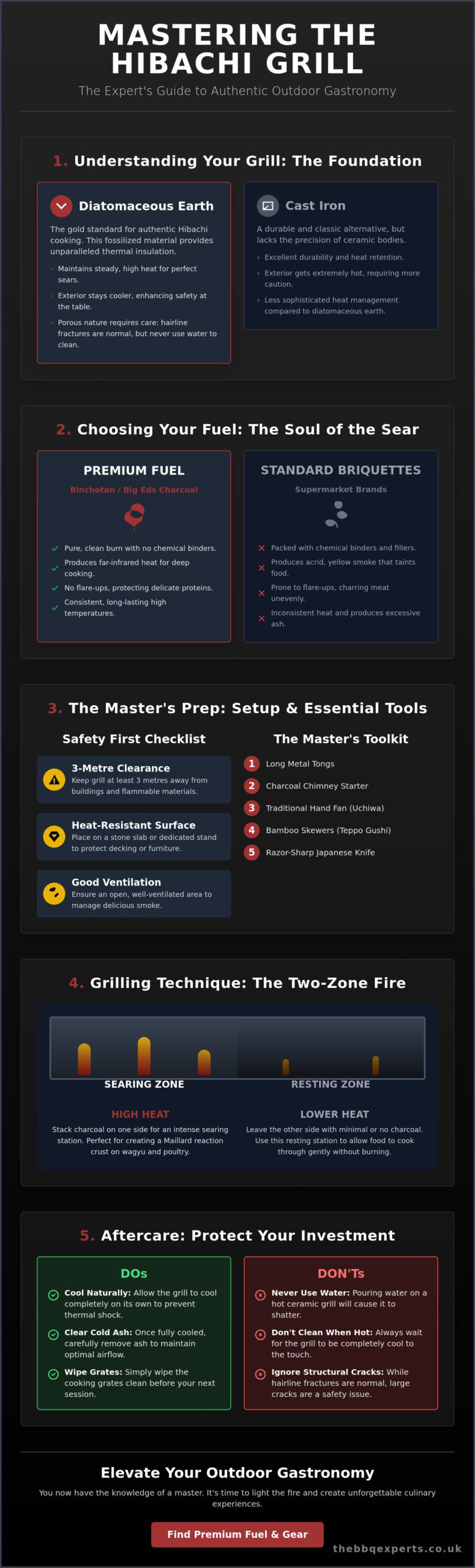
Once your Binchotan coals are glowing with that signature white-hot intensity, you’ve reached the most critical stage of the process. Mastering how to use a hibachi grill requires more than just raw heat; it demands a nuanced understanding of temperature zones. By physically shifting your coals to one side of the fire bowl, you create a “Two-Zone” environment. This setup provides a searing station that can exceed 300°C for immediate caramelisation and a resting sanctuary on the cooler side where proteins can reach their target internal temperature without scorching. This control is what separates a standard barbecue from a high-end Japanese culinary experience.
The goal of every hibachi master is to trigger the Maillard reaction. This chemical interplay between amino acids and sugars creates that unrivaled, savory crust that defines world-class wagyu and poultry. To elevate the flavour profile even further, professional seasoning is essential. Incorporating Angus & Oink rubs allows you to layer complex, umami-rich notes that complement the clean smoke of your charcoal. Fine-tuning this intensity is done through the grill’s sliding vents. By adjusting these windows, you regulate the oxygen flow to the coals, allowing you to spike the heat for a final sear or dampen it for more delicate ingredients. Always remember to follow standard charcoal grilling safety tips by ensuring your vents are clear of ash to maintain consistent airflow.
Mastering Yakitori and Skewered Delights
Succulent yakitori relies on the art of the “flip.” You should resist the urge to move skewers prematurely; high-heat searing requires minimal intervention to prevent stickage. Wait for the protein to naturally release from the grate before rotating. For a truly professional finish, use a traditional fan to pulse oxygen into the embers during the final 30 seconds of cooking. This brief surge in temperature creates a bespoke, charred finish that locks in juices while providing a crisp texture that’s impossible to achieve on a standard gas unit.
Vegetables and Seafood on the Hibachi
The gentle, far-infrared heat of a hibachi is perfect for delicate seafood like scallops or king prawns, which can turn rubbery on lesser grills. Flash-searing greens such as asparagus or tenderstem broccoli at 250°C maintains their vibrant colour and snap while imparting a sophisticated smoky aroma. This method allows you to create a bespoke tasting menu for your guests, cooking course-by-course. It transforms your garden into a social hub where the cooking itself is the evening’s primary entertainment, moving away from the frantic pace of bulk-grilling toward a more deliberate, sensory-driven gastronomy.
Maintenance and Longevity: Caring for Your Investment
Mastering how to use a hibachi grill doesn’t end when the last skewer is served. It’s about protecting a precision instrument that serves as the heart of your outdoor sanctuary. One of the most common mistakes enthusiasts make is rushing the cooling process. Diatomaceous earth is incredibly sensitive to thermal shock. If you introduce cold water or even move the grill to a cold stone surface while it’s still at peak temperature, you risk structural fractures that can’t be repaired. Let the unit sit and cool naturally. It’s a slow, deliberate end to the evening that mirrors the steady pace of the cooking itself.
Ash management is equally vital for your next session. Once the grill is stone cold, clear the base thoroughly. Residual ash blocks the sliding vents, choking the airflow that premium fuel needs to thrive. For a comprehensive guide on maintaining your entire outdoor kitchen setup through the seasons, refer to our Ultimate BBQ Master Checklist. Store your hibachi in a dry, indoor environment when it’s not in use. The UK’s damp climate is the primary enemy of porous ceramic; moisture absorption can lead to steam-related cracking during your next high-heat session.
How to Extinguish and Reuse Binchotan
Binchotan is a premium investment, and unlike standard lumpwood, it can be reused multiple times. To save your fuel, use a “Keshitsubo” or a heavy-duty metal bucket with a tight-fitting lid. By depriving the coals of oxygen, you stop the combustion without damaging the carbon structure. Never use water. Dousing Binchotan makes it impossible to relight and ruins the carbon-pure integrity we discussed earlier. Simply transfer the glowing logs with your long tongs, seal the lid, and they’ll be ready for your next social gathering.
Cleaning the Grates and Body
Effortless maintenance starts while the metal grates are still warm. Use a high-quality wire brush to scrub away protein residue before it has a chance to carbonise and stick. For the exterior body, a simple wipe with a dry cloth is usually all that’s required to preserve its aesthetic appeal. Treat the internal ceramic plates with extreme care during any deep cleans. They’re the core of the grill’s insulation and must remain dry. If you’re ever unsure about the structural integrity of your unit after an particularly intense sear, contact our expert mentors for professional guidance on how to use a hibachi grill safely for years to come.
Elevate Your Outdoor Gastronomy: The Next Steps
The hibachi is more than a piece of hardware; it’s the ultimate instrument for the modern outdoor host who refuses to compromise on quality. While a standard barbecue often relegates the cook to the corner of the patio, mastering how to use a hibachi grill brings you right to the centre of the conversation. It transforms your garden into a social hub where the searing of a single skewer becomes a shared experience. As of May 2026, the global shift towards authentic, sensory-driven dining has seen a significant rise in home enthusiasts adopting these traditional methods to create a private culinary sanctuary.
Planning your first session requires a thoughtful approach to flavour synergy. Start with high-quality proteins like marbled A5 wagyu or corn-fed chicken thighs, which benefit most from the intense, focused heat of the hibachi. Pair these with the correct fuel to ensure your results are unrivaled. If you’re aiming for that clean, traditional finish, Binchotan is essential. Alternatively, using a blend of Big Eds Gourmet Mix offers a robust profile for heavier meats. This deliberate selection process is the first step in moving from a casual enthusiast to a master of the craft.
Building Your Professional BBQ Kit
To truly elevate your outdoor cooking, consider how your hibachi integrates into a wider, professional-grade setup. Combining the precision of a Japanese grill with a Fire Cage allows you to manage multiple cooking styles simultaneously, creating a versatile outdoor kitchen that rivals any indoor sanctuary. A true master is never caught unprepared. Sourcing bulk fuel ensures you’re ready for a spontaneous gathering at a moment’s notice, allowing you to focus on the artistry of the cook rather than the logistics of the supply.
If you’re looking to refine your technique or require bespoke advice on how to use a hibachi grill within your specific garden layout, reach out to our expert mentors. We pride ourselves on being the bridge between professional equipment and the home enthusiast. Outdoor cooking is a lifelong journey of precision, passion, and unrivaled flavour. Every session is an opportunity to hone your skills, experiment with new textures, and create a lifestyle where the garden is the primary social hub of the home. Invest in the best tools, trust the process, and let the sensory joy of live-fire cooking transform your outdoor living space into a masterpiece.
Your Journey to Japanese Grilling Mastery Starts Here
As a specialist UK retailer of professional-grade hardware, we don’t just sell equipment; we curate the tools for a transformed lifestyle. Our team are expert curators of Angus & Oink rubs and premium fuels, bringing unrivalled knowledge in outdoor gastronomy to every recommendation we make. We position ourselves as the bridge between professional-grade equipment and the home enthusiast, ensuring your investment is backed by seasoned expertise. Elevate your outdoor cooking today; contact our experts for bespoke advice on crafting your perfect setup.
The embers are waiting. It’s time to light the first coal and begin your personal journey into the world of precision grilling. We’re ready to help you turn your outdoor space into a masterpiece.
Frequently Asked Questions
Can I use a hibachi grill indoors?
No, you must never use a charcoal hibachi grill indoors or in enclosed spaces like gazebos. Charcoal combustion produces carbon monoxide, an odourless gas that is lethal in unventilated areas. Even if you are using low-smoke Binchotan, the risk remains. Always maintain a minimum clearance of 3 metres from any combustible structures to ensure a safe, enjoyable cooking environment in your garden.
How much charcoal do I need for a single hibachi session?
A typical session on a standard 30cm to 40cm hibachi requires approximately 500g to 1kg of premium lumpwood charcoal or 3 to 5 logs of Binchotan. You only need enough to create one or two consistent layers at the base of the fire bowl. Because high-quality fuel like Big Eds Charcoal burns so efficiently, a small amount provides the intense radiant heat needed for several courses of yakitori.
Why is my hibachi grill cracking on the surface?
Fine hairline cracks, often called “crazing,” are a natural characteristic of diatomaceous earth grills and don’t usually indicate structural failure. These occur because the material expands and contracts as it moves from ambient temperatures to over 300°C. As long as the cracks don’t split the body entirely, your grill remains a safe and effective tool for outdoor gastronomy. Avoid moisture at all costs to prevent these small fissures from expanding.
How do I stop food from sticking to the hibachi grates?
The secret to a clean release is high heat and patience. Ensure your grates are preheated for at least 10 minutes before adding protein, and apply a light coating of neutral oil using a paper towel. Most importantly, don’t attempt to flip the meat too early. Once the Maillard reaction has properly caramelised the surface, the food will naturally release from the metal without tearing.
What is the best type of charcoal for a hibachi grill?
Binchotan is the undisputed gold standard for those learning how to use a hibachi grill with professional precision. It provides a steady, far-infrared heat that cooks deeply without the flare-ups caused by cheaper fuels. If you prefer a more traditional smoky aroma, high-quality Oak Briquettes or Big Eds Gourmet Mix are excellent alternatives that offer the consistent temperature required for delicate seafood and wagyu.
How long does it take for a hibachi grill to heat up?
Expect a wait of 15 to 20 minutes for standard lumpwood charcoal and up to 35 minutes for dense Binchotan. Using a chimney starter significantly accelerates this process by concentrating the airflow. You’ll know the grill is ready for action when the charcoal is covered in a fine layer of grey ash and the heat radiating from the surface is too intense to hold your hand over for more than a second.
Can I use wood instead of charcoal in a hibachi?
You should avoid using raw wood as your primary fuel source in a ceramic hibachi. Wood burns with unpredictable, tall flames and produces excessive smoke that can overwhelm the delicate flavours of Japanese cuisine. More importantly, the rapid, intense temperature spikes from burning wood can cause thermal shock to the ceramic body. Stick to charcoal for the controlled, steady glow that defines the hibachi experience.
Is it worth buying Binchotan charcoal for a hibachi?
Binchotan is absolutely worth the investment for the serious connoisseur. While the initial cost is higher, its ability to be extinguished and reused up to 3 times makes it surprisingly economical. Its unique far-infrared heat penetrates meat more effectively than standard charcoal, resulting in a more succulent interior and a superior crust. It’s the essential component for anyone looking to how to use a hibachi grill to its full, unrivaled potential.
Disclaimer
This article was produced with AI assistance. We use AI and Third Parties to help deliver more content to our BBQ website and community, but we always aim to ensure accuracy and quality as much as we can. If you spot anything that doesn't seem right, we'd love to hear from you

Recent News & Updates

Our Story, Values and Beliefs
Here at the BBQ experts we have a passion for BBQ food, outdoor living and spending time with family and friends. We offer you; A...
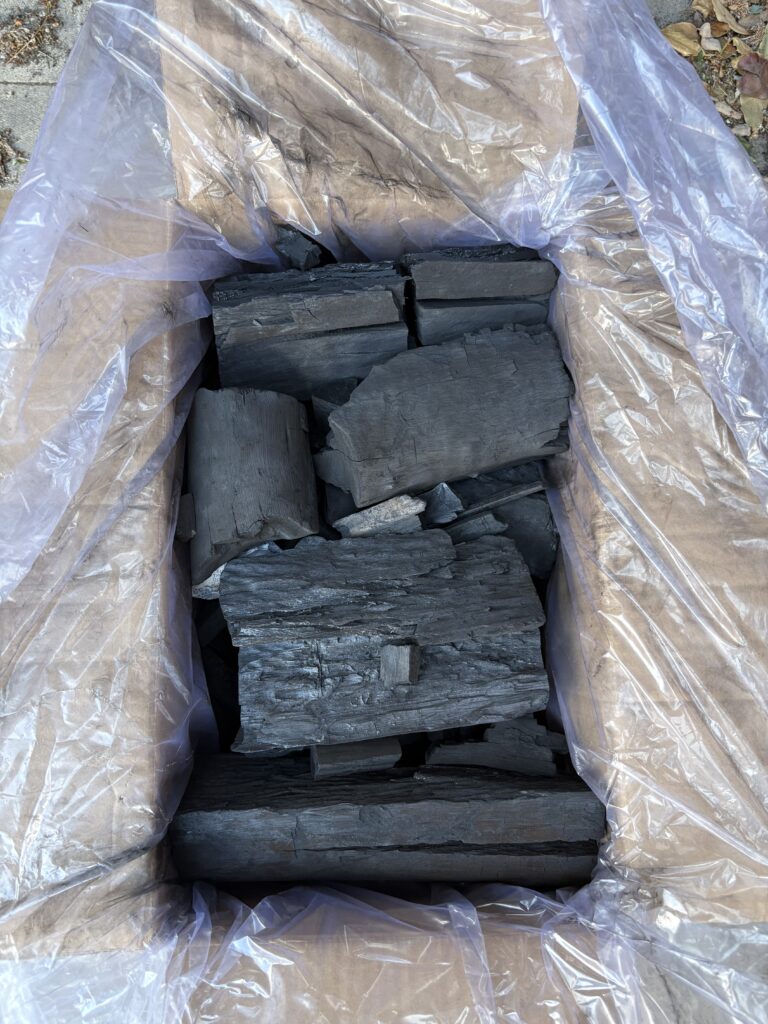
FAQ: Why does Big Ed’s Charcoal have a mix of big and small lumps?
Big Ed’s is all about top-quality, long-burning charcoal, made from a mix of Eucalyptus and Mangrove wood. Each 10kg box is packed with...