
How to Store Dry Rubs Long Term in a Pantry, Fridge or Freezer
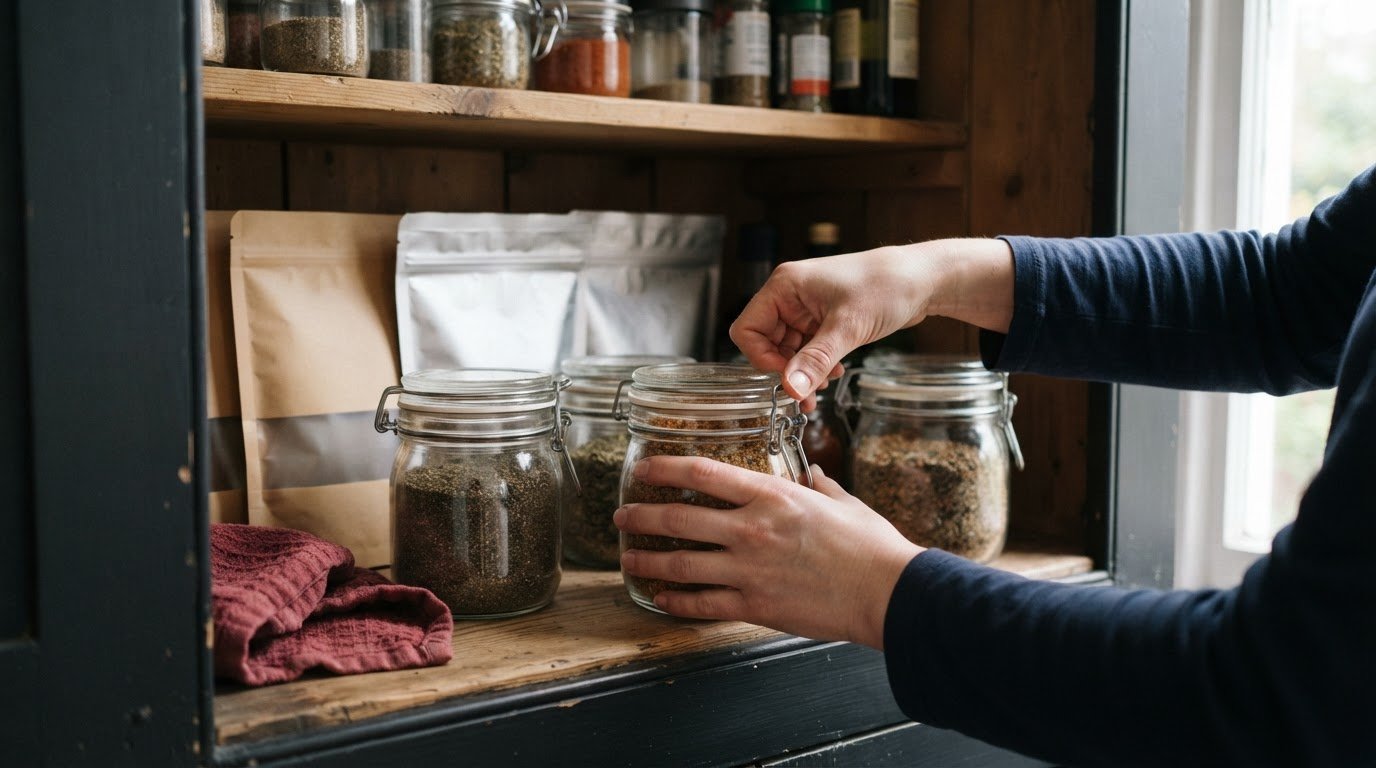
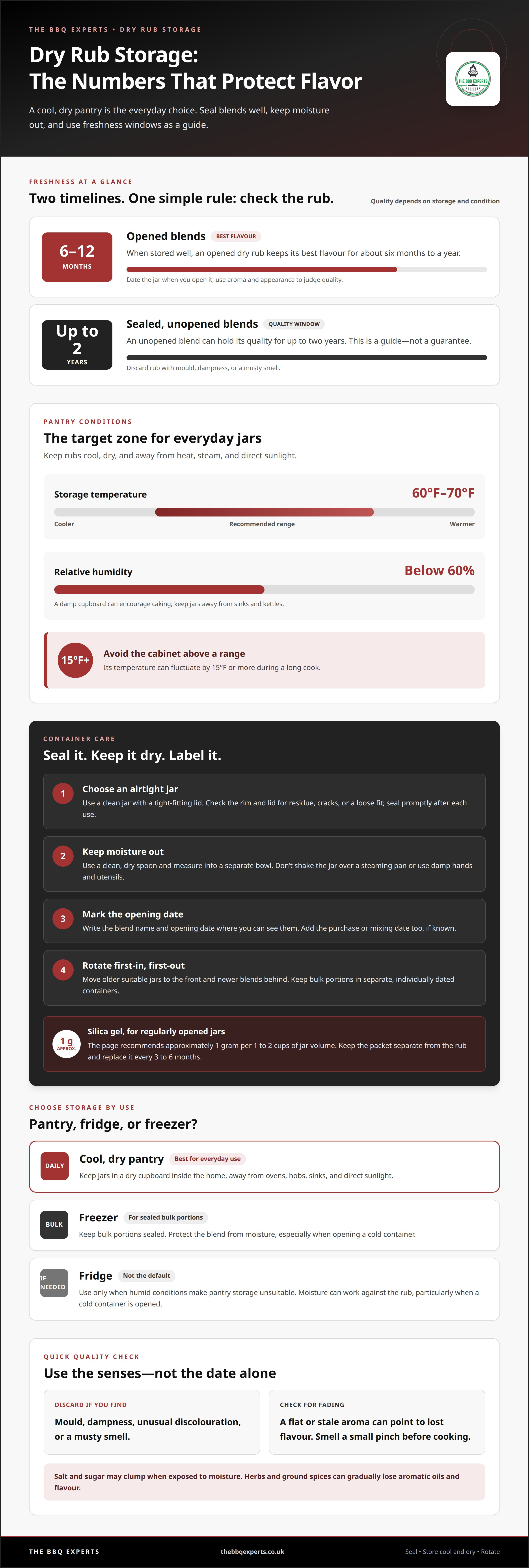
The coldest storage spot isn’t automatically the best for a dry rub. For storing dry rubs long term, use a tightly sealed container in a cool, dry pantry. Opened blends keep their best flavour for about six months to a year when stored well, while sealed, unopened blends can hold their quality for up to two years.
Reaching for the fridge or freezer to preserve a favourite blend may seem sensible, but moisture can work against you, especially when you open a cold container. Keep the rub dry and away from heat, and choose storage that suits how much you use and how often you open it.
Learn how to seal and protect your blends, choose between pantry, fridge and freezer storage, and track freshness with dates and rotation. That way, each pinch is ready to bring its aroma and character to your next cook.
Key Takeaways
- Keep blends tightly sealed and dry to help protect their aroma and prevent clumping.
- Choose a cool, dry pantry for everyday use, and weigh up moisture risks before using the fridge or freezer.
- Date each container when you open it, then place older blends at the front so they’re used first.
- Use freshness timelines as a guide, and rely on aroma and flavour to judge whether a blend is still at its best.
Choosing breathable covers and protective materials
Moisture can make dry rub cake, while damp utensils or hands can introduce contamination. Keep the seasoning dry, sealed and away from anything that could transfer moisture or food residue.
-
Choosing breathable packing materials
Use clean, breathable material only around a sealed rub container, not directly against the seasoning. A dry paperboard divider can separate jars inside a storage box without trapping moisture against their lids. Avoid wrapping jars tightly in plastic, which can hold condensation if damp air gets inside. Keep packing materials clean, dry and free from strong odours that could affect the rub.
-
Selecting airtight storage containers
Choose a clean jar with a tight-fitting lid, such as a Mason jar, and seal it promptly after each use. Check the rim and lid for seasoning residue, cracks or a loose fit. For a regularly opened container, the page recommends approximately 1 gram of silica gel per 1 to 2 cups of jar volume. Keep the packet separate from the rub and replace it every three to six months.
-
Choosing an indoor room or drive-up container
Store jars inside your home, in a dry cupboard away from sinks, ovens and direct sunlight. Avoid a cabinet above a range: its temperature can fluctuate by 15°F or more during a long cook. A drive-up container exposes stored goods to outdoor conditions, so it is a poor choice for seasoning that needs steady, dry storage. Use a sealed box only as added protection, not as a substitute for sound jar lids.
-
Choosing a climate-controlled facility
If you need to store bulk rub outside your home, choose an indoor, climate-controlled space rather than a drive-up container. Keep each blend in its airtight jar, then place the jars in a clean, dry box. Climate control cannot prevent contamination from a dirty scoop or an unsealed lid. Take out only what you need, and close each container before handling other ingredients.
Dating and rotating stored rubs
- Write the blend name and opening date on each jar before storing it. Add the purchase or mixing date too, if you know it. A label such as “smoky paprika, opened 12 May” is more useful than relying on memory. Keep the writing visible from the front of the cupboard. For bulk seasoning divided into several containers, label each one separately so its age stays clear.
- Set a freshness reminder based on the blend’s age. Opened dry rubs keep their best flavour for about six months to a year when stored well. Sealed, unopened blends can hold their quality for up to two years. Use these periods to plan rotation, not as a reason to keep a rub that smells stale or has become damp.
- Place the oldest suitable jar at the front and newer blends behind it. This first-in, first-out arrangement makes it easy to choose a rub when preparing a meal. Keep each blend in its own container, and return it to the same place after use. If you divide a bulk rub into smaller packs, date each one and use one at a time.
- Review your cupboard when you add a new blend, and move older jars forward. Spices can start losing potency and essential oils after a year in storage, so smell and taste a small pinch before cooking. A 5 lb bag stored in vacuum-sealed packs has been reported to last a couple of years, but that experience isn’t a freshness guarantee. For help planning a seasoning choice for your next cook, get in touch.
Dry rub shelf life
Check a rub’s aroma and appearance before using it. Dampness, mould or a musty smell are reasons to discard it. Salt, sugar, herbs and ground spices each behave differently: moisture can make salt and sugar clump, while herbs and ground spices gradually lose aromatic oils and flavour.
-
Checking for spoilage or lost flavour
Inspect the blend before tasting a pinch. Look for mould, unusual discolouration or damp clumps, and discard it if you find them. If it looks dry, smell a small amount, then rub a pinch between clean fingers. A strong, recognisable scent suggests more flavour remains; a flat or stale aroma points to fading seasoning. Don’t taste a blend that shows signs of moisture or mould.
-
Considering ingredient effects on shelf life
Read the ingredient list and consider which qualities matter most. Salt and sugar bring savoury and sweet balance, but moisture can make them clump. Dried herbs and ground spices supply aromatic oils that fade over time, so a blend rich in these ingredients may lose its vivid character. When storing dry rubs long term, judge quality by the blend’s condition, not its ingredients alone.
- Use dates as a practical guide. Sealed, unopened dry rubs can hold their quality for up to two years. Opened blends keep their best flavour for about six months to a year when stored well. Note the opening date, then assess the rub’s aroma and appearance as you use it. Storing dry rubs long term calls for sensible rotation, not reliance on a date alone.
- Keep seasoning away from steam and wet utensils. Measure what you need into a separate bowl before cooking instead of shaking the jar over a steaming pan. A clean, dry spoon also helps keep the remaining blend in good condition. These small habits reduce moisture exposure each time you prepare a meal.
- Consider how the rub will season the dish. A blend that has lost its fragrance may still add salt or sweetness, but it can bring less aromatic depth to grilled vegetables or meat. Smell a pinch before relying on it as the main seasoning, especially when you want the rub’s character to shine.
Storing rubs in a pantry, freezer or fridge
For storing dry rubs long term, choose a cool, dry pantry for blends you use regularly. Keep bulk portions sealed in the freezer, and use the fridge only when humid conditions make pantry storage unsuitable.
-
Choosing pantry storage
Place everyday jars in a cupboard away from the oven, hob and direct sunlight. Aim for a storage temperature between 60°F and 70°F, with relative humidity below 60%. A damp cupboard encourages caking, while heat can dull a blend’s aroma. Keep jars away from kettles and sinks, where steam or splashes may reach them. A consistently dry pantry makes access simple without exposing the rub to frequent temperature changes.
-
Considering freezer or fridge storage
Reserve the freezer for bulk dry rubs you won’t need soon, and keep it at 0°F or below. Seal the seasoning carefully, then divide larger quantities into smaller portions before freezing. A fridge should stay between 35°F and 40°F, but moisture from door cycles can affect the rub. The fridge door shelf can fluctuate by 10°F or more each time it opens, so choose a steadier spot instead.
- Let a frozen jar reach room temperature before opening it. Keep it sealed as it warms so condensation forms outside, not inside, the container. Then take out the amount you need and return the rest promptly to the freezer. This helps prevent moisture reaching the whole batch. A reliable approach to storing dry rubs long term is to open only the portion you plan to use.
- In a very humid climate, keep only a small amount in the fridge for use within a few weeks. Leave the main supply sealed and stored separately, rather than exposing the full batch to repeated door cycles. Choose the pantry for everyday access, the freezer for bulk storage, and the fridge for that limited humid-weather portion. For advice on planning your next outdoor cook, get in touch with The BBQ Experts.
The BBQ Experts: Angus & Oink Rubs
The BBQ Experts offers Angus & Oink Rubs for your next outdoor cook. Once you’ve chosen a storage routine, select a blend to suit the flavour you want on the grill, then seal it and note the opening date. This simple habit helps you enjoy the seasoning at its best and build a considered pantry for relaxed, flavour-led cooking.
For a complete fireside setup, Big Eds Charcoal, a Hibachi Grill and a Fire Cage are also available. Choose a rub to suit the dish, and make storage part of your preparation routine alongside organising your cooking space and fuel.
Contact The BBQ Experts to discuss your next cook.
Make your next cook your freshest yet
Make storing dry rubs long term part of your preparation routine. Before your next barbecue, choose a blend for the dish, note what you enjoy about its aroma and flavour, and store it ready for another meal. These small choices help you build a pantry that reflects your style instead of accumulating blends you rarely use.
Ready to shape the flavour of your next outdoor meal? Contact The BBQ Experts and take the next step towards a more considered cook.
Frequently Asked Questions
Got a Few Questions About Long-Term Storage?
Choose storage based on how often you use the rub and how much you have. Keep a frequently used jar accessible in a dry cupboard, and reserve sealed portions for less frequent use. For a larger batch, divide it into separate packs so you open only one portion at a time and limit repeated exposure of the full supply.
How Long Does Dry Rub Last?
Unopened dry rub can hold its quality for up to two years; opened blends keep their best flavour for about six months to a year when stored well. Treat these periods as guidance for flavour, not as a substitute for inspection. Discard a jar that has become damp or mouldy, even if the date suggests it should still be fresh.
How long do homemade dry rubs last in storage?
Homemade blends generally follow the same flavour guidance: about six months to a year after opening when stored well. Write the mixing date on the jar, especially if you make several batches with different ingredient proportions. Making a smaller batch can also help you use it while its herbs and ground spices still contribute their full aroma.
Which airtight containers are best for storing spice rubs?
Choose a clean jar with a tight-fitting lid, such as a Mason jar, and make sure the rim seals securely. For a large batch, divide the rub between smaller sealed containers so daily use doesn’t expose the full supply. Keep the inside of each jar dry, and use a clean spoon instead of dipping your fingers into the seasoning.
Should dry rubs be stored in glass, plastic, or metal containers?
Prioritise an airtight seal over the container material. A clean glass jar is practical because you can see the blend and its condition; plastic and metal containers also work when they have clean, secure-fitting lids. Avoid containers that retain moisture, have a damaged seal or carry strong odours, as these can affect the rub’s condition or aroma.
What temperature and humidity are suitable for storing dry rubs?
A dry pantry is recommended below 60% relative humidity, with storage temperature between 60°F and 70°F. Keep jars away from heat sources and damp areas, such as the space beside a kettle or sink. If you use a fridge or freezer, seal the rub carefully; condensation can form when a cold container is opened too soon.
Disclaimer
This article was produced with AI assistance. We use AI and Third Parties to help deliver more content to our BBQ website and community, but we always aim to ensure accuracy and quality as much as we can. If you spot anything that doesn't seem right, we'd love to hear from you

Recent News & Updates

Our Story, Values and Beliefs
Here at the BBQ experts we have a passion for BBQ food, outdoor living and spending time with family and friends. We offer you; A...
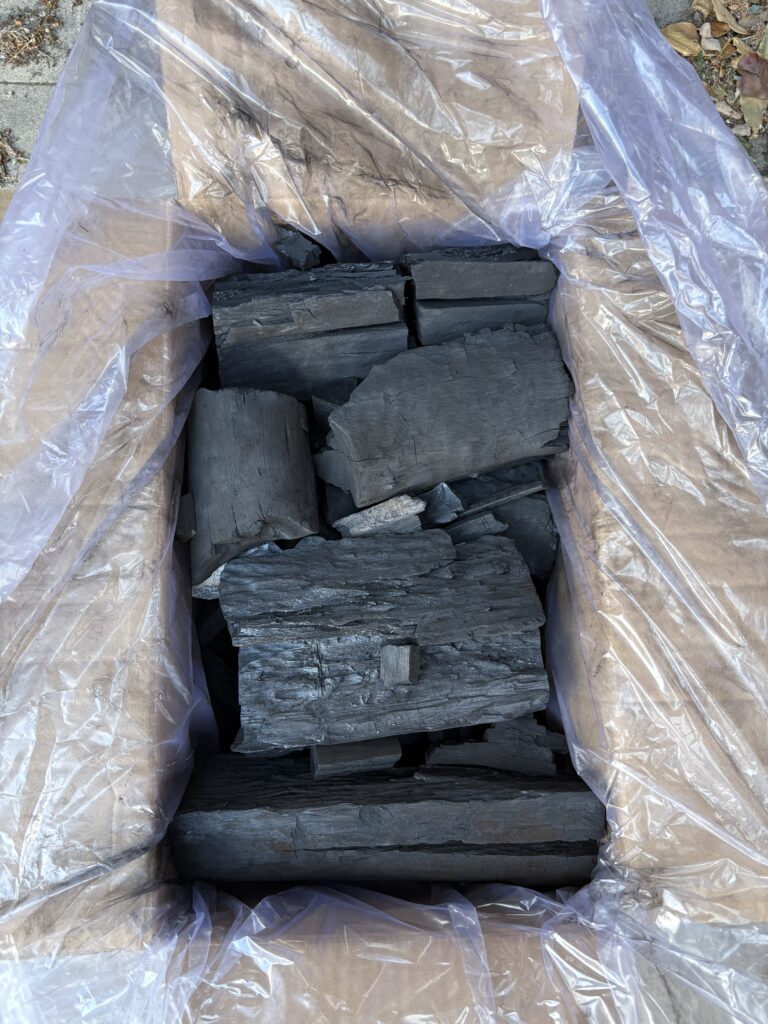
FAQ: Why does Big Ed’s Charcoal have a mix of big and small lumps?
Big Ed’s is all about top-quality, long-burning charcoal, made from a mix of Eucalyptus and Mangrove wood. Each 10kg box is packed with...