
How to Revive Damp Charcoal by Identifying Moisture Causes
Damp charcoal isn’t always ruined. To revive it, first work out how it got wet, then spread it in a dry, well-ventilated place and let it air-dry thoroughly before use. How to revive damp charcoal depends on how much moisture it has absorbed: ventilation can help with surface dampness, but heavily soaked fuel may not dry evenly.
A failed light or sluggish burn is frustrating when you’re ready to cook outdoors. Look beyond the fire itself: rain, wet packaging, humid storage and condensation can all leave charcoal damp. This guide covers the signs to look for, how to trace the likely cause and how airflow helps fuel dry. You’ll also learn when drying is worth trying and when the charcoal is in poor condition for your next cook.
Key Takeaways
- Trace moisture to its likely source, such as rain exposure, damp storage or condensation, and look for clumping or a slow, difficult-to-light burn.
- Improve airflow around the charcoal to help moisture escape, while keeping it sheltered from further rain and damp air.
- Dry charcoal in a safe, well-ventilated place away from flames and direct heat; avoid using it until it is dry enough to handle and burn reliably.
- Sun-drying time depends on the charcoal’s starting condition and the weather, so assess dryness rather than relying on a fixed timetable.
1. Damp and moisture causes and signs
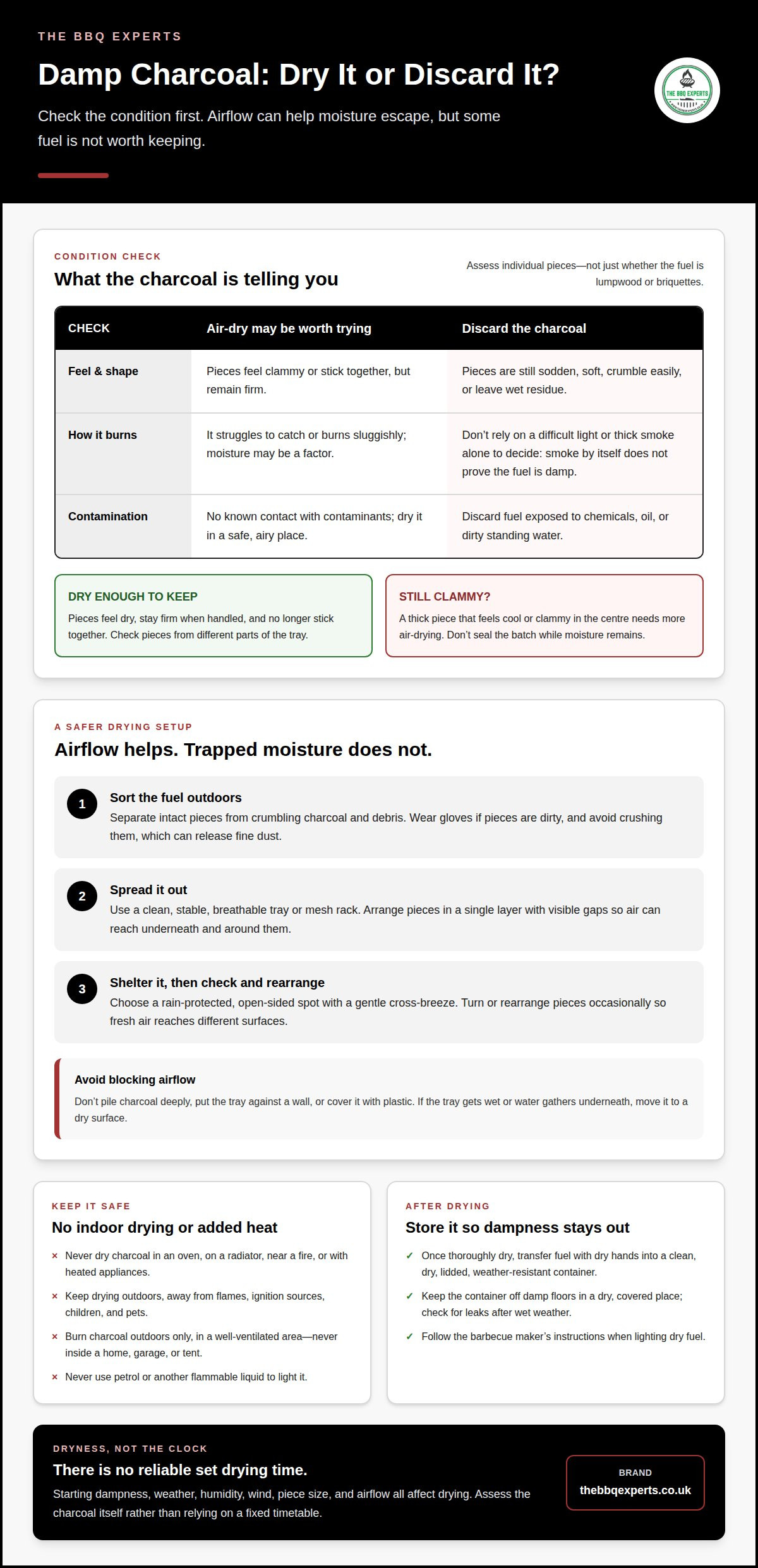
Rain through a torn bag, a wet shed floor or condensation in a sealed container can all dampen charcoal. Check the packaging and storage area: a split sack near a doorway may point to rain, while moisture inside a closed tub suggests trapped damp air. Charcoal that feels clammy, clumps together or struggles to catch may still be holding moisture.
Inspect the fuel before deciding how to revive damp charcoal. Slightly damp pieces may remain firm, while heavily soaked charcoal can soften, crumble or leave a wet residue. Damp fuel may produce thicker smoke as it struggles to burn cleanly, but smoke alone doesn’t prove the charcoal is wet. Burning charcoal can produce carbon monoxide, so use it outdoors in a well-ventilated area, never inside a home, garage or tent.
Neither lumpwood nor briquettes have a guaranteed advantage after getting wet. Their shapes can affect how they dry, but the key factors are how much water reached the fuel and how well air can circulate around it. Assess the individual pieces rather than relying on the type of charcoal.
Don’t dry charcoal in an oven or near a fire. Heat creates a fire risk, and charcoal must not be brought indoors to dry or burn. Instead, use a sheltered, well-ventilated outdoor area, away from flames and ignition sources.
Once dry, light the charcoal outdoors in a barbecue designed for it, following the grill maker’s instructions. Use a suitable firelighter and let the fuel establish before cooking. Never add petrol or another flammable liquid. Discard charcoal contaminated by chemicals, oil or dirty standing water, as well as pieces that remain sodden and crumble. To prevent damp returning, store fuel off the ground in a dry, covered place. If dampness in your home is caused by a leak, report it to the landlord promptly so the source can be repaired.
2. Improving ventilation
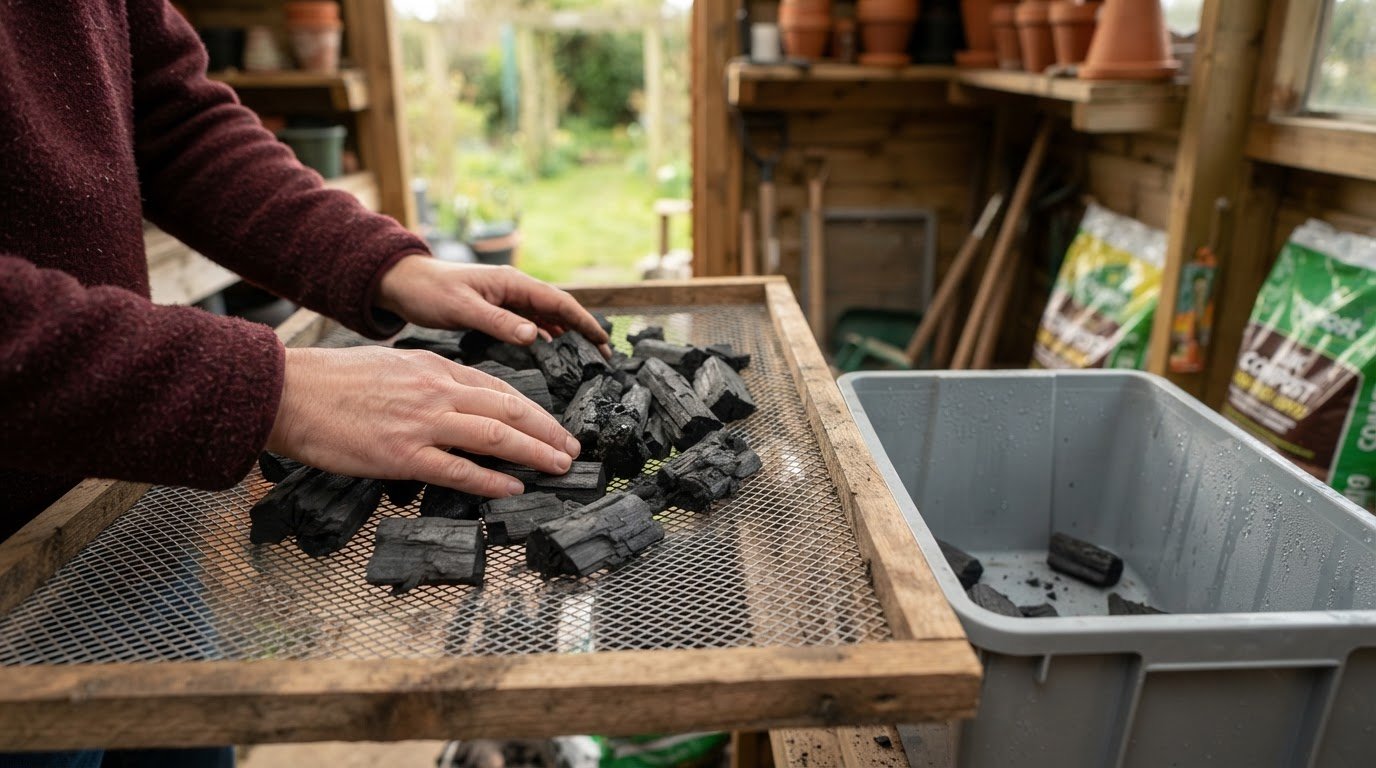
Moving air helps moisture escape, but charcoal needs room around it. Spread damp pieces in a shallow layer on a clean, breathable tray, such as a mesh rack, under an open-sided shelter. Don’t pile them deeply: the outer pieces may dry while moisture remains trapped underneath.
Choose a spot with a gentle cross-breeze, protected from showers. A shed with its door and vents open can work if rain cannot blow inside. Don’t put the tray against a wall or cover it with plastic, which blocks airflow and can trap condensation. Turn or rearrange the pieces occasionally so fresh air reaches different surfaces.
Ventilation matters after drying, too. Once the charcoal feels dry, store it in a lidded, weather-resistant container off damp floors. Don’t seal fuel that still feels clammy, as moisture can remain trapped inside. In the UK, a covered outdoor storage spot can help protect the container from wind-driven rain. Check for leaks after wet weather.
For tenants or other residents without a shed, a sheltered patio or balcony may offer a suitable drying spot if it stays dry and has clear airflow. Keep the tray away from laundry, dripping gutters and places where condensation collects. If a storage space repeatedly feels damp, move the charcoal rather than relying on ventilation alone to overcome a continuing source of moisture.
Once dry, keep the fuel protected until your next barbecue. Maintaining an organised garden space makes it easier to keep fuel and equipment shielded from damp conditions, and for wider exterior care and maintenance, PuntoJardin.com provides supplies and tools designed for looking after outdoor areas. If you’re planning a better outdoor cooking setup, talk with the team about options that suit your space.
After the case, the landlord reviewed 5,000 damp and mould cases to identify lessons and improve services. For charcoal, a similar focus on causes can help guide your next steps: consider whether moisture is linked to restricted airflow, rain entering the space or a persistently damp surface. Addressing the likely source, then checking whether the area stays dry, is more useful than repeatedly moving fuel around without changing its conditions. If dampness continues, choose another place with better protection and airflow before returning the charcoal to storage.
3. How to dry damp charcoal safely at home
Sort the fuel outdoors, separating intact pieces from crumbling charcoal and debris. Wear gloves if the pieces are dirty, and avoid crushing them, as this can release fine dust. If the charcoal has contacted oil, cleaning products or other contaminants, discard it rather than drying it for cooking.
Use a clean, stable tray or rack that lets air reach the underside. Arrange the charcoal in a single layer, leaving visible gaps between pieces. Place the tray under a rainproof, open-sided shelter, away from children, pets and anything that could knock it over. Don’t dry charcoal in a living space, conservatory or enclosed shed.
Check the fuel periodically, turning larger pieces and moving smaller ones into gaps. If the tray feels wet or water gathers beneath it, switch to a dry surface. Don’t use kitchen equipment, radiators or heated appliances to speed up drying. Charcoal can retain moisture inside even when the outside looks dry, so heat does not ensure a reliable result.
Before storing the dried fuel, check pieces from different parts of the tray. They should feel dry, remain firm when handled and no longer stick together. If the centre of a thick piece still feels cool or clammy, leave the batch to air-dry further. Don’t seal it in a container until it is thoroughly dry, or moisture may become trapped again.
Keep drying separate from lighting. Never bring burning or smouldering charcoal indoors, and use dry fuel only in an outdoor barbecue, following the appliance instructions. Once the charcoal is ready, transfer it with dry hands into a clean, dry container and close the lid. Discard pieces that remain soft, crumble easily or smell contaminated rather than risking an unreliable cook.
4. How long does charcoal take to dry in the sun?
There’s no reliable set drying time. A few rain-speckled pieces on a warm, breezy day may dry sooner than charcoal soaked through after sitting in a puddle. Cloud cover, humidity, wind, piece size and airflow all affect how quickly moisture leaves the fuel. UK weather can interrupt sun-drying, so judge the charcoal itself rather than relying on a clock.
For best results, spread the charcoal in a single layer on a clean, dry tray or rack. Choose a sunny spot with moving air, sheltered from showers and wind-driven rain. Turn the pieces as conditions change so sunlight and airflow reach different sides. A deep pile dries unevenly, leaving damp pieces underneath.
Check progress by handling pieces from different parts of the tray. Dry charcoal should feel dry and firm, without clumping or a clammy surface. Larger lumps may take longer than small fragments because their centres need more time to release moisture. If the sky clouds over or evening dew starts to settle, move the tray under a dry, open-sided shelter.
Don’t use an oven, radiator or open flame to shorten the wait. Direct heat can create a fire hazard, and charcoal shouldn’t be dried or burned indoors. If the sunshine is weak, air-dry it under a ventilated shelter instead, though the process may take longer. Keep the fuel protected from fresh rain throughout.
Once the pieces feel dry, leave them to cool to the surrounding air before sealing them in a container. Check a few pieces again before lighting; an apparently dry exterior can hide moisture inside. For advice on choosing charcoal for your outdoor cooking plans, get in touch with the team.
Separately, Waltham Forest Council must begin, or take steps to begin, further required supplementary preventative work within 5 working days of an investigation concluding that a home has been affected by a significant or emergency hazard. The requirement follows an investigation concluding that a home has been affected by such a hazard. It sets a period of 5 working days for beginning the work, or taking steps to begin it.
The BBQ Experts
The BBQ Experts offers outdoor cooking fuels and equipment for your next barbecue. If damp charcoal has left you short of fuel, decide whether it’s worth drying or replacing, then choose dry fuel suited to your cooking plans. The range includes Big Eds Charcoal, as well as outdoor cooking equipment such as a Hibachi Grill and Fire Cage.
For your next cook, keep fresh charcoal protected from rain and store it in a dry place. Pair your fuel with Angus & Oink Rubs when you’re ready to build flavour at the grill.
Contact The BBQ Experts to discuss your outdoor cooking plans.
Make your next barbecue one to look forward to
Use what you’ve learned about how to revive damp charcoal to make a simple choice: keep fuel that’s dry and sound, and set aside anything compromised. Then consider the kind of cook you want, from a relaxed meal around a Hibachi Grill to adding flavour with Angus & Oink Rubs. And if soggy fuel or bad weather puts your grill plans on hold, you can always skip the cook and check out bold taco and bowl creations at tacoverse.com.
The BBQ Experts can help you explore outdoor cooking options that suit your plans. Contact The BBQ Experts to discuss your next step, and look forward to a more rewarding cook outdoors.
Frequently Asked Questions
Can damp charcoal be dried and reused?
Yes, charcoal that’s only damp can often be reused once it has dried thoroughly. Separate affected pieces from dry fuel, then test a small amount in your barbecue before relying on it for a full cook. If it lights and burns steadily outdoors, use it as planned. Keep any remaining dried charcoal in a clean, sealed container so it stays ready for another session.
Does damp charcoal produce more smoke or carbon monoxide?
Damp charcoal may produce thicker smoke as it struggles to burn cleanly. Burning charcoal can produce carbon monoxide, so use it outdoors in a well-ventilated area.
Disclaimer
This article was produced with AI assistance. We use AI and Third Parties to help deliver more content to our BBQ website and community, but we always aim to ensure accuracy and quality as much as we can. If you spot anything that doesn't seem right, we'd love to hear from you

Recent News & Updates

Our Story, Values and Beliefs
Here at the BBQ experts we have a passion for BBQ food, outdoor living and spending time with family and friends. We offer you; A...
FAQ: Why does Big Ed’s Charcoal have a mix of big and small lumps?
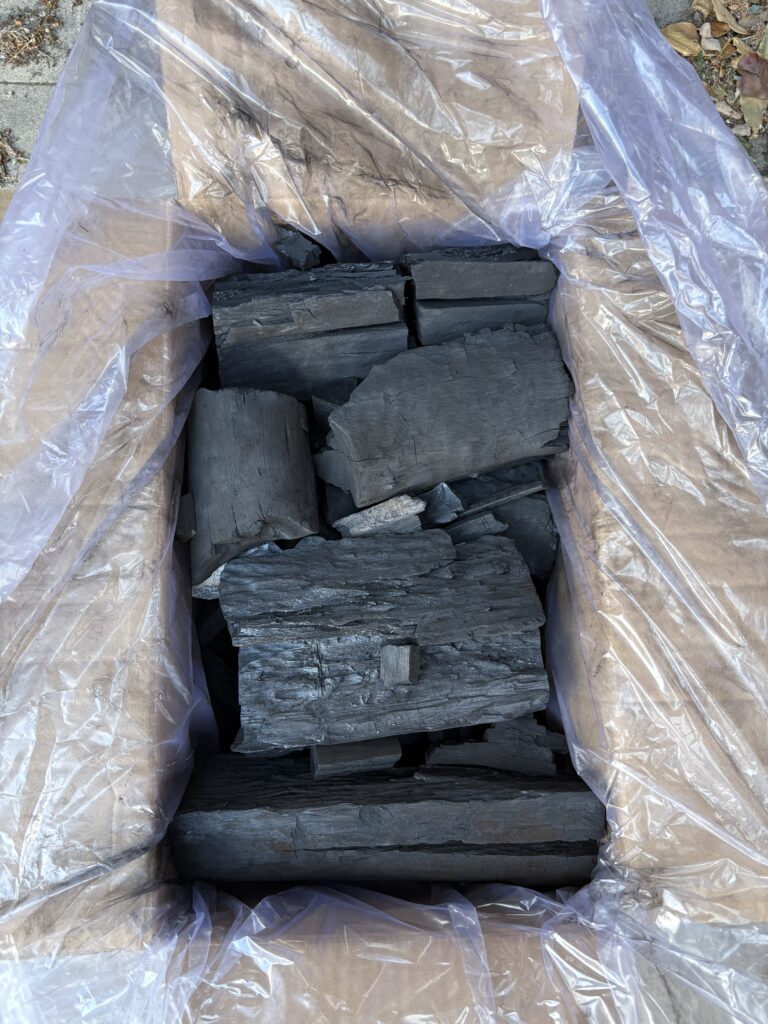
Big Ed’s is all about top-quality, long-burning charcoal, made from a mix of Eucalyptus and Mangrove wood. Each 10kg box is packed with...