
Hibachi Grill Safety Precautions: The Connoisseur’s Guide to Secure Grilling
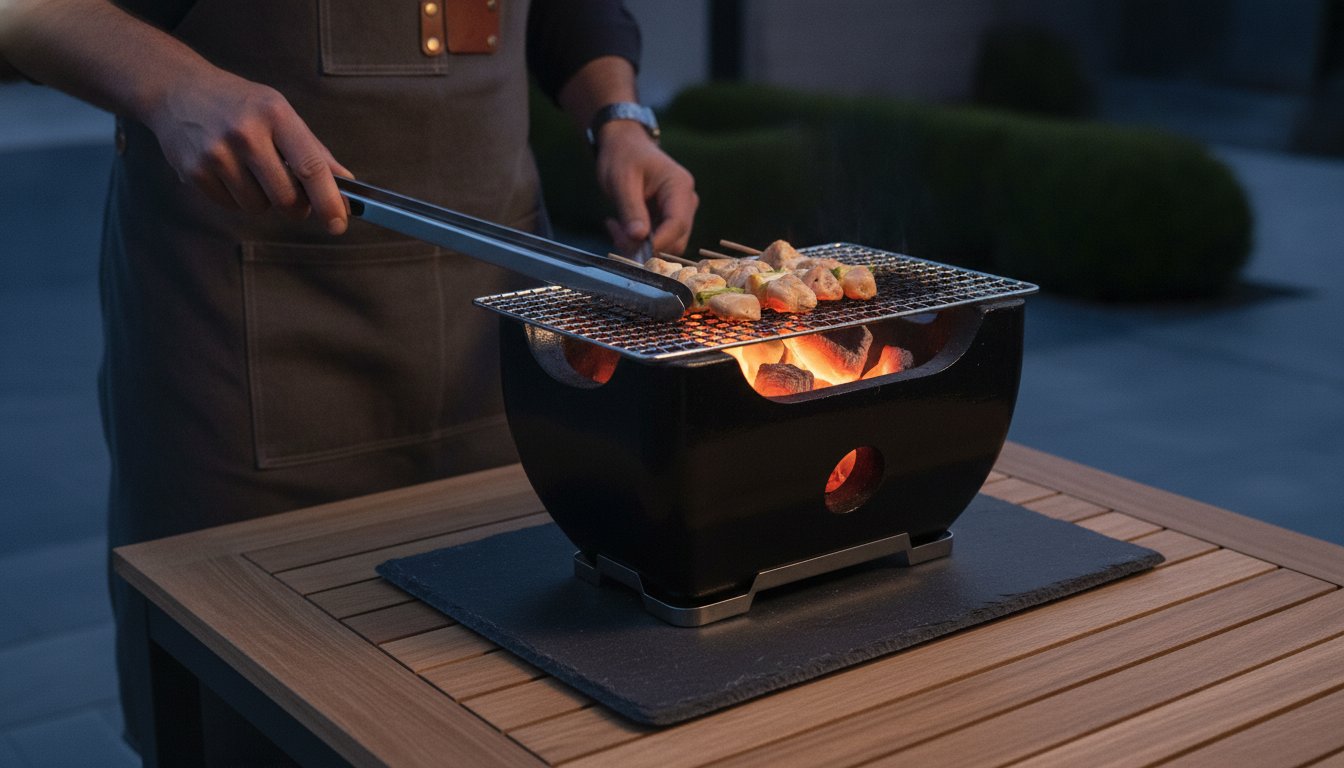
Did you know that between 2020 and 2024, U.S. fire departments responded to an average of 12,141 home fires involving grills and hibachis every single year? You’ve likely invested in a premium Japanese charcoal grill because you value the ritual of the sear and the deep, smoky profile of King Khaya charcoal. It’s natural to feel a sense of hesitation when placing a live fire at the center of your social gathering. Whether you’re worried about scorching expensive outdoor furniture or navigating the 2024 NFPA 1 code that mandates a ten foot distance from certain structures, understanding hibachi grill safety precautions is the hallmark of a true culinary connoisseur.
We believe that absolute safety is the foundation of gastronomic joy. This guide will empower you to master the art of Japanese tabletop grilling with professional protocols that protect your home, your guests, and your culinary investment. You’ll gain total confidence in your tabletop setup, learn the critical ventilation requirements for semi-enclosed spaces, and discover the precise protocol for safely extinguishing premium fuels like Binchotan once the last ember fades. Let’s transform your outdoor space into a secure, high-end retreat where precision meets peace of mind.
Key Takeaways
- Learn how the “Air Gap” principle creates a professional thermal barrier to protect your bespoke outdoor furniture from intense heat.
- Understand the science of carbon monoxide to ensure your social hub remains a safe, perfectly ventilated environment for every guest.
- Implement expert hibachi grill safety precautions to manage the unique “spit and spark” characteristics of high-carbon fuels.
- Master the “No Water” rule for post-cook care to prevent thermal shock and preserve the craftsmanship of your Japanese charcoal grill.
- Discover the art of professional fuel recovery using a Keshitsubo to safely extinguish and reuse your premium charcoal for future gatherings.
The Essentials of Hibachi Grill Safety for Outdoor Gastronomy
Stepping into the world of Japanese tabletop grilling is an elevation of your outdoor lifestyle. It’s an intimate, sensory-rich experience that brings the kitchen to the social heart of the patio. However, because the fire sits inches from your guests and your furniture, standard garden barbecue rules don’t quite cover the nuances of hibachi grill safety precautions. You aren’t just managing a grill; you’re managing a concentrated thermal tool designed for precision. Mastering this equipment requires a shift in perspective. True connoisseurs know that the integrity of the cook is only as good as the security of the environment. It’s a fire. Treat it as such. Placing safety at the forefront doesn’t diminish the joy of the sear; it protects the investment you’ve made in your home and your hardware.
Using professional-grade equipment like a genuine Hibachi Grill is the first step in responsible hosting. Cheaper imitations often lack the material density required to safely contain the intense energy of high-performance fuels. When you choose a high-quality Japanese Charcoal Grill, you’re investing in a vessel designed to handle extreme temperatures while maintaining structural stability. This “safety first, flavour second” mindset ensures that the only thing your guests remember is the exquisite texture of the wagyu, not a frantic scramble to protect a scorched tabletop.
Understanding Hibachi Thermal Dynamics
The ceramic or cast iron body of a Hibachi is more than just a container. It’s a thermal battery. Historically, the traditional Japanese heating device was used for warmth and tea preparation, but modern culinary versions are engineered for searing temperatures. These materials excel at retaining heat, which means the exterior of the grill can become just as dangerous as the glowing coals inside. Unlike a large convective BBQ that moves air around, a Hibachi relies on intense radiant heat. The primary “hot zones” are the base and the air vents. Without proper airflow and insulation, the heat can transfer directly into your table. Pairing your grill with premium fuel like Eucalyptus Binchotan ensures a cleaner burn, but the high carbon content demands even tighter control of your equipment’s thermal output.
The Pre-Light Inspection Protocol
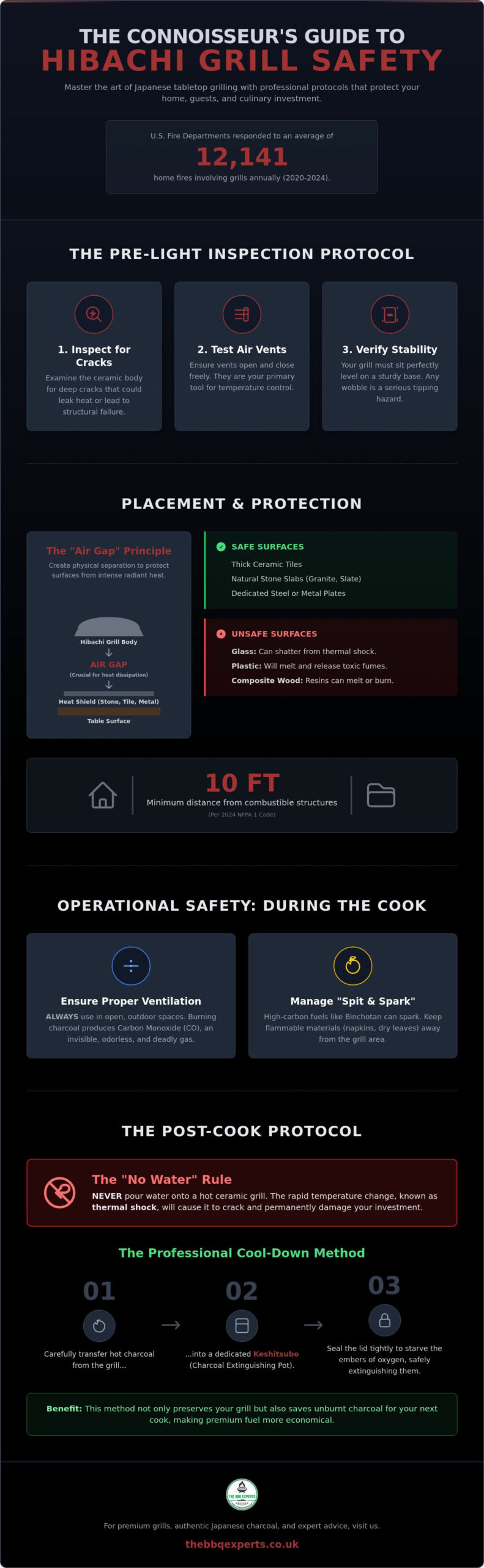
Before you ever introduce a flame, a rigorous inspection is mandatory. This is the foundation of effective hibachi grill safety precautions. Begin by examining the ceramic body for structural cracks. While small hairline fissures can be normal due to expansion, any deep cracks could lead to heat leaks or a catastrophic failure during the cook. Next, ensure the air vents move freely. These doors are your only brakes on the fire; if they’re stuck open, you lose the ability to throttle the temperature. Finally, verify the stability of the feet. A Hibachi must sit perfectly level. Any wobble is a risk, especially when guests are reaching across the table to flip their own skewers. A stable base is the difference between a refined dinner and a dangerous accident.
Selecting the Perfect Surface: Tabletop Protection and Clearance
The placement of your Hibachi is an act of preservation as much as it is a culinary choice. While the sight of a glowing Japanese Charcoal Grill at the centre of a teak table is iconic, the thermal reality is demanding. The most effective defense against heat damage is the “Air Gap” Principle. This involves creating a physical layer of separation between the grill’s base and the furniture surface. Heat doesn’t just rise; it radiates with intensity in every direction. Without a dedicated thermal barrier, even the most robust hardwoods can suffer from scorching or structural warping. Integrating hibachi grill safety precautions into your setup ensures that your refined outdoor environment remains as pristine as the day it was installed.
Material selection for your grilling station is critical. You must avoid glass, plastic, and certain composite woods at all costs. Tempered glass may seem strong, but the concentrated thermal energy from a Hibachi can cause it to shatter through thermal shock. Similarly, composite materials often contain resins that melt or off-gas when exposed to high temperatures. Instead, opt for non-combustible thermal shields like thick ceramic tiles, natural stone slabs, or dedicated steel plates. Following professional grill safety tips regarding surface protection allows you to focus on the sensory joy of the cook rather than the integrity of your table.
Protecting Premium Outdoor Furniture
Your bespoke oak or teak furniture deserves a multi-layered approach. Start with a secondary heat shield, such as a raised slate plinth, to elevate the grill. This creates a secondary air pocket that disperses heat before it reaches the wood. We also recommend using a non-combustible mat beneath the shield to catch stray sparks or micro-embers that might escape the air vents. Never place a Hibachi directly on a tablecloth or fabric runner. These materials are highly flammable and can trap heat against the table, increasing the risk of a fire. If you are unsure about the thermal compatibility of your current furniture, our team can provide bespoke advice on installation and safety.
Environmental Factors: Wind and Overhangs
Safe grilling requires a 1-metre “no-fly zone” around the grill, free from napkins, glassware, or flammable decor. Position your grill so the prevailing wind blows away from your guests; this prevents smoke and occasional sparks from interrupting the experience. Be mindful of what lies above. Low-hanging branches, parasols, and wooden pergolas are significant hazards when using high-carbon fuels. Always establish a stable, level footing. A Hibachi is heavy and holds a massive amount of thermal energy. A single tip could lead to a catastrophic event. By controlling these environmental variables, you maintain the standard of excellence that hibachi grill safety precautions demand for a high-end gastronomic gathering.
Fuel Safety and the Invisible Risks of Carbon Monoxide
There is a persistent myth that the Hibachi is a tool for the indoor dining table. This misconception stems from a misunderstanding of traditional Japanese architecture, which relied on high ceilings and sliding paper walls to facilitate constant airflow. Modern homes are engineered to be airtight for thermal efficiency. This creates a lethal environment for charcoal cooking. When you light a concentrated fuel source in a sealed room, you aren’t just cooking; you’re running a miniature chemical reactor that consumes oxygen and replaces it with toxic gases. True mastery of hibachi grill safety precautions begins with the absolute rule that these grills remain exclusively in the open air.
The science of carbon monoxide (CO) is simple but unforgiving. It’s a colorless, odorless, and tasteless gas that can overwhelm a space before you even realize it’s present. Because a Hibachi uses concentrated charcoal to achieve its signature high-heat sear, it produces CO at a sustained rate. Even when using a premium, clean-burning fuel like Big Eds Charcoal, the combustion process requires a steady stream of fresh oxygen to remain safe. Never compromise on ventilation for the sake of comfort. The raw, sensory joy of outdoor gastronomy is best enjoyed with the peace of mind that only a well-ventilated environment can provide.
The Dangers of Semi-Enclosed Spaces
Many enthusiasts believe a conservatory with open windows or a garage with the door up counts as “outdoors.” It doesn’t. These semi-enclosed spaces create “dead zones” where carbon monoxide can accumulate to dangerous levels. If you’ve designed a sheltered outdoor kitchen, a dedicated CO alarm is a non-negotiable safety addition. During a long cooking session, stay vigilant for the early signs of CO poisoning, such as a dull headache, dizziness, or sudden nausea. If anyone feels unwell, extinguish the grill immediately and move to an area with unrestricted airflow.
Choosing Safe, Professional-Grade Fuels
The integrity of your cook is directly linked to the quality of your fuel and how you ignite it. Avoid chemical accelerants and “self-lighting” bags that contain petroleum distillates. These substances don’t just ruin the delicate flavour of your food; they create unpredictable flare-ups and acrid smoke. We recommend using Natural Firelighters to gently and safely bring your coals to temperature. For those who value a steady, predictable burn, professional-grade Oak Briquettes are the gold standard. They offer a consistent density that minimizes the “spit and spark” common in lower-quality coals, ensuring your hibachi grill safety precautions are supported by the very fuel you choose to burn.
Mastering the Heat: Operational Safety During Service
The moment you transition from preparation to service, your role evolves from a chef to a thermal conductor. Operating a Japanese Charcoal Grill is a live performance where the stakes are high and the heat is concentrated. High-carbon fuels, while prized for their intense and clean burn, can occasionally exhibit a “spit and spark” behavior. This usually happens if micro-pockets of moisture are present or when rendered fat from a prime cut of wagyu hits the glowing embers. Implementing active hibachi grill safety precautions during this phase ensures the drama remains on the plate, not in the emergency room.
Safe Interaction with the Grill
Communal dining is the soul of the Hibachi experience, but it requires firm boundaries. We advocate for the “one-hand rule” for guests: use one hand to navigate your skewer while keeping the other clear of the thermal zone. It’s a simple way to prevent accidental burns during a lively conversation. Children and pets should never have access to the tabletop during service. The curiosity of a child or the sudden movement of a dog can lead to a tipped grill with devastating consequences. When you need to adjust the air vents to throttle the heat, always use a tool or a gloved hand. These metal doors can reach temperatures exceeding 300 degrees Celsius during a peak sear.
Flare-up Control and Prevention
Post-Gastronomy Care: Extinguishing and Storing Your Hibachi Safely
The final ember of the evening marks the transition from active cooking to the essential ritual of preservation. Your Japanese Charcoal Grill is a reservoir of intense thermal energy that persists long after the guests have departed. Many beginners make the catastrophic mistake of dousing their grill with water to accelerate the cooling process. This is the ultimate violation of hibachi grill safety precautions. The instantaneous temperature drop creates a violent thermal shock, leading to deep structural cracks or a complete split in the ceramic body. A true connoisseur treats their equipment with the same methodical patience required for the cook itself. Protecting your investment means allowing the unit to cool naturally while managing the remaining fuel with professional precision.
Safe disposal of ash is another area where complacency leads to risk. While the surface of the ash may appear “cool to the touch,” the insulating properties of the ceramic body can keep microscopic embers active for over 24 hours. Always assume the heart of the grill is still live. By establishing a clear protocol for the end of the night, you ensure that your outdoor sanctuary remains secure and your hardware remains in peak condition for your next gastronomic gathering.
The Safe Way to Extinguish Binchotan
High-performance fuels like Binchotan are unique because they can be extinguished and reused, provided you use the right tools. To safely stop the combustion, use long-handled tongs to move the glowing coals into an “Extinguishing Pot” or Keshitsubo. This non-combustible, airtight metal container starves the fire of oxygen, effectively “freezing” the charcoal in its current state. Once the lid is sealed, the fuel will naturally go out without the need for water. Reusing Professional Charcoal Briquettes is a hallmark of a seasoned griller who values both sustainability and the superior heat profile of premium materials. Verify the pot is completely cold before moving it to a permanent storage location.
Cleaning and Cooling Protocols
Patience is your primary safety tool during the teardown phase. You should wait at least 4 to 6 hours before attempting to move the Hibachi from its tabletop position. Even if the exterior feels approachable, the internal core can retain enough heat to ignite a plastic storage bin or cause severe burns. When you are ready to remove the ash, always use a dedicated metal bucket. Never use plastic bags or cardboard boxes. Finally, store your Hibachi in a dry, frost-free environment. Ceramic is porous; if it absorbs moisture during the winter, that water can expand and shatter the grill during your next light-up. Following these hibachi grill safety precautions ensures your specialized tools remain a durable part of your culinary legacy.
Elevate Your Culinary Ritual with Unwavering Confidence
Mastering the flame is the ultimate expression of the outdoor connoisseur. You now possess the specialized knowledge to protect your bespoke furniture through the “Air Gap” principle and ensure the well-being of your guests by prioritizing rigorous ventilation. By integrating these hibachi grill safety precautions into your routine, you move beyond the basics of barbecuing and enter the realm of true culinary precision. You understand that the ritual doesn’t end when the last skewer is served; it concludes with the patient, professional recovery of your premium fuel and the careful preservation of your grill’s structural integrity.
As a specialist UK-based retailer, we take immense pride in curating the finest tools for your outdoor sanctuary. From professional-grade Binchotan to the robust heat of Big Eds charcoal, we provide the hardware and the expert advice necessary to elevate your lifestyle status. If you are ready to upgrade your equipment or require tailored guidance on creating a secure, high-end grilling environment, connect with our specialists today. Step out to your patio with total peace of mind, light your glowing embers, and enjoy the raw, sensory joy of a perfect sear.
Expert Guidance on Hibachi Safety
Can I use a Hibachi grill indoors if I open all the windows?
No, you must never use a Hibachi grill indoors, regardless of whether the windows are open. Modern homes are engineered for thermal efficiency and lack the massive airflow required to safely disperse carbon monoxide. These grills are designed exclusively for outdoor environments where natural ventilation prevents the accumulation of toxic, odorless gases. Safety is a non-negotiable element of the refined grilling ritual.
What is the safest surface to put a Hibachi grill on?
The safest surface is a non-combustible thermal barrier such as a thick stone slab, ceramic tile, or a dedicated steel plate. These materials create an essential shield that protects your furniture from intense radiant heat. Always ensure your chosen surface is perfectly level. This prevents the grill from shifting or tipping when guests are interacting with the communal cooking zone.
How do I stop my Hibachi grill from sparking and spitting?
You can significantly reduce sparking by using premium, high-density fuels like Eucalyptus Binchotan or King Khaya charcoal. Sparking and spitting are usually caused by moisture pockets or chemical impurities found in lower-quality, budget coals. Selecting professional-grade fuel ensures a steady, predictable burn that maintains the integrity of your cooking environment and protects your guests’ attire.
Is it safe to use water to put out a Hibachi grill?
No, using water to extinguish your grill is dangerous and will likely cause permanent structural damage. The instantaneous temperature drop creates thermal shock, which can shatter the ceramic body or crack cast iron components. To safely end your session, use an airtight metal extinguishing pot to starve the embers of oxygen without risking a steam explosion or hardware failure.
How far away should guests sit from a tabletop Hibachi?
Guests should sit at a distance that allows them to reach the grill with long-handled tongs while keeping their torso at least 30cm away from the unit. Establishing this physical “guest safety zone” is one of the most vital hibachi grill safety precautions for a social gathering. It ensures everyone can enjoy the sensory joy of the cook without accidental contact with the hot exterior.
Can I use regular supermarket charcoal in a Hibachi grill safely?
While you can physically light supermarket charcoal, it’s not recommended for a high-end Hibachi experience. These products often contain petroleum-based accelerants that produce acrid smoke and unpredictable flare-ups. For a safer and more authentic sear, we recommend professional-grade Oak Charcoal or Briquettes. These fuels provide the consistent, clean heat that premium Japanese grills were engineered to manage.
What should I do if my Hibachi grill starts a grease fire?
If a grease fire starts, immediately close the air vents to cut off the oxygen supply to the flames. If your grill setup includes a non-combustible lid, place it firmly over the grate to smother the fire. Never use water, as it will cause the burning fat to splash and expand violently. Managing these moments with composure is the mark of a seasoned outdoor connoisseur.
How long does it take for a Hibachi grill to cool down completely?
It typically takes between 4 and 6 hours for a Hibachi to reach a safe handling temperature. The dense ceramic material acts as a thermal battery, retaining significant heat long after the visible coals are extinguished. Adhering to these hibachi grill safety precautions means waiting until the base is cold to the touch before moving the unit into its protective storage area.
Disclaimer
This article was produced with AI assistance. We use AI and Third Parties to help deliver more content to our BBQ website and community, but we always aim to ensure accuracy and quality as much as we can. If you spot anything that doesn't seem right, we'd love to hear from you

Recent News & Updates

Our Story, Values and Beliefs
Here at the BBQ experts we have a passion for BBQ food, outdoor living and spending time with family and friends. We offer you; A...
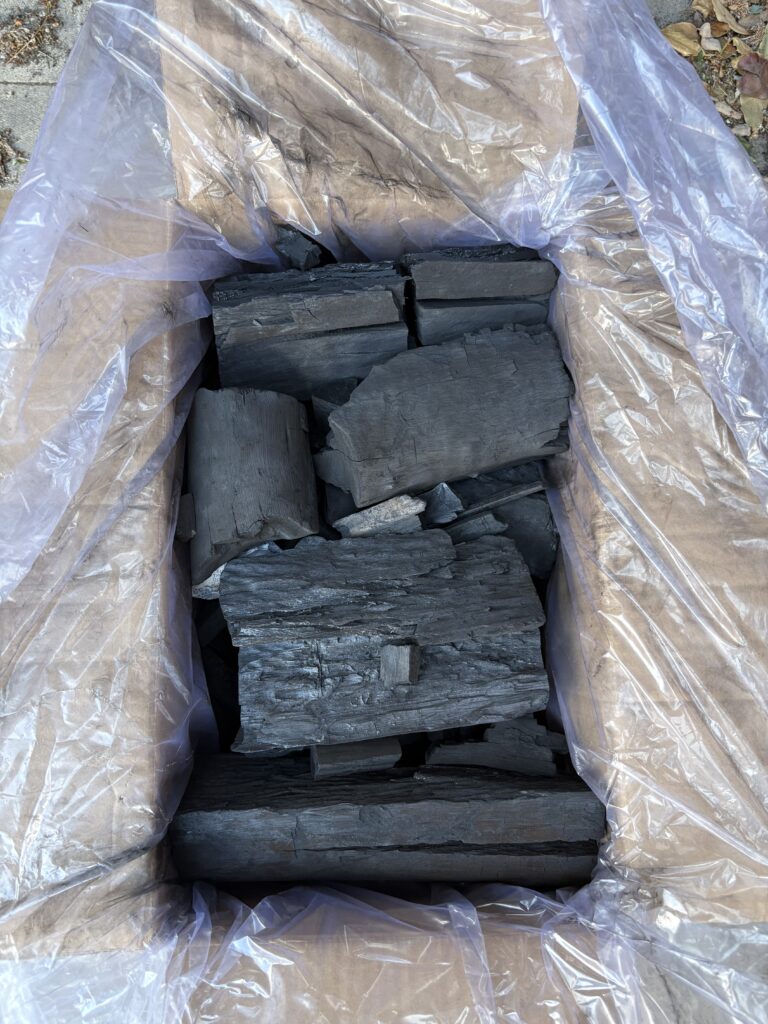
FAQ: Why does Big Ed’s Charcoal have a mix of big and small lumps?
Big Ed’s is all about top-quality, long-burning charcoal, made from a mix of Eucalyptus and Mangrove wood. Each 10kg box is packed with...