
Hibachi Grill Maintenance Tips: Preserving the Soul of Your Japanese Grill
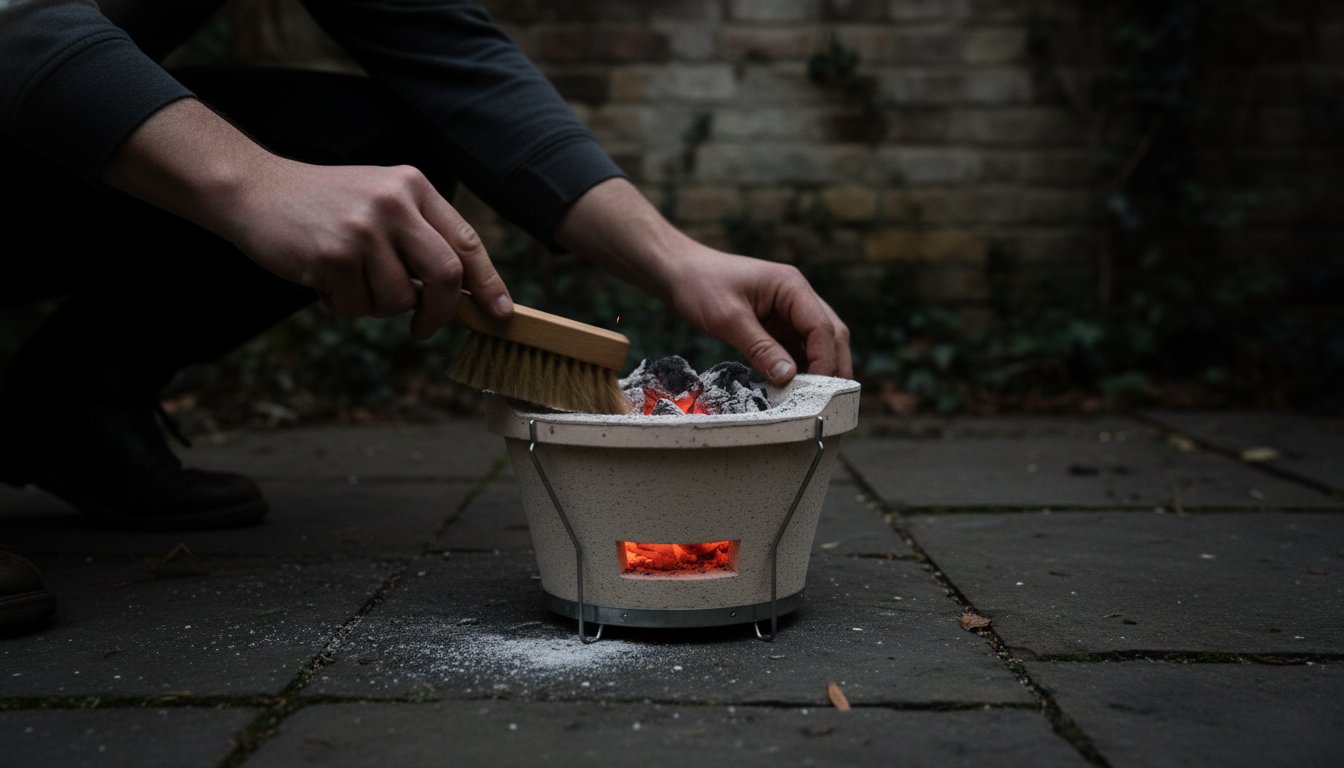
A Japanese Hibachi grill is not merely a piece of hardware; it is a precision instrument that breathes with the fire you build inside it. Treating it like a standard metal barbecue is the quickest way to compromise its structural integrity. If you’ve ever hesitated before cleaning for fear of cracking the delicate diatomaceous earth, you understand that this equipment requires a connoisseur’s touch. Mastering specific hibachi grill maintenance tips is the only way to preserve the soul of your cooker and ensure its legendary thermal performance remains intact for decades.
We know you value the clean, evocative flavours that only high-quality fuels like Big Eds Charcoal or King Khaya Charcoal can produce. You want a pristine cooking surface that’s ready for the next gathering without the frustration of stubborn ash or moisture damage. This guide will teach you the art of Hibachi care, from sophisticated soot removal techniques to the secrets of moisture management. You’re about to transform a maintenance chore into a rewarding ritual that protects your investment and elevates every dish you serve.
Key Takeaways
- Protect the intricate porous structure of your grill’s diatomaceous earth to preserve the unparalleled heat retention that defines Japanese gastronomy.
- Prevent irreversible thermal shock by adopting a patient, natural cooling protocol and utilizing gentle tools for meticulous ash management.
- Safeguard your investment against the silent threat of humidity with strategic storage solutions designed for the unique challenges of the British environment.
- Master essential hibachi grill maintenance tips that preserve the aesthetic brilliance of your hardware while ensuring consistently clean, smoky flavours.
- Simplify your cleaning ritual by selecting high-purity fuels like Big Eds Charcoal or King Khaya Charcoal to minimize soot and residue.
The Art of Hibachi Maintenance: Why Material Integrity Matters
The traditional Japanese hibachi is a masterpiece of thermal engineering. Unlike the mass-produced stainless steel units found in big-box retailers, a genuine Japanese Charcoal Grill is often crafted from diatomaceous earth. These fossilised remains of tiny aquatic organisms don’t just form a casing. They create a living, breathing insulator. Its porous structure is designed to trap and reflect heat with surgical precision. This allows you to achieve incredible searing temperatures while using significantly less fuel. Understanding these unique properties is the foundation of all effective hibachi grill maintenance tips.
Maintaining this material is about protecting the soul of the grill. Over years of use, the ceramic body develops a seasoned character, absorbing the essence of your cooks. This contributes to the umami of your outdoor kitchen environment. There’s a fine line between a well-loved patina and structural degradation. Proper care ensures the heat distribution remains uniform. It prevents cold spots that can ruin a delicate wagyu skewer or a perfectly timed yakitori session.
Diatomaceous Earth vs. Metal Grills
Metal grills are forgiving. You can scrub them with wire brushes or douse them in chemical degreasers without much thought. Your hibachi demands a more sophisticated, dry-only philosophy. Because diatomaceous earth is highly absorbent, moisture is its primary antagonist. Water trapped in the pores can expand during heating, leading to catastrophic failure. You might notice fine, hairline fractures on the surface after a few cooks. These are often healthy heat cracks, a natural result of the material expanding. They differ from structural failures, which appear as wide, deep gaps that compromise the grill’s ability to hold its shape.
The Consequences of Neglect
Ash is more than just a byproduct. It’s a hygroscopic material that actively pulls moisture from the air. If you leave residual ash sitting in the belly of your grill, you’re inviting dampness into the ceramic core. This accelerates material degradation and can lead to a musty smell that taints your food. Soot buildup also acts as an unintended insulator in the wrong places. It creates an uneven cooking surface and can impart bitter, acrid notes to your ingredients. A clean, well-maintained grill provides a predictable environment for high-heat searing. When you use premium fuels like Big Eds Charcoal, the lack of impurities makes your maintenance routine much simpler. Consistent care isn’t just about aesthetics. It’s about culinary precision.
The Post-Fire Protocol: Immediate Steps for Long-Term Excellence
The sizzle of the final yakitori skewer marks the beginning of the most critical phase for your equipment. While it’s tempting to retreat indoors with your guests, the immediate post-cook period defines the lifespan of your Japanese Charcoal Grill. These hibachi grill maintenance tips focus on the transition from high-heat performance to a stable state of rest. By respecting the cool-down process, you protect the structural integrity of the ceramic and ensure your next culinary session is just as precise as the last. Adhering to these post-cook hibachi grill maintenance tips ensures your equipment remains as formidable as the day you first fired it up.
Mastering the Cooling Phase
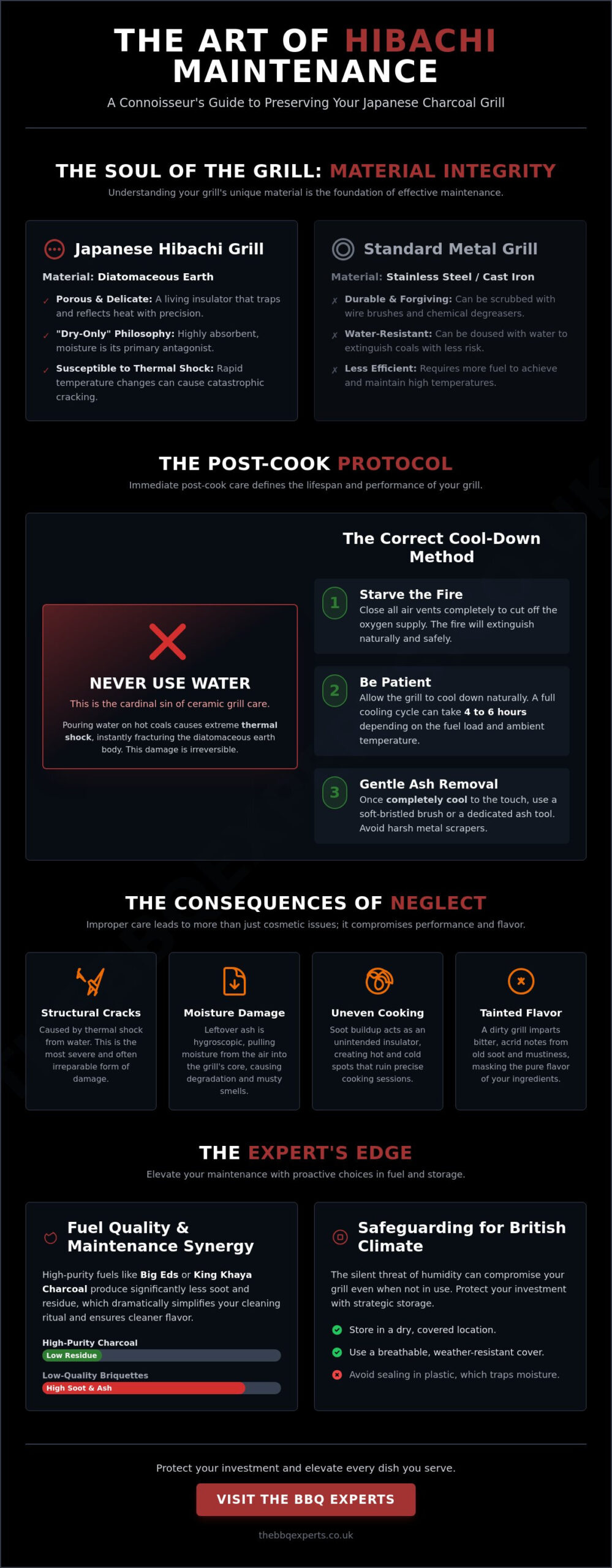
Never use water to extinguish your charcoal. This is the cardinal sin of ceramic grill care. Diatomaceous earth is an exceptional insulator but suffers from extreme thermal shock when faced with rapid temperature drops. Pouring water onto hot coals inside the unit can cause the body to fracture instantly, turning a premium tool into a collection of shards. Instead, close the air vents completely to starve the fire of oxygen. If you’re following standard grilling safety tips, you’ll know that a controlled, gradual descent in temperature is the safest method for both the user and the hardware. For a typical 2026-standard high-heat session, expect a full cooling cycle to take between 4 to 6 hours depending on the ambient temperature and the volume of fuel used.
Ash Management and Grate Care
Your stainless steel grates benefit from cleaning while they still hold residual warmth. Use a brass brush to gently remove carbonised food particles before they fully harden. Brass is softer than stainless steel; this choice prevents metallic contamination and ensures you don’t create microscopic scratches where bacteria can thrive. Finally, inspect your air vents with a keen eye. Ensure no small fragments of Big Eds Charcoal or ash have wedged into the sliding mechanisms. Clear, unobstructed vents are the secret to the precise temperature control required for delicate seafood or high-heat searing. If you have questions about specific tools for your setup, feel free to reach out to our connoisseurs for tailored advice.
Deep Cleaning Techniques: Restoring Your Hibachi’s Brilliance
Restoring a Hibachi to its peak aesthetic and functional state is a meditative process. It’s about more than hygiene; it’s about respecting the craftsmanship of your Japanese Charcoal Grill. While daily care keeps the fire burning, a periodic deep clean ensures your setup remains the centerpiece of your outdoor sanctuary. These advanced hibachi grill maintenance tips will help you navigate the delicate balance between removing stubborn carbon and protecting the porous ceramic body from damage.
The exterior frame of a premium Hibachi often features metal accents or specialized coatings that require a gentle touch. Use a dry microfiber cloth to buff away dust and light soot after every few uses. For organic grease buildup around the rim, where oils from yakitori skewers often accumulate, use a slightly damp cloth with extreme caution. Never allow moisture to saturate the diatomaceous earth. If a spot is particularly stubborn, a specialized cleaning stone or a piece of fine-grit sandpaper can gently lift the residue without the need for liquid agents that could compromise the insulation.
The ‘Dry’ Deep Clean Ritual
Internal restoration is where the true connoisseur distinguishes themselves. When carbon deposits begin to glaze the interior walls, they can interfere with the grill’s natural breathability and thermal efficiency. Use 400-grit sandpaper to lightly sand the interior surface. This process removes the glassy layer of soot and exposes fresh ceramic, restoring the material’s ability to reflect heat with surgical precision. Chemical degreasers are the enemy here. Their residues can leach into the porous earth and release toxic fumes during your next cook, compromising both the safety and the pure flavour profile you’ve worked so hard to curate. Using high-purity Bincho Professional Charcoal reduces the frequency of these deep cleans by burning cleaner and leaving less residue behind.
Grate Restoration and Seasoning
Metal grates are the only components that should ever see a deep soak. Remove them from the Hibachi body and submerge them in warm, soapy water to loosen persistent proteins. Once clean, dry them immediately and thoroughly. Apply a thin, even coat of a neutral, high-smoke-point oil to create a protective barrier against the British humidity. This prevents rust and ensures a non-stick surface for your next high-searing session. Inspect your grates for signs of professional fatigue. If you notice significant warping or deep pitting that compromises the structural strength, it’s time to invest in a replacement to maintain your standard of culinary excellence. These hibachi grill maintenance tips are designed to keep your equipment in showroom condition for years to come.
Safeguarding Your Investment: Storage for the British Climate
British weather is the ultimate test of your equipment’s longevity. While your Japanese Charcoal Grill is a masterpiece of heat retention, it’s remarkably vulnerable to the ambient dampness of our climate. Humidity is the silent killer of ceramic grills. Diatomaceous earth is naturally hygroscopic, which means it greedily absorbs moisture from the surrounding air. If you ignore these hibachi grill maintenance tips during the wetter months, you risk discovering structural cracks or persistent mould when the spring sun finally emerges. Preservation is a proactive ritual that ensures your outdoor sanctuary is always ready for a spontaneous gathering.
Choosing the right environment for storage is a decision of surgical precision. A garden shed might seem like a logical sanctuary, but these timber structures often suffer from poor insulation and high condensation levels. A dry, ventilated garage or an internal utility room is far superior. To provide an extra layer of protection, place your grill inside a sturdy plastic bin alongside several large silica gel packets. This creates a controlled micro-climate that wicks away lingering moisture before it can penetrate the ceramic walls. It’s a small investment in time that pays dividends in material integrity.
Indoor vs. Outdoor Storage Strategies
Leaving your Hibachi uncovered in a British garden is an invitation for disaster. Even on a clear summer night, dew can settle into the porous material, leading to internal dampness that compromises the next fire. Establishing a dedicated ‘winter station’ in a climate-controlled area is the mark of a true connoisseur. Airflow is equally vital during this period of rest. If you seal the grill too tightly without any breathability, you risk fostering mould growth in the dark, damp interior. Ensure there’s a small gap for air to circulate, keeping the ceramic sweet and neutral.
Protective Accessories
A bespoke, heavy-duty cover is your first line of defence against dust and ambient damp. Look for weather-resistant fabrics that offer a degree of breathability to prevent condensation buildup underneath the skin. When you finally break the winter fast, using Natural Firelighters ensures a clean, odourless start without introducing chemical moisture to the cold ceramic. Before your first cook of the season, follow this 5-point inspection checklist:
- Examine the body for new hairline fractures or damp-to-the-touch spots.
- Inspect the air vents for spider webs or debris that could hinder airflow.
- Ensure the stainless steel grates are free from surface oxidation or residue.
- Verify that the interior smells clean and free from mustiness.
- Test the sliding doors to ensure they move with smooth, unhindered operation.
Adhering to these hibachi grill maintenance tips ensures your equipment remains a reliable partner for your culinary adventures. If you need advice on the best storage solutions for your specific setup, reach out to our expert team for professional guidance.
The Expert’s Edge: Fuel Quality and Maintenance Synergy
Culinary excellence is never an accident. It’s the result of a deliberate synergy between your equipment, your technique, and the fuel you choose to ignite. Most enthusiasts view cleaning as a reactionary chore, yet the most effective hibachi grill maintenance tips actually begin before you even strike a match. By selecting high-purity fuels and refined ingredients, you significantly reduce the physical toll on your hardware. This proactive approach ensures your Japanese Charcoal Grill remains a precision instrument rather than a burdened workhorse. Purity in the fire leads to longevity in the frame.
Choosing High-Performance Fuel
The relationship between fuel quality and material degradation is absolute. Standard supermarket briquettes often contain fillers and binders that produce a thick, acrid soot. This residue clings to the porous interior of your Hibachi, requiring aggressive cleaning that can wear down the ceramic. In contrast, Big Eds Charcoal is superior for maintaining a clean, consistent burn that leaves minimal chemical trace. For the ultimate maintenance-free experience, Professional Binchotan is the gold standard. Its incredibly high carbon density produces almost zero smoke and negligible ash. This lack of impurity protects the internal walls from excessive thermal expansion and prevents the “glazing” effect that hinders heat reflection. High-density fuels burn with a steady, radiant glow that is far kinder to your grill’s structural integrity than the erratic, flickering flames of lesser coals.
Flavour Preparation and Cleanliness
Your choice of seasoning also dictates your cleaning workload. Sugary marinades and heavy sauces are notorious for dripping onto the grates and the ceramic body, creating carbonised “hot spots” that are difficult to remove. We recommend using low-sugar, high-impact blends like the Angus & Oink range. These rubs provide explosive flavour profiles without the sticky residue that causes grate flare-ups. To maintain your edge, organise a dedicated maintenance kit containing a soft brass brush, a fine-grit sanding block, and several lint-free cloths. Having these tools at hand transforms maintenance from a looming task into a seamless part of your cooking ritual.
Cultivate Your Culinary Legacy
Mastering the fire is only half the journey. The true connoisseur understands that the longevity of their Japanese Charcoal Grill depends on a commitment to material preservation. By respecting the delicate nature of diatomaceous earth and adhering to a strict dry-cleaning ritual, you ensure your equipment remains a reliable partner for years to come. These hibachi grill maintenance tips aren’t just chores; they’re the essential rituals that safeguard your investment and guarantee the purity of every dish you serve.
As a specialist UK retailer of high-performance hardware, we take pride in our expert curation of professional-grade seasonings and fuels. Whether you require the precise heat of Binchotan or the bold character of our Angus & Oink Rubs, we support your journey with national delivery on premium charcoal pallets. Don’t let the British climate compromise your craft. Take the next step in your gastronomic evolution and ensure your outdoor kitchen remains the primary social hub of your home.
Elevate your outdoor cooking with our professional Hibachi range and premium fuels. Your journey toward outdoor perfection starts with the right tools and the knowledge to keep them at their peak.
Frequently Asked Questions
Can I use water to clean my Hibachi grill?
No, you must never use water to clean the body of a traditional Japanese Charcoal Grill. Diatomaceous earth is highly porous and will absorb liquid like a sponge. This trapped moisture expands rapidly when heated, which leads to catastrophic cracking and structural failure. Stick to dry cleaning methods to protect your investment.
What should I do if my Hibachi develops small cracks?
Small hairline cracks are a natural result of thermal expansion and shouldn’t cause alarm. These fine lines often appear after the first few high-heat sessions as the material settles. You only need to worry if the cracks become wide enough to allow heat to escape or if the body feels unstable during use.
How often should I deep clean my Japanese charcoal grill?
Deep cleaning is usually necessary every 10 to 15 cooking sessions, depending on the fuel you use. If you consistently use high-purity Binchotan, you’ll notice significantly less soot buildup. Following regular hibachi grill maintenance tips, such as immediate ash removal, will extend the time between these more intensive restoration rituals.
Is it safe to leave my Hibachi outside during a British winter?
Never leave your Hibachi exposed to the British winter elements, even with a cover. Our high humidity levels are the primary enemy of ceramic materials. Persistent dampness can lead to internal mould growth and weakens the structural integrity of the grill. Always store your unit in a dry, ventilated indoor space like a garage.
What is the best tool for removing ash from a ceramic grill?
A soft-bristled paintbrush or a dedicated ash tool with a flat head is the most effective choice. These tools allow you to clear the base and corners without gouging the delicate inner lining. Avoid using metal scrapers or wire brushes on the ceramic body, as they can cause permanent surface damage.
How do I prevent my Hibachi grates from rusting?
Preventing rust requires immediate attention after every cook. Once you’ve cleaned the metal grates, dry them thoroughly with a lint-free cloth. Apply a thin, even coat of a neutral oil to create a protective barrier against the air. This simple step is one of the most effective hibachi grill maintenance tips for preserving your stainless steel components.
Can I use regular supermarket charcoal in my Hibachi?
You can, but it’s not recommended for a professional-grade experience. Supermarket charcoal often contains chemical binders and fillers that produce excessive ash and acrid smoke. These impurities can foul the porous ceramic of your grill. Stick to premium options like Big Eds Charcoal to ensure a clean burn and superior flavour.
Why does my Hibachi smell like old fat when I light it?
This unpleasant scent indicates that organic oils and grease have saturated the pores of the ceramic. It usually happens when drippings from fatty meats aren’t cleared away. To fix this, perform a “dry” deep clean by lightly sanding the interior walls with fine-grit sandpaper to remove the tainted surface layer.
Disclaimer
This article was produced with AI assistance. We use AI and Third Parties to help deliver more content to our BBQ website and community, but we always aim to ensure accuracy and quality as much as we can. If you spot anything that doesn't seem right, we'd love to hear from you

Recent News & Updates

Our Story, Values and Beliefs
Here at the BBQ experts we have a passion for BBQ food, outdoor living and spending time with family and friends. We offer you; A...
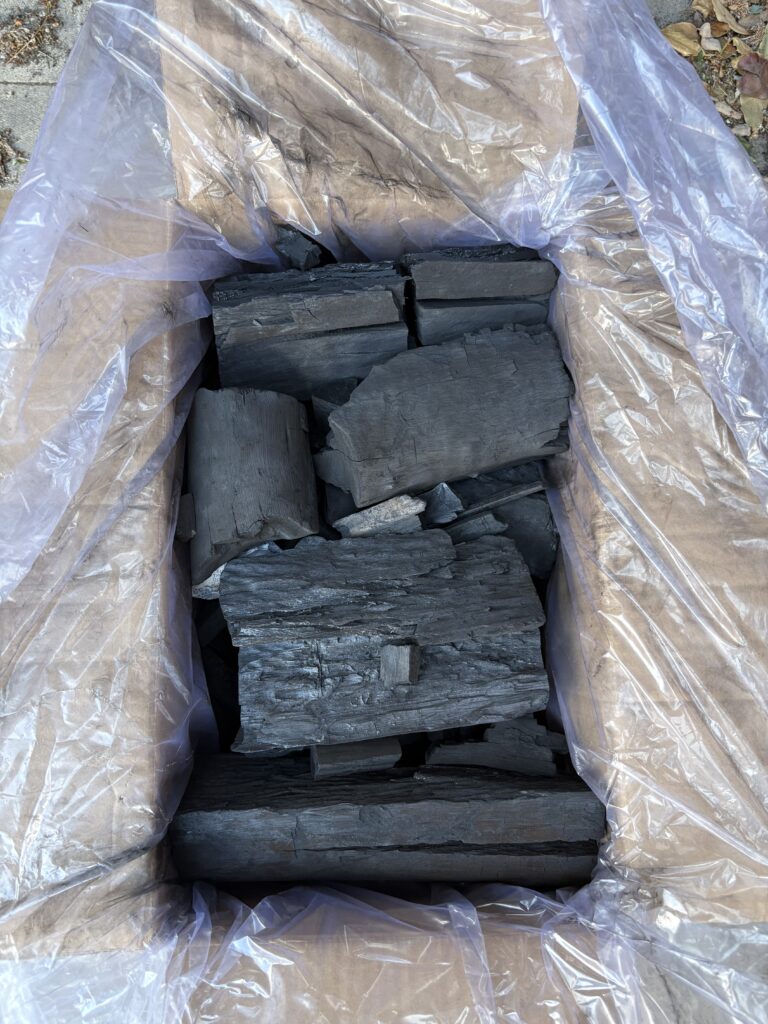
FAQ: Why does Big Ed’s Charcoal have a mix of big and small lumps?
Big Ed’s is all about top-quality, long-burning charcoal, made from a mix of Eucalyptus and Mangrove wood. Each 10kg box is packed with...