
Can You Use a Hibachi Grill Indoors? Safety, Risks, and Expert Advice for 2026
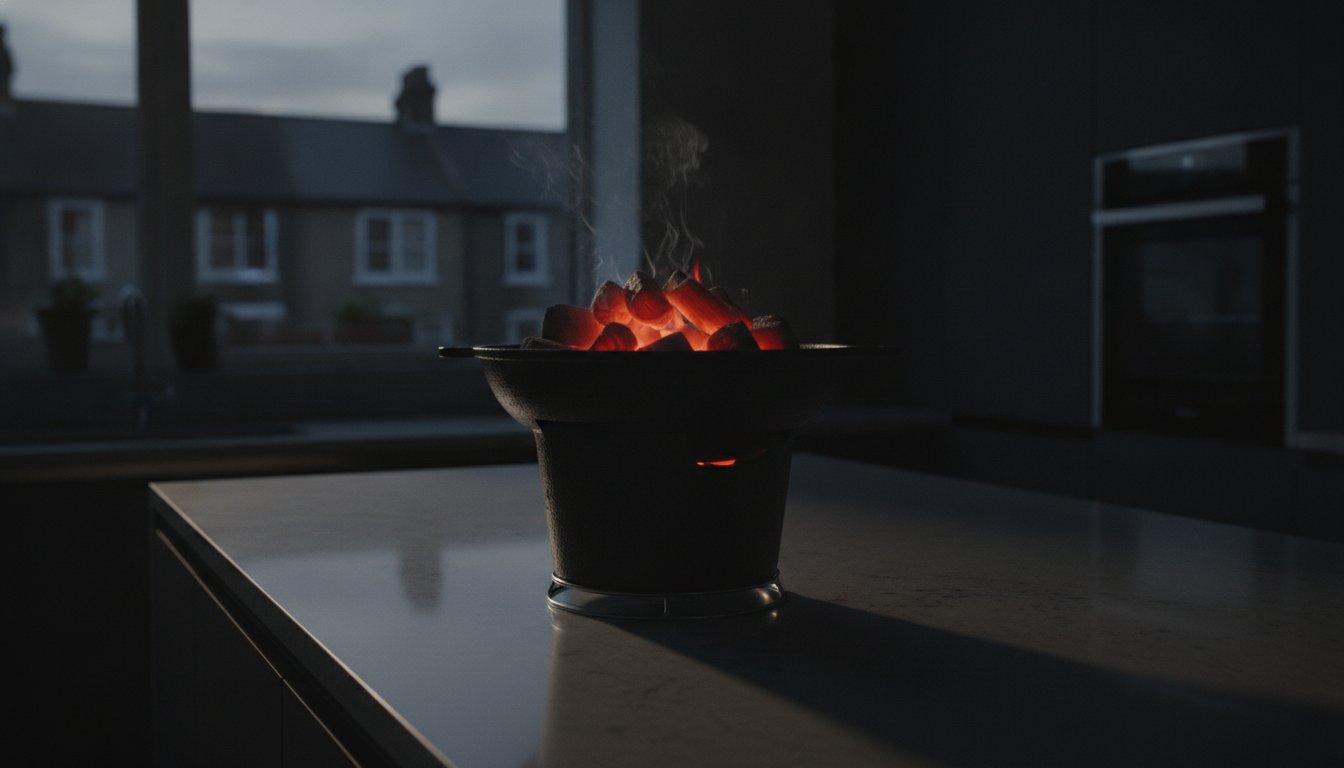
You’ve seen the mesmerizing theater of a chef searing wagyu over a table-top flame and wondered if you could recreate that intimacy in your own dining room. It’s a tempting vision for any connoisseur, especially when the allure of high-end gastronomy calls but outdoor space is limited. However, the question of whether can you use a hibachi grill indoors isn’t just about culinary technique; it’s a matter of fundamental safety. While the raw, sensory joy of charcoal is unparalleled, bringing a traditional unit inside creates a silent, invisible threat that standard home ventilation simply cannot handle.
We share your passion for the craft, but we also value the precision and care that define a true master. It’s easy to feel confused by “smokeless” marketing claims or the difference between electric appliances and authentic charcoal vessels. This guide strips away the myths to provide clear, expert guidance on the specific risks of carbon monoxide, which accounts for 10% of non-fire carbon monoxide deaths annually. You’ll discover the critical safety facts regarding the 2024 NFPA fire codes and the sophisticated alternatives that allow you to achieve professional-grade results without compromising the safety of your sanctuary.
Key Takeaways
- Get a clear, authoritative answer to the question: can you use a hibachi grill indoors, while uncovering the hidden dangers of carbon monoxide in enclosed spaces.
- Dispel the dangerous “smokeless” myth surrounding Binchotan charcoal and learn why even the purest fuels require the vastness of the outdoors.
- Master the preparation process for an authentic outdoor ritual, ensuring your surfaces are secure and your fire is started with clean, natural firelighters.
- Discover why professional-grade Hibachi hardware is the essential bridge between simple home cooking and the precision of a seasoned connoisseur.
- Envision your exterior space as a transformed social hub where the raw power of fire and high-end craftsmanship meet to create unforgettable gastronomy.
Understanding the Hibachi Tradition: Is Indoor Grilling Safe?
The authentic Hibachi is a masterpiece of minimalist design, a traditional Japanese heating device that evolved into a high-precision tool for searing. At its core, it’s a portable, open-topped container fueled by high-grade charcoal. It’s designed to concentrate intense heat directly beneath a grate, turning a simple piece of protein into a charred, succulent delicacy. The craftsmanship of these units allows for an incredibly efficient burn, but it’s important to recognize that their design assumes a constant flow of fresh air.
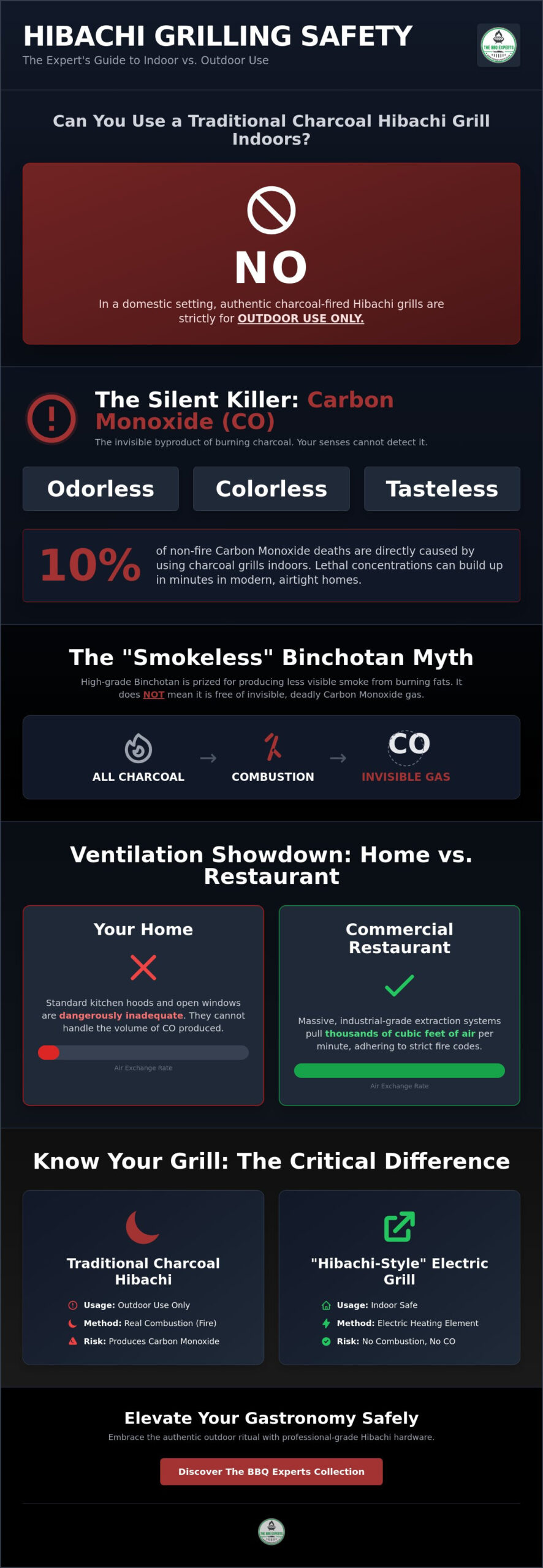
Many enthusiasts ask, can you use a hibachi grill indoors to recreate the magic of a Japanese steakhouse? The immediate, non-negotiable answer for home cooks is no. Traditional charcoal-fired Hibachi grills are strictly for outdoor use in domestic settings. While modern electric “Hibachi-style” appliances exist for kitchen counters, they are fundamentally different machines. They use heating elements rather than combustion, lacking the transformative power of live fire and the specific risks that come with it. An authentic charcoal grill is a vessel for outdoor gastronomy, not a kitchen gadget.
The sensory joy of open-fire cooking is a visceral experience. The crackle of the coals and the aroma of searing fat are central to the ritual. However, this raw gastronomy requires the safety of an open-air environment. Bringing this process inside isn’t just about the smell; it’s about how fire interacts with your home’s atmosphere. A true connoisseur respects the tool enough to use it where it performs best: under the open sky.
The Appeal of the Tabletop Grill
The allure of communal grilling is powerful. Placing a compact grill in the center of a table turns a meal into a shared event where guests participate in the creation of their food. Because these units look so small and manageable, they often create a false sense of security. You might assume their size makes them suitable for a kitchen table, but size doesn’t change the chemistry of charcoal. Outdoor gastronomy is about embracing the elements. Indoor meal prep is about containment. A true connoisseur understands that the most refined results happen when the setting matches the tool’s requirements.
The “Restaurant Exception” Explained
You might wonder how professional chefs grill right in front of you at a teppanyaki bar. These commercial spaces operate under rigorous fire safety and industrial-grade ventilation codes. They utilize massive extraction systems that pull air at thousands of cubic feet per minute, far exceeding anything found in a residential kitchen. A standard domestic window or a decorative cooker hood cannot handle the concentrated carbon monoxide produced by burning charcoal. In a home, those gases linger; in a professional kitchen, they’re gone in seconds. Without that heavy-duty engineering, the risk is simply too high.
The Carbon Monoxide Factor: Why Charcoal and Indoor Spaces Do Not Mix
When you ignite a bed of premium charcoal, you’re engaging with a primal force of nature. While the visible smoke is part of the sensory allure, it’s the invisible byproduct that demands your respect. Carbon monoxide (CO) is often called the “silent killer” for a reason. It’s a gas produced by the incomplete combustion of carbon-based fuels like charcoal, and unlike the aromatic smoke from seared fats, it’s entirely odourless, colourless, and tasteless. Many home enthusiasts mistakenly believe that if they don’t see a cloud of smoke, the air remains safe, leading them to ask: can you use a hibachi grill indoors? The reality is that your senses are physically incapable of detecting CO until it’s too late.
The physics of air exchange in a modern home works against you. Unlike the draughty, open structures of historical Japan, our contemporary living spaces are designed to be airtight for energy efficiency. In a standard-sized dining room, charcoal combustion can quickly reach lethal concentrations of odourless combustion gases within minutes. This isn’t just a theoretical concern; indoor charcoal use accounts for 10% of non-fire carbon monoxide deaths. Beyond the gas, the sheer intensity of the heat is a factor. A Hibachi is designed to reach incredible temperatures, and in a kitchen or dining area, that radiant energy can easily ignite nearby curtains, wooden cabinets, or even the table surface itself.
The Science of Charcoal Combustion
Charcoal’s most deceptive trait is that it continues to emit high levels of CO long after the visible flames have vanished. Even when the coals are just a soft, glowing orange, they’re still actively consuming oxygen and releasing toxins. A common mistake is bringing a grill inside to “cool down” after an outdoor session, thinking the danger has passed. In an enclosed space, the diminishing supply of oxygen forces the charcoal to undergo incomplete combustion, transforming the air from life-sustaining oxygen into toxic carbon monoxide. This invisible process continues until the fuel is completely extinguished and cold to the touch.
Symptoms of CO Exposure
Recognizing the early warning signs of CO poisoning is vital, though they’re notoriously easy to mistake for something else. Headaches, dizziness, and nausea are the most frequent indicators, often feeling like a sudden onset of the flu. You should never rely on “feeling fine” as a metric for safety while grilling. CO binds to your blood more effectively than oxygen, meaning you can become incapacitated before you realize you’re in trouble. If you’re passionate about the craft of live-fire cooking, we recommend installing an audible CO alarm in your home and keeping your Hibachi rituals strictly in the fresh air. If you’re unsure about how to set up a safe outdoor culinary space, our team is always ready to provide expert guidance on the best hardware for your lifestyle.
Binchotan and the Smokeless Myth: Professional vs. Home Use
Binchotan is the undisputed sovereign of charcoal, a fuel so pure and dense it represents the pinnacle of live-fire mastery. Traditional Japanese artisans have refined this white charcoal for centuries, creating a product that burns with a steady, crystalline heat and almost zero visible smoke. This unique property is exactly why elite chefs favor Bincho Professional Charcoal for high-end outdoor gastronomy. However, this lack of smoke often leads to a dangerous misconception for the home enthusiast. People see the absence of a grey cloud and assume the air remains pristine, leading them to ask: can you use a hibachi grill indoors if you use the right fuel?
The answer remains a firm no. You must understand that “smokeless” is not a synonym for “carbon monoxide-free.” In fact, high-density fuels like Binchotan require even more oxygen to achieve safe, complete combustion than lighter charcoals. When oxygen is plentiful in an open-air environment, the burn is efficient. In the stagnant air of a kitchen or living room, the combustion becomes incomplete, silently flooding the space with lethal toxins. Scientific research into the dangers of grilling in enclosed areas confirms that even high-purity fuels can reach toxic concentrations in minutes. The beauty of Binchotan is designed for the theater of the terrace, not the confines of the dining room.
The Role of Airflow in Charcoal Performance
A Hibachi grill is a precision instrument that breathes through its vents. These openings allow you to control the temperature by managing the oxygen flow to the heart of the fire. Stagnant indoor air creates a suffocating environment for the coals. This restricted airflow leads to poor grill performance, uneven heat, and a significantly higher output of carbon monoxide. For those seeking a consistent, luxurious outdoor heat profile, Oak Briquettes provide an excellent alternative, offering the steady thermal distribution required for professional-grade results without the unpredictability of indoor experimentation.
Why Quality Fuel Matters
The choice of fuel is the most critical decision a connoisseur makes. There is a vast chasm between restaurant-grade lumpwood and the cheap, chemical-laden briquettes found at local hardware stores. Premium fuel like Big Eds Charcoal is crafted to enhance the natural flavor of your ingredients without the acrid, bitter smoke associated with low-quality fillers. Selecting the right fuel allows you to tailor the specific Hibachi experience you want to create, whether it’s the intense sear of a Japanese steakhouse or the slow, aromatic roast of a private garden retreat. Mastery of the craft starts with respecting the fuel and the environment it requires to shine.
Crafting the Perfect Outdoor Hibachi Experience
Transitioning from the safety constraints of the home to the freedom of the terrace allows you to truly master the Hibachi. While we’ve established that the answer to can you use a hibachi grill indoors is a hard no, the outdoor ritual is where the magic happens. The question of can you use a hibachi grill indoors becomes irrelevant once you experience the sensory joy of a sunset sear on your own patio. It starts with your environment. You need a stable, non-combustible surface like stone or heavy metal, positioned at least 10 feet away from any structure to comply with 2024 NFPA fire codes.
Once your stage is set, the ignition process defines the purity of your cook. We recommend using Natural Firelighters to spark your charcoal. They provide a clean, odourless start that won’t leave a chemical taint on your delicate wagyu or scallops. After your coals reach that perfect glowing white state, follow these steps for a flawless session:
- Zonal Heat: Arrange your fuel to create a searing hot zone and a cooler safety zone for resting proteins.
- Ingredient Prep: Apply your professional-grade rubs early to allow the spices to bond with the surface.
- Thermal Control: Use the Hibachi’s vents to draw in oxygen, accelerating the heat for a lightning-fast sear.
- Ash Management: Once finished, allow the unit to cool completely before disposing of ash in a dedicated metal container.
The Art of the Sear
The Hibachi is a master of versatility. Whether you’re aiming for a hot and fast sear on thin slices of ribeye or a low and slow finish for thicker cuts, fuel placement is your primary lever. You’re chasing that elusive Umami crust, a caramelized exterior that seals in the moisture. As an Expert Mentor, I suggest keeping a small fan nearby to stoke the embers and a pair of long-handled tongs for surgical precision. The goal is to transform the exterior environment into the primary social hub of your home.
Flavour Enhancement with Angus & Oink
The intense, direct heat of a Hibachi demands seasonings that can stand up to the fire. Pairing your protein with specific Angus & Oink Rubs elevates the gastronomy from a simple meal to a refined artistic creation. Always season your meat before it hits the grate to ensure the heat activates the spices. For more on pairing, check out our Ultimate Guide to Angus & Oink Rubs. If you’re ready to design your own outdoor culinary retreat, reach out to our connoisseurs today for a personalized consultation on the best equipment for your space.
Elevating Your Gastronomy with The BBQ Experts’ Hibachi Collection
The journey from a curious home cook to a seasoned outdoor connoisseur begins with the right equipment. While the question of can you use a hibachi grill indoors has a definitive safety answer, the solution isn’t to compromise on your culinary vision. Instead, it’s to elevate your environment. Our curated selection of Hibachi grills represents the pinnacle of outdoor hardware. Unlike mass-market alternatives that struggle with heat retention and structural integrity, our professional-grade units are built to withstand the intense thermal demands of live-fire searing. The scent of glowing oak and the sharp hiss of a perfect sear are the rewards of a ritual done right.
Choosing a Japanese Charcoal Grill from our selection means investing in a tool that respects the craft. We prioritize materials that offer superior thermal distribution, ensuring every centimeter of your cooking surface performs with surgical precision. This is the bridge between the high-street hobbyist and the professional chef. By providing access to the same high-density fuels used in elite kitchens, such as Big Eds Charcoal, we empower you to recreate world-class gastronomy in your own private retreat. The safety protocols we’ve discussed make it clear why you shouldn’t ask can you use a hibachi grill indoors, but rather how you can optimize your outdoor sanctuary for the most refined results.
Your Outdoor Cooking Transformation
Expert Support for Your Journey
Master the Flame: Your Next Step in Outdoor Gastronomy
True mastery of the Hibachi requires a deep respect for the element of fire and the environment it demands. We’ve established the critical safety facts regarding carbon monoxide and why the “smokeless” reputation of premium fuels doesn’t make them suitable for the kitchen. While the answer to whether can you use a hibachi grill indoors is a firm no, this boundary is what allows the outdoor ritual to become truly transformative. By moving your craft to a well-ventilated terrace, you unlock the full potential of professional-grade hardware and high-intensity searing.
As specialist retailers of Angus & Oink Rubs and suppliers of professional-grade Big Eds Charcoal, we take pride in being your expert mentors. We’re here to bridge the gap between high-end industrial kitchens and your personal culinary retreat. It’s time to stop compromising on safety and start investing in a lifestyle defined by precision and luxury. Let the raw, sensory joy of the open air elevate your next social gathering.
Explore our professional Hibachi collection and premium fuels today and begin your journey toward becoming a seasoned outdoor connoisseur.
Expert Guidance: Frequently Asked Questions
Can I use a Hibachi grill under a kitchen extractor fan?
No, you cannot safely use a charcoal Hibachi under a standard kitchen extractor fan. Domestic ventilation systems are engineered to manage steam and cooking odors, not the concentrated carbon monoxide produced by burning coals. Professional Japanese steakhouses utilize massive industrial extraction that domestic hoods simply cannot replicate without risking a lethal buildup of invisible gases within your home.
Is there such a thing as an indoor-safe charcoal?
There is no such thing as indoor-safe charcoal for domestic use. Every variety of charcoal, regardless of its purity or “smokeless” marketing, produces carbon monoxide during combustion. If you’re wondering can you use a hibachi grill indoors by choosing a specific fuel, the answer remains a firm no to ensure your safety and the integrity of your sanctuary.
What is the best surface to place a Hibachi on outdoors?
The best surface for your Hibachi is a flat, non-combustible material such as stone, slate, or a heavy metal table. These materials absorb intense radiant heat without risk of ignition or damage. Ensuring a stable, fire-resistant base is essential for the raw joy of outdoor gastronomy, allowing you to focus on the precision of your sear rather than safety hazards.
Can I use a Hibachi grill on a wooden balcony?
You should avoid using a Hibachi on a wooden balcony due to the significant fire risk from stray sparks and intense radiant heat. Most fire codes, including the 2024 NFPA regulations, prohibit charcoal grills within 10 feet of combustible structures or on balconies of multi-family dwellings. For a refined social hub, choose a patio or terrace where the environment is as durable as your hardware.
How do I tell the difference between an indoor and outdoor Hibachi?
The primary indicator of an outdoor Hibachi is its intended fuel source. If the unit is designed to hold charcoal, briquettes, or wood, it belongs strictly outside. Indoor “Hibachi-style” appliances are exclusively electric, utilizing heating elements rather than live fire. Authentic Japanese Charcoal Grills are masterpieces of outdoor engineering and should never be mistaken for simple kitchen gadgets.
What happens if I use Binchotan charcoal indoors?
Using Binchotan charcoal indoors leads to a high risk of carbon monoxide poisoning despite its lack of visible smoke. This premium white charcoal is exceptionally dense and requires significant oxygen to burn completely. In an enclosed space, it will silently consume the available oxygen and release toxic gases that your senses cannot detect until physical incapacitation occurs. It’s a tool for the terrace, not the table.
Are Hibachi grills safer than standard charcoal BBQs?
Hibachi grills are not inherently safer than standard charcoal BBQs; they simply offer a more concentrated, high-heat experience. Their compact size often creates a false sense of security, but they produce the same volume of toxic byproducts as a larger unit. Respecting the tool means acknowledging that its power belongs in the open air, regardless of its physical footprint or portability.
How long does it take for a Hibachi grill to become safe to bring back inside after use?
A Hibachi grill is only safe to bring back inside once the coals are completely extinguished and the unit is stone cold to the touch. This cooling process can take several hours depending on the thermal mass of the grill and the volume of fuel used. Never rush this period by bringing a warm unit into a garage or house, as it can continue to emit carbon monoxide long after the glow has faded.
Disclaimer
This article was produced with AI assistance. We use AI and Third Parties to help deliver more content to our BBQ website and community, but we always aim to ensure accuracy and quality as much as we can. If you spot anything that doesn't seem right, we'd love to hear from you

Recent News & Updates

Our Story, Values and Beliefs
Here at the BBQ experts we have a passion for BBQ food, outdoor living and spending time with family and friends. We offer you; A...
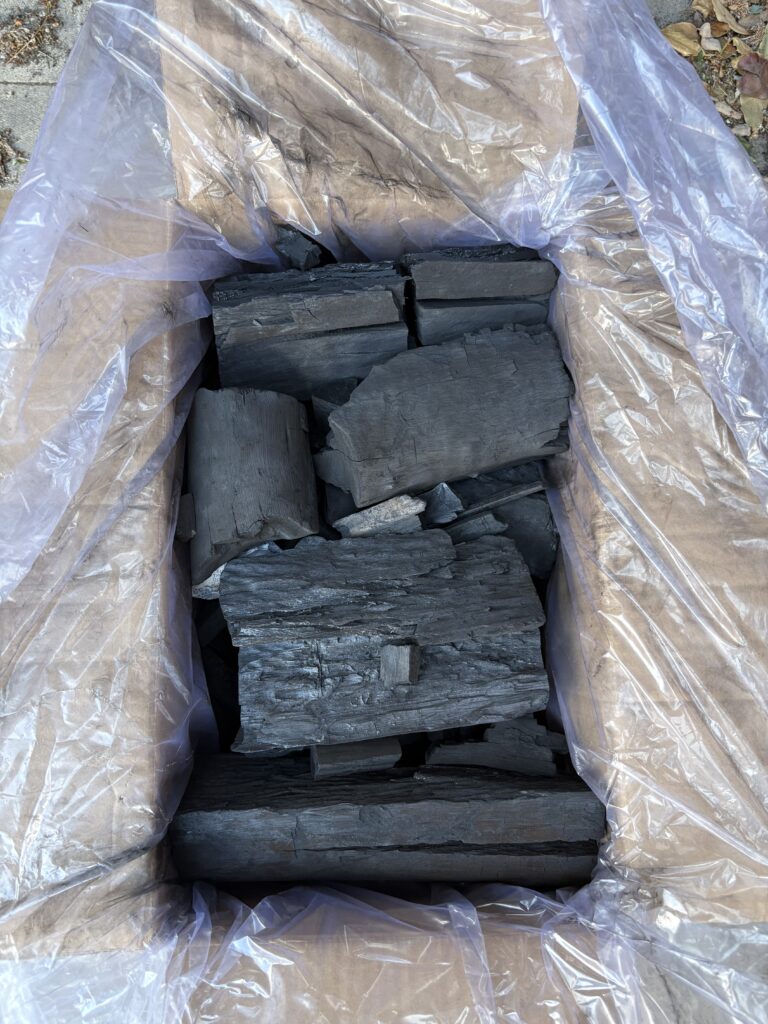
FAQ: Why does Big Ed’s Charcoal have a mix of big and small lumps?
Big Ed’s is all about top-quality, long-burning charcoal, made from a mix of Eucalyptus and Mangrove wood. Each 10kg box is packed with...