
Best Wood for Open Fire Cooking UK: The Expert’s Guide to Live Fire Flavour
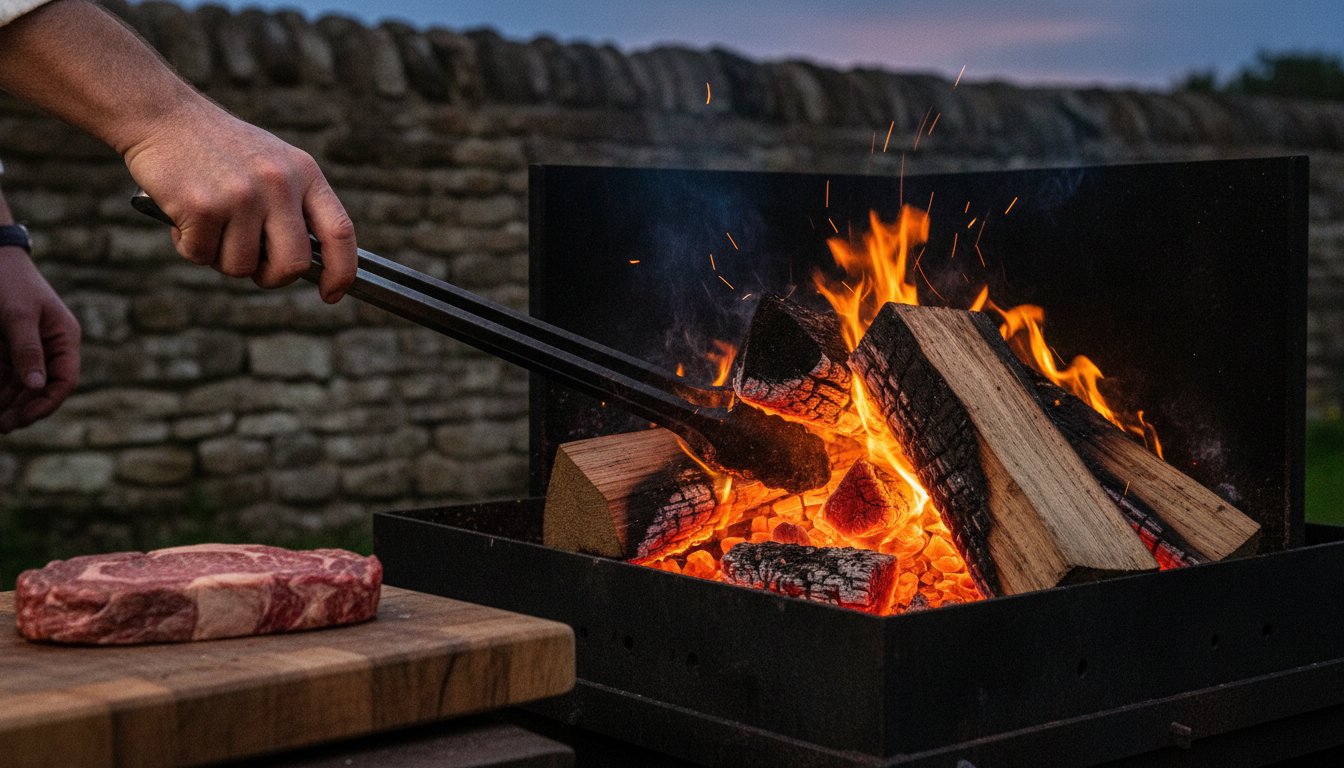
Most outdoor cooks believe the secret to a perfect ribeye lies in the seasoning, but the truth is far more elemental. Real live-fire gastronomy isn’t about the flame; it’s about the transition from gas-phase combustion to the precise management of a solid-phase ember bed. You’ve likely felt the frustration of an expensive cut of meat being tainted by the acrid, bitter tang of inferior logs or struggled to keep a consistent temperature as your fire dies just when the meat hits the grill. It’s a common hurdle that separates the casual griller from the true connoisseur.
Mastering this craft begins with choosing the best fuel for open fire cooking uk suppliers provide, shifting your focus from general firewood to culinary-grade hardwoods. We’ll show you how to build a reliable heat source that lasts for hours and produces the sweet, clean smoke profiles your ingredients deserve. This guide previews the essential hardwood species for your outdoor kitchen, the importance of “Ready to Burn” certification for compliance with UK air quality regulations, and the professional techniques required to maintain a steady, glowing hearth for hours of precision cooking.
Key Takeaways
- Understand why kiln-dried hardwoods are essential for clean, sweet smoke while avoiding the acrid resins and soot found in softwoods.
- Discover how to master the physics of the ember bed to ensure your outdoor kitchen maintains a stable, high-performance heat source.
- Identify why Oak and Ash are considered the best fuel for open fire cooking uk enthusiasts can use to build a long-lasting, reliable hearth.
- Learn the professional technique of using a Fire Cage to continuously harvest clean embers without smothering your active cook.
- Elevate your results by pairing premium wood species with artisanal Angus & Oink rubs and Oak Briquettes for unmatched flavour and thermal stability.
Hardwood vs. Softwood: The Chemistry of Clean Combustion
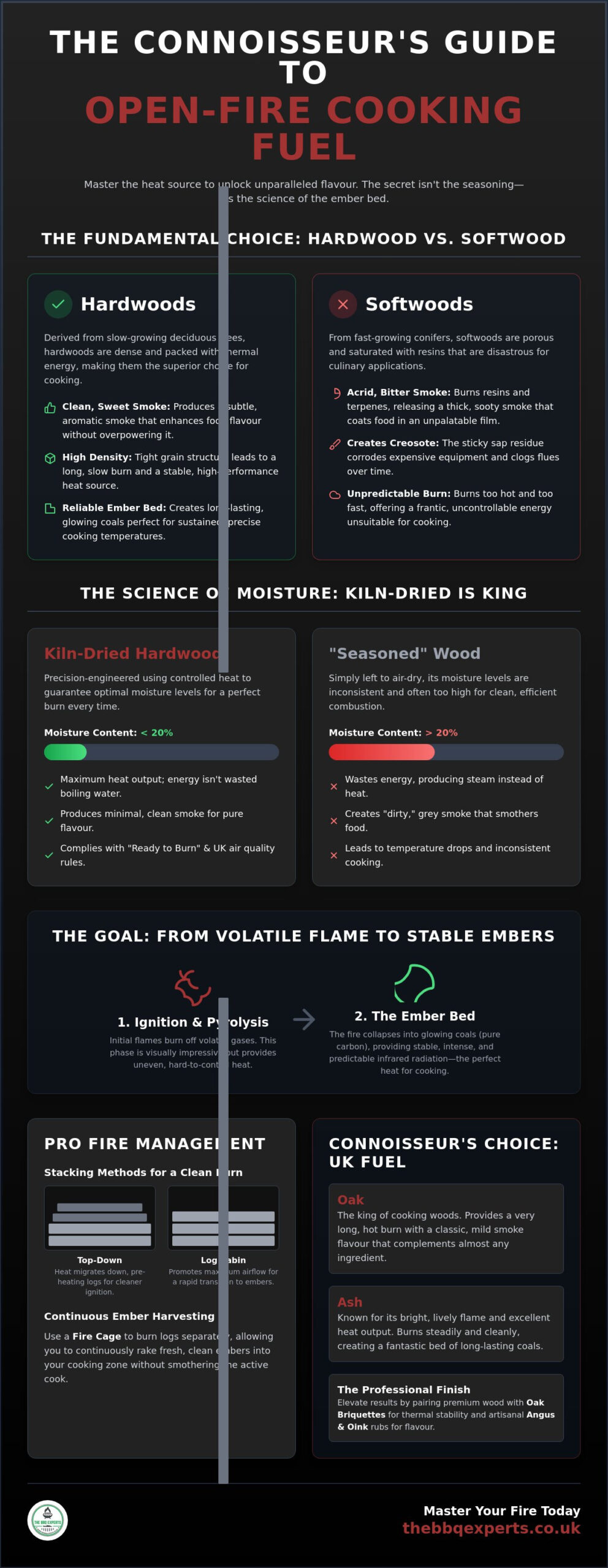
The foundation of any masterpiece in the outdoor kitchen isn’t the steel of the grill or the price of the steak; it’s the molecular makeup of the logs you ignite. To understand the science of wood fuel, we must look at the cellular density of the timber. Hardwoods, derived from slow-growing deciduous trees like oak and beech, possess a tight grain that stores immense thermal energy. This density is what makes them the best fuel for open fire cooking uk chefs rely on for a steady, predictable ember bed. In contrast, softwoods from evergreen conifers grow rapidly, resulting in a porous structure that burns with a frantic, uncontrollable energy.
Choosing between “seasoned” and “kiln-dried” wood is where many enthusiasts falter. While seasoned wood has simply sat outdoors to air-dry, its moisture levels remain at the mercy of the British climate. Kiln-dried wood is a precision-engineered product. By using controlled heat to drive moisture below the critical 20% threshold, producers ensure every log delivers maximum heat and minimal interference. This consistency is vital for maintaining the thermal distribution needed to sear high-end cuts of meat without temperature spikes.
Why Softwoods are Forbidden for Live Fire
Evergreen species are laden with terpenes and resins, chemical compounds that act as the tree’s natural defence. When burned, these resins don’t just disappear; they transform into a thick, soot-heavy smoke that coats your food in a bitter, unpalatable film. Beyond the ruined flavour, these saps create creosote, a sticky, flammable residue that clogs your flue and corrodes your high-end hardware over time. Kiln-dried hardwood is the only choice for the connoisseur who values the integrity of their ingredients and the longevity of their equipment.
The Science of Moisture and Smoke
Wet wood is the enemy of the clean burn. When moisture content exceeds 20%, the fire’s energy is wasted boiling off internal water rather than creating heat. This creates steam, which drops the combustion temperature and leads to “dirty” smoke, a grey, billowing cloud of particulates that smothers the natural sweetness of the wood. To avoid a chemical-laden start, use natural firelighters to establish your initial flame without tainting the cooking environment. This ensures your fire moves quickly into the efficient, transparent heat phase required for professional results.
The Physics of the Ember Bed: Engineering Sustainable Heat
True live fire gastronomy begins when the flames subside. While the visual theatre of leaping fire is captivating, the professional chef knows that active flames are often too volatile for precision cooking. The real magic happens during the transition from pyrolysis to charcoal. As the wood’s organic compounds burn off as gas, what remains is a concentrated bed of carbon. This glowing hearth provides the steady, infrared thermal radiation required to penetrate thick cuts of meat without scorching the exterior. Achieving this stable state requires the best fuel for open fire cooking uk specialists can provide: high-density hardwoods that possess the structural integrity to remain as glowing coals for hours.
Managing this process is as much about legal compliance as it is about culinary excellence. In many parts of the country, you must adhere to UK smoke control area rules, which mandate the use of authorised fuels or exempt appliances. By choosing ultra-dry, kiln-dried hardwoods, you ensure a clean burn that produces minimal particulate matter. This isn’t just about following the law; it’s about protecting the flavour profile of your food. A “clean” fire, supported by consistent airflow, prevents the accumulation of soot and ensures that the smoke remains a subtle seasoning rather than an overwhelming pollutant.
Building for Longevity
Creating a professional thermal base starts with your stacking method. The “Top-Down” method, where larger logs sit at the base and the fire is lit from above, allows the heat to gradually migrate downwards, pre-heating the logs below for a cleaner ignition. Alternatively, the “Log Cabin” structure promotes maximum oxygen flow, which is essential for a rapid transition to the ember stage. You’ll know your fire is gastronomy-ready when the logs have collapsed into a heap of glowing coals covered in a fine layer of white ash. This indicates that the initial volatile gases have vanished, leaving behind a pure, intense heat source.
The Heat-to-Smoke Ratio
The hallmark of a master outdoor chef is the “thin blue smoke.” This nearly invisible, shimmering haze is a sign of perfect combustion. If your smoke is thick, white, or grey, your fire is struggling with low temperatures or excess moisture, both of which will taint your meat. Balancing this ratio is an art form that requires constant attention to your oxygen management. For those looking to master hybrid techniques, you can explore The Ultimate Guide to Charcoal to see how professional lumpwood can supplement your wood fire for even greater stability. If you’re looking to refine your setup, our team can help you design the perfect hearth for your specific culinary goals.
A Connoisseur’s Guide to UK Hardwood Species
Selecting your timber is akin to choosing a vintage wine; each species brings a distinct profile to the table that can either elevate or overwhelm your ingredients. While the previous sections explored the physical requirements of a stable ember bed, identifying the best fuel for open fire cooking uk enthusiasts can source involves understanding the unique thermal and aromatic properties of native British hardwoods. To ensure your selection meets both culinary and environmental standards, always look for Ready to Burn certified fuel. This certification guarantees the wood has been processed to the professional standards required for clean combustion and superior heat output.
Oak remains the undisputed sovereign of the hearth. Its immense density allows it to burn for hours, creating a substantial, glowing base that radiates consistent infrared heat. For a four-hour slow roast, Oak is incomparable, outperforming lighter woods like Birch, which burn with a fierce but fleeting intensity. Ash is the reliable all-rounder, prized for its steady, rhythmic burn and moderate smoke profile that suits almost any dish. For those seeking high-intensity heat with a neutral aromatic presence, Beech is the connoisseur’s secret weapon. It delivers a clean, hot flame that doesn’t compete with the delicate flavours of line-caught fish or organic poultry.
Oak and Beech: The Heavy Hitters
In a professional outdoor kitchen, Oak is the industry standard for sustained live fire cooking. It provides the structural integrity needed to maintain a deep coal bed without constant intervention. Beech serves a different but equally vital purpose. Its neutrality makes it the perfect canvas for complex recipes where you want the ingredients to speak for themselves. While Birch might be tempting for a quick sear, its rapid burn rate makes it difficult to manage for long-form gastronomy. For a true four-hour session, the thermal mass of Oak ensures your temperature remains stable from the first sear to the final rest.
Pairing Wood Species with Flavours
The true art of fire-based cooking lies in the synergy between smoke and seasoning. Robust hardwoods like Oak provide a bold, traditional smoke that pairs magnificently with the complex spice profiles found in Angus & Oink Rubs. If you’re working with pork or game, introducing “flavour logs” of Apple or Cherry wood during the final stages of cooking adds a subtle, fruity sweetness that complements the natural sugars in your seasonings. The culinary sweet spot occurs where the caramelised sugars of a premium rub meet the gentle, aromatic kiss of a clean-burning hardwood ember. This intentional pairing transforms a simple meal into a sophisticated sensory experience.
Advanced Fire Management: Techniques for Fire Cages
Mastering the thermal environment of an outdoor kitchen requires more than just high-quality logs; it demands a mechanical system for heat generation. The Fire Cage is the professional’s solution to the most common pitfall in live fire cooking: the temperature drop caused by adding fresh wood to an active cook. By utilizing a dedicated cage, you create a perpetual engine for heat. This allows you to burn the best fuel for open fire cooking uk suppliers offer in a controlled side-chamber, ensuring that only pure, glowing embers ever reach your ingredients. This separation of combustion and cooking is what distinguishes a backyard barbecue from a true gastronomic experience.
Feeding the fire within a cage requires a rhythmic approach. Rather than overloading the basket, add single logs of kiln-dried hardwood at regular intervals. This maintains a constant state of pyrolysis, where the wood is consistently breaking down into clean carbon without smothering the existing coal bed. As these logs disintegrate, the resulting embers fall through the grate, ready to be harvested and moved beneath your grill. This technique ensures that your meat is never exposed to the volatile, soot-heavy gases released during the initial ignition phase of a new log.
The Fire Cage Advantage
Professional chefs rely on the side-burner or cage to produce a continuous supply of non-acrid coals. The process is methodical. From the moment you ignite your initial stack of kiln-dried oak, it takes approximately 45 minutes to establish a self-sustaining cycle of ember production. Once this cycle is active, you can maintain a consistent heat output for large-scale gatherings that last well into the evening. This setup allows you to “harvest” specific amounts of heat, moving them with precision to create the distinct thermal zones required for complex menus.
Tactical Tools of the Trade
To manage this harvested heat effectively, you need the right tactical gear. Long-handled ember shovels are essential for moving coals from the cage to the hearth, while professional heat-resistant gloves allow you to adjust logs safely. This equipment is vital when executing the “Asado” style of cooking, where meat is suspended over a bed of coals and cooked low and slow for several hours. By positioning the Fire Cage as the centerpiece of a refined outdoor kitchen setup, you gain total control over your environment.
Safety is paramount when managing an open-air wood fire in a UK garden. Always ensure your setup is placed on a non-combustible surface, such as stone or brick, and maintain a clear perimeter from overhanging foliage or wooden fencing. If you are ready to upgrade your hardware to professional standards, our connoisseurs are available to discuss your bespoke fire management needs.
The Professional Finish: Integrating Premium Fuels and Seasonings
The final flourish of any live fire feast isn’t just about the intensity of the heat; it’s about the sophisticated synergy between the fuel and the seasoning. At the highest level of outdoor gastronomy, we believe that the best fuel for open fire cooking uk artisans select should be matched by world-class ingredients. This is the core of the Angus & Oink philosophy. If you’ve invested hours into perfecting an ember bed of kiln-dried oak, you owe it to the meat to apply a rub that can withstand and complement that intense thermal environment. Quality in results in quality out; there are no shortcuts in live fire gastronomy, and the excellence of your results is directly proportional to the integrity of your fuel.
The Hybrid Approach
While wood provides the soul and the visual theatre of the cook, charcoal provides the heartbeat. Many connoisseurs prefer using Big Eds Lumpwood Charcoal as a stable thermal base. This creates a consistent floor of heat, allowing you to add hardwood logs strategically for aroma and flame without risking the temperature fluctuations that can ruin a delicate cut. Using premium fuel reduces the margin for error in outdoor cooking, ensuring your attention remains on the artistry of the dish rather than fighting an unpredictable fire.
Transitioning between fuels is a tactical decision. Use wood when you want the aggressive, aromatic kiss of smoke during the initial sear, then lean on the steady radiation of charcoal for the long “cruise” phase of the cook. For sessions requiring extreme longevity, such as an overnight slow-roast or a large-scale event, supplementing your hearth with Oak Briquettes offers a density and burn time that raw timber simply cannot match. These briquettes act as a battery of thermal energy, maintaining a professional-grade heat floor long after the last log has crumbled.
Final Preparation and the Art of the Rest
Mastering the flame is a lifelong pursuit, but with the right tools, the path to excellence is clear. If you’re ready to refine your technique and invest in the ultimate outdoor kitchen, contact our experts to upgrade your live-fire game with professional hardware and fuel.
Mastering the Art of the Hearth
Transitioning from a casual griller to a live-fire connoisseur requires a fundamental shift in perspective. You’ve seen how the chemistry of clean combustion depends on ultra-dry hardwoods and that the true power of the grill lies in the physics of a well-managed ember bed. By moving beyond general firewood and investing in the best fuel for open fire cooking uk enthusiasts recommend, you ensure every meal is defined by sweet, subtle smoke rather than bitter soot.
Upgrade your live fire game with our professional Fire Cages and Premium Fuels and begin your journey toward true mastery. Your next masterpiece is already waiting in the embers.
Expert Advice for Live Fire Gastronomy
Is it safe to cook with wood from my own garden in the UK?
You should only use garden wood if you can positively identify the species and ensure it has been dried to a moisture content below 20%. Most fresh garden timber is “green” wood, which contains far too much water and sap for culinary use. Burning unseasoned wood or resinous evergreens like pine will result in a thick, soot-heavy smoke that ruins your ingredients and coats your hardware in bitter creosote.
What is the best wood for cooking steak on an open fire?
Oak is the definitive choice for searing premium cuts like ribeye or sirloin. Its high density provides the intense, consistent infrared heat required to develop a perfect crust while the clean smoke profile complements the rich fats of the beef. For the absolute best fuel for open fire cooking uk enthusiasts can source, kiln-dried oak ensures your steak isn’t tainted by the acrid flavours associated with inferior, wetter woods.
How long does it take for wood to turn into embers for cooking?
Expect the transition from raw log to gastronomy-ready embers to take approximately 45 to 60 minutes. This duration allows the initial volatile gases and flames to subside, leaving behind a stable bed of glowing carbon. Patience is essential here. Cooking too early, while the wood is still in the flaming pyrolysis stage, often leads to uneven temperatures and a harsh smoke flavour that overwhelms your seasonings.
Can I use silver birch for open fire cooking?
Silver birch is an excellent choice for short, high-heat sessions but lacks the longevity required for slow roasting. It ignites easily and produces a beautiful, bright flame with a slightly sweet aroma. However, because it’s less dense than oak or beech, it burns through very quickly. If you’re using birch, be prepared to feed the fire more frequently to maintain your thermal base throughout the cook.
Why does my wood-fired food taste bitter or like soot?
Bitterness is almost always caused by incomplete combustion or the use of resinous softwoods. When wood is too damp or lacks sufficient airflow, it smoulders rather than burns, releasing acrid compounds that stick to the surface of your meat. To avoid this, ensure you’re using best fuel for open fire cooking uk certified hardwoods and maintain a “clean” fire with visible, shimmering heat rather than thick, billowing clouds of white smoke.
Do I need to soak wood logs before cooking on an open fire?
Soaking logs is a common misconception that should be avoided in professional live fire cooking. Introducing water to your fuel creates steam, which aggressively drops the combustion temperature and encourages “dirty” smoke production. For a clean, sweet flavour profile and precise heat management, your wood should be as dry as possible. Quality kiln-dried timber is designed to ignite quickly and burn efficiently without any prior intervention.
What is the difference between kiln-dried and seasoned wood?
Kiln-dried wood is processed in a controlled oven to guarantee a moisture content below 20%, ensuring immediate readiness for the grill. Seasoned wood is simply left to air-dry outdoors, a process that can take years and is often inconsistent due to the damp British climate. For the serious outdoor chef, kiln-dried timber offers the predictable thermal distribution and clean burn necessary for high-end gastronomy.
Can I use a Fire Cage with a standard charcoal BBQ?
A Fire Cage is a versatile addition to any setup, provided you have a safe area to harvest the resulting embers. By burning logs in the cage and shovelling the glowing coals into your charcoal BBQ, you gain the aromatic benefits of wood fire without the temperature spikes of raw logs. This hybrid method allows you to maintain a professional-grade heat floor while enjoying the visual theatre of a traditional wood fire.
Disclaimer
This article was produced with AI assistance. We use AI and Third Parties to help deliver more content to our BBQ website and community, but we always aim to ensure accuracy and quality as much as we can. If you spot anything that doesn't seem right, we'd love to hear from you

Recent News & Updates

Our Story, Values and Beliefs
Here at the BBQ experts we have a passion for BBQ food, outdoor living and spending time with family and friends. We offer you; A...
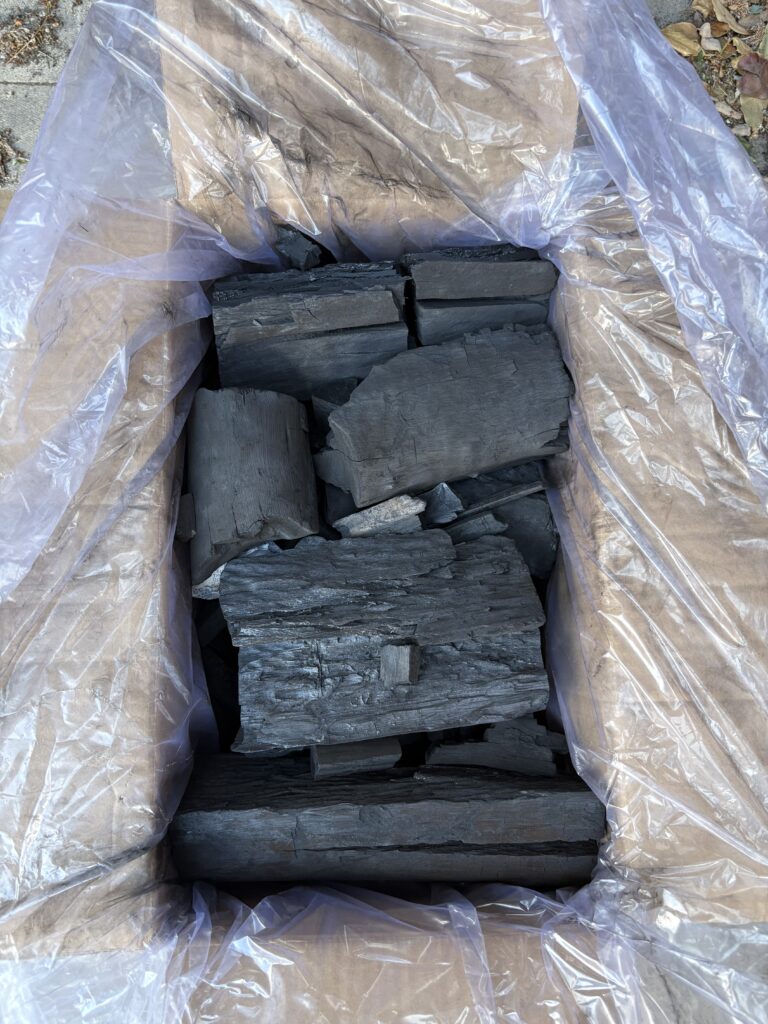
FAQ: Why does Big Ed’s Charcoal have a mix of big and small lumps?
Big Ed’s is all about top-quality, long-burning charcoal, made from a mix of Eucalyptus and Mangrove wood. Each 10kg box is packed with...