
Best Way to Light Charcoal Without Lighter Fluid: A Pitmaster’s Guide
You wouldn’t dream of seasoning a prime dry-aged ribeye with petrol, so why would you douse your fuel in it? We’ve all experienced that frustrating wait as the pungent scent of hydrocarbons clings to the air, eventually migrating from the coals to the very heart of your expensive cuts of meat. Finding the best way to light charcoal without lighter fluid isn’t just a matter of convenience; it’s a vital ritual for any serious outdoor chef who values the sophisticated flavours of high-performance fuels like Big Eds Charcoal or aromatic coffee wood.
It’s time to move beyond the soot-heavy methods that can damage a luxury ceramic grill and embrace a cleaner, more reliable ignition. Whether you’re firing up a Japanese Hibachi for a quick sear or preparing a low-and-slow session in your Fire Cage, the right technique ensures your food remains untainted. This guide will walk you through the professional-grade tools and methods, from rapid-fire chimney starters to the effortless precision of natural firelighters. You’ll learn how to achieve a perfect, clean-burning glow in as little as ten minutes, giving you the confidence to turn every meal into a refined gastronomic event.
Key Takeaways
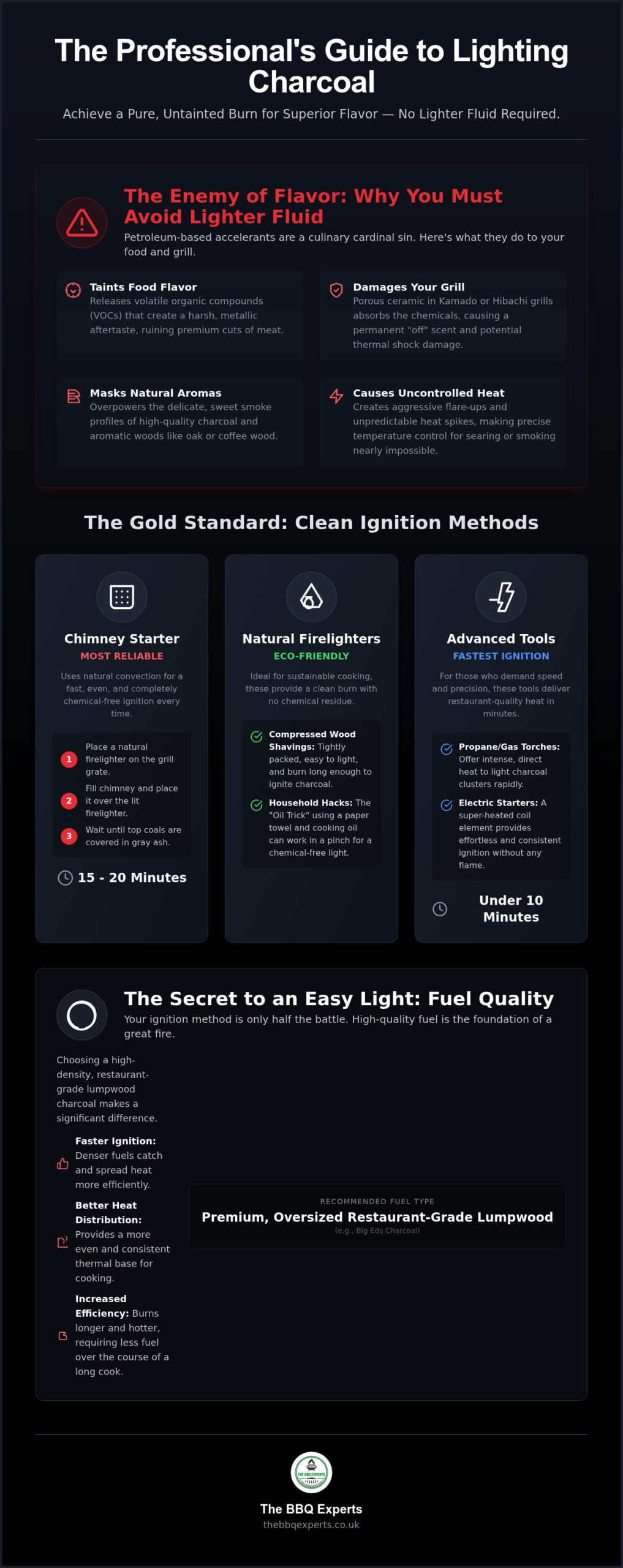
- Learn why petroleum-based fluids are the enemy of premium cuts and how they can permanently damage high-end ceramic equipment like the Hibachi Grill.
- Discover why using a chimney starter is the best way to light charcoal without lighter fluid to ensure a clean, even burn every time.
- Explore natural alternatives like compressed wood shavings and the ingenious ‘Oil Trick’ for a chemical-free, sustainable ignition ritual.
- Master professional-grade tools like propane torches and electric starters to achieve restaurant-quality heat in under ten minutes.
- Understand how selecting high-density, restaurant-grade fuels like Big Eds Charcoal significantly reduces ignition times and improves thermal distribution.
Why Lighter Fluid is the Enemy of Premium Outdoor Gastronomy
For the uninitiated, a squirt of lighter fluid seems like a harmless shortcut to a roaring fire. To the seasoned pitmaster, it’s a culinary cardinal sin. These fluids are typically made from petroleum distillates; they’re essentially liquid chemicals designed for high volatility. When you ignite them, they release Volatile Organic Compounds (VOCs) that don’t simply vanish into the air. Instead, these heavy molecules settle on your fuel and, eventually, your food. Understanding the best way to light charcoal without lighter fluid is the first step in graduating from a casual back garden griller to a true connoisseur of outdoor gastronomy.
The science of the sear relies on the Maillard reaction, the chemical dance between amino acids and reducing sugars that creates that prized, savoury crust. When petroleum residues are present, they bond with the meat’s surface during this process. This results in a metallic, acrid aftertaste that no amount of sauce can hide. It’s a waste of high-quality ingredients and a disservice to the craft of live-fire cooking.
The Flavour Integrity Dilemma
Premium fuels like Big Eds Charcoal possess a distinct terroir, a unique aromatic profile derived from the specific wood species and carbonisation process. Lighter fluid acts as a sensory blanket, masking the delicate notes of oak, fruitwood, or coffee wood with a generic chemical stench. If you’ve spent time selecting the perfect blend of Angus & Oink rubs to complement a dry-aged brisket, you don’t want those nuances obliterated by hydrocarbons. A refined palate can instantly distinguish between the clean, sweet smoke of natural lumpwood and the tainted combustion of chemical starters. The “first bite” test rarely lies; if you can smell the petrol station, you’ve already lost the battle for flavour.
Protecting Your Culinary Investment
Beyond the plate, liquid accelerants pose a significant threat to your hardware. Professional-grade equipment, particularly ceramic cookers like Kamados or a high-end Hibachi Grill, is designed with a specific level of porosity. These materials breathe to regulate moisture and temperature. When you use lighter fluid, the porous ceramic absorbs the liquid chemicals. Over time, these residues build up, creating a permanent “off” scent that haunts every subsequent cook. Mastering the best way to light charcoal without lighter fluid is essential for maintaining the material integrity of your investment. Furthermore, liquid fuels are notoriously unpredictable. They cause aggressive flare-ups and uncontrolled heat spikes that can thermal-shock delicate components or damage the seasoned finish of a Japanese Charcoal Grill.
The Chimney Starter: The Gold Standard for Clean Ignition
The chimney starter represents the pinnacle of reliability for anyone seeking the best way to light charcoal without lighter fluid. It relies on the chimney effect; a principle of physics where rising hot air creates a vacuum at the base, drawing in fresh oxygen to feed the fire. This concentrated thermal column can get your coals ready in approximately 15 to 20 minutes, providing a consistent ignition that chemical sprays simply cannot match. For the modern pitmaster, it’s the most dependable tool in the arsenal, ensuring your cook starts with a clean, intense heat every single time.
How to Use a Chimney Starter Correctly
A chimney starter is a cylindrical tool that uses natural convection to ignite fuel through a vertical airflow system. While many traditionalists use crumpled newspaper, we recommend placing a single, high-quality natural firelighter on your grill grate. Light the firelighter and place the filled chimney directly over it to begin the process.
When working with premium, oversized restaurant-grade lumpwood like Big Eds Charcoal, stacking is an art form. Place the largest chunks at the base of the chimney to create a stable foundation and maximise airflow. This prevents smaller embers from falling through the grate prematurely and ensures the core of the fuel reaches that crucial “ashed over” state. You’ll know your coals are ready when the top layer is covered in a fine, grey ash and a faint glow is visible from the centre.
Managing Heat Zones with the Chimney
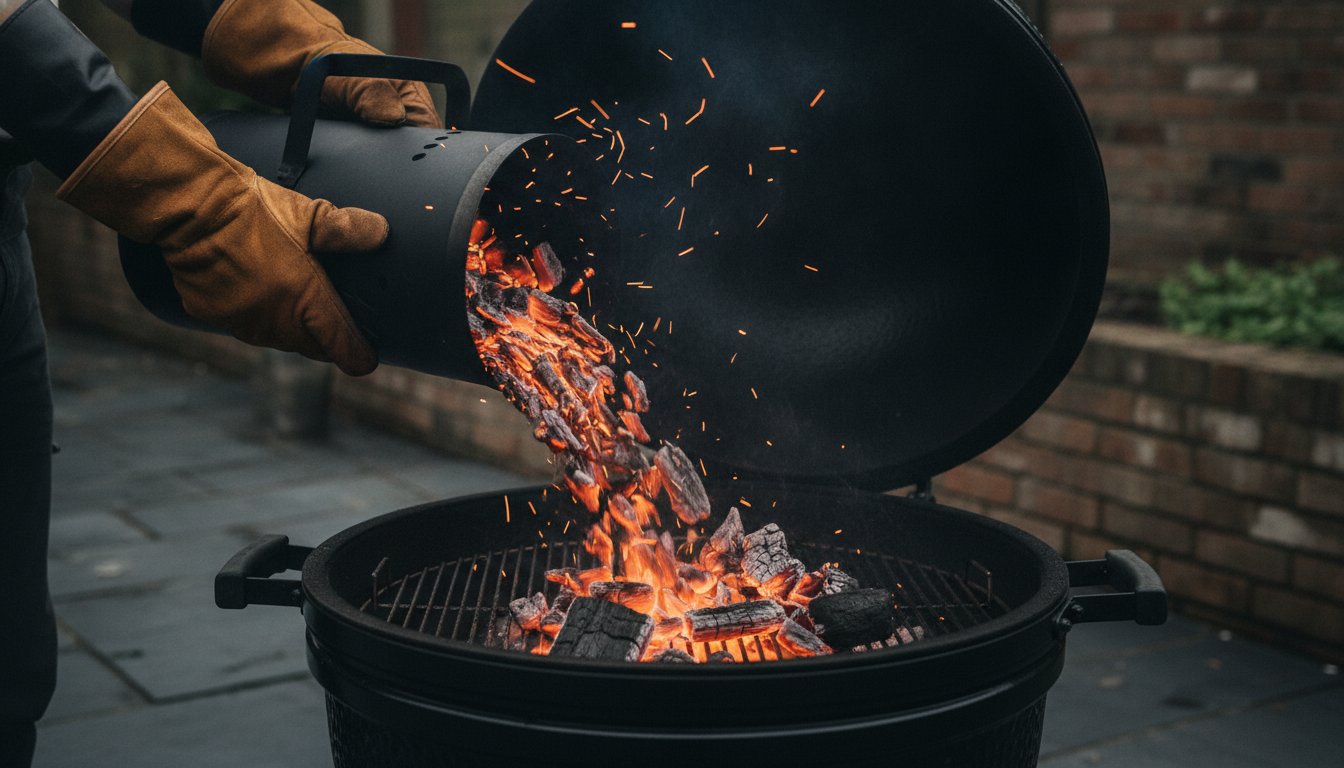
Precision in lighting leads to precision in cooking. Once your coals are ready, use heat-resistant gloves to dump them into your grill. This is where you define your culinary landscape. By concentrating the lit coals on one side, you create a two-zone fire. This allows for restaurant-grade searing directly over the heat and gentle, indirect roasting on the cooler side of the grate.
This method is particularly effective for thick cuts of meat that require a delicate touch before a final, high-heat finish. Achieving even heat distribution across the grate becomes effortless when you start with a perfectly lit chimney. If you are designing a new outdoor space and need guidance on integrating professional-grade hardware, speak to our experts for bespoke advice on your setup.
Natural Firelighters and Household Ignition Hacks
While the chimney starter is a mechanical marvel, many connoisseurs prefer the quiet elegance of a direct ignition. This tactile approach is often the best way to light charcoal without lighter fluid if you want a slower, more deliberate start to your session. Using natural materials ensures you adhere to the high standards outlined in our Ultimate Guide to Charcoal, preserving the purity of your smoke and the integrity of your ingredients. These methods rely on steady, sustained heat rather than the volatile, short-lived flash of chemical accelerants.
Professional Natural Firelighters
Professional wood-wool starters, such as our Natural Firelighters, are crafted from compressed wood shavings and refined vegetable wax. They represent the preferred choice for the expert mentor because they’re odourless, carbon-neutral, and incredibly efficient. Unlike newspaper, which creates excessive fly-ash and burns out in seconds, these starters provide a steady flame for up to ten minutes. This is more than enough time to ignite the edges of your lumpwood. To use them effectively, nestle two or three firelighters at the base of your fuel bed and build a “charcoal teepee” around them. By leaning larger chunks over the firelighters, you capture the rising heat and encourage the fire to spread naturally through the stack.
The Paper Towel and Cooking Oil Method
Sometimes you might find yourself without a box of professional starters. In these moments, the “Oil Trick” serves as a reliable and sophisticated fallback. This method transforms a simple kitchen staple into a high-performance fuse. Take a standard paper towel and drench it in a high-smoke point vegetable oil, such as rapeseed or sunflower oil. Avoid olive oil, as its lower smoke point can produce bitter flavours.
Twist the oil-soaked towel into a tight, rope-like fuse. This creates a slow-burning wick that can sustain an intense flame for several minutes, providing the thermal energy required to ignite even dense restaurant-grade charcoal. It’s a clean solution that maintains the best way to light charcoal without lighter fluid using items already found in your pantry. By using oil as a fuel source, you ensure a controlled burn that won’t impart the acrid, chemical scents associated with traditional paraffin firelighters or fluids.
Advanced Ignition: Torches and Electric Starters
For the connoisseur who values efficiency as much as flavour, advanced ignition technology offers a sophisticated path to a perfect fire. While traditional methods like the chimney starter are timeless, high-intensity tools represent the best way to light charcoal without lighter fluid when time is of the essence. These devices eliminate the waiting period without sacrificing the purity of your cook. They provide a surgical level of control, allowing you to target specific areas of your fuel bed with intense, chemical-free heat. This is the preferred choice for the time-poor pitmaster who refuses to compromise on the sensory joy of outdoor gastronomy.
The Power of the Grill Torch
A professional propane torch is a game-changer, capable of achieving restaurant-grade ignition in under 60 seconds. These torches reach temperatures of approximately 1300°C, providing an immediate thermal shock to the charcoal. To use one effectively, aim for the “sweet spot” at the centre of your pile, holding the flame steady until the edges of the lumpwood begin to crackle and glow. If you are preparing a long smoke using the “snake method,” a torch allows you to ignite just the starting tip of your charcoal arrangement with pinpoint accuracy. While MAP gas burns hotter, standard propane is often sufficient for most domestic applications, offering a reliable and clean-burning fuel source that leaves no residue on your Big Eds Charcoal.
Electric Ignition Technology
Electric heat starters, often referred to as the “Looftlighter” approach, use a combination of friction and super-heated air to ignite fuel. By blowing air at temperatures exceeding 600°C, these tools trigger combustion through pure convection. This method is particularly advantageous for urban balconies or confined spaces where open gas flames might be less desirable. It’s a clean, quiet, and incredibly safe way to start your fire. To maximise the lifespan of your electric starter, pull the device back slightly once the first sparks appear; this allows the heated airflow to do the work rather than the physical heating element. This technology is the best way to light charcoal without lighter fluid for those who appreciate the intersection of modern engineering and traditional live-fire cooking.
The Secret to Easy Lighting: Fuel Quality Matters
If you’ve struggled with slow ignition or inconsistent heat in the past, the culprit might not be your technique but your fuel. Mass-market charcoal found in local supermarkets often consists of small, uniform fragments packed with dust and chemical binders. These fragments settle tightly together, choking the airflow required for a clean burn. In contrast, restaurant-grade lumpwood features large, irregular chunks that create natural oxygen channels. Choosing a high-performance fuel like Big Eds Charcoal is arguably the best way to light charcoal without lighter fluid, as high-quality carbon ignites faster and burns with far less soot than its budget counterparts.
Density plays a critical role in how your fire behaves. Premium lumpwood is carbonised at higher temperatures, resulting in a purer product that catches the flame with minimal effort. However, even the best fuel will fail if it hasn’t been stored correctly. Charcoal is hygroscopic, meaning it greedily absorbs moisture from the air. Damp coal is the primary cause of ignition failure and excessive sparking. To maintain a professional-grade setup, always store your fuel in a dry, airtight environment, away from the damp floors of a garage or shed.
Lumpwood vs. Briquettes for Ignition
Lumpwood’s craggy, irregular surface is a gift for ignition. The gaps between pieces act as miniature chimneys, pulling heat upwards and through the stack. While Oak Briquettes provide incredible longevity and a steady temperature for long cooks, their uniform density requires a more patient approach. For the most efficient results, try layering your fuel. Use smaller shards of lumpwood at the base to catch the initial flame from your firelighter, then place your denser briquettes on top. This tiered approach creates a sustained, professional-grade fire that transitions smoothly from ignition to a long-lasting cooking temperature.
The Binchotan Challenge
Lighting the world’s densest charcoal, such as Binchotan, requires a specific ritual. Because of its extreme density and high carbon content, it’s nearly impossible to light Binchotan with a firelighter alone. The most effective method is to create a “starter bed” of standard restaurant-grade lumpwood. Once the lumpwood is glowing red, nestle the Binchotan logs into the embers. The intense, steady heat from the lumpwood will eventually penetrate the dense core of the Binchotan, triggering a burn that can last for several hours. This advanced technique is the best way to light charcoal without lighter fluid when working with specialty Japanese fuels. Ready to upgrade your fuel game? Contact our experts for bespoke advice on selecting the perfect fuel and hardware for your outdoor kitchen.
Ignite Your Culinary Potential
Mastering the best way to light charcoal without lighter fluid is the definitive mark of a seasoned pitmaster. By moving away from chemical accelerants, you protect the delicate Maillard reaction and ensure that your premium cuts aren’t masked by acrid petroleum fumes. Whether you choose the reliable physics of a chimney starter or the rapid precision of a propane torch, you’re investing in a cleaner, more sophisticated outdoor experience. Remember that your results are only as good as your fuel; high-density options like Big Eds Charcoal provide the consistent, clean-burning foundation that professional-grade hardware demands.
As a specialist supplier with expert knowledge in professional-grade outdoor hardware, we’re dedicated to helping you transform your garden into a refined gastronomic retreat. We provide national UK delivery on all our high-performance fuels, ensuring you have the right tools for every cook. Elevate your outdoor cooking; get in touch with The BBQ Experts today. Your journey toward culinary excellence starts with a single, clean spark. It’s time to fire up the grill with the confidence of a true connoisseur.
Frequently Asked Questions
Is it safe to light a charcoal BBQ without any firelighters at all?
It’s perfectly safe to light your grill without firelighters if you use mechanical tools like a chimney starter or an electric heat gun. These methods rely on airflow and concentrated heat rather than chemical assistance. If you’re caught without any tools, the oil trick mentioned earlier is a reliable alternative. Avoiding starters entirely protects your palate from unwanted chemical interference while ensuring a clean, restaurant-grade fire.
How long does it take to light charcoal using a chimney starter?
A chimney starter typically gets your charcoal ready for cooking in 15 to 20 minutes. This timeframe depends on the density of your fuel; large chunks of restaurant-grade lumpwood may take slightly longer than smaller fragments. You’ll know it’s ready when the top layer of coals is covered in a fine grey ash. It’s the best way to light charcoal without lighter fluid for consistent, predictable timing every time you grill.
Can I use cardboard or egg cartons to start my BBQ fire?
While you can use cardboard or egg cartons, they aren’t ideal for a premium outdoor kitchen. These materials produce a significant amount of fly-ash, which can settle on your food and create a mess. Some cardboard also contains glues or inks that release unpleasant odours when burned. Stick to natural firelighters or clean newspaper to preserve the sophisticated flavours of your outdoor gastronomy and keep your grate debris-free.
What is the cleanest burning charcoal for a chemical-free taste?
Restaurant-grade lumpwood, such as Big Eds Charcoal, is the gold standard for a clean, chemical-free burn. Because it’s carbonised at high temperatures, most impurities are removed, leaving only pure carbon that imparts a delicate, smoky essence. For the ultimate clean-tasting food, Japanese Binchotan offers near-zero smoke and an incredibly pure heat. These premium fuels ensure the natural terroir of the wood enhances your meat rather than masking it with soot.
Does the type of wood in my charcoal affect how easily it lights?
The density of the wood species directly impacts ignition speed. Lighter woods like Eucalyptus or certain fruitwoods ignite relatively quickly, while dense hardwoods like Oak or Coffee Charcoal require more sustained heat to catch. Ultra-dense Binchotan is the most challenging to light but offers the longest burn time. Understanding these thermal properties allows you to choose the best way to light charcoal without lighter fluid based on your specific cooking requirements.
Why does my charcoal go out shortly after I light it?
Charcoal usually goes out because of poor airflow or excessive moisture in the fuel. If the coals are packed too tightly or the grill vents are closed, the fire will suffocate from a lack of oxygen. Additionally, charcoal that has absorbed moisture from the air will struggle to maintain combustion. Ensure you’re using dry, premium lumpwood and keep your vents open to provide the steady oxygen supply required for a roaring fire.
Can I use a hair dryer to speed up the charcoal lighting process?
Using a hair dryer is a common hack to accelerate ignition by forcing oxygen into the embers. While effective at speeding up the process, it can send sparks and fine ash flying across your patio, which isn’t ideal for a refined social hub. If you need speed, an electric starter is a more professional choice. It provides the same concentrated airflow as a hair dryer but is specifically engineered for high-temperature outdoor environments.
Is ‘match-light’ charcoal a good alternative to using lighter fluid?
Match-light charcoal is essentially the same as using lighter fluid, as the briquettes are pre-soaked in petroleum-based accelerants. We don’t recommend this for premium outdoor gastronomy because the chemical taste is almost impossible to avoid. These products often release VOCs throughout the entire cook, tainting your food and your equipment. For a truly clean ignition ritual, always opt for natural lumpwood and mechanical or natural starting methods instead.
Disclaimer
This article was produced with AI assistance. We use AI and Third Parties to help deliver more content to our BBQ website and community, but we always aim to ensure accuracy and quality as much as we can. If you spot anything that doesn't seem right, we'd love to hear from you

Recent News & Updates

Our Story, Values and Beliefs
Here at the BBQ experts we have a passion for BBQ food, outdoor living and spending time with family and friends. We offer you; A...
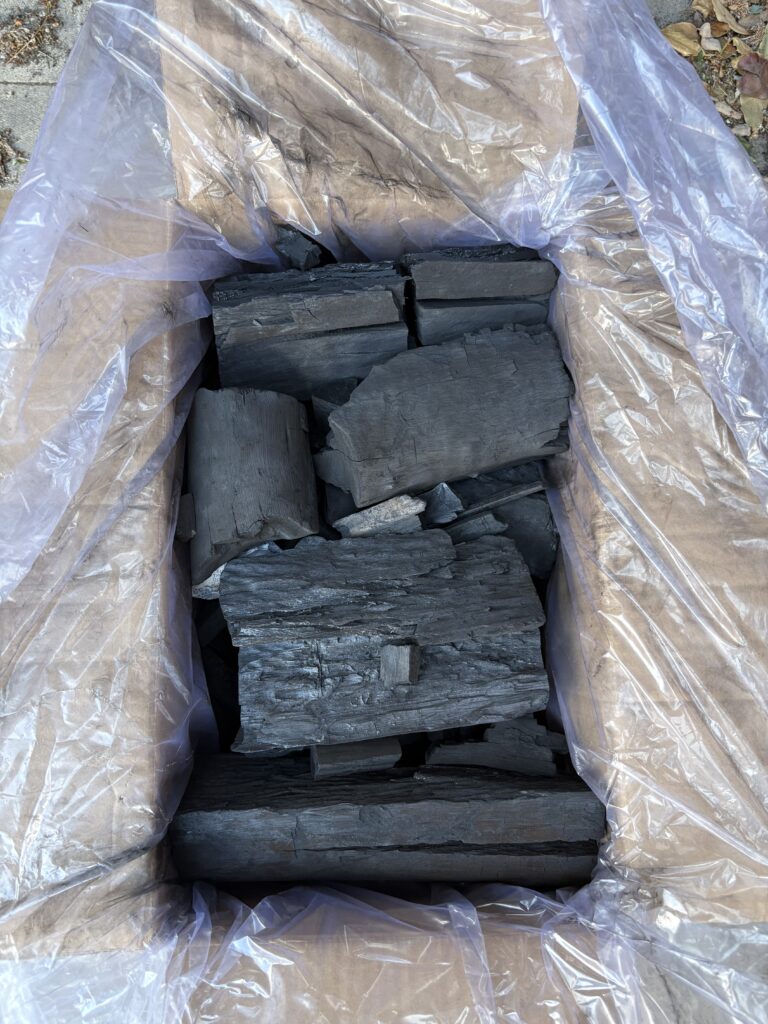
FAQ: Why does Big Ed’s Charcoal have a mix of big and small lumps?
Big Ed’s is all about top-quality, long-burning charcoal, made from a mix of Eucalyptus and Mangrove wood. Each 10kg box is packed with...