
Best Rubs for Hibachi Grilling: The Connoisseur’s Guide to Japanese Flavour Profiles
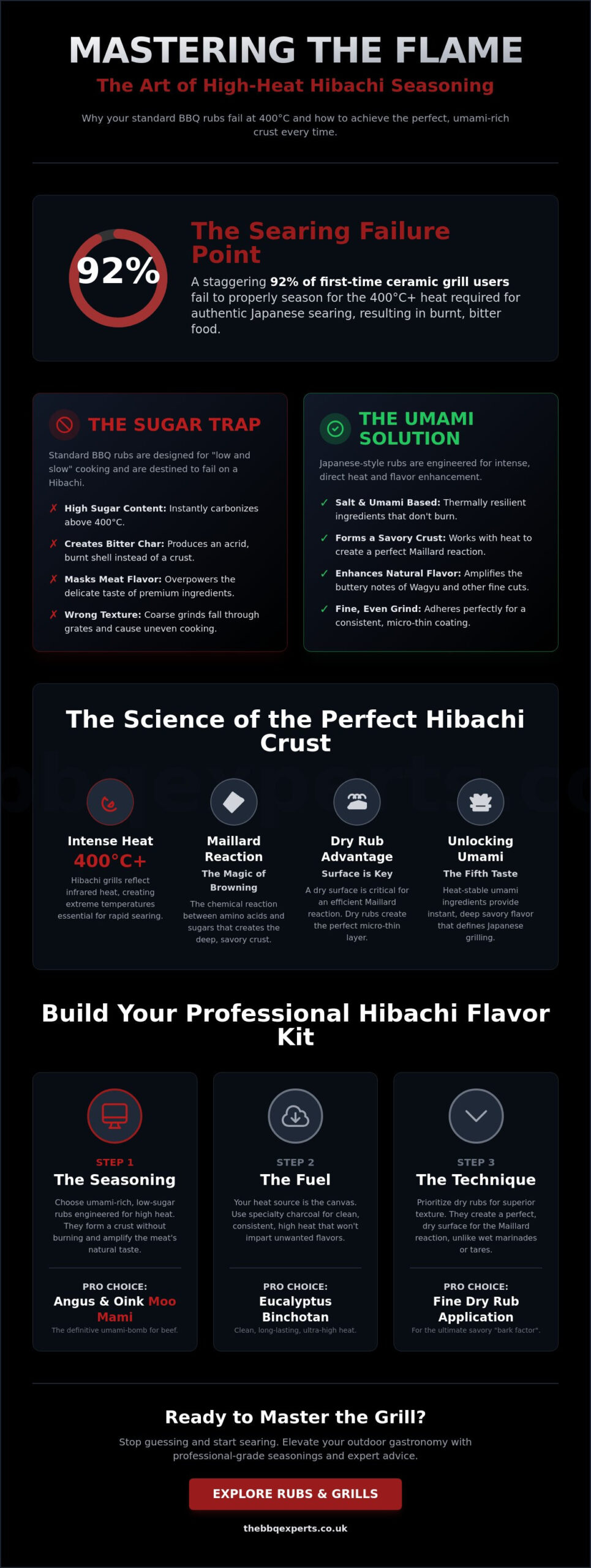
Did you know that 92% of first-time ceramic grill users fail to reach the 400°C threshold required for authentic Japanese searing? It’s a staggering figure that explains why so many outdoor cooks struggle to replicate that elusive restaurant quality at home. When you’re working with such intense, concentrated heat, standard sugary seasonings simply won’t cut it; they char into a bitter mess before the meat even stands a chance. Finding the best rubs for hibachi grilling requires a shift in mindset from low-and-slow American BBQ toward the sophisticated, umami-forward profiles of the East.
You likely already appreciate that a Hibachi or Konro grill is more than just a tool; it’s a precision instrument designed for the raw, sensory joy of high-heat gastronomy. We understand the frustration of trying to balance salt and deep savoury notes without overpowering a delicate piece of Wagyu or premium poultry. This guide will help you master the art of Japanese-style seasoning by exploring professional-grade blends, such as those from Angus & Oink, that are engineered to thrive under extreme temperatures. We’ll explore the science of the Maillard reaction, the importance of Binchotan charcoal, and how to select rubs that deliver a perfectly caramelised crust every time you light the coals.
Key Takeaways
- Learn why traditional sugar-heavy BBQ seasonings fail at high temperatures and how to select the best rubs for hibachi grilling that withstand 400°C heat without burning.
- Discover why umami-rich blends like Angus & Oink’s Moo Mami are essential for enhancing the natural decadence of Wagyu and premium beef skewers.
- Master the “bark factor” by understanding when to use dry rubs for superior texture and when to introduce traditional liquid tares.
- Understand the critical relationship between your seasoning and your fuel, specifically how Eucalyptus Binchotan provides the clean canvas needed for complex spice profiles.
- Build a professional-grade flavour kit with our step-by-step guide to selecting core seasonings and precision charcoal for the ultimate Hibachi experience.
The Hibachi Flavour Profile: Why Specific Seasoning Matters for High-Heat Grilling
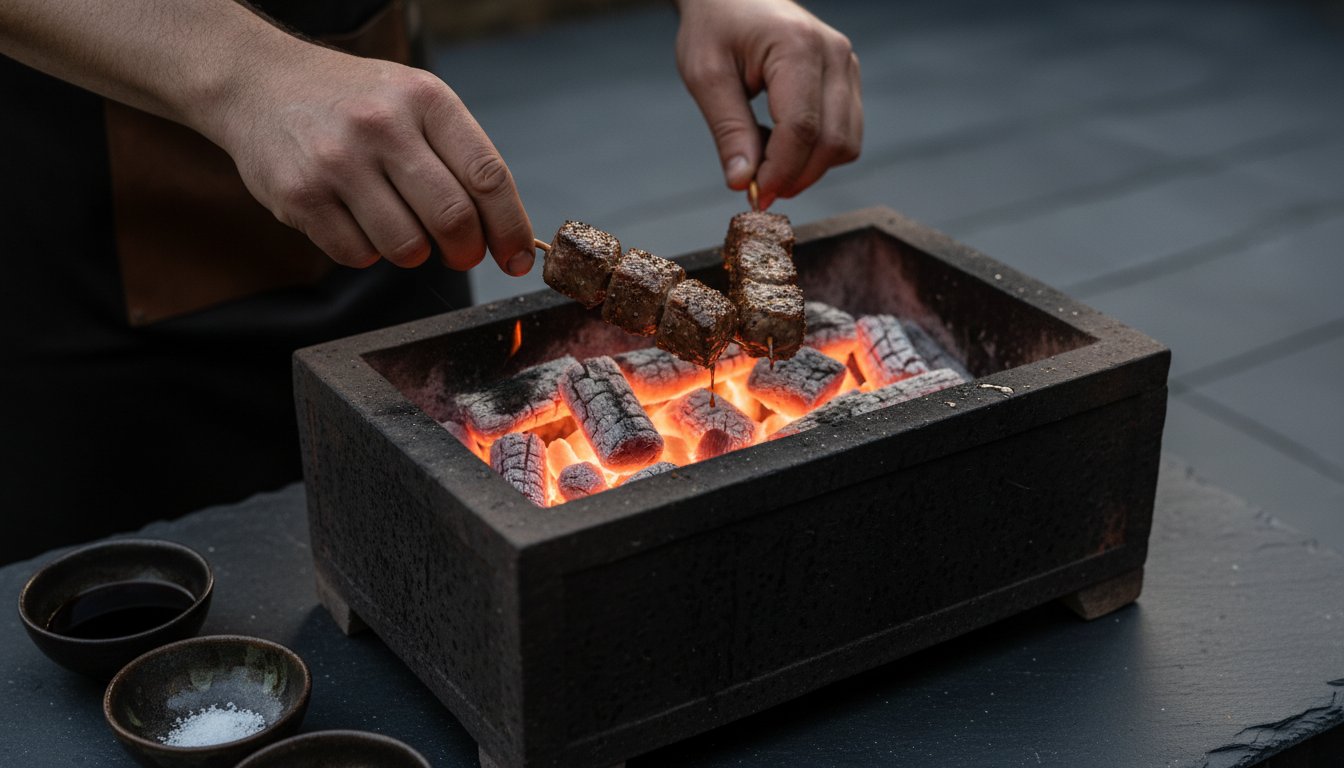
Many enthusiasts confuse the high-octane environment of a charcoal-fired Konro with the flat-top Teppanyaki-style grilling often found in commercial restaurants. While the latter relies on liquid fats and steam, true Japanese grilling is a visceral dance with intense infrared radiation. This environment demands a specific, technical approach to seasoning. The best rubs for hibachi grilling aren’t just about flavour; they’re about thermal resilience and the ability to enhance, rather than hide, the raw quality of the ingredient.
Traditional American BBQ rubs are designed for the “low and slow” ritual, often containing high percentages of brown sugar to encourage bark over twelve hours. On a Hibachi, where temperatures regularly exceed 400°C, that sugar doesn’t caramelise; it carbonises almost instantly. It creates a bitter, acrid shell that masks the buttery decadence of your meat. To achieve that signature Japanese crust, you need a profile built on salt, spice, and concentrated savoury notes that can withstand the direct flame. The best rubs for hibachi grilling prioritise these heat-stable components to ensure your expensive cuts aren’t ruined by a burnt exterior.
The Science of High-Heat Searing
Hibachi grills, particularly those crafted from diatomaceous earth, excel at reflecting heat directly into the food. This flash-caramelisation, known as the Maillard reaction, requires the meat’s surface to stay relatively dry to succeed. A fine-textured dry rub is superior here. It creates a micro-thin layer of seasoning that binds with the proteins, forming a savoury “skin” on small skewers or thin slices of Iberico. Coarse rubs often fall through the grate or create uneven hot spots, so precision in the grind is vital for consistent results. You want every millimetre of the surface to react simultaneously to the heat.
Umami: The Fifth Taste in Outdoor Gastronomy
Deep, resonant flavour shouldn’t require a 24-hour marinade that compromises the delicate texture of premium Wagyu. Instead, the seasoned connoisseur looks for rubs enriched with natural umami boosters. Ingredients like shiitake mushroom powder, kombu seaweed, and fermented soy solids provide an instant depth that mimics years of culinary tradition. This is the “fifth taste” that elevates outdoor gastronomy into a luxury experience. Before you light your charcoal, ensure your seasoning station is fully prepared by consulting the BBQ Master Checklist. Having your core umami components ready is the difference between a simple grilled snack and a refined, artistic creation.
Top Angus & Oink Rubs for Hibachi Grilling: A Curated Selection
Selecting the best rubs for hibachi grilling requires a partner who understands the intricate relationship between fire and protein. Angus & Oink has secured its place as the definitive choice for connoisseurs who view outdoor gastronomy as an art form. Their blends avoid the cheap fillers and excessive sugars found in mass-market products, focusing instead on high-purity ingredients that thrive over the intense, clean heat of a Japanese charcoal grill. These seasonings aren’t designed to mask the quality of your meat; they’re engineered to amplify it.
While many brands offer generic “Asian-style” spices, Angus & Oink provides a sophisticated toolkit for the modern grill master. Whether you’re searing delicate scallops or skewers of marbled beef, these professional-grade rubs ensure your flavours remain vibrant even at the 400°C temperatures required for authentic searing. If you’re unsure which profile best suits your upcoming social gathering, speak with our team for a tailored recommendation based on your specific equipment and menu.
The “Moo Mami” Revolution
This particular blend represents a technical upgrade for any beef-focused cook. Moo Mami is a concentrated umami-bomb, utilising bone marrow, mushroom, and soy solids to create a profound savoury depth. When applied to premium Wagyu or ribeye skewers, it reacts with the high infrared heat of the Hibachi to form a rich, dark crust that traditional salt-and-pepper seasoning simply cannot match. Because the ingredients are so potent, a light dusting is all you need to achieve restaurant-quality results. For a deeper dive into how these specific flavour profiles are constructed, you can explore The Ultimate Guide to Angus & Oink Rubs.
Poultry and Seafood: Aromatic Precision
For poultry and seafood, the objective shifts toward aromatic heat and brightness. Traditional Yakitori techniques often rely on a balance of spice and citrus to cut through the richness of grilled chicken thighs or fatty salmon. The Japanese 7 Spice (Shichimi Togarashi) is indispensable in this regard, offering a complex sensory kick from chilli, orange peel, and toasted sesame. As documented by the Japanese Culinary Academy, the precision of these aromatic components is central to the “Yakiba” or grilling tradition. Blends like “Miso Tasty” or “Korean BBQ” also adapt beautifully to the Hibachi, providing the fermented funk and ginger notes that define high-end East Asian cuisine. These rubs ensure your poultry develops a crispy, golden skin without the need for lengthy marinating times that can often break down the texture of delicate proteins.
Dry Rubs vs. Traditional Tares: Choosing Your Technique
While casual observers might associate Japanese flavours with the thick, syrupy glazes of a shopping centre food court, the seasoned connoisseur knows that true charcoal-fired excellence often begins with a dry profile. Liquid seasonings, or tares, have their place, but they present unique challenges on a high-heat Hibachi. When you introduce moisture to a fire bed reaching 400°C, you risk extinguishing the very embers that provide your precision heat. Dry seasoning allows you to maintain a consistent temperature while achieving a texture that liquid glazes simply cannot replicate.
The best rubs for hibachi grilling act as a thermal shield. They bind with the surface proteins to create a barrier that traps internal juices while the exterior undergoes a rapid transformation. Unlike heavy sauces that can cause messy flare-ups and acrid smoke, dry rubs stay exactly where you put them. This control is essential when you’re working with the focused heat of a Konro or a precision charcoal setup. For those who crave the gloss of a traditional glaze, the hybrid approach is the professional’s secret: apply your dry rub for the duration of the cook, then finish with a single, swift brush of tare in the final thirty seconds.
Mastering the Crust
The primary advantage of a dry rub is the creation of a “Salty-Umami” crust. This micro-thin layer doesn’t just provide flavour; it protects the delicate interior of the meat from the intense infrared radiation. Because there’s no liquid barrier to evaporate, the clean, subtle smoke from premium charcoal can penetrate the protein more effectively. Visually, a rub-finished skewer offers a refined, matte elegance that highlights the quality of the cut, whereas a sticky glaze often masks the craftsmanship of your butchery. It’s the difference between a refined artistic creation and a standard BBQ skewer.
Timing Your Seasoning
Timing is as critical as the ingredients themselves. For high-quality proteins, avoid seasoning too far in advance. Applying salt-heavy rubs hours before grilling can draw out moisture, leaving your meat leathery rather than succulent. Instead, dust your skewers just before they hit the grate. This ensures the best rubs for hibachi grilling stay on the surface to form that vital crust. Once the sear is complete, the resting phase allows the concentrated flavours of the rub to integrate with the retreating juices, creating a self-basting effect that carries the umami deep into every bite. This methodical approach ensures that even the most delicate seafood retains its structural integrity and moisture under fire.
The Synergy of Heat: Matching Rubs with Specialty Charcoal
In the world of outdoor gastronomy, your fuel is far more than a heat source; it’s a vital accessory to your seasoning. To truly unlock the potential of the best rubs for hibachi grilling, you must consider the aromatic interaction between the embers and the spices. Low-quality charcoal often releases acrid volatiles that settle on your meat, masking the complex umami notes you’ve worked to cultivate. For the discerning cook, the choice of fuel is as deliberate as the choice of rub.
Using Eucalyptus Binchotan provides a clean, high-heat canvas. This premium charcoal burns with surgical precision, allowing the delicate aromatics of a Japanese 7-spice or a miso-based rub to shine without competition. If you’re searing a heavy beef cut, Coffee Charcoal offers subtle, earthy notes that naturally complement deep, savoury profiles. To ensure these flavours remain pure, always use natural firelighters. Paraffin-based alternatives can leave a chemical taint that ruins the sensory experience of a high-end skewer.
If you’re ready to upgrade your fuel station to match your culinary ambitions, contact our specialists for a custom charcoal consultation.
The Infrared Advantage
The intense infrared heat emitted by Eucalyptus Binchotan is what allows a rub to “set” almost instantly. This rapid caramelisation locks in moisture before the spices have a chance to burn. For cooks who prefer a more traditional, punchy wood-smoke aroma, Big Eds Lumpwood provides a faster, higher-flame environment. Choosing the right density of charcoal is the final step in mastering your flavour kit. You can explore these technical differences in The Ultimate Guide to Charcoal.
Managing the Fire Bed
Maintaining the integrity of your seasoning requires active management of the fire bed. Adjust your Hibachi vents to modulate the oxygen flow; this prevents the rub from scorching when the fat begins to render. We recommend using a two-zone setup where you can move seasoned skewers to a cooler edge for a gentle finish. Using low-ash fuel like Bincho Professional Briquettes is also a professional necessity. High-ash fuels can create a “dusting” effect, where grey ash sticks to the wet surface of the meat, compromising both the visual appeal and the purity of the rub.
Building Your Hibachi Flavour Kit: A Step-by-Step Guide
Mastering the flame is only half the battle; the other half is preparation. To consistently produce skewers that rival a Tokyo yakitori-ya, you need a logical framework for your seasoning. Building a dedicated kit allows you to move beyond guesswork and into the realm of culinary precision. The best rubs for hibachi grilling are most effective when they’re part of a curated system that includes the right tools and the cleanest fuel sources. This methodical approach ensures that every social gathering you host becomes a refined showcase of your skills.
Start by selecting your “Core Three” profiles. For beef, a heavy umami hitter is non-negotiable. For poultry, look for aromatic heat that complements the smoke. Finally, an authentic Japanese blend provides the versatility needed for vegetables or seafood. Once your seasonings are chosen, ensure your hardware matches your ambition. Fine-tipped tongs allow for the surgical rotation of small skewers, while a high-quality shaker ensures the even, fine distribution of powder required for a perfect crust. Layering is the final frontier of the connoisseur. Don’t be afraid to finish a seasoned skewer with a spray of yuzu juice or a pinch of high-quality sea salt to create a bright contrast against the deep, smoky umami of the rub.
Curating the Collection
Starting your journey with a versatile range like Angus & Oink ensures you’re prepared for any protein that crosses your prep table. However, the potency of these professional-grade seasonings is fragile. Store your rubs in a cool, dark place, far from the radiant heat of the grill or the moisture of the kitchen, to prevent clumping and flavour degradation. Consistency is the hallmark of the expert, which is why many of our clients prefer bulk-buying their Hibachi fuels. Having a steady supply of Binchotan or restaurant-grade charcoal ensures that your thermal environment remains identical every time you cook, allowing the best rubs for hibachi grilling to perform predictably.
The BBQ Experts Advantage
We don’t just sell hardware; we provide a complete ecosystem for the dedicated enthusiast. The synergy between a Japanese Charcoal Grill, precision fuel, and world-class seasoning is what transforms a simple meal into a private retreat for the senses. Our role is to act as your expert mentor, guiding you through these selections to ensure every investment enhances your lifestyle status and culinary capability. If you’re ready to move beyond the ordinary and embrace the raw joy of outdoor gastronomy, contact our experts to curate your ultimate Hibachi setup and begin your journey toward total flavour mastery.
Transform Your Outdoor Gastronomy into a Japanese Masterpiece
Achieving restaurant-quality results on a Konro or Hibachi isn’t about luck; it’s about the deliberate marriage of high-purity heat and thermal-resistant seasoning. You’ve learned that the secret to a perfect crust lies in avoiding sugary fillers and embracing the deep, savoury power of umami. Selecting the best rubs for hibachi grilling is the final step in creating a private retreat where every skewer is a refined artistic creation. By pairing professional-grade seasonings with the clean infrared radiation of Binchotan, you ensure your premium proteins are elevated rather than overshadowed.
We take immense pride in our role as the bridge between professional equipment and the home enthusiast. As a specialist UK retailer of Angus & Oink and a primary source for professional-grade Binchotan charcoal, we’re here to help you refine your technique. Our expert curation ensures you only ever use the best tools for the job. Elevate your Hibachi sessions-Contact The BBQ Experts for professional seasoning and fuel advice. Your journey toward culinary precision begins with a single, perfectly seasoned flame. We can’t wait to see what you create.
Frequently Asked Questions
What makes a rub “Hibachi-style” compared to standard BBQ rubs?
Hibachi-style rubs prioritise thermal resilience and umami over the sweetness typically found in American BBQ. While standard rubs often rely on brown sugar that carbonises at high temperatures, these blends use salt, mushroom powder, and spices that can withstand 400°C. This ensures you achieve a savoury, Maillard-driven crust rather than a bitter, burnt shell. It’s about achieving a technical balance that respects the intense infrared radiation of a charcoal fire.
Can I use Angus & Oink rubs on a ceramic Konro grill without damaging it?
You can use these rubs with complete confidence on any ceramic Konro or Japanese charcoal grill. The dry nature of these seasonings actually protects the interior of your grill by reducing the liquid runoff that can stain or saturate the diatomaceous earth. Just ensure you aren’t using excessive oil on your skewers; this keeps the fire bed clean and prevents flare-ups that could affect the longevity of your ceramic hardware.
Do I need to use MSG to get that authentic Hibachi flavour?
Authentic flavour doesn’t require synthetic additives when you have access to high-purity natural ingredients. Professional-grade rubs achieve deep savoury notes through the use of shiitake mushroom powder, kombu seaweed, and concentrated fermented soy solids. These components provide a resonant umami profile that is far more sophisticated than pure MSG. It allows the natural quality of your British-sourced meats to remain the undisputed star of the sensory experience.
How do I stop my dry rubs from burning on the high heat of a Hibachi?
Preventing scorching starts with selecting the best rubs for hibachi grilling that are low in sugar and finely ground. A fine texture ensures the seasoning binds tightly to the protein, creating a protective barrier rather than loose particles that fall and burn. You should also utilise a two-zone fire setup; this allows you to sear over the intense Binchotan heat and then move the skewers to a cooler edge to finish gently.
Is it better to season Hibachi skewers before or during the cook?
We recommend seasoning your skewers immediately before they hit the grate for the most consistent results. Applying a dry rub too early can draw out the internal juices of premium proteins, leading to a leathery texture. For delicate items like scallops or white fish, a light dusting halfway through the cook can prevent the spices from overpowering the subtle sweetness of the seafood while still providing that essential aromatic kick.
What is the best rub for a Wagyu steak cooked on a Hibachi?
Moo Mami by Angus & Oink is the gold standard for any high-marbled beef cooked over charcoal. Its inclusion of bone marrow and mushroom solids creates a profound savoury depth that mirrors the luxury of the cut. It’s frequently cited as one of the best rubs for hibachi grilling because it enhances the buttery mouthfeel of Wagyu fat without introducing the cloying sweetness that ruins a high-end steak experience.
How does Binchotan charcoal affect the taste of my seasoning?
Can I mix different Angus & Oink rubs for a custom Hibachi blend?
Layering different profiles is a hallmark of the expert mentor and is highly encouraged. You can create a complex, signature blend by starting with a savoury base and adding a finishing layer of aromatic heat. For example, a light coating of a miso-based rub followed by a post-sear sprinkle of Shichimi Togarashi adds both depth and a fresh sensory zing. This creative freedom is what transforms your outdoor kitchen into a private retreat.
Disclaimer
This article was produced with AI assistance. We use AI and Third Parties to help deliver more content to our BBQ website and community, but we always aim to ensure accuracy and quality as much as we can. If you spot anything that doesn't seem right, we'd love to hear from you

Recent News & Updates

Our Story, Values and Beliefs
Here at the BBQ experts we have a passion for BBQ food, outdoor living and spending time with family and friends. We offer you; A...
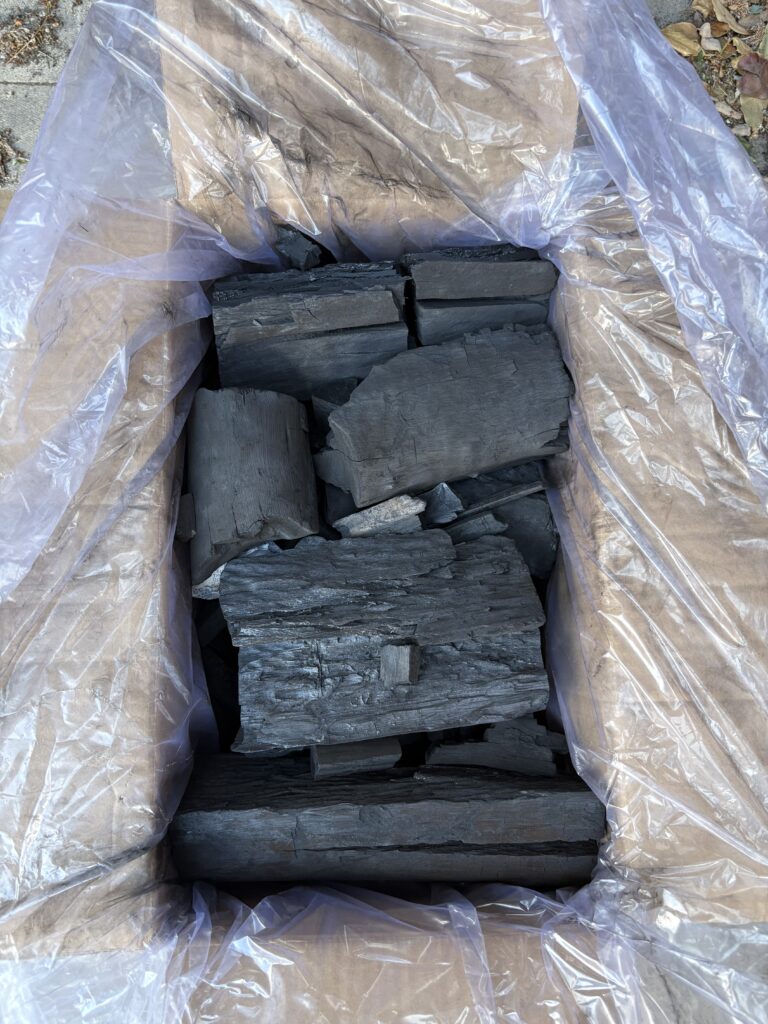
FAQ: Why does Big Ed’s Charcoal have a mix of big and small lumps?
Big Ed’s is all about top-quality, long-burning charcoal, made from a mix of Eucalyptus and Mangrove wood. Each 10kg box is packed with...