
Best Charcoal for Pizza Oven: Achieve Professional Heat in 2026
Why does your home-baked Margherita often lack the blistering leopard spotting of a Neapolitan pizzeria, even when your thermometer suggests the stone is ready? You’ve likely felt the frustration of watching your oven temperature plummet just as the second pizza is ready to slide onto the stone. Finding the best charcoal for pizza oven performance is about more than just starting a fire; it’s about engineering a thermal environment that sustains 400°C+ without the dreaded temperature lag between bakes.
We believe your outdoor kitchen should be a place of culinary precision and sensory joy, not a battle against suffocating ash or chemical taints. This guide will show you how to select high-performance fuels that deliver authentic wood-fired flavour and professional heat. We’ll compare elite options like Big Eds Gourmet Mix and dense Coffee Charcoal, giving you the knowledge to achieve consistent 60-second bakes and minimal cleanup. Prepare to transform your garden into a refined retreat where every crust is a masterpiece of heat and craft.
Key Takeaways
- Master the science of the 60-second bake by understanding how high-intensity radiation and thermal stability eliminate the common issue of soggy bases.
- Identify the best charcoal for pizza oven performance, from fast-lighting Oak for quick sessions to ultra-dense Coffee Charcoal for sustained, high-heat hosting.
- Learn why professional-grade lumpwood offers the peak temperatures needed for Neapolitan styles, while hexagonal briquettes provide the stone recovery time required for back-to-back bakes.
- Discover the ‘Hybrid Method’ of fuel management that combines the base heat of premium charcoal with the rolling flames of kiln-dried wood for perfect leopard spotting.
- Ensure your dough remains pristine by using natural firelighters and low-ash fuels that prevent chemical taints and airflow clogs in your oven.
Why Your Pizza Oven Demands Premium Fuel (400°C+ Consistency)
Achieving the perfect Neapolitan pizza is an exercise in high-stakes physics. To trigger the explosive oven spring and iconic leopard spotting of a professional crust, your oven must radiate intense, consistent heat exceeding 400°C. Standard supermarket lumpwood simply isn’t engineered for this high-performance environment. It lacks the carbon density to sustain peak temperatures, often burning out before your second pizza even hits the stone. When you search for the best charcoal for pizza oven use, you’re actually looking for a fuel that manages the delicate balance between high-intensity radiation and minimal ash production.
Cheap charcoal is notorious for its high ash content. In the confined space of a pizza oven, this fine dust acts like a blanket, choking the airflow and starving the fire of oxygen. As the air intake clogs, your temperature drops, leading to the dreaded “soggy base” syndrome. This happens because the pizza stone loses its stored energy faster than the weak fuel can replenish it. Without that rapid stone recovery, the dough steams rather than sears, ruining the texture of your bake.
Thermal Stability vs. Peak Heat
Professional pizzaiolos prioritise thermal stability over a fleeting flash of heat. High-density fuels, such as Big Eds Gourmet Mix, act as a thermal battery for your oven. They absorb and then radiate heat steadily, ensuring your stone recovery time is measured in seconds rather than minutes. This stability is crucial for the Maillard reaction, the chemical process that creates the complex flavours and textures of a perfectly charred crust. If your fuel contains too much moisture, that energy is wasted turning water into steam, preventing the dry, searing heat required for crisping.
The Danger of Volatile Organic Compounds (VOCs)
The porous nature of pizza dough makes it incredibly susceptible to environmental taints. Using “easy-light” charcoal or chemical firelighters introduces volatile organic compounds into the cooking chamber, which then settle directly onto your cheese and crust. To protect the integrity of your ingredients, you should only use 100% natural fuels and natural firelighters. A clean burn refers to the complete combustion of fuel where only heat and carbon dioxide are produced, leaving no acrid chemical residues to settle on your food. This purity is what separates a backyard hobbyist from a true outdoor connoisseur who values culinary precision.
The Best Charcoal Varieties for Intense Heat & Low Ash
Selecting the specific species of hardwood for your fire is as critical as the hydration levels of your dough. While many home cooks settle for generic lumpwood, a seasoned connoisseur understands that different woods offer distinct thermal profiles. To secure the best charcoal for pizza oven performance, you need a fuel that balances high carbon density with an incredibly low ash yield. Finding the best charcoal for pizza oven results isn’t just about the peak temperature; it’s about the quality and longevity of the burn.
A superior fuel ensures the stone remains saturated with heat while the airflow stays unrestricted throughout your entire hosting session. This prevents the temperature dips that lead to pale, undercooked crusts.
Coffee Charcoal: The High-Performance Alternative
Derived from the dense wood of coffee trees, this variety is a secret weapon for long, high-heat sessions. Its extreme density allows it to hold a more stable heat curve than traditional European hardwoods. Because it burns so efficiently, it produces significantly less ash, keeping your oven floor pristine for back-to-back launches. We recommend using Coffee Restaurant Charcoal when you plan to cook for a large group, as it sustains professional temperatures without the need for constant refuelling.
Turkish Oak and Large Lumpwood
Turkish Oak remains the gold standard for many enthusiasts due to its reliable, high-temperature output and subtle, sweet aroma. When selecting oak, lump size is paramount. Large, chunky pieces create the structural gaps needed in your firebox to facilitate maximum oxygen flow. This is essential for hitting that 400°C threshold. Using a premium source like Big Johns Turkish Oak Charcoal ensures you get the large-screened lumps required for peak airflow rather than the small “fines” found in budget bags.
For those seeking restaurant-level temperatures with virtually zero smoke interference, Eucalyptus Binchotan offers a near-neutral heat profile that lets the flavour of your ingredients shine. Alternatively, Big Eds Gourmet Mix provides a professional lumpwood blend that offers the versatility needed for both quick family dinners and intensive weekend bakes. If you aren’t sure which variety suits your specific oven model, you can always speak with our expert team for a tailored recommendation. We’re here to help you transform your outdoor space into a refined culinary retreat.
Lumpwood vs. Professional Briquettes: Which Dominates the Pizza Oven?
In the quest for the best charcoal for pizza oven mastery, you’ll eventually face the choice between raw lumpwood and engineered briquettes. It isn’t a matter of one being superior in all cases; rather, it’s about matching the fuel’s physical properties to your specific oven and hosting style. Lumpwood offers the raw, untamed energy required for a rapid preheat, while professional briquettes provide the composed, steady radiation necessary for a marathon pizza party. Understanding the physical structure of your fuel is the first step toward achieving that elusive, perfect bake.
The residue comparison is where the distinction becomes most apparent. Pure lumpwood leaves behind a light, flaky ash that is easily managed, but professional briquettes, due to their extreme compression, leave behind a minimal, sandy residue. This difference is vital for maintaining the thermal integrity of your pizza stone over long durations. When you use the best charcoal for pizza oven sessions, you’re investing in a fuel that works with your equipment, not against it.
When to Choose Lumpwood
For owners of portable, small-dome ovens, lumpwood is often the preferred choice. Its irregular shapes allow for rapid ignition and a swift ascent to those crucial 400°C+ temperatures. However, the quality of the lump matters immensely. You must avoid the small “fines” and dust found in lower-grade bags, as these settle in the grate and starve the fire of oxygen. If you want to understand the broader landscape of fuel types, our Ultimate Guide to Charcoal offers a deeper dive into elevating your outdoor gastronomy. High-quality lumpwood burns away to almost nothing, ensuring that airflow remains perfect for your next launch.
The Case for Professional Briquettes
While supermarket briquettes are laden with chemical binders and fillers that ruin pizza dough, professional-grade alternatives are a revelation. Hexagonal “Bincho” styles are crafted from pure, compressed hardwood sawdust. These are a game-changer for larger stone ovens because they provide incredible uniformity of heat. There are no “cold spots” with these fuels. They act as a persistent thermal anchor, allowing you to manage a four-hour hosting session without the constant distraction of refuelling. Using Bincho Professional Hexagonal Briquettes transforms the rhythm of your cooking, moving from the frantic energy of fire management to the calm precision of the bake. Their density means they produce far less ash than even the finest lumpwood, keeping your oven floor spotless and your airflow pristine for hours on end.
Mastering the Bake: How to Manage Your Charcoal Fire
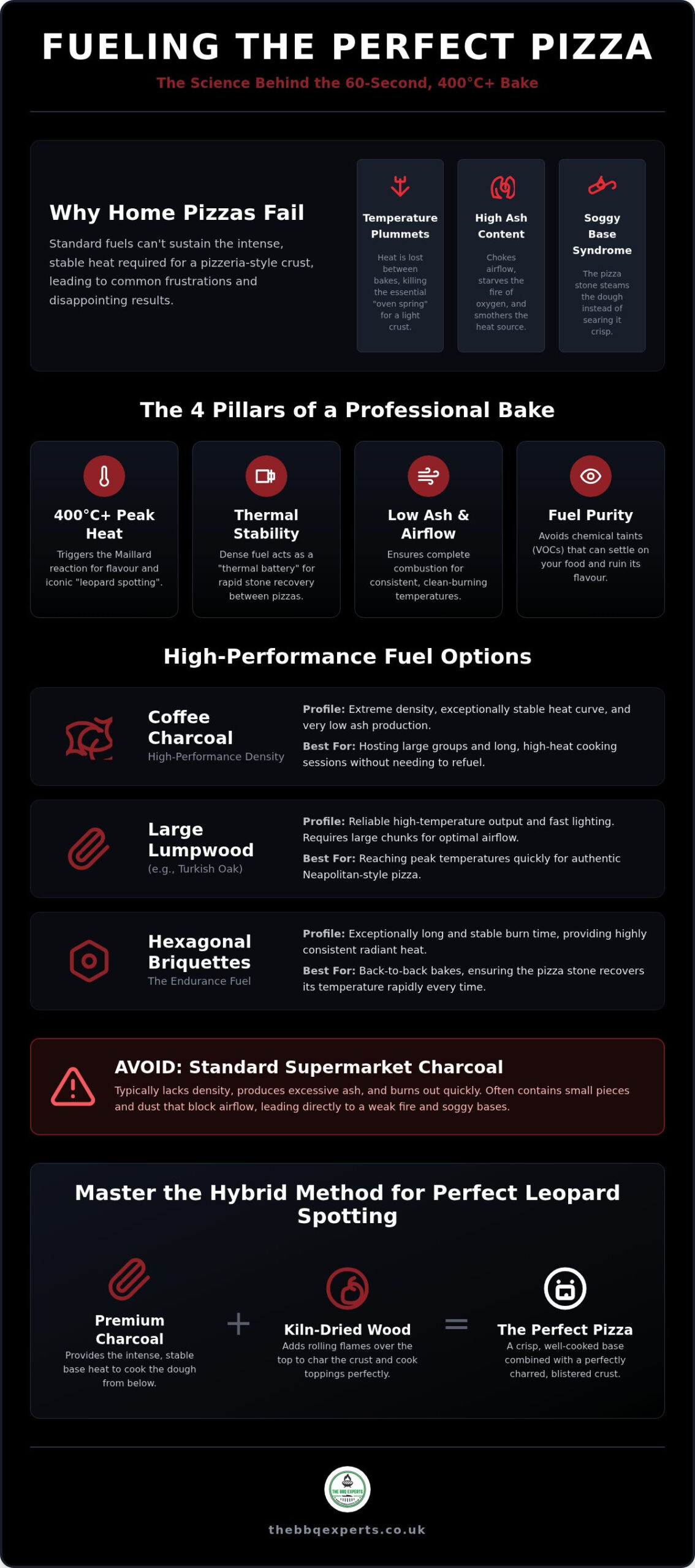
Managing a high-performance fire is an art form that separates the casual cook from the master pizzaiolo. While we’ve explored how density and wood species contribute to finding the best charcoal for pizza oven use, the technique of the “Hybrid Method” is where culinary precision truly meets raw power. This method involves using high-density charcoal to establish a massive reservoir of energy in the pizza stone, then introducing small splits of kiln-dried wood just before launching. This creates a rolling flame that licks across the oven ceiling, blistering the toppings while the charcoal base ensures the stone recovery remains instantaneous.
Your goal is a state of thermal saturation. By using charcoal as your primary energy source, you maintain a steady 400°C+ floor temperature without the volatile spikes and rapid drops associated with wood alone. This dual-fuel approach allows you to focus on the craft of stretching and topping your dough rather than constantly wrestling with an unpredictable firebox.
The Perfect Lighting Sequence
Success begins long before the first pizza is launched. Start by creating a charcoal “nest” in your firebox, arranging the larger lumps to ensure maximum oxygen flow to the core. To preserve the delicate, yeasty profile of your dough, use Natural Firelighters rather than chemical alternatives. These ensure a taint-free environment where only the natural aroma of the hardwood touches your food. For premium hardwoods like Coffee or Oak, allow a pre-heat time of 20 to 30 minutes. This duration ensures the heat has penetrated deep into the stone, providing the “thermal battery” effect required for back-to-back bakes.
Temperature Control and Troubleshooting
It’s a common mistake to rely solely on the oven’s built-in thermometer. These usually measure ambient air temperature, which can be deceptive. You must ensure the stone itself has reached the target heat before your first launch. If you notice a slight dip in performance, the “Door Trick” is a reliable solution; briefly restricting and then opening the airflow can cause a sudden oxygen spike that surges the heat just before you slide the peel inside. For a more detailed comparison of heat sources, our guide on Pizza Oven Magic: Wood Fired vs. Gas Explained offers further technical insights into managing these environments.
Elevate Your Outdoor Kitchen with The BBQ Experts’ Selection
Our curation process is driven by a single standard: professional-grade precision. We understand that the best charcoal for pizza oven performance isn’t found on a supermarket shelf; it’s forged from high-density hardwoods that respect the craft of the pizzaiolo. By selecting only restaurant-grade fuels, we ensure your outdoor kitchen remains a refined social hub where the equipment never falters. Investing in superior fuel is an upward move in both your culinary capability and your lifestyle status, transforming a simple garden meal into a sophisticated gastronomic event.
Maintaining a consistent supply is the hallmark of a seasoned host. Our bulk buy advantages mean you’re never caught without the best charcoal for pizza oven sessions during the height of the British summer. Consistency in your fuel leads to consistency in your bake, allowing you to master the nuances of your specific oven without the variables of low-quality, sparky charcoal.
The BBQ Experts’ Top 3 Pizza Fuels
- Big Eds Lumpwood: This is the ultimate choice for those who demand raw, all-natural heat and rapid ignition for quick, high-intensity sessions.
- Coffee Charcoal: A high-density powerhouse that offers the longest burn time available, making it the secret weapon for extended hosting.
- Bincho Briquettes: Engineered for the connoisseur who values professional-grade consistency and the lowest possible ash production for a spotless oven floor.
Take Your Gastronomy Further
True mastery extends beyond the flame. To elevate your toppings, we recommend the complex flavour profiles of Angus & Oink Rubs, which add a professional layer of seasoning to meats and vegetables before they hit the stone. To ensure you’re never caught unprepared, we suggest securing your supplies through our Bulk Buy Fuel options. This ensures consistent quality across every garden party and private retreat, allowing you to focus on the joy of the craft.
Final Pizza Connoisseur’s Checklist:
- High-density hardwood charcoal (Coffee or Oak) for thermal stability.
- Natural firelighters to ensure a taint-free crust.
- A dedicated dry storage area to maintain fuel integrity.
- An infrared thermometer to verify stone saturation.
- A selection of professional rubs for topping elevation.
Ready to transform your outdoor cooking? Consult the experts for your bespoke fuel and equipment needs and start your journey toward culinary excellence today.
Mastering the Art of the 400°C Bake
Achieving a professional-grade crust requires more than just a high-end oven; it demands the thermal precision that only high-density, restaurant-grade fuels can provide. By prioritising the best charcoal for pizza oven sessions, you eliminate the frustration of temperature drops and ensure your stone recovery remains instantaneous for every guest. Whether you choose the extreme longevity of Coffee Charcoal or the rapid, intense heat of Big Eds Lumpwood, your focus remains on the craft of the bake rather than the struggle with the firebox.
As specialists in Grade A Restaurant Charcoal and stockists of the full Angus & Oink range, we are here to provide the expert guidance needed for high-end outdoor kitchens. Elevate your outdoor gastronomy with professional fuel from The BBQ Experts and transform your garden into a refined retreat. It’s time to ignite your passion for precision and serve the perfect slice.
Frequently Asked Questions
Can I use normal BBQ charcoal in a pizza oven?
You shouldn’t use standard BBQ charcoal if you want professional results. Most supermarket options consist of small pieces that pack too tightly, restricting the oxygen flow needed to hit 400°C. For the best charcoal for pizza oven performance, you need the large-screened, high-density lumps found in restaurant-grade bags. These provide the intense radiation required for that perfect, 60-second Neapolitan bake without the excessive ash of budget brands.
Is lumpwood or briquettes better for pizza ovens?
Lumpwood is generally better for hitting peak temperatures quickly, making it ideal for portable ovens. However, professional hexagonal briquettes are a game-changer for larger stone ovens during long hosting sessions. They offer incredible uniformity and longevity without the chemical binders found in budget versions. The choice depends on whether you value a fast pre-heat or a four-hour thermal anchor for back-to-back pizzas.
How much charcoal do I need for a 2-hour pizza session?
For a standard two-hour session, you should expect to use approximately 3kg of high-quality hardwood charcoal. While this varies based on oven insulation and ambient temperature, high-density fuels like Coffee Charcoal are much more efficient. You’ll find that premium fuels maintain the stone’s thermal saturation with less volume, meaning you won’t have to refuel as often during your gathering. Always keep a spare bag ready for peak season.
Why is my pizza oven not reaching 400 degrees?
Your oven is likely struggling due to poor airflow or damp fuel. If your charcoal has been stored in a humid environment, it won’t reach the necessary 400°C because the energy is spent evaporating moisture. Additionally, check your firebox for ash buildup. Even the best charcoal for pizza oven use needs a clear path for oxygen to flow; otherwise, the fire will smoulder rather than roar.
Can I mix charcoal and wood in my pizza oven?
Mixing charcoal and wood is the preferred method for many expert pizzaiolos. By using charcoal to establish a massive reservoir of heat in the pizza stone, you create a stable foundation. You then add small pieces of kiln-dried wood just before launching to create the rolling flame needed for leopard spotting. This hybrid approach gives you the reliability of charcoal with the sensory joy of a wood fire.
Does the type of charcoal affect the taste of the pizza?
How do I stop my charcoal from producing too much ash?
Minimising ash starts with choosing ultra-dense hardwoods that have been properly carbonised. Professional fuels like Coffee Charcoal or Big Eds Gourmet Mix are specifically screened to remove dust and impurities. Because these fuels burn more completely, they leave behind a tiny fraction of the residue found in cheaper alternatives. This keeps your air intakes clear and ensures your oven floor stays clean for every pizza you launch.
What is the fastest way to light charcoal for a pizza oven?
The most effective way to ignite your fuel is using a chimney starter paired with natural firelighters. This setup creates a concentrated updraft that gets high-density charcoal glowing in about 15 to 20 minutes. Avoid using liquid accelerants, as the smell will linger in the oven dome and taint your first few bakes. Starting with a clean, natural flame ensures your outdoor kitchen remains a refined space for gastronomy.
Disclaimer
This article was produced with AI assistance. We use AI and Third Parties to help deliver more content to our BBQ website and community, but we always aim to ensure accuracy and quality as much as we can. If you spot anything that doesn't seem right, we'd love to hear from you

Recent News & Updates

Our Story, Values and Beliefs
Here at the BBQ experts we have a passion for BBQ food, outdoor living and spending time with family and friends. We offer you; A...
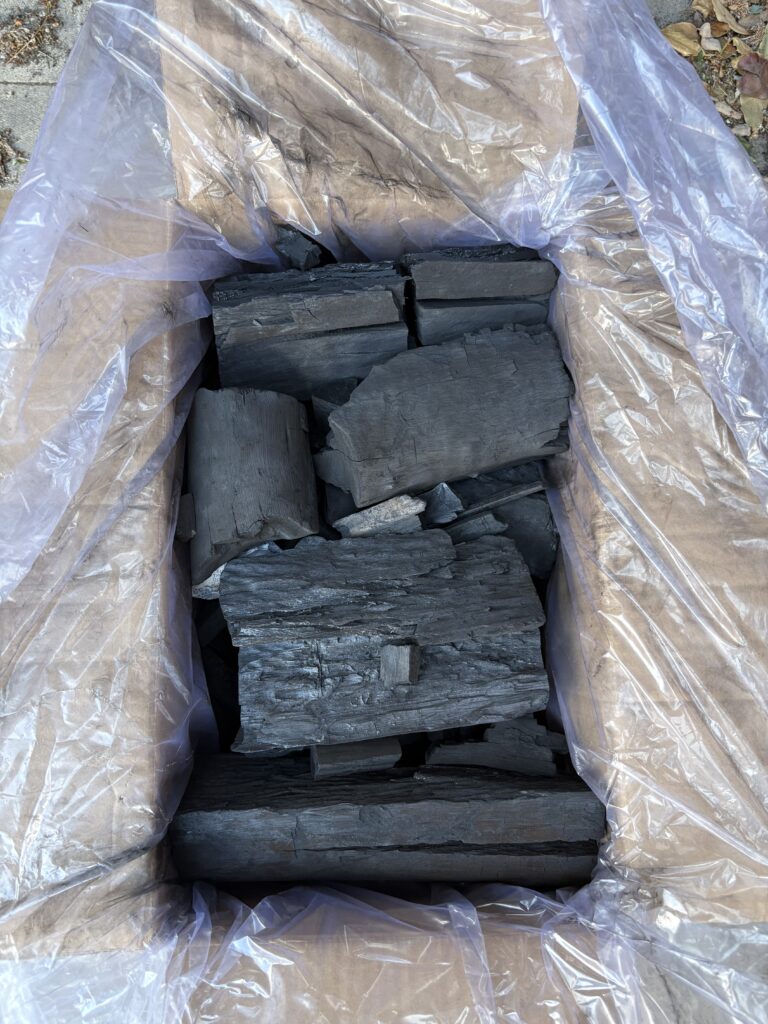
FAQ: Why does Big Ed’s Charcoal have a mix of big and small lumps?
Big Ed’s is all about top-quality, long-burning charcoal, made from a mix of Eucalyptus and Mangrove wood. Each 10kg box is packed with...