
Lumpwood vs Briquettes: The Connoisseur’s BBQ Fuel Guide
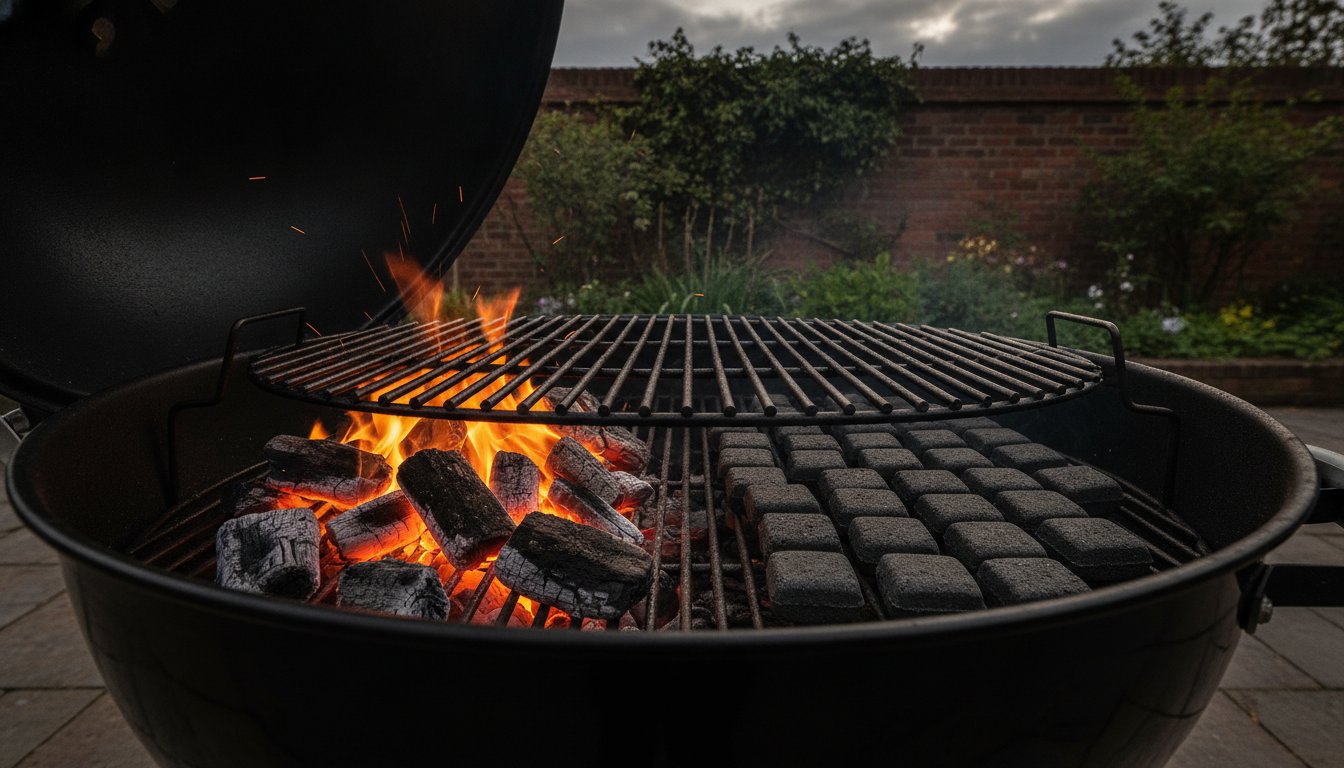
Your choice of charcoal isn’t just a heat source; it’s the most influential ingredient in your entire culinary repertoire. If you’ve ever suffered through a beautiful cut of meat ruined by an acrid, chemical aftertaste, you’ve already experienced the losing side of the debate regarding lumpwood vs briquettes for flavour. While high-street options often rely on binders and fillers, true outdoor gastronomy demands a fuel that respects the integrity of the produce. With the natural charcoal segment capturing nearly 69% of the market in 2026, it’s clear that the modern enthusiast is finally prioritising purity and sensory excellence over mere convenience.
We understand that achieving that elusive, restaurant-quality bark requires more than just high-end hardware; it requires an intimate knowledge of how different carbons behave under fire. You’ll discover how your choice of charcoal fundamentally alters the flavour profile of your food and learn to select the perfect fuel for every gastronomic occasion. This guide examines the technical differences between Big Eds lumpwood and dense Oak briquettes, the science of fuel-to-meat pairing, and the precise heat control techniques used by the world’s most accomplished pitmasters to transform a simple meal into a refined artistic creation.
Key Takeaways
- Understand why the debate of lumpwood vs briquettes for flavour is the foundation of every successful cook, acting as your primary layer of seasoning.
- Master the science of Volatile Organic Compounds to achieve a professional smoke ring and deep aroma through strategic wood density selection.
- Learn to match your fuel to your hardware, choosing Big Eds for intense searing in Fire Cages or Oak Briquettes for consistent thermal distribution.
- Discover the Flavour Pyramid technique to seamlessly integrate pure smoke with the complex profiles of Angus & Oink professional rubs.
- Transition from casual grilling to refined outdoor gastronomy by mastering the heat control required for restaurant-quality results at home.
The Great Fuel Debate: Does Lumpwood or Briquette Choice Define Your Flavour?
For the seasoned connoisseur, the fire is never just a utility. It’s the primary layer of seasoning. The debate surrounding lumpwood vs briquettes for flavour isn’t merely about how hot your grill gets; it’s about the chemical purity of the air surrounding your ingredients. When you choose a premium fuel, you’re choosing what isn’t there. High-street charcoal often hides a cocktail of additives, but professional-grade options provide a clean canvas. At this level of outdoor gastronomy, we view fuel as an ingredient that should enhance, never mask, the natural profile of your produce.
Think of your fuel as the heartbeat of your outdoor kitchen. Whether you’re using a Fire Cage for open-air drama or a precision-engineered Japanese Charcoal Grill, the carbon you burn dictates the final palate. Pure carbonised wood offers a terroir-driven smoke that mimics the forest floor. In contrast, manufactured fuels focus on a steady, predictable thermal delivery. Understanding this fundamental difference is the first step toward mastering the sensory joy of the flame.
What is Lumpwood Charcoal? The Purest Expression of Fire
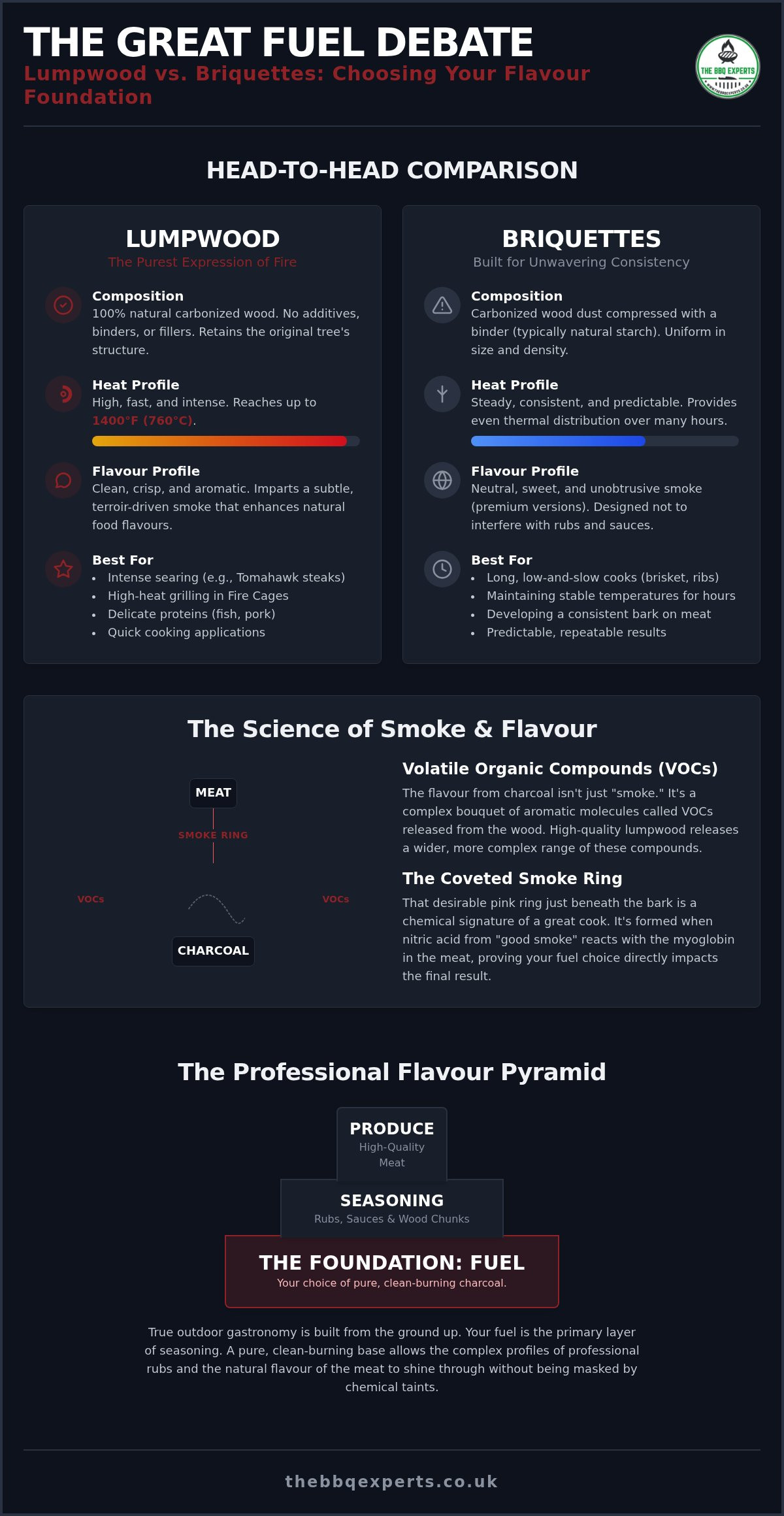
Lumpwood is fire in its most honest form. It’s created through a meticulous method known as The Charcoal Production Process, or pyrolysis. By heating wood in an oxygen-free environment, moisture and volatile gases are driven off, leaving behind “black gold.” Because it hasn’t been ground down or compressed, lumpwood retains the cellular structure of the original tree. This is why Big Eds Finest Lumpwood provides such a clean, high-velocity heat. It ignites quickly and offers a crisp, aromatic hit that’s essential for delicate proteins like sea bass or heritage pork. The wood species matters deeply here; a King Khaya or Eucalyptus charcoal will impart a subtly different finish than a standard hardwood mix.
What are Charcoal Briquettes? Built for Consistency
While lumpwood is wild and evocative, briquettes are the architects of the BBQ world. They’re composed of carbonised wood dust held together by a binder, usually a natural starch. While some budget versions use mineral fillers that can create a dusty, “grey” aroma, premium Oak Briquettes represent a sophisticated middle ground. They offer a density that lumpwood cannot match, providing a steady, unwavering thermal distribution over several hours. This consistency is vital for long, slow cooks where you need the bark to develop without the interference of fluctuating temperatures. For the connoisseur, the goal is to find briquettes that prioritise wood purity, ensuring the smoke remains sweet and unobtrusive throughout the entire cook.
When you pair these high-quality fuels with professional-grade seasonings like Angus & Oink rubs, you start to see the “Flavour Pyramid” in action. The fuel provides the clean, smoky base that allows the complex spices in your rub to shine. Without that purity, even the most expensive cut of Wagyu will taste of little more than industrial exhaust.
The Science of Smoke: How Fuel Composition Impacts the Palate
To master the flame, one must understand the chemistry of what happens when carbon meets oxygen. When we discuss lumpwood vs briquettes for flavour, we are really discussing the release of Volatile Organic Compounds (VOCs). These compounds are the aromatic molecules that migrate from the fuel into the fibres of your meat. High-quality lumpwood, being 100% natural wood, releases a complex bouquet of these compounds that create the coveted smoke ring. This pink border isn’t just for aesthetics; it’s a chemical reaction between nitric acid in the smoke and myoglobin in the meat, a process detailed in The Science of Barbecue Flavor.
Temperature serves as the catalyst for these flavours. Lumpwood charcoal can reach staggering temperatures of around 1400°F (760°C), which is essential for triggering the Maillard reaction on a Tomahawk steak. This rapid browning creates a completely different taste profile compared to the low-and-slow approach. If your fuel is poor quality, you risk incomplete combustion. This results in “bad” smoke, a thick, acrid white cloud that leaves a bitter, sooty coating on your food. True gastronomy relies on “thin blue smoke,” which only comes from pure, well-managed fuel.
Terroir in Charcoal: The Flavour Profiles of Oak, Coffee, and Eucalyptus
Just as wine is defined by its soil, charcoal is defined by its wood species. Turkish Oak is the traditionalist’s choice, offering a robust, “pub-style” aroma that stands up to heavy beef cuts. For those seeking a deeper complexity, Coffee Restaurant Charcoal provides a dense, long burn with a subtle, earthy sweetness that pairs beautifully with game. If you’re working with delicate poultry or seafood on a Hibachi Grill, Eucalyptus Charcoal offers a neutral, crisp profile. It provides the heat you need without overpowering the natural sweetness of the ingredients.
The Briquette Dilemma: Managing Binders and Ash
The challenge with standard briquettes lies in their construction. Many mass-market options use mineral fillers or chemical binders that can impart a distinct “chemical” tang, especially during the initial lighting phase. This is why the natural charcoal briquette segment has grown to nearly 69% of the market in 2026; connoisseurs are demanding purity. High ash production is another silent flavour killer. Excessive ash can insulate the fuel, stifling the heat and preventing the clean combustion needed for flavour development. Our premium Oak Briquettes solve this by using natural starch binders, ensuring that the only thing you taste is the deep, consistent essence of the wood. If you’re unsure which fuel suits your specific setup, our team can help you refine your selection for your next cook.
Lumpwood vs. Briquettes: Matching Fuel to Your Culinary Goals
Choosing between lumpwood and briquettes is not a binary decision; it’s a strategic maneuver in gastronomic precision. The nuances of lumpwood vs briquettes for flavour become most apparent when you consider your hardware and your timeline. While many amateur cooks treat fuel as an afterthought, the connoisseur understands that the heat source must mirror the ambition of the dish. Whether you’re chasing the high-velocity sear of a Tomahawk steak or the patient, 12-hour transformation of a brisket, your carbon choice dictates the outcome.
Because charcoal is nearly pure carbon, understanding How Fuel Composition Affects Smoke is vital for managing your cook. During production, most volatile compounds are removed, meaning high-quality charcoal burns with very little smoke. This allows the natural sugars in your meat to caramelise without being smothered by heavy soot. For those seeking the ultimate balance, a hybrid approach often works best: start with a base of dense briquettes for thermal endurance and top with premium lumpwood to provide that initial, aromatic hit of forest-driven smoke.
The Hibachi and Fire Cage Perspective
Specialist hardware demands specialist fuel. If you’re operating a Japanese Charcoal Grill or a Hibachi, the intense, clean radiation of Big Eds Finest Lumpwood is non-negotiable. These small-scale grills rely on high-purity carbon to cook food inches from the source without imparting “off” flavours. Similarly, the Fire Cage offers a sensory theater where the visual and aromatic appeal of dancing flames is part of the experience. Lumpwood provides the crackle and scent that defines open-fire cooking, turning a simple meal into a private retreat of culinary artistry.
The Efficiency Factor: Burn Time vs. Flavour Intensity
We often talk about “Flavour ROI” when selecting professional fuel. While lumpwood burns hotter and faster, its re-usability is a significant advantage for the methodical chef. By shutting down your vents after a session, you can extinguish the coals and save them for your next gastronomic creation. In contrast, briquettes offer the stability needed for overnight cooks, where you don’t want to be adjusting vents at 3 AM. To maintain a consistent stock of professional carbon, many of our clients opt for Bulk Buy Fuel options, ensuring they’re never forced to compromise with inferior, high-street alternatives. Investing in quality fuel isn’t just about the current meal; it’s about refining your skills and elevating your lifestyle status through every cook.
For those managing professional kitchens or hospitality venues, efficiency extends beyond the grill to your utility contracts; The Energy Desk provides specialist procurement services to help businesses manage their commercial gas and overall energy spend.
Professional Flavour Layering: Integrating Fuel with Rubs and Wood
Mastering the fire is only the beginning. To reach the pinnacle of outdoor gastronomy, you must understand the “Flavour Pyramid.” This conceptual framework places your fuel base at the foundation, followed by your smoking wood, and finally your rub seasoning. The debate of lumpwood vs briquettes for flavour takes on a new dimension here. If your foundation is compromised by chemical binders or poor-quality carbon, your expensive rubs and premium cuts of meat will never reach their full potential. The goal is a clean, transparent smoke that acts as a stage for your ingredients to perform upon.
The Expert Mentor knows that the fuel should never dominate the narrative. It’s a supporting actor. When you use a high-purity fuel like Big Eds Finest Lumpwood, you create a neutral-clean environment. This allows the intricate spice profiles of professional seasonings to bloom. Adding smoking chunks should be a deliberate act, timed to coincide with the meat’s ability to absorb aromatics during the initial phase of the cook. Over-smoking is a common pitfall; the smoke should whisper of the forest, not scream of a forest fire.
The Synergy of Angus & Oink Rubs
Professional-grade rubs require a canvas that doesn’t compete for attention. When you’re working with beef, pairing Coffee Restaurant Charcoal with an umami-heavy beef rub creates a crust of incredible depth. The earthy notes of the coffee wood bridge the gap between the char and the meat’s natural richness. Conversely, for vibrant poultry or seafood, Eucalyptus Charcoal provides a crisp, high-heat base that complements citrus-forward seasonings. You can explore these combinations further in our Ultimate Guide to Angus & Oink Rubs.
Advanced Smoking Techniques with Lumpwood
Managing your fire is as much about airflow as it is about fuel. Techniques like the “Minion Method” or the “Snake Method” allow for controlled, sequential combustion of lumpwood; this is essential for maintaining flavour consistency over long periods. You must learn to read the exhaust. Thick, white smoke is a sign of incomplete combustion and will leave a bitter, creosote-laden taste on your bark. Blue Smoke is the result of perfect combustion and provides the most sophisticated flavour profile. By mastering your vents, you ensure that only the cleanest volatile compounds reach your food, preserving the integrity of both the meat and your chosen rub. If you’re ready to upgrade your flavour layering strategy, get in touch with our specialists for a tailored recommendation.
Elevating Your Outdoor Gastronomy: Selecting Your Signature Fuel
The transition from casual grilling to true outdoor gastronomy begins with a shift in perspective. It’s the moment you stop viewing fire as a mere utility and start treating it as the foundational ingredient of your dish. Throughout this guide, we’ve explored the technicalities of lumpwood vs briquettes for flavour, but the ultimate choice depends on the specific story you want to tell on the plate. For the connoisseur, every cook is an opportunity to refine their skills and elevate their lifestyle status through culinary precision. Your choice of carbon is the signature you leave on every meal.
The BBQ Experts’ Curation: Big Eds and Beyond
Our selection is designed for those who value craftsmanship and durability. For the purist who demands high-velocity heat and a crisp, forest-driven aroma, Big Eds Finest Lumpwood remains the gold standard. It offers the chemical purity required for open-air cooking in Fire Cages and the intense radiation needed for Hibachi Grills. Conversely, our Oak Briquettes are the professional’s choice for long-form smoking sessions. They provide a composed, deliberate cadence of heat that mirrors the patient preparation processes we champion. To ensure you are prepared for the entire season of social gatherings, we recommend ordering a Pallet of Big Eds Restaurant Grade Lumpwood to secure your supply of premium carbon.
The Finishing Touches
Precision doesn’t end with the charcoal. One of the most common ways to taint your fuel flavour is through the use of chemical firelighters. These petroleum-based products release noxious fumes that can linger in the porous structure of your charcoal, eventually migrating into your food. To preserve the integrity of your cook, always use Natural Firelighters. They ignite cleanly and won’t interfere with the delicate VOCs of your wood or the complex notes of your Angus & Oink rubs.
As you master the science of fuel-to-meat pairing, your cooking area will transform into a refined artistic creation. Before your next session, run through this final connoisseur’s checklist:
- Select your carbon based on the cook duration (Lumpwood for speed, Briquettes for endurance).
- Ensure your fuel is stored in a dry, moisture-free environment to maintain its thermal potential.
- Pair your wood species (Oak, Coffee, or Eucalyptus) with the flavour profile of your rub.
- Use only natural ignition sources to keep the smoke sweet and blue.
We invite you to join our community of enthusiasts who view the exterior environment as the primary social hub of the home. By choosing the best tools for the job, you aren’t just making a purchase; you’re making an upward move in both capability and prestige.
Mastering the Art of the Flame
The journey to exceptional outdoor gastronomy is defined by a refusal to compromise on the invisible details. You’ve discovered that the debate regarding lumpwood vs briquettes for flavour is really a choice between high-velocity purity and steady, architectural endurance. By understanding the chemical synergy between your carbon source and professional seasonings like Angus & Oink, you’re no longer just grilling; you’re orchestrating a sensory experience. Mastering the Flavour Pyramid ensures your ingredients remain the stars of the show, supported by the cleanest smoke profiles available.
As specialist stockists of Big Eds Finest Lumpwood and experts in advanced BBQ hardware, we’re here to ensure your transition to a refined lifestyle is seamless. Our curated selection of professional fuels and rubs provides the precision you need to transform your exterior space into a private retreat of culinary artistry. If you’re ready to redefine your next social gathering with professional-grade tools, elevate your next cook with our premium range of Professional Charcoal and Rubs. The fire’s waiting, and your results will be nothing short of extraordinary.
Frequently Asked Questions
Does lumpwood charcoal actually taste better than briquettes?
Lumpwood provides a cleaner, more authentic wood smoke because it’s 100% carbonised wood with no added fillers. When comparing lumpwood vs briquettes for flavour, the purity of lumpwood allows the natural profile of your ingredients to shine. It avoids the muted or grey tones often associated with lower-quality composite fuels, ensuring your culinary creations remain untainted by industrial binders.
Why do some briquettes smell like chemicals when lighting?
That distinctive chemical scent arises from the binders and mineral fillers used to hold cheaper briquettes together. While these materials help the fuel maintain its shape, they release unpleasant volatile gases during the ignition phase. Choosing premium Oak Briquettes with natural starch binders prevents this issue, protecting your outdoor kitchen from acrid aromas that can cling to the meat during the initial cook.
Can I mix lumpwood and briquettes together for better flavour?
Mixing fuels is a sophisticated technique used to balance intense aroma with thermal stability. By layering Big Eds lumpwood over a base of dense briquettes, you gain the immediate sensory hit of pure wood smoke alongside a steady, long-burning heat source. This hybrid approach is ideal for medium-length cooks where you want both high-velocity searing and consistent temperature control throughout the process.
Which fuel is best for a Hibachi or Japanese charcoal grill?
A Japanese Charcoal Grill or Hibachi requires the intense, clean radiation of high-purity lumpwood or Eucalyptus charcoal. These grills place the food in close proximity to the heat source, meaning any impurities in the fuel will immediately impact the palate. The high heat output of Eucalyptus charcoal ensures a perfect sear while maintaining the delicate integrity of seafood and poultry without overpowering them.
Does the type of wood in lumpwood (like Oak or Coffee) really change the food flavour?
Wood species significantly alters the aromatic profile of the smoke released during combustion. Turkish Oak offers a robust, traditional finish that pairs perfectly with red meats, while Coffee charcoal provides a dense, earthy sweetness for game. Each species brings a unique terroir to your outdoor gastronomy, acting as a nuanced layer of seasoning that complements your chosen Angus & Oink rubs.
How much charcoal should I use to get the best flavour without over-smoking?
Flavour intensity is governed more by airflow and combustion quality than the sheer volume of charcoal used. You should use just enough fuel to maintain your target temperature, ensuring the vents are open enough to produce “thin blue smoke.” Over-packing the grill can lead to oxygen starvation, resulting in the bitter white smoke that ruins the delicate balance of your professional seasonings.
Is restaurant-grade lumpwood worth the extra cost for a home BBQ?
Investing in restaurant-grade fuel like Big Eds is essential for anyone looking to upgrade their culinary results through superior carbon. These professional fuels contain larger chunks with higher carbon content, providing a longer, hotter, and cleaner burn than supermarket alternatives. The ability to extinguish and re-use these coals for multiple sessions often makes them a more efficient investment for the methodical home chef.
What is the best fuel for a long “low and slow” smoke?
Premium Oak Briquettes are the definitive choice for long-form smoking sessions that require unwavering thermal distribution. Their uniform shape and density allow for a predictable burn rate over twelve hours or more, which is vital for developing a deep bark on briskets. This stability is why the debate of lumpwood vs briquettes for flavour often ends with briquettes winning the endurance race for overnight cooks.
Disclaimer
This article was produced with AI assistance. We use AI and Third Parties to help deliver more content to our BBQ website and community, but we always aim to ensure accuracy and quality as much as we can. If you spot anything that doesn't seem right, we'd love to hear from you

Recent News & Updates

Our Story, Values and Beliefs
Here at the BBQ experts we have a passion for BBQ food, outdoor living and spending time with family and friends. We offer you; A...
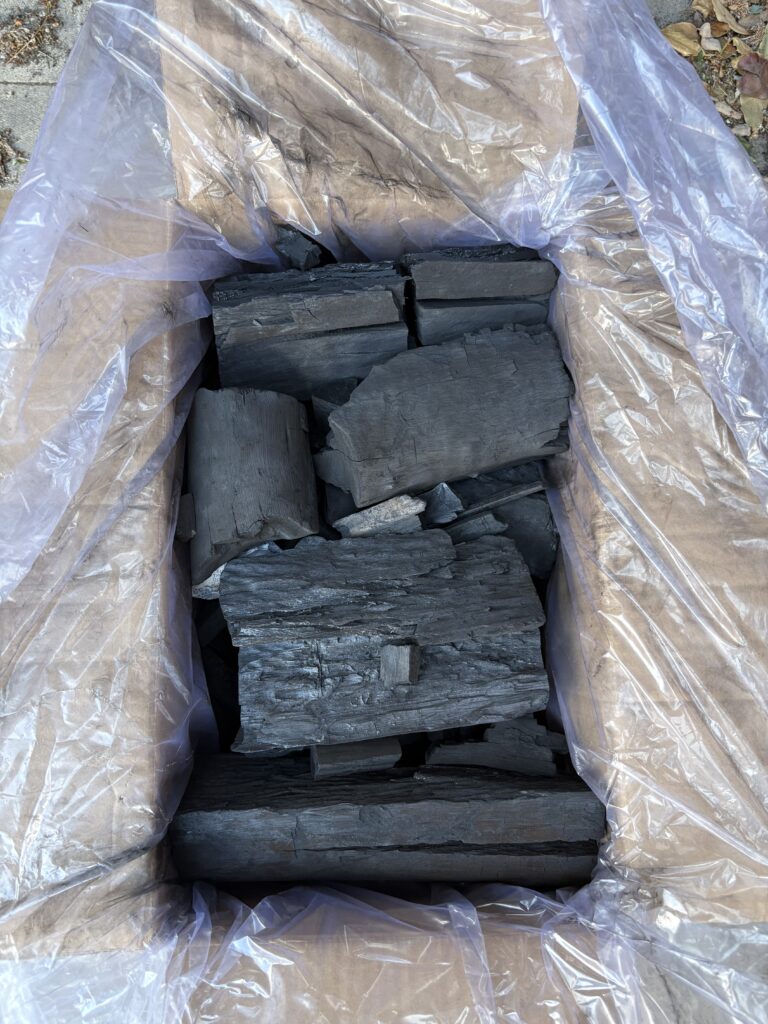
FAQ: Why does Big Ed’s Charcoal have a mix of big and small lumps?
Big Ed’s is all about top-quality, long-burning charcoal, made from a mix of Eucalyptus and Mangrove wood. Each 10kg box is packed with...