
Fire Cage vs Fire Pit for Cooking: The Connoisseur’s Guide to Open-Fire Mastery
Why settle for a flickering centerpiece when you could command a professional-grade culinary workstation? Most outdoor enthusiasts start with a basic fire pit, only to find themselves frustrated by erratic temperature swings and limited real estate for anything more complex than a simple burger. If you’ve ever struggled to maintain consistent heat or felt restricted by a lack of vertical roasting options, you’ve likely realized that standard hardware often fails the demands of true outdoor gastronomy. This guide settles the fire cage vs fire pit for cooking debate, showing you how to transition from casual backyard grilling to the sophisticated heights of asado and vertical mastery.
We understand that for the seasoned connoisseur, the exterior environment is more than just a patio; it’s a private retreat where quality craftsmanship meets raw, sensory joy. You’ll discover the technical differences in thermal distribution and how the specialized engineering of a Fire Cage allows for the precise control required for large joints of meat. We’ll also explore how pairing the right hardware with premium fuels like Big Eds Charcoal can transform your cooking area into a refined artistic space. From understanding airflow to mastering professional hanging techniques, prepare to elevate your skills and achieve restaurant-quality results at home.
Key Takeaways
- Master the fundamental distinction between horizontal radiant heat and the vertical, structured framework required for professional-grade fuel management.
- Understand the technical nuances of fire cage vs fire pit for cooking to determine which setup allows for advanced techniques like asado-style hanging and multi-level temperature control.
- Learn how convective heat flow in a specialized fire cage offers superior fuel efficiency and more consistent thermal distribution than traditional open-bowl designs.
- Discover why high-density fuels, such as Big Eds Charcoal, are essential for creating the stable, high-heat base necessary for restaurant-quality outdoor gastronomy.
- Identify whether your outdoor lifestyle better suits the communal warmth of a social fire pit or the precision-engineered versatility of a culinary fire cage.
The Open-Fire Renaissance: Defining the Fire Cage and Fire Pit
The outdoor culinary world is experiencing a profound shift. By 2026, the global interest in high-end outdoor living has transformed the humble backyard into a sophisticated theater of gastronomy. We’ve moved beyond the era of simply “barbecuing” a few sausages on a Saturday afternoon. Today, the modern connoisseur embraces live-fire cooking, a primal yet precise art form that demands superior hardware. Understanding the fire cage vs fire pit for cooking debate is essential for anyone looking to graduate from casual grilling to true open-fire mastery. While both vessels utilize flame, their engineering dictates entirely different culinary outcomes.
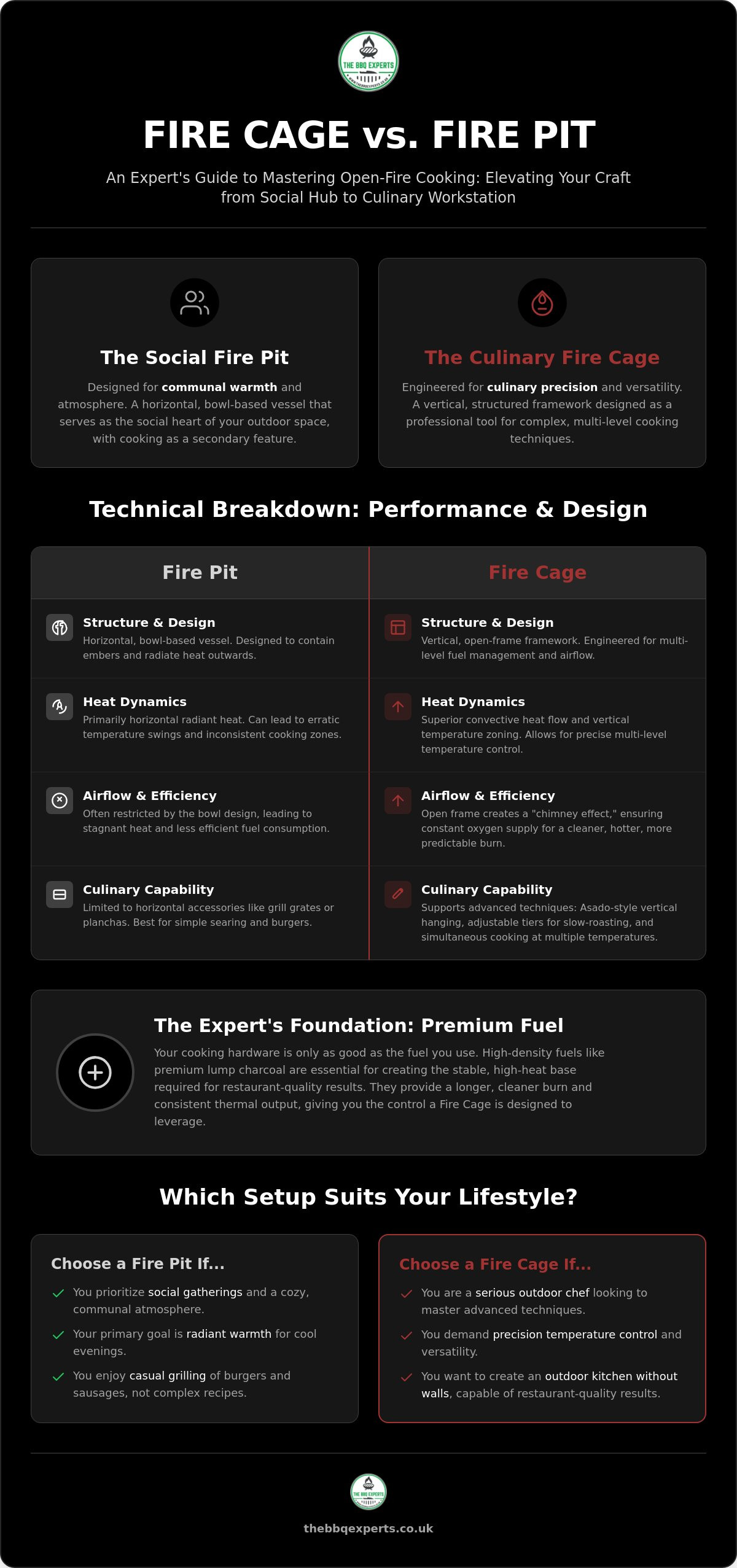
A fire pit is essentially the social heart of the home, a horizontal, bowl-based vessel designed primarily for radiant heat and communal warmth. It invites guests to gather around, but its culinary utility is often an afterthought. In contrast, a Fire Cage is a vertical, structured framework. It’s a tool of intent, engineered for multi-level fuel management and complex outdoor cooking techniques. The distinction matters because your choice of equipment defines the limits of your creativity. One offers a cozy evening; the other offers a professional kitchen without walls.
The Anatomy of a Traditional Fire Pit
The classic fire pit relies on a deep bowl design to contain logs or charcoal. While this structure is excellent for safety and containing embers, it creates specific challenges for the chef. Because the fuel sits low within the vessel, airflow is often restricted. This can lead to stagnant heat and inconsistent temperatures across the cooking surface. Most fire pits utilize horizontal accessories like grill grates or plancha plates. While these are perfect for searing a steak, they lack the height adjustments needed for delicate slow-roasting. You’re often left fighting the flame rather than commanding it.
The Structural Superiority of the Fire Cage
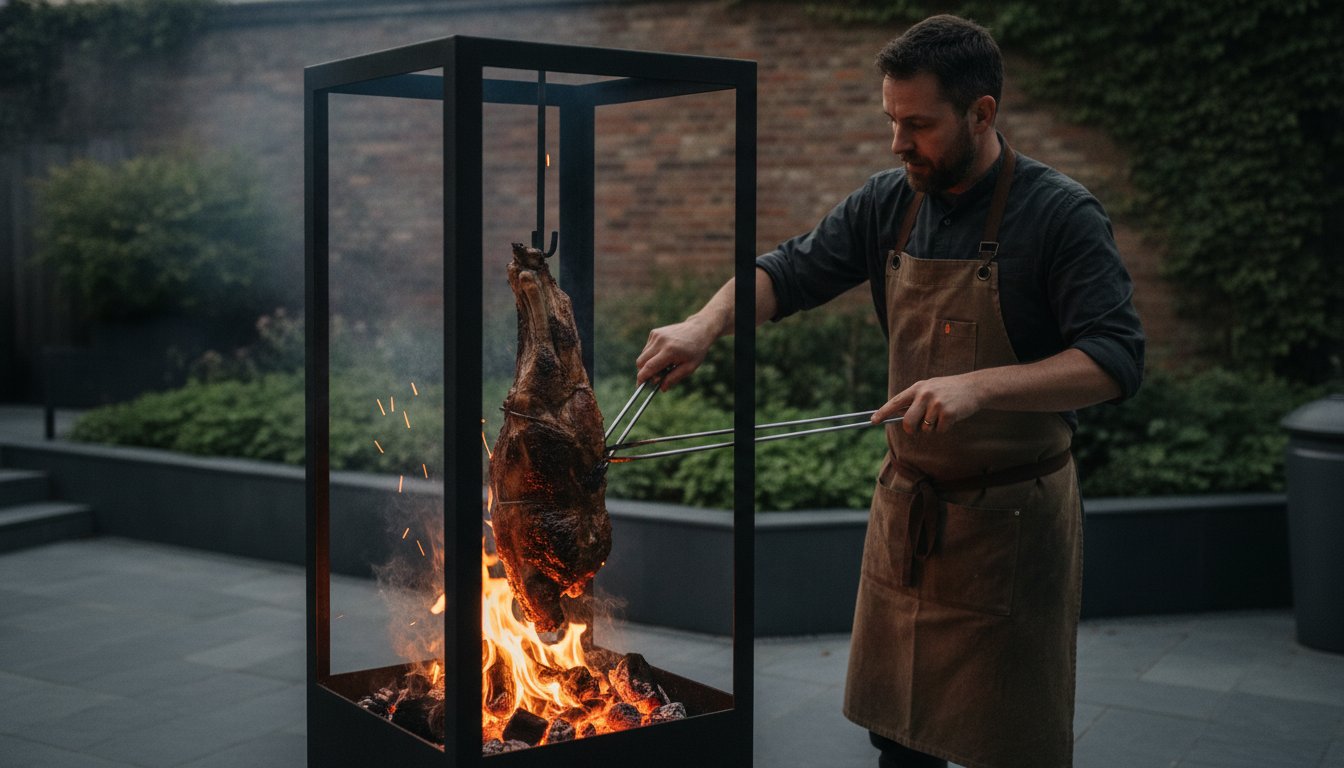
A professional-grade Fire Cage reimagines the relationship between fuel and food. Its vertical, open-frame design allows you to stack wood or high-density Big Eds Charcoal to create a chimney effect, ensuring a constant supply of oxygen to the heart of the fire. This results in a cleaner burn and more predictable thermal output. The true magic, however, lies in its versatility. The heavy-duty steel structure supports:
- Vertical Hanging: Integrated hooks for suspending large joints of meat, allowing for gentle, convective roasting.
- Adjustable Tiers: The ability to move grates up or down to find the perfect temperature zone.
- Material Longevity: Industrial-grade steel that won’t warp under the intense heat required for all-day cooks.
When you choose a Fire Cage, you aren’t just buying a container for fire. You’re investing in a framework that supports the most ambitious culinary techniques, from traditional South American asado to modern vertical grilling.
Culinary Precision: Why the Fire Cage Outperforms for Chefs
The Fire Cage isn’t just a heat source; it’s a vertical landscape for flavor. While traditional fire pits force you into a two-dimensional plane, the cage invites you to think in three. This verticality is the primary differentiator in the fire cage vs fire pit for cooking debate. By utilizing the vertical axis, you gain absolute control over the evolution of cooking with fire, moving proteins through varying temperature zones rather than simply shuffling them away from a central flame. For the connoisseur, this means the ability to sear a ribeye at the base while gently rendering the fat on a hanging picanha three feet above.
One of the most significant advantages for the active chef is accessibility. In a standard bowl-based pit, adding fuel often requires lifting heavy, hot grates or moving food to one side, which disrupts the thermal equilibrium. A Fire Cage allows you to feed logs or high-density Big Eds Charcoal into the central basket from the side. Your cooking process remains uninterrupted. This constant airflow and fuel management ensure that the heart of your fire stays vibrant throughout the entire cook, providing the steady heat necessary for restaurant-quality results.
Mastering the Ember Bed
In a fire pit, you’re often cooking directly over the flame, which leads to scorched fats and bitter flare-ups. A Fire Cage utilizes gravity to create a consistent “ember rain.” As your fuel burns down in the central basket, glowing embers fall to the base, creating a stable, radiant heat source. This method is superior for long, slow cooks like whole lambs or briskets. You can maintain a perfect 110°C to 120°C temperature zone without the unpredictable spikes that plague basic fire pits. It’s the difference between a frantic grill session and a composed, professional performance.
Versatility Beyond the Grill Gate
The structural framework of a cage provides 360-degree access to the flame, meaning you can monitor your progress from any angle without being trapped by shifting smoke. It serves as a robust anchor for Dutch ovens, rotisseries, and traditional hanging hooks. This setup is essential for the “Asado” factor, where large joints are suspended to bathe in gentle convective heat. The Fire Cage is the Swiss Army Knife of live-fire cooking. If you’re looking to upgrade your outdoor environment into a professional-grade hub, feel free to reach out to our team for expert guidance on selecting the right hardware for your space.
Thermal Dynamics: Comparing Heat Distribution and Efficiency
Understanding the physics of heat is what separates a backyard hobbyist from a true pitmaster. When evaluating the fire cage vs fire pit for cooking, you’re essentially choosing between two distinct methods of energy transfer. A standard fire pit relies almost exclusively on radiant heat, which travels in straight lines from the source to the object. It’s effective for immediate warmth, but it’s thermally inefficient for complex gastronomy. A Fire Cage, by design, introduces convective currents, turning the open air into a sophisticated, multi-zone culinary environment.
Fuel efficiency is where the professional-grade Fire Cage truly proves its worth. Because the fuel is stacked vertically within a structured basket, the heat is concentrated rather than dispersed across a broad, shallow bowl. This vertical alignment creates a natural chimney effect, drawing oxygen through the base to sustain a clean, high-temperature burn. High-grade steel plays a vital role here. Thick, industrial-gauge metal acts as a thermal battery, soaking up energy and radiating it back toward the food. This thermal mass ensures your core temperature remains stable, even when a sudden shift in wind threatens to sap your heat.
Fire Pit Heat: The “Hot Plate” Philosophy
A traditional fire pit operates much like a giant hot plate. It’s designed for direct contact or very close proximity, making it the undisputed king of the high-heat sear. However, it often struggles with the internal temperatures of thicker cuts. The heat energy in a bowl-based design is constantly fighting the ambient environment. Much of the radiant energy escapes outward to warm your guests, which is a social triumph but a thermal compromise. Without a vertical structure to contain the heat, you’re forced to use significantly more fuel to maintain a consistent cooking surface.
Fire Cage Heat: The “Oven” Effect
The Fire Cage behaves more like an open-air oven. By trapping rising heat within its vertical column, it creates distinct micro-climates that you can manipulate with ease. You can achieve high-intensity radiant heat at the base for searing while utilizing the gentle convective warmth at the top for slow roasting. To maintain this sustained thermal output, we recommend utilizing high-density Oak Briquettes. These professional-grade fuels provide a neutral, high-heat base that lasts for hours, allowing you to focus on the artistry of the cook rather than the mechanics of the flame. This efficiency means you’ll achieve restaurant-quality results with a fraction of the wood required by a standard pit.
Choosing Your Weapon: Which Setup Suits Your Lifestyle?
Selecting your primary vessel is a declaration of intent for your outdoor space. It’s the difference between hosting a casual evening and conducting a masterclass in gastronomy. The fire cage vs fire pit for cooking choice reflects your long-term vision for your home’s exterior hub. While a fire pit invites a communal, circular gathering, a Fire Cage demands an audience for the culinary theater you’re about to perform. Your decision should align with your appetite for technical precision and the role you want your fire to play in your social life.
Space and safety are paramount considerations. Both structures require significant clearance from flammable materials and overhanging structures, typically a minimum of three meters in all directions. However, the Fire Cage’s verticality means you must also consider overhead clearance for rising heat and intense convective currents. Maintenance for these professional-grade tools is surprisingly tactile. High-grade steel hardware thrives with a light coating of oil after use, which helps it develop a rich, protective patina over time. While most Fire Cages are heavy-duty, permanent fixtures, some modular designs offer surprising portability for those who wish to take their craft to a remote retreat or a seaside gathering.
When to Choose a Fire Pit
When to Invest in a Fire Cage
The Fire Cage is for the enthusiast who views outdoor cooking as a lifelong pursuit. It’s the choice for the pitmaster who wants to master authentic Argentinian asado or complex Texan-style slow roasting. When your idea of “cooking for a crowd” involves multi-stage menus and large joints of meat, the structural versatility of the cage is unmatched. This is a “forever” piece of hardware. It’s built to withstand decades of intense thermal cycles, aging with a character that tells the story of every feast you’ve prepared. If you’re ready to transform your patio into a professional-grade culinary hub, get in touch with our specialists to discuss the best configuration for your lifestyle.
The Expert’s Setup: Premium Fuel and Seasoning for Open Flames
Fuel isn’t just a heat source; it’s the most critical ingredient in your outdoor pantry. While we’ve established the structural merits of the fire cage vs fire pit for cooking, the hardware is only as good as the energy powering it. A fire pit might tolerate a mix of standard seasoned logs for social warmth, but the vertical precision of a Fire Cage demands a more sophisticated approach to energy management. To achieve the consistent, clean burn required for professional results, you need a high-performance foundation like Big Eds Charcoal. It provides a neutral, high-heat base that allows the natural flavors of your protein to shine without the interference of acrid, “dirty” smoke.
True mastery involves layering both heat and flavor. Once your fire is established, you can introduce complexity through seasoning and complementary equipment. Using a Hibachi Grill alongside your main cage allows for a dedicated “finish and sear” station. This is perfect for delicate items that need a quick, intense kiss of flame before serving, ensuring that your main roasting area remains undisturbed. This dual-setup approach transforms your exterior environment into a refined artistic retreat where every tool has a specific culinary purpose.
Fuel Selection for Fire Cages
For the six-hour marathons where you’re slow-roasting a whole lamb or a massive brisket, consistency is your only ally. High-density Oak Briquettes are the secret to maintaining that steady thermal mass without constant intervention. To ensure you don’t taint your meat during the ignition phase, always start your burn with natural firelighters. Utilizing specialized options like coffee or eucalyptus charcoal allows you to infuse your gastronomy with delicate, aromatic undertones that standard lumpwood simply cannot provide. This level of detail is what separates the home enthusiast from the seasoned connoisseur.
Seasoning for the Flame
Open flames are notoriously unforgiving to delicate spices. Intense heat causes sugars to scorch and turn bitter long before the meat is done, while high-quality salt helps to build that coveted, savory crust. We recommend using robust Angus & Oink Rubs, which are specifically formulated to stand up to the aggressive environment of live-fire cooking. For the ultimate beef bark, apply a heavy coat of a salt-and-pepper-forward blend early in the process to anchor the flavor. Once the cook is complete, the final steps are as important as the fire itself. Allow your meat to rest, letting the juices redistribute, before carving and serving the traditional open-fire way. This patient, methodical approach ensures that every investment in hardware and fuel translates into a superlative dining experience.
Command the Flame: Your Journey to Open-Fire Mastery
Choosing between a fire cage vs fire pit for cooking is ultimately a decision about your culinary intent. While a fire pit serves as a magnificent social centerpiece for radiant warmth, the Fire Cage is the essential tool for the connoisseur who demands absolute control over the vertical landscape of flavor. By moving beyond the limitations of a bowl-based design, you gain the ability to master traditional asado techniques and maintain the precise thermal zones required for truly superlative outdoor gastronomy.
Expert Answers for Open-Fire Gastronomy
Can I use charcoal in a fire cage, or is it only for wood?
You can absolutely use charcoal in a fire cage; in fact, a blend is often preferred by professionals. While wood provides the aromatic smoke necessary for flavor, high-density charcoal creates the stable, consistent heat base required for long cooks. This combination allows you to manage the vertical temperature zones more effectively than in a standard bowl design. It’s the ultimate setup for sustained thermal precision.
Is a fire cage safe to use on a wooden deck?
A fire cage should never be used directly on a wooden deck without a significant non-combustible barrier. The intense heat generated by vertical fuel stacking can easily damage or ignite timber surfaces. Always place your unit on a stone, brick, or dedicated heat-shield base to ensure safety. This precaution protects your home while you focus on the culinary artistry of your outdoor retreat.
How do I clean a fire cage after a heavy grease cook?
The most effective way to clean your hardware is through a high-heat burn-off followed by a thorough wire brushing. Once the cooking session is over, let the remaining fuel carbonize any grease or residue. While the steel is still warm, use a heavy-duty brush to clear the tiers and hooks. Finish with a light coating of food-grade oil to maintain the protective patina and prevent corrosion.
Does a fire cage produce more smoke than a standard fire pit?
A fire cage generally produces less smoke than a traditional fire pit because its vertical structure promotes better airflow. This design creates a natural chimney effect, ensuring that fuel burns more efficiently and completely. When you compare a fire cage vs fire pit for cooking, the cage’s superior oxygen intake leads to a cleaner, hotter flame that minimizes the acrid smoke that often plagues shallower vessels.
Which is better for cooking for large groups of 20+ people?
The fire cage is the superior choice for catering to groups of 20 or more people due to its immense vertical real estate. Unlike a fire pit, which limits you to a single horizontal plane, a cage allows you to hang multiple joints of meat and utilize several cooking tiers simultaneously. This multi-level approach ensures you can serve complex menus without the bottleneck of limited grill space.
Can I leave my fire cage outside all year round in the UK?
High-quality steel cages are designed to withstand the UK’s climate year-round, though they’ll naturally develop a rich, weathered patina over time. To ensure the longevity of your investment, we recommend a regular maintenance routine of oiling the metal after use. This creates a vital moisture barrier that prevents deep corrosion while allowing the hardware to age with the character of a professional kitchen.
Do I need special tools like hooks or rakes for a fire cage?
Dedicated tools like hanging hooks, long-handled ember rakes, and heat-resistant gloves are essential for mastering this setup. Because you’re managing heat across a vertical axis, these tools allow you to move proteins and fuel safely without disrupting the thermal equilibrium. These accessories transform the cage from a simple burner into a versatile workstation capable of sophisticated asado-style techniques and precise ember management.
How long does it take for a fire cage to reach cooking temperature?
It typically takes 30 to 45 minutes for a fire cage to reach an optimal cooking temperature. This timeline depends on your choice of fuel; high-density briquettes may take slightly longer to ash over but provide much more sustained heat. This preparation period is the perfect time to prep your cuts and allow your seasonings to adhere properly to the meat before the cook begins.
Disclaimer
This article was produced with AI assistance. We use AI and Third Parties to help deliver more content to our BBQ website and community, but we always aim to ensure accuracy and quality as much as we can. If you spot anything that doesn't seem right, we'd love to hear from you

Recent News & Updates

Our Story, Values and Beliefs
Here at the BBQ experts we have a passion for BBQ food, outdoor living and spending time with family and friends. We offer you; A...
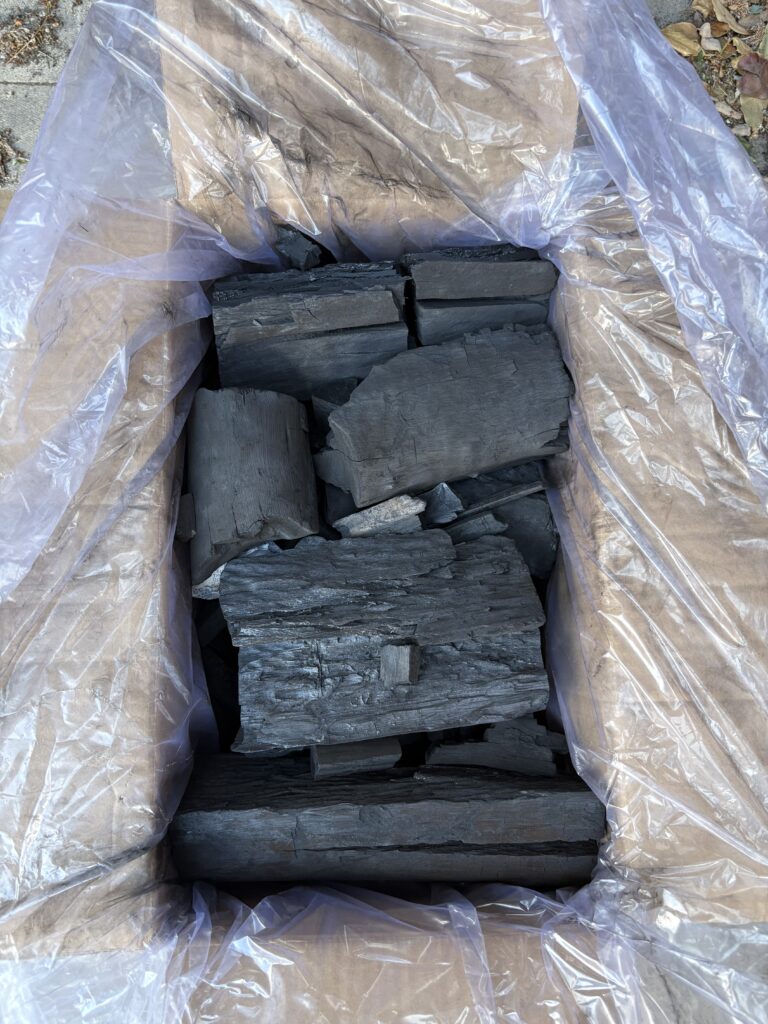
FAQ: Why does Big Ed’s Charcoal have a mix of big and small lumps?
Big Ed’s is all about top-quality, long-burning charcoal, made from a mix of Eucalyptus and Mangrove wood. Each 10kg box is packed with...