
The Art of Cooking Seafood on a Hibachi: A Masterclass in Flavour
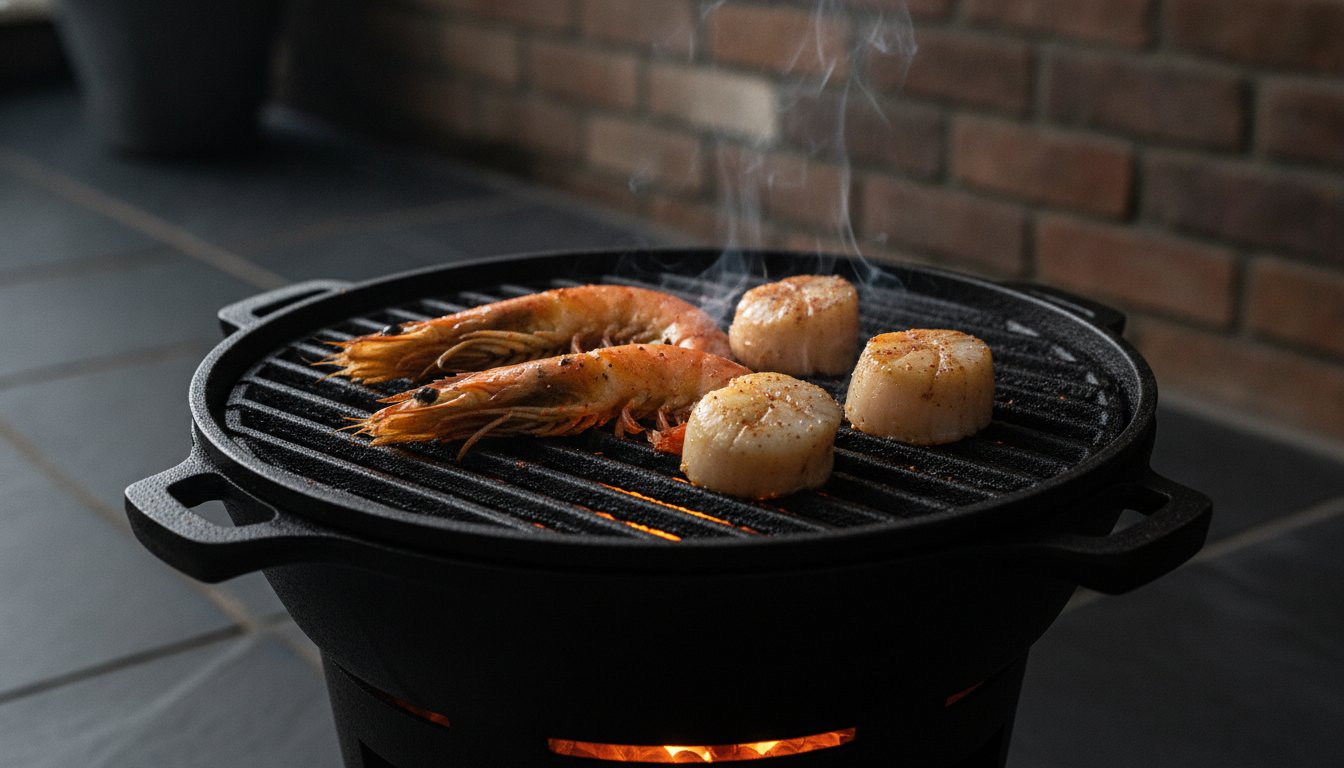
The secret to a perfect scallop isn’t found in a heavy pan; it’s forged in the intense, infrared glow of a traditional charcoal hibachi. You’ve likely experienced the frustration of a delicate fillet sticking to the grates when cooking seafood on a hibachi, or the disappointment of an acrid, smoky flavour overpowering the natural sweetness of the sea. It’s a delicate balance that many home chefs struggle to strike, often resulting in uneven heat and that dreaded rubbery texture.
Mastering this style of outdoor gastronomy is about more than just fire. It’s a deliberate dance of heat management and flavour layering. We’ll guide you through the professional techniques required to hit that safe 145 degree internal temperature while ensuring a crispy exterior and succulent core. From selecting premium fuels like King Khaya or Oak charcoal to applying expert Angus & Oink seasoning profiles, this guide provides the specialized knowledge you need to transform your patio into a private culinary retreat. You’ll learn to manage charcoal zones for precision and use high-purity energy sources to elevate your skills to a level of true craftsmanship.
Key Takeaways
- Learn how to harness high-intensity infrared heat to achieve a restaurant-grade sear that a standard flat-top simply cannot replicate.
- Understand why the purity of your fuel is non-negotiable for delicate maritime proteins and why Big Eds Charcoal is the preferred foundation for a clean, professional finish.
- Master the essential fire-banking techniques for cooking seafood on a hibachi to create precise temperature zones that prevent overcooking and rubbery textures.
- Discover how to layer complex flavour profiles using the Angus & Oink range to perfectly balance the natural sweetness of premium shellfish.
- Identify the critical features of a high-performance Hibachi Grill, including thermal retention and airflow control, that turn a simple meal into a refined culinary event.
What is Hibachi Seafood Cooking? Understanding the Infrared Advantage
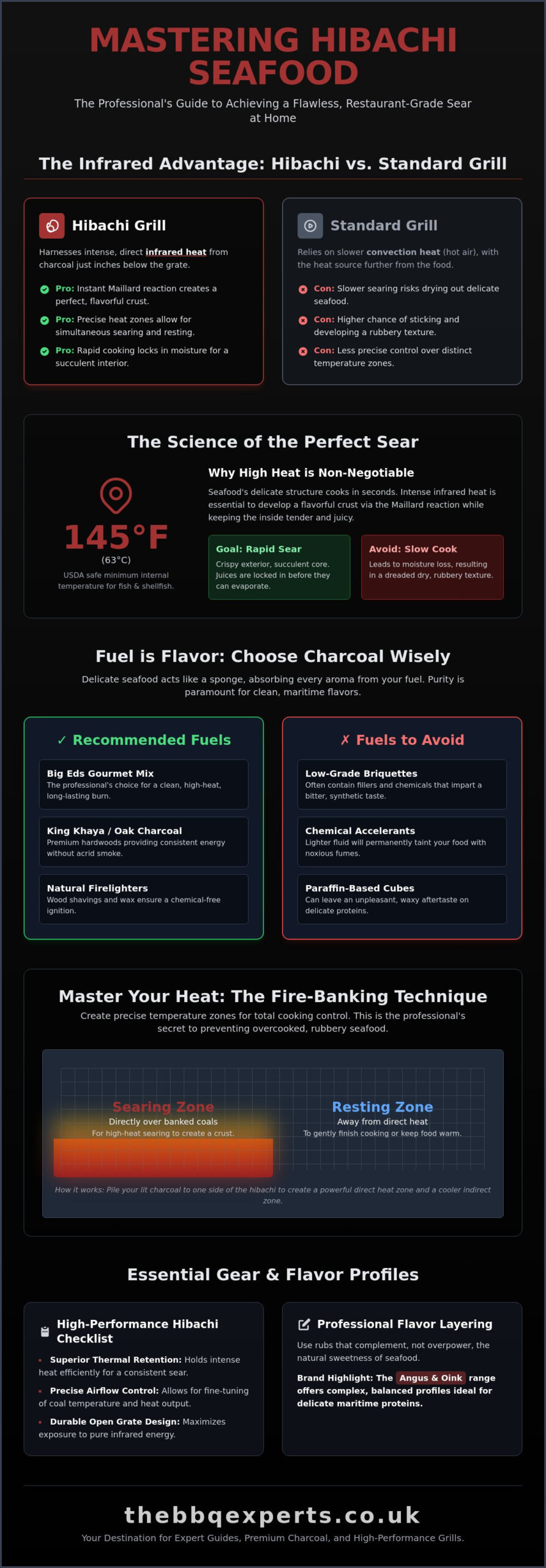
To understand the true potential of your outdoor kitchen, you must first distinguish between the commercial spectacle of a flat-top griddle and the refined precision of a traditional charcoal vessel. While many diners associate the term with large iron plates, a What is a Hibachi? inquiry reveals a far more intimate tool. A genuine hibachi is a portable, charcoal-fired container designed for high-intensity, direct-heat cooking. Unlike teppanyaki, which relies on a solid surface, the hibachi uses an open grate to expose ingredients directly to the radiant energy of the coals. This distinction is critical when cooking seafood on a hibachi; the open airflow and proximity to the fuel source create a unique culinary environment that gas grills cannot match.
The primary advantage of this method lies in infrared heat. Charcoal creates a powerful infrared spectrum that triggers the Maillard reaction almost instantly, caramelizing the natural sugars and proteins on the surface of your seafood. This process occurs much faster than with convection or conductive heat. Because a Hibachi Grill typically offers a concentrated surface area, it becomes the ideal stage for preparing delicate portions of high-value seafood, such as jumbo shrimp or scallops, which currently retail for approximately $25.52 per pound as of June 2026. This small, focused firebox allows you to manage every square inch of the cooking surface with the precision of a seasoned connoisseur.
The Science of the Sear: Why Seafood Thrives on High Heat
Seafood is notoriously unforgiving. Lean fish and shellfish contain high moisture content but very little connective tissue, meaning they can turn from succulent to rubbery in seconds. Rapid searing is the solution. By using a high-purity fuel like Big Eds Gourmet Mix, you generate the intense radiant heat necessary to crisp fish skin or create a firm “snap” on a prawn while the interior remains tender. This thermal intensity locks in internal juices before they have a chance to evaporate. According to USDA guidelines updated in May 2025, the safe minimum internal temperature for fish and shellfish is 145°F. Reaching this target quickly ensures the meat stays juicy rather than drying out during a prolonged cook time.
Hibachi vs. Standard Grills: A Culinary Comparison
A standard kettle BBQ or gas grill often places the food several inches away from the heat source, relying on hot air to cook the ingredient. In contrast, the hibachi brings the charcoal within an inch or two of the grate. This proximity allows for the creation of distinct heat zones within a very small footprint. By banking your coals to one side, you create a searing station and a resting zone, providing total control over the delicate proteins. As an expert mentor in outdoor gastronomy, I view the hibachi not as a simple hardware item, but as a tool for focused artistry. It requires a patient, methodical approach that rewards the cook with textures and flavour profiles that are simply unattainable on larger, less precise equipment.
Selecting the Ultimate Fuel for Clean Maritime Flavours
Seafood is an exquisitely sensitive medium. Unlike a dense cut of beef, a prawn or a fillet of sea bass acts like a culinary sponge, absorbing the aromatics of your fuel source almost instantly. If you use low-grade charcoal laden with chemical accelerants, you’ll taste that synthetic bitterness in every bite. This is the most frequent pitfall when cooking seafood on a hibachi; the proximity of the food to the glowing embers means there’s no room for acrid smoke to dissipate. To protect the delicate, briny sweetness of your catch, you must begin with a foundation of absolute purity.
Using Big Eds Charcoal provides the consistent, long-lasting heat required for restaurant-grade results without the unpleasant aftertaste found in inferior brands. It burns remarkably clean, ensuring the true essence of the ocean remains the focal point of your dish. Your ignition method is just as vital as the fuel itself. You should never use paraffin-based cubes or liquid lighters that off-gas noxious fumes. Instead, choose natural firelighters made from wood shavings and wax. These ensure your fire box remains a pristine environment, free from chemical residues. While you refine your flavour profiles, remember that maintaining safe grilling temperatures for seafood is essential for a flawless and healthy dining experience.
Binchotan and Professional Briquettes: The Gold Standard
For the serious enthusiast seeking total control, Bincho Professional Charcoal Hexagonal Pro Briquettes represent the pinnacle of fuel engineering. These aren’t standard briquettes; their unique hexagonal shape creates superior airflow channels, resulting in a steady, high-intensity heat that refuses to fluctuate. This thermal stability is indispensable when working with premium ingredients like jumbo shrimp, which currently retail for approximately $16.99 per pound as of June 2026. High-density charcoal burns for hours, allowing you to host an entire afternoon of gastronomy without the disruption of constant refuelling.
Lumpwood Selection: Matching Wood to the Catch
If you prefer the evocative crackle and subtle smoky kiss of raw timber, Big Eds Grade Finest Lumpwood is the connoisseur’s choice. This restaurant-grade charcoal consists of large, hand-screened chunks that offer a clean, predictable burn. Different wood species offer distinct nuances. Oak charcoal, for instance, provides a balanced, sophisticated smoke that beautifully complements the natural sugars in scallops or lobster. For a deeper exploration of how specific energy sources can transform your results, consult our The Ultimate Guide to Charcoal. Choosing the right fuel is your first step toward mastery. If you’re looking to curate a bespoke setup for your next coastal feast, our team is always ready to provide expert guidance on fuel selection.
Mastering Hibachi Techniques for Scallops, Prawns, and Fish
Preparation is the silent partner of culinary excellence. Before your ingredients ever touch the grate, you must address the moisture content. Professional chefs often employ a “dry-brining” technique, lightly salting fish fillets and letting them rest uncovered in the refrigerator for thirty minutes. This process draws out surface moisture and tightens the protein structure, ensuring the flesh remains firm rather than flaking apart when cooking seafood on a hibachi. It’s a foundational step that separates the enthusiast from the true connoisseur. For those looking to refine their broader approach, understanding diverse techniques for grilling seafood provides the necessary context for success.
Mastering the fire box requires more than just ignition; it demands a tactical layout. By banking your Big Eds Lumpwood to one side, you create a dual-zone environment. This allows you to sear at intense temperatures before moving delicate items to the cooler side to finish gently. Crucially, you must respect the “No-Touch” Rule. When protein hits a hot grate, it naturally bonds; only once the Maillard reaction has sufficiently browned the surface will the food release itself freely. Attempting to flip too early is the primary cause of torn skin and lost morsels. Always use a high-smoke-point oil, such as avocado or grapeseed, to lubricate the grates; olive oil will simply scorch and impart a bitter note at these elevated temperatures.
How to Grill Perfect Hibachi Prawns
Jumbo shrimp, currently valued at approximately $16.99 per pound, deserve a methodical approach. Start by cleaning and butterflying the prawns; this increases the surface area for the fire to work its magic. Thread them onto dual skewers to prevent them from curling as the proteins contract. This ensures every millimetre of the shell makes contact with the heat. Place them directly over the glowing embers for 60 to 90 seconds per side. You’re looking for the shell to turn a vibrant, charred pink while the interior remains translucent and succulent.
Searing Scallops: The Quest for the Golden Crust
Achieving a restaurant-grade crust on scallops, which retail for about $25.52 per pound as of June 2026, requires a study in thermal contrast. The scallops should be ice-cold and bone-dry, while the grate must be screaming hot. Place the scallop down and resist the urge to move it. You should only flip a scallop once to maintain its structural integrity. Pull them from the heat just before they appear fully opaque; the residual heat will carry them to the USDA-recommended safe internal temperature of 145°F. This patience results in a buttery, tender core protected by a crisp, golden exterior.
Elevating the Catch: Professional Rubs and Flavour Profiles
The raw, briny sweetness of a fresh catch is merely the beginning of the sensory journey. To truly master the art of cooking seafood on a hibachi, you must understand the chemistry of flavour. Acidity and salt are your primary tools; they cut through the natural richness of grilled proteins and the subtle char of the charcoal. However, at the intense temperatures generated by a hibachi, standard seasonings often fail. They either lack the complexity to stand up to the smoke or contain fine particles that scorch instantly, leaving a bitter residue on your expensive ingredients.
We recommend the Angus & Oink range for those seeking multi-layered, restaurant-grade profiles. These rubs are crafted with a specific granulation that resists burning while blooming beautifully under radiant heat. Timing is everything here. You should apply dry rubs just before the seafood hits the grate to ensure the salt can penetrate without drawing out too much moisture prematurely. For a comprehensive look at how to match these profiles to your specific menu, our The Ultimate Guide to Angus & Oink Rubs provides the deep-dive pairings you need to refine your craft.
Pairing Angus & Oink Rubs with Seafood
Selecting the right profile depends entirely on the density and oil content of your catch. For delicate white fish like sea bass or cod, citrus-forward rubs are essential. They provide a bright, clean finish that highlights the flake of the fish. Conversely, robust seafood like monkfish or octopus can handle bolder, spicier profiles that mirror the intensity of the fire. Expert Tip: Don’t just sprinkle the rub. Mix your chosen seasoning with a small amount of high-smoke-point oil to create a thin paste. This ensures superior adhesion and prevents the spices from blowing off the grate when you adjust the airflow.
Glazing and Finishing on the Hibachi
If your flavour profile includes sugars, honey, or fruit juices, you must adjust your technique. To prevent these ingredients from burning, apply your glaze only in the final 30 seconds of the cook. This allows the heat to tack the sauce onto the protein without carbonizing the sugars. Once removed from the fire, let the residual heat bloom the aromatics in the seasoning. Even small portions, like a single scallop or a prawn, benefit from a 60-second rest. This brief pause allows the muscle fibres to relax and the juices to redistribute, ensuring every bite is succulent. If you’re ready to curate a bespoke spice collection for your outdoor kitchen, you can consult with our flavour specialists today.
The Essential Hibachi Setup: Gear for the Serious Enthusiast
Your choice of hardware is the foundation of your outdoor sanctuary. While a standard barbecue might suffice for casual grilling, a dedicated Hibachi Grill is a specialized instrument designed for those who value culinary precision. The global hibachi grill market was valued at $1.2 billion in 2024 and is projected to reach $2.4 billion by 2033, reflecting a clear shift toward experiential, high-end dining within the home. When you’re committed to cooking seafood on a hibachi, you aren’t just buying a metal box; you’re investing in a vessel capable of managing intense radiant heat without compromising the integrity of delicate maritime proteins.
The hallmark of a professional-grade setup is thermal management. You should look for a Japanese Charcoal Grill constructed with thick ceramic or heavy-gauge metal walls. These materials provide the thermal mass necessary to prevent sudden temperature drops when you place cold scallops or fish fillets on the grate. Adjustable airflow is equally vital. Precision vents allow you to choke the oxygen to maintain a steady glow or open them wide to create the inferno required for a 2026-standard sear. Without this control, you’re merely guessing at temperatures rather than mastering them.
Accessories deserve the same level of scrutiny as the grill itself. Long-handled, precision tongs are essential for turning prawns without tearing the shells, while professional-grade stainless steel skewers prevent smaller items from falling into the embers. Maintenance is the final pillar of the connoisseur’s routine. You should clean your grates while they’re still warm using a natural fiber brush to avoid damaging the seasoned surface. Managing ash is just as important for longevity; clearing the firebox after every session ensures optimal airflow for your next gathering and prevents moisture-related corrosion in the base of the unit.
Why Quality Hardware Matters
Professional hardware offers a level of thermal distribution that cheaper alternatives can’t replicate. A high-quality Hibachi Grill acts as the primary social hub of the exterior home, turning a simple meal into a refined artistic creation. This setup fits seamlessly into a lifestyle that prizes durability and craftsmanship. For those looking to push their boundaries, the Fire Cage serves as a perfect companion tool, allowing for open-fire seafood experimentation that complements the focused intensity of the hibachi. It’s about building a suite of tools that support your journey from home enthusiast to seasoned master.
Your Hibachi Shopping List
To begin your transformation into a hibachi master, ensure your arsenal includes these essential components:
- The Japanese Charcoal Grill: The centerpiece for precision searing and heat retention.
- Premium Fuel: Secure bulk buy fuel options like Oak or King Khaya charcoal to ensure you’re always ready for a spontaneous gathering.
- Angus & Oink Rubs: A curated selection of citrus and spicy profiles to elevate every catch.
- Natural Ignition: Always keep chemical-free firelighters on hand to protect the purity of your seafood.
Mastery is a journey that requires the right partners and the finest equipment. If you’re ready to upgrade your outdoor living space and refine your gastronomic skills, you can explore the full professional range at The BBQ Experts and begin your masterclass in flavour today.
Transform Your Patio into a Private Culinary Retreat
Mastering the delicate balance of fire and water requires more than just heat; it demands the right tools and a refined perspective. You now understand that the secret to succulent results when cooking seafood on a hibachi lies in the synergy between high-purity fuels like Bincho Professional and the rapid infrared searing that locks in maritime sweetness. By applying professional preparation techniques and layering complex profiles with world-renowned Angus & Oink Rubs, you’ve moved beyond simple grilling into the realm of true culinary artistry.
As a specialist UK retailer of professional-grade outdoor cooking equipment, we take immense pride in curating only the finest hardware and energy sources. Whether you’re sourcing premium Big Eds Charcoal or seeking the unparalleled thermal stability of a traditional Japanese vessel, we’re here to bridge the gap between the enthusiast and the connoisseur. Your outdoor space is no longer just an environment; it’s a dedicated stage for gastronomic precision. Upgrade your outdoor kitchen with a professional Hibachi Grill today and begin your journey toward restaurant-grade mastery. The perfect sear is well within your reach.
Frequently Asked Questions
How do I stop fish from sticking to my hibachi grill?
You prevent sticking by ensuring your grates are screaming hot and your seafood is bone-dry before it makes contact. Use the “No-Touch” rule; let the Maillard reaction naturally release the protein from the metal once a crust has formed. A light coating of high-smoke-point oil, such as grapeseed or avocado oil, on the grates is essential for success when cooking seafood on a hibachi.
What is the best charcoal for cooking seafood on a hibachi?
Binchotan is the gold standard for its intense infrared heat and clean burn, but high-purity options like Big Eds Charcoal offer a superb balance for those seeking a subtle smoky kiss. These professional-grade fuels prevent acrid smoke from overpowering delicate maritime flavours. You should always avoid standard supermarket briquettes, as their chemical binders will ruin the pristine profile of your catch.
How long does it take to cook prawns on a hibachi?
Prawns typically require only 60 to 90 seconds per side when placed directly over the glowing embers. You’re looking for the shells to turn a vibrant pink and the flesh to become opaque. Because the concentrated heat of a hibachi is so intense, you must stay vigilant; even an extra 30 seconds can turn a succulent prawn into something rubbery and unappealing.
Can I use a hibachi grill indoors for seafood?
You must never use a charcoal hibachi grill indoors under any circumstances. The combustion of charcoal produces carbon monoxide, a deadly gas that is both colourless and odourless. To ensure a safe gastronomic experience, always operate your Japanese Charcoal Grill in a well-ventilated outdoor environment, such as a patio or a dedicated outdoor kitchen station.
What internal temperature should I aim for when grilling scallops?
You should aim for a final internal temperature of 145°F, which is the safe minimum standard published by the USDA and FDA as of May 2025. For the best culinary results, pull the scallops from the heat when they reach approximately 135°F. The residual heat will carry them to the safe target while ensuring the core remains buttery and tender rather than dry.
Do I need to soak wooden skewers before using them on a hibachi?
Yes, you should soak wooden skewers in water for at least 30 minutes to prevent them from igniting. The proximity of the food to the coals in a Hibachi Grill means the heat is far more concentrated than in a standard BBQ. For a more refined and sustainable approach, we recommend upgrading to professional stainless steel skewers that offer superior durability and thermal conduction.
Which Angus & Oink rub is best for salmon?
A citrus-forward profile from the Angus & Oink range is the connoisseur’s choice for salmon. The bright acidity of lemon or lime zest within the rub perfectly cuts through the natural richness and oils of the fish. Apply the seasoning just before cooking seafood on a hibachi to ensure the spices bloom beautifully without the salt drawing out too much internal moisture.
How do I control the temperature on such a small grill?
You manage the temperature by banking your charcoal to create distinct heat zones and by manipulating the airflow vents. Opening the vents introduces more oxygen, which increases the intensity of the fire for searing. Conversely, closing the vents dampens the heat for more delicate items. This methodical approach to airflow allows you to maintain the precision required for high-end outdoor gastronomy.
Disclaimer
This article was produced with AI assistance. We use AI and Third Parties to help deliver more content to our BBQ website and community, but we always aim to ensure accuracy and quality as much as we can. If you spot anything that doesn't seem right, we'd love to hear from you

Recent News & Updates

Our Story, Values and Beliefs
Here at the BBQ experts we have a passion for BBQ food, outdoor living and spending time with family and friends. We offer you; A...
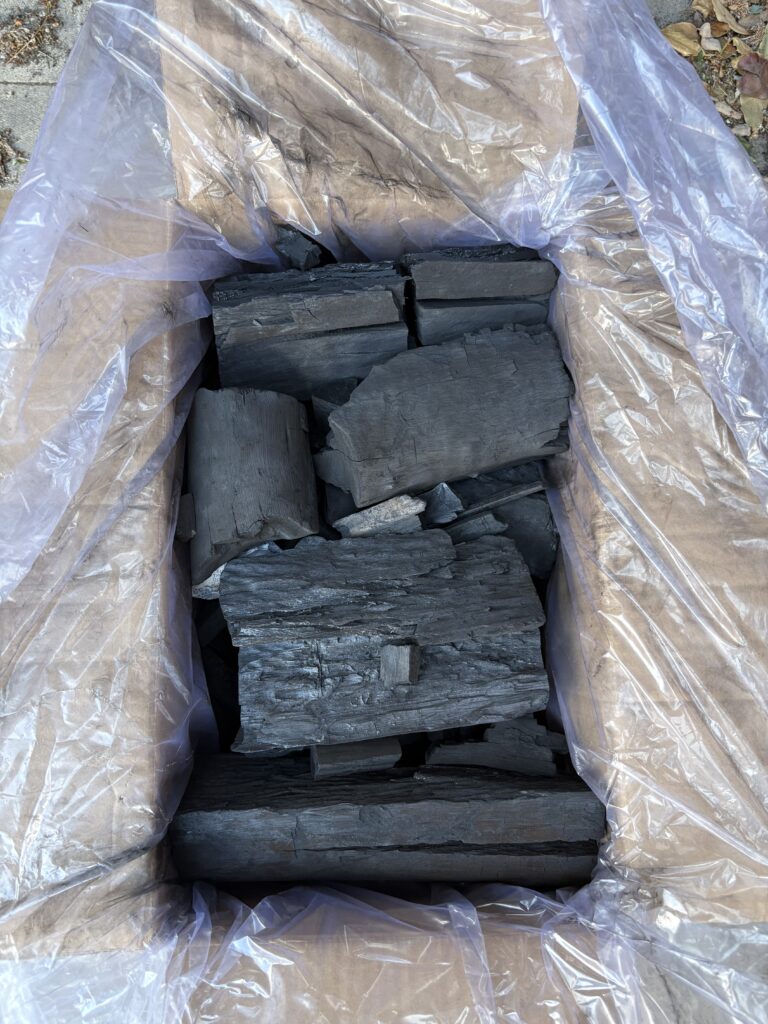
FAQ: Why does Big Ed’s Charcoal have a mix of big and small lumps?
Big Ed’s is all about top-quality, long-burning charcoal, made from a mix of Eucalyptus and Mangrove wood. Each 10kg box is packed with...