
How to Clean a Cast Iron Hibachi Grill: The Connoisseur’s Guide to Maintenance
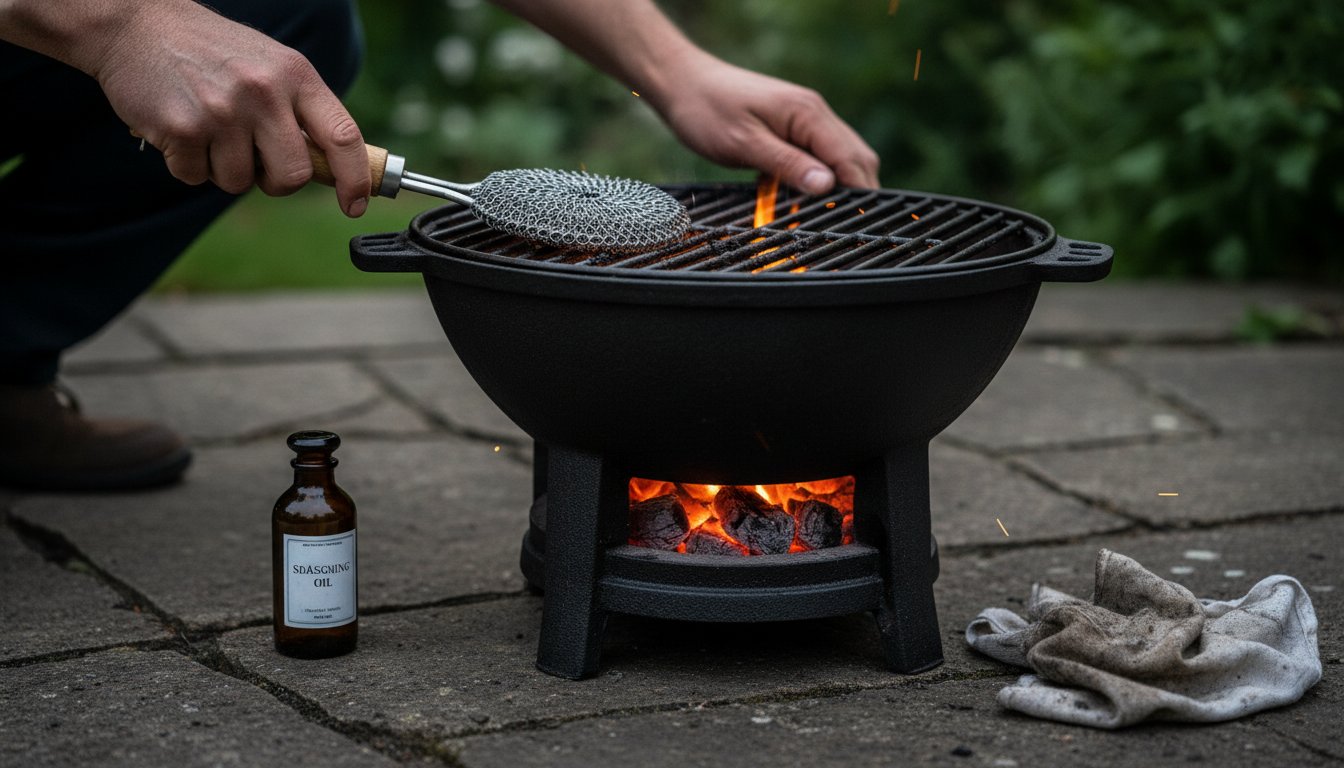
A cast iron Hibachi Grill isn’t merely a cooking tool; it’s a legacy piece that captures the very soul of outdoor gastronomy through every sear and char. You likely understand the visceral satisfaction of a perfect cook, yet you’ve felt that familiar dread when facing stubborn carbon buildup or the threat of oxidation. It’s common to feel overwhelmed by conflicting advice on seasoning oils or the fear that one wrong scrub might ruin your Japanese Charcoal Grill’s seasoned patina. With the global cast iron market projected to grow at a CAGR of 6.12% through 2031, more enthusiasts than ever are realizing that quality iron requires a specific ritual of respect.
In this guide, you’ll master exactly how to clean a cast iron hibachi grill to ensure flawless thermal performance and a pristine, non-stick surface for a lifetime. We’ll walk through the essential steps for removing residue without damaging the iron, the safety protocols for cooling ash for at least 48 hours, and the best oils for deep seasoning. By the end, you’ll have the specialized knowledge to transform maintenance from a chore into a rewarding practice that preserves your grill’s durability and culinary precision.
Key Takeaways
- Identify the essential toolkit, including chainmail scrubbers and stiff brushes, required to safely remove carbon without compromising the iron’s thermal mass.
- Discover the precise ritual of seasoning that creates a high-performance polymerised barrier, ensuring your cooking surface remains flawlessly non-stick.
- Master how to clean a cast iron hibachi grill during the “Golden Hour” to prevent oxidation and utilize flash-drying techniques for total moisture elimination.
- Understand how selecting professional-grade fuels like Oak or King Khaya charcoal can significantly reduce ash residue and streamline your maintenance routine.
The Philosophy of Cast Iron Hibachi Maintenance
To the uninitiated, a Hibachi is simply a vessel for fire. To the connoisseur, it is a living, breathing component of the culinary experience that demands intentional care. This traditional Japanese heating device relies on the immense thermal mass of cast iron to produce the searing heat required for authentic outdoor gastronomy. Unlike modern non-stick pans that degrade with every use, cast iron evolves. It’s a porous material that absorbs the history of your cooks, becoming more resilient and efficient as you refine its surface. Understanding how to clean a cast iron hibachi grill begins with recognizing that you aren’t just washing a tool; you’re stewarding a legacy of heat and flavour.
In a professional outdoor kitchen, there’s a vital distinction between a grill that’s “clean” and one that’s “seasoned.” Stripping the iron back to a grey, sterile state is a failure of maintenance. True maintenance is the art of removing debris while preserving the patina. This dark, glossy layer of polymerised oil acts as a natural, non-stick gastronomic surface that protects the metal from its two primary enemies: moisture and acidic ash. When charcoal burns, the remaining ash can become corrosive if left to sit, especially when it absorbs humidity from the air. This chemical reaction creates a direct threat to the iron’s longevity, making post-cook care an absolute necessity rather than a suggestion.
Understanding Thermal Distribution and Iron Integrity
The Impact of Maintenance on Culinary Flavour
The “memory” of cast iron is its greatest strength and its potential weakness. While a perfect patina enhances the sear, old, rancid grease trapped in the pores of the iron can taint the delicate profile of premium wagyu or seafood. You want your guests to taste the smoke and the quality of the ingredients, not the ghost of last month’s dinner. Starting with a clean slate allows the complex aromatics of Angus & Oink rubs to shine without competition. Proper maintenance ensures the iron’s memory only retains the deep, rich essence of successful sears, creating a foundation of flavour that improves with every season.
A Step-by-Step Guide to Deep Cleaning Your Hibachi
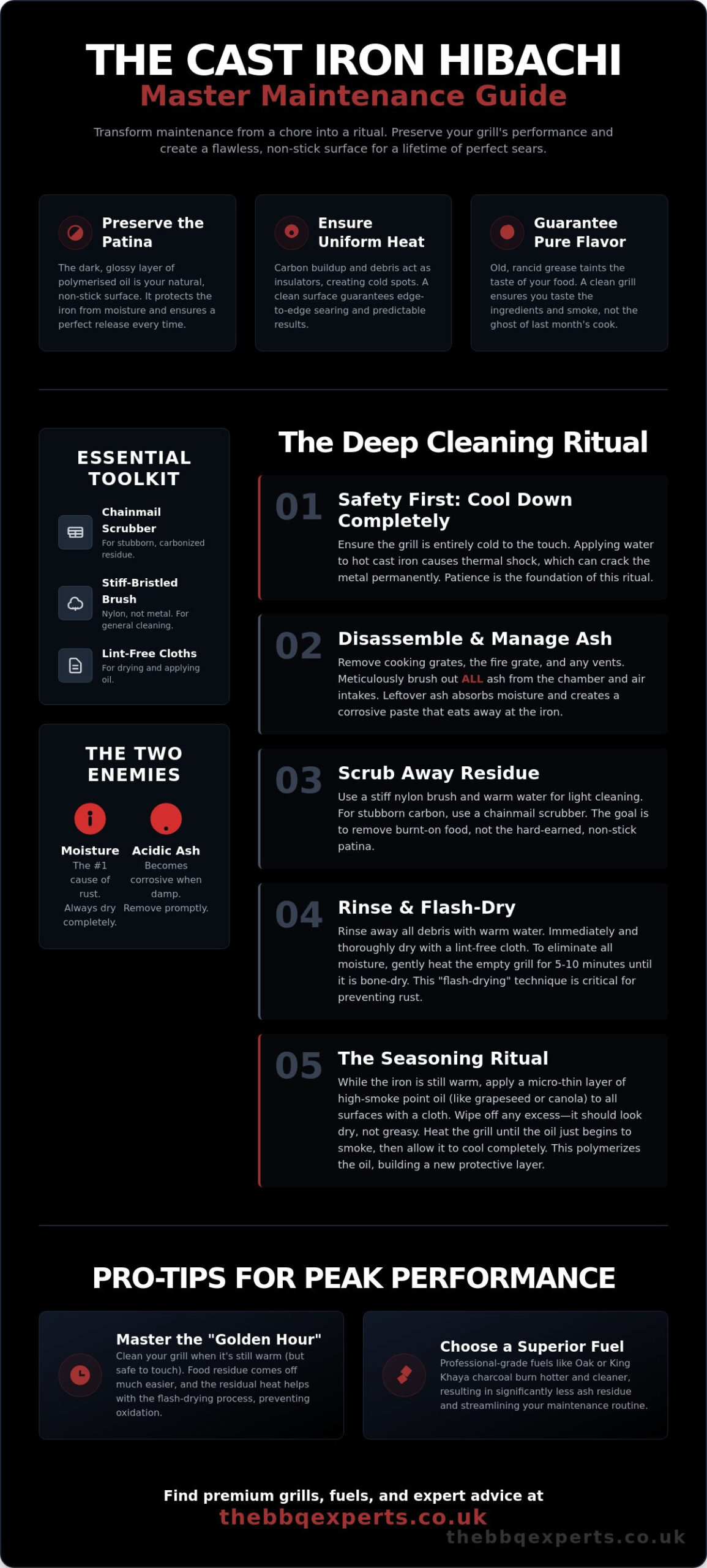
Safety is the foundation of every master’s ritual. Before you begin the process of how to clean a cast iron hibachi grill, verify that the unit is entirely cold to the touch. Applying water to hot cast iron can cause catastrophic thermal shock, leading to hairline fractures that compromise the vessel’s integrity. For a deep clean, you’ll need a curated toolkit: a stiff-bristled nylon brush, a stainless steel chainmail scrubber for stubborn carbon, and several lint-free microfiber cloths. Adhering to professional Charcoal Grill Safety standards ensures your maintenance session remains as controlled as your cook.
Total Disassembly and Ash Management
Precision maintenance requires total access. Begin by removing the cooking grates and the internal fire grate, followed by any draft doors or sliding vents. This is where many enthusiasts falter. Ash is naturally hygroscopic, meaning it acts as a sponge for atmospheric moisture. When left inside the chamber, this damp ash creates a corrosive paste that eats into the iron from the inside out. Use a soft brush to meticulously clear the air intake vents. This ensures your next session benefits from optimal oxygen flow and consistent heat retention.
Scrubbing Techniques for Professional Results
Your goal is to remove the grit without stripping the glory. For light residue, a stiff nylon brush and warm water are usually sufficient. Mastering these scrubbing techniques is the secret to how to clean a cast iron hibachi grill without sacrificing the hard-earned patina that gives your food its signature sear. When facing stubborn carbon buildup, the chainmail scrubber is your most powerful ally. Its rounded links provide enough friction to lift burnt proteins without gouging the iron’s surface. If you encounter surface rust, follow these steps to restore the finish:
- Use the chainmail scrubber on the dry iron to flake away loose oxidation.
- Create a paste of coarse salt and a small amount of oil to act as a gentle abrasive.
- Scrub the affected area until the orange hue disappears and the dark iron returns.
- Rinse with hot water, then immediately move to the drying phase.
While some suggest mild detergents, we recommend staying with hot water to protect the polymerised layers you’ve worked so hard to build. If you’re unsure about the condition of your iron, our team is always available to offer expert guidance on restoring your equipment to its former brilliance.
The Seasoning Ritual: Restoring the Protective Patina
Seasoning is the soul of cast iron maintenance. It isn’t merely a layer of oil; it’s a molecular fusion where fats undergo polymerisation to create a hard, glass-like barrier against oxygen and moisture. While standard indoor pans might survive with basic care, mastering how to clean a cast iron hibachi grill requires a more rigorous standard. Because a Hibachi operates at significantly higher temperatures than a domestic stovetop, the seasoning must be exceptionally resilient. A perfectly seasoned grill shouldn’t just be “clean.” It should possess a deep, obsidian-like sheen that signals its readiness for high-heat gastronomy.
Identifying when your grill requires a full restoration versus a simple touch-up is a skill every connoisseur must develop. If the surface appears dull, grey, or feels slightly rough to the touch, the protective barrier has been compromised. In contrast, a well-maintained patina feels smooth and looks almost wet, even when dry. You’ll know you’ve achieved the pinnacle of maintenance when water beads effortlessly on the surface and the iron radiates a consistent, dark glow. This “deep black” finish isn’t just for aesthetics; it’s the primary defense against the corrosive elements discussed in the previous sections.
Choosing the Right High-Smoke-Point Oils
The choice of oil determines the longevity of your patina. Olive oil and butter are unsuitable because their low smoke points cause them to burn and flake at the intense temperatures generated by Oak Briquettes. Instead, opt for grapeseed oil or flaxseed oil. Grapeseed is highly valued for its versatility and affordability, while flaxseed oil, though more expensive at approximately $34.99 for 32 ounces as of March 2026, creates an incredibly hard finish. The secret to avoiding a “sticky” surface is the application. You must apply an incredibly thin layer, then buff it off until the iron looks dry before applying heat. Multiple thin layers will always outperform a single thick one.
The Heat Treatment Process
To set the seasoning, you can use a kitchen oven or a “live-fire” method on the grill itself. For oven seasoning, place the grates upside down at approximately 230°C to 250°C for one hour. This temperature ensures the oil surpasses its smoke point and begins the polymerisation process. If you prefer the live-fire method, use a controlled burn of professional charcoal to heat the iron until the oil stops smoking and the metal takes on a matte finish. Cooling protocols are just as vital as the heating phase. You must allow the iron to cool slowly within the oven or grill. Rapid temperature drops can cause stress fractures in the metal, undoing all the work you’ve put into learning how to clean a cast iron hibachi grill safely.
Post-Cook Maintenance: Preventing Rust and Corrosion
The transition from a triumphant cook to the cleaning phase is the defining moment for any true connoisseur. Your most effective window for maintenance is the “Golden Hour,” that specific period shortly after cooking while the iron remains warm but safe to handle. During this time, the metal’s pores are still expanded, making it significantly easier to dislodge fats and proteins before they bond permanently with the surface. A swift brush with a stiff nylon tool at this stage reduces the need for aggressive scrubbing later, preserving the integrity of your hard-earned patina.
Mastering how to clean a cast iron hibachi grill effectively requires a commitment to flash-drying. After any contact with water, even a brief rinse, you must ensure zero moisture remains. Simply towel-drying is insufficient for the porous nature of cast iron. Instead, place the iron back over a low flame or inside a warm oven for several minutes. This heat-driven evaporation forces moisture out of the microscopic crevices, providing a truly dry foundation for a light protective layer of oil. This “Oil and Store” method creates a temporary seal that guards the metal until your next gastronomic session.
Emptying the internal chamber is a non-negotiable step in your post-cook routine. Never store your Hibachi with used charcoal or ash inside. As established in previous sections, ash is hygroscopic and will aggressively pull moisture from the surrounding environment. This creates a corrosive environment that can pit the iron and lead to structural failure over time. If you require further clarity on the best practices for your specific model, please reach out for a professional consultation.
The Importance of a Dry Micro-Climate
In the United Kingdom, the ambient humidity poses a constant threat to high-end outdoor equipment. Storing your grill under a generic plastic tarp is often counterproductive, as these materials trap condensation against the iron. We recommend high-quality, breathable covers that allow air circulation while blocking external rain. For those storing their Japanese Charcoal Grill in a shed or garage, placing silica gel packs or moisture absorbers inside the unit can provide an extra layer of defense. Regularly inspect the surface for “spider-web” rust, which appears as fine, orange lines. Catching oxidation at this stage prevents it from becoming a structural issue that requires a full strip-down.
Pre-Cook Preparation for Seasoned Iron
Before your next fire is lit, a brief preparation ritual ensures your seasoning performs at its peak. Use a clean, lint-free cloth to wipe down the grates, removing any dust or storage oils that may have settled. This “Pre-Heat Check” allows you to verify that the patina is intact and free of any sticky residues. For a comprehensive look at setting up your outdoor kitchen for success, refer to The Ultimate BBQ Master Checklist. Starting with a clean, well-oiled surface is the final step in the cycle of how to clean a cast iron hibachi grill, ensuring your next sear is as flawless as the last.
Optimising Maintenance with Premium Fuels and Tools
The secret to a pristine cooking environment starts long before you pick up a brush. While previous sections detailed the physical process of how to clean a cast iron hibachi grill, the most sophisticated practitioners understand that prevention is the highest form of maintenance. The residue you face after a cook is a direct consequence of the fuel you burn. Low-grade charcoals are often riddled with chemical binders and high moisture content, leading to excessive soot and a heavy, acidic ash that clings to the iron’s pores. By selecting professional-grade fuels, you significantly reduce the volume of debris you must manage, allowing the natural beauty of the cast iron to remain the focal point of your outdoor kitchen.
A “clean-burn” setup is the hallmark of the expert mentor. This approach prioritizes high-carbon fuels that provide steady, intense heat without the volatile flare-ups that deposit carbonised grease onto your grates. When you integrate high-quality fuels into your ritual, you’ll find that the question of how to clean a cast iron hibachi grill becomes less about arduous scrubbing and more about a light, rhythmic refresh. This proactive strategy preserves the structural integrity of your fire cage and fire grate, ensuring your equipment performs with the same precision years from now as it does today.
Low-Ash Fuels for Easier Cleanup
Selecting a high-performance fuel like Big Eds Gourmet Mix or Coffee Charcoal is a strategic move for the efficiency-minded chef. These fuels are carbonised to a higher degree, meaning they burn more completely and leave behind a fraction of the residue found in supermarket alternatives. This steady heat output prevents the formation of “cold soot” on the underside of your grates, which is notoriously difficult to remove once it cools. For a deeper analysis of how different wood species impact your burn, consult The Ultimate Guide to Charcoal.
Enhancing the Experience with Professional Seasonings
Maintenance and cooking are not separate tasks; they are a continuous cycle of care. Every time you sear fat-rich wagyu or pork belly, the rendered oils contribute to the ongoing seasoning of the iron, reinforcing the protective patina we discussed in the ritual phase. However, this only works if the iron starts clean. A surface free of old, rancid debris allows the complex and evocative profiles of Angus & Oink rubs to bond perfectly with your ingredients. A well-maintained grill is the foundation of every masterpiece, serving as the bridge between raw ingredients and the sensory joy of a perfect sear.
Elevating Your Outdoor Gastronomy Ritual
Mastering the art of maintenance transforms your Hibachi from a simple tool into a lifetime culinary partner. By prioritizing meticulous ash management and the precise ritual of high-heat seasoning, you ensure every sear remains a masterpiece of thermal precision. You’ve learned that how to clean a cast iron hibachi grill isn’t just about removing residue; it’s about stewarding the metal’s memory and protecting its structural integrity against the unique challenges of the UK climate. Choosing professional-grade, low-ash fuels is the final step in refining this process, reducing your effort while maximizing the purity of your results.
As a specialist UK retailer, we provide the professional-grade equipment and authoritative advice needed to elevate your craft. From premium Big Eds and Coffee Charcoal to the grills themselves, we curate only the best for the home enthusiast. Upgrade your fuel and maintenance kit at The BBQ Experts and take the first step toward a transformed outdoor lifestyle. Your journey into high-end gastronomy is a path of constant improvement, and your tools should be as resilient as your passion. Embrace the ritual, and let your craftsmanship shine through every perfectly seared bite.
Frequently Asked Questions
Can I use dish soap to clean my cast iron Hibachi grill?
You shouldn’t use harsh dish soaps for regular maintenance because they strip away the polymerised patina you’ve worked so hard to build. While a tiny drop of mild, organic detergent is acceptable for removing particularly rancid grease, hot water and a stiff brush are usually all you need. Maintaining the iron’s natural non-stick surface is the priority. If you do use soap, ensure you re-season the iron immediately after drying to restore its protective barrier.
How do I remove heavy rust from a cast iron Hibachi?
You can remove heavy rust using a combination of mechanical friction and gentle abrasives. Start with a stainless steel chainmail scrubber on the dry iron to flake away loose oxidation. For deeper corrosion, a paste of coarse salt and oil provides the necessary grit to reveal the dark iron beneath without gouging the metal. Once the orange hue is gone, a full re-seasoning cycle is essential to prevent the oxidation from returning.
What is the best oil for seasoning a Hibachi grill?
Grapeseed oil is the superior choice for most enthusiasts due to its high smoke point and clean finish. Flaxseed oil is another elite option that creates an exceptionally hard, glass-like surface, though it can be more prone to flaking if applied too thickly. These oils ensure your seasoning survives the intense heat of a Japanese Charcoal Grill, where standard olive oils would simply burn away and leave an unpleasant, sticky residue.
How often should I deep clean my cast iron grill?
You should perform a deep clean every three to five sessions, or whenever you notice a dullness in the patina. While post-cook maintenance handles daily debris, a deep clean ensures that hidden ash and carbon buildup don’t compromise the iron’s thermal distribution. Regular inspections are key. If your meats start to stick or the iron emits an off-aroma, it’s time to strip back the residue and refresh the surface with a new layer of oil.
Is it okay to leave my Hibachi outside if it has a cover?
Why is my cast iron Hibachi grill sticky after seasoning?
Your grill feels sticky because either the oil layer was too thick or the heat wasn’t high enough to complete the polymerisation process. When learning how to clean a cast iron hibachi grill, remember that less is always more. You must buff the oil until the iron looks almost dry before applying heat. If stickiness occurs, place the iron back in the oven at 250°C for another hour to finish the chemical transformation.
Can I use a wire brush on my Hibachi cooking grates?
You can use a wire brush on your cooking grates, but choose stainless steel or brass to avoid leaving behind reactive metal particles. A stiff-bristled brush is excellent for dislodging carbonised proteins during the “Golden Hour” after a cook. Avoid using aggressive power-drill attachments, as these can strip the iron’s patina entirely. A manual, focused scrub is always the preferred method for maintaining culinary precision and iron integrity.
What happens if I don’t remove the ash after every cook?
Leaving ash inside your grill is the fastest way to invite structural corrosion. Ash absorbs moisture from the air, creating an acidic paste that eats into the cast iron’s surface. Over time, this leads to pitting and can eventually cause the fire grate or body to crack. Mastering how to clean a cast iron hibachi grill requires making ash disposal a non-negotiable step in your ritual, ensuring you let the coals cool for 48 hours before handling.
Disclaimer
This article was produced with AI assistance. We use AI and Third Parties to help deliver more content to our BBQ website and community, but we always aim to ensure accuracy and quality as much as we can. If you spot anything that doesn't seem right, we'd love to hear from you

Recent News & Updates

Our Story, Values and Beliefs
Here at the BBQ experts we have a passion for BBQ food, outdoor living and spending time with family and friends. We offer you; A...
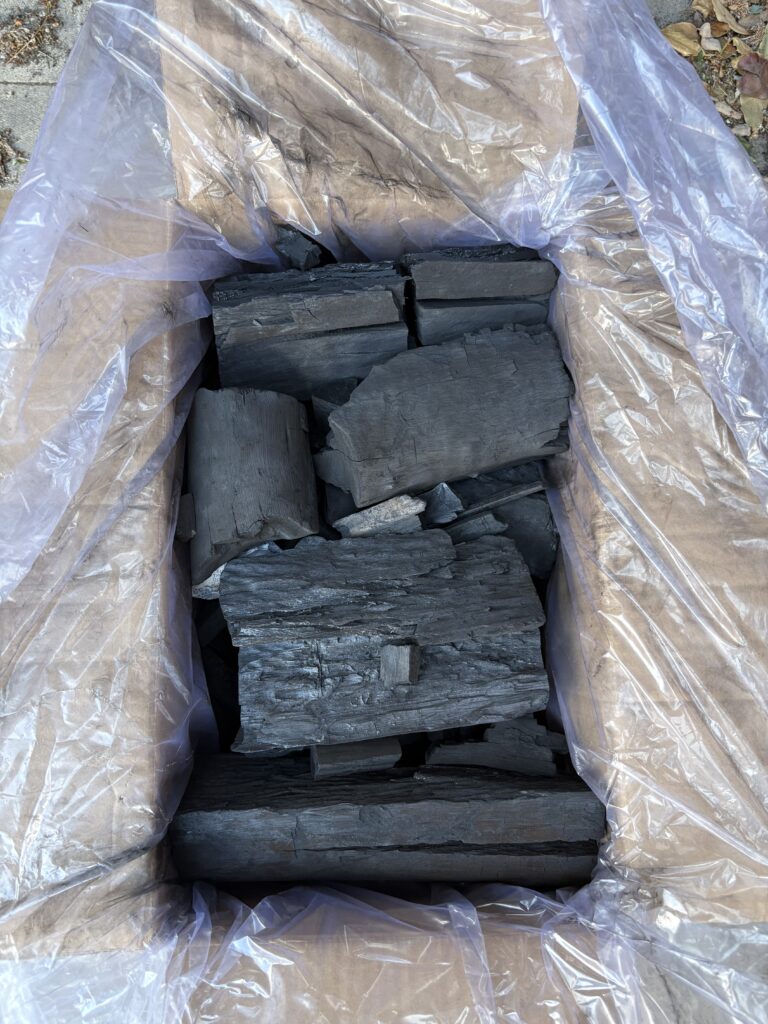
FAQ: Why does Big Ed’s Charcoal have a mix of big and small lumps?
Big Ed’s is all about top-quality, long-burning charcoal, made from a mix of Eucalyptus and Mangrove wood. Each 10kg box is packed with...