
Best Charcoal for Dutch Oven Cooking: The Connoisseur’s Guide to Thermal Precision
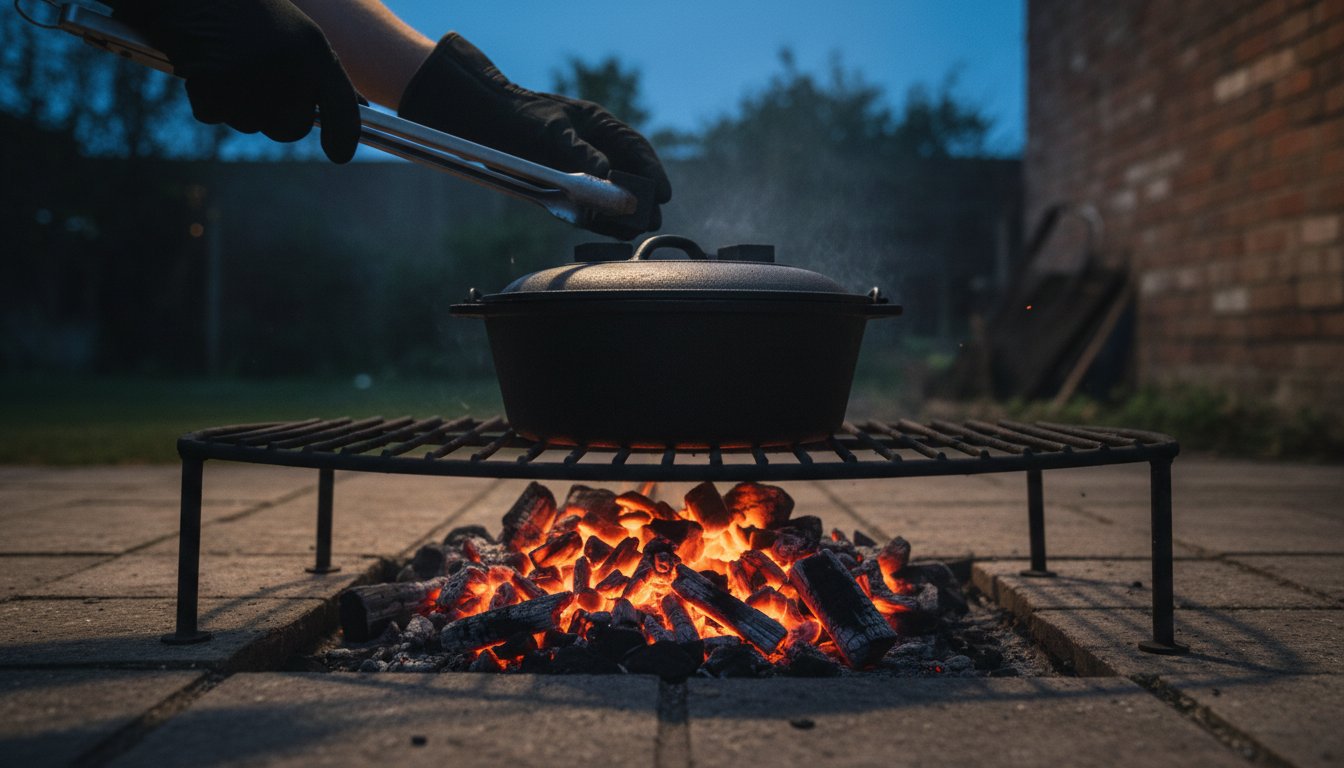
Most outdoor cooks believe any bag of briquettes will suffice for a slow braise, but true culinary precision requires more than just a match and a prayer. Your Dutch Oven is a heavy, cast-iron vessel designed for the slow, deliberate transformation of ingredients, yet its performance is entirely beholden to the energy source beneath it. If you have ever lifted your lid to find a lukewarm stew or a layer of gray ash where your heat should be, you know that the best charcoal for dutch oven cooking is actually a matter of thermal density and carbon purity. It is the difference between a frustrating afternoon and a professional-grade feast.
You likely agree that nothing ruins a social gathering faster than a roast that remains stubbornly tough because your coals disintegrated before the meat could tenderize. We will show you how to master the art of temperature control by selecting professional-grade fuels that offer the predictable, long-lasting heat necessary for a consistent three-hour cook. This guide explores how to achieve “set-and-forget” stability using premium options like Big Eds Charcoal or dense Oak Briquettes. You will learn to eliminate ash contamination and elevate your outdoor cooking ritual into a refined, high-end experience that transforms your exterior environment into the primary social hub of your home.
Key Takeaways
- Learn why treating your cast iron as a thermal battery requires steady-state heat rather than the aggressive, fluctuating temperatures of standard grilling.
- Discover why professional-grade briquettes and high-density lumpwood are the best charcoal for dutch oven cooking when you need unwavering thermal stability.
- Explore the unique performance benefits of premium wood species, including why Coffee Charcoal is the connoisseur’s secret for remarkably long, clean burn times.
- Master the Rule of Three for coal placement and learn how to adjust your ratios when working with high-efficiency, professional fuels.
- Transition from basic outdoor cooking to a refined culinary ritual by curating a fuel selection that matches the precision of your Dutch Oven.
The Science of Thermal Stability in Dutch Oven Cooking
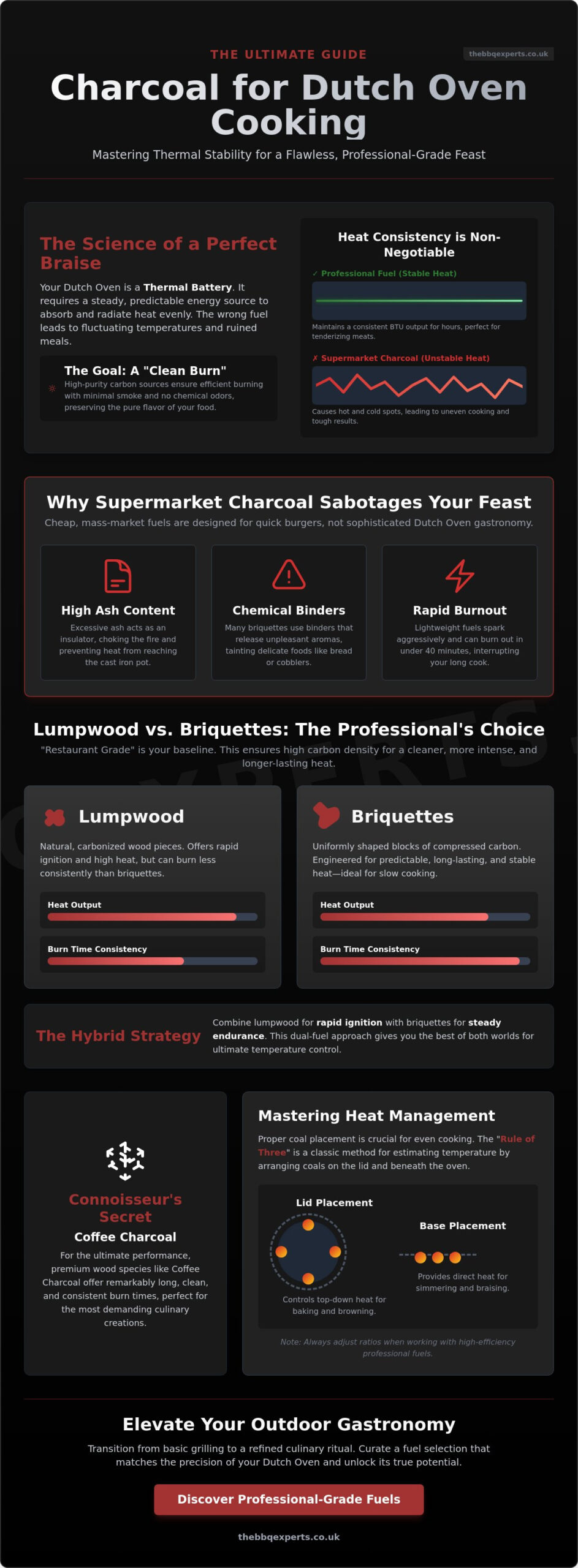
Dutch oven cooking is not about the violent, flickering flames of a standard grill; it’s an exercise in patience and thermal mass management. Unlike a steak that requires a momentary sear, a slow-braised short rib or a sourdough loaf needs a steady, predictable environment. We view the Dutch Oven as a thermal battery. It absorbs heat from the charcoal and radiates it inward with gentle, unwavering intensity. To “charge” this battery correctly, you must select the best charcoal for dutch oven cooking, as low-grade fuels lack the carbon density to maintain a consistent output over several hours.
A “clean burn” is the hallmark of a master outdoor chef. It means your fuel is burning efficiently with minimal smoke and zero chemical odors. When you use high-purity sources like Big Eds Charcoal, you minimize the risk of acrid flavors tainting your food during a four-hour simmer. Understanding The Science of Charcoal reveals that higher carbon content leads to longer, more stable burn times. This reliability means you can stop lifting the lid to check the heat. Every time you open that heavy cast-iron seal, you lose valuable steam and drop the internal temperature, which can delay your feast by twenty minutes or more.
Why Heat Consistency is Non-Negotiable
Precision is the difference between a melt-in-the-mouth brisket and a tough, fibrous disappointment. For collagen to break down into silky gelatin, the temperature must stay within a narrow window for hours on end. Thermal stability is the ability of fuel to maintain a specific BTU output over hours. If your fuel creates “cold spots,” your breads will bake unevenly, leaving you with a crust that is charred on one side and doughy on the other. Consistency ensures that the heat circulating inside the pot is as uniform as a professional kitchen oven.
The Problem with Supermarket Charcoal
Cheap, mass-market bags often sabotage your culinary efforts before you even light the match. These products are designed for quick burgers, not the sophisticated demands of Dutch Oven gastronomy. You’ll likely encounter several common frustrations:
- High Ash Content: Low-grade charcoal produces excessive ash that acts as an insulator, literally choking the fire and preventing heat from reaching the cast iron.
- Chemical Binders: Many mass-produced briquettes rely on starch or chemical binders that release unpleasant aromas, which is the last thing you want for a delicate fruit cobbler.
- Rapid Burnout: Lightweight lumpwood from discount retailers often sparks aggressively and burns out in forty minutes, forcing you to interrupt your cook to replenish the coals.
By choosing professional fuels like professional briquettes, you avoid these frustrations and secure the thermal precision your ingredients deserve. Investing in quality fuel is the first step in transforming your outdoor space into a refined culinary retreat.
Lumpwood vs. Briquettes: Choosing Your Fuel Architecture
Selecting your energy source is not a binary choice; it’s a strategic decision that defines the success of your outdoor feast. For the seasoned connoisseur, the best charcoal for dutch oven cooking depends entirely on the culinary objective. While stews and braises demand longevity, delicate baking requires a level of geometric precision that only specific fuel architectures can provide. “Restaurant Grade” is the non-negotiable baseline for this pursuit. This designation ensures the fuel has undergone a rigorous carbonization process, resulting in larger, denser pieces that resist crumbling and provide a cleaner, more intense heat than any standard high-street alternative.
A hybrid approach often yields the most sophisticated results. By mixing high-density lumpwood with professional briquettes, you gain the rapid ignition of natural wood and the steady, rhythmic endurance of compressed carbon. This dual-fuel strategy helps you maintain the safe internal temperatures outlined in the USDA Grilling Guidelines, ensuring your slow-cooked meats remain safely within the target zone throughout the entire duration of the cook.
Professional Briquettes: The King of Baking
When your Dutch Oven serves as a portable bakery, uniformity is your greatest ally. Bincho Professional Briquettes are designed with a unique hexagonal profile that creates consistent air channels, preventing the “suffocation” common with pillow-shaped coals. This structural integrity allows you to calculate exact lid-to-base ratios with mathematical certainty. You can confidently expect over three hours of unwavering heat from a single chimney starter, providing the stable environment needed for golden crusts and perfectly risen crumb structures.
High-Density Lumpwood: The Roasting Specialist
For dishes that require a more aggressive thermal profile, such as a whole roasted bird or a seared joint of beef, Big Eds Grade Finest Lumpwood is the professional’s choice. This fuel is prized for its high-heat capabilities and the subtle, evocative aroma of natural hardwoods that penetrates even the heavy seal of a cast-iron lid. Because it is highly carbonized, it offers a spark-free experience, allowing you to focus on the sensory joy of the cook rather than managing erratic embers. If you’re unsure which fuel architecture best suits your specific equipment, our team is always available to provide expert guidance on your next investment.
Premium Wood Species: From Oak to Coffee Charcoal
Treating charcoal as a generic commodity is a mistake that separates the novice from the true outdoor connoisseur. In the pursuit of the best charcoal for dutch oven cooking, you must understand that the species of wood determines the energy density and aromatic profile of your fire. Just as you wouldn’t use a delicate Pinot Noir for a heavy beef reduction, you shouldn’t use a fast-burning softwood for a six-hour braise. Wood density correlates directly to the refueling frequency of your cook; the denser the wood, the less you have to disturb your Dutch Oven’s internal microclimate to add fresh fuel.
Choosing a specific wood species allows you to tailor the thermal environment to your ingredients. While some woods offer a punchy, aggressive heat, others provide a soft, whispering warmth that is ideal for slow-simmered fruits or delicate proteins. By curating your fuel selection, you transform your outdoor kitchen into a space of refined culinary control.
Oak and Coffee: The Heavyweights
For those who value traditional British outdoor cooking with a modern edge, Turkish Oak Charcoal stands as the ultimate workhorse. It delivers an intense heat profile perfect for deep searing before you transition into a slow braise. If your menu features a robust venison stew or a traditional pot roast, the steady energy of oak provides the reliable foundation you need.
When your culinary ambitions involve six-hour stews or slow-rendered pork belly, Coffee Restaurant Charcoal is your secret weapon. This sustainable, high-density option is crafted from the wood of coffee bushes that no longer produce beans, resulting in an incredibly tight grain structure. Denser woods contain more energy per square inch, leading to a more stable cook. This means you can enjoy the social hub of your home without constantly monitoring the fire box.
The Eucalyptus Advantage
For more refined gastronomy, Eucalyptus Binchotan offers a distinct advantage. It’s prized for its exceptionally clean burn and low smoke output, which is essential when guests are gathered closely around the cooking area. This fuel doesn’t compete with the delicate aromas of fish or fruit desserts, providing a pure heat that lets the natural quality of your ingredients shine.
To truly elevate your results, consider matching your wood species to your choice of Angus & Oink rubs. A spicy, bold rub pairs beautifully with the rugged heat of oak, while a citrus-based seasoning finds its perfect partner in the clean, neutral profile of eucalyptus. This layered approach to flavor ensures that every element of your outdoor feast is a deliberate choice in craftsmanship.
Mastering Heat Management: Placement and Ratios
Managing the heat of a Dutch Oven is an exercise in geometric precision. While we’ve already established that the best charcoal for dutch oven cooking provides the necessary energy density, how you distribute that energy determines whether you serve a masterpiece or a scorched disappointment. The “Rule of Three” is the traditional starting point: take the diameter of your oven in inches, then add three coals for the lid and subtract three for the base. However, this rule was designed for low-density supermarket briquettes. When you upgrade to professional-grade fuels, you often need 20% fewer coals to achieve the same result because the caloric output is significantly higher.
Placement is just as vital as quantity. Avoid clustering coals in the center of the lid or directly under the middle of the pot. Instead, utilize a “Ring of Fire” arrangement, placing your coals around the perimeter. This creates a natural convection current inside the vessel, ensuring the heat wraps around your ingredients rather than attacking them from a single point. If you’re cooking in exposed conditions, remember that wind can strip away heat in seconds. Use stone windbreaks or heat-shielding to maintain your efficiency and protect your culinary investment.
The Mathematics of the Lid
Your ratio of top-to-bottom heat must shift based on your recipe. For baking delicate breads or cobblers, a 3:1 ratio (more coals on top) mimics an oven’s radiant heat and prevents the bottom from burning before the top is golden. For stews and braises, flip the ratio to focus energy on the base. To eliminate hot spots entirely, adopt the “quarter-turn” habit: rotate the lid 90 degrees clockwise and the pot 90 degrees counter-clockwise every fifteen minutes. This ensures 360-degree thermal coverage. If you notice the heat dipping, “bridge” your fire by adding a few fresh, unlit coals next to the glowing ones to ensure a seamless transition of energy.
Lighting for Success
Consistency starts before the first coal touches the iron. A chimney starter is essential for ensuring every piece of fuel is ignited to the same degree, preventing “cold coals” from dragging down your temperature. We recommend using Natural Firelighters to start your fire. These wood-wool starters ensure you avoid the foul, chemical scent of kerosene that can easily taint a long-duration cook. Wait for the “white ash” rule: your charcoal is only ready for the Dutch Oven once it’s fully coated in a fine layer of gray-white ash. This indicates the initial volatile gases have burnt off, leaving you with the pure, steady glow required for professional results. If you need help calculating the specific fuel requirements for your setup, get in touch with our experts for a personalized consultation.
Elevating Your Outdoor Gastronomy with The BBQ Experts
There is a distinct logistical advantage to securing your fuel in larger quantities. When you explore our bulk buy fuel options, you eliminate the risk of running dry mid-season or being forced to rely on inferior, high-street alternatives. Consistency is the secret of the connoisseur. Having a steady supply of high-density Oak or Coffee charcoal allows you to perfect your technique, knowing exactly how your iron will react to the thermal load every single time you light the match. It’s about being prepared for the spontaneous joy of an outdoor feast without compromising on quality.
The Expert’s Toolkit
Thermal control is significantly improved when you move beyond the basics and invest in a dedicated cooking station. Utilizing a Fire Cage allows for better airflow management and keeps your coals contained for maximum efficiency. To ensure you are fully prepared for your next feast, we recommend cross-referencing your setup with our BBQ Master Checklist. Combining premium fuel with the right hardware creates a synergy that transforms a simple meal into a masterclass in flavour. Before you begin your next cook, ensure you have:
- High-density, restaurant-grade charcoal suited to your specific recipe.
- Natural firelighters to ensure a clean, chemical-free ignition.
- A clear plan for your lid-to-base coal ratios based on the wood’s density.
- Premium seasonings, such as Angus & Oink rubs, to complement the wood’s natural aroma.
Your Journey to Mastery
True mastery requires the courage to move beyond the entry-level and embrace the tools used by professionals. The transition from a casual cook to a seasoned connoisseur is marked by a refusal to compromise on the quality of your fuel or your hardware. When you pair a heavy cast-iron vessel with the best charcoal for dutch oven cooking, you gain the freedom to focus on the art of gastronomy. You are no longer just making dinner; you are creating an experience that resonates with your guests long after the embers have faded. Elevate your craft today by exploring our professional range and discover the transformative power of culinary precision.
Mastering the Art of the Slow Burn
Thermal precision is the bridge between a simple outdoor meal and a refined culinary event. You now recognize that the best charcoal for dutch oven cooking is a deliberate choice of wood species and fuel architecture, tailored to the specific demands of your recipe. Whether you choose the unwavering endurance of Coffee charcoal or the rugged intensity of Oak, the result is a predictable, professional-grade feast every time. By moving beyond supermarket alternatives, you’ve secured the thermal stability required for perfect collagen breakdown and golden crusts.
As a specialist UK importer of Restaurant Grade fuels, we take pride in our expert-led curation of products that guarantee these results. We’re here to ensure your exterior environment becomes the sophisticated social hub you’ve envisioned. Take advantage of our free delivery on 2-box charcoal deals and stock your toolkit with the industry’s finest energy sources. It’s time to stop managing the fire and start mastering the flavour. Discover the professional fuel range at The BBQ Experts and transform your next Dutch Oven adventure into a masterclass of outdoor gastronomy.
Frequently Asked Questions
Is lumpwood or briquettes better for Dutch Oven cooking?
Professional briquettes are typically the superior choice for Dutch Oven baking because their uniform size and shape ensure predictable heat distribution across the lid. However, high-density lumpwood like Big Eds is the preferred option for roasting joints where a more intense temperature and natural wood aroma are desired. The best charcoal for dutch oven cooking often involves a hybrid approach to balance rapid ignition with the long-term endurance required for heavy stews.
How many charcoal briquettes do I need for a 12-inch Dutch Oven?
For a standard 12-inch oven, you traditionally need about 24 coals to reach a temperature of 175°C, following the standard rule of doubling the diameter. However, when you use high-caloric professional fuels like Oak Briquettes, you should reduce this count by roughly 20% to avoid overheating. Start with approximately 10 coals on the lid and 5 on the base for a gentle, slow simmer, then adjust based on the ambient wind and temperature.
Can I use regular firewood instead of charcoal for my Dutch Oven?
You can use firewood, but it lacks the thermal consistency and carbon density required for precision outdoor cooking. Raw wood produces fluctuating temperatures and excessive ash, which can act as an insulator and “choke” the heat reaching your cast iron. For a truly refined experience, it is better to stick to carbonized fuels that offer a steady-state burn without the unpredictability of open flames, heavy smoke, and flying sparks.
How do I stop my Dutch Oven from burning on the bottom?
Prevent bottom scorching by arranging your coals in a “Ring of Fire” around the perimeter of the base rather than in a central pile. This distribution encourages natural convection currents inside the pot rather than concentrated contact heat. Additionally, rotating the pot 90 degrees every fifteen minutes ensures no single area of the cast iron absorbs too much energy, protecting delicate ingredients and thick sauces from sticking to the bottom.
How long will professional-grade charcoal last in a Dutch Oven cook?
Professional-grade charcoal, such as Coffee Charcoal, can provide consistent, usable heat for 3 to 4 hours from a single chimney starter. This longevity is nearly double that of standard supermarket brands, which often turn to ash in under an hour. This high-density fuel allows you to maintain a slow braise for the entire duration of the cook without the disruption of refueling, which helps preserve the internal microclimate of your oven.
Does the type of wood in the charcoal affect the flavour of a stew?
The wood species significantly impacts the final flavour profile of your stew, especially if you sear your meat in the pot before adding liquids. While the heavy cast-iron lid provides a strong seal, it isn’t hermetically airtight; subtle wood aromas from sources like Eucalyptus or Oak will permeate the vessel during a long cook. Using the best charcoal for dutch oven cooking means selecting a wood species that complements your chosen Angus & Oink rubs.
What is the best way to light charcoal for a Dutch Oven?
A chimney starter is the most effective tool for achieving even ignition across all your coals simultaneously, ensuring they all reach peak temperature at the same time. Combine this with Natural Firelighters to ensure your cook remains free from the acrid, chemical scents associated with kerosene-based fluids. This method ensures that by the time the coals are placed on the oven, they are already at peak efficiency and coated in a fine white ash.
Can I reuse charcoal that hasn’t fully burned after a cook?
You can absolutely reuse professional charcoal if you extinguish it properly by cutting off the oxygen supply in a sealed grill or fire box. Once the coals are completely cool, simply shake off the excess ash to expose the remaining carbon core. These “second-burn” coals light very quickly and are excellent for shorter cooks or for “bridging” heat when you need a small boost during a longer Dutch Oven session.
Disclaimer
This article was produced with AI assistance. We use AI and Third Parties to help deliver more content to our BBQ website and community, but we always aim to ensure accuracy and quality as much as we can. If you spot anything that doesn't seem right, we'd love to hear from you

Recent News & Updates

Our Story, Values and Beliefs
Here at the BBQ experts we have a passion for BBQ food, outdoor living and spending time with family and friends. We offer you; A...
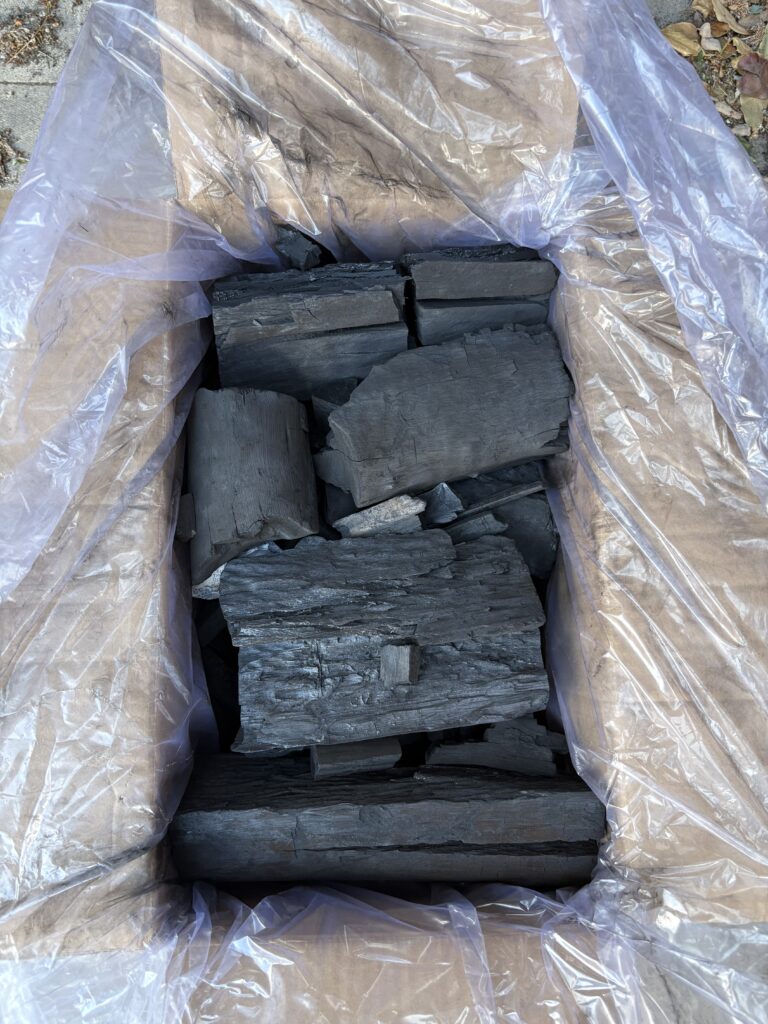
FAQ: Why does Big Ed’s Charcoal have a mix of big and small lumps?
Big Ed’s is all about top-quality, long-burning charcoal, made from a mix of Eucalyptus and Mangrove wood. Each 10kg box is packed with...