
Mastering BBQ Coal: The Expert Guide to Choosing and Using Premium Fuel
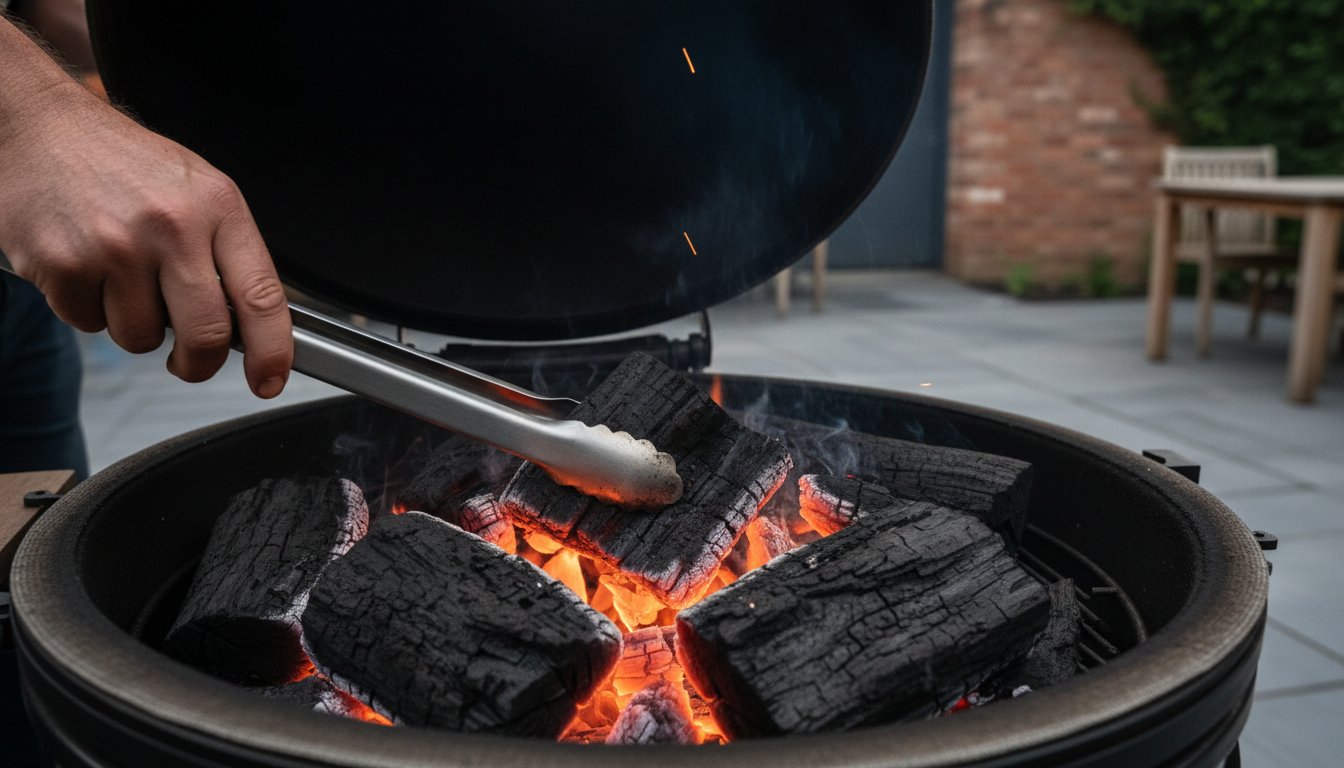
What if you treated your fuel with the same reverence as a dry-aged ribeye? Most enthusiasts view bbq coal as a mere utility, but seasoned connoisseurs know it is an active ingredient that dictates the soul of your dish. If you are still settling for supermarket bags that spark and fade, you are effectively seasoning your premium meats with chemical fumes and disappointment. We have all experienced the frustration of a fire burning out too quickly or inconsistent temperatures ruining an expensive cut of Wagyu. It is a common hurdle on the path to mastery, but it’s one you can easily overcome with the right expertise.
I will show you how to select and light the perfect fuel to transform your garden into a professional-grade sanctuary of flavor. You’ll discover how to identify high-quality lumpwood that meets the BS EN 1860-2:2023 standard of 75% fixed carbon, ensuring a clean, succulent sear every time. We will explore the unique flavor profiles of King Khaya and Coffee charcoal while mastering the long-duration temperature control required for unrivaled outdoor gastronomy. Whether you are using a Kamado Joe or a Thuros BBQ, this guide is your bridge to achieving restaurant-quality results at home.
Key Takeaways
- Learn how to identify high-purity fuel that acts as an active ingredient, ensuring your meat is seasoned by clean hardwood smoke rather than chemical binders.
- Understand the distinct burn profiles of irregular lumpwood and uniform briquettes to achieve the perfect balance of initial heat spikes and long-term stability.
- Master the professional ritual of lighting bbq coal using specialized tools that eliminate the need for flavor-tainting liquid lighter fluids.
- Discover how to use coal arrangement and vent adjustments as a precision “volume knob” to maintain consistent temperatures for restaurant-quality results.
- Explore the unique sensory profiles of specialty fuels like Coffee and King Khaya charcoal to elevate your outdoor cooking to an unrivaled professional standard.
Understanding BBQ Coal: More Than Just Fuel for the Fire
To the uninitiated, fuel is simply a means to an end. To the connoisseur, bbq coal is the very soul of the outdoor kitchen. It is the purified essence of hardwood, meticulously stripped of moisture and volatile gases through a process that leaves behind only the most potent energy. While gas grills offer a sterile, flick-of-a-switch convenience, they lack the primal, sensory depth that only a real wood fire can provide. Choosing a premium fuel isn’t just about heat; it is about creating a sanctuary of flavor where every ember contributes to the final masterpiece on the plate.
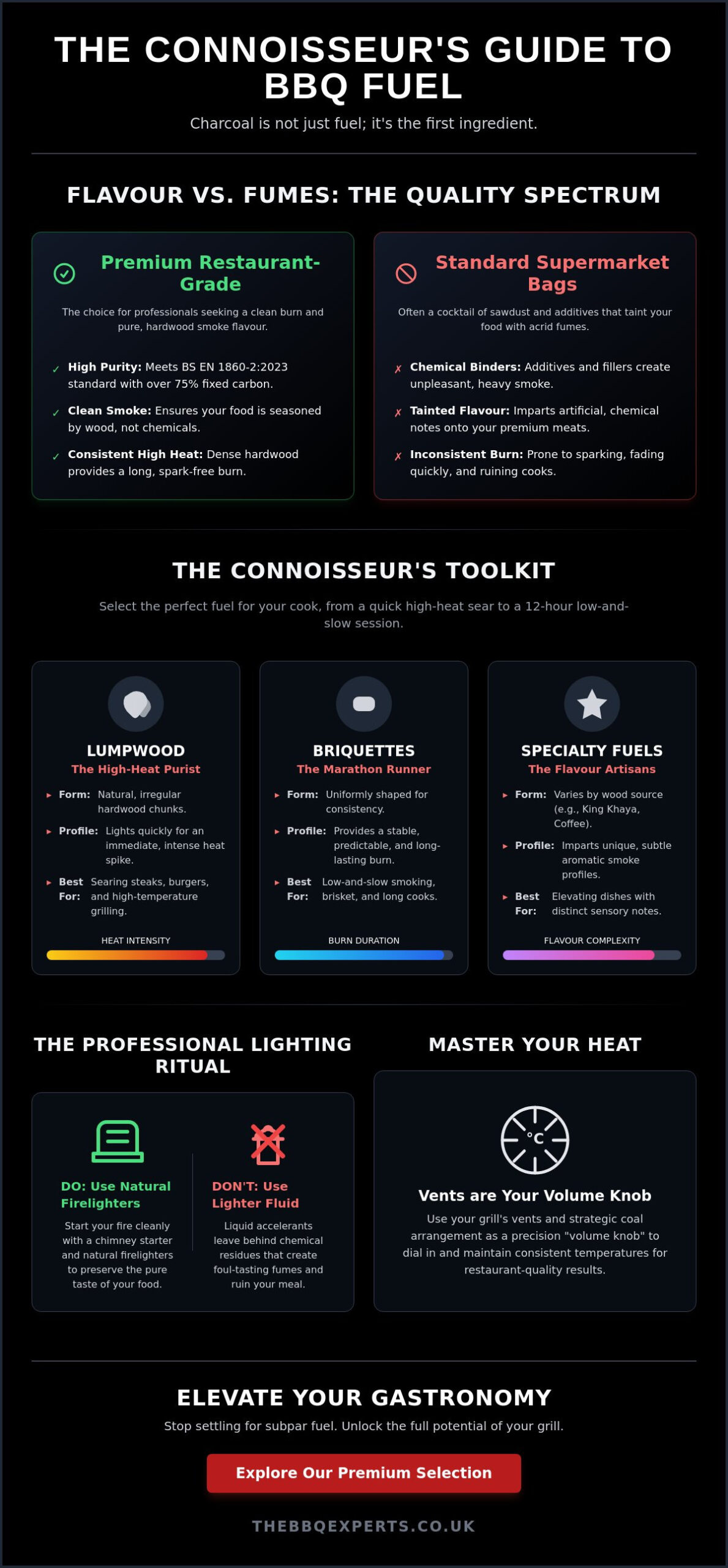
Many enthusiasts start their journey with “supermarket coal,” unaware that these budget bags are often a cocktail of sawdust and chemical binders. These additives don’t just affect the burn; they actively taint your meat with acrid, artificial notes. To truly master the craft, one must first understand the fundamental nature of the medium. Asking What is Charcoal? reveals a rich history of carbonization that turns raw timber into an unrivaled culinary tool. Achieving a “clean burn” is essential for professional results, ensuring that the only thing seasoning your succulent cuts is the pure, sweet smoke of high-quality wood.
The Science of Carbonization and Heat
Creating world-class coal requires heating hardwood in a strictly oxygen-free environment. This process, known as pyrolysis, drives off water and organic compounds, leaving a structure that is nearly pure carbon. High-quality lumpwood, such as the varieties we curate, typically reaches a fixed carbon content of 75% or higher. This density is the secret to a consistent, spark-free burn that lasts for hours. When you use dense hardwoods, the resulting embers possess a longevity that lightweight, porous alternatives simply cannot match. It’s the difference between a fleeting flame and a steady, searing heat that respects the integrity of your meat.
Why Quality Matters: Flavour vs. Fumes
Low-grade fuel reveals its true nature the moment you light it. If you see heavy, yellow smoke or smell something reminiscent of a workshop floor, your coal is failing you. These fumes act as a mask, obscuring the delicate notes of your rubs and the natural richness of the fat. Premium fuels like Big Eds Charcoal provide a neutral, high-heat base that allows your culinary skill to shine. To protect this purity, you must also avoid liquid accelerants. Using natural firelighters ensures that your fire starts cleanly, without the risk of chemical contamination ruining a bespoke dining experience.
The Connoisseur’s Toolkit: Comparing Lumpwood, Briquettes, and Specialty Coals
Selecting your bbq coal is a decision as nuanced as a sommelier choosing a vintage to pair with a bespoke menu. The fuel you choose dictates the “burn profile” of your cook, influencing everything from the initial searing heat to the subtle aromatic finish of the meat. Just as grapes carry the terroir of their soil, different wood species carry unique chemical compositions that translate into specific smoke profiles. Understanding the physical and thermal differences between lumpwood and briquettes is the first step toward mastering the art of outdoor gastronomy.
Your choice should always be informed by the duration of your cook. A quick, high-heat sear for a prime ribeye requires a different energy source than a 12-hour low and slow brisket session. While you experiment with these professional-grade fuels, it’s vital to keep Grilling safety tips in mind to protect your outdoor sanctuary. If you don’t know which fuel suits your specific setup, you can speak with our experts directly for a tailored recommendation.
Lumpwood: The High-Heat Purist’s Choice
Lumpwood is charcoal in its most primal, irregular form. Professional chefs favor restaurant-grade lumpwood, such as Big Eds Charcoal, because the large, consistent chunks provide an immediate heat spike. This makes it the unrivaled choice for searing steaks or charring vegetables where a rapid, intense temperature is required. Because it is 100% natural wood with no binders, it responds instantly to airflow, giving you absolute control over the flame in your Hibachi or Japanese charcoal grill.
Briquettes: Consistency for Low and Slow
When your goal is a steady, unwavering heat for a marathon cook, briquettes are your primary tool. We recommend avoiding generic, mineral-filled options that produce excessive ash and chemical odors. Instead, look for professional hexagonal briquettes. These are crafted from compressed hardwood sawdust, offering superior airflow and stacking capabilities. They provide a predictable, long-term stability that allows you to maintain precise temperatures for hours without constant intervention.
Specialty Hardwoods: Exotic Flavour Profiles
To truly elevate your outdoor cooking, you must look beyond the standard. Specialty coals offer unique sensory experiences that “supermarket” brands cannot replicate. Coffee Charcoal is prized for its extreme density and intense, clean heat, making it perfect for high-performance grilling. For poultry and seafood, Eucalyptus Charcoal provides a delicate, aromatic smoke that enhances rather than overpowers. Meanwhile, Oak remains the gold standard for British beef, offering a traditional, robust profile that is synonymous with quality barbecue.
How to Light BBQ Coal Like a Professional
Lighting your fire is the first act of outdoor gastronomy. It’s a ritual that demands patience, precision, and a total rejection of shortcuts that compromise quality. In a professional setup, there’s a strict ban on liquid lighter fluids. These petrochemical accelerants don’t just create a dangerous flare-up; they permeate your bbq coal with a foul, synthetic odor that inevitably taints your meat. To achieve an unrivaled result, you must rely on natural convection and the clean energy of high-quality firelighters. The goal is to reach a “ready state” where the initial black surface of the fuel is replaced by a delicate, silvery-grey ash coating, signaling that the volatile gases have escaped and the core is radiating an intense, steady heat.
You’ll know your fire has reached perfection through sensory cues. Instead of the thick, acrid white smoke of a struggling fire, a well-lit pile of premium fuel produces “thin blue smoke.” This is a nearly invisible shimmering heat that signifies the fuel is ready for action. This radiance ensures that your searing is clean and your succulent cuts are seasoned only by the natural essences of the hardwood. Whether you’re preparing a quick midweek meal or a slow-cooked weekend masterpiece, the way you start your fire dictates the success of the entire session.
The Chimney Starter Method
The chimney starter is the most efficient tool in the connoisseur’s arsenal. It uses the physics of a chimney effect to ignite your fuel rapidly and evenly without any chemical intervention. Follow these steps for a perfect start every time:
- Step 1: Fill the chimney to the brim with your chosen premium lumpwood or Oak Briquettes.
- Step 2: Place two natural firelighters on the lower grill grate and ignite them.
- Step 3: Position the chimney directly over the flames. Wait approximately 15 to 20 minutes until you see a vivid orange glow at the top and the uppermost coals begin to ash over.
The “Volcano” and Well Techniques
If you prefer a more traditional approach, the “Volcano” method is an excellent alternative. Arrange your bbq coal in a steep mound, leaving a hollow well in the center. Place your firelighters at the base of this well; as they burn, the heat rises through the “chimney” of coal, igniting the pile from the inside out through natural convection. This method is particularly effective when using high-energy woods like Oak, though you must remain vigilant of occasional sparks as the wood expands. For sessions lasting over 6 hours, master the “Minion Method.” Place a small amount of lit coal into a well carved out of a larger pile of unlit fuel. The lit embers will slowly ignite their neighbors, providing a controlled, low-temperature burn that can last for an entire day of smoking.
Master Your Heat: Managing Your Coal for Different Grilling Styles
Mastering your heat is as much about geometry as it is about chemistry. While the quality of your bbq coal provides the potential energy, your management of airflow and physical arrangement determines the final culinary outcome. Think of your grill’s vents as a precision volume knob. Opening the lower intake vents allows oxygen to surge into the embers, intensifying the burn for a high-heat sear. Closing them down chokes the fire, allowing for the gentle, steady temperatures required for slow-roasting. This level of control is what separates a casual cook from a seasoned connoisseur.
Adopting a lid-down philosophy is non-negotiable for the serious enthusiast. Every time you lift the lid, you lose the convective heat that creates an unrivaled, even cook. Instead of relying solely on digital probes, learn to read the fire through visual cues. A deep, pulsating orange glow indicates a high-energy state perfect for searing, while a muted, ash-covered ember bed suggests a stable environment for long-duration cooks. By observing these sensory details, you transform your garden into a professional-grade sanctuary of outdoor gastronomy.
Direct vs. Indirect Heat Zones
The Two-Zone setup is the hallmark of a seasoned master. By banking your coals on one side of the grate, you create a dual-environment masterpiece. Use the direct heat zone to achieve a succulent, charred crust on a Tomahawk steak, then move it to the indirect safe zone to reach the perfect internal temperature without burning the exterior. This method ensures that even the most delicate cuts are treated with professional-grade precision. For those seeking the ultimate in consistency, professional hexagonal briquettes provide the uniform heat required for these complex, multi-stage cooks.
Fuel Management for Extended Cooks
Extended sessions require a strategic approach to fuel replenishment. To top up your fire without causing a temperature crash, add small amounts of fresh fuel to the edges of your lit bed rather than dumping it directly on top. Using a coal rake to redistribute embers ensures an even cooking surface and prevents cold spots. It’s also vital to clear excess ash periodically; a buildup of just 2cm can significantly restrict airflow, causing your temperatures to plummet unexpectedly. For enthusiasts planning a full season of ambitious cooks, our bulk buy fuel options ensure you never run short during a critical smoke.
If you are looking to upgrade your outdoor sanctuary with a bespoke grill setup or need advice on fuel pairing, get in touch with our expert team for professional guidance.
Elevate Your Gastronomy with The BBQ Experts’ Premium Selection
The BBQ Experts don’t just sell hardware; we curate experiences. Our philosophy is simple: we only stock the products we use in our own gardens. Even the most advanced Thuros BBQ or Kamado Joe is merely a cold vessel without the right energy source. Choosing professional-grade bbq coal is the final step in ensuring your outdoor kitchen reaches its full potential as a culinary sanctuary. For those who cook with frequency and passion, our bulk buy fuel options provide the consistency and value required for a season of unrivaled gastronomy.
Investing in high-quality fuel is an investment in your lifestyle. When you move away from generic, mass-market options, you gain the ability to control your environment with surgical precision. This is where the garden becomes the primary social hub of the home, a place where craftsmanship and sensory joy meet. By treating your fuel as an active ingredient, you ensure that every gathering is defined by the succulent, searing results that only a seasoned connoisseur can achieve.
Matching Fuel to Your Specialist Hardware
Specific tools demand specific fuels to perform at their peak. If you are operating a Hibachi Grill or a Japanese Charcoal Grill, you need the intense, long-lasting heat of Binchotan-style coal. Its extreme density allows it to burn for hours at searing temperatures, making it perfect for delicate yakitori or precision-grilled seafood. Conversely, a Fire Cage thrives on large-format lumpwood that provides the dramatic, open-fire ambience of a professional kitchen. When these fuels are paired with the complex profiles of Angus & Oink rubs, the result is a bespoke flavour profile that elevates your cooking from a simple hobby to a masterpiece.
The BBQ Experts’ Signature Fuels
Our curation includes Big Ed’s, which stands as the versatile all-rounder for the UK enthusiast. It provides a clean, neutral base that suits everything from a quick Tuesday night burger to a Sunday roast. For those craving Mediterranean flair, Turkish Oak offers a robust, high-heat performance that is synonymous with traditional charcoal grilling. Don’t be afraid to experiment with “flavour flights.” By mixing different species, such as Oak and Coffee coal, you can create a custom smoke profile tailored to your specific menu. This experimentation is the bridge between being a home enthusiast and a master of the craft.
Always remember that even the finest bbq coal will fail if it absorbs moisture from the damp British air. To maintain professional standards, store your fuel in a sealed, airtight container in a dry garage or shed. Bone-dry fuel ignites faster, burns hotter, and produces the clean, blue smoke that serves as the signature of a true expert. Keep your fuel ready for action, and your outdoor kitchen will remain a place of constant inspiration.
Transform Your Garden into a Professional-Grade Sanctuary
Mastering the art of the flame is the final step in turning your outdoor kitchen into a true masterpiece. You now understand that premium fuel is an active ingredient, not just a heat source. By choosing high-density hardwoods and managing your airflow with precision, you ensure that every dish you serve is a testament to your culinary skill. Whether you are searing on a Japanese charcoal grill or slow-smoking in a Fire Cage, the wood you choose dictates the soul of the meal.
Our collection is defined by specialist curation by professional pitmasters who refuse to compromise on quality. We provide national delivery on restaurant-grade pallets. By bringing you sustainably sourced, high-density hardwoods, we guarantee a clean, long-lasting burn for every session. It’s time to leave behind the chemical taints of budget fuels and embrace a lifestyle of unrivaled outdoor gastronomy. Elevate your next cook with our curated range of premium bbq coal and discover the sensory joy of a perfect fire. Your journey toward restaurant-quality results starts here, and we’re ready to help you achieve the succulent, bespoke outcomes your craftsmanship deserves.
Frequently Asked Questions
Is there a difference between BBQ coal and charcoal?
They’re essentially the same product, though “bbq coal” is the colloquial term for what is technically charcoal. Charcoal is the carbonized remains of hardwood, created through pyrolysis. Professional-grade versions are free from the mineral fillers and chemical binders often found in mass-market briquettes, ensuring a cleaner burn for your outdoor sanctuary.
How much BBQ coal do I need for a standard family grill session?
You typically need between 1.5kg and 2kg of premium fuel for a standard 57cm kettle grill session. This amount provides enough thermal mass to maintain a searing 250°C for approximately 90 minutes. For smaller specialist hardware like a Japanese charcoal grill, 500g of high-density Binchotan often suffices for a multi-course dinner due to its unrivaled efficiency.
Can I reuse BBQ coal that hasn’t fully burnt away?
Yes, you can reuse partially burnt fuel if you extinguish it by closing all vents to starve the fire of oxygen. Once cooled, shake off the loose ash to reveal the black carbon core. Mixing 30% recycled coal with 70% fresh lumpwood is a common practice among pitmasters to maintain efficiency without sacrificing the intense heat required for a succulent sear.
Why does my BBQ coal keep going out shortly after lighting?
Lack of oxygen or high moisture content are the primary reasons your fire might fail. If your bbq coal has absorbed even 10% of its weight in humidity from the air, it’ll struggle to stay lit. Ensure your intake vents are 100% open during the lighting phase to provide the necessary airflow for combustion and check that your fuel is stored in a bone-dry environment.
How long does restaurant-grade charcoal stay hot compared to supermarket bags?
Restaurant-grade lumpwood typically provides 3 to 4 hours of usable cooking heat, whereas supermarket varieties often fade after 45 minutes. This is due to the 75% fixed carbon content found in professional brands like Big Eds. The increased density means you’ll spend less time refueling and more time enjoying the sensory joy of outdoor cooking with your guests.
Is BBQ coal smoke dangerous if it’s very thick and white?
Thick white smoke isn’t necessarily toxic in small amounts, but it indicates incomplete combustion and the presence of bitter creosote. This smoke’ll ruin the flavor of your meat, leaving a medicinal or acrid aftertaste on your palate. You should wait for the “thin blue smoke” described in our lighting guide before placing food on the grate to ensure a professional-grade result.
What is the best way to store open bags of BBQ coal in the UK climate?
Storing your fuel in a heavy-duty, airtight plastic container is the only way to combat the 80% average humidity of a typical UK winter. Leaving bags open in a shed allows the porous carbon to act like a sponge, absorbing moisture that leads to sparking and poor ignition. Keep your bbq coal in a dry garage to ensure it remains ready for instant, high-performance grilling.
Can I use BBQ coal in a fire pit or just in a dedicated grill?
You can use charcoal in a fire pit, but it won’t provide the high, dancing flames of seasoned logs. Charcoal is engineered for radiant heat rather than visual spectacle. It’s an excellent choice for a fire pit if you intend to cook over the embers, as it provides a stable, nearly smokeless heat source that lasts far longer than raw timber alone.
Disclaimer
This article was produced with AI assistance. We use AI and Third Parties to help deliver more content to our BBQ website and community, but we always aim to ensure accuracy and quality as much as we can. If you spot anything that doesn't seem right, we'd love to hear from you

Recent News & Updates

Our Story, Values and Beliefs
Here at the BBQ experts we have a passion for BBQ food, outdoor living and spending time with family and friends. We offer you; A...
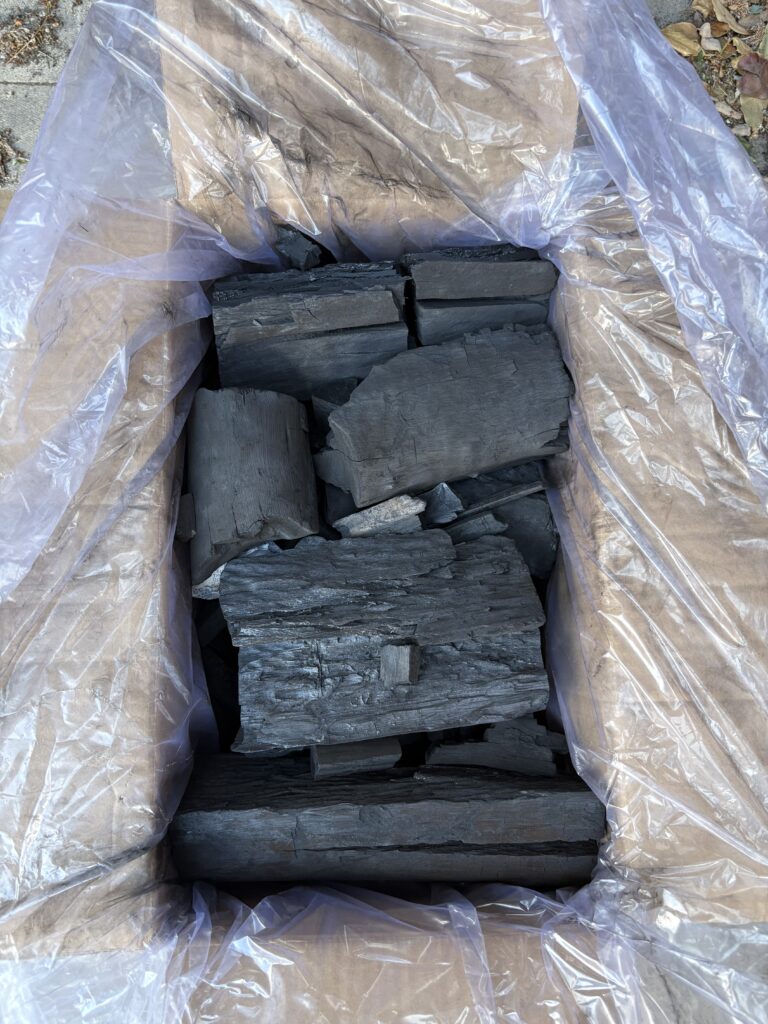
FAQ: Why does Big Ed’s Charcoal have a mix of big and small lumps?
Big Ed’s is all about top-quality, long-burning charcoal, made from a mix of Eucalyptus and Mangrove wood. Each 10kg box is packed with...