
The Ultimate Guide to Mastering the Tomahawk Steak on the BBQ
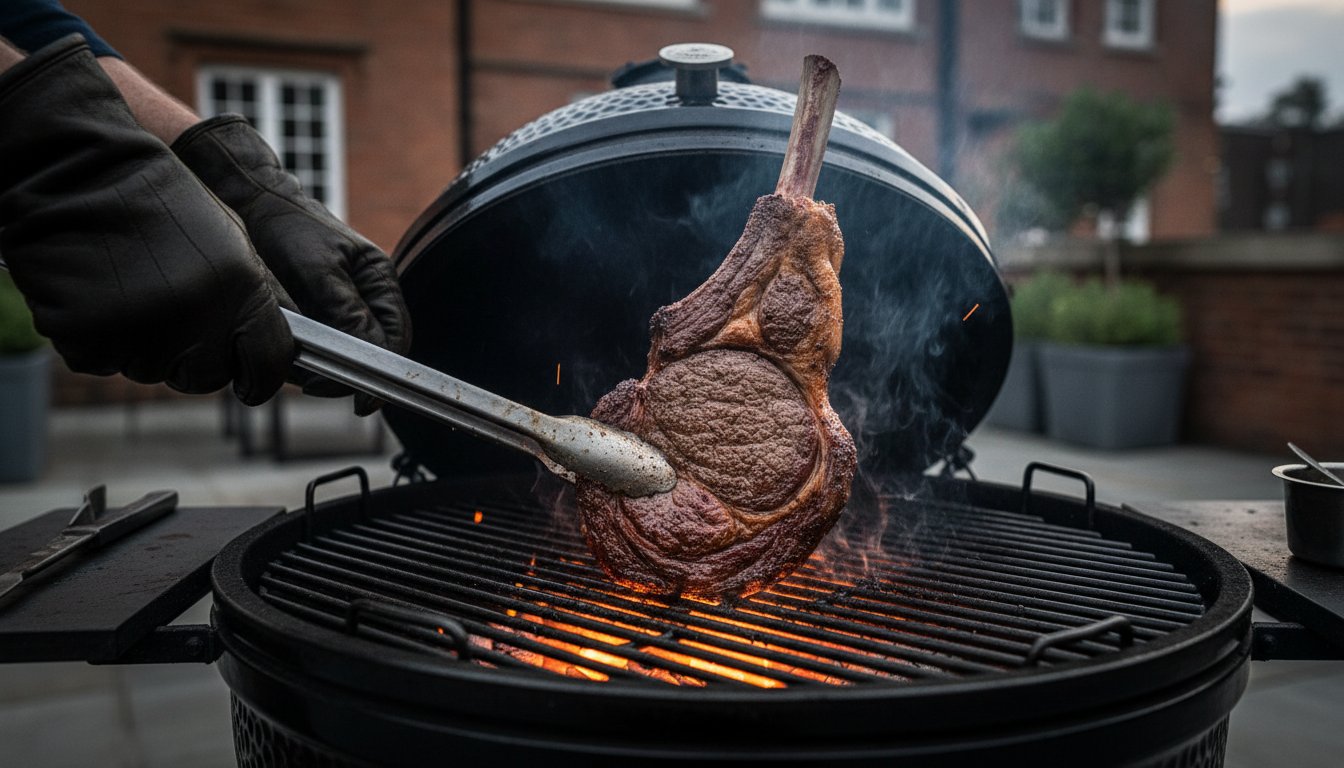
A tomahawk steak is more than just a meal; it’s a piece of performance art that demands far more than a standard backyard grill. You’ve likely stood before the butcher’s counter, mesmerised by that 1.2kg ribeye and its signature French-trimmed bone, only to feel a flicker of doubt. It’s a significant investment, and the fear of ruining such a premium cut with uneven heat or a lacklustre crust is a challenge that 74% of home cooks admit to feeling when tackling meat over 5cm thick.
We’re here to transform that hesitation into mastery. Precision is everything when you’re commanding the theatre of the open fire. You’ll discover the exact seasoning and temperature control required to achieve a succulent, edge-to-edge medium-rare finish and a deep, mahogany bark. From the science of the reverse sear to managing the thermal challenges of that massive bone on your Kamado Joe, this guide provides the professional blueprint to elevate your garden into a premier outdoor kitchen sanctuary.
Key Takeaways
- Learn why the “Frenched” bone is more than just an aesthetic choice and how proper tempering ensures your meat cooks evenly to the core.
- Master the reverse sear method to achieve a succulent, edge-to-edge pink finish while avoiding the common pitfall of a charred exterior and cold centre.
- Discover how to utilise premium fuels and specialised gear like the Fire Cage to tame the intense heat of an open fire when cooking a tomahawk steak.
- Unlock the secrets of the dry brine technique to transform surface proteins into an unrivalled, professional-grade crust.
- Elevate your final presentation with expert slicing techniques and decadent compound butters to deliver a truly bespoke dining experience.
What is a Tomahawk Steak? Understanding the King of Ribeyes
Few cuts of beef command attention quite like the tomahawk steak. At its core, this is a premium ribeye cut from the fore-rib, specifically taken from between the sixth and twelfth ribs of the animal. What sets it apart is the dramatic presentation; the entire rib bone remains attached, often extending up to 20 centimetres beyond the meat itself. This bone is “Frenched,” a traditional culinary technique where the fat and sinew are meticulously trimmed away to expose the clean, white bone. The result is an iconic axe-like silhouette that serves as the undeniable centerpiece of any high-end outdoor gathering.
The bone isn’t merely for aesthetic theatre. It acts as a natural insulator during the cooking process, protecting the meat’s internal temperature from spiking too rapidly near the rib side. As the heat intensifies on your grill, the marrow within the bone can release subtle, rich flavours into the surrounding muscle. You aren’t just cooking a piece of protein; you’re managing a significant thermal mass. A typical tomahawk steak in the UK weighs between 1.2kg and 1.7kg. This scale requires a strategy far removed from the quick, five-minute sear of a standard 250g sirloin. Without a precise approach to heat distribution, you risk a charred, bitter exterior and a cold, unrendered centre.
Tomahawk vs. Ribeye: Is the Bone Worth It?
Choosing a tomahawk is a deliberate move towards sensory indulgence and host-led theatre. While a standard ribeye offers the same tender longissimus dorsi muscle, it rarely matches the 5cm thickness that a bone-in cut provides. This extra depth is vital for creating a heavy, deeply caramelised crust while maintaining a perfect edge-to-edge medium-rare interior. The presence of the bone transforms a simple meal into a shared event, turning your garden into a bespoke steakhouse where you demonstrate true culinary mastery over the flame.
Choosing Your Meat: What to Look For
Success begins with the animal’s genetics and the butcher’s craft. You should look for “intramuscular fat,” those delicate white flecks known as marbling, which melt during the cook to provide unrivaled succulence. We recommend beef that has undergone at least 28 to 45 days of dry-ageing. This traditional British process allows natural enzymes to break down connective tissue while evaporating moisture to concentrate the beefy flavour profile. Always measure your cooking surface before purchasing. A 1.5kg steak requires ample clearance, especially if you’re using a compact Hibachi grill or a specific Fire Cage setup within your outdoor kitchen.
Preparation and Seasoning: The Foundation of Flavour
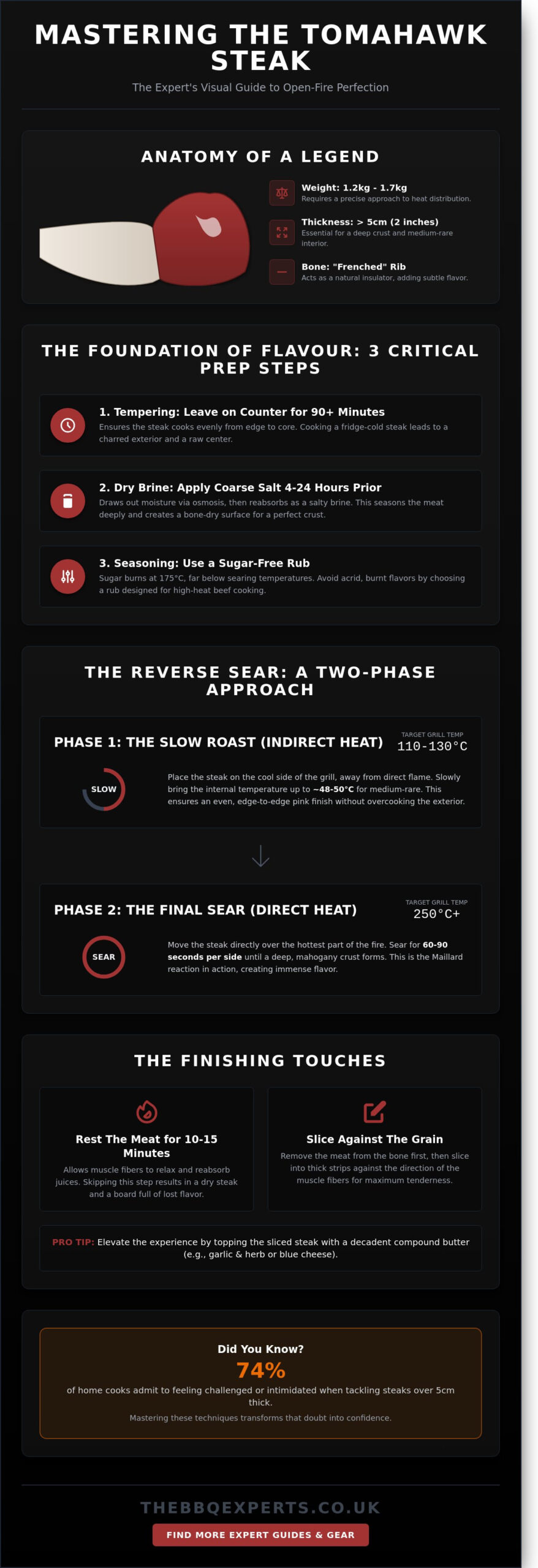
Achieving a world-class result starts long before the charcoal is lit. You need to respect the anatomy of the meat. A thick-cut tomahawk steak requires a deliberate approach to tempering; leave it on the worktop for at least 90 minutes to ensure the internal temperature rises. If the core is fridge-cold when it hits the grate, you’ll struggle to reach a perfect medium-rare without charring the exterior to a cinder. This simple step ensures heat penetrates the meat evenly, resulting in that edge-to-edge pink perfection every connoisseur craves.
Dry brining is the secret weapon of the seasoned pitmaster. Apply coarse sea salt at least four hours before cooking, though 24 hours uncovered in the refrigerator is superior. This process draws moisture out through osmosis, dissolves the salt into a brine, and then pulls it back deep into the muscle fibres. It seasons the beef from within while simultaneously drying out the surface. A bone-dry surface is essential for the Maillard reaction, the chemical magic that produces a crusty, mahogany bark rather than grey, steamed meat.
When it comes to lubrication, don’t oil your grill grates. Oil on hot metal often breaks down and creates a bitter, acrid residue. Instead, lightly coat the tomahawk steak in a high-smoke-point oil like cold-pressed rapeseed oil. This acts as a heat conductor, filling the microscopic gaps between the meat and the metal to ensure every millimetre of the beef receives a professional-grade sear.
The Role of Professional BBQ Rubs
Precision is everything when selecting your seasoning. Avoid rubs with high sugar content for this specific cook. Sugar burns at approximately 175°C, which is far below the temperature required for a proper sear. To avoid an acrid, burnt crust, we recommend exploring the Angus & Oink rubs to find blends specifically engineered for high-heat beef. Apply your rub generously. A three-inch thick steak has a massive volume of meat to season, so a light dusting simply won’t suffice.
The Best Rubs for Beef: A Pitmaster’s Selection
A classic Dalmatian rub of equal parts salt and coarse black pepper is timeless, but complexity adds a luxury dimension. Look for blends featuring granulated garlic and onion powder to add depth. For enthusiasts who prefer the heavy, dark bark associated with traditional Texan barbecue, consult our guide on the best rubs for low and slow brisket UK for inspiration, or explore our brisket rub recipe to master the precise spice ratios that build a competition-grade bark. Use a thin binder of English mustard to help these heavy spices adhere; the vinegar evaporates during the cook, leaving only a perfectly seasoned, succulent crust.
Taking the time to prepare your meat correctly ensures your garden gatherings feel like a bespoke steakhouse experience. You can elevate your outdoor cooking by investing in professional-grade seasonings that make this culinary precision possible.
Cooking Methods: Why the Reverse Sear is Essential
Attempting to cook a tomahawk steak over a direct, aggressive flame is a recipe for disappointment. Because these cuts often measure 5cm or more in thickness, the heat cannot penetrate the core quickly enough. You’re left with a scorched, carbonised exterior and a centre that remains cold and blue. This disconnect ruins the texture of the fat and leaves the meat tough. The reverse sear is the definitive solution for the seasoned connoisseur, ensuring your investment results in a succulent masterpiece rather than a charred disaster.
This technique flips traditional grilling on its head. You begin with a low and slow phase to bring the internal temperature up evenly, followed by a high-heat finish to develop the crust. To execute this with precision, a high-quality digital meat thermometer is non-negotiable. Whether you use a Meater Plus for wireless monitoring or a Thermapen One for instant reads, accuracy is the difference between a professional result and guesswork. You must also master two-zone cooking. By piling your charcoal to one side of the barbecue, you create a sanctuary of indirect heat that allows the meat to transform without the risk of flare-ups.
Step 1: The Gentle Rise (Indirect Heat)
Precision begins with your environment. Set your barbecue for indirect cooking, maintaining a steady temperature between 110°C and 120°C. It’s vital to use a premium fuel source like Big Eds Charcoal. This ensures a clean, consistent heat that won’t overwhelm the natural flavour of the beef with acrid smoke. Place the tomahawk steak on the cool side of the grill, away from the embers. Your objective is a slow, controlled ascent. Monitor the core temperature until it hits exactly 45°C. At this stage, the meat will look grey and unappealing, but the internal structure is perfectly primed for the final transformation.
Step 2: The Maillard Reaction (The Sear)
Once the steak reaches its internal target, remove it from the grill and let it rest while you open the vents to crank the heat. You need a blistering 300°C or higher to trigger the Maillard reaction, the chemical process that creates the savory, browned crust. To achieve professional grill marks without the meat sticking, use the “Cold Grate” technique. Place a room-temperature cast iron grate over the white-hot coals just as you are ready to sear. This prevents the proteins from bonding instantly to the metal. Sear the meat for approximately 60 to 90 seconds per side. Aim for a pull temperature of 52°C. During the rest, the carry-over heat will bring it to a perfect 54°C medium-rare, allowing you to elevate your outdoor cooking to an unrivaled standard of excellence.
How to Cook a Tomahawk Steak on Open Fire: A Step-by-Step Guide
Cooking a tomahawk steak over an open flame is the pinnacle of outdoor gastronomy. It is where raw power meets culinary finesse. Start your journey by building a deep, consistent ember bed using Big Eds Charcoal or dense Oak Briquettes. These premium fuels provide the sustained, intense heat required to penetrate such a thick cut without extinguishing halfway through the cook.
If you are using a professional setup, the Fire Cage offers an unrivalled advantage. By positioning the meat vertically, you manage the massive bone’s heat absorption while allowing rendered fat to drip away from the core. This distance prevents acrid smoke from tainting the delicate flavour of the beef. It transforms the process from a simple grill into a controlled, theatrical event.
Precision is your best ally when dealing with luxury cuts. A digital thermometer ensures you never guess the doneness of a £40 piece of beef. For those seeking a rustic, sensory thrill, the “Dirty Steak” method involves placing the meat directly onto the white-hot coals. This caveman style creates a bespoke crust that is impossible to replicate on a standard grate. Just ensure you brush off any loose ash before serving.
Once the internal temperature reaches 52°C for a perfect medium-rare, remove it from the heat. Resting the meat for exactly 15 minutes is a non-negotiable step. This pause allows the muscle fibres to relax and reabsorb the succulent juices. Skipping this step results in a dry steak and a board full of wasted flavour.
Fire Management for Thick Steaks
The high fat content of a ribeye means flare-ups are inevitable. Keep a cool zone on your grill to move the steak if flames become too aggressive. When using ceramic grills like a Kamado Joe, always use the “Burp” technique. Open the lid slightly for two seconds to let air in before fully opening it; this prevents dangerous backdrafts. Use that iconic bone as a natural handle to flip the meat, keeping your hands away from the direct heat of the embers.
The Hibachi Grill Method
Cast-iron Hibachi grills are brilliant for achieving a concentrated, high-heat sear. Because the grill surface is smaller, the tomahawk steak bone will likely overhang the edge. This is actually beneficial. It prevents the bone from charring while the meat gets that perfect Maillard reaction. This focused heat application is a different beast compared to mastering picanha steak, where fat cap management is the primary concern.
Elevate your next garden gathering by choosing the best professional charcoal and grilling tools from our curated collection.
The Finishing Touches: Serving and Gear
The moment of truth arrives when you lift that 1.2kg masterpiece from the grill. To serve with the flair this cut deserves, use a sharp boning knife to follow the curve of the bone, separating the meat in one clean, decisive movement. Slice the tomahawk steak against the grain into 1.5cm thick strips. This precise technique shortens the muscle fibres, ensuring every mouthful is exceptionally tender and easy to eat.
Elevate the sensory experience with a bespoke compound butter. A blend of roasted bone marrow, smoked sea salt, and wild garlic melting over the hot, seared crust creates a rich, glossy finish that defines luxury outdoor dining. This final layer of fat and aromatics integrates with the natural juices to create a sauce that requires no further accompaniment.
Handling such a substantial piece of meat requires equipment that matches its scale. Standard kitchen utensils often fail under the weight of a thick-cut rib; you need heavy-duty, long-handled stainless steel tongs to manage the steak safely. Positioning this grand cut as the centrepiece of your table transforms your garden into a culinary sanctuary, moving beyond a simple meal into a curated event for your guests.
The Art of Resting
Resting is a non-negotiable step in the pursuit of perfection. During this phase, internal temperatures typically rise by 3-5°C due to carry-over cooking, a critical factor to remember when pulling the meat off the heat. To preserve the hard-earned crust, tent the meat loosely with foil rather than wrapping it tightly; a tight wrap creates unwanted steam that softens the exterior texture. Resting allows muscle fibres to reabsorb juices, ensuring a succulent bite. Aim for at least 15 minutes of rest for a cut of this magnitude to ensure the heat distributes evenly from the core to the surface.
The Expert’s Toolkit
For those dedicated to the craft of open-fire cooking, the equipment is as vital as the quality of the beef. Investing in a Fire Cage provides the ultimate outdoor theatre, allowing you to suspend your tomahawk steak over roaring flames for an unrivaled smoky profile and visual spectacle. We recommend Big Eds Charcoal as the preferred fuel source, it’s chosen by professionals for its consistent, restaurant-grade burn time and clean, neutral flavour profile that doesn’t mask the meat’s natural richness.
Your outdoor kitchen should be a place of precision and joy. By choosing the right tools and mastering these final techniques, you bridge the gap between enthusiast and connoisseur. Elevate your outdoor cooking with our professional BBQ range and discover the difference that high-performance hardware makes to your weekend rituals.
Master the Flame and Transform Your Garden Sanctuary
Mastering the tomahawk steak is more than just a meal; it’s a definitive statement of culinary intent. By embracing the reverse sear method, you ensure an edge-to-edge pink interior that avoids the common pitfall of a grey, overcooked band. Precision heat management is your greatest ally when dealing with a cut of this magnitude. Whether you’re harnessing the 1,000-year-old tradition of Hibachi cooking or utilizing a robust fire cage, the quality of your fuel defines the final flavour profile.
As a specialist UK retailer, we provide the tools needed to turn your patio into a professional-grade outdoor kitchen. We stock the full range of award-winning Angus & Oink rubs, featuring over 40 bespoke blends that have helped competition teams secure top spots across the UK BBQ circuit. Our expert-led advice ensures you aren’t just buying hardware; you’re investing in a lifetime of gastronomic excellence. If you’re looking to apply the same level of bark-building precision to other premium cuts, our brisket rub recipe guide breaks down the exact spice ratios and layering techniques used by competition pitmasters.
Elevate your next BBQ with professional-grade Fire Cages and Big Eds Charcoal
You’ve got the knowledge and the technique, so it’s time to step outside and claim your title as the master of the flame.
Frequently Asked Questions
How much does a tomahawk steak usually weigh?
A typical tomahawk steak weighs between 1.2kg and 1.5kg, though premium cuts from high-end British butchers can reach 2kg. This substantial weight includes the massive rib bone, which usually measures 15cm to 20cm in length. Because of this thickness, often 5cm or more, you must adjust your cooking times to ensure the heat penetrates the centre of the succulent ribeye meat without charring the exterior.
Can I cook a tomahawk steak on a gas BBQ?
You can certainly cook a tomahawk steak on a gas BBQ, provided your grill offers enough lid clearance and precise temperature control. Using a multi-burner system allows you to create an indirect heat zone, which is essential for a steak of this magnitude. Brands like Napoleon or Broil King feature high-performance burners that deliver the 250°C searing heat required to develop a deep, caramelised crust before finishing the meat slowly.
What is the best internal temperature for a medium-rare tomahawk?
The ideal internal temperature for a medium-rare result is 52°C to 54°C when you remove the meat from the grill. Precision is vital here, so use a digital meat thermometer to monitor the core temperature accurately. Once the meat rests for 15 minutes, the carryover heat brings the final temperature to the perfect 56°C or 57°C mark, ensuring the fats have rendered into a buttery, melt-in-the-mouth texture.
Is the bone in a tomahawk steak just for show?
The French-trimmed bone creates a striking visual masterpiece, but it also serves a functional purpose during the cooking process. The bone acts as an insulator, protecting the meat immediately adjacent to it from overcooking and preserving moisture. This thermal mass helps maintain a steady temperature across the beef, though most connoisseurs agree that the primary benefit is the dramatic presentation it brings to your outdoor dining sanctuary.
How do I prevent the tomahawk bone from burning on the grill?
Wrap the exposed length of the bone in a double layer of heavy-duty aluminium foil before placing it on the grates to prevent charring. This simple technique keeps the bone looking pristine and white, contrasting beautifully with the dark, seared meat. It’s a hallmark of professional presentation that ensures your centrepiece remains as visually impressive as it is delicious when you finally present it to your guests.
Should I cut the tomahawk steak before or after resting?
You must always rest your steak for at least 15 to 20 minutes before making the first cut. Resting allows the muscle fibres to relax and reabsorb the internal juices that have been pushed to the centre by the intense heat. If you slice too early, those succulent juices will spill onto your board, leaving the meat dry and diminishing the luxury experience you’ve worked so hard to create.
What is the difference between a tomahawk and a cowboy steak?
The primary difference lies in the length of the bone, as both are essentially bone-in ribeye steaks. A tomahawk features a full 15cm to 20cm rib bone that has been French-trimmed to resemble an axe handle. In contrast, a cowboy steak has a much shorter, often 5cm to 7cm bone. Choosing the tomahawk provides that unrivaled sense of drama and scale that helps elevate your outdoor cooking into a bespoke culinary event.
How many people does one tomahawk steak serve?
A single steak typically serves 2 to 3 hungry adults, depending on its specific weight. Given that these cuts often exceed 1.2kg, there’s more than enough rich, marbled beef to share as a communal centrepiece. To truly impress, slice the meat against the grain and serve it alongside seasonal grilled vegetables, allowing each guest to experience the unrivaled quality and texture of this premium cut.
Disclaimer
This article was produced with AI assistance. We use AI and Third Parties to help deliver more content to our BBQ website and community, but we always aim to ensure accuracy and quality as much as we can. If you spot anything that doesn't seem right, we'd love to hear from you

Recent News & Updates

Our Story, Values and Beliefs
Here at the BBQ experts we have a passion for BBQ food, outdoor living and spending time with family and friends. We offer you; A...
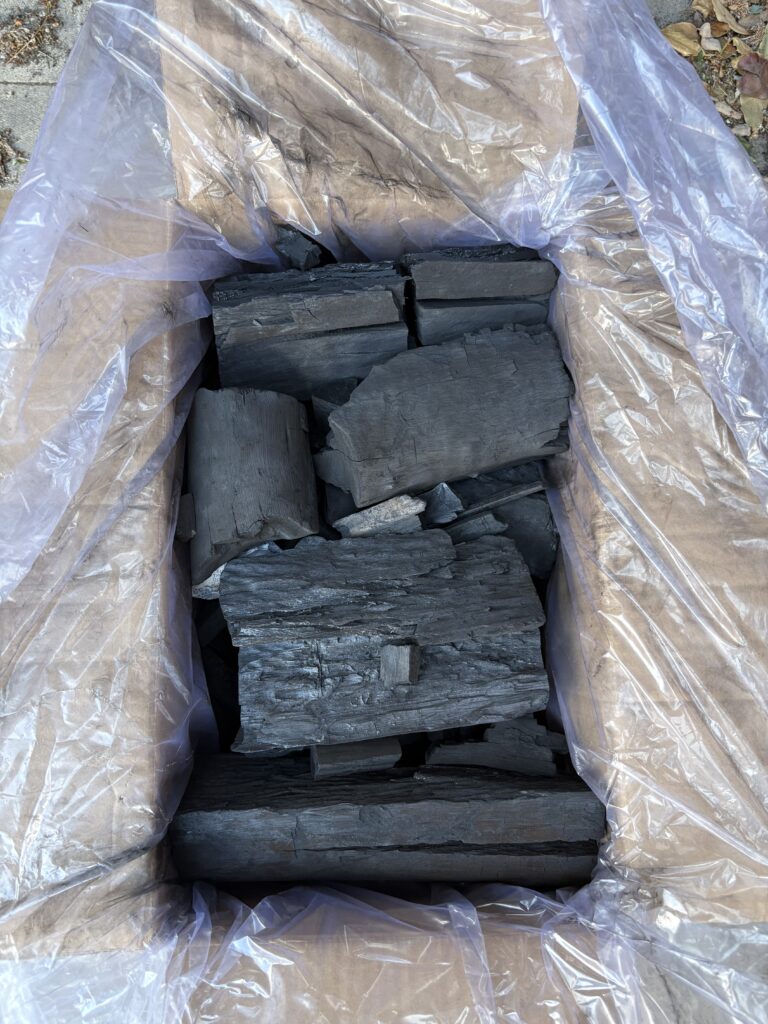
FAQ: Why does Big Ed’s Charcoal have a mix of big and small lumps?
Big Ed’s is all about top-quality, long-burning charcoal, made from a mix of Eucalyptus and Mangrove wood. Each 10kg box is packed with...