
Mastering Picanha Steak: The Ultimate Guide to the Brazilian BBQ Classic
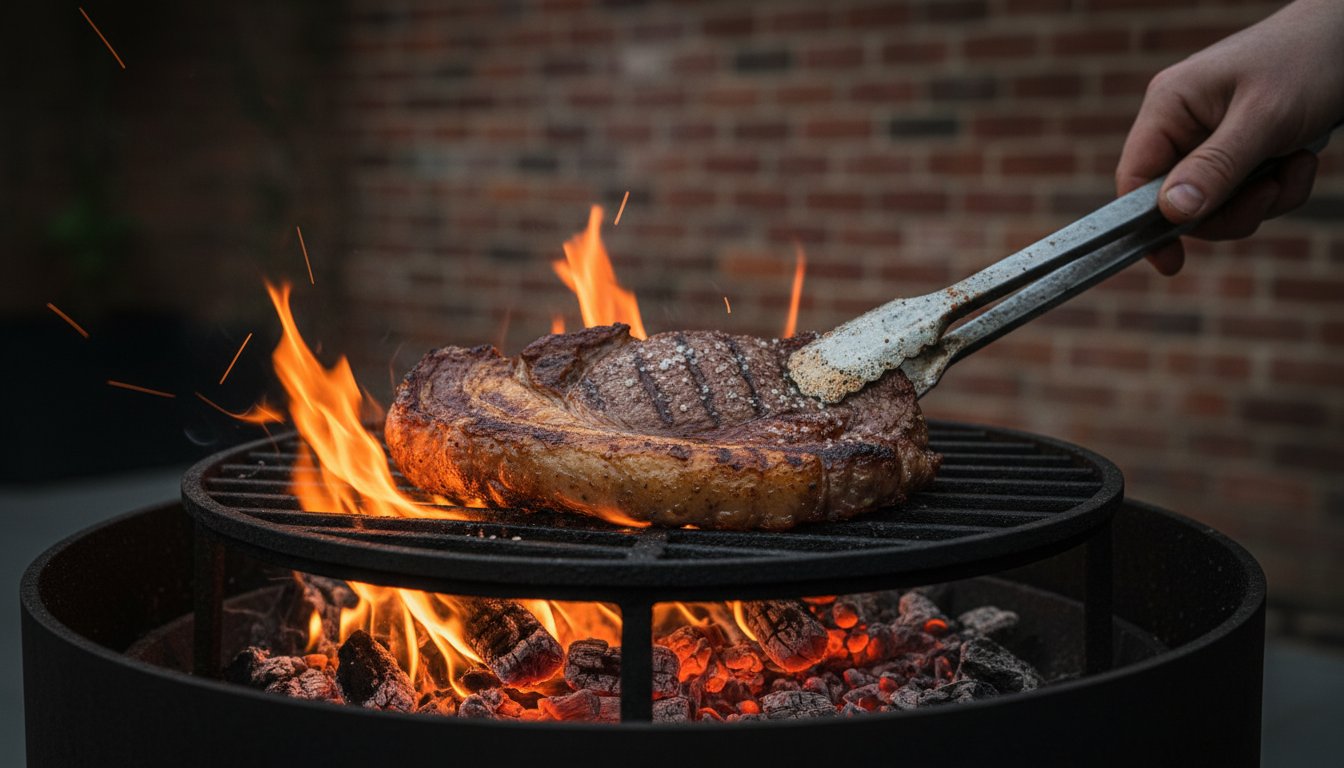
If you’re still hunting for the ultimate beef experience in the aisles of a standard UK supermarket, you’re looking in the wrong place. While 82% of British steak lovers stick to the familiar territory of ribeye or sirloin, the seasoned connoisseur knows that the picanha steak is the undisputed crown jewel of the outdoor kitchen. It’s a cut that demands both respect and precision; a single 1.2kg joint holds the potential for unrivaled succulence, yet it’s frequently sabotaged by aggressive fat-cap flare-ups or a basic misunderstanding of grain direction.
We know the frustration of watching a premium cut go from bespoke masterpiece to charred disappointment in seconds. You’ve likely struggled with the chewy texture that comes from incorrect slicing or the difficulty of finding a butcher who understands the true value of the rump cap. This guide promises to transform your approach, showing you how to source, prep, and fire-cook the perfect picanha steak using professional techniques and premium fuels. We’ll explore the essential carving rules and the secret to achieving a consistent 54°C internal temperature for a result that’s as visually stunning as it is delicious.
Key Takeaways
- Learn how to navigate butcher terminology to source the finest grass-fed sirloin cap, ensuring your beef possesses the depth of flavour required for a true culinary masterpiece.
- Master the professional fat-scoring and tempering techniques required to prepare a succulent picanha steak that renders to perfection over an open flame.
- Understand the critical role of premium charcoal and precise heat management in achieving a bespoke sear while rendering the signature fat layer into a golden delicacy.
- Discover how to elevate your garden gatherings by pairing expert seasoning strategies with authentic Brazilian sides like farofa and chimichurri for an unrivaled dining experience.
What is Picanha Steak? Understanding the “Queen of Steaks”
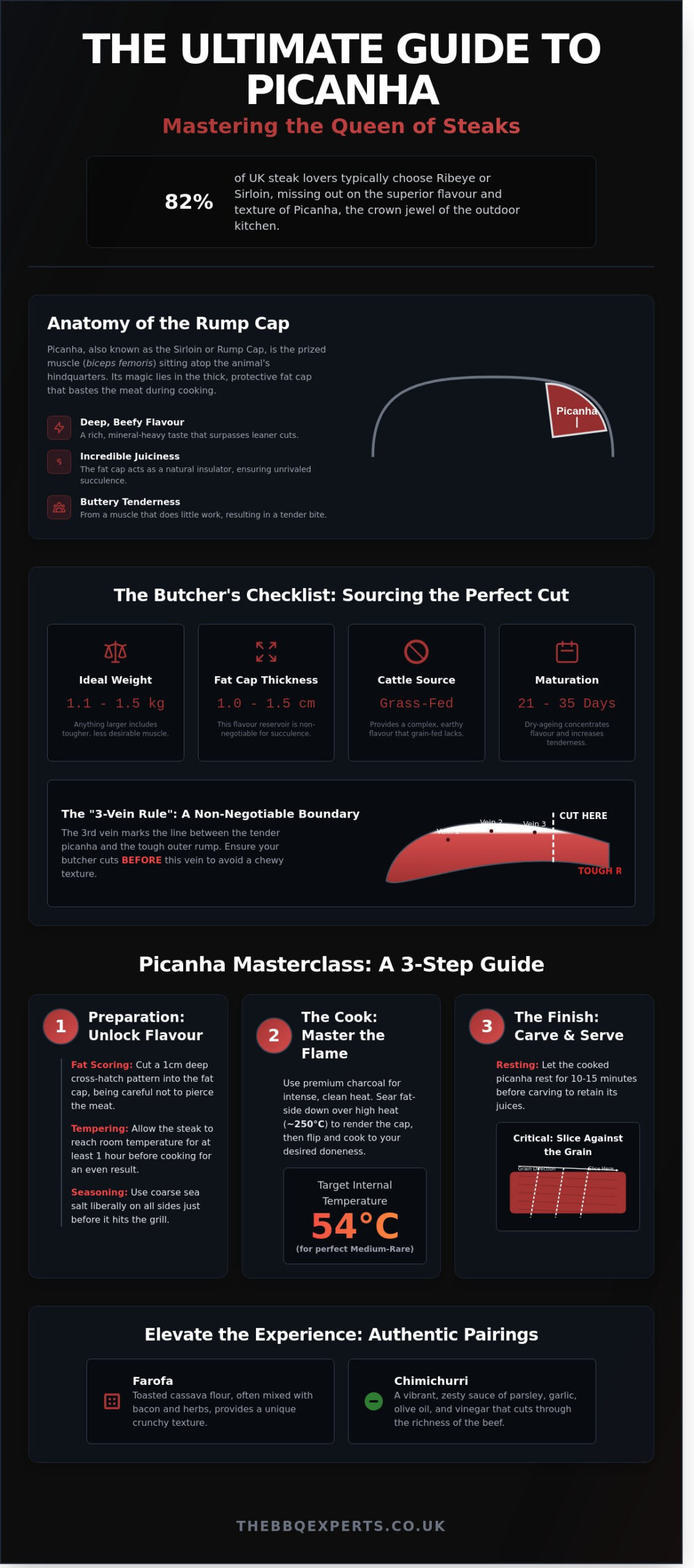
To master the picanha steak, you must first appreciate its unique anatomy. Known technically as the rump cap or sirloin cap, this prized cut sits atop the hindquarters of the animal. While British butchers traditionally integrated this section into the larger rump muscle, the specific separation of the cap has revolutionised the UK outdoor cooking scene since 2018. It is defined by a magnificent, creamy layer of exterior fat that shields the lean, mineral-heavy muscle beneath. This structural composition allows the meat to remain incredibly succulent even when exposed to the fierce temperatures of a charcoal grill.
The sensory appeal of this cut lies in its contrast. You get the deep, punchy beef flavour associated with a rump, but with the buttery tenderness usually reserved for more expensive loins. When asking What is Picanha?, you discover it is more than just a piece of beef; it is a masterclass in texture. This sensory balance makes the picanha steak a superior choice for those who value depth of flavour over the simple, one-dimensional tenderness of a fillet. It offers a bespoke dining experience that transforms your garden into a high-end steakhouse.
- Muscle Profile: The biceps femoris, a muscle that does little work, ensuring a tender bite.
- Fat Composition: A thick “cap” that should ideally measure between 1.5cm and 2cm.
- Moisture Retention: The cap acts as a natural insulator, outperforming standard rump steaks in juiciness.
The Cultural Roots of the Churrascaria
The picanha tradition originated in the 1940s within the churrascarias of Southern Brazil. Gauchos developed the Rodizio style of service, where various cuts are skewered and carved directly onto the diner’s plate. In South America, it is the undisputed king of the barbecue. This heritage has now anchored itself in British culture. Modern enthusiasts use premium ceramic grills to replicate the smoky, charred perfection once found only on the pampas. Your garden becomes a sanctuary for this ancient, fire-led craft.
Why Fat is Your Best Friend
The fat cap is your secret weapon for culinary success. It serves as a thermal barrier, protecting the muscle from drying out during a high-heat sear at 250°C. As the heat penetrates the beef, the fat renders and liquefies, creating a self-basting effect that saturates the fibres with flavour. Never trim this layer away. Removing the fat destroys the soul of the dish and robs the meat of its protection. A well-prepared cap results in a crisp, golden crust that is the hallmark of a seasoned connoisseur. Elevate your outdoor cooking by respecting the fat; it is the source of the steak’s unrivaled succulence.
The Anatomy of a Perfect Cut: Sourcing and Selection
Sourcing a masterpiece like the picanha steak requires more than a casual trip to the supermarket. In the United Kingdom, your local butcher might look puzzled if you ask for picanha by its Brazilian name; you’ll often find it labelled as the Sirloin Cap or Culotte. To achieve that unrivaled culinary result, you must demand a cut from grass-fed cattle. British grass-fed beef offers a complex, earthy flavour profile that grain-fed alternatives simply cannot match, providing a richness that stands up to the intense heat of the charcoal.
Look for a deep, vibrant red muscle topped with a consistent white fat cap between 1cm and 1.5cm thick. This fat is your flavour reservoir; it renders down during the cook to baste the meat from within. Size is a non-negotiable indicator of quality. A true picanha steak should weigh between 1.1kg and 1.5kg. If the cut exceeds 1.5kg, you’re likely paying for a portion of the tough outer rump that shouldn’t be there. Understanding the perfect temperatures for picanha starts with ensuring the meat’s thickness is uniform for an even sear across the entire surface.
The “3-Vein Rule” Explained
The secret to a succulent picanha lies in where the butcher makes the final cut. There are three small veins running through the cap. This third vein marks the boundary between the tender picanha and the much tougher rump. If your butcher includes meat past this point, your guests will be met with a chewy, disappointing texture that lacks the buttery tenderness of the true cap. Locate the third small vein by counting from the narrow tip of the tapered muscle towards the wider base.
Ageing and Maturation
Choose beef that has been dry-aged for 21 to 35 days to concentrate the natural sugars and enzymes. This process creates a bespoke depth of flavour that elevates your outdoor cooking from a simple meal to a culinary event. While wet-ageing is common in high-street supermarkets, it often results in excess moisture that prevents the perfect crust. For the ultimate sanctuary in your garden, source your meat from specialist UK suppliers who understand the craft of maturation. Investing in a high-performance Kamado Joe charcoal grill ensures these premium cuts receive the precision heat they deserve.
Fuel and Fire: Preparing Your Grill for Picanha
The alchemy of fire transforms a raw cut into a culinary masterpiece. When you prepare a picanha steak, the fuel you choose isn’t just a heat source; it’s the primary seasoning. Achieving that signature, caramelised fat cap requires a heat profile that is both intense and controlled. To truly master this cut, one must understand What is Picanha and its unique composition, specifically how that thick layer of fat reacts to different thermal environments. You need a fire that renders the fat into a succulent liquid without turning the exterior into bitter carbon.
Managing this intense heat is a delicate balancing act. You should aim for a two-zone fire setup. By banking your coals to one side, you create a searing zone and a “safe zone.” This is vital because as the fat renders, it will inevitably drip and cause flare-ups. Having a cooler area allows you to move the beef away from aggressive flames, preventing the charring that ruins the delicate flavour. Incorporating Oak wood adds a sophisticated layer of depth; its robust, clean smoke profile complements the richness of the beef without overpowering the simple salt seasoning.
Choosing the Right Fuel: Big Eds Charcoal vs. Briquettes
Precision cooking starts with the quality of your lumpwood. Big Eds Charcoal is our recommendation for picanha because it offers a carbon content of approximately 80%, providing the high, clean heat necessary for a perfect crust. Unlike standard supermarket briquettes, which often contain chemical binders and fillers that emit unpleasant odours, Big Eds burns pure. For those tackling a larger, whole-roast picanha over a longer period, Oak Briquettes are a superior alternative. They offer a consistent, high-density burn that lasts for over 180 minutes, maintaining the steady 180°C required for a slow-roasted finish.
Hardware Selection: Hibachi Grills and Fire Cages
The tool you choose dictates the texture of your picanha steak. A Hibachi Grill is unrivaled for those who prefer the traditional Brazilian skewer method. Its compact design places the meat in close proximity to the glowing embers, allowing for a rapid, intense sear that locks in moisture. If you crave a more rustic, theatrical experience, a Fire Cage allows you to cook over an open flame, providing a bespoke char that is difficult to replicate.
Many enthusiasts successfully adapt their existing setups. If you’re using a gas bbq, ensure you preheat it for at least 15 minutes to reach temperatures of 250°C. Use the outer burners to create your indirect zone and keep the lid down to simulate the convective heat of a traditional charcoal pit. This ensures the fat cap renders beautifully even without the presence of solid fuel.
How to Cook Picanha Steak: A Step-by-Step Masterclass
Mastering a picanha steak is a ritual that demands respect for the meat’s unique architecture. Begin by tempering your beef; remove it from the fridge at least 60 minutes before it hits the grill to ensure the internal fibres relax and cook evenly. Use a sharp boning knife to score the thick fat cap in a precise crosshatch pattern, taking care not to pierce the red muscle underneath. This technique allows the intense heat to penetrate the fat, rendering it into a liquid gold that bastes the steak from within. For seasoning, tradition dictates a generous coating of coarse sea salt. These large crystals draw out just enough moisture to create a light brine on the surface without overpowering the deep, mineral-rich flavour of the beef.
Step 1: Slicing and Skewering
Slice your picanha into thick steaks, roughly 3 inches wide. You must slice with the grain at this stage. This specific orientation ensures that when you eventually carve the cooked meat at the table, your final cuts will be against the grain for unrivaled tenderness. Fold each strip into a classic “C” shape with the fat cap on the outside. Thread these onto a heavy duty metal skewer, leaving a 2 centimetre gap between each piece. This spacing is vital for consistent airflow, allowing the heat to wrap around every surface of the meat for a uniform cook.
Step 2: The Searing Process
Position your skewers over a high heat zone, ideally using high-quality lumpwood charcoal for a clean, intense burn. Start with the fat-side facing the coals to initiate an immediate render. You will likely encounter flare-ups as the fat drips; simply move the skewer to a cooler part of the grate for 20 seconds before returning it to the heat. Your goal is a deep, mahogany bark. This Maillard reaction occurs most effectively at temperatures above 150°C, transforming the surface into a bespoke crust of concentrated umami. Use a digital probe to aim for an internal temperature of 52°C for a sublime medium-rare finish.
Step 3: The Rest and the Slice
Remove the meat from the heat and let it rest on a warm wooden board for at least 10 minutes. The resting period allows the internal pressure to equalise and the muscle fibres to reabsorb the succulent juices that would otherwise be lost on the cutting board. Once the time has elapsed, carve thin slices against the grain. Every bite should offer a perfect ratio of charred, salty fat and tender, pink meat. This is the hallmark of a true Churrasco master.
Ready to transform your garden into a culinary sanctuary? Elevate your outdoor cooking with our curated range of professional-grade rotisseries and grills.
Elevating the Experience: Rubs, Sides, and Tools
Mastering the picanha steak requires more than just heat and timing; it demands a curated approach to flavour and precision. While traditionalists swear by coarse sea salt, the modern pitmaster knows that the right rub can transform a great meal into a legendary one. We recommend the Angus & Oink range for their unrivaled ability to complement the deep, beefy notes of this cut. Their “Texas Steak” rub, featuring a bold 16-mesh black pepper profile, creates a crust that stands up to the intense rendering of the fat cap. If you prefer a traditional South American profile, their “Brazilian” blend offers a vibrant citrus and herb complexity that brightens every bite. For those looking to expand their BBQ repertoire beyond picanha, exploring the best rubs for low and slow brisket UK can help you master other premium cuts with the same professional-grade seasoning approach.
Seasoning with Angus & Oink
Timing is everything when it comes to seasoning. Apply your chosen Angus & Oink rub at least 45 minutes before the meat meets the charcoal. This allows the salt to draw moisture out, dissolve the spices, and then pull that seasoned brine back into the muscle fibres. For a professional finish, save a small amount of the rub for a light dusting just before you serve. This final touch adds a punch of raw spice and visual texture that elevates the picanha steak from a simple roast to a bespoke culinary masterpiece. The “Texas Steak” profile delivers a dark, peppery bark, while the “Brazilian” style focuses on a zesty, herbaceous aromatic experience. These same principles of bark development and seasoning penetration that make picanha exceptional also apply when creating competition-worthy results with other premium cuts. If you want to perfect that jet-black mahogany crust on your next cook, our brisket rub recipe guide breaks down the exact spice ratios and layering techniques that professional pitmasters use to achieve an unrivaled bark.
Mastering the Presentation
The theatre of the carve is part of the allure. Bring the skewers directly to the table and slice thin ribbons of beef onto your guests’ plates, ensuring everyone gets a portion of that glistening, rendered fat. Pair this succulent meat with a robust Argentinian Malbec or a traditional Caipirinha to balance the richness. To ensure your skills are backed by the best equipment, remember that precision matters. A £90 digital instant-read thermometer is your best friend, ensuring you hit a perfect 52°C internal temperature every time. Use a sharp, 10-inch carving knife to achieve clean slices without tearing the delicate grain.
- Farofa: This toasted cassava flour provides a necessary crunch and absorbs the delicious juices.
- Chimichurri: A vibrant mix of parsley, garlic, and red wine vinegar to cut through the fat.
- Tomato Salad: Keep it simple with red onions and a sharp vinaigrette for a refreshing palate cleanser.
If you find yourself with leftovers, don’t let them go to waste. Wrap the beef tightly in foil and store it in the fridge for up to three days. Reheat it gently in a 120°C oven until just warmed through; this prevents the meat from toughening or losing its medium-rare centre.
Elevate Your Garden Gastronomy with the Queen of Steaks
Mastering the picanha steak transforms your garden from a simple lawn into a high-end Brazilian steakhouse. You’ve learned that preserving the 1.5-inch fat cap is non-negotiable for that signature succulent finish. By adopting the traditional C-shape skewer technique and managing a precise two-zone heat system, you’re now equipped to deliver a searing, professional-grade crust every time. These techniques ensure your beef retains its moisture while developing an unrivaled depth of flavour that standard cuts simply cannot match.
True culinary precision requires more than just technique; it demands hardware that performs under pressure. At The BBQ Experts, we provide an expert-led curation of premium tools designed for those who refuse to compromise on quality. We offer national UK delivery on our entire range of charcoal and bespoke rubs, all backed by passionate support from specialists with over 15 years of outdoor cooking experience. Whether you’re a seasoned connoisseur or an aspiring pitmaster, we bridge the gap between professional equipment and your home sanctuary. For those ready to tackle even more impressive cuts, mastering the tomahawk steak offers another theatrical centrepiece that commands attention at any gathering.
Upgrade your outdoor cooking with our specialist Hibachi Grills and Big Eds Charcoal and turn your next gathering into a bespoke culinary event. The fire is ready when you are.
Frequently Asked Questions
Is picanha steak the same as rump cover?
Yes, picanha steak is anatomically identical to the rump cover or the top sirloin cap. In British butchery, this cut is often tucked away into the rump or sold as a roasting joint, but its signature 1.5cm thick fat cap distinguishes it. When you buy a whole 1.2kg to 1.5kg picanha, you’re getting the prime muscle from the top of the hindquarters, prized for its deep beefy flavour and succulent texture.
How do I stop my picanha from catching fire on the BBQ?
You stop flare-ups by using a two-zone cooking method and positioning the fat cap away from direct flames. As the fat renders at 55°C, it can drip onto the coals and ignite. Keep a cool zone on your Kamado Joe or Napoleon grill to move the meat if the flames become too aggressive. Scoring the fat in a 2cm diamond pattern also helps the rendering process stay controlled rather than chaotic.
Should I cut picanha with or against the grain?
You must cut the raw picanha with the grain if you’re preparing traditional C-shaped skewers, which ensures you slice against the grain when serving. If you’re cooking individual steaks, slice them 2.5cm thick against the grain before they hit the grill. This technique breaks up the muscle fibres, ensuring every bite of your picanha steak is tender rather than chewy. Precision in your knife work defines the final eating experience.
What is the best temperature for picanha steak?
The optimal internal temperature for a succulent picanha steak is 52°C for medium-rare, allowing for a 2°C rise during the 10-minute resting period. Cooking beyond 55°C can cause the lean muscle to tighten and lose its characteristic moisture. Use a high-quality digital thermometer to ensure 100% accuracy. Achieving this precise thermal point transforms the beef into a buttery, melt-in-the-mouth masterpiece that rivals any luxury steakhouse.
Do I need a rotisserie to cook picanha?
You don’t require a rotisserie to achieve professional results, though it’s the traditional Brazilian method. Grilling individual steaks over direct heat or roasting the whole joint using an indirect setup works perfectly on a high-end charcoal BBQ. The rotisserie’s benefit is the self-basting effect as the fat melts, but you can replicate this by frequently turning your steaks. Most UK enthusiasts find that a simple 2-zone fire provides ample control.
Can I cook picanha in a pan if I cannot use a BBQ?
You can absolutely cook picanha in a heavy cast-iron skillet if the British weather keeps you indoors. Start by placing the fat cap down in a cold pan and slowly increasing the heat to render the fat for 4 to 6 minutes. Once the fat is crisp and golden, sear the meat sides for 3 minutes each. This method creates an incredible crust that captures the essence of outdoor cooking within your kitchen.
Why is picanha often cheaper than ribeye or fillet?
Picanha is often 20% to 30% cheaper than ribeye because it’s sourced from the rump, which is traditionally valued less than the rib or loin in the UK market. While a premium fillet might cost £50 per kilogram, a high-quality picanha often sits around £25 per kilogram. This price difference doesn’t reflect quality; it reflects a lack of mainstream awareness. Savvy connoisseurs recognise it as a high-value cut that offers superior flavour for a smaller investment. For those seeking an even more impressive presentation, the tomahawk steak offers theatrical appeal with its signature French-trimmed bone, though at a premium price point.
How long does a whole picanha take to cook on the grill?
A whole 1.5kg picanha typically takes 45 to 60 minutes to reach a perfect medium-rare when using indirect heat at 180°C. If you choose to slice it into individual steaks, the cooking time drops significantly to about 4 minutes per side over direct heat. Always factor in a mandatory 15-minute rest under foil. This resting period allows the juices to redistribute, ensuring the first slice is as moist as the last.
Disclaimer
This article was produced with AI assistance. We use AI and Third Parties to help deliver more content to our BBQ website and community, but we always aim to ensure accuracy and quality as much as we can. If you spot anything that doesn't seem right, we'd love to hear from you

Recent News & Updates

Our Story, Values and Beliefs
Here at the BBQ experts we have a passion for BBQ food, outdoor living and spending time with family and friends. We offer you; A...
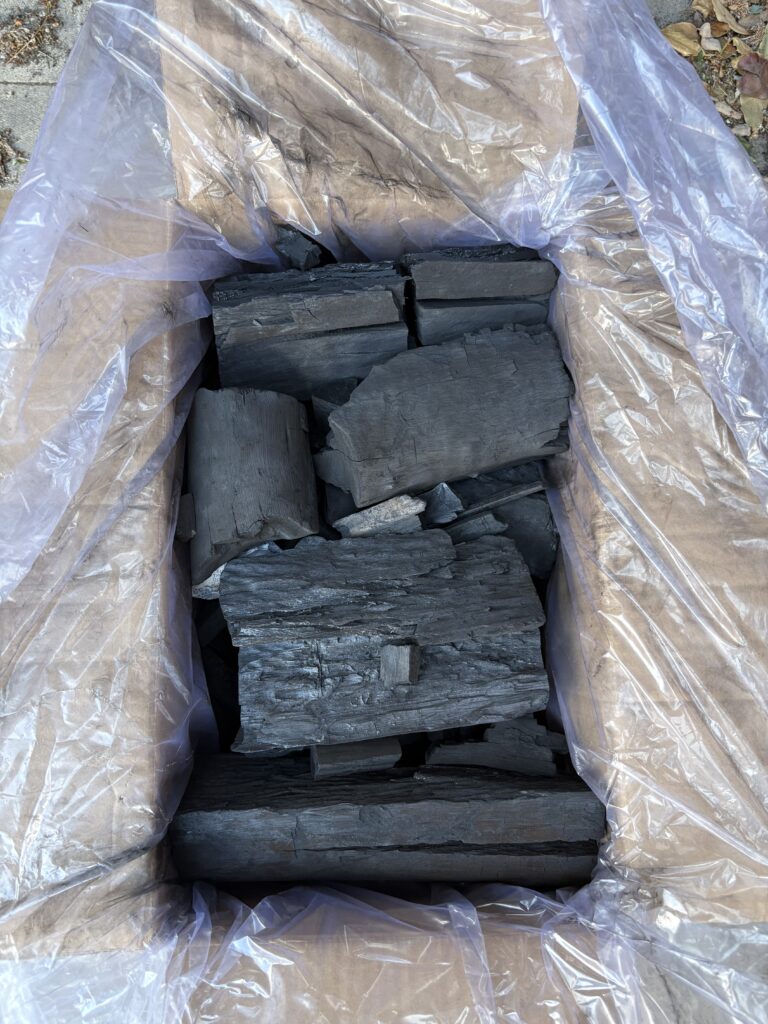
FAQ: Why does Big Ed’s Charcoal have a mix of big and small lumps?
Big Ed’s is all about top-quality, long-burning charcoal, made from a mix of Eucalyptus and Mangrove wood. Each 10kg box is packed with...